

U0401 on 2014-2017 Jeep Grand Cherokee: Implausible Data Fixes
On a 2014-2017 Grand Cherokee, U0401 is most often caused by outdated software in the Transmission Control Module (TCM). The fix is typically a software update from a dealer, which costs about one hour of labor ($150-$250). A failing auxiliary battery is the second most common cause.
- For a 2014-2017 Jeep Grand Cherokee, U0401 is most likely a software issue in the Transmission Control Module (TCM) that requires a dealer update.
- A failing auxiliary battery is the second most likely cause and should be investigated if the start/stop system is malfunctioning.
- Do not replace expensive hardware like the transmission or control modules before performing software updates and thoroughly testing the dual-battery system.
What's Unique About the 2014-2017 Jeep GRAND CHEROKEE

For the 2014-2017 Grand Cherokee (WK2) and its platform-mate, the Dodge Durango, this code is very frequently linked to software glitches. Jeep/Dodge has issued multiple Technical Service Bulletins (TSBs) acknowledging that the Transmission Control Module (TCM) software can cause this code, sometimes accompanied by poor shifting or the vehicle getting stuck in one gear. Unlike many other vehicles where U0401 points to wiring or hardware failure, the first step for this specific Jeep is almost always to check if a software update is available.
Diagnostic Flowchart

Tap your situation to follow the diagnostic path that matches what you're seeing on this vehicle.
Symptoms You May Notice

- Check Engine Light illuminated
- Harsh or erratic transmission shifting.
- Poor shift quality during coasting (downshifts), sometimes described as a 'bump'.
- Vehicle may enter 'limp mode,' limiting engine power and vehicle speed.
- Transmission remains in a fixed gear during an engine limp mode condition.
- Illuminated Electronic Stability Control (ESC) or Traction Control warning light.
- Sudden loss of engine power or hesitation.
- Vehicle may have trouble starting or require multiple attempts.
- "Stop/Start Unavailable, Service Stop/Start System" message on the dash, often an early sign of a failing auxiliary battery.
- Replacing the transmission or internal transmission components without first checking for software updates.
- Replacing the PCM or TCM when the actual cause is a simple wiring issue or a weak auxiliary battery.
- Replacing only the main battery when the auxiliary battery is the root cause of the electrical issues.
Most Likely Causes

- Outdated Transmission Control Module (TCM) or Powertrain Control Module (PCM) Software 🔴 High Probability Manufacturer TSBs #21-009-17, #21-016-15, and #21-033-15 specifically call out software updates as the remedy for U0401 on these vehicles, often to fix drivability issues like harsh coast-down shifts.
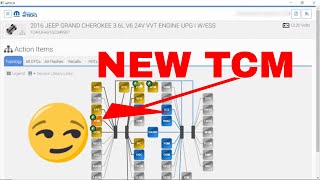
How to confirm: A Jeep dealer or a properly equipped independent shop with a tool like wiTECH can check the current software calibration ID against the latest version available from FCA/Stellantis.
Typical fix: Reprogramming/flashing the TCM and/or PCM with the latest software. TSBs note that the PCM must often be updated after the TCM is flashed.
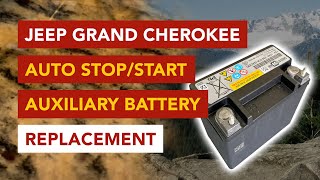
Est. part cost: $0 - Weak or Failing Auxiliary Battery 🟡 Medium Probability These vehicles use a dual-battery system. A small auxiliary battery runs the electronics when the engine is off during an auto start/stop event. When this battery fails, it can cause system-wide voltage instability, leading to numerous random electronic faults and communication codes, including U0401.
How to confirm: Test the small auxiliary battery (located under the passenger seat) with a digital battery tester. Symptoms like a non-functional start/stop system or a "Service Start/Stop System" message are strong indicators of failure.
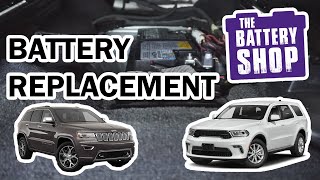
Typical fix: Replace the auxiliary battery. The main battery should also be tested, as they often fail around the same time. 🎬 See this walkthrough for replacing both the main and auxiliary batteries.
Est. part cost: $100-$250 - CAN Bus Wiring or Connector Issue ⚪ Low Probability While not specific to this vehicle, vibrations and heat can cause wiring to fray or connectors to become loose or corroded over time. A common corrosion point on the WK2 is an engine-to-frame ground strap on the passenger side near the alternator.
How to confirm: Visually inspect the wiring harnesses going to the PCM, TCM, and ABS module. Check for any signs of damage, corrosion, or looseness. This may require a multimeter to check for continuity and resistance on the CAN bus wires.
Typical fix: Repair the damaged section of wiring or clean/re-seat the affected connector.
Est. part cost: $5-$100
Rare But Worth Checking
- Faulty Powertrain Control Module (PCM) or Transmission Control Module (TCM): This is a 'last resort' diagnosis. A module should only be replaced after software, battery, and wiring issues have been completely ruled out.
Diagnosis Steps
- Connect a professional scan tool (like wiTECH) and read codes from ALL vehicle modules. Note all codes and which module stored them.
- Check the main and auxiliary battery health. Test voltage and load capacity. A resting voltage below 12.4V is a concern. TSB procedures require maintaining 13.2-13.5 volts with a battery charger during any software flashing.
- Using the VIN, check for open recalls and relevant Technical Service Bulletins (TSBs), specifically #21-009-17, #21-016-15, and #21-033-15.
- If an applicable TSB exists and the software has not been updated, have the TCM and then the PCM reprogrammed by a dealer or qualified shop. This is the most likely fix.
- If software is current, investigate the battery system further. A failing auxiliary battery is a very common cause of miscellaneous electronic issues on this platform.
- If batteries and software are good, perform a thorough visual inspection of the wiring harnesses and connectors between the PCM, TCM, and ABS module. Pay special attention to the engine-to-frame ground strap on the passenger side near the alternator, as it is a known corrosion point. 🎬 Watch: How to identify and repair a broken engine ground strap.
- If no wiring issues are found, perform CAN bus network tests with a multimeter. Resistance between Pin 6 (CAN-H) and Pin 14 (CAN-L) at the OBD-II port should be ~60 Ohms. Voltage should be ~2.6V for CAN-H and ~2.3V for CAN-L, referenced to ground.
- If other ABS-related codes are present, or if the ABS module is suspected, a technician may need to use the wiTECH scan tool to perform an 'ABS Initialization' routine, which re-establishes proper configuration.
- If all other steps fail to find a fault, diagnosis of the PCM or TCM for internal failure may be necessary.
Parts You'll Likely Need
- TCM/PCM Software Update — This is not a physical part, but a service. Manufacturer TSBs identify outdated software as the primary cause for this code on this vehicle.
OEM price range: $150-$250
Aftermarket price range: N/A - Auxiliary Battery (AGM)
(OEM #68233758AA, BBAUX14)— The auxiliary battery for the start/stop system is a frequent failure point and causes widespread, intermittent electrical faults and communication codes when it degrades.
Trusted brands: Mopar, Duralast (AUX14), DieHard
OEM price range: $150-$250
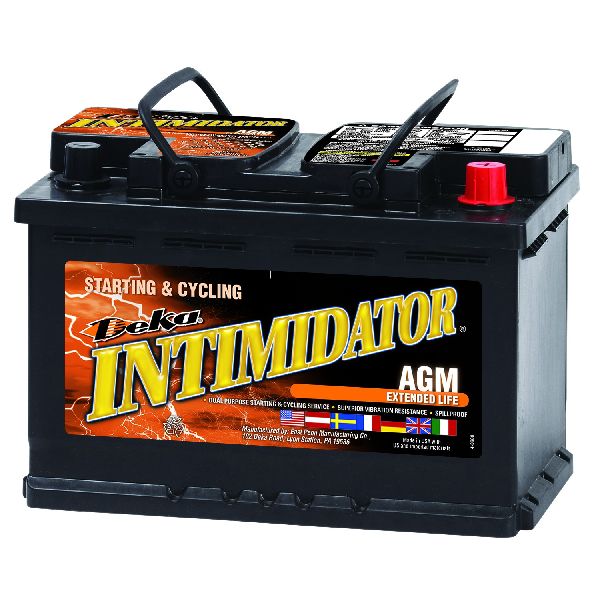
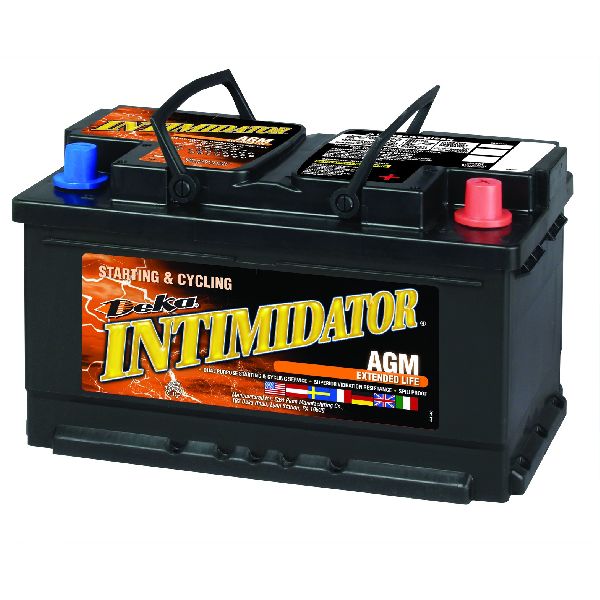
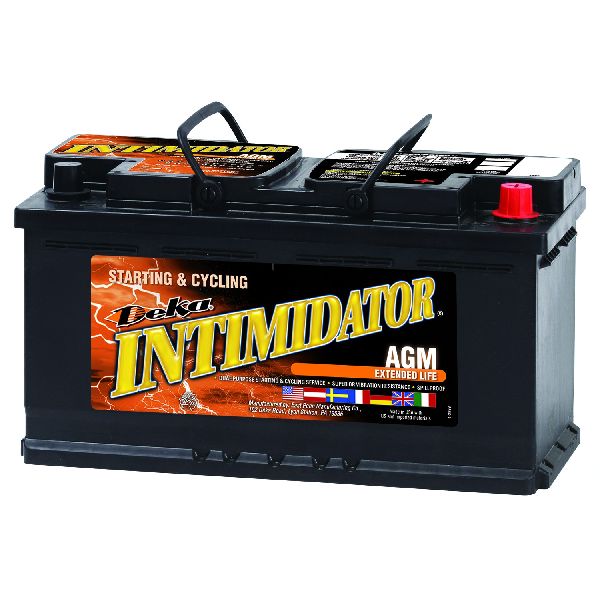
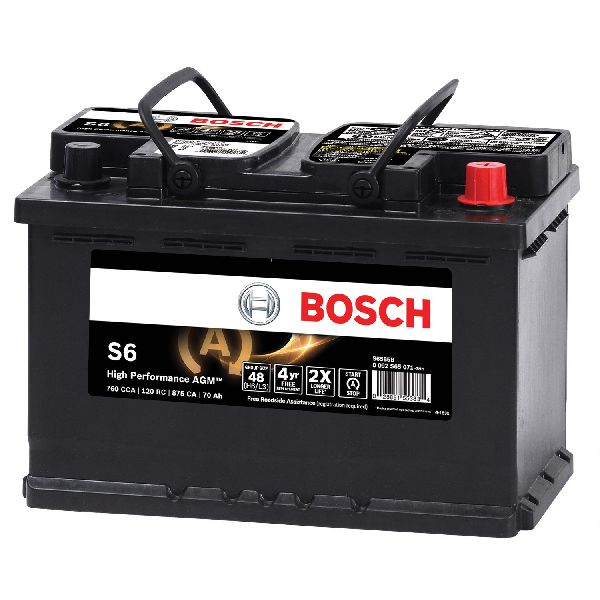
Aftermarket price range: $100-$180 - Main AGM Battery (Group H7/94R) — Low system voltage from a failing main battery is a common cause of network communication faults. The Grand Cherokee uses an Absorbent Glass Mat (AGM) battery which can be sensitive to age and deep discharge.
Trusted brands: Mopar, Interstate, DieHard
OEM price range: $250-$400
Aftermarket price range: $200-$300
Related Codes That Often Appear With This One
- P061B — Internal Control Module Torque Calculation Performance - often set alongside U0401 in TSB-related transmission software issues. (Source: TSB #21-016-15 REV-B)
- P1DAD — Input Shaft/Output Shaft Direction Correlation - another transmission-related code that points towards a software update being needed. (Source: TSB #21-016-15 REV-B)
- P215C — Output Shaft Speed Wheel Speed Correlation - indicates a data mismatch that can be related to the communication fault triggering U0401. (Source: TSB #21-033-15)
Technical Service Bulletins (TSBs) & Recalls
- 21-009-17 REV. E: Addresses MIL illumination and U0401 on 2017 models (Grand Cherokee and Durango), fixed by a TCM software update.
- 21-016-15 REV-B: Lists U0401 as one of several DTCs stored in the TCM on 2015 models that can be resolved with a software update.
- 21-033-15: Mentions U0401 as a code addressed by a software update for 2014 models with certain transmission issues.
Platform-Specific Known Issues
- TSB #21-009-17 REV. E: Notes that on 2017 models with the 3.6L engine, code U0401-00 can be set due to a software issue, and the fix is to reprogram the TCM. It also mentions this update addresses poor shift quality on coast-down shifts.
- TSB #21-016-15 REV-B: Shows U0401 appearing with a host of other transmission-related DTCs on 2015 models, strongly linking it to the transmission control system's software calibration. This TSB was also released as a Rapid Response Transmittal (RRT) 15-055.
- Dual Battery System Complications: The main/auxiliary battery setup for the Engine Start-Stop (ESS) system is a known weak point. Failure of the smaller, cheaper auxiliary battery often precedes main battery failure and can cause a cascade of seemingly unrelated electronic issues, including the U0401 code and limp mode.
Mechanic-Grade Diagnostic Values
- CAN Bus Network Resistance — expected: Approximately 60 Ω (Ohms). Failure: A reading of ~120 Ω indicates an open circuit or one missing terminating resistor. A reading of 0 Ω indicates a short between CAN-H and CAN-L wires.
- CAN High Voltage to Ground — expected: Approximately 2.6 Volts. Failure: Significant deviation from 2.6V can indicate a short to power or ground on the CAN-H line.
- CAN Low Voltage to Ground — expected: Approximately 2.3 Volts. Failure: Significant deviation from 2.3V can indicate a short to power or ground on the CAN-L line.
- System Voltage During Module Flashing — expected: 13.2 - 13.5 Volts. Failure: Voltage dropping below 13.2V or climbing above 13.5V can interrupt the flash process and corrupt the module.
Hidden / Shadow Codes Worth Checking
- U0401-00: The '-00' is a Failure Type Byte (FTB) that often accompanies the main DTC. In the context of the TSBs for this vehicle, it does not denote a separate failure but is the specific variant of U0401 addressed by the software updates. (see via A professional scan tool like wiTECH will display the full code with the Failure Type Byte.)
Scan Tool Commands That Help
- wiTECH: Reprogram TCM/PCM — This is the primary fix for U0401 on this platform, as directed by multiple TSBs. It should be performed if the vehicle's software is outdated.
- wiTECH: ABS Initialization — This routine is required after reprogramming or replacing the ABS module. It should be used if U0401 is accompanied by ABS-related codes or a 'Vehicle Configuration Mismatch' fault, as it re-establishes the module's proper communication and configuration on the network.
- wiTECH: Clear All DTCs — This function is automatically presented after a module flash and is a required final step. Some TSBs note that if codes don't clear, you may need to let the vehicle's modules go to sleep (by turning off ignition and cycling the driver's door) before trying again.
Wiring & Ground Locations
- Engine-to-Frame Ground Strap — Passenger side of the engine bay, visible from above. It is a braided strap that connects the frame to the engine block, typically near or under the alternator.. This is a common corrosion point on the WK2 platform. A poor ground here can introduce electrical noise into the system, disrupting module communication and potentially triggering network codes like U0401.
- G108 (Reference from similar platform) — On older (WJ) models, this ground is on the passenger side inner fender, near the power distribution block.. On the reference platform, G108 provides the ground for the TCM and BCM. While the exact WK2 location may differ, checking grounds on the inner fenders is a critical step, as they are essential for proper module function.
- G107 (Reference from similar platform) — On older (WJ) models, this ground is on the driver's side inner fender, behind the airbox.. On the reference platform, G107 is the dedicated ground for the ABS module. A fault here could cause the ABS module to send implausible data, triggering U0401 in another module.
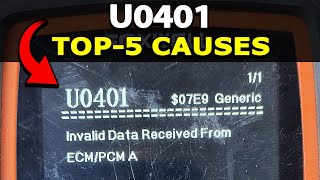
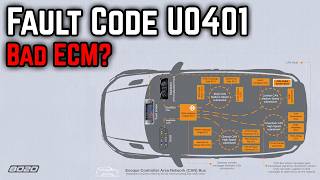
Helpful Videos


Used OEM Parts in Stock


New Aftermarket Parts Available


The information in this article is provided for general reference and educational purposes only. Vehicle specifications, procedures, and part compatibility can vary by production date, trim level, and region. Always consult your vehicle's factory service manual and verify part numbers before purchasing or performing repairs. Safety-critical components such as airbags, seat belts, and braking systems should be installed by a qualified professional.
- Jeep GRAND CHEROKEE:
- 🎬 Helpful Videos
- 🛍️ Shop This Part
- What's Unique About the 2014-2017 Jeep GRAND CHEROKEE
- Diagnostic Flowchart
- Symptoms You May Notice
- Most Likely Causes
- Rare But Worth Checking
- Diagnosis Steps
- Parts You'll Likely Need
- Related Codes That Often Appear With This One
- Technical Service Bulletins (TSBs) & Recalls
- Platform-Specific Known Issues
- Mechanic-Grade Diagnostic Values
- Hidden / Shadow Codes Worth Checking
- Scan Tool Commands That Help
- Wiring & Ground Locations
- 🎟️ Get 5% Off