

U0199 on 2017-2021 Volkswagen Jetta: Lost Communication with Door Control Module Fixes
On a 2017-2021 VW Jetta, code U0199 means the car's network has lost communication with the driver's door control module. This is most often caused by a broken wire in the flexible harness between the door and the car body. A new harness is the typical fix, though splicing the broken wires is also possible.
- U0199 on a 2017-2021 Jetta means the driver's door module is offline.
- The most likely cause by far is one or more broken wires in the rubber boot between the door and the car body.
- Before buying any parts, pull back the rubber boot and carefully inspect the wires for breaks.
- Replacing the entire door harness is a more durable repair than splicing individual wires.
- If you replace the door control module, it will require special tools to code it to your vehicle.
What's Unique About the 2017-2021 Volkswagen JETTA

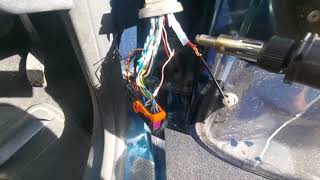
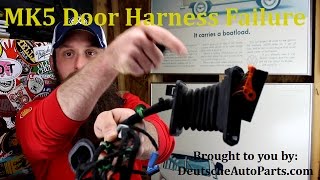
For this generation of Jetta and other contemporary VWs on the MQB platform, the U0199 code is frequently linked to physical wiring failures in the door harness. Unlike some vehicles where the module itself fails, on these VWs, the wires inside the rubber boot between the door and the A-pillar are known to fatigue and break from the repeated motion 🎬 Watch: See how these door harnesses fail over time. of opening and closing the door. This has become common enough that some dealership service departments keep the replacement harnesses in stock. The provided NHTSA TSBs show U0199 appearing alongside many other faults, suggesting that intermittent shorts in this harness can cause widespread, seemingly unrelated electrical issues.
Diagnostic Flowchart

Tap your situation to follow the diagnostic path that matches what you're seeing on this vehicle.
Generation note: The 2017-2021 range covers two generations of the Jetta: the end of the A6 generation (2017-2018 on the PQ35 platform) and the beginning of the A7 generation (2019-2021 on the MQB platform). However, the underlying cause of a broken door harness causing a U0199 code is a common issue on both platforms and other VW models from this era.
Symptoms You May Notice
- Driver's side power window, power locks, or power mirror controls do not work.
- Interior lights may flicker or not work correctly when the driver's door is opened.
- The red alarm indicator light on the driver's door may stay lit or flash erratically.
- Key fob may not lock or unlock the doors reliably.
- A 'door ajar' warning may show on the dashboard even when the door is closed.
- Other seemingly unrelated warning lights or messages may appear, such as for the airbag system or Adaptive Cruise Control (ACC).
- Puddle light on the driver's door is inoperative.
- One-touch auto up/down window function stops working.
- Replacing the window motor or lock actuator when the root cause is a communication failure. If none of the door electronics work, it's a power or data problem, not a single failed component.
- Replacing the door control module without first thoroughly inspecting the door jamb wiring harness, which is the most common point of failure.
Most Likely Causes

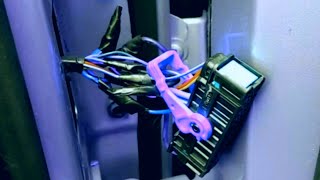
- Broken Wires in Driver's Door Harness 🔴 High Probability The wires inside the flexible rubber boot that runs between the driver's door and the car's body are subject to constant bending. Over time, this leads to metal fatigue, and one or more wires can break, interrupting power, ground, or CAN bus communication. The power and ground wires are often thicker and can be the first to break.
How to confirm: Peel back the rubber boot in the driver's door jamb. Visually inspect the wires inside for any signs of breakage, cracked insulation, or previous poor repairs. Gently tug on individual wires to see if any are broken internally, as the copper can snap inside the insulation.
Typical fix: The most reliable fix is to replace the entire driver's door wiring harness. Splicing the broken wires using solder and heat shrink is a viable, lower-cost alternative, but crimp connectors should be avoided in this high-flex area. When splicing, it's recommended to add a new section of wire to avoid shortening the harness.
Est. part cost: $150-$250 for OEM harness, $10 for splicing materials. - Faulty Driver's Door Control Module (DDM) ⚪ Low Probability Module failure is less common than wiring issues but can happen due to water intrusion or internal electronic faults.
How to confirm: After confirming the wiring harness is intact (power, ground, and CAN signals are reaching the module), the module itself is the next suspect. This requires a capable scan tool to attempt to communicate directly with the module. If there is power and ground to the module but no communication, it has likely failed.
Typical fix: Replace the Driver's Door Control Module. The new module will need to be coded to the vehicle using a compatible diagnostic tool like VCDS or ODIS.
Est. part cost: $130-$400 - Corroded Connector or Poor Ground ⚪ Low Probability Water can enter the door and corrode the main connector at the door module, or the main ground connection to the chassis can become loose or corroded.
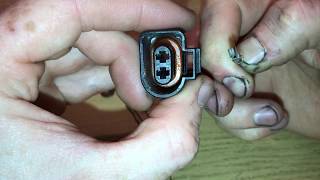
How to confirm: Unplug the main connector at the door module and the connector in the A-pillar. Inspect for any green or white corrosion on the pins. Check the module's ground wire for a clean, tight connection to the chassis.
Typical fix: Clean the corroded terminals using a specialized electrical contact cleaner and a small brush. If corrosion is severe, the connector or terminal pins may need to be replaced. 🎬 Watch: How to repair VW wiring connectors without special tools. Repair any faulty ground connections.
Est. part cost: $5-$50
Rare But Worth Checking
- CAN Bus Network Fault: This is rare and would typically cause communication codes for multiple modules, not just the driver's door. It involves checking the entire network's termination resistance (should be ~60 ohms) and is best left to a professional.
- Aftermarket Accessories: Improperly installed aftermarket alarms, remote starters, or audio equipment spliced into the CAN bus can introduce noise and cause communication errors.
Diagnosis Steps
- Scan the vehicle for all fault codes using a VW-compatible scanner (like VCDS or ODIS). Note which modules are reporting a loss of communication with the driver's door module (J386).
- Test all functions on the driver's door: windows, locks, mirrors, puddle lights, switch illumination. Note what works and what doesn't.
- Carefully peel back the rubber boot in the driver's door jamb, starting from the A-pillar side.
- Visually inspect the bundle of wires for any obvious breaks, chafing, or damaged insulation. The thickest wires (often red/brown for power/ground) are common failure points.
- Gently pull on each individual wire. A broken wire may still be held in place by its insulation.
- If a broken wire is found, either replace the door harness or perform a solder-and-heat-shrink repair, adding a small length of new wire to relieve tension.
- If the wiring appears perfect, use a multimeter to check for 12V power and a solid ground at the door control module's main connector with the key on.
- If power and ground are good, check the CAN bus wires (often a twisted pair of orange/green and orange/brown wires) for continuity between the A-pillar and the module connector.
- If all wiring is confirmed good, the issue is likely a failed Door Control Module.
- After replacing any parts, clear all fault codes and test all functions to confirm the repair.
Parts You'll Likely Need
- Driver's Door Wiring Harness
(OEM #17B971161LN (A7 Jetta, example), 1K5971120H (A6/MK5 Jetta, example))— This is the most frequent failure point for this code on this vehicle due to wires breaking from repeated flexing. Part numbers are highly specific to VIN and options, so always verify with a dealer.
Trusted brands: Volkswagen Genuine
OEM price range: $150-$250
Aftermarket price range: $75-$150 - Driver's Door Control Module (DDM)
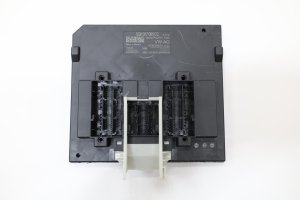
(OEM #5Q4959593M / 5Q4959393M (A7 Jetta, example))— This is the second most likely cause if the wiring harness is confirmed to be intact. It is the computer that controls all door functions. Part numbers are VIN-specific.
Trusted brands: Volkswagen Genuine, Bosch
OEM price range: $130-$400
Aftermarket price range: $100-$300
Related Codes That Often Appear With This One
- U0200 — This is 'Lost Communication with Door Control Module B' (Passenger Door). If both codes appear, it could point to a more central issue, but it's also possible for both door harnesses to fail over time.
- B1017 — This code relates to the driver's side airbag crash sensor, which is also located in the door. A broken wire in the door harness can interrupt the signal from this sensor, triggering both a U-code and a B-code.
- 01331 — This is a VW-specific fault code for 'Door Control Module; Driver Side (J386): No Communication'. It is the manufacturer-specific equivalent of U0199.
Technical Service Bulletins (TSBs) & Recalls
- VIN4APIN20210329: Notes 'MFI in cluster warning U0199' alongside suspension noise and fuel system codes.
- VIN4APIN20210225: Lists 'MFI in cluster warning U0199' with fuel system codes and fuel odor complaints.
- VIN4APIN20210316: Mentions 'MFI in cluster warning U0199' in conjunction with wind noise and fuel system issues.
- VIN4APIN20210304: Connects 'MFI in cluster warning U0199' to radio problems
Platform-Specific Known Issues
- A known pattern of wires breaking inside the flexible rubber boot between the driver's door and the A-pillar is the primary cause for this code on the Jetta A6/A7 platforms.
- The appearance of U0199 is noted in several Volkswagen Technical Service Bulletins (TSBs) as a secondary fault found during diagnosis for other issues, highlighting how an intermittent electrical fault in the door can cause widespread symptoms.
- Safety Recall 97GF was issued for some 2019-2023 VW Atlas models for a similar door harness issue causing delayed side airbag deployment, highlighting the potential safety implications of this wiring failure mode, though this specific recall does not include the Jetta.
Mechanic-Grade Diagnostic Values
- CAN Bus Network Resistance — expected: ~60 Ohms. Failure: A reading of ~120 Ohms indicates an open circuit in the network or a missing terminating resistor. A reading significantly less than 60 Ohms suggests a short between the CAN lines.
- CAN Bus Voltage (High-Speed) — expected: CAN-High: ~2.6V, CAN-Low: ~2.4V. Failure: Voltages that are stuck high, low, or at 0V indicate a short to power, a short to ground, or an open circuit.
Hidden / Shadow Codes Worth Checking
- 01331: This is the VW-specific equivalent of U0199, for 'Door Control Module; Driver Side (J386)'. It may be accompanied by text indicating the specific failure mode, such as 'No Communication', 'Supply Voltage Too Low', or 'Single-Wire Operation'. (see via A VW-specific diagnostic tool such as VCDS by Ross-Tech or ODIS (dealer software).)
Scan Tool Commands That Help
- VCDS or ODIS: Output Tests (Sequential or Selective) — After confirming power and ground to the door module are good but symptoms persist. This function commands the module (J386) to activate individual outputs like the window motor, lock actuator, and mirror motors. If the tests work, it proves the module, motor, and wiring between them are good, pointing the fault towards the switch or the CAN bus wiring.
- VCDS or ODIS: Long Coding — When replacing the Driver's Door Control Module. The coding from the original module must be saved and transferred to the new module to ensure all vehicle-specific options (like power-folding mirrors, puddle lights, etc.) function correctly.
Wiring & Ground Locations

- Ground Point 44 — At the bottom of the driver's side (left) A-pillar, likely behind the kick panel.. This is a primary chassis ground point for the driver's door wiring harness and the Driver's Door Control Module (J386). A loose or corroded connection here can cause a loss of power to the module, triggering communication fault U0199.
- Driver's Door to A-Pillar Connector — The large, round, multi-pin connector located in the door jamb that connects the door harness to the main body harness.. This is a common point for corrosion or pin tension issues. It's also the first place to check for CAN bus signals and power/ground from the body side before they enter the flexible boot where wires commonly break.
Real Owner Repair Stories
- Ross-Tech Forums User 'Jef' (2019 Volkswagen Golf Alltrack (MQB Platform, same as 2019+ Jetta)) — U0199 stored in multiple modules, Adaptive Cruise Control (ACC) disabled, all driver door controls (windows, mirrors) inoperative, red alarm LED on door panel would light up during the fault.
❌ Tried (didn't work) Opening and closing the door would sometimes temporarily restore the connection, confirming an intermittent wiring issue.
✅ What actually fixed it The dealer replaced the driver's door wiring harness. The user noted that the dealer kept this specific part in stock, implying it is a very common failure item.
OEM Part Supersession History
1K5971120C, 1K5971120D→1K5971120H— This harness for the A6 (MK5/MK6) Jetta was revised multiple times. Later revisions are generally intended to improve durability and fix known issues, such as the wire breakage in the door jamb.
Heads up: This part is for the A6/PQ35 platform Jetta (through 2018 in North America) and is not compatible with the A7/MQB platform (2019+).
Model Year Variations Within This Range
- 2017-2018 (A6 Gen) vs. 2019-2021 (A7 Gen): The vehicle platform changed from PQ35 to MQB in 2019. This means the Driver's Door Wiring Harness and the Door Control Module are different parts with different part numbers. For example, the A6 harness is similar to P/N 1K5971120H, while the A7 harness is P/N 17B971161LN. While the failure mode is identical (broken wires), the replacement parts are not interchangeable between generations.
Helpful Videos
We Have This Part in Stock



The information in this article is provided for general reference and educational purposes only. Vehicle specifications, procedures, and part compatibility can vary by production date, trim level, and region. Always consult your vehicle's factory service manual and verify part numbers before purchasing or performing repairs. Safety-critical components such as airbags, seat belts, and braking systems should be installed by a qualified professional.
- Volkswagen JETTA:
- 🎬 Helpful Videos
- 🛍️ Shop This Part
- What's Unique About the 2017-2021 Volkswagen JETTA
- Diagnostic Flowchart
- Symptoms You May Notice
- Most Likely Causes
- Rare But Worth Checking
- Diagnosis Steps
- Parts You'll Likely Need
- Related Codes That Often Appear With This One
- Technical Service Bulletins (TSBs) & Recalls
- Platform-Specific Known Issues
- Mechanic-Grade Diagnostic Values
- Hidden / Shadow Codes Worth Checking
- Scan Tool Commands That Help
- Wiring & Ground Locations
- Real Owner Repair Stories
- OEM Part Supersession History
- Model Year Variations Within This Range
- 🎟️ Get 5% Off