

U0141 on 2008-2015 Mitsubishi Outlander: Lost Communication with ETACS Fixes
This code means one or more control modules have lost communication with the main body computer, called the ETACS-ECU. This often causes random electrical problems like lights and wipers acting erratically. The cause is typically a wiring issue on the CAN bus network, a faulty ETACS-ECU, or simply a low battery causing network instability.
- U0141 means the main body computer (ETACS-ECU) has lost communication with other modules.
- Always check the battery and fuses first, as simple electrical issues are a common cause.
- Due to the complexity and need for programming, replacing the ETACS-ECU is a job best left to professionals with Mitsubishi-specific tools.
- Do not immediately assume the ETACS-ECU is bad; a wiring fault in the CAN bus network is a very common cause and should be ruled out first.
- Be prepared for a range of strange electrical symptoms, from flickering lights to a no-start condition.
What's Unique About the 2008-2015 Mitsubishi OUTLANDER

On the Outlander, the ETACS-ECU is the central gateway for multiple 🎬 Watch: A quick overview of what the ETACS system does. communication networks, controlling everything from the power windows and lights to the keyless entry and even relaying information to the SRS airbag system. A failure can cause widespread and confusing symptoms. Mitsubishi found that diagnosing this specific code was problematic enough that they issued several Technical Service Bulletins (TSBs) in 2019 to update the official diagnostic procedures for dealers. This suggests that earlier methods may have led to misdiagnosis, making it crucial to follow a logical diagnostic path rather than immediately replacing the expensive ETACS module.
Diagnostic Flowchart

Tap your situation to follow the diagnostic path that matches what you're seeing on this vehicle.
Generation note: This range covers the end of the second generation (2007-2013) and the beginning of the third generation (2014-2021). While the ETACS function is similar, wiring and module locations can differ. The provided TSBs specifically cover these model years, indicating the issue is relevant to both generations. The ETACS-ECU is generally located behind the fuse box in the driver's footwell.
Symptoms You May Notice

- Erratic or non-functioning power windows, door locks, and interior lights.
- Warning lights on the instrument cluster may appear randomly.
- Keyless entry or remote start may fail to work.
- Parasitic battery drain, leading to a dead battery after sitting.
- Windshield wipers or horn may activate on their own.
- In some cases, a no-start condition if the ETACS fails to communicate with the immobilizer system.
- A/C system may not function correctly as it relies on signals from the ETACS.
- Multiple other 'U' codes for lost communication may be present.
- Replacing the ETACS-ECU without first thoroughly checking the CAN bus wiring, power, and grounds. The TSBs updating the diagnostic procedure suggest this was a common issue.
- Replacing a battery without diagnosing an underlying parasitic drain. A user on a Reddit forum for a 2008 Outlander replaced the battery three times before realizing there was a persistent drain.
Most Likely Causes

- CAN Bus Wiring or Connector Issues 🔴 High Probability Wiring can be damaged by chafing, corrosion, or previous repairs. The CAN bus is a sensitive network where a single bad wire or poor connection can disrupt communication for multiple modules. Intermittent malfunctions are common.
How to confirm: Perform a CAN bus diagnostic with a Mitsubishi-compatible scan tool (M.U.T.-III). Visually inspect wiring harnesses between the affected modules and the ETACS-ECU for damage, paying close attention to areas where harnesses pass through the firewall or door jambs. Check for corrosion in connectors.
Typical fix: Repair the damaged section of the wiring harness or clean/replace corroded connectors.
Est. part cost: $5-$50 - Faulty ETACS-ECU 🟡 Medium Probability Internal failure of the module can occur from voltage spikes, water intrusion, or age. A user on a Mitsubishi forum reported a parasitic drain issue they suspected was the BCM/ETACS. Another owner experienced front wipers failing due to an internal ETACS relay failure.
How to confirm: This is typically the last step after confirming power, ground, and CAN bus wiring to the module are all good. A high-end scan tool may be able to communicate with other modules but not the ETACS, pointing to its failure. If other ECUs also have a U0141 code stored, it points more strongly to the ETACS-ECU itself.
Typical fix: Replace the ETACS-ECU. The new module must be programmed ('variant coding') to the vehicle using a tool like the M.U.T.-III to copy the configuration from the old unit or obtain it from the dealer.
Est. part cost: $400-$800 - Low Battery Voltage or Poor Ground Connection 🟡 Medium Probability Modern electronics are sensitive to voltage. A weak battery or failing alternator can cause modules to drop off the network and set communication codes. A service manual notes that the system requires 10-16.5 volts to operate correctly.
How to confirm: Test the battery voltage with a multimeter (should be >12.4V with engine off). Test the charging system (should be 13.5V-14.5V with engine running). Check and clean the main battery terminals and chassis ground points. A parasitic draw test can identify modules that are not 'sleeping' correctly, which can also cause low voltage.
Typical fix: Charge or replace the battery. Clean or tighten ground connections. Diagnose and fix any parasitic draws.
Est. part cost: $100-$250
Rare But Worth Checking
- Faulty Instrument Cluster or Other Module: A fault in another module on the CAN network (like the instrument cluster, camera ECU, or A/C ECU) can sometimes disrupt the entire network, causing other modules to report a loss of communication with the ETACS. The diagnostic procedure in the service manual involves checking for codes in other systems before condemning the ETACS.
- Incorrect ECU/Module Programming: As seen in a forum thread, installing an ECU from a different model year or one with incompatible firmware can trigger a U0141 code because the modules cannot communicate correctly. This is common in user-led modification attempts, such as retrofitting cruise control.
Diagnosis Steps
- Check the battery. Ensure it is fully charged (>12.4V) and the terminals are clean and tight. Test the charging system. Low voltage is a common cause of communication faults.
- Use a high-end scan tool (like M.U.T.-III) to perform a full CAN bus diagnostic check. Note all DTCs in ALL modules.
- Attempt to communicate directly with the ETACS-ECU. If you cannot, it points towards a power, ground, or module issue. If you can communicate with the ETACS but other modules cannot, it points to a CAN wiring issue.
- Check all fuses related to the ETACS-ECU / BCM and instrument cluster, especially the IOD (Ignition-Off Draw) fuse, typically in both the under-hood and in-cabin fuse panels.
- Access the ETACS-ECU (located behind the driver's side dash, attached to the interior fuse box) and verify it is receiving proper battery power and has a solid ground connection using a multimeter, referencing a wiring diagram for correct pinouts.
- Inspect the CAN bus wiring harness for any visible signs of damage, chafing, or corrosion, especially between the ETACS and the module that set the code.
- If a parasitic drain is suspected, perform a parasitic draw test by measuring amperage at the negative battery terminal. Pull fuses one by one to isolate the faulty circuit.
- If wiring, power, and grounds are all confirmed to be good, and other modules are logging U0141, the ETACS-ECU is the most likely culprit.
Parts You'll Likely Need
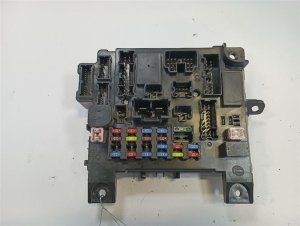
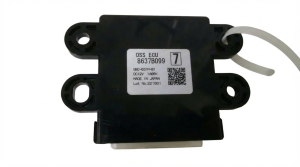
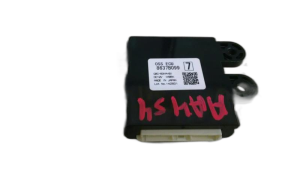
- ETACS-ECU (Body Control Module)
(OEM #8637A212 (example from a 2006 JDM model), 8637B690 (example from a 2018 model))— If power, ground, and wiring are confirmed good, the module itself has likely failed internally. This is the central computer for body electronics. Part number must be matched exactly.
Trusted brands: Mitsubishi (OEM)
OEM price range: $400-$800
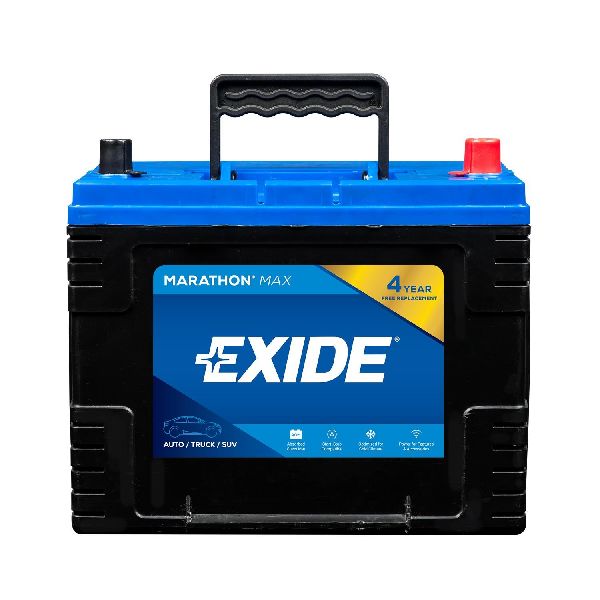
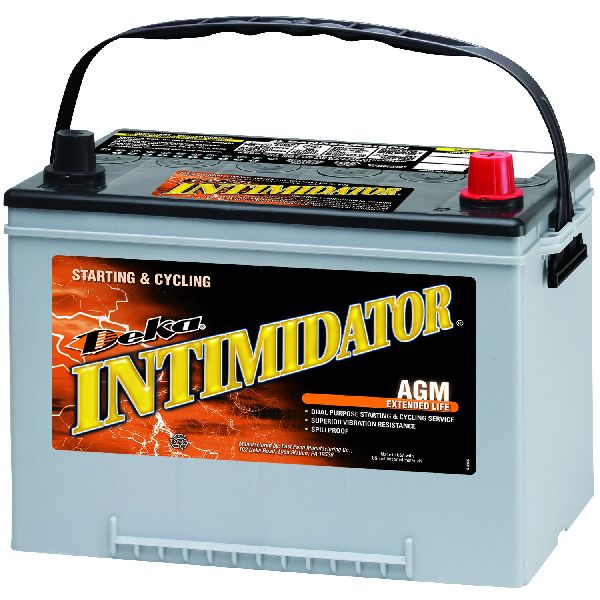
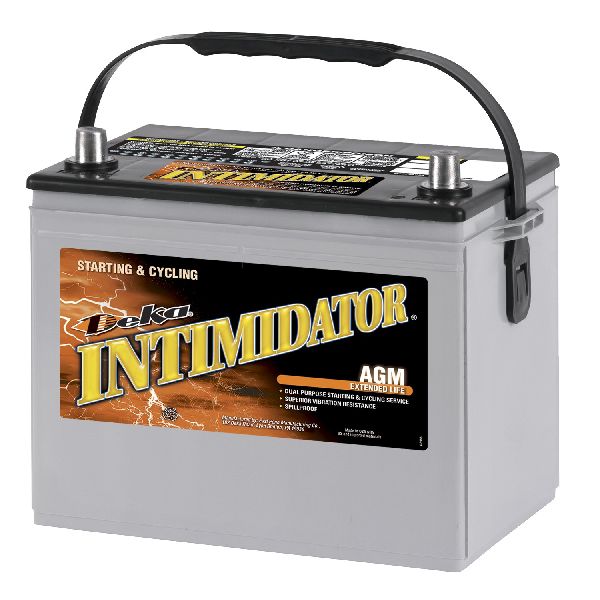
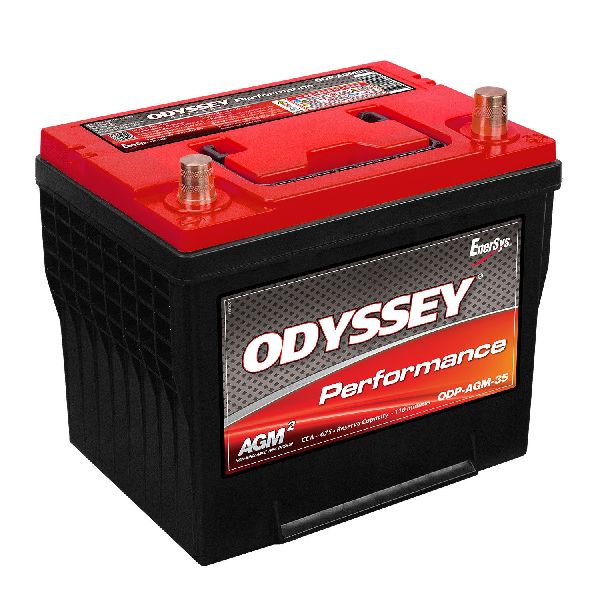
Aftermarket price range: $250-$500 (Remanufactured) - Automotive Battery — A weak or failing battery can cause low voltage conditions that lead to random communication codes between modules.
Trusted brands: Interstate, DieHard, Duralast
OEM price range: $200-$350
Aftermarket price range: $100-$250
Related Codes That Often Appear With This One
- U0100 — Lost Communication with ECM/PCM. If the network is down, communication can be lost with multiple modules simultaneously.
- U0155 — Lost Communication With Instrument Panel Cluster (IPC) Control Module. The instrument cluster is another major node on the CAN bus, and a network fault will often trigger codes for multiple modules.
- U110A — PHEV-ECU CAN time-out. On PHEV models, a general CAN bus issue will often log faults for both the ETACS and the PHEV-specific control unit.
Technical Service Bulletins (TSBs) & Recalls
- TSB-19-42B-003: Updates the Body section of the service manual to update diagnostics for ETACS-ECU CAN timeout with DTC U0141.
- TSB-19-54-008: Updates the Chassis Electrical section of
Platform-Specific Known Issues
- Mitsubishi issued TSBs TSB-19-42B-003, TSB-19-54-008, and TSB-19-52B-005 to update the service manual diagnostics for DTC U0141. This indicates that the original troubleshooting steps were insufficient and could lead to misdiagnosis. The updates apply to diagnostics in the Body, Chassis Electrical, and SRS systems, showing how widespread the communication issue can be.
- A parasitic battery drain is a frequently discussed problem for this platform. In one forum thread, an owner measured a 460mA draw that was resolved by pulling the IOD (Ignition-Off Draw) fuse, pointing to a fault in a module that should be asleep.
Mechanic-Grade Diagnostic Values
- CAN Bus Network Resistance — expected: Approximately 60 Ω. Failure: A reading of 120 Ω indicates a missing termination resistor. A reading significantly lower than 60 Ω suggests a short in the wiring or a faulty ECU.
- ETACS-ECU Ground Resistance — expected: 2 Ω or less. Failure: Resistance higher than 2 Ω indicates a poor ground connection, which can cause intermittent module operation.
- ETACS-ECU Power Supply Voltage — expected: Approximately 12V (System Voltage). Failure: Voltage significantly below battery voltage indicates a problem in the power supply wiring or a fuse.
- ETACS-ECU Ignition (IG1) Signal Voltage — expected: Approximately 12V (System Voltage) at terminal 6 of connector C-417 when ignition is ON.. Failure: No voltage indicates a fault in the ignition switch or the circuit supplying it.
Scan Tool Commands That Help
- Mitsubishi M.U.T.-III: CAN bus diagnosis — This is the first step in the official diagnostic procedure to check the overall health of the communication network before focusing on a specific module.
- Mitsubishi M.U.T.-III: Variant Coding — This function is mandatory when replacing the ETACS-ECU. It writes vehicle-specific information (like engine type, options, VIN) to the new module to ensure it functions correctly with other ECUs. Failure to perform variant coding can lead to a no-start condition and immobilizer faults.
- Mitsubishi M.U.T.-III: Coding Information & Copy — Before removing the old ETACS-ECU, this function should be used to save the existing variant coding and customization data to the M.U.T.-III. This data can then be written to the new module, simplifying the replacement process.
Wiring & Ground Locations
- ETACS-ECU — Behind the interior fuse box in the driver's side footwell. It is physically clipped to the back of the fuse box assembly.. This is the central module that has lost communication. Physical access is required for checking power, ground, and CAN connections at its connectors.
- C-417 — A connector at the ETACS-ECU.. This connector contains the Ignition (IG1) power supply input (Terminal 6), which is a critical signal for the ETACS to power on and communicate.
- Junction Block (J/B) — The interior fuse box in the driver's side footwell, to which the ETACS-ECU is attached.. The ETACS-ECU is integrated with the junction block, sharing power and ground circuits. A problem with the junction block can directly affect the ETACS.
- Sunroof Drain Tubes — Run down the inside of the A-pillars.. These tubes can become clogged with debris, causing water to overflow and run down inside the A-pillar, potentially reaching the ETACS-ECU and its connectors, causing corrosion and electrical shorts.
Real Owner Repair Stories
- MHH AUTO forum post (2018 Mitsubishi Outlander 4WD) — Door locks not working, leading to ETACS replacement.
❌ Tried (didn't work) Installed a used ETACS with the same part number from a 2WD model., Could not copy original coding due to active DTCs., Performed re-initialization with codes from Mitsubishi and wrote the VIN using MUT-III SE.
✅ What actually fixed it The issue was unresolved in the thread, but the critical takeaway is that even with the correct part number, a used ETACS from a vehicle with different options (4WD vs 2WD) caused an immobilizer conflict and a no-start condition that dealer tools could not easily resolve. This highlights the necessity of using a new, correctly programmed module or one from an identical donor vehicle. - Mitsubishi Forum post (2014 Outlander) — Water leak in the tailgate area during a car wash.
❌ Tried (didn't work) Initial dealer visit did not resolve the issue.
✅ What actually fixed it The owner identified that an improperly tightened bolt for the dealer-installed rear spoiler was the likely cause. The installation instructions warned that if a specific nut was not tight enough, it could cause a water leak. This is a relevant edge case, as water intrusion into the vehicle can travel along wiring harnesses and damage modules like the ETACS.
Model Year Variations Within This Range
- 2007-2013: A TSB (TSB-18-54-003) was issued for flickering dome lights on 2007-2013 Outlanders due to ETACS control logic. While not directly causing U0141, it shows that the ETACS software and behavior were subject to revision and could be a source of electrical anomalies. The fix was an ETACS software reprogram.
Helpful Videos

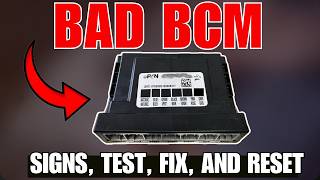
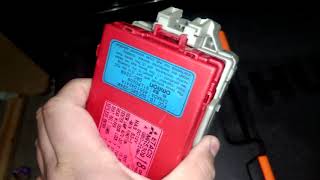
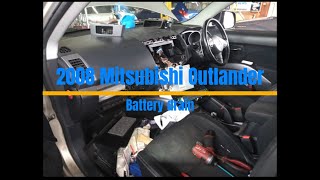
![How To Test CAN BUS With A Multimeter [CAN Bus Resistance Check] Mechanic Mindset](https://img.youtube.com/vi/JPE42HSJxAk/mqdefault.jpg)
Used OEM Parts in Stock

New Aftermarket Parts Available


The information in this article is provided for general reference and educational purposes only. Vehicle specifications, procedures, and part compatibility can vary by production date, trim level, and region. Always consult your vehicle's factory service manual and verify part numbers before purchasing or performing repairs. Safety-critical components such as airbags, seat belts, and braking systems should be installed by a qualified professional.
- Mitsubishi OUTLANDER:
- 🎬 Helpful Videos
- 🛍️ Shop This Part
- What's Unique About the 2008-2015 Mitsubishi OUTLANDER
- Diagnostic Flowchart
- Symptoms You May Notice
- Most Likely Causes
- Rare But Worth Checking
- Diagnosis Steps
- Parts You'll Likely Need
- Related Codes That Often Appear With This One
- Technical Service Bulletins (TSBs) & Recalls
- Platform-Specific Known Issues
- Mechanic-Grade Diagnostic Values
- Scan Tool Commands That Help
- Wiring & Ground Locations
- Real Owner Repair Stories
- Model Year Variations Within This Range
- 🎟️ Get 5% Off