

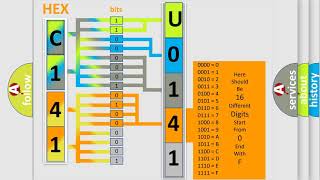
U0141 on 2014-2021 Jeep Grand Cherokee: Lost Communication With BCM Fixes
This code means the Body Control Module (BCM) has lost communication with other vehicle computers. The most common causes are a weak battery, poor ground connections, or a faulty BCM. Always test the battery and check grounds before replacing the BCM, which can cost over $800.
- U0141 means the Body Control Module (BCM) is offline.
- ALWAYS check the battery and main ground connections first; low voltage is a very common cause.
- Symptoms are often widespread and electrical, including a no-start condition, random warning lights, and failure of lights or windows.
- Driving is not recommended due to the risk of stalling or the failure of essential safety systems like headlights.
- If the BCM needs to be replaced, it requires professional programming to match your vehicle's VIN.
What's Unique About the 2014-2021 Jeep Grand Cherokee
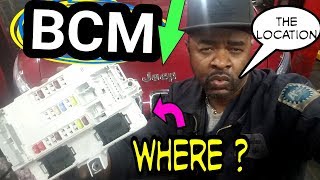
On the WK2 Grand Cherokee, the Body Control Module is a highly integrated hub that governs dozens of electrical functions. While older Jeeps were known for issues with a similar component called the TIPM (Totally Integrated Power Module), the WK2's BCM architecture is more modern but still susceptible to similar communication failures. A failure here can cause a cascade of seemingly unrelated and confusing symptoms, from a no-start condition to random warning lights, making diagnosis tricky without a proper scan tool. Unlike earlier models where the TIPM was the central point of failure, the WK2's BCM is a separate module, typically located in the passenger compartment, but it is just as critical for the vehicle's electrical operations.
Symptoms You May Notice
- Multiple random warning lights on the dashboard (ABS, airbag, traction control).
- Gauges on the instrument cluster behaving erratically or dropping to zero.
- Engine will not start or cranks but fails to fire.
- Engine stalling intermittently while driving.
- Power windows, door locks, or interior/exterior lights not working or working on their own.
- Windshield wipers or horn activating randomly.
- Keyless entry or remote start system malfunctioning.
- Excessive battery drain when the vehicle is off, also known as a parasitic draw.
- Check Engine Light is on.
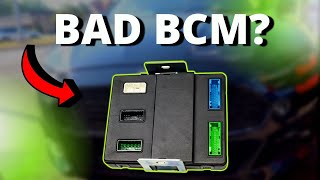
- Climate control system becomes unresponsive. 🎬 Watch this overview of bad BCM symptoms
- Replacing the Powertrain Control Module (PCM) when it is simply reporting the communication loss from the BCM.
- Replacing individual components like light switches or window motors when the BCM that controls them is the actual source of the problem.
- Replacing the battery without performing a load test. A battery can show good voltage but still fail under load, causing intermittent communication issues.
Most Likely Causes
- Weak or Failing Battery 🔴 High Probability Modern vehicles like the Grand Cherokee are packed with electronics that are highly sensitive to voltage. A battery providing less than 12.4 volts can cause modules to randomly drop off the communication network, with U0141 being a common result.
How to confirm: Test the battery voltage with a multimeter. It should be above 12.4V with the engine off and above 13.2V with the engine running. A simple voltage test isn't enough; perform a load test to confirm its actual health.
Typical fix: Recharge or replace the battery.
Est. part cost: $150-$350 - Poor Power or Ground Connections 🟡 Medium Probability Corrosion on battery terminals or main chassis ground points can create high resistance, effectively starving the BCM of the stable voltage it needs to operate. Key ground points are located near the battery in the engine bay and under the dashboard.
How to confirm: Visually inspect the battery terminals, main engine ground strap, and chassis ground points for corrosion or looseness. Disconnect, clean all connection points with a wire brush until they are bright metal, and secure them tightly.
Typical fix: Clean and tighten all ground and power connections.
Est. part cost: $0-$10 - Faulty Body Control Module (BCM) 🟡 Medium Probability Like any computer, the BCM can fail internally due to heat, vibration, or age, causing it to stop communicating on the network. Water intrusion into the passenger compartment can also damage the module or its connectors.
How to confirm: After confirming the battery, grounds, and wiring are good, a professional scan tool will show the BCM as 'offline' or 'not communicating'. This is the primary method of confirming a failed BCM.
Typical fix: Replace the Body Control Module. This part MUST be programmed to the vehicle's VIN by a dealer or a properly equipped independent shop.
Est. part cost: $650-$950 - Damaged Wiring Harness or Connectors ⚪ Low Probability Wires for the CAN bus network can get chafed, pinched, or corroded, especially in areas where the harness passes through the firewall or near sharp metal edges under the dash. The connectors at the BCM itself can also develop corrosion.
How to confirm: Visually inspect the wiring harness leading to the BCM. With the battery disconnected, use a multimeter to check for continuity and resistance on the CAN High and CAN Low wires. Resistance between the two should be approximately 60 ohms.
Typical fix: Repair the damaged section of the wiring harness or clean/replace the affected connector.
Est. part cost: $10-$100
Rare But Worth Checking
- Blown Fuse: The BCM is protected by one or more fuses. A simple blown fuse can take the entire module offline, mimicking a complete failure. For 2014-2021 models, check fuses F10, F12, and F14 in the under-hood fuse box.
- Interference from Aftermarket Electronics: Improperly installed remote starters, alarms, or stereo systems that are tapped into the CAN bus wiring can disrupt communication and trigger a U0141 code. Disconnecting the aftermarket device is a key diagnostic step.
- Software Glitch: In some cases, the code can be triggered by a software anomaly within the BCM or another module. Checking with a dealer for any available Technical Service Bulletins (TSBs) related to module software updates can sometimes resolve the issue without replacing parts.
Diagnosis Steps
- Check and record all stored fault codes from all vehicle modules using a professional-grade scan tool.
- Test the battery's state of charge and health, including a load test. Ensure voltage is above 12.4V with the vehicle off and terminals are clean.
- Inspect and clean all main power and ground connections, including the battery terminals, chassis grounds, and engine ground strap.
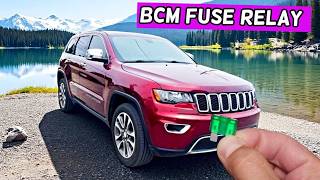
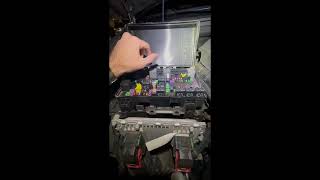
- Check all fuses related to the Body Control Module in the under-hood fuse box (specifically F10, F12, and F14 for 2014+ models). 🎬 Watch this guide to locate BCM fuses and relays
- Using the scan tool, attempt to communicate directly with the Body Control Module. If it does not respond, it points toward a power, ground, or module issue.
- Visually inspect the wiring harness and connectors at the BCM for any signs of damage, corrosion, or water intrusion. The BCM is typically located in the passenger footwell area.
- If wiring appears intact, use a multimeter to verify the BCM is receiving proper power (approx. 12V) and has a good ground at its connector.
- Check CAN bus resistance between the CAN-High (Pin 6) and CAN-Low (Pin 14) pins at the diagnostic port. With the battery disconnected, it should measure approximately 60 ohms. A reading of 120 ohms suggests a terminating resistor or module is offline.
- If power, ground, and the network wiring are confirmed to be good, the final step is to suspect an internal failure of the Body Control Module itself.
Parts You'll Likely Need
- Body Control Module (BCM)
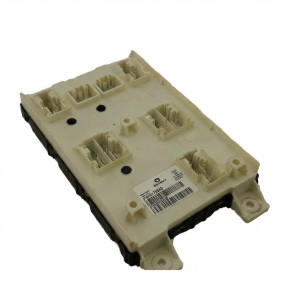
(OEM #68236139AC (superseded by 68236139AH for 2015 models, other years/trims will vary))— This module is the central computer for body electronics and can fail internally, causing a total loss of communication. It is the most common major component replaced for this code after ruling out power/ground issues.
Trusted brands: Mopar (OEM)
OEM price range: $490-$950
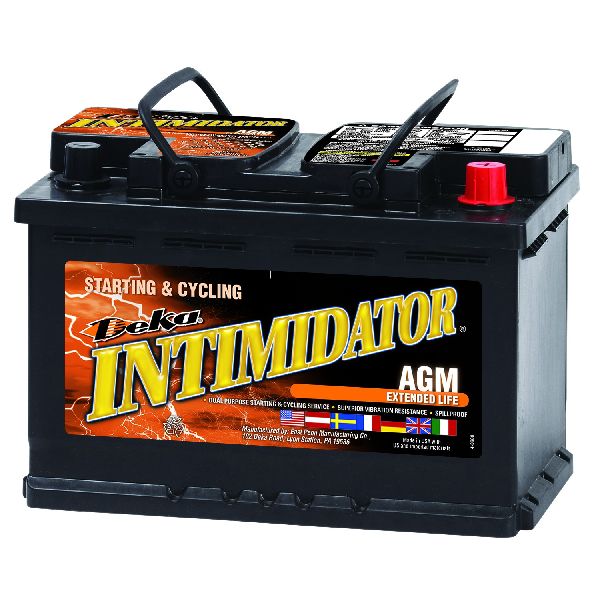
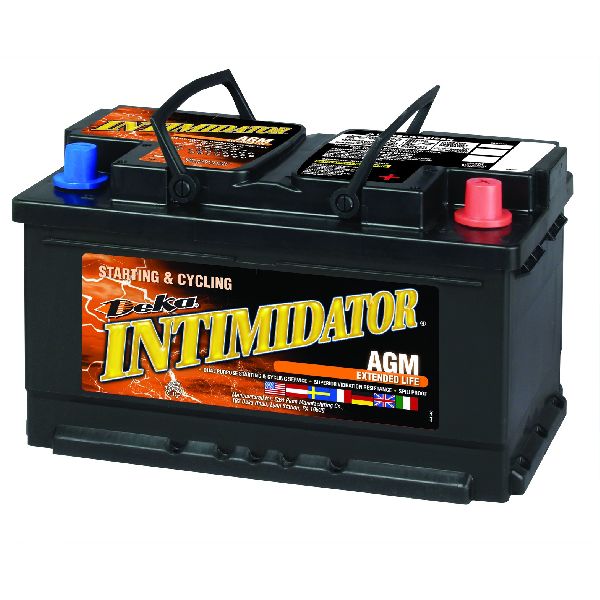
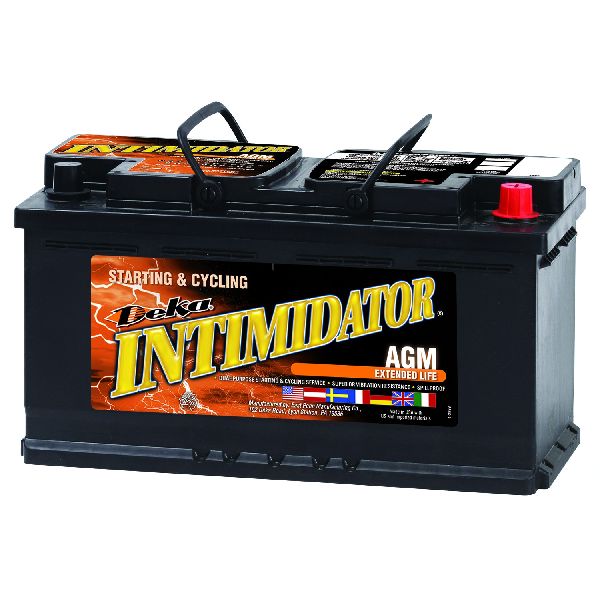
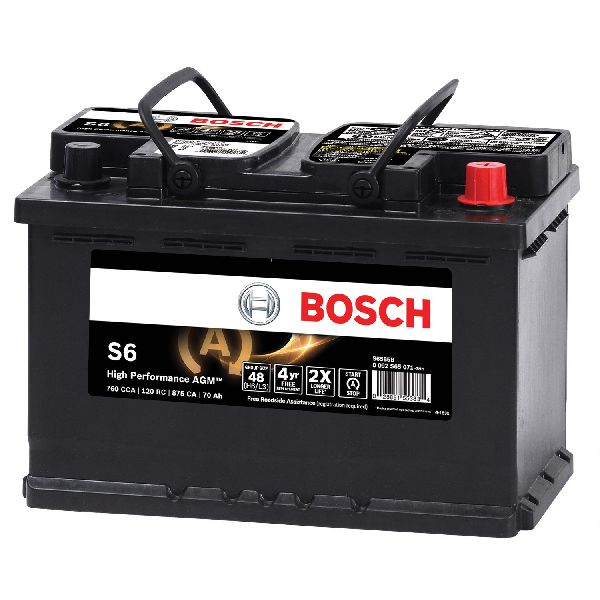
Aftermarket price range: $400-$700 (Remanufactured) - AGM Battery — A weak battery is a primary cause of communication codes in modern vehicles. Replacing an old or failing battery often resolves these electrical gremlins.
Trusted brands: Duralast, DieHard, Interstate
OEM price range: $250-$400
Aftermarket price range: $150-$350
Related Codes That Often Appear With This One
- U0100 — Lost Communication with ECM/PCM. This can appear alongside U0141 if there is a widespread network issue or if the PCM is the module reporting the BCM as offline.
- U0155 — Lost Communication With Instrument Panel Cluster (IPC) Control Module. The instrument cluster often acts as a gateway for communication, and its failure can disrupt signals to or from the BCM.
- U0121 — Lost Communication With Anti-Lock Brake System (ABS) Control Module. Often appears when a central network failure disrupts communication to multiple modules at once.
Technical Service Bulletins (TSBs) & Recalls
- TSB 08-023-17: While not directly for U0141, this TSB involves flashing the Brake System Module (BSM) to correct other software issues, highlighting that module software updates are a common repair procedure on this platform for communication-related problems.
Platform-Specific Known Issues
- While the 2014-2021 Grand Cherokee uses a BCM, its predecessor models and other Jeeps of the era were notorious for failures of the Totally Integrated Power Module (TIPM), which served a similar function. This history highlights a pattern of central electrical module issues in the Jeep family.
- A user on a Jeep forum with a similar model experiencing a no-start and U0141 found the ultimate cause to be a faulty ignition switch, which required replacement
Mechanic-Grade Diagnostic Values
- CAN Bus Network Resistance — expected: ~60 Ω. Failure: A reading of 120 Ω indicates an open circuit or an offline terminating module. A reading near 0 Ω indicates the CAN High and Low wires are shorted together.
- CAN Bus Network Voltage (Key On, Engine Off) — expected: CAN High (Pin 6): ~2.6V, CAN Low (Pin 14): ~2.4V. The two signals should be a mirror image of each other.. Failure: Voltages shorted to ground (0V), shorted to power (5V or 12V), or both lines showing the same voltage indicate a circuit fault.
- BCM Power Supply Voltage — expected: 12.0V - 12.5V (or battery voltage). Failure: Low or no voltage indicates a fuse or wiring issue upstream of the BCM.
- CAN Bus Baud Rate — expected: 500 kbps. Failure: N/A - This is a network specification, not a direct measurement for this fault.
Scan Tool Commands That Help
- wiTECH (Dealer Tool): Network Test (Bus Diagnostics) — To get a complete picture of which modules are online and which are not communicating on the network. This is a primary step to confirm the BCM is the offline module.
- wiTECH (Dealer Tool): Restore BCM Proxi Configuration / Proxi Configuration Alignment — This is a mandatory procedure after replacing the BCM. It synchronizes the new module with all other modules on the vehicle and configures it for the specific options (like trim level, sunroof, etc.) the vehicle has. Failure to perform this will result in features not working.
- wiTECH (Dealer Tool): Reprogram the BCM — Used to install the latest software updates, which can resolve software glitches that may be causing the U0141 code. This should be checked before replacing the module.
Wiring & Ground Locations
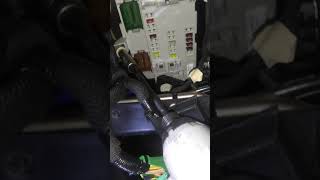
- BCM Location — In the passenger footwell, typically behind the right-side kick panel or under the dashboard.. This is the physical location of the module. It is susceptible to water intrusion from a leaking windshield or heater core, and its connectors can be kicked or damaged.
- BCM Fuses — In the under-hood fuse box (Power Distribution Center). Specifically fuses F10, F12, and F14 for 2014-2022 models.. A blown fuse will cut all power to the BCM, causing it to go offline and triggering a U0141 code from other modules. This is a simple but critical check.
- BCM CAN C Connector Pins (2011 model example) — At the BCM connector. Pin 10 (White/Light Blue wire) is CAN C Diagnostic (+), and Pin 11 (White/Dark Blue wire) is CAN C Diagnostic (-).. These are the specific pins a technician can back-probe with a multimeter or oscilloscope to test for correct voltage and signal integrity directly at the module, confirming if the network signal is reaching the BCM.
- G100 Ground — On the left rear of the engine compartment (for 2011 WK2 models, likely similar for 2014+).. While multiple grounds are important, diagrams show G100 as a major chassis ground point. A loose or corroded main ground can cause floating voltages and module communication errors.
OEM Part Supersession History
68236139AB, 68236139AC, 68236139AD, 68236139AE, 68236139AF, 68236139AG→68236139AH— Likely hardware and/or firmware revisions to improve reliability and fix bugs found in earlier versions.
Heads up: Always use the latest part number available for your specific VIN. Using an older, superseded part number, even if new-old-stock, may re-introduce known problems.
Model Year Variations Within This Range
- 2016+: The introduction of Electric Power Steering (EPS) added another major electronic module to the CAN network. A fault in the EPS module or its wiring could potentially disrupt network communication and contribute to setting a U0141 code.
- 2018+: The infotainment system was updated to include Apple CarPlay and Android Auto, involving different hardware and software for the Uconnect head unit. This module also communicates on the CAN bus and can be a source of network interference if it fails.
- 2014-2022 vs 2011-2013: The layout of the under-hood fuse box changed starting in the 2014 model year. Diagnostic information referencing fuse numbers from pre-2014 models will not be accurate for the vehicle range in this article.
Diagnostic Flowchart
Other Known Issues on This Vehicle
Issues unrelated to this code that are worth knowing about as an owner of this generation:
- Uconnect 8.4-inch Screen Delamination 🟠 Medium — Extremely common after 2-4 years. A design defect causes the screen to bubble and develop 'ghost touch' issues. (Ref: No official recall, but Uconnect customer care has been known to cover replacement costs even out of warranty if the owner is persistent.)
- Electronic Shifter Rollaway / Confusion 🔴 High — Widespread on 2014-2015 models, leading to a major safety recall. (Ref: Safety Recall S27 / NHTSA 16V-240. A software update added an 'Auto Park' feature to prevent rollaway incidents. A separate issue involves the shifter handle breaking internally, allowing gear changes without pressing the button, often setting a P1C87-2A code.)
- Quadra-Lift Air Suspension Failure 🔴 High — Common, especially in colder climates or at higher mileage. Failures include leaking air springs, worn-out compressors, and faulty height sensors.
- Erratic 8-Speed Transmission Shifting 🟠 Medium — Reported on 2014-2017 models with the 845RE transmission, causing shudders and hard shifts. Later models with the 850RE are less affected. (Ref: Software updates were released by Chrysler to address some of the shifting complaints.)
- Alternator Failure 🔴 High — A notable issue on 2012-2014 models where the alternator could fail suddenly, sometimes with risk of fire. (Ref: Subject to a recall for certain model years.)
Used vs. New Parts: Buying Guide for This Vehicle
When a used part is the smart pick: A used BCM is a high-risk option that should only be considered by advanced DIYers or professionals with access to specific programming tools. It can save money on the part cost, but the savings can be quickly erased by programming fees and the risk of the used part being faulty.
Donor-vehicle mileage cap: roughly under 80000 miles for the part to have meaningful remaining life.
What to inspect on the donor part:
- Verify the part number on the used module EXACTLY matches the latest superseded part number for your vehicle.
- Source the part from a reputable recycler that guarantees it is from a non-flood, non-fire-damaged vehicle.
- Inspect the connectors on the used module for any signs of corrosion, bent pins, or physical damage.
OEM-only on this vehicle (don't cheap out):
- Body Control Module (BCM) - Due to the complexity of programming and its critical role in vehicle function and security, a new or OEM-remanufactured Mopar part is strongly recommended to ensure functionality and warranty.
Aftermarket brands forum-validated for this vehicle:
- Mopar (New or Remanufactured)
Brands owners have reported issues with on this vehicle:
- Unbranded, no-name used modules from online marketplaces without a clear return policy or guarantee.
Real Owner Stories
Aggregated from forums and TSBs cited above. Mileages and costs reflect what owners reported in those sources.
2014 Jeep Grand Cherokee
Symptoms: The vehicle experienced a no-start condition and threw a U0141 code for lost communication with the control module.
What fixed it: The dealer replaced the ignition switch and reprogrammed the keys.
Source hint: JK-Forum.com thread titled 'U0141 - Lost Communication With Front Control Module (tipm)'
2014-2021 Jeep Grand Cherokee
Symptoms: Multiple random warning lights on the dashboard (ABS, airbag, traction control) and a no-start condition.
What fixed it: A full battery replacement.
Source hint: jeepgarage.org forum threads discussing 'Christmas tree' dash lights
2017 Jeep Grand Cherokee
Symptoms: Uconnect 8.4-inch screen started bubbling and developing 'ghost touch' issues where it would activate on its own.
What fixed it: Contacted Uconnect customer care directly, who covered the full replacement cost at a dealership despite being out of warranty.
Source hint: Reddit r/GrandCherokee thread discussing Uconnect screen delamination
Related OBD-II Codes
Frequently Asked Questions
My 2014 Grand Cherokee has a 'Christmas tree' dash and won't start. Could it just be the battery?
Is there a TSB for communication module issues on my Jeep?
Where is the Body Control Module (BCM) located if I need to inspect the wiring?
My 2015 Grand Cherokee shifter is acting up; is this related to the U0141 code?
Can a faulty ignition switch cause a U0141 code on a Jeep?
My Uconnect screen is bubbling and clicking things on its own; will Jeep fix this?
Helpful Videos
Used OEM Parts in Stock


New Aftermarket Parts Available


The information in this article is provided for general reference and educational purposes only. Vehicle specifications, procedures, and part compatibility can vary by production date, trim level, and region. Always consult your vehicle's factory service manual and verify part numbers before purchasing or performing repairs. Safety-critical components such as airbags, seat belts, and braking systems should be installed by a qualified professional.
- Jeep Grand Cherokee:
- 🎬 Helpful Videos
- 🛍️ Shop This Part
- What's Unique About the 2014-2021 Jeep Grand Cherokee
- Symptoms You May Notice
- Most Likely Causes
- Rare But Worth Checking
- Diagnosis Steps
- Parts You'll Likely Need
- Related Codes That Often Appear With This One
- Technical Service Bulletins (TSBs) & Recalls
- Platform-Specific Known Issues
- Mechanic-Grade Diagnostic Values
- Scan Tool Commands That Help
- Wiring & Ground Locations
- OEM Part Supersession History
- Model Year Variations Within This Range
- Diagnostic Flowchart
- Other Known Issues on This Vehicle
- Used vs. New Parts: Buying Guide for This Vehicle
- Real Owner Stories
- 2014 Jeep Grand Cherokee
- 2014-2021 Jeep Grand Cherokee
- 2017 Jeep Grand Cherokee
- Related OBD-II Codes
- Frequently Asked Questions
- 🎟️ Get 5% Off