

U0140 on 2011-2015 Kia Sorento: Lost Communication With Body Control Module Fixes
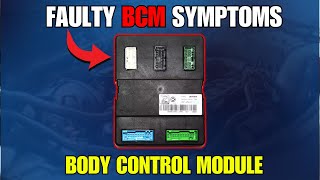
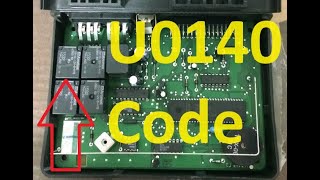
This code means the Body Control Module (BCM), which Kia calls the Smart Junction Box (SJB), is offline. Before replacing the expensive SJB (which requires programming), check for a weak battery, poor ground connections, and blown fuses labeled 'Module' in the interior fuse panel. Water intrusion from a leaking windshield is a common killer of the SJB.
- U0140 on a 2011-2015 Sorento points to a communication failure with the Smart Junction Box (SJB), which is the BCM integrated into the interior fuse panel.
- Before condemning the SJB, thoroughly check the battery, fuses (especially 'Module 2' and 'Module 3'), and look for signs of water intrusion around the driver's side kick panel.
- Replacing the SJB is not a simple swap; it requires professional programming to recognize the vehicle's keys, or the car will not start.
- Water damage from a leaking windshield is a very common root cause for SJB failure on this platform.
What's Unique About the 2011-2015 Kia Sorento
The key challenge on this Sorento is that the Body Control Module is the Smart Junction Box (SJB) itself—the main fuse panel inside the cabin. This is not just a simple fuse holder; it's a computer that controls lights, windows, locks, and the anti-theft system. Crucially, if you replace the SJB, the vehicle will not start until the new unit is programmed to accept your existing keys. This programming requires special equipment, making it a job for a dealer or a well-equipped automotive locksmith.
Symptoms You May Notice
- Erratic or non-working headlights, taillights, or interior lights
- Power windows, door locks, or power mirrors not functioning
- Windshield wipers operating unpredictably or not at all
- Key fob not working or intermittent starting issues, including crank-no-start
- A 'Christmas tree' effect of multiple, unrelated warning lights on the dashboard
- Parasitic battery drain leading to a dead battery
- Inability to shift out of Park without using the manual override
- Steering wheel audio controls behaving erratically (e.g., volume button triggers voice command)
- Replacing individual components like headlight switches or window motors when the root cause is the central SJB not sending the command.
- Replacing the battery without addressing an underlying parasitic drain caused by a faulty SJB, leading to the new battery also failing.
Most Likely Causes
- Weak or Failing Battery 🔴 High Probability All modern vehicles with multiple control modules are sensitive to low voltage. A weak battery can cause modules to drop off the communication network, triggering U-codes.
How to confirm: Test the battery voltage with a multimeter. A healthy, fully charged battery should read approximately 12.4-12.6 volts with the engine off. Check for voltage drop below 10 volts during cranking.
Typical fix: Recharge or replace the vehicle's 12V battery.
Est. part cost: $150-$250 - Failed Smart Junction Box (SJB) 🟡 Medium Probability Water intrusion is a common cause of failure. Leaks from the windshield seal or sunroof drains can drip directly onto the SJB, located in the driver-side footwell, causing corrosion and internal shorts.
How to confirm: If the battery, grounds, and all related fuses are confirmed to be good, and a scan tool cannot communicate with the BCM/SJB, the module itself has likely failed. Carefully disconnect the battery, then remove and visually inspect the SJB and its connectors for any signs of blue/green corrosion, white staining, or moisture.
Typical fix: Replace the Smart Junction Box and have the new unit professionally programmed to the vehicle's keys.
Est. part cost: $150-$400 (Used), $500-$800 (New) - Blown Fuses 🟡 Medium Probability An internal short in a connected component or in the SJB itself can blow the fuses that power the module.
How to confirm: Visually inspect and test fuses in the interior fuse panel (the SJB). Pay close attention to fuses labeled 'MODULE 2', 'MODULE 3', 'BCM', and the large multi-fuse assemblies that power the SJB itself.
Typical fix: Replace the blown fuse. If it blows again immediately, a short circuit exists that must be diagnosed.
Est. part cost: $1-$15 - Poor Ground Connection ⚪ Low Probability
How to confirm: Locate the main ground point for the BCM/SJB (typically under the dash near the A-pillar kick panel) and inspect it for looseness or corrosion. Perform a voltage drop test on the ground circuit to confirm its integrity.
Typical fix: Clean the ground point and terminal to bare metal, then tighten the connection securely.
Est. part cost: $0-$5
Rare But Worth Checking
- CAN Bus Wiring Fault: A short or open in the CAN bus wiring harness can prevent modules from communicating. This is less common than a module failure but should be checked before replacing expensive parts. Diagnosis requires a multimeter to check for resistance between CAN High and CAN Low pins at the OBD-II port (should be ~60 ohms with battery disconnected). Damage often occurs in the driver's door jamb harness or kick panel area.
Diagnosis Steps
- Scan for All Codes: Use an advanced scan tool to read codes from all available modules, not just the engine computer. Note which modules are reporting a loss of communication with the BCM.
- Check Battery Health: Test the battery voltage and ensure the terminals are clean and tight. A voltage below 12.4V can cause communication issues. Charge or replace the battery if necessary.
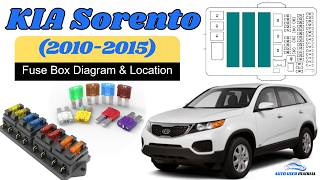
- Inspect BCM/SJB Fuses: Open the 🎬 See this guide to Sorento fuse box locations interior fuse panel (on the driver's side of the dashboard). Carefully check all fuses, especially those labeled 'MODULE', 'BCM', or 'I/P'. Pay special attention to the 'MODULE 2' and 'MODULE 3' fuses. Replace any that are blown.
- Inspect for Water Intrusion: This is a critical step. Pull back the driver-side carpet and A-pillar trim. Carefully inspect the SJB, its connectors, and the surrounding area for any signs of moisture, water stains, or corrosion. Water leaks from the windshield seal or sunroof drains are a known cause of SJB failure.
- Check for Power and Ground: If you have experience with a multimeter, verify that the main power and ground wires at the SJB connectors are good. This confirms the module is receiving the power it needs to operate.
- Suspect the SJB: If all the above steps check out, the Smart Junction Box itself is the most likely culprit. Replacement is the only fix.
- Professional Programming: After installing a new or used SJB, the vehicle must be taken to a Kia dealer or an automotive locksmith to have the immobilizer system and keys reprogrammed. The car will not start until this is done.
Parts You'll Likely Need
- Smart Junction Box (SJB) / Interior Fuse Box
(OEM #91200-1U010, 91950-1UXXX (various))— This is the Body Control Module for this vehicle. It is the most common point of failure after ruling out power/ground issues. The part number MUST be matched exactly to your vehicle's original unit. Part numbers vary significantly based on model year and options (e.g., AWD, push-button start). Always verify the number on your original part before ordering a replacement.
Trusted brands: Kia (OEM)
OEM price range: $500-$800
Aftermarket price range: $150-$400 (Used/Remanufactured)
Related Codes That Often Appear With This One 🎬 Watch: How to diagnose and fix code U0140
- U0100 — Lost Communication with ECM/PCM. This can appear with U0140 if a widespread voltage or network issue is causing multiple modules to go offline.
- U0155 — Lost Communication with Instrument Panel Cluster (IPC). Since the IPC is heavily reliant on the BCM/SJB for information, a U0140 fault will often trigger a U0155 as well.
Technical Service Bulletins (TSBs) & Recalls
- While not directly for U0140, TSB ELE 012 (Service Action SA029) was issued for 2011 models to inspect a potentially loose EMS connector in the fuse box assembly, which could cause various electrical faults.
- Kia has issued TSBs for other models, like SC217 for the Sedona, to perform software updates on the SJB to correct issues like faulty turn signal logic, demonstrating that the module's software can be a source of problems.
Platform-Specific Known Issues
- The integration of the Body Control Module into the Smart Junction Box is the most significant platform-specific issue. This design means a simple fuse box swap becomes a complex procedure requiring key reprogramming.
- The SJB's location in the driver's footwell makes it highly vulnerable to water damage from common leak points like the windshield seal or clogged sunroof drains, which is a frequent cause of failure leading to U0140.
Mechanic-Grade Diagnostic Values
- CAN Bus Network Resistance — expected: ~60 Ω. Failure: A reading of ~120 Ω indicates an open circuit or a missing termination resistor. A reading near 0 Ω indicates a short between CAN High and CAN Low wires.
- CAN Bus Voltage (Key On, Engine Off) — expected: CAN High (Pin 6): ~2.5V at rest, rising to ~3.5V during transmission. CAN Low (Pin 14): ~2.5V at rest, dropping to ~1.5V during transmission.. Failure: Voltages stuck high, low, or at 0V indicate a short to power or ground. No voltage differential suggests no communication.
- SJB/BCM Ground Circuit Resistance — expected: < 5.0 Ω. Failure: High or infinite resistance indicates an open or corroded ground connection, which can cause the module to drop offline intermittently.
- SJB/BCM Power Supply Voltage — expected: > 10.0 V. Failure: Voltage below 10V or no voltage indicates a blown fuse, faulty relay, or an open in the power supply wire, preventing the module from powering on.
Scan Tool Commands That Help
- Kia GDS (Global Diagnostic System): DTC Analysis / All Systems Scan — Use this as the first step to see a complete list of which modules are online and which are reporting communication loss with the BCM/SJB. This is more comprehensive than a generic OBD-II scan.
- Kia GDS (Global Diagnostic System): Actuation Test — To directly command outputs controlled by the SJB (e.g., 'Turn on Headlights,' 'Activate Wipers'). If the command works, it proves the SJB has power and the output driver is functional, pointing the diagnosis towards a network communication issue rather than a completely dead module.
- Kia GDS (Global Diagnostic System): Vehicle S/W Management — This function is required after replacing the SJB. It is used to program the new module to the vehicle's VIN and, most importantly, to register the vehicle's keys with the immobilizer system. The car will not start without this step.
Wiring & Ground Locations
- SJB / I/P Junction Box — Integrated into the main interior fuse panel, located in the driver's side footwell, to the left of the steering column, behind a trim panel.. This is the physical location of the Body Control Module. It is highly susceptible to water intrusion from windshield or sunroof leaks and physical damage from the driver's feet.
- Main Dash Ground — Typically located behind the driver's side kick panel, near the A-pillar. Look for a bolt with multiple black wires attached directly to the metal chassis.. This is the primary ground point for the SJB and other dash electronics. Corrosion or looseness at this single point can cause dozens of intermittent electrical issues and communication codes.
- OBD-II DLC Connector — Under the driver's side dashboard, typically above the pedals.. This connector provides direct access to the CAN High (Pin 6) and CAN Low (Pin 14) wires for network voltage and resistance testing.
Real Owner Repair Stories
- Reddit user on r/KiaSorento (2016 Kia Sorento (Note: This is the next generation, but the BCM/SJB architecture and issue are highly similar)) — Shifter was locked in Park, requiring manual use of the shift lock release to get the vehicle into gear.
❌ Tried (didn't work) The owner took it to a local repair shop instead of a dealer initially.
✅ What actually fixed it The shop diagnosed that the BCM (SJB) was not sending the required ground signal for the shift interlock. The quoted fix was to replace the BCM (Part # 95410-C6020) and reprogram it, with a total estimated cost of around $1,472 ($240 for diagnosis, $1040 for parts/labor, $192 for programming).
OEM Part Supersession History
91950-1UXXX / 91950-2P000→Varies— Part numbers for the Smart Junction Box are highly specific to the vehicle's model year, trim level (LX, EX, SX), and factory-installed options (e.g., push-button start, AWD, sunroof).
Heads up: There is no universal supersession. You MUST match the part number from the original SJB exactly. Installing an SJB with a different part number, even if it physically fits, will likely result in features not working or the vehicle not starting. Always confirm with a dealer using your VIN if unsure.
Model Year Variations Within This Range
- 2014-2015: The 2014 model year received a significant facelift. While the core electrical architecture remained (SJB as BCM), part numbers for the SJB may differ from the 2011-2013 models due to changes in features and wiring harnesses. For example, part number 912501U192 is listed for 2014-2015 models. This reinforces the critical need to match part numbers exactly to the original unit.
Diagnostic Flowchart
Other Known Issues on This Vehicle
Issues unrelated to this code that are worth knowing about as an owner of this generation:
- Catastrophic Engine Failure (Theta II GDI Engines) 🔴 High — Widespread across 2.0L and 2.4L GDI engines. Can occur at any mileage, often before 100,000 miles. Caused by metallic debris from manufacturing leading to connecting rod bearing failure. (Ref: Multiple recalls (e.g., SC147) and a major class-action lawsuit settlement resulted in an extended lifetime warranty for the engine short block for affected vehicles that received a required Knock Sensor Detection Software (KSDS) update.)
- Failing Exterior Door Latch Actuators 🟠 Medium — Very common problem where doors, most often the rear ones, will not open from the outside handle. The issue is typically a small broken spring inside the latch mechanism. (Ref: Kia issued a Customer Satisfaction Program (CS1603) and TSB BOD150 to address the issue for some 2011 models.)
- Melted Headlight Harness / Premature Bulb Burnout 🟡 Low — Owners frequently report dim headlights and discover the headlight bulb harness connector has melted, causing poor contact and repeated bulb failure.
- Peeling 'Snow White Pearl' Paint 🟡 Low — The pearl white paint on 2013-2016 models is known to delaminate, bubble, and peel in large sheets, exposing the primer or bare metal. (Ref: No official recall, but numerous owner complaints filed with the NHTSA.)
- Intermittent Crank-No-Start Condition 🟠 Medium — Owners report the engine cranking normally but failing to start on the first attempt, often requiring multiple key cycles. This issue can be intermittent and difficult for dealerships to diagnose. (Ref: Could be related to various issues, including fuel delivery, crankshaft position sensor, or early signs of the U0140 SJB/immobilizer communication problem.)
- HECU Fire Risk 🔴 High — Brake fluid can leak into the Hydraulic Electronic Control Unit (HECU), causing an electrical short that can lead to an engine compartment fire, even when the vehicle is parked. (Ref: Recall SC197 was issued for 2013-2015 models to inspect the HECU and potentially install a new one.)
Used vs. New Parts: Buying Guide for This Vehicle
When a used part is the smart pick: A used Smart Junction Box (SJB) is a very smart choice for this repair, as the cost is significantly lower than a new OEM part. Since failure is often due to external factors like water damage rather than internal wear, a used part from a dry, undamaged vehicle is a reliable option.
Donor-vehicle mileage cap: roughly under 100000 miles for the part to have meaningful remaining life.
What to inspect on the donor part:
- CRITICAL: The part number on the used SJB must EXACTLY match the part number on your vehicle's original unit.
- Visually inspect all connector pins for any signs of green or white corrosion, which indicates past moisture exposure.
- Check the plastic casing for water stains, warping, or cracks.
- If possible, confirm the donor vehicle was not a flood car or involved in a severe front-end collision.
OEM-only on this vehicle (don't cheap out):
- Smart Junction Box (SJB) / Body Control Module (BCM)
Brands owners have reported issues with on this vehicle:
- Avoid any 'repaired' or 'refurbished' SJBs from unknown sellers without a significant warranty and a clear explanation of the repair process. A simple cleaning of a water-damaged board is not a reliable repair.
Real Owner Stories
Aggregated from forums and TSBs cited above. Mileages and costs reflect what owners reported in those sources.
2012 Kia Sorento
Symptoms: A multi-year intermittent crank-no-start issue that dealers struggled to diagnose.
What fixed it: The issue was linked to a failing BCM/SJB and its control over the immobilizer system.
Source hint: kia-forums.com thread titled '2012 Sorento won't start but eventually does.'
2014 Kia Sorento
Symptoms: A cascade of electrical failures, including non-working brake lights, power steering issues, and the car getting stuck in Park.
What fixed it: Central electrical failure consistent with a bad Smart Junction Box (SJB).
Source hint: CarComplaints.com '2014 Kia Sorento Electrical System Problems'
Related OBD-II Codes
Frequently Asked Questions
My 2011 Sorento has electrical faults; does TSB ELE 012 apply to my U0140 code?
Can I just swap in a used Smart Junction Box (SJB) from a salvage yard to fix the communication error?
Why is my 2011-2015 Sorento getting stuck in Park and showing a 'Christmas tree' of dash lights?
Is there a specific fuse I should check for BCM communication issues on my Sorento?
Could a water leak be causing my U0140 code?
My door won't open from the outside; is this a sign of a BCM failure?
Helpful Videos

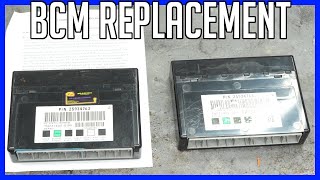
We Have This Part in Stock



The information in this article is provided for general reference and educational purposes only. Vehicle specifications, procedures, and part compatibility can vary by production date, trim level, and region. Always consult your vehicle's factory service manual and verify part numbers before purchasing or performing repairs. Safety-critical components such as airbags, seat belts, and braking systems should be installed by a qualified professional.
- Kia Sorento:
- 🎬 Helpful Videos
- 🛍️ Shop This Part
- What's Unique About the 2011-2015 Kia Sorento
- Symptoms You May Notice
- Most Likely Causes
- Rare But Worth Checking
- Diagnosis Steps
- Parts You'll Likely Need
- Related Codes That Often Appear With This One
- Technical Service Bulletins (TSBs) & Recalls
- Platform-Specific Known Issues
- Mechanic-Grade Diagnostic Values
- Scan Tool Commands That Help
- Wiring & Ground Locations
- Real Owner Repair Stories
- OEM Part Supersession History
- Model Year Variations Within This Range
- Diagnostic Flowchart
- Other Known Issues on This Vehicle
- Used vs. New Parts: Buying Guide for This Vehicle
- Real Owner Stories
- 2012 Kia Sorento
- 2014 Kia Sorento
- Related OBD-II Codes
- Frequently Asked Questions
- 🎟️ Get 5% Off