

U0140 on 2014-2016 Jeep Cherokee: Causes of Lost Communication With Body Control Module
On a 2014-2016 Jeep Cherokee (KL), code U0140 means the Body Control Module (BCM) has lost communication with other vehicle computers. This is a critical code, often caused by a failing BCM, a weak battery, or wiring issues. It has been linked to dangerous conditions like the parking brake self-activating, so it should be addressed immediately.
- U0140 on a 2014-2016 Cherokee is a critical code that should be addressed immediately.
- Do not continue driving. There is a documented risk of the electric parking brake engaging unexpectedly due to a faulty BCM. [ODI #10775484]
- The most likely causes are a failed Body Control Module (BCM), a weak battery, or a wiring issue.
- Before replacing the expensive BCM, always test the battery and charging system thoroughly, and inspect all related fuses.
- Diagnosis and repair are complex and best left to a professional, as a replacement BCM must be programmed to the vehicle.
What's Unique About the 2014-2016 Jeep CHEROKEE

On the KL generation Cherokee, the U0140 code is particularly serious due to a documented history of BCM failures. Unlike some platforms where this code is a minor software glitch, on the 2014-2016 Cherokee it has been directly linked in NHTSA complaints to internal BCM failure causing dangerous, unpredictable behavior of vehicle systems. [ODI #10775484] Manufacturer Technical Service Bulletins (TSBs) also highlight the need for careful diagnosis to avoid incorrectly replacing other modules when the BCM or its network is the actual fault. [TSB #08-068-16] The BCM on this platform also acts as the gateway module, meaning a failure can bring down the entire vehicle network.
Diagnostic Flowchart

Tap your situation to follow the diagnostic path that matches what you're seeing on this vehicle.
Symptoms You May Notice
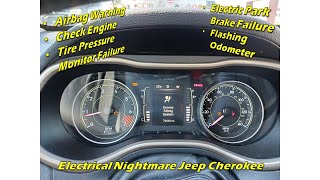
- Multiple random warning lights on the dashboard, like 'Service 4WD' or throttle control warnings.
- Electrical components operating erratically (e.g., wipers turning on by themselves, high beams or turn signals not working).
- Odometer reading flashing.
- Cruise control inoperative.
- Electric parking brake activating unexpectedly. [ODI #10775484]
- Vehicle may not start, or may stall.
- Check Engine Light is on.
- Radio or Uconnect screen may go black or reboot.
- Shifter may become stuck or unable to select a gear.
- Power windows, door locks, or remote start not working.
- Replacing the Powertrain Control Module (PCM/ECM) or Transmission Control Module (TCM). TSB #08-068-16 specifically warns that an ABS software issue on some 2016 models could cause U0140 to be set alongside codes like U0100 (Lost Communication with ECM) and U0101 (Lost Communication with TCM). The bulletin involves an ABS module software update to prevent misdiagnosis and incorrect replacement of other modules.
Most Likely Causes
- Failing Body Control Module (BCM) 🔴 High Probability NHTSA owner complaints for this specific year range explicitly cite internal BCM failure as the confirmed cause of U0140, leading to severe symptoms. [ODI #10775484] This is a widely acknowledged failure point on the KL Cherokee platform.
How to confirm: After verifying the BCM has proper power, ground, and the CAN bus network wiring is intact, a professional scan tool that cannot communicate with the BCM points to a faulty module. The BCM is located under the driver's side of the dashboard.
Typical fix: Replace the Body Control Module and program the new unit to the vehicle. This is not a DIY job and requires specific tools like wiTECH 2.0 to perform a 'Proxy Configuration Alignment'. Some owners purchase a used BCM and use a mail-in service to clone the software from their original module.
Est. part cost: $300-$600 - Weak or Failing Battery 🟡 Medium Probability Modern Jeeps are notoriously sensitive to voltage. A weak battery providing unstable or low voltage can disrupt communication between modules, triggering a U0140 code before any other symptoms of a bad battery appear.
How to confirm: Test the battery with a multimeter or electronic battery tester. A healthy resting AGM battery should be above 12.4V. Check the charging system voltage 🎬 Watch: Why checking your grounds is vital for electrical issues. when the engine is running (should be 13.5V-14.5V). A simple voltage check may not be enough; a load test is recommended.
Typical fix: Replace the vehicle's battery. Ensure terminals are clean and tight. Many owners have fixed the U0140 code with only a battery replacement.
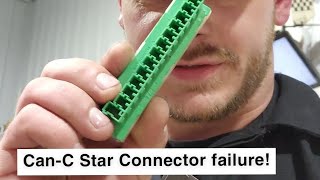
Est. part cost: $180-$300 - Wiring Harness or Connector Issue 🟡 Medium Probability The CAN bus wiring runs throughout the vehicle. Wires can be damaged by vibration, abrasion, or moisture, and connectors can become loose or corroded. Forum users and mechanics often check star connectors (junction points for the CAN bus) for issues. On the KL Cherokee, a key star connector is located behind the glove box. 🎬 See how to diagnose a faulty CAN bus star connector.
How to confirm: Visually inspect wiring harnesses for chafing, especially where they pass through the firewall or near sharp metal edges. Disconnect, inspect, and reseat connectors for the BCM and at known CAN bus junction points (star connectors). Wiggling the harness behind the glove box while the issue is present can sometimes temporarily restore function, indicating a loose connection.
Typical fix: Repair the damaged section of wire or clean/replace the corroded connector. In some cases, the entire star connector block may need replacement.
Est. part cost: $10-$150
Rare But Worth Checking
- Blown Fuse: Always a simple first check. The BCM is protected by multiple fuses in the under-hood fuse box. Check fuses F23, F41, and F54, among others.
- Faulty Gateway Module: On these vehicles, the gateway module is integrated with the BCM. If the gateway portion fails, it can disrupt all network traffic, causing this code. Therefore, a BCM failure is a gateway failure.
- Aftermarket Device Interference: Poorly installed aftermarket accessories like remote starters, alarms, or stereo equipment can interfere with the CAN bus network and trigger communication codes. A user on a forum triggered U0140 after modifying the radio harness.
Diagnosis Steps
- Check Battery Health: Ensure the battery voltage is above 12.4V at rest and the charging system is functioning correctly (13.5-14.5V when running). Perform a load test, as a simple voltage check can be misleading. A weak battery is a very common cause.
- Scan for All Codes: Use a high-quality OBD-II scanner that can read manufacturer-specific codes from all modules (not just the engine). Note which modules are and are not responding. A failure to communicate with the BCM is a key indicator.
- Check BCM Fuses: Inspect all fuses related to the Body Control Module in the under-hood fuse box. Key fuses include F23, F34, F41, and F54.
- Inspect BCM Connectors and Wiring: Locate the BCM (under the driver's side dash, to the left of the steering column) and visually inspect its connectors for looseness, corrosion, or damage. Check for signs of water intrusion.
- Check CAN Bus Resistance: With the battery disconnected, use a multimeter to check the resistance between pins 6 (CAN High) and 14 (CAN Low) on the OBD-II port. A healthy network should read approximately 60-62 ohms. Readings of 120 ohms suggest a break in the circuit or a missing termination resistor, while readings near 0 ohms indicate a short.
- Isolate the Fault at Star Connectors: If the resistance is incorrect, locate the CAN bus star connectors. One is easily accessible behind the glove box. You can disconnect branches one by one to isolate the faulty module or wiring section causing the network issue.
- Confirm BCM Failure: If the battery is good, fuses are intact, the CAN bus wiring tests correctly, and there is no aftermarket device interference, but the BCM still won't communicate with a professional scan tool, it has likely failed internally. [ODI #10775484]
Parts You'll Likely Need

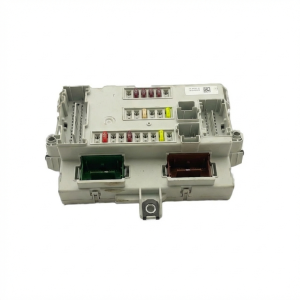
- Body Control Module (BCM)
(OEM #68236667AG (supersedes 68236667AC), 68236669AG (supersedes 68236669AD). Part number is VIN specific, always verify with a dealer.)— This is the most probable cause of the U0140 code on this vehicle, especially if accompanied by severe electrical issues, as documented in NHTSA complaints. [ODI #10775484]
Trusted brands: Mopar (OEM)
OEM price range: $400-$600
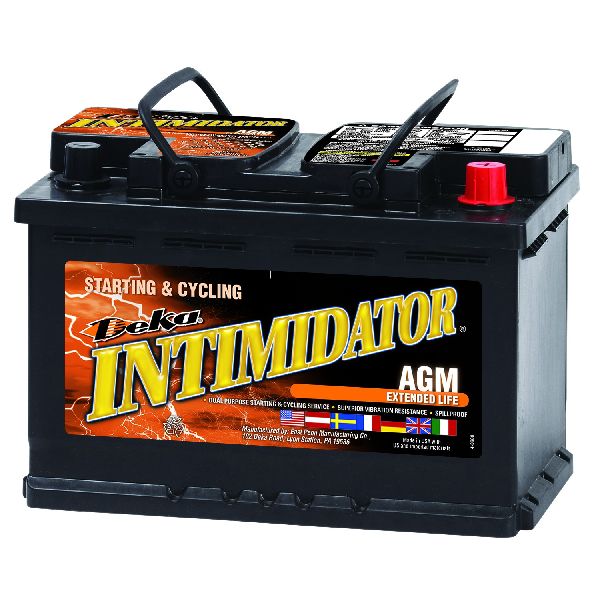
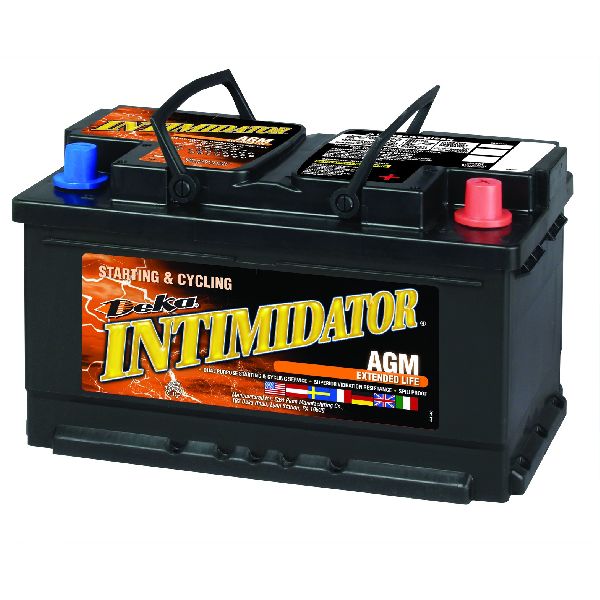
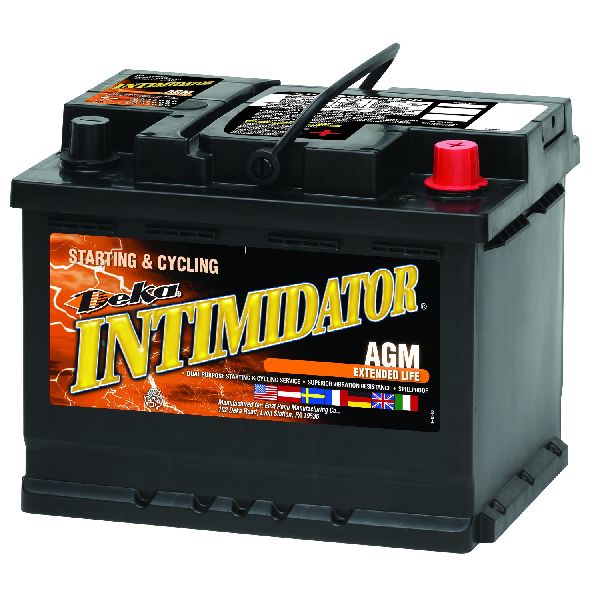
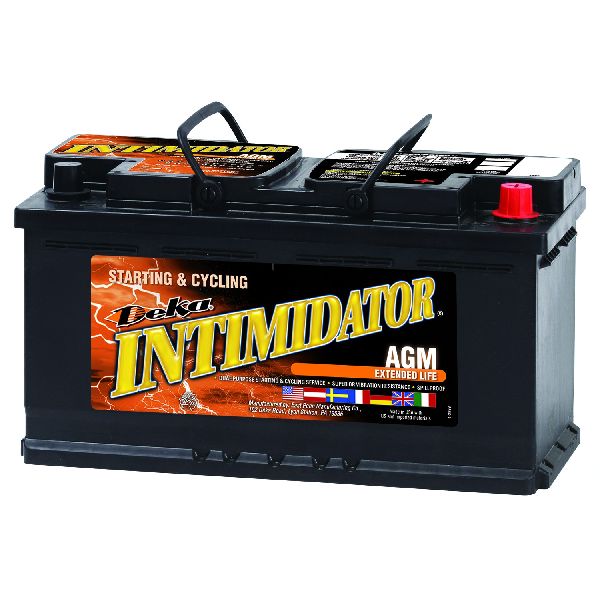
Aftermarket price range: $250-$450 (often remanufactured or requiring a programming service) - AGM Vehicle Battery — Low or unstable system voltage is a frequent trigger for communication codes on modern Jeeps. Replacing an aging battery is a common and effective fix.
Trusted brands: Mopar, Interstate, Duralast, DieHard
OEM price range: $250-$350
Aftermarket price range: $200-$300
Related Codes That Often Appear With This One
- U0100 — Lost Communication With ECM/PCM. This often appears with U0140 as multiple modules lose communication on the network. [TSB #08-068-16]
- U0101 — Lost Communication With TCM. Similar to U0100, this indicates a widespread network communication failure. [TSB #08-068-16]
- U1504 — Implausible Message Data Length Received From Steering Angle Sensor. This can be triggered when network instability corrupts data packets, as seen in an owner complaint alongside U0140. [ODI #10711861]
Technical Service Bulletins (TSBs) & Recalls

- 08-068-16: Warns against misdiagnosis of related systems and incorrect module replacement when U0140 is present with other communication codes. The fix is an ABS module software update.
- 18-060-16: This TSB is for a PCM software update on 2014 models that addresses several codes, including U0140, and also corrects a scan tool display issue. This suggests some instances of U0140 may be software-related.
Platform-Specific Known Issues
- A 2014 Jeep Cherokee owner filed a complaint with the NHTSA reporting that an "INTERNAL BCM FAILURE CAUSED ACTIVE U0140- LOST COMMUNICATION W/ BCM DTC IN ELECTRIC PARK BRAKE MODULE; TEST CONFIRMED BCM FAILED CAUSING FALSE ACTIVATION OF PAR..." [ODI #10775484]
Mechanic-Grade Diagnostic Values
- CAN Bus Network Resistance — expected: ~60-62 Ohms. Failure: A reading of ~120 Ohms indicates an open circuit or a module/terminating resistor is offline. A reading near 0 Ohms indicates a short between the CAN High and CAN Low wires.
- Battery Voltage During Module Flashing — expected: Maintain between 13.2V and 13.5V. Failure: Dropping below 13.2V or exceeding 13.5V can cause the flash process to fail or corrupt the module.
Hidden / Shadow Codes Worth Checking
- U0140-00: This is the full code format often seen on dealer-level scan tools like wiTECH. The '-00' suffix doesn't typically add new diagnostic information for this specific code but confirms it's the primary 'Lost Communication' fault without additional sub-fault types. (see via FCA wiTECH Diagnostic Application or other advanced, manufacturer-specific scan tools.)
Scan Tool Commands That Help
- wiTECH: Proxy Configuration Alignment (Proxi Align) — This procedure is mandatory after replacing the Body Control Module (BCM). It introduces the new module to all other modules on the vehicle's network, allowing them to communicate. Failure to perform a Proxi Align will result in a persistent U0140 code and non-functional systems.
- wiTECH: Restore Vehicle Configuration — This function is used to restore the vehicle's original configuration data to the BCM. It may be required before a Proxi Align if the configuration has been corrupted or lost.
- wiTECH: ABS Module Software Flash — For 2016 models, TSB 08-068-16 advises running this update if U0140 is present with other communication codes like U0100 and U0101. An ABS software issue could be incorrectly flagging a BCM communication loss.
Wiring & Ground Locations

- CAN Bus Star Connector (Instrument Panel) — Located behind the glove box. The glove box must be opened and dropped down to access it.. This is a central junction point for numerous modules on the CAN bus. A loose connection, corrosion, or failure of this connector block itself can take down the entire network, causing U0140 and other communication codes. Wiggling the wires to this connector can be a quick diagnostic test.
- Main Battery Ground — The main negative battery cable connects to the chassis/frame rail under the front left (driver's side) wheel well, and then continues to a bolt on the transmission.. A corroded or loose main ground connection at the frame or transmission can cause system-wide voltage instability, leading to random communication codes like U0140 and even a no-start condition.
- BCM Ground — A key ground point for interior electronics, including the BCM, is located to the left of the steering column, behind the lower dash trim panel.. The BCM requires a solid ground to function. A loose or corroded ground at this specific point can directly cause the BCM to malfunction and drop off the network, triggering U0140.
Real Owner Repair Stories
- YouTube user (2014 Jeep Cherokee 3.2L 4WD) — Vehicle would not start, only a single 'click' sound. All relays and fuses were good, battery voltage was normal, and jumper cables had no effect.
❌ Tried (didn't work) Checking all fuses and relays., Attempting to jump-start the vehicle.
✅ What actually fixed it A bad engine ground was diagnosed by running a temporary jumper wire from the negative battery terminal to a solid point on the engine, which allowed the vehicle to start. The permanent fix was to install a new ground cable from the battery to an accessible bolt on the engine block, bypassing the faulty original ground strap. - YouTube user Gator Overland (Jeep (JL/JT model, but principle applies to KL)) — Intermittent electrical issues, multiple warning lights for traction control, 4WD, sway bar, and speedometer going out.
❌ Tried (didn't work) Initial diagnosis was difficult due to the intermittent nature of the problem.
✅ What actually fixed it The CAN-C Star Connector behind the glove box was failing. The issue could be temporarily fixed by reaching behind the glove box and wiggling the connector's wires. Replacing the star connector block (Part # 68321746AA) resolved the issue permanently.
OEM Part Supersession History
68236667AC, 68236667AD, etc.→68236667AI— Part revisions to improve reliability and address known failure modes.
Heads up: While multiple revisions exist, it is critical to use a BCM with a part number that matches the vehicle's VIN and equipment. Using an incorrect part, even if it physically fits, will cause a Proxi Alignment failure.
Model Year Variations Within This Range
- 2016 only: A specific TSB (#08-068-16) was issued for 2016 models where a software issue in the ABS module could cause it to set false communication loss codes for the BCM (U0140), ECM (U0100), and TCM (U0101). The fix is a software flash of the ABS module, not replacement of the BCM.
Helpful Videos
Used OEM Parts in Stock


New Aftermarket Parts Available


The information in this article is provided for general reference and educational purposes only. Vehicle specifications, procedures, and part compatibility can vary by production date, trim level, and region. Always consult your vehicle's factory service manual and verify part numbers before purchasing or performing repairs. Safety-critical components such as airbags, seat belts, and braking systems should be installed by a qualified professional.
- Jeep CHEROKEE:
- 🎬 Helpful Videos
- 🛍️ Shop This Part
- What's Unique About the 2014-2016 Jeep CHEROKEE
- Diagnostic Flowchart
- Symptoms You May Notice
- Most Likely Causes
- Rare But Worth Checking
- Diagnosis Steps
- Parts You'll Likely Need
- Related Codes That Often Appear With This One
- Technical Service Bulletins (TSBs) & Recalls
- Platform-Specific Known Issues
- Mechanic-Grade Diagnostic Values
- Hidden / Shadow Codes Worth Checking
- Scan Tool Commands That Help
- Wiring & Ground Locations
- Real Owner Repair Stories
- OEM Part Supersession History
- Model Year Variations Within This Range
- 🎟️ Get 5% Off