

U0140 on 2019-2021 Dodge Charger: Causes and Fixes for Lost BCM Communication
This code means the Body Control Module (BCM) has lost communication with other vehicle computers. The most common causes are a weak battery, poor ground connections, or a wiring issue. In some cases, a software update from a Dodge dealer may be required, as noted in TSB 18-012-22 for 2021 models.
- U0140 means the Body Control Module (BCM) is offline.
- Before suspecting the expensive BCM, always test the battery and check all major ground connections. This is the most common fix.
- Inspect the wiring and connectors at the BCM for any signs of corrosion or damage, especially if you've had any water leaks.
- This code is a serious issue that can cause unpredictable electrical problems and should be diagnosed promptly.
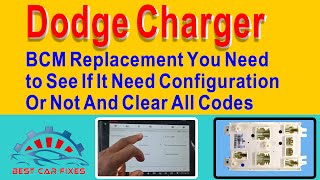
- Replacing the BCM is not a simple plug-and-play job; the new module must be programmed to your car's VIN.
What's Unique About the 2019-2021 Dodge CHARGER
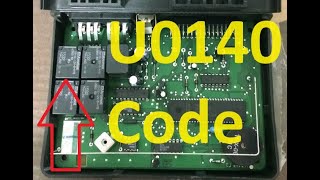
On this generation of Dodge Charger, communication codes like U0140 are not uncommon. While wiring and module failures are possible, these vehicles are known to be sensitive to battery voltage and ground issues. Furthermore, software glitches can sometimes be the root cause, with a dealer-installed update being the required fix. It's also common to see a cluster of other 'U' codes alongside U0140, as noted in TSB #18-012-22, indicating a broader network communication problem 🎬 Watch: A deep dive into U0140 causes and fixes. rather than an isolated BCM failure. The BCM often acts as a gateway between different CAN bus networks, making its function critical for overall vehicle operation.
Diagnostic Flowchart
Tap your situation to follow the diagnostic path that matches what you're seeing on this vehicle.
Symptoms You May Notice
- Check Engine Light is on
- Multiple warning lights on the dashboard (ABS, traction control, airbag).
- Power windows, door locks, or mirrors not working.
- Exterior lights (headlights, turn signals) flickering, staying on, or not working at all.
- Windshield wipers behaving erratically or not working.
- Key fob not detected or push-to-start issues.
- Vehicle may not start or may stall.
- Unexplained battery drain.
- Vehicle fails to go into gear, despite the shifter position showing on the dash.
- Replacing individual components like window switches, light bulbs, or wiper motors when the actual problem is the BCM that controls them is not communicating.
- Replacing the BCM without first thoroughly checking the battery, grounds, wiring harness, and for available software updates. These are more common and less expensive failure points.
Most Likely Causes
- Weak Battery or Poor Ground Connections 🔴 High Probability Modern control modules are highly sensitive to voltage. Low or unstable voltage from a failing battery or poor ground can cause communication dropouts between modules.
How to confirm: Test the battery voltage with the engine off (should be above 12.4V, ideally 12.6V). Test the charging system with the engine running (should be 13.5V-14.5V). Inspect the main battery ground and the BCM ground strap for corrosion or looseness. These grounds are often located at the base of the A-pillars behind the kick panels.
Typical fix: Charge or replace the battery. Clean or tighten ground connections.
Est. part cost: $150-$350 - Wiring Harness or Connector Issue 🟡 Medium Probability Wiring can become damaged from chafing, vibration, or moisture intrusion over time. The CAN bus star connector (also called a junction block), a central hub for network wiring often found under the passenger side glove box area, can develop corrosion and cause network-wide issues.
How to confirm: Visually inspect the wiring harness going to the BCM for any signs of damage, corrosion, or loose pins at the connector. The BCM is typically located behind the driver's side lower dash or kick panel. Check for corrosion at network junction blocks.
Typical fix: Repair the damaged section of the wiring harness. Clean corroded connectors with electrical contact cleaner and apply dielectric grease.
Est. part cost: $20-$200 - Software Glitch 🟡 Medium Probability On some Dodge platforms, outdated software in the Powertrain Control Module (PCM) or BCM can cause communication errors. TSB #18-012-22 specifically applies to 2021 Chargers with the 3.6L engine and involves a PCM update to fix a long list of communication codes, including U0140.
How to confirm: A Dodge dealership or a properly equipped independent shop can check for available Technical Service Bulletins (TSBs) and determine if a software update is available for your vehicle's VIN using a tool like wiTECH.
Typical fix: Reprogram the relevant module (usually the PCM) with the latest software. This requires a stable battery voltage (13.2V-13.5V) during the flash process.
Est. part cost: $100-$250 - Faulty Body Control Module (BCM) ⚪ Low Probability While less common than wiring or voltage issues, the BCM itself can fail internally due to electrical surges, moisture intrusion, or age.
How to confirm: This is typically a diagnosis of exclusion. If the battery, grounds, all related wiring, and software have been confirmed to be good, the BCM is the likely culprit. A professional scan tool may show the BCM as 'offline' or non-responsive.
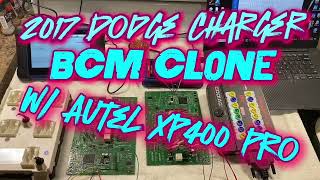
Typical fix: Replace the Body Control Module. The new module must be programmed to the vehicle's VIN and specific configuration. This can be done by a dealer or by services that clone the data from your old module to the replacement.
Est. part cost: $300-$500
Rare But Worth Checking
- Faulty Aftermarket Accessory: Poorly installed remote starters, alarms, or audio equipment can interfere with the CAN bus network, causing communication codes. If you have any aftermarket electronics, they should be inspected and possibly disconnected as a primary diagnostic step.
- Another Failing Module on the Network: Sometimes, a different module on the same CAN bus circuit (like the ABS module or Radio) can fail in a way that it 'shouts' on the network, preventing other modules like the BCM from communicating. This requires advanced network diagnostics to isolate the noisy module.
Diagnosis Steps
- Check and record any other stored fault codes. A cluster of 'U' codes points to a network-wide problem.
- Test the battery's state of charge and the alternator's output. Ensure voltage is stable and within specification (>12.4V off, 13.5-14.5V running).
- Inspect all major power and ground connections, especially the main battery ground and any chassis grounds near the BCM (often behind the driver's side kick panel).
- Perform a hard reset by disconnecting the battery terminals and touching the cable ends together for 60 seconds. This can sometimes clear module glitches, though it may only be a temporary fix.
- Locate the BCM (usually under the driver's side dash behind the kick panel) and inspect its connectors and the surrounding wiring for any signs of physical damage, corrosion, or water intrusion.
- If aftermarket accessories are installed (e.g., radio, alarm), disconnect them completely to see if communication is restored.
- If available, use a scan tool with network topology capabilities to see which modules are online and which are not communicating.
- Consult a professional to check for relevant TSBs like #18-012-22 and perform a software update if applicable before condemning any hardware.
- If all else fails, a technician will need to perform CAN bus resistance tests (should be ~60 ohms) and check for power/ground at the BCM connector before condemning the module.
Parts You'll Likely Need
- Body Control Module (BCM)
(OEM #68415281AC)— If wiring, power/ground issues, and software are ruled out, the BCM itself may have failed. It is the central hub for body electronics. This part number is specific to 2019 models; always verify with VIN.
Trusted brands: Mopar
OEM price range: $300-$450
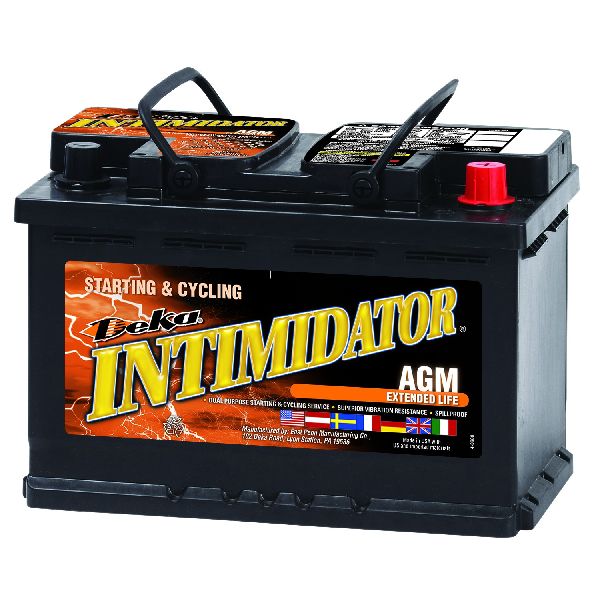
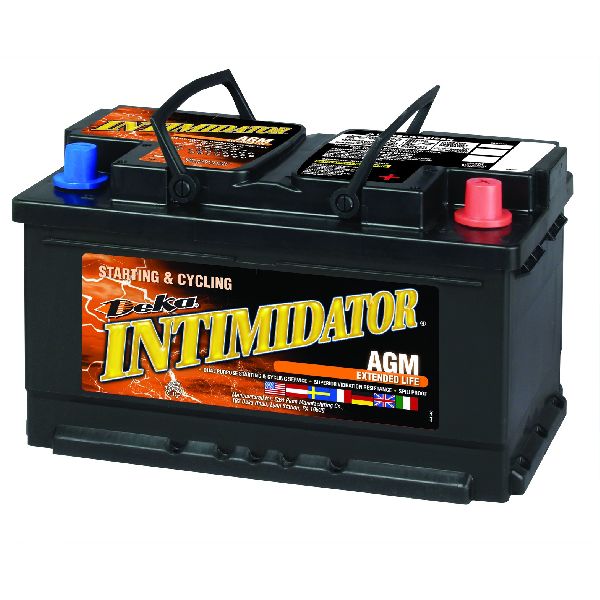
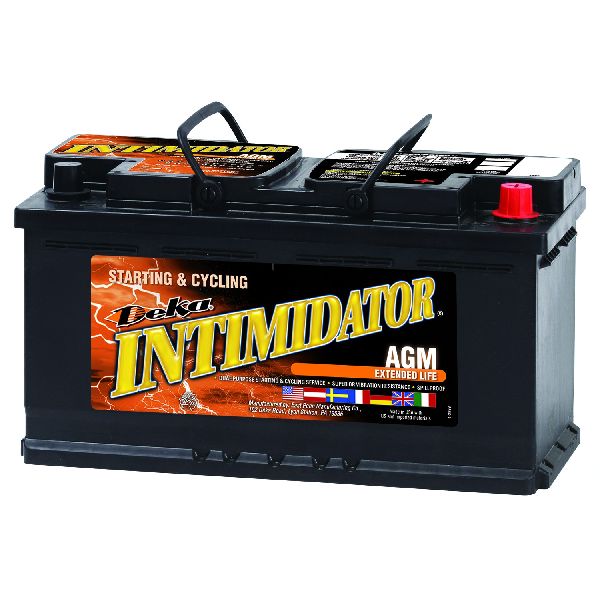
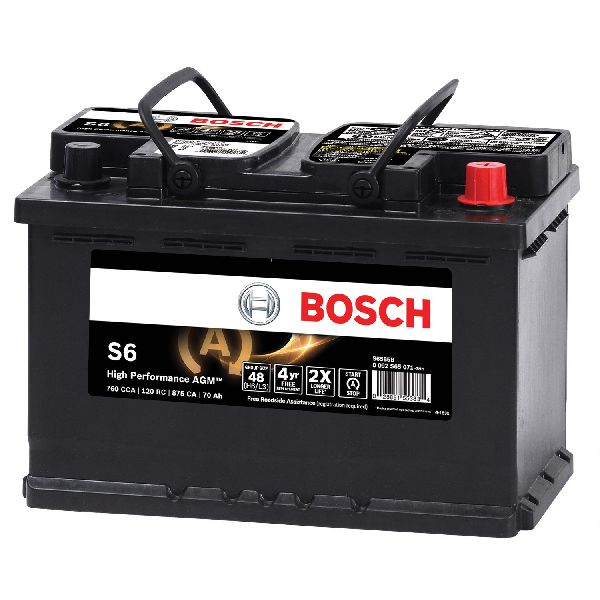
Aftermarket price range: $250-$400 (Remanufactured/Cloned). - Automotive Battery — A weak or failing battery is a very common cause of communication codes on modern vehicles due to voltage sensitivity.
Trusted brands: Interstate, DieHard, Duralast
OEM price range: $200-$350
Aftermarket price range: $150-$250
Related Codes That Often Appear With This One
- U0141 — Lost Communication With IPM (BCM). The IPM, or Intelligent Power Module, is often integrated with or works closely with the BCM. This code frequently appears with U0140 and is also listed in TSB #18-012-22.
- U0128 — Lost Communication With Park Brake Control Module. This indicates a wider network communication issue, as cited in TSB #18-012-22.
- U0155 — Lost Communication With Cluster/CCN. The instrument cluster is another key module on the network, and its loss of communication often accompanies other U-codes, as seen in TSB #18-012-22.
Technical Service Bulletins (TSBs) & Recalls
- 18-012-22: Released January 20, 2022, this TSB involves reprogramming the Powertrain Control Module (PCM) on 2021 Dodge Chargers with the 3.6L engine. It addresses a long list of potential communication DTCs, including U0140, that may set due to software logic.
Platform-Specific Known Issues
- As per TSB #18-012-22, code U0140 on 2021 3.6L models can appear with a wide range of other communication codes (U0128, U0129, U0141, U0155, U0159), suggesting a network-wide fault that can be fixed with a PCM software update. This makes checking for software updates a critical early step.
- Water intrusion is a known issue on some related platforms. A Reddit user with a 2014 Charger noted their U0140 issues began after driving through water and having a worn windshield cowl seal, suggesting water may have reached
Mechanic-Grade Diagnostic Values
- CAN Bus Network Resistance — expected: ~60 Ohms between CAN_H and CAN_L pins at the OBD-II port (with battery disconnected).. Failure: A reading of ~120 Ohms indicates one of the two terminating resistors has failed or is disconnected. A reading of 0 Ohms indicates a short between the CAN lines. An open/infinite reading indicates a break in the wiring.
- CAN Bus Voltage (Key On, Engine Off) — expected: CAN High (CAN-H) should be ~2.6 Volts. CAN Low (CAN-L) should be ~2.4 Volts.. Failure: Voltages that are stuck high (e.g., 5V or 12V), stuck low (0V), or equal to each other indicate a short to power, short to ground, or a short between the two CAN lines.
- BCM Power Supply Voltage (Key On) — expected: 12.2V - 12.8V at the BCM power input pin.. Failure: Voltage below 12V can cause modules to drop off the network.
- BCM Ground Resistance — expected: Less than 0.1 Ohms between the BCM ground pin and a clean chassis ground point.. Failure: Higher resistance indicates a poor ground connection, which can cause intermittent communication issues.
- Module Flashing/Programming Voltage — expected: Must be maintained between 13.2V and 13.5V.. Failure: Voltage dropping below 13.2V or climbing above 13.5V during a programming event can cause the process to fail and potentially corrupt the module.
Scan Tool Commands That Help
- wiTECH (Dealer Scan Tool): Restore Vehicle Configuration — This function is critical after replacing a module (like the BCM or PCM) or if the vehicle's configuration data has become corrupted, which can happen after installing a used module or severe voltage fluctuations. It realigns the vehicle's original settings across all modules.
- wiTECH (Dealer Scan Tool): Proxi Configuration Alignment — Used when a module is replaced or is out of sync with the rest of the network. It ensures all modules on the CAN bus recognize each other and are configured correctly for the vehicle's specific options.
- wiTECH (Dealer Scan Tool): Vehicle Bus System Sleep Session — This is performed after procedures like 'Restore Vehicle Configuration' to allow all modules on the network to properly power down and reset. It involves turning the vehicle off and opening/closing the driver's door, then waiting for about a minute.
Wiring & Ground Locations
- Star Connector (Gateway Connector) — Located on the passenger side, under the glove box. It is a junction block with multiple green or brown connectors plugged into it.. This is the central hub for the CAN bus network. A technician can disconnect individual modules one-by-one from this point. If the communication fault disappears after unplugging a specific connector, that module (e.g., radio, door module) is the one causing the network to go down, not the BCM. This is a primary strategy for isolating a 'noisy' module.
Real Owner Repair Stories
- YouTube user 'Redneck Weekly' (Dodge truck (principle applies to Charger with similar architecture)) — Error code U0140 - Lost communication with the body control module.
✅ What actually fixed it A redundant ground wire was added. The user ran a new ground wire from the negative battery terminal directly to a bolt on the Body Control Module (BCM) bracket, then continued that wire to a ground point on the PCM. This provided a solid, alternative ground path and resolved the communication code.
OEM Part Supersession History
68415281AB→68415281AC— Part revision or update by the manufacturer.
Heads up: The two part numbers are listed as interchangeable.
Model Year Variations Within This Range
- 2018-2021: The use of a Star Connector / Gateway under the passenger side dash is the primary access point for network diagnostics and key programming, which differs from the direct OBD-II port access on some older vehicles.
Helpful Videos
Used OEM Parts in Stock


New Aftermarket Parts Available


The information in this article is provided for general reference and educational purposes only. Vehicle specifications, procedures, and part compatibility can vary by production date, trim level, and region. Always consult your vehicle's factory service manual and verify part numbers before purchasing or performing repairs. Safety-critical components such as airbags, seat belts, and braking systems should be installed by a qualified professional.
- Dodge CHARGER:
- 🎬 Helpful Videos
- 🛍️ Shop This Part
- What's Unique About the 2019-2021 Dodge CHARGER
- Diagnostic Flowchart
- Symptoms You May Notice
- Most Likely Causes
- Rare But Worth Checking
- Diagnosis Steps
- Parts You'll Likely Need
- Related Codes That Often Appear With This One
- Technical Service Bulletins (TSBs) & Recalls
- Platform-Specific Known Issues
- Mechanic-Grade Diagnostic Values
- Scan Tool Commands That Help
- Wiring & Ground Locations
- Real Owner Repair Stories
- OEM Part Supersession History
- Model Year Variations Within This Range
- 🎟️ Get 5% Off