

U0140 on 2010-2017 Chevrolet Equinox: Lost Communication With BCM Causes and Fixes
This code means the Body Control Module (BCM) has stopped communicating on the vehicle's network. On the 2010-2017 Equinox and its platform-mate, the GMC Terrain, the most common cause is corrosion in the X411 connector under the rear of the vehicle. This is a widely-known issue cited in GM Technical Service Bulletin #PIT5427B. Inspecting and repairing this specific connector often resolves the issue without replacing the expensive BCM.
- Before suspecting a bad BCM on a 2010-2017 Equinox, you MUST inspect the X411 connector under the rear of the vehicle for corrosion, as this is a known TSB issue and the most probable cause.
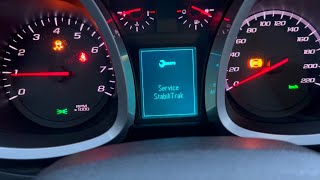
- Symptoms are often electrical and widespread, including warning lights (StabiliTrak, ABS), non-functional power accessories, and potential no-start conditions.
- A visual inspection of wiring harnesses, especially near the engine and above the rear differential, for signs of chafing is the second most important diagnostic step.
- Replacing the BCM is the last resort and requires expensive programming, making a thorough wiring diagnosis essential to avoid unnecessary costs.
What's Unique About the 2010-2017 Chevrolet EQUINOX

For the second-generation Chevrolet Equinox and GMC Terrain, the U0140 code is frequently linked to specific, documented wiring and connector problems. General Motors issued Technical Service Bulletin #PIT5427B which directly points to corrosion in the X411 connector, located under the vehicle 'behind and to the left of the fuel tank', as a primary cause for U0140 and a host of other communication codes. This makes a targeted wiring inspection much more critical on this platform before assuming the Body Control Module itself has failed.
Diagnostic Flowchart
Tap your situation to follow the diagnostic path that matches what you're seeing on this vehicle.
Symptoms You May Notice
- Service StabiliTrak, ABS, or AWD warning messages on the dash.
- Service Power Steering message on the DIC.
- Power windows, door locks, or mirrors stop working or work erratically.
- Interior or exterior lights flicker, stay on, or won't turn on.
- Instrument cluster gauges (speedometer, tachometer) may freeze or drop to zero while driving.
- Intermittent no-crank or no-start condition.
- Parasitic battery drain, leading to a dead battery overnight.
- Wipers operate continuously or not at all.
- Replacing the Body Control Module (BCM) without first thoroughly inspecting the X411 connector and related wiring harnesses. The wiring is a far more common point of failure on this vehicle, as noted in TSB PIT5427B.
Most Likely Causes

- Corrosion in Connector X411 🔴 High Probability This connector is located under the rear of the vehicle, to the left of the fuel tank, making it highly susceptible to moisture, road salt, and debris. GM TSB #PIT5427B specifically identifies this as a common failure point for both the Equinox and GMC Terrain.
How to confirm: Visually inspect the X411 connector for green or white corrosion, swollen terminals, or broken wires. A technician may perform a continuity or voltage drop test across the connector's pins. Wiggling the harness while monitoring network status with a scan tool can also identify an intermittent fault.
Typical fix: Clean the connector and terminals with electrical contact cleaner and a small brush if corrosion is minor. More severe damage requires replacing the affected terminals or the entire connector pigtail. Dielectric grease must be applied upon reassembly to prevent future moisture intrusion.
Est. part cost: $15-$75 - Chafed or Damaged Wiring Harness 🟡 Medium Probability Wiring harnesses can rub against chassis or engine components, wearing through the insulation and causing shorts. TSB PI1004A notes a specific issue on 2.4L models where the engine harness can chafe against the engine or valve cover. Another common spot is the harness running above the rear differential.
How to confirm: Visually inspect harnesses in known problem areas for signs of rubbing or damage. A 'wiggle test'—moving the harness while monitoring communication with a scan tool—can help pinpoint intermittent shorts.
Typical fix: Repair the damaged section of wire by soldering in a new piece and protecting it with heat-shrink tubing. Reroute the harness or add protective conduit to prevent future chafing.
Est. part cost: $5-$25 - Failed Body Control Module (BCM) ⚪ Low Probability While less common than wiring issues, the BCM can fail internally due to moisture intrusion, vibration, or age-related component failure. However, this is often misdiagnosed when the actual fault is in the wiring.
How to confirm: This is a diagnosis of exclusion. If all wiring (including X411), connectors, power, and grounds to the BCM test good, and the module still won't communicate, the BCM itself is likely faulty. A high-end scan tool will show the BCM as 'offline'.
Typical fix: Replace the Body Control Module. The new module must be programmed to the vehicle's VIN and specific options using specialized dealer-level software like Techline Connect.
Est. part cost: $250-$550 - Poor Power or Ground Connection ⚪ Low Probability A weak battery, failing alternator, or corroded ground strap can cause low voltage, leading to unpredictable communication dropouts between modules.
How to confirm: Test the battery voltage (should be >12.4V with engine off) and the charging system output (should be 13.5-14.5V with engine running). Inspect the main battery ground and BCM ground connections for corrosion and tightness.
Typical fix: Replace a weak battery, repair the charging system, or clean/tighten corroded ground connections.
Est. part cost: $10-$250
Rare But Worth Checking
- Faulty Aftermarket Accessory: A poorly installed remote starter, alarm system, or telematics device tapped into the CAN bus can broadcast corrupt data, causing the entire network to crash and preventing the BCM from communicating. Removing the aftermarket device is a key diagnostic step if one is present.
- Faulty Radio or Other Module: A failing radio, amplifier, or another module on the same communication network can sometimes broadcast corrupt data, causing the entire network to crash and preventing the BCM from communicating. Unplugging other modules one by one can help isolate such a fault.
Diagnosis Steps
- Scan all vehicle modules for codes. Note which modules are storing the U0140 code and which, if any, are not communicating at all.
- Check battery voltage and charging system operation. Voltage should be above 12.4V with the engine off and 13.5-14.5V when running.
- Locate and thoroughly inspect the X411 connector under the rear of the vehicle, left of the fuel tank. Disconnect and check for any signs of green/white corrosion, moisture, or damaged pins/wires. This is the most likely cause.
- If the X411 connector is clean, inspect the engine wiring harness for chafing, especially on 2.4L models near the engine/valve cover (per TSB PI1004A), and the harness above the rear differential.
- If no wiring damage is found, use a multimeter to verify the BCM has proper power and ground at its main connector pins.
- Test the CAN bus wiring for correct resistance. With the battery disconnected, measure resistance between pins 6 and 14 at the DLC. It should be approximately 60 ohms. A reading of 120 ohms indicates a missing termination resistor, while a reading below 60 could indicate a short.
- If an aftermarket remote start or alarm is installed, disconnect it completely and re-test.
- If all wiring, power, and grounds are confirmed good, the Body Control Module is the most likely failed component.
Parts You'll Likely Need

- Body Control Module (BCM)
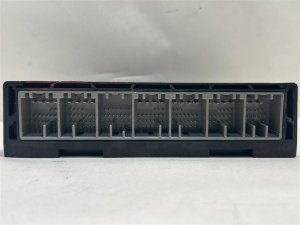
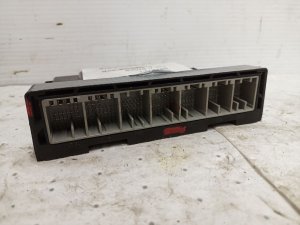
(OEM #13584695 (fits many 2013-2017 models, but always verify with VIN))— This is the part that needs to be replaced if it has failed internally, after all wiring issues have been ruled out.
Trusted brands: ACDelco (Genuine GM), Dorman
OEM price range: $350-$550
Aftermarket price range: $170-$330 - Connector Repair Kit / Pigtail — Used to repair the commonly corroded X411 connector if the damage is too severe for cleaning. May require individual terminal pins and seals.
Trusted brands: ACDelco, Dorman
OEM price range: $40-$75
Aftermarket price range: $15-$40
Related Codes That Often Appear With This One
- U0073 — This code for 'Control Module Communication Bus A Off' is a general network failure code that is often set alongside U0140 when the BCM drops off the high-speed CAN bus.
- U0100 — Lost Communication with ECM/PCM. This can be set in other modules when the BCM or a wiring fault disrupts the entire network.
- U0121 — Lost Communication with Anti-Lock Brake System (ABS) Control Module. This is another module on the high-speed network that will log a code if communication is disrupted, often by the same X411 connector issue.
Technical Service Bulletins (TSBs) & Recalls
- PIT5427B: 'Service StabiliTrak AB
Platform-Specific Known Issues
- TSB #PIT5427B: Explicitly calls out corrosion in the X411 connector under the rear of the vehicle as a cause for U0140 and a host of other communication DTCs on both the Equinox and GMC Terrain.
- TSB #PI1004A: Points to the engine wiring harness chafing on the engine/valve cover on 2.4L models, causing shorts that can trigger U0140 and 'Service StabiliTrak' messages.
- TSB #PIT4730B: Provides diagnostic tips for intermittent U0140/U0073 codes, warning that a BCM may appear offline during an ignition cycle if a brief network short occurs, leading to unnecessary BCM replacement.
Mechanic-Grade Diagnostic Values
- High-Speed CAN Bus Resistance at DLC — expected: 58-64 Ohms. Failure: A reading of 116-128 Ohms indicates an open in the CAN circuit. A reading of 0-2 Ohms indicates the CAN High and CAN Low wires are shorted together.
- BCM Power Supply Voltage (Ignition On) — expected: 12.2 - 12.8 V. Failure: Low or no voltage indicates a problem with the power feed circuit, fuses, or relays.
- BCM Ground Resistance — expected: < 0.1 Ω. Failure: High resistance indicates a poor ground connection, which can cause intermittent module operation.
- CAN High Voltage at DLC (Pin 6 to Ground) — expected: ~2.5V to 3.1V (during communication). Failure: Significant deviation from this voltage can indicate a short or open on the CAN High line.
- CAN Low Voltage at DLC (Pin 14 to Ground) — expected: ~2.3V to 2.5V (during communication). Failure: Significant deviation from this voltage can indicate a short or open on the CAN Low line.
Hidden / Shadow Codes Worth Checking
- U1814 with subtype 02: Powertrain Wake Up Circuit - Short to Ground. This is a more specific code that can accompany U0140, indicating the BCM has detected a short on the circuit used to wake up other modules. (see via A professional-grade scan tool like the GM GDS2 or a high-end Snap-on/Autel scanner is required to read subtypes.)
Scan Tool Commands That Help
- GDS2 (GM Global Diagnostic System 2): Module Diagnostics > BCM > Control Functions — To perform bidirectional tests on components controlled by the BCM (e.g., lights, windows, wipers). This helps verify if the BCM can command outputs, which confirms the module is at least partially functional.
- GDS2 (GM Global Diagnostic System 2): BCM Setup / Configuration — This function is required after replacing the BCM to program the new module to the vehicle's VIN and specific options. Failure to perform this will result in a no-start condition.
- GDS2 (GM Global Diagnostic System 2): Data Bus Diagnostic Tool — This tool, used in conjunction with GDS2, helps analyze the vehicle's data bus to identify which modules are not communicating and can help pinpoint the location of opens or shorts in the network.
- GDS2 (GM Global Diagnostic System 2): Clear Session History — Per GM Bulletin PIC5896, if you are unable to perform a BCM setup after programming, deleting the vehicle's session history in GDS2 can resolve communication errors between the tool and the vehicle.
Wiring & Ground Locations

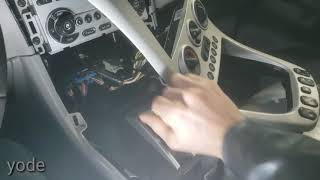
- BCM (Body Control Module) — Located in the center console, accessible from the passenger footwell area.. This is the module that has lost communication. Its connectors are a primary point of inspection for pin tension, corrosion, or damage.
- X411 — Under the rear of the vehicle, to the left of the fuel tank.. This is the most critical connector to inspect for this code on this platform, as identified in TSB PIT5427B. It is a junction for multiple CAN bus circuits and is highly prone to corrosion.
- G210 — Lower left side of the dash.. This is a primary ground point for the BCM. A loose or corroded G210 can cause a loss of power to the BCM, triggering U0140.
- BCM Connector X4 — One of the main multi-pin connectors at the BCM.. Pin 26 on this connector is a ground (Circuit 50). Pin 20 is Battery Positive Voltage. Verifying power and ground at these specific pins is a key diagnostic step.
- BCM Connector X6 — Another main multi-pin connector at the BCM.. Pins 24 and 25 on this connector are the High Speed GMLAN (CAN bus) circuits. Testing for continuity and shorts on these specific wires can diagnose a network fault near the module.
- BCM Fuses — In the interior fuse box, located in the passenger side of the center console.. The BCM is powered by multiple fuses. Specifically, fuses #4, 6, 7, 8, 16, 20, 30, 34, and 40 in the interior fuse panel are related to BCM functions and should be checked.
Real Owner Repair Stories
- ScannerDanner Forum (2017 Chevrolet Equinox) — Multiple warning lights (AWD Problem, Service Steering System), no power steering, multiple modules offline on scan tool (PSCM, ABS, AWD, TPMS).
❌ Tried (didn't work) Visual inspection of wiring harnesses., Unplugging various modules on the affected CAN circuit to see if communication returned.
✅ What actually fixed it The BCM was found to be internally shorted to ground on the powertrain wake-up circuit (Pin 22 of Connector 4). A bypass test was performed by sending voltage directly to the wake-up circuit with a test light, which brought the missing modules back online. Replacing the Body Control Module resolved the issue.
OEM Part Supersession History
13580697, 13586273, 13588447, 13589197→13584695— Standard part revision and consolidation by the manufacturer.
Heads up: While these part numbers are often interchangeable, the replacement BCM MUST be programmed to the vehicle's VIN. A used module from another vehicle will not work without being 'cloned' or reprogrammed by a dealer or specialist.
Model Year Variations Within This Range
- 2013-2017: GM Recall 15840 (NHTSA 16V736000) was issued for some models in this range, including the 2013 Equinox/Terrain, for increased resistance in the BCM connector causing issues like non-working brake lights. While not directly for U0140, it highlights the sensitivity and known issues with the BCM connection on these vehicles.
Helpful Videos



We Have This Part in Stock



The information in this article is provided for general reference and educational purposes only. Vehicle specifications, procedures, and part compatibility can vary by production date, trim level, and region. Always consult your vehicle's factory service manual and verify part numbers before purchasing or performing repairs. Safety-critical components such as airbags, seat belts, and braking systems should be installed by a qualified professional.
- Chevrolet EQUINOX:
- 🎬 Helpful Videos
- 🛍️ Shop This Part
- What's Unique About the 2010-2017 Chevrolet EQUINOX
- Diagnostic Flowchart
- Symptoms You May Notice
- Most Likely Causes
- Rare But Worth Checking
- Diagnosis Steps
- Parts You'll Likely Need
- Related Codes That Often Appear With This One
- Technical Service Bulletins (TSBs) & Recalls
- Platform-Specific Known Issues
- Mechanic-Grade Diagnostic Values
- Hidden / Shadow Codes Worth Checking
- Scan Tool Commands That Help
- Wiring & Ground Locations
- Real Owner Repair Stories
- OEM Part Supersession History
- Model Year Variations Within This Range
- 🎟️ Get 5% Off