

U0100 on 2010-2019 Ford Taurus: Lost Communication with PCM Causes and Fixes
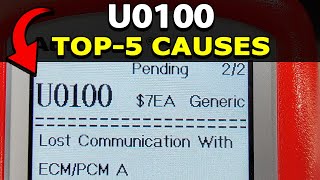
On a 2010-2019 Ford Taurus, code U0100 means the main engine computer (PCM) has stopped communicating with other modules. This often causes a no-start or stalling. The most common causes are a weak battery, corroded ground wires, or a damaged wiring harness, not a failed PCM.
- U0100 on a 2010-2019 Taurus indicates a loss of communication with the main engine computer (PCM), which is a critical fault.
- Do not immediately assume the PCM has failed. The most common causes are simpler electrical issues like a weak battery, bad ground connections, or damaged wires.
- Symptoms are severe and include the engine not starting, stalling while driving, and erratic transmission behavior. The vehicle should not be driven.
- Diagnosis should be systematic: start with the battery, fuses, and grounds before inspecting the wiring harness. Replacing the PCM should be the last step.
- If the PCM does need to be replaced, it requires special programming to match your vehicle's VIN and anti-theft system. This is not a simple plug-and-play repair.
What's Unique About the 2010-2019 Ford Taurus

The sixth-generation Ford Taurus (2010-2019) relies heavily on a Controller Area Network (CAN bus) to link its various electronic modules. A U0100 code on this platform is frequently an electrical issue rather than a component failure. Owners often find that simple, inexpensive problems like a failing battery, poor ground connections, or a damaged wire are the root cause, rather than the expensive Powertrain Control Module (PCM) itself. Diagnosing this code often becomes a hunt for the source of the electrical disruption, and it's critical to rule out these simpler causes before condemning the PCM.
Symptoms You May Notice
- Engine will not start (no-crank or crank-no-start).
- Engine stalls intermittently while driving.
- Check Engine Light is on, possibly with other warning lights like ABS, Traction Control, or a wrench icon.
- Transmission shifts erratically or gets stuck in one gear (limp mode).
- Complete loss of power to dashboard gauges and message center when trying to start. 🎬 See how a total power loss can cause a no-start condition.
- Sudden decrease in fuel economy.
- No communication with OBD-II scan tool, or scanner can only see some modules.
- Message center displays warnings like 'Service AdvanceTrac' or 'Steering Assist Fault'.
- Replacing the PCM first. PCM failure is not the most common cause. Always diagnose and rule out battery, ground, and wiring issues before condemning the expensive computer.
Most Likely Causes

- Weak or Failing Battery / BMS Issues 🔴 High Probability Modern vehicles are highly sensitive to voltage fluctuations. A battery that can't provide stable voltage can cause communication dropouts between modules before it's weak enough to prevent cranking. The Battery Management System (BMS) may also disable features if it detects a failing battery, and a reset is required after replacement.
How to confirm: Test the battery with a multimeter. A healthy, fully charged battery should read at least 12.6 volts with the engine off. If it's below 12.4 volts, it's low and may be causing issues. Perform a load test. After replacement, the BMS must be reset; failure to do so can cause charging issues and persistent electrical gremlins.
Typical fix: Recharge or replace the battery. Clean any corrosion from the terminals. Perform the BMS reset procedure, which can sometimes be done without a scan tool.
Est. part cost: $150-$350 - Corroded or Loose Ground Wires 🟡 Medium Probability Ground straps from the battery to the chassis and engine block can corrode over time, creating high resistance that disrupts module communication. Key ground points to inspect are G103/G104 on the driver's side shock tower, the main battery-to-chassis ground, and grounds near the PCM.
How to confirm: Visually inspect all major ground connections for tightness and corrosion, especially the main battery ground, engine block grounds, and any grounds near the PCM. Perform a voltage drop test on the ground circuit; it should be less than 0.1-0.2 volts.
Typical fix: Clean the contact points of the ground wire and chassis with a wire brush until they are shiny. Apply dielectric grease to prevent future corrosion. Replace the ground strap if it is heavily corroded or frayed.
Est. part cost: $15-$50 - Damaged Wiring Harness or Connectors 🟡 Medium Probability The CAN bus wiring harness can be damaged by chafing against other components, heat from the exhaust, or rodent damage. A common chafe point is where the harness runs near the driver-side strut tower and battery tray. Connectors, especially the main PCM connector, can also become loose or corroded.
How to confirm: Visually inspect the wiring harness leading to and from the PCM for any signs of physical damage, melting, or chafing. Pay close attention to the loom running along the fender wells. Disconnect the PCM connector (with battery disconnected) and check for bent, corroded, or loose pins.
Typical fix: Repair the damaged section of wire with a proper solder and heat-shrink connection. Clean corroded connectors with electrical contact cleaner and apply dielectric grease. Replace the harness if damage is extensive.
Est. part cost: $20-$800 - Failed Powertrain Control Module (PCM) ⚪ Low Probability While less common, internal failure of the PCM due to heat, vibration, or moisture can cause it to stop communicating.
How to confirm: This is a last resort after all power, ground, and wiring issues have been definitively ruled out. A professional will use a scan tool to attempt direct communication with the PCM. If the PCM has proper power and ground at its connector pins but does not communicate, it has likely failed.
Typical fix: Replace the PCM. The new module must be programmed to the vehicle's VIN and security system (PATS). This typically requires a dealer or a specialized shop with Ford's IDS software. See TSB SSM 46900 for post-replacement procedures.
Est. part cost: $800-$1500
Rare But Worth Checking
- Faulty Fuse or Relay: A blown fuse or a bad relay for the PCM can cut its power, causing a U0100 code. Always check the fuses in the engine bay (Power Distribution Box) and interior fuse panels before starting complex diagnostics.
- Aftermarket Device Interference: Improperly installed remote starters, alarms, or OBD-II monitoring devices can interfere with the CAN bus network and cause communication errors. These devices can introduce noise or draw excessive power, disrupting module communication.
- Failed Gateway Module (GWM) or other module: A single faulty module on the CAN bus (like the ABS or radio) can sometimes short out the entire network, preventing the PCM from communicating. A professional diagnosis involves disconnecting modules one by one to see if communication is restored.
Diagnosis Steps
- Check Battery Health & BMS: Ensure the battery is fully charged (12.6V+) and terminals are clean. If the battery was recently replaced, ensure the Battery Management System (BMS) was reset.
- Scan for All Codes: Use a professional scan tool to read codes from ALL modules (ABS, BCM, TCM, etc.). Multiple 'U' codes suggest a network-wide problem, not just a faulty PCM.
- Inspect Fuses: Check all fuses related to the PCM and other control modules in both the engine bay and interior fuse boxes.
- Inspect Grounds: Visually inspect and test the main battery ground, engine grounds, and chassis grounds (especially G103/G104 on the driver's strut tower) for corrosion and tightness.
- Inspect Wiring: Perform a thorough visual inspection of the wiring harness to the PCM. Look for any signs of chafing, melting, or physical damage, particularly near the battery tray and strut towers.
- Test CAN Bus Network: This is an advanced step. With the battery disconnected, use a multimeter to check resistance between pins 6 (CAN-H) and 14 (CAN-L) at the DLC. It should be ~60 ohms. With the key on, engine off, you should measure ~2.5V on each CAN line to ground.
- Verify PCM Power and Ground: At the PCM connector, use a wiring diagram for your specific year/engine to verify that the module is receiving proper battery voltage and has a good ground connection on all specified pins.
- Suspect PCM: If all of the above steps check out (power, ground, and network are good) and the PCM still won't communicate, the PCM itself is the likely culprit.
Parts You'll Likely Need
- Battery
(OEM #Example: BXT-65-850 (Motorcraft))— Low or unstable voltage is a leading cause of network communication codes on modern vehicles.
Trusted brands: Motorcraft
OEM price range: $200-$400
Aftermarket price range: $150-$350 - Powertrain Control Module (PCM)
(OEM #Varies by year/engine, e.g., DG1A-12A650-AEC)— This is the part to replace only after all wiring, power, and ground issues have been ruled out. It is the brain of the powertrain.
Trusted brands: Motorcraft, Cardone (Remanufactured)
OEM price range: $800-$1200
Aftermarket price range: $400-$800
Related Codes That Often Appear With This One
- U0101 — Lost Communication with TCM. If the main CAN bus wiring is faulty, communication can be lost with multiple modules simultaneously, including the Transmission Control Module.
- U0073 — Control Module Communication Bus 'A' Off. This code indicates a general failure of the entire CAN bus network, often pointing towards a wiring short or a problem with a terminating resistor, rather than just the PCM being offline.
- P161A — Incorrect Response from Immobilizer Control Module. This can appear after a PCM replacement if the security parameter reset is not performed correctly, as noted in TSB SSM 46900.
Technical Service Bulletins (TSBs) & Recalls
- SSM 46900: Some vehicles may exhibit a no-start condition with DTC P161A after PCM replacement. This may be due to the parameter reset procedure not being properly completed.
- TSB 17-2249: For some 2016-2017 Police Interceptor models, an inoperative accessory requiring a vehicle speed signal may require PCM replacement and reprogramming to resolve communication issues.
- Bulletin #SSM 54333: A manufacturer service bulletin notes that some Ford vehicles may exhibit a no crank/no start or intermittent no crank/no start with multiple warning indicators and DTC U0100 stored in the ABS, ACM, and PSCM.
- Bulletin #SSM 54574: This bulletin describes a "Service Immediately" message displayed in the instrument panel cluster (IPC) with DTC U0100 stored in the anti-lock brake system (ABS) module.
Mechanic-Grade Diagnostic Values
- HS-CAN Bus Resistance (Battery Disconnected) — expected: ~60 Ohms (54-67 Ohms acceptable range). Failure: A reading of ~120 Ohms indicates an open circuit or a missing terminating resistor. A reading near 0 Ohms indicates a short between the CAN High and CAN Low wires.
- HS-CAN Bus Voltage (Key On, Engine Off) — expected: CAN High (Pin 6 at DLC): ~2.7V to ground. CAN Low (Pin 14 at DLC): ~2.3V to ground.. Failure: Voltages that are stuck high (near 5V), low (near 0V), or equal to each other indicate a bus fault. If CAN Low voltage is higher than CAN High, the wires are likely reversed somewhere in the circuit.
- PCM Ground Pin Voltage Drop (Key On) — expected: Less than 100-200 millivolts (0.1-0.2V). Failure: A higher voltage reading indicates high resistance in the ground circuit, which can cause the module to malfunction and drop off the network.
- Battery Voltage (Engine Off) — expected: 12.6 Volts or higher. Failure: A reading below 12.4V indicates a low state of charge that can cause unpredictable module behavior and communication dropouts.
Hidden / Shadow Codes Worth Checking
- U0100:00: This is a standard Ford sub-code format. The ':00' suffix means 'No Sub Type Information' is available. While not a hidden code, it confirms the module has no further details on why the communication was lost. Seeing this from multiple modules points to a general network failure rather than a specific module fault. (see via Ford IDS or equivalent professional scan tool.)
Scan Tool Commands That Help
- Ford IDS (or FORScan): Network Test / Self Test — This should be the first step in diagnosis. It polls all modules on the network and provides a list of which modules are communicating and which are not, helping to map the failure.
- Ford IDS (or FORScan): Programmable Module Installation (PMI) — This function is required when replacing a PCM. It transfers configuration data (As-Built Data) from the old module to the new one. If the old module is dead, the data must be entered manually.
- Ford IDS (or FORScan): PATS (Passive Anti-Theft System) Parameter Reset / Key Relearn — This security function is mandatory after installing a new or used PCM. The vehicle will not start until the replacement PCM is synchronized with the vehicle's existing keys. A minimum of two keys is required.
Wiring & Ground Locations

- DLC (Data Link Connector) — Under the driver's side dashboard, to the left of the steering column.. This is the primary access point for network diagnostics. HS-CAN is on Pin 6 (CAN-H) and Pin 14 (CAN-L). Resistance and voltage tests start here.
- G103 / G104 — On the driver's side shock/strut tower in the engine bay.. These are major chassis ground points. Corrosion or looseness here is a very common cause of network communication faults on this platform.
- C175B — The largest of the three main connectors at the Powertrain Control Module (PCM), located in the engine bay near the firewall.. This connector provides all power, ground, and network connections to the PCM. Specific pins to check are the multiple ground pins (e.g., 47, 48, 49, 50 on some diagrams) and the CAN bus lines. Pinouts vary by year, so a model-specific diagram is essential.
- HS-CAN Wires — Twisted pair of wires running throughout the vehicle. On Fords, often Grey/Blue and Purple/Grey.. These are the data lines. Check for chafing near the battery tray, strut towers, and where the harness passes through the firewall. A short or open in these wires will bring the network down.
Real Owner Repair Stories
- ScannerDanner Forum (2010 Ford Taurus SHO) — No start, wrench light, no communication on HS-CAN bus. Multiple U-codes.
❌ Tried (didn't work) Unplugging ABS module, transmission module, APIM. Replaced the PCM. All standard checks at DLC were good (power, ground, 60-ohm resistance).
✅ What actually fixed it The user discovered that communication worked when the engine was running, but not with key-on-engine-off. This led them to suspect the Smart Junction Box (SJB) was failing to power up the network correctly in accessory mode. The final fix pointed to the SJB. - Reddit user in r/AskMechanics (2011 Ford Taurus, 270,000 miles) — Intermittent limp mode with various electronic throttle body codes (P2104, P2111, etc.), leading to a U0100.
❌ Tried (didn't work) Replaced throttle body (twice, one new, one used), replaced accelerator pedal, checked wiring and grounds.
✅ What actually fixed it The final suspected cause was a failing PCM. The discussion confirmed that a used PCM is a viable option but requires programming with FORScan (to load as-built data and perform PATS relearn) or by a dealer/specialist shop. - NHTSA ODI #11704877 — An owner reported that when the ignition is on with the engine off, multiple communication fault codes appear, including U0100, U0131, U0140, and U0151. These codes disappeared after the engine was started.
- NHTSA ODI #11669147 — A report describes symptoms of power loss, mechanical noise, and diagnostic codes including P0014, P0303, and U0100.
- NHTSA ODI #11644872 — A complaint mentions an illuminated MIL with DTCs U0100, U0401, P166B, P1753, P0929, and/or P0919, referencing manufacturer bulletin SSM 49157.
"I Checked Everything" — The Actual Cause
- In one documented case on a 2010 Taurus SHO, all initial network tests at the DLC were perfect: 60 ohms resistance, good power, and good ground. The U0100 code and no-communication issue persisted. The root cause was found to be a faulty Smart Junction Box (SJB) that only caused the network failure when the key was in the accessory position, but not when the engine was running. This highlights that a network can test 'good' statically but fail dynamically due to a faulty module's behavior.
Model Year Variations Within This Range
- 2013-2019: The 2013 model year introduced a major facelift with significant electronic changes, including the MyFord Touch system, a revised engine calibration (288hp vs 263hp), and electric power steering. PCMs, instrument clusters, and other electronic modules are generally not interchangeable between the 2010-2012 and 2013-2019 models due to these hardware and software differences.
Diagnostic Flowchart

Other Known Issues on This Vehicle
Issues unrelated to this code that are worth knowing about as an owner of this generation:
- Internal Water Pump Failure (3.5L V6) 🔴 High — Common between 90,000 and 150,000 miles. Failure leads to coolant leaking into the engine oil, causing catastrophic engine damage if not caught early.
- Power Transfer Unit (PTU) Failure (AWD Models) 🔴 High — The PTU fluid can overheat and break down, leading to failure, often around 80,000-120,000 miles. It's considered a 'lifetime' fluid but requires service to prevent a costly replacement.
- Electronic Power Assist Steering (EPAS) Failure 🔴 High — Can fail intermittently or completely, resulting in a sudden loss of power steering. An intermittent electrical connection in the steering gear is a common cause. (Ref: Recall 15S18 for earlier models (2011-2013))
- Defective Electronic Throttle Body (ETB) 🟠 Medium — Can cause sudden deceleration, stalling, or entering 'limp mode'. The issue was widespread enough to prompt a customer satisfaction program (16B32). (Ref: Customer Satisfaction Program 16B32)
Used vs. New Parts: Buying Guide for This Vehicle
When a used part is the smart pick: A used Powertrain Control Module (PCM) from a salvage yard is a very sensible and cost-effective option, as the part itself is durable and failure is relatively uncommon. The key is ensuring correct programming. Used wiring harnesses or connectors are also good options for repairing localized damage.
Donor-vehicle mileage cap: roughly under 150000 miles for the part to have meaningful remaining life.
What to inspect on the donor part:
- For a PCM, match the OEM part number EXACTLY, including the final two letters which indicate hardware/software revisions.
- Inspect the used PCM for any signs of physical damage, corrosion on the pins, or evidence that the case has been opened.
- Purchase from a reputable recycler that offers a warranty.
- For a wiring harness, inspect for any cuts, melted sections, or brittle insulation. Ensure all connector housings are intact and not cracked.
OEM-only on this vehicle (don't cheap out):
- Powertrain Control Module (PCM): While used OEM is good, avoid new aftermarket PCMs that are not from a major remanufacturer like Cardone. Programming compatibility can be a major issue with no-name brands.
Aftermarket brands forum-validated for this vehicle:
- Cardone (for remanufactured PCMs)
- Motorcraft (for new batteries, ground straps)
Brands owners have reported issues with on this vehicle:
- Unbranded, 'pre-programmed' PCMs from online marketplaces. The programming is often incorrect and they frequently lack the ability to be properly configured for the vehicle's PATS anti-theft system.
Real Owner Stories
Aggregated from forums and TSBs cited above. Mileages and costs reflect what owners reported in those sources.
2013 Ford Taurus SHO
Symptoms: No-start condition and U0100 code.
What fixed it: Found a corroded wire in the harness loom that runs along the driver's side fender. The damage was hidden and required peeling back the loom to locate and repair.
Source hint: FordForums.com - '2013 Taurus SHO no-start U0100'
2014 Ford Taurus SEL
Symptoms: EPAS failure which triggered other warnings and codes across the CAN bus.
What fixed it: Identified as a module failure on the CAN bus causing cascading effects to other systems.
Source hint: Reddit r/FordTaurus - 'EPAS failure, 2014 Ford Taurus SEL'
Ford Taurus (D3 Platform)
Symptoms: U0100 code and no communication with PCM.
What fixed it: Traced the issue to a bad ground connection located near the battery tray after checking fuses and relays.
Source hint: TaurusClub.com - 'U0100 code, no communication with PCM'
Related OBD-II Codes
Frequently Asked Questions
I just replaced the PCM on my Ford Taurus and now I have a no-start with code P161A. Does SSM 46900 apply to me?
My 2017 Police Interceptor has an accessory that won't work because it isn't getting a speed signal. Is there a known fix?
I replaced my Taurus battery to fix the U0100 code, but I'm still having electrical issues. Did I miss a step?
Where are the most common ground points to check for U0100 on a Ford Taurus?
Can a 'Service AdvanceTrac' message be related to a U0100 communication code?
Is there a specific spot in the wiring harness prone to chafing on the Taurus?
Helpful Videos
Used OEM Parts in Stock


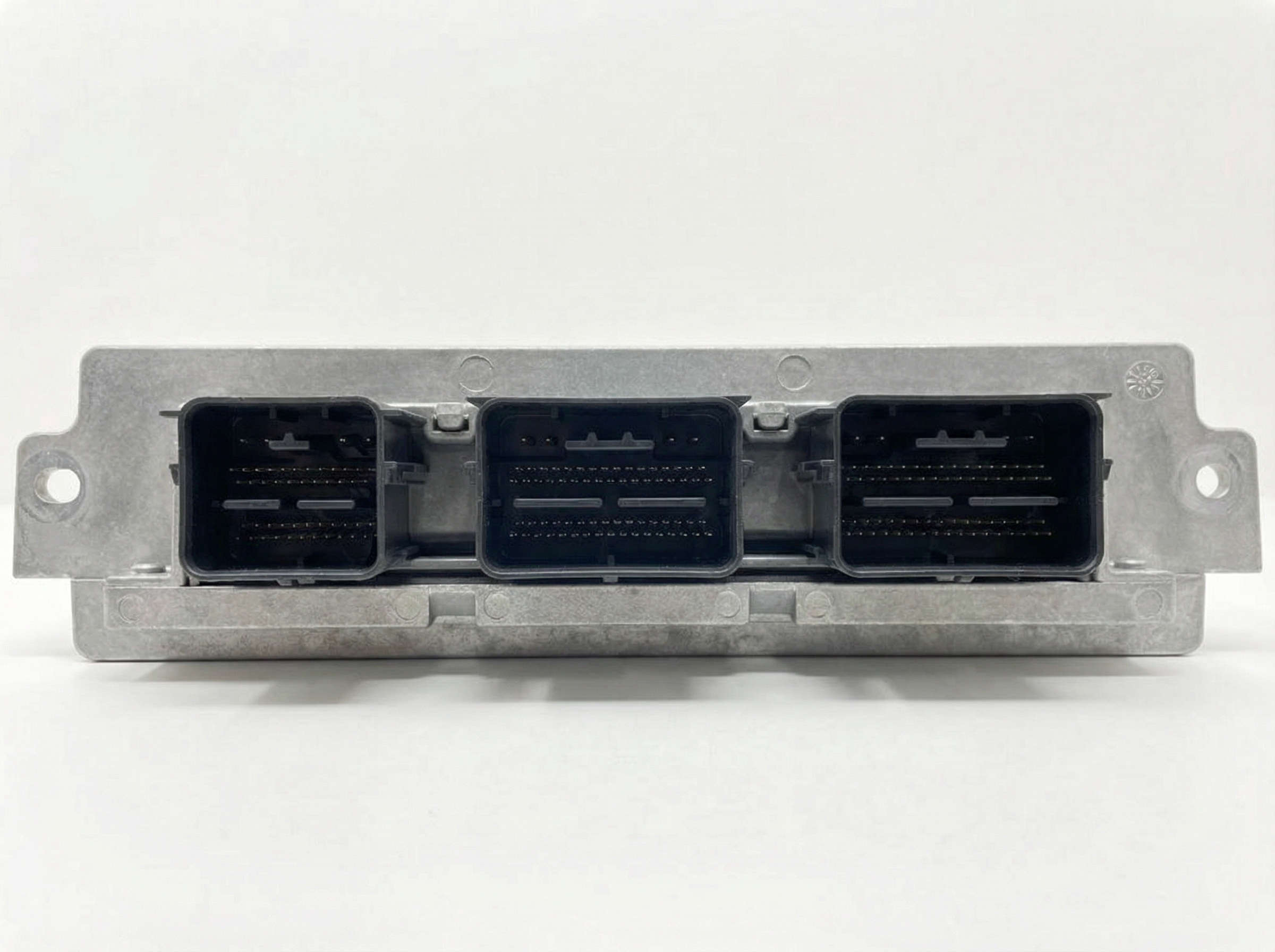

New Aftermarket Parts Available
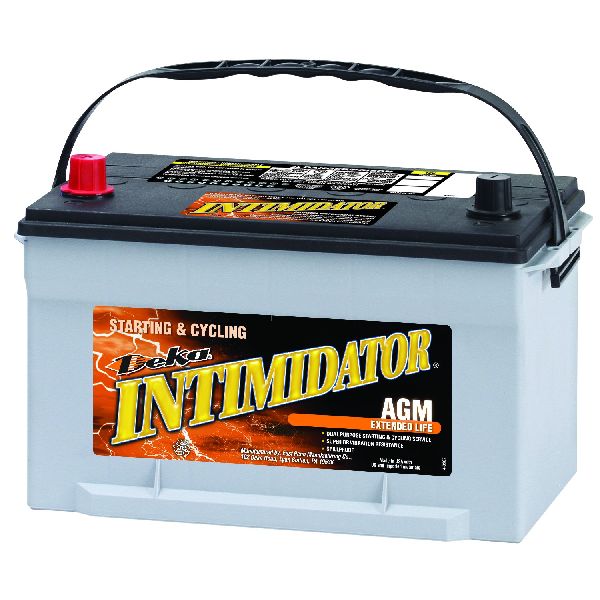
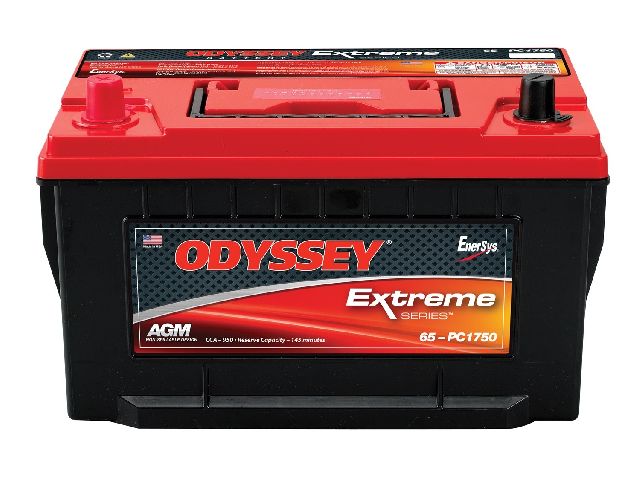

The information in this article is provided for general reference and educational purposes only. Vehicle specifications, procedures, and part compatibility can vary by production date, trim level, and region. Always consult your vehicle's factory service manual and verify part numbers before purchasing or performing repairs. Safety-critical components such as airbags, seat belts, and braking systems should be installed by a qualified professional.
- Ford Taurus:
- 🎬 Helpful Videos
- 🛍️ Shop This Part
- What's Unique About the 2010-2019 Ford Taurus
- Symptoms You May Notice
- Most Likely Causes
- Rare But Worth Checking
- Diagnosis Steps
- Parts You'll Likely Need
- Related Codes That Often Appear With This One
- Technical Service Bulletins (TSBs) & Recalls
- Mechanic-Grade Diagnostic Values
- Hidden / Shadow Codes Worth Checking
- Scan Tool Commands That Help
- Wiring & Ground Locations
- Real Owner Repair Stories
- "I Checked Everything" — The Actual Cause
- Model Year Variations Within This Range
- Diagnostic Flowchart
- Other Known Issues on This Vehicle
- Used vs. New Parts: Buying Guide for This Vehicle
- Real Owner Stories
- 2013 Ford Taurus SHO
- 2014 Ford Taurus SEL
- Ford Taurus (D3 Platform)
- Related OBD-II Codes
- Frequently Asked Questions
- 🎟️ Get 5% Off