

U0100 on 2017-2021 Ford F-350 SD: Causes for Lost Communication with PCM
Code U0100 on a 2017-2021 Ford F-350 Super Duty means a critical loss of communication with the Powertrain Control Module (PCM). This often causes a no-start or stalling. The most common causes are a weak battery, corroded grounds, or damaged wiring, not a failed PCM. Check battery and main ground connections before considering expensive repairs. A common trouble spot is a large connector near the driver's side parking brake bracket that can get kicked or corroded.
- U0100 is a critical code on your F-350, often causing a no-start or stall. Do not drive the vehicle.
- The most likely causes are simple and cheap to fix: a weak battery or a bad ground connection. Always check these first.
- Do not assume the PCM is bad. PCM failure is a rare cause for this code; wiring and power supply issues are far more common.
- Diagnosis is complex and may require professional tools. A basic check involves testing the battery and cleaning all major ground connections you can find.
- If you see other U-codes along with U0100, it strongly points to a network-wide problem like a bad ground, power feed, or a fault in the main CAN bus wiring.
What's Unique About the 2017-2021 Ford F-350 SD

The 2017-2021 Super Duty (P558 generation) has a complex and sensitive Controller Area Network (CAN bus) connecting dozens of modules. These trucks are prone to network issues caused by voltage drops or poor ground connections. While the provided NHTSA TSBs reference newer 2023+ models, they highlight a pattern for Super Duty trucks where ground connection issues (like at point G113 on newer trucks) are a primary cause for U0100 and no-start conditions. This suggests that checking grounds should be a top priority for the 2017-2021 models as well. Forum discussions frequently pinpoint a large electrical connector near the driver's side parking brake pedal, which can become loose or corroded, as a key failure point for this generation.
🎬 Watch: Real-world case study of a 2017 F-250 no-start diagnosis.Diagnostic Flowchart

Tap your situation to follow the diagnostic path that matches what you're seeing on this vehicle.
Symptoms You May Notice
- No crank / no start condition.
- Engine stalls while driving.
- Multiple warning lights on the instrument cluster (Check Engine, ABS, Service AdvanceTrac, etc.).
- Transmission may not shift correctly or may enter a 'limp mode'.
- Loss of power and poor engine performance.
- Erratic behavior of electronic components (e.g., power seats, radio, windows).
- Odometer display shows dashes instead of mileage.
- Gear selector indicator on the dash does not show the selected gear.
- Replacing the PCM when the root cause is a bad ground or a weak battery.
- Replacing individual modules (like ABS or TCM) that are reporting the U0100 code. These modules are usually 'victims' of the communication loss, not the cause. 🎬 See this breakdown of the top 5 causes for U0100.
Most Likely Causes

- Weak or Failing Battery 🔴 High Probability Modern trucks with numerous electronic modules are highly sensitive to battery voltage. A drop below 12 volts can cause communication modules to malfunction and drop off the network. This is often the first and easiest thing to check.
How to confirm: Test the battery voltage with the engine off using a multimeter. A healthy battery should read at least 12.4-12.6 volts. Perform a load test to check its true health, as a battery can show good voltage but fail under load.
Typical fix: Recharge or replace the battery. For diesel models with dual batteries, it is recommended to replace both at the same time. Ensure terminals are clean and tight.
Est. part cost: $150-$400 - Corroded or Loose Ground Wires 🔴 High Probability Ford trucks have several key body and frame ground points that are susceptible to corrosion. A bad ground for the PCM or another major module can interrupt communication across the entire network. TSBs on newer Super Duty models point directly to bad grounds as a cause for U0100. [NHTSA-2]
How to confirm: Visually inspect and physically check the main ground straps from the battery to the engine block and frame. Locate and clean the main cab-to-frame grounds and the PCM ground point. 🎬 Watch: How to find the best ground points in Ford trucks. Check for high resistance using a multimeter between the ground point and the negative battery terminal.
Typical fix: Remove the ground connection, clean all contact surfaces to bare metal, apply dielectric grease, and re-tighten securely.
Est. part cost: $5-$30 - Damaged Wiring Harness or Connectors 🟡 Medium Probability Wiring harnesses can be damaged by chafing, heat, rodents, or water intrusion. A very common failure point on these trucks is a large connector (often cited as C275) located on the parking brake pedal assembly, which can be kicked or stressed, causing intermittent connections. Water damage to the PCM harness has also been reported by owners.
How to confirm: Visually inspect major wiring harnesses for signs of damage. Pay close attention to the C275 connector by the parking brake. Disconnect it, check for corrosion or pushed-out pins, and reseat it securely. Check for 60 ohms of resistance across pins 6 and 14 of the OBD-II port (with the battery disconnected). A reading of 120 Ohms indicates an open circuit, while a reading below 60 Ohms suggests a short.
Typical fix: Repair the damaged section of wire or replace the affected connector. For the C275 connector issue, some owners zip-tie the harness away from the parking brake assembly after cleaning and reconnecting it.
Est. part cost: $20-$200
Rare But Worth Checking
- Faulty Powertrain Control Module (PCM): While often blamed, a truly failed PCM is less common than wiring or power supply issues. All other possibilities should be exhausted before replacing the PCM. In some cases, a PCM reflash with updated software from the dealer can resolve communication glitches without needing a full replacement.
- Faulty Gateway Module (GWM): The Gateway Module acts as a router between different vehicle networks. If it fails, it can prevent the PCM from communicating with other modules. Diagnosis requires advanced scan tools to see which networks are down.
- Aftermarket Accessory Interference: Improperly installed aftermarket electronics (remote starters, alarms, lighting, tuners) tapped into the CAN bus can disrupt communication and trigger a U0100 code. A user on a forum reported a no-start and U0100 code immediately after making changes with FORScan, indicating software or electronic modifications can be a cause.
- Faulty Fuse Box / Relay: A user on a Ford truck forum traced a U0100 and no-start condition to a broken internal pin for a relay within the under-hood fuse box, preventing power from reaching the PCM. This is a rare but possible failure point.
Diagnosis Steps
- Check and charge the battery. Ensure it holds a charge above 12.4V and passes a load test. This is the most common and simplest fix.
- Inspect all battery terminals and main power/ground cables for corrosion and tightness. Clean them thoroughly.
- Scan all vehicle modules with an advanced scan tool (like FORScan) to see which modules are logging the U0100 code and which ones are not communicating at all.
- Locate, disconnect, clean, and re-secure major ground points, especially the main battery-to-frame/engine grounds and any grounds near the PCM and BCM.
- Inspect the large electrical connector (C275) attached to the parking brake assembly. Disconnect, inspect for damage or corrosion, clean with electrical contact cleaner, and securely reconnect it. Consider securing it away from the pedal mechanism.
- With the battery disconnected, measure the resistance between Pin 6 (CAN High) and Pin 14 (CAN Low) on the OBD-II diagnostic port. A healthy network should read approximately 60 Ohms. A reading of 120 Ohms indicates an open circuit or a problem with a terminating resistor. A reading below 60 Ohms suggests a short circuit.
- Visually inspect major wiring harnesses for physical damage, chafing, or corrosion, particularly around the engine bay, firewall, and underbody connectors. Check for signs of rodent damage.
- If aftermarket accessories are installed, try disconnecting them completely to see if the fault clears.
- If wiring and grounds are confirmed good, the issue may be with a specific module (PCM, GWM) or a software glitch that could require a dealer reflash. This level of diagnosis typically requires professional assistance.
Parts You'll Likely Need
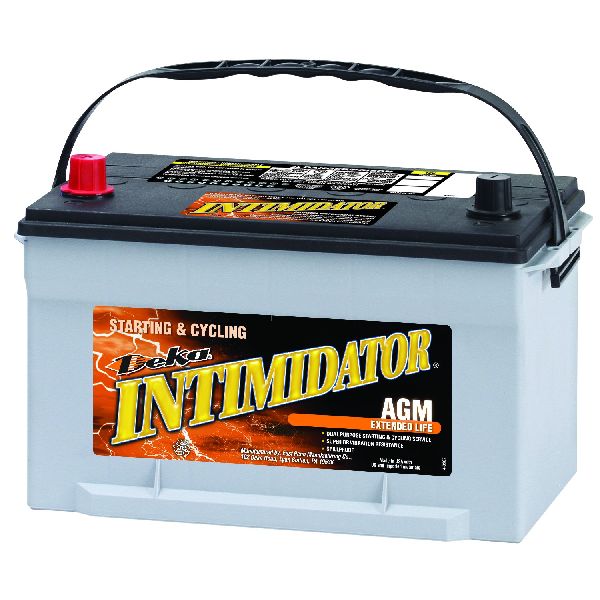
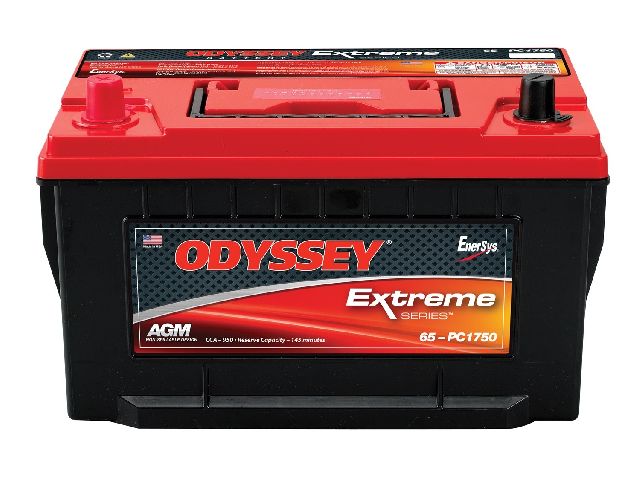
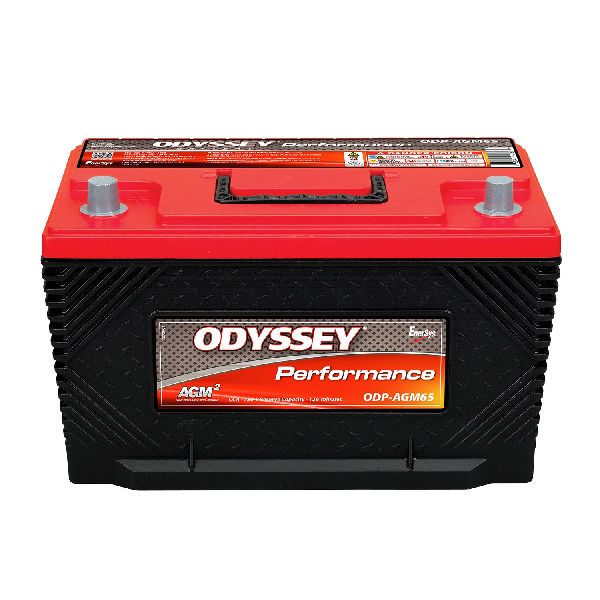
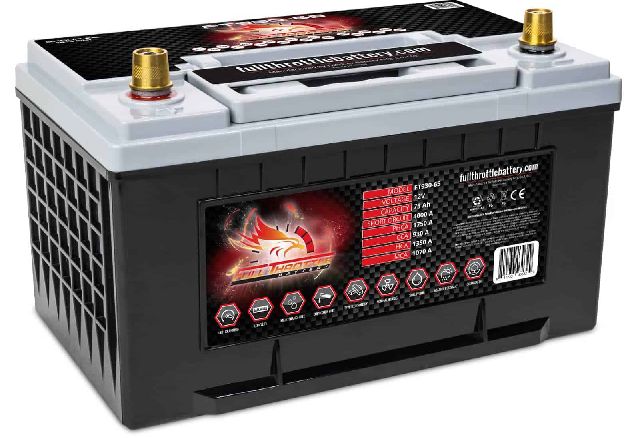
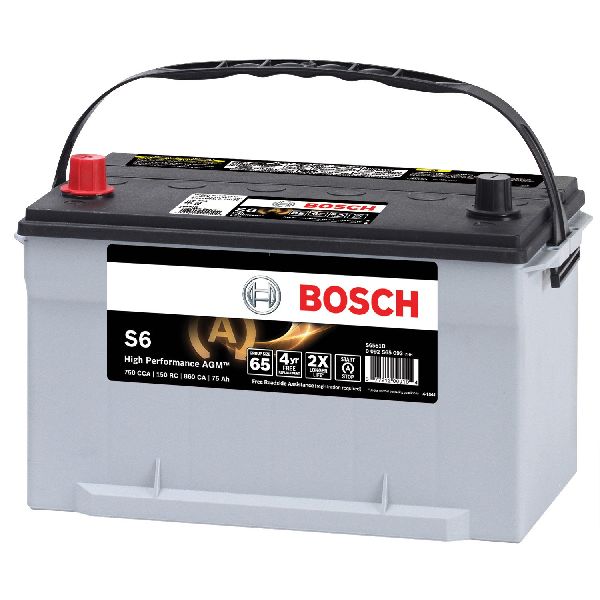
- Battery — A weak battery is a primary cause of communication faults on modern, electronically complex vehicles.
Trusted brands: Motorcraft, Interstate, DieHard
OEM price range: $200-$300
Aftermarket price range: $150-$250 - Ground Straps / Battery Cables — Corrosion can destroy these cables, creating high resistance that disrupts module communication. Cleaning is often sufficient, but replacement may be necessary.
Trusted brands: Motorcraft, Standard Motor Products
OEM price range: $50-$150
Aftermarket price range: $20-$80 - Powertrain Control Module (PCM)
(OEM #HC3A-12A650-XX)— This is the last resort. It is only replaced after all wiring, power, and ground issues have been definitively ruled out by professional diagnosis. Sometimes only a software reflash is needed.
Trusted brands: Motorcraft
OEM price range: $800-$1500
Aftermarket price range: Varies (often remanufactured)
Related Codes That Often Appear With This One
- U0101 — Lost Communication with TCM. The Transmission Control Module (TCM) is often on the same high-speed network, and a network-wide failure will cause both codes to appear.
- U0121 — Lost Communication with ABS Control Module. This is another critical module on the high-speed CAN bus that will report a fault during a network failure.
- U-codes (various) — A general network failure will cause multiple modules to log communication loss codes simultaneously, as seen in a case study where a no-start F-250 logged U0100 in numerous modules.
Technical Service Bulletins (TSBs) & Recalls
- SSM 54333 (For 2023-2025 models): Notes no-crank/no-start with U0100 due to incorrect wiring.
- SSM 53994 (For 2023-2025 models): Points to ground connection G113 as a cause for no-crank and U0100.
- SSM 51578 (For 2023 models): Mentions U0100 being set in the BCM during self-tests.
- SSM 51488 (For 2023 models): Notes U0100:87 may be set in the TCU during self-tests.
Platform-Specific Known Issues
- While no TSBs are listed for the 2017-2021 F-350 specifically for U0100, TSBs for the next generation (SSM 53994, SSM 54333) point to ground connection and wiring issues causing this exact code and a no-start symptom. This establishes a strong precedent for checking grounds first on the 2017-2021 models. [NHTSA-1, NHTSA-2]
- A widely reported issue in owner forums is the C275 connector located near the driver's side parking brake pedal. It is prone to being kicked or stressed, leading to intermittent communication loss, a no-start condition, and a flurry of warning lights. Owners have fixed this by disconnecting, cleaning, and securely reconnecting the harness, sometimes zip-tying it out of the way.
- A case study on a 2017 F-250 with a 6.7L Powerstroke experiencing a U0100 no-crank situation showed that nearly every module on the truck logged a loss of communication with the PCM, highlighting how a central network failure cascades through the system.
- Water intrusion into the PCM harness connector was identified by a dealer as the cause of an intermittent no-crank with U0100 on a similar 2019 F-150, which eventually required PCM replacement.
Mechanic-Grade Diagnostic Values

- CAN Bus Network Resistance — expected: ~60 Ohms (±5 Ohms) across pins 6 and 14 of the OBD-II port with the battery disconnected.. Failure: A reading of ~120 Ohms indicates an open circuit or a missing terminating resistor. A reading significantly different from 60 or 120 suggests a wiring short.
- CAN Bus Voltage (Key On, Engine Off) — expected: CAN High (Pin 6 to ground) should be ~2.5V-3.5V. CAN Low (Pin 14 to ground) should be ~1.5V-2.5V. Both lines should idle near 2.5V.. Failure: A line stuck at 0V or near battery voltage indicates a short to ground or power, respectively. Both lines reading the same voltage (e.g., 2.5V) when they should be active can indicate the wires are shorted together.
- Module Ground Circuit Resistance — expected: Less than 0.5 Ohms, with ideal readings being under 0.1 Ohms.. Failure: Resistance higher than 0.5 Ohms indicates a poor or corroded ground connection, which can cause modules to drop off the network.
- Battery Voltage at Rest — expected: 12.4V to 12.6V for a healthy, fully charged battery.. Failure: A reading below 12.4V indicates a discharged or failing battery, a primary cause of network communication codes.
Hidden / Shadow Codes Worth Checking
- U0100:87: The ':87' suffix is a Failure Type Code (FTC) indicating 'Missing Message'. This means a specific module did not receive an expected data packet from the PCM within the required timeframe. (see via Ford's Integrated Diagnostic System (IDS) or an advanced aftermarket scan tool like FORScan.)
- U0100:00-8B: This is another manufacturer-specific code format seen in forum discussions, associated with a no-crank/no-start condition where communication with the PCM is lost. (see via Advanced scan tools capable of reading Ford-specific DTCs.)
Scan Tool Commands That Help
- Ford IDS (Integrated Diagnostic System): Network Test / Self-Test — This is a primary function used to poll all modules on the network. It will provide a list of which modules are communicating and which are not, and will retrieve all DTCs, including manufacturer-specific codes.
- Ford IDS (Integrated Diagnostic System): Module Reprogramming / PMI (Programmable Module Installation) — Used after replacing a PCM or other network module to load the correct software and vehicle configuration. It can also be used to update existing module software to fix known bugs that could cause a U0100 code, as specified in some TSBs.
- Advanced Scan Tool (IDS, FORScan, etc.): Datalogger / Live Data — To monitor CAN bus voltages and module status in real-time. This can help identify intermittent connection drops that occur while driving or wiggling harnesses.
Wiring & Ground Locations

- C275 — Large electrical connector located on or near the parking brake pedal assembly inside the cab, on the driver's side.. This is a known weak point. The connector can be kicked or stressed by the driver's foot, leading to loose pins, corrosion, and intermittent loss of communication on the CAN bus, triggering U0100.
- G104 / G105 — G104 is located in the left rear of the engine compartment. G105 is referenced for grounding in the passenger kick panel area.. These are major chassis ground points. Corrosion or a loose connection at these locations can disrupt power to multiple modules, including the PCM, causing network-wide communication failures.
- Under-hood Fuse Box (Battery Junction Box) — Typically located in the engine bay on the driver's side.. This box contains the primary fuses and relays that supply power to the PCM. A failure here, such as a blown fuse or a damaged internal relay socket, will cut power to the PCM and cause an immediate U0100 code.
- G113 (on newer models) — On 2023+ models, this ground connection is a known cause of U0100. [NHTSA-2] While the exact identifier may differ on 2017-2021 models, it highlights the importance of checking all major frame and body ground connections.. Demonstrates a pattern of ground-related network failures on the Super Duty platform. A poor ground at a critical point can take the entire network down.
Real Owner Repair Stories
- Ford Truck Enthusiasts Forum (2013 F-250 6.2L (similar platform and issue)) — No crank, no start. All gear indicator lights on the dash were white (no gear selected). Code U0100:00-8B was present.
❌ Tried (didn't work) Checking firewall connections by the battery., Checking firewall grounds., Wiggling, disconnecting, inspecting, and reconnecting the large connector by the e-brake assembly (C275).
✅ What actually fixed it The owner found a broken female pin socket for a relay inside the under-hood fuse box. The pin had recessed down into the fuse box, preventing the relay from making a connection and supplying power to the PCM.
"I Checked Everything" — The Actual Cause
- In a documented case, all common wiring checks and connector inspections failed to find the fault for a U0100 no-start condition. The actual cause was not a wiring harness issue, but a broken female terminal for the PCM power relay *inside* the under-hood fuse box. This type of failure is invisible to external inspection and requires physically removing the relay to spot the recessed pin.
OEM Part Supersession History
HC3Z-12A650-BBNP→HC3Z-12A650-BCNP— Part revision by the manufacturer.
Heads up: For 6.7L diesel engines, the PCM base part number is typically HC3A-12A650-XX. It is critical to distinguish this from the Glow Plug Control Module (GPCM), which often has a part number like HC3A-12B533-XX. Installing the wrong module will result in a no-start. All replacement PCMs require programming to the vehicle's VIN.
Model Year Variations Within This Range
- 2020-2021: The 2020 model year refresh introduced several wiring changes. The harness plug for the Audio Control Module (ACM) is different from 2017-2019 models. The upfitter switch blunt-cut wires were moved from the driver's side to the passenger side engine bay. The introduction of the 10-speed transmission also changed the network communication architecture compared to the 6-speed in earlier models.
Helpful Videos

We Have This Part in Stock

The information in this article is provided for general reference and educational purposes only. Vehicle specifications, procedures, and part compatibility can vary by production date, trim level, and region. Always consult your vehicle's factory service manual and verify part numbers before purchasing or performing repairs. Safety-critical components such as airbags, seat belts, and braking systems should be installed by a qualified professional.
- Ford F-350 SD:
- 🎬 Helpful Videos
- 🛍️ Shop This Part
- What's Unique About the 2017-2021 Ford F-350 SD
- Diagnostic Flowchart
- Symptoms You May Notice
- Most Likely Causes
- Rare But Worth Checking
- Diagnosis Steps
- Parts You'll Likely Need
- Related Codes That Often Appear With This One
- Technical Service Bulletins (TSBs) & Recalls
- Platform-Specific Known Issues
- Mechanic-Grade Diagnostic Values
- Hidden / Shadow Codes Worth Checking
- Scan Tool Commands That Help
- Wiring & Ground Locations
- Real Owner Repair Stories
- "I Checked Everything" — The Actual Cause
- OEM Part Supersession History
- Model Year Variations Within This Range
- 🎟️ Get 5% Off