

U0074 on 2015-2018 Chevrolet Tahoe: Causes and Fixes for Communication Bus Failure
U0074 on a 2015-2018 Tahoe indicates a total communication failure on the 'Chassis' CAN bus. This commonly causes a loss of power steering and 'Service Stabilitrak' warnings. The most frequent causes are wiring issues (chafing, corrosion), a faulty Power Steering Control Module (PSCM), or a bad Electronic Brake Control Module (EBCM). Diagnosis is complex and requires professional tools to isolate the failed component on the network.
- U0074 is a critical network failure code, not a simple sensor fault.
- The most common symptoms are a sudden loss of power steering and multiple dashboard warning lights.
- Do not drive the vehicle; the loss of safety systems like power steering and ABS is dangerous.
- Diagnosis must be systematic. Simply replacing modules without confirming they are the cause of the network failure can be very expensive and ineffective.
- Check for wiring damage and test network resistance before condemning expensive control modules.
What's Unique About the 2015-2018 Chevrolet TAHOE

The 2015-2018 Tahoe, built on the K2XX platform, uses multiple CAN bus networks to manage its complex electronic systems. The U0074 code specifically relates to the 'Chassis' bus, which controls safety-critical functions like steering and braking and uses pins 12 and 13 at the DLC. GM has issued Technical Service Bulletins (TSBs) that guide technicians to diagnose this bus as a whole when U0074 appears, often in conjunction with other codes, indicating this is a known issue pattern. Failures are frequently traced back to wiring problems, such as chafing near the battery tray or control arm, a single faulty module (like the power steering or brake module) taking down the entire network, or a poor BCM ground at G218.
Diagnostic Flowchart

Tap your situation to follow the diagnostic path that matches what you're seeing on this vehicle.
Symptoms You May Notice

- Sudden loss of power steering assist, making the wheel very hard to turn
- "Service Power Steering" message on the instrument cluster
- "Service Stabilitrak" message
- ABS and Traction Control warning lights illuminated
- Check Engine Light (MIL) on
- Multiple warning lights may appear simultaneously
- Loss of communication with multiple control modules during a scan tool check
- Instrument panel gauges may sweep or go blank intermittently
- Radio or HVAC displays may flicker or go blank
- Replacing the Fuel Pump Control Module (FPCM) for code P2635 without first addressing U0074. TSB #PIP5427B explicitly states that the communication code U0074 must be diagnosed first, as the network failure can cause the fuel pressure code.
Most Likely Causes

- Faulty Power Steering Control Module (PSCM) 🔴 High Probability The PSCM is a known failure point on this platform. A recall (GM #18289) was issued for some 2015 models for intermittent loss of power steering assist related to electrical/software issues. An internal failure in the PSCM can disrupt the entire chassis CAN bus, causing a U0074 code.
How to confirm: A technician will use a scan tool to see which modules are offline. They may then disconnect the PSCM to see if communication with other modules is restored. Measuring resistance on the network can also help isolate the fault to the PSCM leg of the circuit. A common test involves jumping the CAN wires at the PSCM connector to bypass it; if the network resistance returns to 60 ohms, the PSCM is confirmed bad.
Typical fix: Replacement of the power steering rack, which includes the control module. The new module will require programming by the dealer or a qualified shop.
Est. part cost: $800-$1500 - Damaged Wiring or Corroded Connectors 🟡 Medium Probability Wiring harnesses for the chassis bus are routed in areas prone to damage. TSB #21-NA-149 and #23-NA-074 identify specific chafe points near the ECM/TCM bracket, upper control arm, shock tower, and battery tray support bracket that can cause shorts and communication failures. Another known failure point is the harness in the rear of the vehicle near the spare tire, which can be damaged by moisture or physical stress. 🎬 See how to fix common Tahoe suspension and Stabilitrak wiring issues
How to confirm: Visually inspect harnesses in the locations specified by TSBs. Check resistance across the Chassis CAN bus pins (12 and 13) at the OBD-II port (should be ~60 ohms). A reading of 120 ohms indicates an open circuit or a failed terminating resistor. A 'wiggle test' on harnesses while monitoring resistance can reveal intermittent breaks.
Typical fix: Repairing the damaged section of the wire and protecting it with anti-abrasion tape or loom. Cleaning or replacing corroded connectors and applying dielectric grease.
Est. part cost: $20-$200 - Faulty Electronic Brake Control Module (EBCM) 🟡 Medium Probability The EBCM is a key module on the chassis bus and is mentioned in TSB #PIT5076E as a potential area of concern when U0074 is set. It also contains one of the two 120-ohm terminating resistors for the bus. An internal failure can bring down the network. A recall (#N192261050) was also issued for EBCM software on these vehicles, indicating its criticality.
How to confirm: Similar to the PSCM, a technician would disconnect the EBCM to see if network communication is restored to the other modules. If the bus resistance was 120 ohms and remains 120 ohms after unplugging the EBCM, it confirms the fault is on the EBCM's leg of the circuit.
Typical fix: Replacement and programming of the Electronic Brake Control Module.
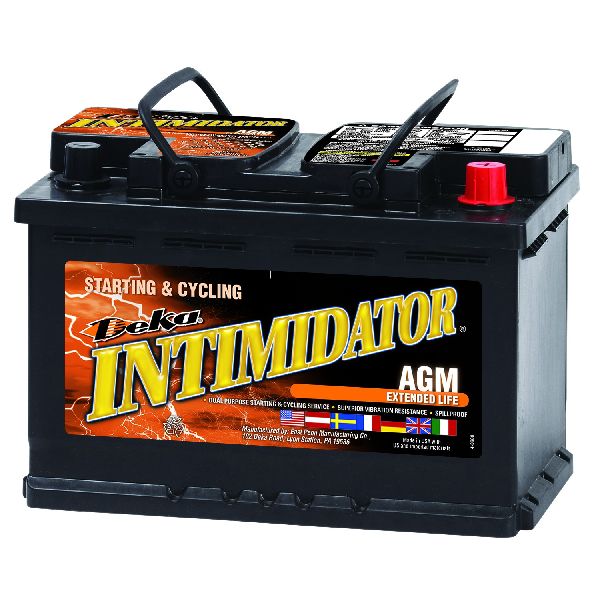
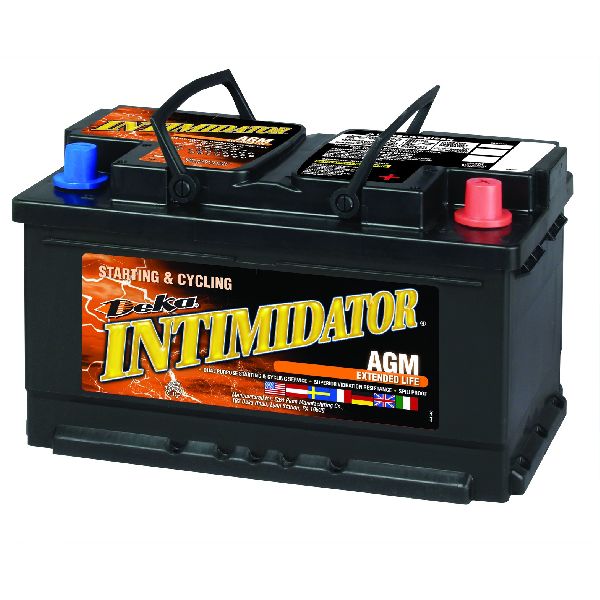
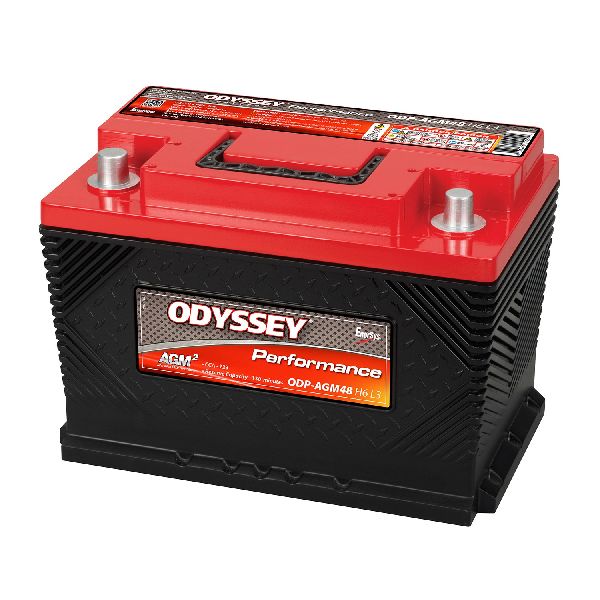
Est. part cost: $400-$900 - Poor Battery Health or Loose Ground/Power Connection ⚪ Low Probability These vehicles have high electrical demands. A weak battery or a loose ground can cause significant voltage drops, leading to unpredictable communication errors. Forum users frequently report that a loose stud on the positive battery cable is a specific cause of intermittent electrical issues, including power steering loss. TSB PIT5405C specifically identifies the BCM ground G218 as a common source of these problems.
How to confirm: Test the battery and charging system. Inspect and clean all major ground connections. Specifically check the positive battery cable assembly for any loose terminals or studs. Inspect ground G218 (located behind the driver's side dash trim near the A-pillar speaker) for looseness or for the dash insulator mat being trapped underneath it.
Typical fix: Replacing a weak battery or cleaning and tightening ground connections. In some cases, the entire positive battery cable assembly must be replaced. 🎬 Watch: Solving Stabilitrak and traction control errors on GM trucks For G218, the fix is to cut away the interfering mat and properly retighten the ground nut.
Est. part cost: $200-$400
Rare But Worth Checking
- Failed Terminating Resistor: The Chassis CAN bus requires a 120-ohm resistor at each end of the network. On this platform, one is internal to the EBCM and the other is in the Inflatable Restraint (Airbag) Module. A less common configuration may use a standalone resistor taped to the rear harness near the spare tire. While module failure is more common, the resistor itself can fail. Diagnosis involves measuring resistance across the bus; a reading of 120 ohms instead of ~60 ohms points to a termination issue.
- Improperly Installed Aftermarket Electronics: Splicing accessories like remote starters, aftermarket lighting, or audio equipment into the CAN bus wiring can disrupt communication and trigger this code.
Diagnosis Steps
- Connect a professional scan tool and perform a full vehicle scan to identify all modules that are not communicating.
- Check for relevant TSBs, specifically #PIP5427B, #PIT5076E, #21-NA-149, #23-NA-074, and PIT5405C.
- With the battery disconnected, measure the resistance between Pin 12 and Pin 13 (Chassis High-Speed CAN) at the OBD-II port. A healthy network should read approximately 60 Ohms. A reading of 120 Ohms points to an open circuit or a single missing terminating resistor.
- Visually inspect the wiring harnesses and connectors going to the Power Steering Control Module and the Electronic Brake Control Module. Pay close attention to known chafe points identified in TSBs: near the battery tray, driver's side upper control arm, and ECM/TCM bracket.
- If resistance is incorrect or modules are offline, begin isolating the fault by disconnecting modules on the chassis bus one at a time (starting with the PSCM and EBCM) and re-checking for communication. When communication is restored, the last module disconnected is likely the source of the problem.
- Inspect main power and ground connections for the battery and BCM for looseness or corrosion. Specifically check the positive battery cable terminal for a loose stud, a known issue on these trucks. Also inspect ground G218 behind the driver's side dash trim.
Parts You'll Likely Need
- Power Steering Rack and Pinion Assembly
(OEM #84774227)— The Power Steering Control Module (PSCM) is often integrated into the steering rack. An internal failure of the PSCM is a very common cause for the U0074 code on this platform.
Trusted brands: ACDelco, GM Genuine
OEM price range: $1000-$1600
Aftermarket price range: $700-$1200 - Electronic Brake Control Module (EBCM) — The EBCM is another primary module on the chassis bus that can fail and take the network down, as suggested by TSB #PIT5076E.
Trusted brands: ACDelco, GM Genuine
OEM price range: $500-$900
Aftermarket price range: $350-$600 - Positive Battery Cable — Some owners have traced intermittent electrical faults, including power steering loss and communication codes, to a loose stud on the positive battery cable assembly, requiring replacement of the entire cable.
Trusted brands: ACDelco, GM Genuine
OEM price range: $150-$250
Aftermarket price range: $100-$180
Related Codes That Often Appear With This One
- P2635 — As noted in TSB #PIP5427B, a loss of communication (U0074) between the ECM and Fuel Pump Control Module can cause this fuel pressure performance code.
- U18A2 — Also mentioned in TSB #PIP5427B, this is another communication-related code. The TSB states U0074 should be prioritized if both are present.
- C0186, C0196, U0125, U0126 — TSB #PIT5076E lists these codes as appearing alongside U0074. They relate to the yaw rate sensor, lateral accelerometer, and communication with the EBCM, all pointing to a general failure of the Chassis CAN bus.
- U0131 — This code for 'Lost Communication With Power Steering Control Module' is frequently seen with U0074, as the PSCM is a primary node on the affected Chassis bus.
- U0121 — This code for 'Lost Communication with Electronic Brake Control Module' is also common, as the EBCM is another critical module on the Chassis bus.
Technical Service Bulletins (TSBs) & Recalls

- PIP5427B
- PIT5076E
- 21-NA-149
- 23-NA-074
Platform-Specific Known Issues
- Loose Positive Battery Cable Stud: A recurring theme in owner forums is the discovery of a loose stud on the main positive battery cable terminal. This causes intermittent voltage drops across the vehicle's electrical systems, leading to random module communication dropouts, power steering failure, and a host of warning lights. Tightening is a temporary fix, but often the entire cable assembly needs replacement to solve the problem permanently.
- Wire Harness Chafing at Battery Tray: GM TSB #23-NA-074 specifically addresses wire harness chafing on the battery tray support bracket. The sharp edges of the bracket can wear through the harness loom over time due to engine vibration, causing shorts in the CAN bus circuits and triggering codes like U0074 and U0077. The official fix involves repairing the wires and wrapping the bracket edges with protective deadener material.
Mechanic-Grade Diagnostic Values
- Chassis CAN Bus Resistance — expected: ~60 Ohms (measured between Pin 12 and Pin 13 at the DLC with battery disconnected). Failure: A reading of ~120 Ohms indicates an open circuit or one of the two terminating resistors is offline. A reading significantly less than 60 Ohms indicates a short between the CAN high and low wires.
- Chassis CAN High Voltage — expected: ~2.6V (measured from Pin 12 at DLC to chassis ground, key on). Failure: Voltage stuck high (at battery voltage), low (near 0V), or matching the CAN Low voltage indicates a short or open.
- Chassis CAN Low Voltage — expected: ~2.4V (measured from Pin 13 at DLC to chassis ground, key on). Failure: Voltage stuck high, low, or matching the CAN High voltage indicates a short or open.
Scan Tool Commands That Help
- GDS2 (GM Global Diagnostic System 2): Data Bus Diagnostic Tool — This function actively polls all modules on a selected bus (e.g., Chassis CAN) to determine which are communicating and which are not. It's a primary step to quickly identify offline modules and narrow down the search area.
- GDS2 (GM Global Diagnostic System 2): Power Steering Control Module Setup — After replacing the Power Steering Control Module (K43), this function is required to perform special functions like Power Steering Torque Sensor Learn and Steering Angle Sensor Centering to make the new module operational.
Wiring & Ground Locations
- Chassis CAN Bus Terminating Resistors — One resistor is internal to the Electronic Brake Control Module (EBCM). The second resistor is internal to the Inflatable Restraint Sensing and Diagnostic Module (Airbag Module).. The entire bus relies on having exactly two 120-ohm resistors online to function. Knowing their location is critical for diagnosing a 120-ohm reading at the DLC, as it helps determine which end of the network has the fault.
- G218 — Behind the driver's side dash trim panel, near the A-pillar and speaker.. This is a critical ground point for the Body Control Module (BCM). TSB PIT5405C identifies a poor connection here (often due to the dash insulator mat being trapped under the ground nut) as a direct cause of communication DTCs and widespread electrical issues.
- Chassis High-Speed CAN at DLC — Pins 12 (CAN High) and 13 (CAN Low) at the OBD-II Data Link Connector.. This is the primary diagnostic point for the affected network. Unlike the main GMLAN on pins 6 & 14, the Chassis bus uses these specific pins on the K2XX platform. All resistance and voltage tests for U0074 should start here.
- Frame Grounds — On the frame, located behind both front wheels.. These grounds are in a terrible location exposed to road spray and corrosion. A poor connection here can cause intermittent and difficult-to-diagnose electrical faults that mimic module failures.
Real Owner Repair Stories
- YouTube channel 'Chris Vaughn' (2018 Chevrolet Tahoe) — Multiple communication issues, loss of power steering.
❌ Tried (didn't work) Initial scan showed multiple modules offline.
✅ What actually fixed it The technician measured 120 ohms on the Chassis CAN bus (pins 12 & 13), indicating an open circuit. By systematically isolating modules, he determined the fault was on the circuit leg with the Power Steering Control Module (PSCM). He then jumped the CAN high and low wires at the PSCM connector, bypassing the module. This restored the network resistance to the correct 60 ohms, definitively proving the PSCM had an internal failure. Replacing the power steering rack (which includes the PSCM) fixed the issue. - YouTube channel 'Automotive Diagnostics and Programming' (2019 Chevrolet Tahoe) — Service Stabilitrak message, steering assist reduced, multiple communication codes including U0077 (Chassis Bus 'B' Off, a related code).
❌ Tried (didn't work) Clearing codes.
✅ What actually fixed it The technician measured 120 ohms at the DLC (pins 12 & 13). He unplugged the EBCM, and the resistance remained 120 ohms. This told him the resistor in the airbag module (the other end of the network) was the one he was reading, and the fault was on the EBCM side. Using an oscilloscope and resistance checks, he proved there was an open circuit on the CAN High wire (connected to DLC pin 12) somewhere between a junction connector and the EBCM. Repairing the open wire resolved all codes.
OEM Part Supersession History
23412215, 84059834, 84073904, 84228166, 84346954→84446361— Standard part revision and consolidation by the manufacturer.
Model Year Variations Within This Range
- 2015-2018: The K2XX platform uses multiple CAN networks. The network associated with code U0074 is the 'Chassis High-Speed CAN Bus', which is accessed for diagnostics at pins 12 and 13 of the DLC, not the more common pins 6 and 14 used for the main GMLAN.
- 2015-2017: TSB PIT5405C specifically calls out these model years as being prone to a variety of communication issues and DTCs (including U0131, U0121, etc.) caused by a poor BCM ground at G218. This indicates a known manufacturing or design issue affecting the earlier part of this generation.
Helpful Videos
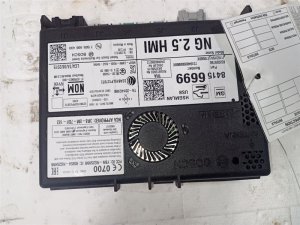
Used OEM Parts in Stock



New Aftermarket Parts Available


The information in this article is provided for general reference and educational purposes only. Vehicle specifications, procedures, and part compatibility can vary by production date, trim level, and region. Always consult your vehicle's factory service manual and verify part numbers before purchasing or performing repairs. Safety-critical components such as airbags, seat belts, and braking systems should be installed by a qualified professional.
- Chevrolet TAHOE:
- 🎬 Helpful Videos
- 🛍️ Shop This Part
- What's Unique About the 2015-2018 Chevrolet TAHOE
- Diagnostic Flowchart
- Symptoms You May Notice
- Most Likely Causes
- Rare But Worth Checking
- Diagnosis Steps
- Parts You'll Likely Need
- Related Codes That Often Appear With This One
- Technical Service Bulletins (TSBs) & Recalls
- Platform-Specific Known Issues
- Mechanic-Grade Diagnostic Values
- Scan Tool Commands That Help
- Wiring & Ground Locations
- Real Owner Repair Stories
- OEM Part Supersession History
- Model Year Variations Within This Range
- 🎟️ Get 5% Off