

U0074 on 2006-2011 Cadillac STS: Control Module Communication Bus Off - TSB PIC4740F Points to Transmission Connector
Code U0074 on a 2006-2011 Cadillac STS indicates a critical failure on the high-speed data network (CAN bus). Per GM TSB PIC4740F, the most common cause is unseated or corroded pins in the main transmission electrical connector (X1). Before suspecting expensive control modules, a thorough inspection and cleaning of this specific connector is the primary diagnostic step and often the complete fix.
- U0074 on a 2006-2011 STS is a serious network communication error.
- Before suspecting expensive modules, ALWAYS inspect the transmission X1 connector for loose or corroded pins, as this is a known GM issue (TSB PIC4740E).
- Symptoms are often severe, including a no-start condition, harsh shifting, and numerous warning lights.
- Diagnosis is complex and best left to a professional with network diagnostic tools.
- Do not replace any control modules until wiring and connections have been proven to be in perfect condition.
What's Unique About the 2006-2011 Cadillac STS
For this specific generation of Cadillac STS, General Motors issued Technical Service Bulletin PIC4740E, later superseded by PIC4740F, that directly links code U0074 and a host of other communication codes to a known problem. The bulletin explicitly directs technicians to inspect the transmission's main X1 electrical connector for pins that have backed out or become loose. This specific, documented issue makes a wiring inspection at the transmission a much higher priority than on other vehicles where this code might appear. The issue is also common on platform mates like the Cadillac SRX and CTS of the same era.
Diagnostic Flowchart
Tap your situation to follow the diagnostic path that matches what you're seeing on this vehicle.
Symptoms You May Notice
- Multiple warning lights on the dashboard (Check Engine, ABS, Stabilitrak, Service Power Steering).
- Transmission shifts harshly or is stuck in one gear (limp mode).
- Vehicle will not crank or start. 🎬 Watch: Troubleshooting a Cadillac STS with no communication or crank.
- Reduced engine power message displayed.
- Scan tool cannot communicate with the ECM or TCM.
- Door locks cycle while driving.
- Instrument cluster may go blank or display frozen screens.
- Power steering feels heavy or disabled.
- Replacing the ECM or TCM without first thoroughly inspecting the transmission X1 connector and CAN bus wiring harness. Modules are expensive and often replaced unnecessarily when the true fault is a simple wiring or connection issue as highlighted in the TSB.
Most Likely Causes
- Loose or Corroded Terminals in Transmission Connector (X1) 🔴 High Probability This is a well-documented issue by GM in TSB #PIC4740F (superseding PIC4740E). The connector's location on the side of the transmission makes it susceptible to vibration, heat, and moisture over time, causing pins to become unseated or corroded.
How to confirm: Disconnect the large X1 electrical connector at the transmission. Visually inspect for any green or white corrosion, moisture, or pins that have visibly backed out. Gently tug on each individual wire to ensure it is fully seated and locked in the connector body; a side load can give a false positive lock.
Typical fix: Reseat any loose terminals by pushing them firmly back into the connector until they click. Clean corroded pins with a dedicated electrical contact cleaner and a small brush. Apply a thin layer of dielectric grease to the connector seal before reassembly to prevent future moisture intrusion. In severe cases, the connector pigtail or individual terminals may need to be replaced.
Est. part cost: $5-$60 - Damaged CAN Bus Wiring Harness 🟡 Medium Probability Wiring harnesses can rub against chassis components, engine brackets, or the transmission bell housing, eventually wearing through the insulation and causing a short or open circuit. While TSB PIC4740F points out a specific chafe point near the bell housing for the ATS/CTS, a general inspection is wise for the STS.
How to confirm: Visually inspect the wiring harness that runs to the transmission, ECM, and EBCM for any signs of chafing, melting, or physical damage. Check resistance between CAN high (Pin 6) and CAN low (Pin 14) at the OBD-II port with the battery disconnected; it should be ~60 ohms. A reading of 120 ohms indicates an open circuit or a module/terminating resistor is offline. A reading near 0 ohms indicates the CAN wires are shorted together.
Typical fix: Repair the damaged section of wire. This involves soldering the broken wire, sealing it with heat shrink tubing, and re-routing or securing the harness to prevent future damage.
Est. part cost: $1-$20 - Failed Control Module (e.g., EBCM, TCM, ECM) ⚪ Low Probability Any module on the high-speed CAN bus can fail internally, creating electrical noise or a short that brings down the entire network. The Electronic Brake Control Module (EBCM) is a common point of failure on many GM vehicles and can cause this code.
How to confirm: This is a process of elimination. If the wiring, connectors, and network resistance are all confirmed to be good, a single module may be at fault. A technician can disconnect modules one by one from the CAN bus (EBCM, TCM, ECM, etc.) while monitoring network resistance or using an oscilloscope. When the fault (e.g., incorrect resistance) disappears, the last module disconnected is the likely culprit.
Typical fix: Replace the faulty module. The new module will require programming to the vehicle's VIN using specialized tools like GM's Techline Connect (SPS2).
Est. part cost: $300-$1200+
Rare But Worth Checking
- Poor Ground Connection: A corroded or loose main ground for the engine block or a control module can cause a host of electrical issues, including network communication faults. On the STS, key grounds to inspect include G100, G101, G105, and G106 🎬 Watch: A simple fix for STS no-start and ground issues. in the engine bay.
- Faulty Aftermarket Electronics: Improperly installed remote starters, alarms, or audio equipment can interfere with the CAN bus network by being incorrectly spliced into the data lines, causing communication codes.
- Failing Battery or Alternator: Low system voltage or voltage spikes from a bad alternator can cause unpredictable behavior in control modules, leading to communication dropouts and a U0074 code. Ensure battery voltage is stable and above 12.4V.
Diagnosis Steps
- Scan all vehicle modules for stored trouble codes. A flood of 'U' codes (U0073, U0100, U0101, U0121) strongly points towards a network problem rather than individual component failures.
- Perform a thorough visual inspection of the transmission X1 connector as recommended by TSB PIC4740F. Disconnect it, check for loose pins by gently tugging each wire, and look for any signs of corrosion or damage.
- Check the battery and charging system. Ensure battery voltage is stable and above 12.4V at rest. Check that main engine and chassis grounds (e.g., G105, G106) are clean and tight.
- With the battery disconnected, measure the resistance between Pin 6 (CAN High) and Pin 14 (CAN Low) at the OBD-II diagnostic port. A healthy network will read approximately 60 ohms. A reading of 120 ohms suggests a terminating resistor (in the ECM or another module) is offline or there's a break in the wiring. A reading near 0 ohms indicates the CAN wires are shorted together.
- If resistance is incorrect, inspect the main CAN bus wiring harness for visible damage, chafing, or corrosion, paying attention to areas where it might rub against the engine or chassis.
- If wiring appears okay, begin isolating the fault by disconnecting modules from the high-speed CAN bus one at a time (e.g., EBCM, TCM, ECM) and re-checking the resistance. When the resistance returns to the correct 60-ohm value, the last module disconnected is likely the source of the fault.
- If the problem is intermittent, use a scan tool with graphing capabilities or an oscilloscope to monitor the network status while performing a 'wiggle test' on the wiring harnesses to pinpoint the location of the fault.
Parts You'll Likely Need
- Connector Terminals / Pigtail
(OEM #Varies, e.g., ACDelco PT-series like PT209, PT3846 (verify specific application))— If the pins in the transmission connector are corroded or broken, they will need to be replaced to ensure a solid connection. A pigtail allows for splicing in a new connector if the original is damaged beyond repair.
Trusted brands: ACDelco, Dorman
OEM price range: $20-$60
Aftermarket price range: $10-$40 - Electronic Brake Control Module (EBCM) — The EBCM is a known failure point on many GM vehicles. An internal short can disrupt the entire CAN bus, causing a U0074 code. This is a common culprit after wiring issues are ruled out.
Trusted brands: ACDelco (Remanufactured), Dorman
OEM price range: $400-$800
Aftermarket price range: $250-$500 - Transmission Control Module (TCM) — Like the EBCM, the TCM can fail internally and disrupt CAN bus communication. It should only be replaced after thorough diagnosis proves it is the faulty component. On some models, the TCM is located inside the transmission (TEHCM).
Trusted brands: ACDelco
OEM price range: $400-$900
Aftermarket price range: $250-$600
Related Codes That Often Appear With This One
- U0073 — This is a similar code for 'Control Module Communication Bus A Off' and often appears with U0074, indicating a general network failure.
- U0100 — Indicates 'Lost Communication With ECM/PCM', which is a direct result of the bus being offline.
- U0101 — Indicates 'Lost Communication With TCM', another direct result of the network failure.
- U0121 — Indicates 'Lost Communication With Anti-Lock Brake System (ABS) Control Module', which is also on the high-speed CAN bus.
- P0700 — This code means the Transmission Control Module (TCM) has requested the check engine light be turned on. It is a general flag that a transmission-related fault exists, often triggered when the TCM can't communicate.
Technical Service Bulletins (TSBs) & Recalls
- PIC4740F: Supersedes PIC4740E. Subject: 'No Crank - Multiple Warning Telltales On - Trans Shifts Hard'. It instructs technicians to inspect the transmission X1 connector terminals for being unseated as the primary cause for a flood of communication DTCs, including U0074.
- PIC4740E: The original TSB pointing to the same transmission connector issue.
Platform-Specific Known Issues
- TSB PIC4740F (superseding E) is the most critical document for this issue. It explicitly states that for a no-crank, hard shifting, or multiple communication codes (including U0074), the first step is to inspect the transmission X1 connector for unseated pins.
- Owners on forums like CadillacForums and LS1Tech frequently confirm that checking, cleaning, and securing the transmission connector resolved their U0074 and associated communication codes, avoiding costly module replacement.
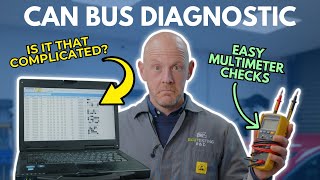
Helpful Videos


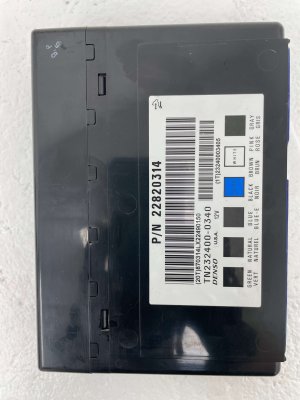
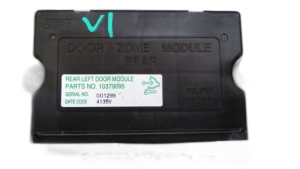
Used OEM Parts in Stock


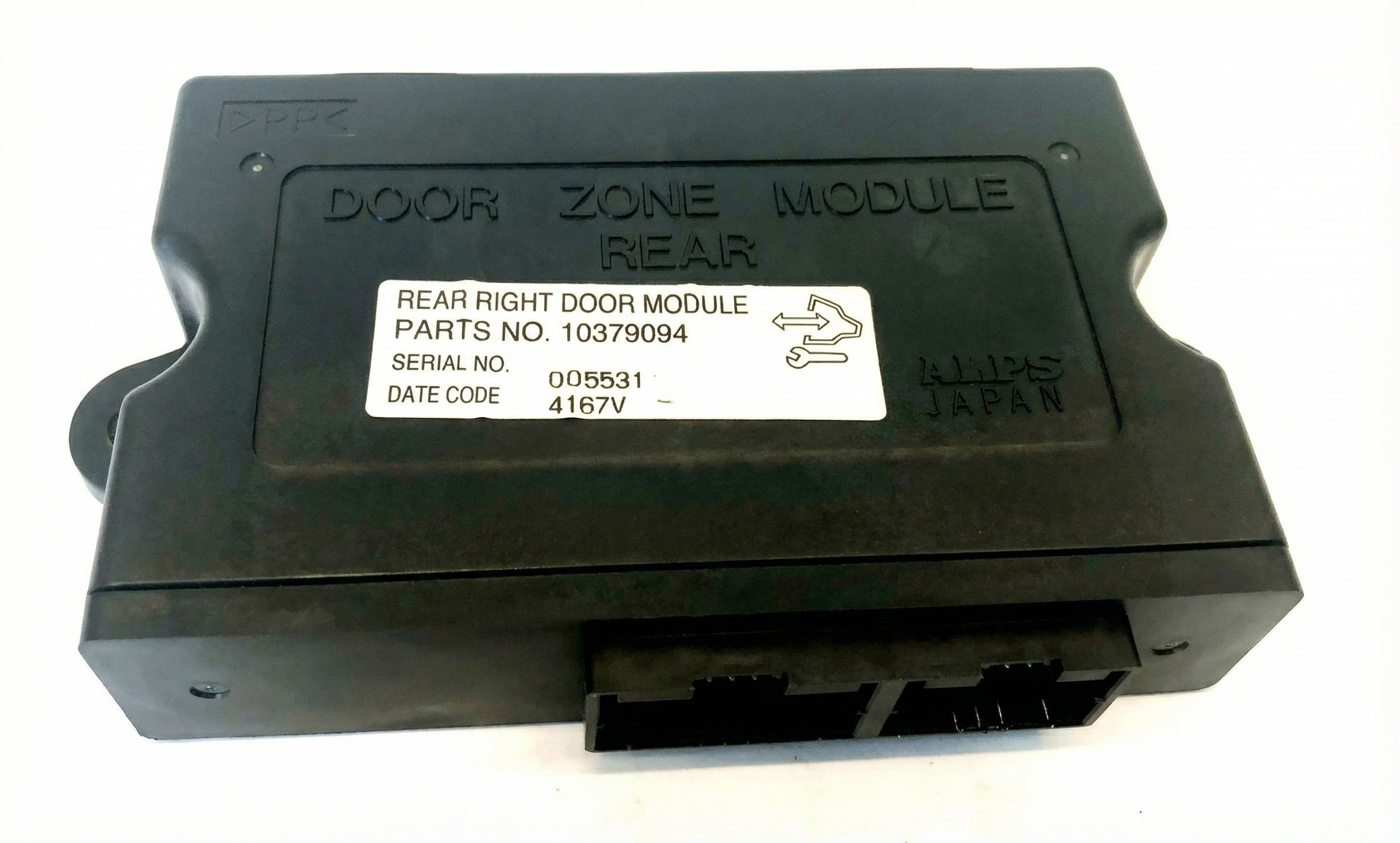
New Aftermarket Parts Available




The information in this article is provided for general reference and educational purposes only. Vehicle specifications, procedures, and part compatibility can vary by production date, trim level, and region. Always consult your vehicle's factory service manual and verify part numbers before purchasing or performing repairs. Safety-critical components such as airbags, seat belts, and braking systems should be installed by a qualified professional.
- Cadillac STS:
- 🎬 Helpful Videos
- 🛍️ Shop This Part
- What's Unique About the 2006-2011 Cadillac STS
- Diagnostic Flowchart
- Symptoms You May Notice
- Most Likely Causes
- Rare But Worth Checking
- Diagnosis Steps
- Parts You'll Likely Need
- Related Codes That Often Appear With This One
- Technical Service Bulletins (TSBs) & Recalls
- Platform-Specific Known Issues
- 🎟️ Get 5% Off