

U0001 on 2013-2017 Land Rover Range Rover: High-Speed CAN Bus Fault Guide
Code U0001 on a 2013-2017 Range Rover signifies a High-Speed CAN Bus communication failure. The most common causes are a weak or failing battery, corroded ground connections, or a wiring harness issue. Start by testing the battery and checking key ground points before attempting more complex diagnostics.
- U0001 is a network failure code, not a single part failure. Diagnosis must focus on the entire system.
- Always start by testing the battery. A weak battery is the most common and easiest-to-fix cause on a Range Rover.
- Be aware of TSB SSM73424, which states that code U0001-82 in the ABS module can be a non-issue if no warning lights are on.
- A visual inspection of the transmission wiring harness for chafing is a critical, vehicle-specific check.
- Due to the complexity, professional diagnosis with Land Rover-specific tools is strongly recommended to avoid costly misdiagnosis.
What's Unique About the 2013-2017 Land Rover RANGE ROVER

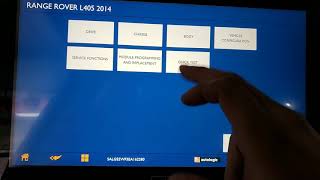
The L405 generation Range Rover (2013-2021) is known for its highly complex electrical architecture, which is sensitive to voltage fluctuations. TSB SSM71278 directly links CAN bus errors like U0001-87 to low battery voltage and improper shutdown of the power steering module. Furthermore, TSB SSM73424 notes that code U0001-82 can sometimes be a 'ghost' code logged by the ABS module without causing any warning lights, and in such cases, it should be ignored if the DSC light is not on. This highlights the platform's specific diagnostic nuances. Owners frequently report that a host of seemingly unrelated warning lights can appear at once due to this single code, 🎬 Watch: Real-world example of multiple dashboard warnings on an L405. often traced back to simple voltage or ground issues.
Diagnostic Flowchart

Tap your situation to follow the diagnostic path that matches what you're seeing on this vehicle.
Symptoms You May Notice

- Multiple warning lights on the dashboard (ABS, DSC, Check Engine, etc.).
- Loss of power steering assist.
- Transmission fault messages like 'Limited Gears Available'.
- Instrument cluster displaying false readings or going blank.
- Vehicle entering a 'limp mode' with reduced engine power.
- No-start condition where the engine will not crank.
- Seemingly random electrical issues, like hazard lights flashing.
- Suspension fault messages or the vehicle lowering.
- Parking brake fault messages.
- Replacing a control module that is simply reporting a communication error, when the fault lies in the wiring, a ground, or the battery.
- Clearing the codes without first addressing the underlying cause (like a weak battery or corroded ground), leading to the problem reoccurring.
- Unnecessarily trying to fix a U0001-82 code in the ABS module when no DSC light is present, as per TSB SSM73424.
Most Likely Causes

- Weak or Failing Battery 🔴 High Probability As noted in TSB SSM71278, these vehicles are highly sensitive to low voltage, which can cause modules to drop off the network and trigger communication codes. A weak battery is the most frequently cited cause in owner forums for a cascade of CAN bus errors.
How to confirm: Test the battery voltage with the engine off using a multimeter. A healthy AGM battery should read above 12.4 volts. A reading below this indicates a low state of charge. Perform a load test with a dedicated battery tester to confirm its health, as a simple voltage check is not always sufficient.
Typical fix: Replace the vehicle's main 12V AGM battery and ensure the charging system is functioning correctly. After replacement, the new battery may need to be registered with the vehicle's Body Control Module (BCM) using a compatible diagnostic tool.
Est. part cost: $250-$500 - Damaged or Corroded Wiring Harness 🟡 Medium Probability TSB JTB00458NAS1 indicates that a missing cable tie on the transmission wiring harness can lead to chafing against the propshaft and damage, causing a U0001-87 code. Water ingress in footwells or near pillars can also corrode CAN bus splice points, a known issue often due to clogged sunroof drains or warped windshield cowls. Other common chafe points reported by owners include the harness behind the front wheel arch liner and where harnesses pass through the firewall.
How to confirm: Visually inspect the CAN bus wiring harnesses for chafing, pinching, or corrosion. Pay close attention to the transmission harness (per TSB JTB00458NAS1), wiring in the passenger footwell/sill area (for corroded splices), and the harness behind the front-left wheel well liner.
Typical fix: Repair the damaged section of the wiring harness and protect it from future damage. This may involve soldering wires, replacing connectors with OEM-approved splice kits, and properly securing the harness away from moving parts or sources of abrasion.
Est. part cost: $10-$100 for repair materials - Poor Ground Connection 🟡 Medium Probability These vehicles have numerous critical ground points, and corrosion on a main chassis or module ground can introduce electrical noise and disrupt CAN communication. Key locations are susceptible to corrosion over time.
How to confirm: Locate the main chassis and module ground points. Common problem areas include the ground studs behind the C-pillar trim, in the A-pillar/footwell areas, and the main ground strap from the engine/gearbox to the chassis. Disassemble, clean all contact surfaces (stud, chassis, and terminal) until they are bright metal, and re-secure them tightly. Apply a dielectric grease or protective coating after tightening.
Typical fix: Clean or replace corroded ground straps and bolts. In a video, an owner fixed a host of flickering dash lights by cleaning and re-securing the main earth leads under the hood and on the passenger side.
Est. part cost: $5-$30 - Failing Control Module ⚪ Low Probability An internal failure of a module (e.g., ABS, PSCM, TCM, or Chassis Control Module) can cause it to broadcast corrupt data ('babbling idiot') or stop communicating, bringing down the entire network.
How to confirm: This requires advanced diagnostics. A technician can use a scan tool to see which modules are not responding. If the CAN bus resistance (measured at OBD-II pins 6 and 14 with battery disconnected) is not ~60 Ohms, they may disconnect modules one by one until the resistance returns to normal. An oscilloscope can also be used to check the module's signal on the CAN bus for a proper waveform.
Typical fix: Replace the faulty control module. The new module will require programming and configuration to the vehicle using Land Rover's specific diagnostic software (SDD or Pathfinder).
Est. part cost: $500-$2000+
Rare But Worth Checking
- Aftermarket Accessory Interference: Poorly installed aftermarket devices like remote starters, alarms, or tracking systems are often spliced into the CAN bus and can cause interference or network failure.
- Benign ABS Module Code (U0001-82): As per TSB SSM73424, the U0001-82 code can be stored in the ABS module without any actual fault or warning light. It happens because the module expects a message from an optional system (Low Speed Intelligent Emergency Braking) that isn't installed on the vehicle. In this specific case, if the DSC light is not on, it should be ignored and diagnosis continued on other codes.
Diagnosis Steps
- Check Battery Health: Fully charge and load test the battery. Low voltage is a primary cause of this code on the L405 platform. Ensure the alternator is charging correctly (typically 13.5-14.5 volts when running).
- Scan All Modules: Use a high-end diagnostic scanner compatible with Land Rover (e.g., Autel, GAP IID) to read DTCs from every module, not just the engine computer. Note all U-codes and which modules are logging them.
- Address Specific TSBs: If U0001-82 is present in the ABS module and the DSC light is OFF, ignore it per TSB SSM73424. If U0001-87 is present, suspect a wiring or voltage issue per TSB SSM71278 and inspect the transmission harness per TSB JTB00458NAS1.
- Inspect Grounds and Wiring: Visually inspect and clean the main ground points, especially under the hood near the battery and on the chassis rails. Inspect the transmission wiring harness for chafing. Pull back the passenger side sill trim and inspect the CAN bus splice connectors for any signs of blue/green corrosion from water ingress.
- Check CAN Bus Resistance: With the battery disconnected, measure the resistance between Pin 6 (CAN High) and Pin 14 (CAN Low) at the OBD-II port. A healthy network should read approximately 60 Ohms. A reading of 120 Ohms suggests one of the two terminating resistors (or the wiring to it) has failed. A reading below 60 Ohms suggests a short circuit.
- Advanced Signal Analysis: If the issue persists, use an oscilloscope to check the CAN High and CAN Low voltage signals. This can identify shorts, opens, or interference that a multimeter would miss.
- Isolate Modules: If a specific module is suspected, disconnect it from the network and re-check CAN bus resistance and communication. If the network returns to normal, the disconnected module is likely the cause. This is an advanced step and requires knowledge of the vehicle's network topology.
Parts You'll Likely Need
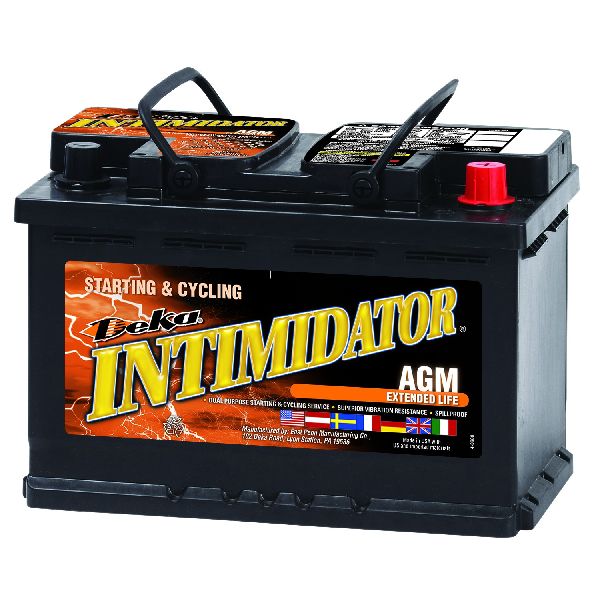
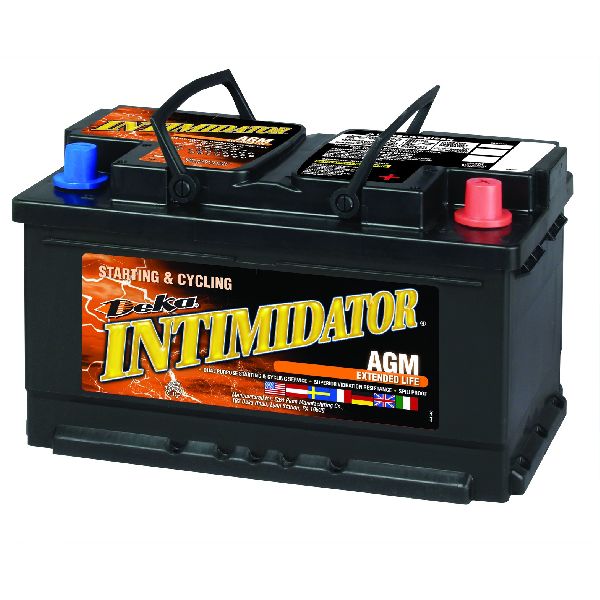
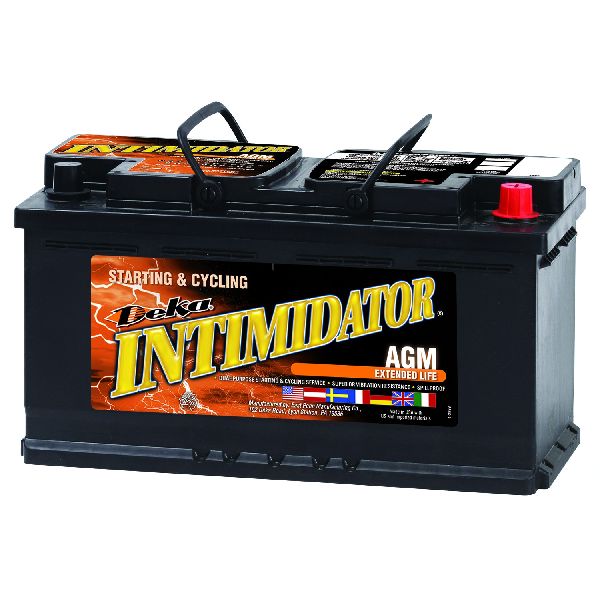
- AGM Battery — The vehicle's complex electronics are sensitive to voltage, and a weak battery is the most common trigger for CAN bus communication faults.
Trusted brands: Interstate, Bosch, DieHard
OEM price range: $350-$500
Aftermarket price range: $250-$400 - ABS Control Module
(OEM #LR143166 (supercedes LR106281, LR110347, etc. - verify by VIN))— TSB SSM73424 specifically calls out the ABS module as a source for the U0001-82 code. An internal fault can disrupt the network.
Trusted brands: Bosch (OEM supplier)
OEM price range: $1200-$2000
Aftermarket price range: $600-$1000 (remanufactured) - Power Steering Control Module (PSCM)
(OEM #LR093447 (verify by VIN))— TSB SSM71278 links CAN faults to the PSCM due to low voltage and improper shutdown. A failure in this module can trigger U0001.
Trusted brands: Genuine Land Rover
OEM price range: $700-$1100
Related Codes That Often Appear With This One
- U3001-00 — As per TSB SSM71278, this code for 'Improper Shutdown' of the Power Steering Control Module often accompanies U0001.
- U0131-00 — TSB SSM71278 also lists this code for 'Lost Communication with Chassis Control Module' as appearing alongside U0001.
- U0415-08 — This code indicates 'Invalid Data Received From Anti-Lock Brake System Control Module' and is often seen when the ABS module is the source of the CAN bus issue or is affected by it.
Technical Service Bulletins (TSBs) & Recalls
- SSM73424: Diagnostic Trouble Code (DTC) U0001-82 stored within the Anti-Lock Braking System (ABS) module.
- SSM71278: Accompanied by U0001-87 / 88 HIGH SPEED CAN BUS INVALID SERIAL DATA RECEIVED / MISSING MESSAGE.
- JTB00458NAS1: U0001-87 High Speed (HS) Controller Area Network (CAN) Comm bus missing message' stored in the Transmission Control Module (TCM) due to harness damage.
Platform-Specific Known Issues
- Intermittent Cascade of Faults Traced to Ground Leads: An owner of a 5.0L Supercharged L405 experienced a dashboard lit up with numerous random faults, including restricted performance. After suspecting the battery, the actual cause was found to be corroded main earth leads under the hood. A video documents the process of locating the ground point near the airbox, finding it green and corroded, cleaning it to bare metal, and re-securing it, which resolved all the electronic faults.
- Multiple Module Communication Loss from Corroded Splice: A 2014 Range Rover presented with U0001-81 from multiple modules (TCM, PBM, TCCM, CHCM) and intermittent loss of power steering. The owner first checked the battery and fuses. The ultimate cause was found to be a corroded CAN bus splice connector located under the passenger side sill plate trim. This area is a known point for water to collect from a clogged sunroof or A-pillar drain, leading to the corrosion of the splice and disrupting the network. The fix involved cutting out the corroded splice, soldering the wires, and sealing with heat shrink.
- Suspension and CAN Faults Caused by Failed Chassis Control Module: A 2014 Range Rover was brought to a specialist with suspension issues and CAN bus communication codes that prevented a new suspension module from being programmed. The technician diagnosed that the CAN bus itself was not down, but specific modules on the network were. The fault was traced to a failed Chassis Control Module (CHCM), which had visible burn marks on its circuit board, likely from water ingress. Replacing and programming a new CHCM restored communication to the other modules on that part of the network.
Mechanic-Grade Diagnostic Values
- CAN Bus Resistance — expected: ~60 Ohms. Failure: 120 Ohms indicates a break in the circuit or a faulty terminating resistor. A reading significantly less than 60 Ohms indicates a short between CAN lines.
- CAN High Voltage (Key On, Engine Off) — expected: ~2.5 V (recessive state), rises to ~3.75 V (dominant state). Failure: Voltage stuck low or high, or not changing, indicates a short or open circuit.
- CAN Low Voltage (Key On, Engine Off) — expected: ~2.5 V (recessive state), drops to ~1.25 V (dominant state). Failure: Voltage stuck low or high, or not changing, indicates a short or open circuit.
- Alternator Charging Voltage — expected: 13.5 V to 14.5 V. Failure: Voltage below 13.5V may indicate a failing alternator, which can cause low battery voltage and trigger CAN bus errors.
Hidden / Shadow Codes Worth Checking
- U0001-81: Invalid Serial Data Received. Often logged intermittently due to temporary low voltage conditions. (see via Land Rover-compatible scanner (SDD, Pathfinder, high-end Autel).)
- U0001-82: Alive/Sequence Counter Incorrect. Per TSB SSM73424, this is often a benign code in the ABS module if the DSC light is not on, caused by an expectation of a message from an uninstalled system. (see via Land Rover-compatible scanner (SDD, Pathfinder, high-end Autel).)
- U0001-86: Invalid Serial Data Received. Can indicate a module is sending incorrect information over the bus, possibly due to a missing calibration or internal fault. (see via Land Rover-compatible scanner (SDD, Pathfinder, high-end Autel).)
- U0001-87: Missing Message. Per TSB SSM71278, this is often linked to low battery voltage or wiring harness issues. (see via Land Rover-compatible scanner (SDD, Pathfinder, high-end Autel).)
- U0001-88: Bus Off. This indicates a module has detected too many errors and has stopped transmitting on the network to prevent further disruption. (see via Land Rover-compatible scanner (SDD, Pathfinder, high-end Autel).)
Scan Tool Commands That Help
- JLR SDD (Symptom Driven Diagnostics): Module Calibration / Configuration — Used for 2013-2016 models to program new or used modules, and to attempt recalibration of a module that may have corrupted software, such as the TCCM.
- JLR Pathfinder: ECU Programming / CCF Editing — Used for 2017 and newer models (and some 2014-2016 models) for module programming and configuration. It is the successor to SDD.
- High-End Aftermarket Scanner (e.g., Autel, GAP IID): Network Test / Module Status — To perform a full network scan and identify which specific modules are not communicating or are logging faults. This is a critical first step to narrow down the source of the U0001 code.
Wiring & Ground Locations

- Passenger Footwell/Sill — Under the carpet and sill trim on the passenger side of the vehicle.. This area contains CAN bus splice connectors. Water ingress from a clogged sunroof drain, warped windshield cowl, or leaking A-pillar seals can cause these splices to corrode, disrupting the entire network.
- A-Pillar Trim Clips — The external trim pieces running alongside the windshield.. Degraded gaskets on the clips holding this trim can allow water to enter the A-pillar, which can then leak into the footwell and corrode wiring and ground points.
- Main Earth Leads (Under Hood) — One key ground point is located under the air filter box on the driver's side. A corresponding ground is in the same location on the passenger side.. Corrosion on these main chassis grounds is a common cause of widespread, intermittent electrical faults and CAN bus errors, often appearing as a 'Christmas tree' of warning lights.
- Gearbox to Chassis Ground Strap — A braided strap connecting the transmission/engine assembly to the vehicle's chassis.. This is another critical ground path. If it becomes corroded or breaks, modules on the powertrain CAN bus can lose their ground reference, causing communication failures.
Real Owner Repair Stories
- MHH AUTO forum user 'ljbp' (2016 Range Rover (L405)) — Gearbox Fault on cluster, flashing 'Low Range' light, car would not engage Drive or Reverse. Fault codes U0001-81 and U0001-86 in the TCM, and P183A-62 in the TCCM.
❌ Tried (didn't work) Attempting to change Gateway Module (GWM) configuration with SDD, which crashed., Updating all software to stock., Attempting to recalibrate the original Transfer Case Control Module (TCCM) using JLR SDD, which repeatedly failed.
✅ What actually fixed it Replacing the Transfer Case Control Module (TCCM) with a used unit that had an identical part number. After fitting the replacement module and clearing faults, the issue was resolved.
Model Year Variations Within This Range
- 2013-2016: These model years primarily use the JLR Symptom Driven Diagnostics (SDD) software for diagnostics and module programming.
- 2017: The 2017 model year is a transition period. While many still use SDD, this is the year JLR began introducing the new DoIP (Diagnostics over Internet Protocol) architecture and the Pathfinder software. A 2017 model could require either SDD or Pathfinder depending on its specific build date and architecture.
- 2018+ (Post-facelift): Vehicles from the 2018 model year facelift onwards exclusively use the JLR Pathfinder software. They feature the updated Touch Pro Duo infotainment system and a different network architecture (DoIP).
Helpful Videos



Used OEM Parts in Stock


New Aftermarket Parts Available


The information in this article is provided for general reference and educational purposes only. Vehicle specifications, procedures, and part compatibility can vary by production date, trim level, and region. Always consult your vehicle's factory service manual and verify part numbers before purchasing or performing repairs. Safety-critical components such as airbags, seat belts, and braking systems should be installed by a qualified professional.
- Land Rover RANGE ROVER:
- 🎬 Helpful Videos
- 🛍️ Shop This Part
- What's Unique About the 2013-2017 Land Rover RANGE ROVER
- Diagnostic Flowchart
- Symptoms You May Notice
- Most Likely Causes
- Rare But Worth Checking
- Diagnosis Steps
- Parts You'll Likely Need
- Related Codes That Often Appear With This One
- Technical Service Bulletins (TSBs) & Recalls
- Platform-Specific Known Issues
- Mechanic-Grade Diagnostic Values
- Hidden / Shadow Codes Worth Checking
- Scan Tool Commands That Help
- Wiring & Ground Locations
- Real Owner Repair Stories
- Model Year Variations Within This Range
- 🎟️ Get 5% Off