

U0001 on 2007-2018 Chevrolet Silverado: High Speed CAN Bus Failure Causes and Fixes
U0001 on a Silverado indicates a total network failure. The most likely cause is a damaged or corroded wiring harness. On 2014-2018 models, check for a pinched harness near the driver's side A-pillar/parking brake, a known issue covered by GM TSB PIT5288H. On 2007-2013 models, inspect under-vehicle connectors for corrosion, especially the EBCM and transmission connectors, and check ground G218 under the driver's dash. This is a complex electrical issue requiring methodical diagnosis.
- U0001 is a critical network failure; do not continue to drive the vehicle.
- For 2014-2018 models, the first place to look is the wiring harness under the driver's side dash for pinching near the large metal bracket.
- For 2007-2013 models, start by inspecting under-vehicle connectors for corrosion, especially the Fuel Pump Control Module.
- Diagnosis must include a resistance check at the OBD-II port (Pin 6 & 14). A reading of 60 ohms is good; 120 ohms indicates an open circuit to one of the terminating resistors.
- This is a difficult DIY repair. Professional diagnosis is strongly recommended to avoid replacing expensive computers unnecessarily.
What's Unique About the 2007-2018 Chevrolet Silverado

The Silverado platform across these years is known for specific wiring vulnerabilities that cause this code. The 2014-2018 (K2XX) generation is particularly susceptible to a pinched dash harness between the instrument panel mounting bracket and the body, a factory assembly flaw documented in GM TSB PIT5288H. The earlier 2007-2013 (GMT900) generation more commonly suffers from corrosion in exposed connectors under the truck (like for the EBCM and transmission) and poor ground connections, most notably the G218 ground under the driver's side dash, which can have sound-deadening material trapped under it from the factory per TSB PIT5405A.
Generation note: This guide covers two Silverado generations: the GMT900 (2007-2013) and the K2XX (2014-2018/2019 LD). While the code's meaning is the same, the most common wiring failure points differ between them, as noted in the causes section. The K2XX generation uses the GM Global A electrical architecture, which requires a PC-based scan tool (like a GM MDI with GDS2 software) instead of the older Tech 2 for deep diagnostics.
Symptoms You May Notice

- Multiple warning lights on the dashboard at once (Check Engine, ABS, StabiliTrak, Airbag), often called a 'Christmas tree' effect.
- Engine will not crank or start.
- Engine starts but stalls immediately or runs poorly.
- Transmission stuck in one gear (limp mode) or shifting harshly.
- Instrument cluster gauges behaving erratically, going blank, or not working.
- Scan tool cannot communicate with multiple control modules.
- Loss of features like power windows, radio, or remote keyless entry.
- "Service StabiliTrak," "Service Traction Control," or similar messages on the Driver Information Center (DIC).
- Replacing the Body Control Module (BCM) first. While the BCM is a network hub, it's more often the victim of a wiring fault or another failed module than the root cause itself.
- Replacing the ECM without performing a full network diagnosis. An ECM is expensive and often replaced unnecessarily when the true fault is a simple broken wire, a bad ground, or a different, less expensive module.
Most Likely Causes

- Pinched or Chafed Dash Wiring Harness (2014-2018) 🔴 High Probability On 2014-2018 (K2XX) models, the main dash harness can get trapped between the instrument panel's metal mounting bracket and the body near the driver's side A-pillar and parking brake pedal. This factory assembly issue is documented in GM TSB PIT5288H and eventually shorts out the CAN bus wires.
How to confirm: Visually inspect the harness under the driver's side dash, specifically around the large metal bracket to the left of the steering column. Look for signs of the harness being crushed, insulation damage, or exposed copper wires. The harness should move freely, not be pinned by the bracket.
Typical fix: Loosen the instrument panel bracket, free the harness, and repair any damaged wires using proper splicing and heat-shrink sealing techniques. Reroute the harness to prevent future contact. GM also issued a service campaign (N140435) to install a tie-strap to hold the harness away from the bracket.
Est. part cost: $5-$25 - Corroded Under-Vehicle Connectors or Wiring (2007-2013) 🔴 High Probability On 2007-2013 (GMT900) models, modules like the Electronic Brake Control Module (EBCM/ABS) and the transmission pass-through connector are exposed to water, salt, and debris. This leads to corrosion that breaks the CAN circuit. TSB 08-07-30-021H specifically calls out issues with the transmission connector.
How to confirm: Inspect connectors for modules mounted to the frame, particularly the EBCM (driver's side frame rail) and the main 16-pin transmission connector. Look for green/white corrosion, swollen plastic, and broken or backed-out pins.
Typical fix: Replace the corroded connector pigtail and potentially the module itself, as corrosion often damages the module's pins. Ensure the new connection is sealed with dielectric grease.
Est. part cost: $30-$300 - Poor Body Control Module (BCM) Ground G218 (2007-2013) 🟡 Medium Probability A well-documented issue on the GMT900 platform where sound-deadening insulation material gets trapped under the G218 ground terminal from the factory, leading to a poor, high-resistance connection. This ground is located under the driver's side dash. TSB PIT5405A discusses this specific issue.
How to confirm: Locate ground G218 under the driver's side kick panel/dash area. Disassemble the ground connection and check for trapped insulation or corrosion. The connection should be clean, bare metal-to-metal.
Typical fix: Remove the bolt, clean the wire lug, the mounting surface, and the bolt head to bare metal using a wire brush or sandpaper. Reassemble securely.
Est. part cost: $0-$5 - Faulty Anti-Lock Brake (EBCM) or Engine Control (ECM) Module 🟡 Medium Probability The two 120-ohm terminating resistors for the high-speed CAN bus are located internally within the ECM and the EBCM (ABS module). An internal failure of either module can corrupt its own signals or alter the bus resistance, taking the entire network down.
How to confirm: Disconnect the battery and measure resistance between pins 6 and 14 at the OBD-II port. A reading of 120 ohms instead of the correct 60 ohms indicates a missing terminator. Unplug the EBCM; if the reading doesn't change, the fault is likely in the EBCM or its wiring. If it goes to open circuit, the problem is likely toward the ECM.
Typical fix: Replace the faulty module. This requires programming the new module to the vehicle using specialized software.
Est. part cost: $300-$1200 - Poor Battery Voltage or Bad Grounds ⚪ Low Probability While not a primary cause, a weak battery or corroded main engine/body ground straps can cause voltage drops that make control modules shut down erratically, triggering communication codes.
How to confirm: Test the battery (should be >12.4V key-off) and charging system (13.7V-14.7V running). Inspect and clean the main battery terminals and all major ground straps from the engine to the frame and body.
Typical fix: Replace a weak battery or clean/replace corroded ground straps.
Est. part cost: $10-$250
Rare But Worth Checking
- Aftermarket Electronics Interference: Improperly installed remote starters, alarms, or radios spliced directly into the CAN bus wires (typically a twisted pair of tan and tan/black wires) can corrupt the network. Always check for non-factory wiring tapped into the system, especially near the OBD-II port or BCM.
- Corroded Underhood Fuse Block (UBEC): The UBEC is a major junction for power and data lines. On GMT900 trucks, corrosion can form on the underside of the block or in its large connectors, creating high resistance and intermittent communication loss to multiple modules. Wiggling the harnesses on the back of the UBEC while monitoring network status can reveal this issue.
Diagnosis Steps
- Perform a full vehicle scan to confirm which modules are not communicating. A long list of 'U' codes indicates a network-wide problem.
- Check the battery and charging system. Ensure battery voltage is stable and above 12.4 volts with the key off and 13.7-14.7 volts when running. Clean all battery terminals and main ground connections.
- Disconnect the battery. Using a multimeter, measure the resistance between Pin 6 (CAN High) and Pin 14 (CAN Low) at the OBD-II port. A healthy network will read approximately 60 Ohms.
- If resistance is 120 Ohms, it means one of the two terminating resistors (in the ECM or EBCM) is offline. If it's near 0 Ohms, the CAN High and Low wires are shorted together. If it's open-circuit (OL), there's a break in the wiring.
- Visually inspect known problem areas: the driver's side dash harness near the A-pillar (2014-2018 models per TSB PIT5288H) and under-vehicle connectors/harnesses, especially the EBCM and transmission connectors (2007-2013 models).
- For 2007-2013 models, specifically inspect and clean ground G218 under the driver's side dash, ensuring no insulation is trapped under the terminal.
- If no visual damage is found, begin isolating the fault by unplugging modules from the high-speed CAN bus one at a time (start with the EBCM/ABS module). After unplugging each module, re-measure the resistance at the OBD-II port. When the resistance returns to a normal value (e.g., from 120 to 60 Ohms), the last module unplugged (or its wiring) is the source of the fault.
- Once the faulty circuit or module is identified, repair the wiring or replace the component. Module replacement will require programming with a dealer-level tool.
Parts You'll Likely Need

- Wiring Harness Repair Supplies — The most common cause is a broken or shorted wire that needs to be properly spliced, soldered, and sealed with heat-shrink tubing.
Trusted brands: 3M
OEM price range: $10-$30
Aftermarket price range: $5-$20 - Electronic Brake Control Module (EBCM)
(OEM #23380704 (2015-2016 K2XX), 19435406 (2008-2017 GMT900 HD))— The EBCM contains one of the network's terminating resistors and is a common point of internal failure or connector corrosion that can bring down the bus.
Trusted brands: ACDelco (GM Genuine), Dorman
OEM price range: $600-$1000
Aftermarket price range: $250-$500 - Engine Control Module (ECM) — The ECM contains the other 120-ohm terminating resistor. While less common to fail than the EBCM, an internal fault can disable the entire network.
Trusted brands: ACDelco (GM Genuine)
OEM price range: $400-$800
Aftermarket price range: $200-$500
Related Codes That Often Appear With This One
- U0100 — Lost Communication With ECM/PCM
- U0101 — Lost Communication with TCM
- U0121 — Lost Communication With Anti-Lock Brake System (ABS) Control Module
- U0140 — Lost Communication With Body Control Module
Technical Service Bulletins (TSBs) & Recalls

- PIT5288H: Addresses the pinched dash harness on 2014+ K2XX platform vehicles.
- 08-07-30-021H: Covers multiple GMLAN communication issues on GMT900 vehicles, including chafed wiring and problems at the transmission connector.
- PIT5405A: Details the issue of sound-deadening material being trapped under the G218 ground point on GMT900 vehicles.
Platform-Specific Known Issues

- A GM preliminary information document (similar to a TSB) exists for 2014+ GM trucks and SUVs describing how the dash wiring harness can be pinched by the IP mounting bracket, causing a host of communication DTCs.
Mechanic-Grade Diagnostic Values

- CAN Bus Resistance (Battery Disconnected) — expected: Approximately 60 Ω between DLC pins 6 and 14.. Failure: 120 Ω indicates one terminating resistor is offline. 0 Ω indicates a short between CAN High and Low wires. Open Line (OL) indicates a break in the circuit.
- CAN High Voltage (Key On, Engine Off) — expected: Approximately 2.6V to 3.5V (relative to ground).. Failure: Voltage significantly outside this range, or 0V, indicates a circuit fault (short to ground, open).
- CAN Low Voltage (Key On, Engine Off) — expected: Approximately 1.5V to 2.4V (relative to ground).. Failure: Voltage significantly outside this range, or 0V, indicates a circuit fault (short to ground, open).
- DLC Ground Resistance — expected: Less than 1.0 Ω between DLC pin 5 and a known good chassis ground.. Failure: Resistance greater than 1.0 Ω indicates a poor ground for the diagnostic port, which can cause communication issues.
Scan Tool Commands That Help
- GDS2 (Global Diagnostic System 2): Data Bus Diagnostic Tool — Used on 2014+ Global A platform vehicles. This tool connects to the DLC and pings modules on the bus to determine which ones are responding, helping to quickly identify the point of communication loss without manually unplugging modules.
- GDS2 / Tech2Win: Module Programming (SPS) — Required after replacing a major control module like the EBCM, BCM, or ECM. The Service Programming System (SPS) is used to load the vehicle-specific VIN and configuration data onto the new, blank module.
- GDS2 / Tech2Win: Automated Bleed / Brake Pedal Position Relearn — After replacing an EBCM (ABS module), the Automated Bleed procedure must be run to cycle the internal pump and purge all air from the brake hydraulic unit. A BPP relearn may also be required.
Wiring & Ground Locations

- Terminating Resistors — Two 120-ohm resistors. One is internal to the Engine Control Module (ECM). The second is internal to the Electronic Brake Control Module (EBCM/ABS Module).. These resistors are required at both ends of the high-speed CAN bus to maintain a total network resistance of 60 ohms. If one module or its wiring fails, the resistance will jump to 120 ohms, causing network instability.
- G218 — Under the driver's side dash, near the kick panel. (GMT900 models). This is a critical ground point for the Body Control Module (BCM). Factory-installed sound deadening material can get trapped under the terminal, causing high resistance and intermittent network issues.
- I/P Dash Harness (at mounting bracket) — Under the driver's side dash, near the parking brake pedal assembly and A-pillar. (K2XX models, 2014-2018). This is the location of the factory harness pinch described in TSB PIT5288H. The CAN bus wires run through this harness and can be shorted by the metal bracket.
- Under-dash Junction Block — Located deep under the driver's side dash, above the pedals.. The CAN bus circuits pass through connectors on the back of this junction block. Corrosion or poor pin fitment at these connectors can cause intermittent network-wide failures. Wiggling these connectors can often replicate the fault.
Real Owner Repair Stories
- YouTube channel 'No Start No Start' (2017 Chevrolet Silverado) — Intermittent no start, gauges dropping out, loss of RPM and oil pressure readings, power steering failure, multiple communication codes.
❌ Tried (didn't work) Initial diagnosis pointed to a single module, but the problem was more complex.
✅ What actually fixed it The root cause was twofold: 1) Poorly repaired (butt-connected) wires at the Transmission Control Module (TCM) connector were failing intermittently. 2) The Engine Control Module (ECM) itself had a developing internal resistance issue. The final recommendation was to properly repair the TCM connector first, and if issues persisted, replace the ECM. - YouTube channel 'Hands On Auto Training' (Chevrolet Silverado (year not specified, likely GMT900)) — No crank, no start, no communication. The network would come back online after disconnecting the ABS module, but the fault would return later.
❌ Tried (didn't work) Replacing the ABS module was considered but ultimately was not the root cause.
✅ What actually fixed it The fault was traced to the under-dash junction block (fuse block). Wires on the back of the block were making intermittent contact. Wiggling the harness at the back of the block caused the CAN signal to fail and recover. The final fix was to repair the damaged wiring at the junction block connector.
Model Year Variations Within This Range
- 2007-2013 (GMT900): These models use the older Tech 2 scan tool or Tech2Win software for diagnostics. Common failure points are corrosion-related (EBCM/TCM connectors) and the G218 ground issue.
- 2014-2018 (K2XX): These models use the newer Global A electrical architecture and require a GM MDI (or equivalent J2534 device) with GDS2 software for diagnostics. The most common failure is the pinched dash harness under TSB PIT5288H.
- 2019+: Later models (2019+ Silverado 1500 refresh, 2020+ HD) moved to the Global B architecture. On these, the DLC pins 6 and 14 may measure 120 ohms by design, as they only connect to the Serial Data Gateway Module, not the entire bus directly. This guide does not apply to Global B vehicles.
Diagnostic Flowchart
Other Known Issues on This Vehicle
Issues unrelated to this code that are worth knowing about as an owner of this generation:
- Active Fuel Management (AFM) Lifter Failure 🔴 High — Very common on 5.3L and 6.2L engines, typically between 80,000 and 150,000 miles. Can lead to misfires, engine noise, and eventually catastrophic engine damage if not addressed.
- Cracked Dashboard (GMT900) 🟡 Low — Extremely common on 2007-2013 models, especially in warmer climates. A crack typically develops on the driver's side near the instrument panel bezel or airbag cover.
- Excessive Oil Consumption (GMT900) 🟠 Medium — Common on 5.3L engines due to issues with the PCV system and piston rings related to AFM operation. An updated driver-side valve cover is a common fix.
- A/C Condenser Failure (K2XX) 🟠 Medium — Widespread on 2014-2017 models. The condenser is prone to cracking and leaking refrigerant, causing the A/C to blow warm air. GM initiated a special coverage program for this issue. (Ref: Special Coverage N182188180)
- Harsh Shifting / Transmission Failure (8-Speed) 🔴 High — Common on 2015-2018 models equipped with the 8L90 and 8L45 automatic transmissions. Owners report shuddering, jerking, and hard shifts. Fixes range from fluid flushes with updated fluid to torque converter or full transmission replacement. (Ref: Multiple TSBs exist, including 18-NA-355.)
- Brake Vacuum Pump Failure (K2XX) 🔴 High — Affects 2014-2018 models, leading to a hard brake pedal and increased stopping distance due to loss of power brake assist. This was the subject of a major recall. (Ref: NHTSA Recall 19V645000)
Used vs. New Parts: Buying Guide for This Vehicle
When a used part is the smart pick: Used OEM modules (BCM, EBCM, ECM) from a reputable salvage yard are a good value, BUT you must have a plan for programming before purchase. Used wiring harnesses, connectors, and pigtails are excellent, low-cost repair options.
Donor-vehicle mileage cap: roughly under 150000 miles for the part to have meaningful remaining life.
What to inspect on the donor part:
- For modules, check for zero signs of water intrusion or corrosion on the case and pins.
- For connectors/pigtails, ensure the plastic is not brittle or cracked, and the terminal pins are straight and clean.
- Verify the part number on the used module matches the original part number exactly.
- Ask for the VIN of the donor vehicle if possible to help with programming options.
OEM-only on this vehicle (don't cheap out):
- Engine Control Module (ECM)
- Body Control Module (BCM)
- Electronic Brake Control Module (EBCM)
Aftermarket brands forum-validated for this vehicle:
- Dorman (for connector pigtails and some 'OE Fix' solutions, but OEM is preferred for modules).
Brands owners have reported issues with on this vehicle:
- No-name, unbranded electronic modules from online marketplaces. These often have high failure rates or cause compatibility issues.
Real Owner Stories
Aggregated from forums and TSBs cited above. Mileages and costs reflect what owners reported in those sources.
2016 Chevrolet Silverado
Symptoms: Multiple warning lights came on at once, including Check Engine, ABS, and StabiliTrak. The scan tool could not communicate with several modules.
What fixed it: The main dash wiring harness was found crushed by the metal instrument panel mounting bracket near the parking brake pedal. The harness was freed, damaged wires were repaired, and a tie-strap was installed to prevent it from happening again.
Source hint: TSB PIT5288H
2011 Chevrolet Silverado
Symptoms: Intermittent communication problems, with various warning lights flashing on the dash and multiple 'U' codes being stored.
What fixed it: Located ground G218 under the driver's side kick panel. After disassembling it, a piece of sound-deadening insulation was found trapped under the terminal. The terminal and mounting surface were cleaned to bare metal and re-secured, which restored communication.
Source hint: TSB PIT5405A
2008 Chevrolet Silverado
Symptoms: The truck went into limp mode, the transmission was stuck in one gear, and a 'Service StabiliTrak' message appeared on the DIC.
What fixed it: Inspection of the under-vehicle wiring revealed heavy green and white corrosion on the pins of the 16-pin transmission pass-through connector. The connector pigtail was replaced and sealed with dielectric grease.
Source hint: TSB 08-07-30-021H
Related OBD-II Codes
Frequently Asked Questions
My 2015 Silverado has all its dash lights on. Could this be the pinched wiring harness issue I've heard about?
I have a 2009 Silverado with a U0001 code and transmission problems. Where should I look first?
What is the G218 ground, and does it affect my 2011 Silverado?
My mechanic measured 120 Ohms at the OBD-II port on my Silverado. What does that mean?
Does the pinched dash harness TSB (PIT5288H) apply to my 2012 Silverado?
Can a weak battery really cause all these communication codes and warning lights on my truck?
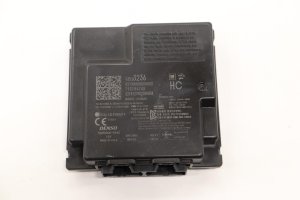
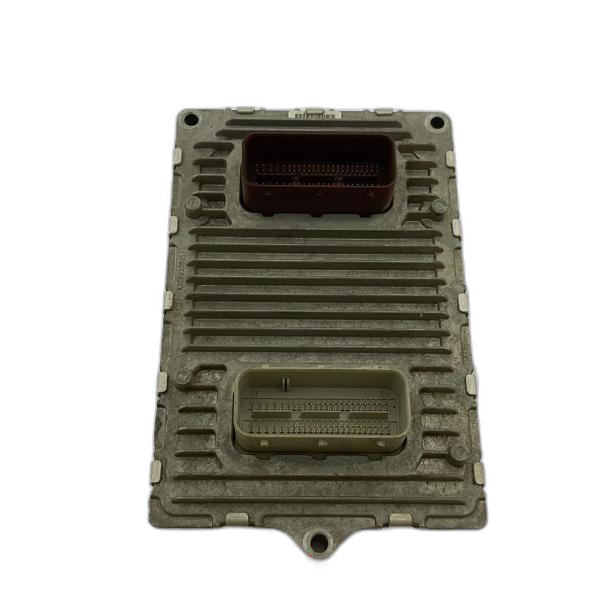
Used OEM Parts in Stock



New Aftermarket Parts Available

The information in this article is provided for general reference and educational purposes only. Vehicle specifications, procedures, and part compatibility can vary by production date, trim level, and region. Always consult your vehicle's factory service manual and verify part numbers before purchasing or performing repairs. Safety-critical components such as airbags, seat belts, and braking systems should be installed by a qualified professional.
- Chevrolet Silverado:
- 🛍️ Shop This Part
- What's Unique About the 2007-2018 Chevrolet Silverado
- Symptoms You May Notice
- Most Likely Causes
- Rare But Worth Checking
- Diagnosis Steps
- Parts You'll Likely Need
- Related Codes That Often Appear With This One
- Technical Service Bulletins (TSBs) & Recalls
- Platform-Specific Known Issues
- Mechanic-Grade Diagnostic Values
- Scan Tool Commands That Help
- Wiring & Ground Locations
- Real Owner Repair Stories
- Model Year Variations Within This Range
- Diagnostic Flowchart
- Other Known Issues on This Vehicle
- Used vs. New Parts: Buying Guide for This Vehicle
- Real Owner Stories
- 2016 Chevrolet Silverado
- 2011 Chevrolet Silverado
- 2008 Chevrolet Silverado
- Related OBD-II Codes
- Frequently Asked Questions
- 🎟️ Get 5% Off