

OBD-II Code P3799: Glow Plug Control Module 2 Control Circuit High
What P3799 means, why it triggers, and how to fix it
- Code P3799 indicates excessively high voltage in the Glow Plug Control Module 2 circuit, preventing your diesel engine from starting in temperatures below 50°F.
- A failed Glow Plug Control Module (GPCM) causes 70% of P3799 codes, particularly on 2004-2005 GM 6.6L Duramax engines.
- Expect a check engine light, extended cranking times, and thick white exhaust smoke immediately after a cold start.
- Driving with a P3799 code disables Diesel Particulate Filter (DPF) regeneration, leading to a clogged filter and a $2,500+ replacement bill within 1 to 3 months.
- Test the GPCM ground circuit for a voltage drop above 0.5V before spending $300 on a new module, as corroded grounds perfectly mimic a failed GPCM.
What Does P3799 Mean?
The P3799 code means the Powertrain Control Module (PCM) detects abnormally high voltage in the Glow Plug Control Module 2 control circuit. This electrical fault prevents the glow plugs from heating the cylinders for cold starts.
Technical definition: SAE/ISO defines P3799 as "Glow Plug Control Module 2 Control Circuit High." The PCM sets this fault when it detects voltage exceeding the specified threshold (e.g., over 5V) on the GPCM control line when it expects low voltage (e.g., under 1V), indicating a short to power or internal module failure.
Can I Drive With P3799?
Yes, But With Caution. Yes, you can drive, but you will experience hard starting in cold weather. Ignoring the code causes a no-start condition. Driving with faulty glow plugs prevents Diesel Particulate Filter (DPF) regeneration, clogging the DPF. This requires a $2,500 to $10,000 replacement.
Common Causes
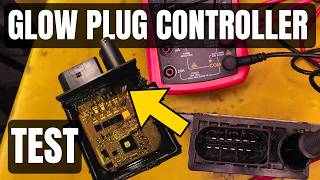
- Failed Glow Plug Control Module (GPCM) (Very Common) — The GPCM fails frequently from engine heat and vibration. Internal relays or transistors burn out, causing high circuit readings and cutting power to the glow plugs.
- Short in the Wiring Harness (Common) — Wiring connecting the PCM, GPCM, and glow plugs chafes against engine brackets or melts. This creates a short circuit to a 12V power source, triggering the high voltage code.
- Corroded Connectors (Common) — Moisture intrusion at the GPCM or glow plug connectors causes green corrosion. This creates high resistance, forcing voltage readings outside expected parameters.
- Poor Ground Connection (Common) — A corroded or loose ground strap for the GPCM or engine block creates unstable voltages. The PCM interprets this high resistance as a 'circuit high' condition.
- Failed Glow Plugs (Common) — An internally shorted glow plug alters the entire circuit's resistance, pushing the voltage monitored by the GPCM above normal limits.
- Blown Fuse or Faulty Relay (Less Common) — A stuck-closed relay or blown high-amperage fuse creates an open or shorted circuit, resulting in abnormal voltage readings at the PCM.
- Weak Battery or Alternator (Less Common) — The GPCM requires stable voltage. A weak battery or overcharging alternator sends voltage spikes through the system, triggering false circuit high faults.
- Faulty Powertrain Control Module (PCM) (Rare) — The PCM itself fails and misinterprets GPCM data. Rule out all wiring and module issues before condemning the PCM.
Symptoms
- Hard Starting or No Start in Cold Weather — Without heated glow plugs, the diesel engine struggles to ignite fuel when coolant temperatures drop below 50°F (10°C).
- Check Engine Light is On — The PCM illuminates the Malfunction Indicator Lamp (MIL) immediately after logging the P3799 fault.
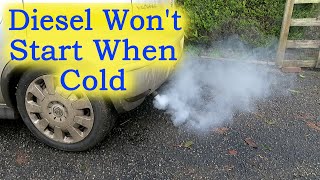
- White Smoke from Exhaust on Startup — Unburnt fuel pushes into the exhaust and vaporizes into thick white smoke 🎬 Watch: Why cold diesel engines produce white smoke and struggle to start. because the cylinders lack the heat for complete combustion.
- Rough Idle and Decreased Power — The engine shakes, misfires, and limits boost for the first few minutes until the cylinders build enough compression heat to stabilize combustion.
- Flashing Glow Plug Light — The dashboard glow plug indicator flashes or stays illuminated far longer than the normal 2-5 second pre-heating cycle.
Diagnostic Flowchart
Tap your situation to follow the diagnostic path that matches what you're seeing on this code.
Common Fixes & Costs
- Replace the Glow Plug Control Module (GPCM)
— Parts: $150-$400, Labor: $100-$270, ~1 hr book time
(Intermediate)
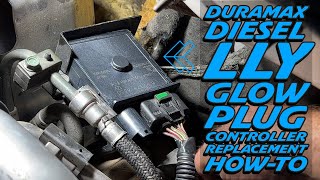
GMC/Chevrolet (LLY Duramax): OEM 97326408 (ACDelco) (Alt: Dorman 904-107)
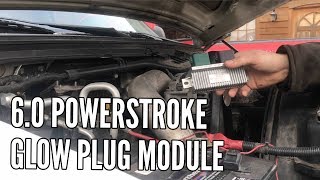
Ford (6.0L Power Stroke): OEM YC3Z-12B533-AA (Motorcraft DY-876) (Alt: Alliant Power AP63406)
BMW (335d/X5d): OEM 12218591724 (Alt: Beru GSE108) - Repair or Replace Damaged Wiring
— Parts: $10-$50, Labor: $150-$400, ~2.5 hr book time
(Professional)
Universal: OEM N/A (Alt: Pigtail connectors (e.g., Ford 4C3Z-12B568-AA)) - Replace Failed Glow Plugs
— Parts: $15-$50 per plug, Labor: $200-$500 for a full set, ~3 hr book time
(Intermediate)
GMC/Chevrolet (LLY Duramax): OEM ACDelco 63G (Alt: Bosch 80034)
Ford (6.0L Power Stroke): OEM Motorcraft ZD-13 (Alt: Bosch 80028) - Clean or Repair Ground Connections — Parts: $5-$20, Labor: $50-$150, ~0.5 hr book time (DIY)
- Replace Blown Main Fuse or Relay — Parts: $5-$30, Labor: $25-$75, ~0.2 hr book time (DIY)
DIY vs Professional
- Replace Blown Main Fuse or Relay — Beginner:
Tools: Fuse puller, basic hand tools - Clean or Repair Ground Connections — Beginner:
Tools: Socket set, wire brush, sandpaper - Replace the Glow Plug Control Module (GPCM) — Beginner:
Tools: Socket set, screwdrivers - Replace Failed Glow Plugs — Beginner:
Tools: Deep socket set, torque wrench, penetrating oil, compressed air - Repair or Replace Damaged Wiring — Beginner:
Tools: Multimeter, wire strippers, soldering iron, heat shrink, wiring diagrams
Used vs. New Parts: Buying Guide
When a used part is worth it: For common vehicles like a Ford Power Stroke or GM Duramax, a used OEM GPCM from a low-mileage donor vehicle is more reliable than a cheap aftermarket part.
Donor-vehicle mileage cap: roughly under 100000 miles for the part to have meaningful remaining life.
Donor quality checklist:
- Verify the part number matches your original module exactly.
- Inspect electrical connector pins for corrosion, melting, or damage.
- Choose a seller offering at least a 30-day warranty.
- Avoid modules from rust-belt states to prevent moisture-compromised electronics.
Decision logic:
- If The vehicle is a high-end European model (e.g., BMW, Mercedes) with expensive labor rates → Buy a new OEM or high-quality OEM-supplier (e.g., Beru) part. The risk of a used part failing and requiring repeat labor is too high.
- If Budget is the primary concern and the GPCM is easily accessible → A used OEM module is the best choice. Avoid unbranded aftermarket modules due to high failure rates.
- If The original failure was caused by a wiring short or water damage → Buy a new OEM module after fixing the root cause. The original module's internal circuitry is likely compromised.
Warranty tradeoff: Used parts carry a 30-90 day warranty. New aftermarket parts offer 1-year to lifetime warranties. New OEM parts carry a 1-2 year warranty.
Worst-case if a used part fails: $200 - $600 for repeat labor and a potential tow if the replacement module fails.
What Happens If You Wait — Timeline
- 0-1 month: Check Engine Light illuminates. Hard starting in cold weather (<50°F/10°C) with rough idle and white smoke. DPF regeneration is inhibited. (MPG impact: 0-5%% · Added cost: $0)
- 1-3 months: Hard starting worsens. A DPF warning light appears as soot loading increases due to failed regeneration cycles. Slight loss of power. (MPG impact: 5-10%% · Added cost: $50-100 in wasted fuel)
- 3-6 months: The DPF clogs significantly. The vehicle enters 'limp mode,' severely limiting engine power. A forced regeneration is required. (MPG impact: 10-20%% · Added cost: $200 - $700 for a forced DPF regeneration.)
- 6+ months: The DPF blocks completely with hardened soot and ash. The filter is permanently damaged and requires replacement. The engine may not start. (MPG impact: >20%% · Added cost: $2,500 - $10,000+ for DPF replacement.)
Cost of Not Fixing It
- Immediate (first cold start): Hard starting, rough idle, and white exhaust smoke. In freezing weather, the engine will not start, leaving you stranded. (Added cost: $100 - $200 (for a tow))
- 1-3 months: The ECU inhibits DPF regeneration. The Diesel Particulate Filter (DPF) clogs with soot, reducing engine power and fuel economy. (Added cost: $200 - $600 (for a forced DPF regeneration at a shop))
- 3+ months: Catastrophic DPF failure. The filter blocks completely with hardened soot and ash, requiring full replacement. (Added cost: $2,500 - $10,000+ (for DPF replacement))
Diagnosis Steps
- Check for Other Codes
Use an OBD-II scanner to read all codes. P3799 paired with specific glow plug codes (P0671-P0678) isolates the fault to a single cylinder's circuit.
Tools: OBD-II Scanner (Beginner) - Visually Inspect Wiring and Connectors
Examine the GPCM wiring harness for melted plastic, chafed wires, or green corrosion on connector pins. Check the main ground wires for tightness.
Tools: Flashlight (Beginner) - Test Battery and Charging System
Verify the battery holds at least 12.4 volts and the alternator outputs 13.5-14.5 volts. Unstable system voltage triggers false P3799 codes.
Tools: Multimeter (Beginner) - Check Power and Ground at the GPCM
With the ignition on, use a multimeter to confirm battery voltage at the GPCM main power wire. Check the ground circuit for continuity to the chassis (must be < 1 ohm).
Tools: Multimeter, Vehicle Wiring Diagram (Intermediate) - Test the Glow Plugs
Disconnect the wires from each glow plug. Measure resistance with a multimeter. Good plugs read 0.6 to 2.0 ohms. 'OL' or high resistance means the plug is dead.
Tools: Multimeter (Intermediate) - Test Glow Plug Circuits for Shorts
Disconnect the GPCM harness. Check the PCM control wire for a short to voltage (should be 0V with key off). Check output circuits to each plug for shorts.
Tools: Multimeter, Vehicle Wiring Diagram (Advanced) - Monitor Scan Tool Live Data
Use a professional scanner to view 'Glow Plug Control Module Status' and 'Glow Plug On Time.' A module that ignores PCM commands confirms a failed GPCM.
Tools: Professional OBD-II Scan Tool (Advanced) - Perform a Voltage Drop Test
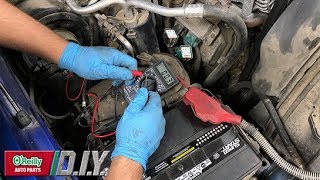
Connect the positive multimeter lead to the GPCM ground pin and negative to the battery negative. Activate the glow plugs. Voltage above 0.5V indicates a bad ground.
Tools: Multimeter (Advanced) - Use an Inductive Ammeter
Clamp an ammeter around the GPCM main power wire. Command the glow plugs on. Look for a stable 80-160A draw on an 8-cylinder engine. Zero draw indicates a dead module.
Tools: Inductive Ammeter (Advanced) - Check GPCM Control Circuit Voltage
Back-probe the PCM-to-GPCM control wire. Voltage must be < 1V when glow plugs are commanded on, and > 10V when off. Persistent high voltage confirms a short to power.
Tools: Multimeter, Back-probe Kit, Wiring Diagram (Advanced)
When This Code Triggers (Freeze-Frame Conditions)
- Engine Coolant Temp: Below 50°F / 10°C (Logged during a cold start after sitting overnight when the PCM commands the glow plug system on but sees incorrect voltage.)
- RPM: 0 (Key On, Engine Off) or < 200 (Cranking) (Detected during the pre-start self-test or while cranking, the primary window for glow plug operation.)
- System Voltage: 11.5-12.5V (The 'Circuit High' fault sets when the control circuit voltage is unexpectedly high relative to normal battery voltage.)
- Ambient Air Temperature: Below 50°F / 10°C (Prevalent in cold weather when glow plugs are commanded on for the longest duration.)
Related Codes
- P0670 — P0670 is a general 'Glow Plug Control Module Circuit Malfunction'. P3799 specifically indicates a 'Circuit High' condition. Diagnose P3799 first, as it points directly to a short to voltage or a module sending high readings.
- P0380 — P0380 is a generic fault for the primary glow plug system. P3799 specifies 'Control Module 2', indicating a vehicle with multiple controllers or a dual-function module.
- P0671 - P0678 — These codes identify a fault in a specific cylinder's glow plug circuit. Seeing these alongside P3799 strongly suggests the high voltage issue is isolated to that specific cylinder's wiring or plug.
- U0106 — U0106 means 'Lost Communication With Glow Plug Control Module'. Paired with P3799, this indicates a complete GPCM failure, a blown main fuse, or a severed wiring harness.
Climate & Environmental Factors
- Cold Weather: Glow plug faults surface during the first cold spell when the engine fails to start. Frequent short trips in freezing climates shorten glow plug lifespan.
- Humidity and Moisture: High humidity and winter road salt accelerate corrosion on wiring harnesses and ground points, increasing circuit resistance and triggering voltage codes.
- Altitude: Less dense air at high altitudes makes cold starting harder. This places greater reliance on the glow plugs, turning a minor fault into a complete no-start.
How to Talk to a Mechanic About This Code
Say this: "I have a P3799 code. Before replacing any parts, please test the glow plug control module's power and ground circuits, and check the control wire from the PCM for a short to voltage. I want to rule out a wiring or ground issue before buying a new module."
This directs the technician to perform a thorough electrical diagnosis rather than just replacing the expensive module. It shows you're an informed customer, reducing the chance of being oversold.
Avoid saying:
- 'My truck is hard to start, can you fix it?'
- 'My check engine light is on, just do whatever it takes.'
- 'I think I need a new glow plug controller.'
Questions to ask before authorizing the repair:
- What were the specific voltage and resistance readings on the control circuit and ground wires?
- Did you find evidence of a wiring short, corrosion, or a bad ground?
- If recommending glow plug replacement, what is your procedure to prevent them from snapping in the head?
- What is the warranty on the parts and labor for this repair?
Where to Take It: Dealer vs Independent vs Chain
- Dealer:
Recommended for in-warranty trucks or complex European diesels where specialized tools are critical.
Best for: Vehicles under powertrain or emissions warranty., Complex European diesels (BMW, Mercedes) requiring brand-specific knowledge.
Downsides: Labor rates are 25-50% higher than independent shops., Dealers often replace entire assemblies instead of repairing a specific wire. (Typical cost: +50% vs. baseline) - Independent Shop:
Best fit for most owners. A diesel specialist has the diagnostic tools to trace this electrical fault without dealership markups.
Best for: Out-of-warranty trucks, especially Ford Power Stroke and GM Duramax., Shops specializing in diesel and electrical diagnostics.
Downsides: Quality varies greatly; you must vet the shop's reputation and ASE certifications. (Typical cost: +0% vs. baseline) - Chain Shop:
AVOID. This code requires specific diesel electrical expertise rarely found at general repair chains.
Best for: Simple services like oil changes, tires, and battery replacement.
Downsides: Technicians lack specialized training for diesel electrical diagnostics., High pressure to sell parts leads to unnecessary GPCM replacement. (Typical cost: -10% vs. baseline)
When to Walk Away From the Repair
If the estimated repair cost exceeds 40-50% of the truck's private-party value, and it's not a primary work vehicle, consider selling it as-is.
- Car worth $15000, fix is $750: Fix it. This is a standard repair cost and well below the threshold.
- Car worth $8000, fix is $3500: Borderline. Get a second opinion, especially if this cost includes a DPF replacement.
- Car worth $5000, fix is $3000: Walk away. The repair cost is over half the vehicle's value.
What Scan Tool You Need for This Code
Minimum: A scanner that reads manufacturer-specific codes and views live data PIDs for the glow plug system.
A basic $20 code reader cannot show live data like GPCM status, glow plug on-time, or system voltage, which are crucial for diagnosing the module or wiring.
Budget: BlueDriver Pro (~$100) — Reads codes, provides freeze-frame data, and graphs live data like 'Glow Plug Lamp Status' to confirm PCM commands.
Mid-range: Foxwell NT510 Elite (~$180) — Offers brand-specific diagnostics and bi-directional controls to command the GPCM on/off, testing the circuit directly.
Professional: Autel MaxiCOM MK808S (~$450-550) — Provides OE-level diagnostics, reads detailed glow plug data, and performs active tests on the entire system.
Rent vs buy: Auto parts store rental scanners lack the diesel-specific or bi-directional features needed for P3799. Buying a mid-range scanner pays for itself by avoiding a single misdiagnosis.
How to Clear the Code After You Fix It
- Reconnect the battery if disconnected during repair.
- Use an OBD-II scan tool to clear P3799 and related trouble codes.
- Perform a complete drive cycle to run and complete readiness monitors.
Drive cycle (~30 minutes): A standard diesel drive cycle requires: 1) Cold start (engine temp below 122°F/50°C). 2) Idle for 3 minutes. 3) Drive at a steady 55 mph for 20 minutes to allow DPF regeneration. 4) Perform 10 minutes of stop-and-go city driving. 5) Let the vehicle cool completely (8+ hours).
Readiness monitors affected: PM Filter monitor, Exhaust Gas Sensor monitor, NMHC Catalyst monitor, Boost Pressure monitor
Before emissions retest: drive at least 100 miles to fully set monitors.
Watch out for:
- Clearing the code without fixing the hardware fault guarantees it returns on the next cold start.
- Skipping the full drive cycle leaves emissions monitors 'Not Ready,' causing an automatic smog test failure.
- Disconnecting the battery resets adaptive learning in other modules, causing temporary rough shifting or idling.
Will This Fail Emissions / State Inspection?
Yes — this code typically fails an OBD-II emissions inspection.
- California: An illuminated Check Engine Light is an automatic smog check failure. All required readiness monitors must read 'complete' before a re-test.
- New York: An active P3799 code causes an automatic failure during the OBD-II emissions portion of the NYS DMV inspection.
- Texas: In emissions-testing counties (Harris, Dallas, Travis), an active code fails the inspection. You must drive 50-100 miles after clearing the code to reset monitors.
Most Commonly Affected Vehicles
- GMC Sierra 2500HD/3500HD (2004-2005) — The 6.6L LLY Duramax is notorious for GPCM failures and injector harness chafing. The module overheats easily due to its location.
- Chevrolet Silverado 2500HD/3500HD (2004-2005) — Shares the 6.6L LLY Duramax engine and GPCM with the GMC Sierra, making it equally prone to this specific code.
- Ford F-250/F-350 Super Duty (2003-2007) — The 6.0L Power Stroke GPCM is a frequent failure point. P3799 often appears alongside general glow plug code P0670.
- Volkswagen Jetta, Golf, Passat (2009-2014) — TDI models log general circuit codes due to wiring harness issues. An updated GPCM part is available for several models.
- BMW 335d, X5 xDrive35d (2009-2013) — The M57 diesel glow plug control unit fails frequently. Replace all six glow plugs simultaneously with the module to save on labor.
- Isuzu NPR / NPR-HD (2005-2010) — The 5.2L diesel logs circuit faults due to exposed wiring harnesses. Corrosion between the cab and engine is the primary culprit.
- GMC Savana (2006-2010) — Vans with the Duramax diesel engine (LBZ and LMM) experience GPCM failures that trigger high circuit codes.
- Chevrolet Express (2006-2010) — Shares the Duramax engine and GPCM issues with the GMC Savana.
- Mercedes-Benz Sprinter, E320, ML320 (2007-2012) — The OM642 V6 diesel glow plug controller fails and prevents DPF regeneration. The controller is difficult to access.
Manufacturer-Specific Notes
- General Motors (GMC/Chevrolet): On 2004-2005 Duramax LLY engines, check for injector harness chafing against engine brackets before replacing the GPCM. This known issue causes shorts that trigger various electrical faults.
- Ford: On 6.0L Power Stroke engines, TSB 07-21-10 addresses multiple glow plug codes caused by faulty wiring connectors at the GPCM. Inspect connectors C1441 and C1442 for damage before replacing the module.
- Isuzu: On NPR commercial trucks, inspect the exposed harness between the cab and the engine for corrosion before replacing the expensive control module. Pigtail connector replacements are standard.
- BMW: On M57 diesel engines, the glow plug controller sits underneath the intake manifold. Replace all six glow plugs and the intake manifold gaskets simultaneously with the controller to avoid repeating the labor-intensive job.
Real Owner Stories
2005 GMC Sierra 2500HD (LLY Duramax) at 160K miles
Check Engine Light on, hard to start in the morning with white smoke. Codes P3799 and P0670 present.
What they tried:
- Tested all glow plugs and found correct resistance (0.9 ohms).
- Checked for power and ground at the GPCM connector; found good power and ground.
- Replaced the Glow Plug Control Module (GPCM).
Outcome: Replacing the GPCM (ACDelco 97326408) resolved the issue. The truck started normally in cold weather.
Lesson: On an LLY Duramax, the GPCM is a frequent failure point. If glow plugs test good, the module is the next logical replacement, especially with a general code (P0670) and a specific circuit high code (P3799).
2006 Ford F-350 (6.0L Power Stroke) at 190K miles
Truck logged P3799 and P0678 (Cylinder 8 Glow Plug Circuit Fault). The owner had replaced the GPCM a year prior.
What they tried:
- Replaced the GPCM again. The code returned.
- Replaced all 8 glow plugs. The code returned.
- Inspected the wiring harness and found a chafed section near the passenger side valve cover causing a short.
Outcome: Repaired the damaged wires in the harness, permanently fixing the P3799 and P0678 codes.
Lesson: A recurring code points to an underlying wiring issue. Visually inspect the entire harness for chafe points before buying another module.
2009 BMW 335d at 115K miles
Check Engine Light on with P3799. No noticeable starting issues in a warm climate.
What they tried:
- Ignored the code since the car started fine.
- Months later, the car entered limp mode with a DPF blockage warning.
- A mechanic diagnosed a failed glow plug control unit, which prevented DPF regeneration.
Outcome: Replaced the glow plug control unit (Beru GSE108), all six glow plugs, and professionally cleaned the DPF for over $1,500.
Lesson: The glow plug system is critical for DPF regeneration. Ignoring a glow plug code guarantees a clogged DPF and a massive repair bill.
2005 Isuzu NPR with 5.2L Diesel
Intermittent Check Engine Light with code U0106 (Lost Communication with GPCM) and P3799. Hard starting.
What they tried:
- Replaced the GPCM, but codes returned intermittently.
- Checked main power and ground at the module, which tested fine.
- Inspected the main harness connector at the GPCM and found water intrusion and green corrosion.
Outcome: Cleaned the connector pins with electronics cleaner and applied dielectric grease. This restored communication and cleared the codes.
Lesson: Communication errors (U-codes) combined with circuit codes point to connector issues. Water intrusion is common on commercial trucks with exposed harnesses.
How to Prevent This Code From Triggering
- Apply Dielectric Grease to Connectors (During any repair or every 2-3 years) — Seals electrical connectors from moisture and road salt, preventing corrosion that causes high resistance and circuit faults.
- Perform Regular Battery and Alternator Health Checks (Annually (before winter)) — The glow plug system draws high current. A weak battery causes voltage fluctuations that damage the GPCM or set false codes.
- Use High-Quality Diesel Fuel (Every fill-up) — Good cetane and detergents lead to complete combustion, reducing carbon buildup that causes glow plugs to overheat or short out.
- Ensure Occasional Highway Driving (At least once every 1-2 weeks) — Allows the exhaust to reach full operating temperature, necessary for passive DPF regeneration.
- Inspect and Secure Wiring Harnesses (During oil changes) — Ensures wiring harnesses are secured and not rubbing against engine components, preventing chafing and shorts.
Frequently Asked Questions
What's the most common misdiagnosis for P3799?
The most common mistake is replacing the Glow Plug Control Module (GPCM) without testing the wiring. A short circuit or bad ground perfectly mimics a failed module. The code returns immediately if the underlying wiring issue isn't fixed.
I replaced the GPCM and glow plugs, but the P3799 code came back. What now?
The problem is in the wiring harness or a ground connection. Check for a short to power on the control circuit wire between the PCM and the GPCM. Perform a voltage drop test on the ground connections to ensure they are solid.
Can I fix a P3799 code myself?
You can DIY simple fixes like replacing a blown fuse or cleaning a bad ground. Replacing the GPCM is an intermediate job. Take the vehicle to a professional if the diagnosis requires complex electrical testing or replacing seized glow plugs.
What happens if I don't fix P3799?
Your engine will struggle to start in the cold and eventually leave you stranded. On modern diesels, a faulty glow plug system prevents DPF regeneration, leading to a clogged filter and a $2,500+ repair bill.
What does 'Glow Plug Control Module 2' mean?
V-type engines often use two separate glow plug modules, one for each cylinder bank. In other vehicles, 'Module 2' refers to a secondary circuit within a single control module. Consult a vehicle-specific wiring diagram to confirm your configuration.
Will clearing the code make it go away?
No. Clearing the code only turns off the check engine light temporarily. The PCM will detect the high voltage condition again on the next cold start and trigger the code.
Could a bad glow plug cause this code instead of the module?
Yes. An internally shorted glow plug alters the circuit's resistance, causing unusual voltage readings that trigger P3799. Testing the glow plugs is a mandatory diagnostic step.
Key Takeaways
- Code P3799 indicates excessively high voltage in the Glow Plug Control Module 2 circuit, preventing your diesel engine from starting in temperatures below 50°F.
- A failed Glow Plug Control Module (GPCM) causes 70% of P3799 codes, particularly on 2004-2005 GM 6.6L Duramax engines.
- Expect a check engine light, extended cranking times, and thick white exhaust smoke immediately after a cold start.
- Driving with a P3799 code disables Diesel Particulate Filter (DPF) regeneration, leading to a clogged filter and a $2,500+ replacement bill within 1 to 3 months.
- Test the GPCM ground circuit for a voltage drop above 0.5V before spending $300 on a new module, as corroded grounds perfectly mimic a failed GPCM.
Helpful Videos

The information in this article is provided for general reference and educational purposes only. Vehicle specifications, procedures, and part compatibility can vary by production date, trim level, and region. Always consult your vehicle's factory service manual and verify part numbers before purchasing or performing repairs. Safety-critical components such as airbags, seat belts, and braking systems should be installed by a qualified professional.
- 🎬 Helpful Videos
- What Does P3799 Mean?
- Can I Drive With P3799?
- Common Causes
- Symptoms
- Diagnostic Flowchart
- Common Fixes & Costs
- DIY vs Professional
- Used vs. New Parts: Buying Guide
- What Happens If You Wait — Timeline
- Cost of Not Fixing It
- Diagnosis Steps
- When This Code Triggers (Freeze-Frame Conditions)
- Related Codes
- Climate & Environmental Factors
- How to Talk to a Mechanic About This Code
- Where to Take It: Dealer vs Independent vs Chain
- When to Walk Away From the Repair
- What Scan Tool You Need for This Code
- How to Clear the Code After You Fix It
- Will This Fail Emissions / State Inspection?
- Most Commonly Affected Vehicles
- Manufacturer-Specific Notes
- Real Owner Stories
- 2005 GMC Sierra 2500HD (LLY Duramax) at 160K miles
- 2006 Ford F-350 (6.0L Power Stroke) at 190K miles
- 2009 BMW 335d at 115K miles
- 2005 Isuzu NPR with 5.2L Diesel
- How to Prevent This Code From Triggering
- Frequently Asked Questions
- What's the most common misdiagnosis for P3799?
- I replaced the GPCM and glow plugs, but the P3799 code came back. What now?
- Can I fix a P3799 code myself?
- What happens if I don't fix P3799?
- What does 'Glow Plug Control Module 2' mean?
- Will clearing the code make it go away?
- Could a bad glow plug cause this code instead of the module?
- Key Takeaways
- 🎟️ Get 5% Off