

OBD-II Code P3791: Diesel Particulate Filter (DPF) Frequent Regeneration
What P3791 means, why it triggers, and how to fix it
- P3791 indicates your DPF is regenerating too frequently, usually triggered by a clogged filter or faulty sensor data.
- Check the DPF differential pressure and EGT sensors first; replacing a $100 sensor often resolves the code without a $3,000+ DPF replacement.
- Stop driving immediately if the DPF warning light flashes, as continued operation will crack the ceramic substrate and force a $4,000-$10,000 replacement.
- Never replace the DPF without diagnosing upstream components like fuel injectors and the EGR valve, or the new filter will clog within weeks.
What Does P3791 Mean?

P3791 indicates the Engine Control Module (ECM) detects the Diesel Particulate Filter (DPF) is regenerating too frequently. The DPF traps exhaust soot, and the ECM periodically initiates a high-temperature regeneration cycle to burn this soot into ash. When this cycle triggers more often than the manufacturer's specified interval, an underlying issue is causing the DPF to clog prematurely.
Technical definition: The SAE/ISO definition for P3791 is "Diesel Particulate Filter (DPF) – Too Frequent Regeneration." Some manufacturers define it as "Diesel Particulate Filter (DPF) — Regeneration Completed But Insufficient." Both indicate the system cannot effectively burn off trapped soot.
Can I Drive With P3791?
Yes, But With Caution. Yes, but immediate attention is required. Ignoring P3791 causes reduced engine power, increased fuel consumption, and catastrophic DPF damage. Continued driving overheats and cracks the DPF's ceramic substrate, turning a $500 cleaning service into a $4,000+ replacement. If the DPF warning light flashes, the vehicle enters a severely derated 'limp mode' to prevent a fire hazard—pull over immediately.
Common Causes

- Clogged or saturated Diesel Particulate Filter (DPF) (Very Common) — Over time, the DPF fills with incombustible ash from the soot-burning process. Ash cannot burn off during regeneration and requires professional off-vehicle cleaning. This blockage increases exhaust backpressure and forces constant regeneration attempts.
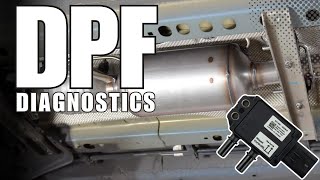
- Faulty DPF differential pressure sensor (Common) — This sensor measures pressure before and after the DPF to calculate soot load. 🎬 Watch: How to diagnose a faulty DPF differential pressure sensor. If it sends artificially high readings to the ECM, the computer incorrectly assumes the DPF is full and triggers unnecessary regenerations.
- Defective exhaust gas temperature (EGT) sensors (Common) — Regeneration requires exhaust temperatures exceeding 1000°F. If an EGT sensor reads incorrectly, the system fails to reach or maintain the required heat. This causes incomplete regenerations, leaving the DPF clogged and triggering immediate retry attempts.
- Upstream exhaust system leaks (Less Common) — Leaks between the engine and the DPF alter pressure and temperature readings. This introduces unmetered oxygen, cools the exhaust gases, and confuses the ECM into incorrect regeneration timing.
- Leaking fuel injectors (Less Common) — A leaking fuel injector dumps excess unburnt fuel into the cylinders, producing heavy black soot. This overloads the DPF much faster than normal driving, forcing frequent regenerations.
- Faulty Aftertreatment Fuel Injector (Doser) (Less Common) — Many diesels use a dedicated 7th injector in the exhaust stream to supply fuel for regeneration. A clogged or leaking doser fails to generate the necessary temperatures for a complete burn.
- Stuck Exhaust Gas Recirculation (EGR) valve (Less Common) — A stuck EGR valve disrupts the air/fuel mixture, causing incomplete combustion and massive soot production that rapidly overwhelms the DPF.
- Incorrect engine oil type (Rare) — Using non-low-ash engine oil (anything other than API CJ-4/CK-4) creates excessive metallic ash when burned. This permanently clogs the DPF substrate.
- Internal engine oil consumption (Rare) — Worn piston rings or valve seals cause the engine to burn oil. Combusted oil produces heavy ash that rapidly plugs the DPF.
Symptoms

- Check engine light is on — The Malfunction Indicator Lamp illuminates on the dashboard.
- DPF warning light is on or flashing — A solid DPF light indicates a needed regeneration; a flashing light indicates critical soot levels requiring immediate service.
- Engine derate or 'limp mode' — The ECM severely limits engine power and speed to prevent catastrophic DPF failure from extreme heat and backpressure.
- Increased fuel consumption — Constant active regenerations burn excess diesel, dropping fuel economy by 10-25%.
- Pungent exhaust smell — Incomplete regenerations produce a strong, raw diesel or burning odor from the tailpipe.
- Frequent DPF regeneration cycles (also visible on scanner) — The vehicle enters regeneration mode constantly, indicated by high idle, a burning smell, or dashboard notifications.
Diagnostic Flowchart
Tap your situation to follow the diagnostic path that matches what you're seeing on this code.
Common Fixes & Costs
- Forced DPF Regeneration — Parts: $0, Labor: $150-$300, ~1.5 hr book time (Professional)
- Replace DPF Differential Pressure Sensor
— Parts: $55-$150, Labor: $100-$200, ~1 hr book time
(Intermediate)
Peterbilt/Kenworth (Paccar MX-13): OEM
Ford F-Series (6.7L Powerstroke): OEM - Replace Exhaust Gas Temperature (EGT) Sensor(s)
— Parts: $125-$300, Labor: $100-$250, ~1.5 hr book time
(Intermediate)
Ford F-Series (6.7L Powerstroke): OEM - Clean the DPF (Off-Vehicle) — Parts: $0, Labor: $500-$1,500, ~4 hr book time (Professional)
- Replace the DPF
— Parts: $2,500-$8,000, Labor: $500-$1,500, ~5 hr book time
(Professional)
Ford F-Series (6.7L Powerstroke): OEM
Used vs. New Parts: Buying Guide
When a used part is worth it: A used OEM DPF from a low-mileage, collision-totaled vehicle (under 80,000 miles) is a cost-effective option. Never buy a used DPF from a vehicle with engine or turbo failure.
Donor-vehicle mileage cap: roughly under 80000 miles for the part to have meaningful remaining life.
Donor quality checklist:
- Check the donor VIN for emissions-related recalls.
- Visually inspect the internal honeycomb for melting, cracking, or heavy white ash.
- Ensure the part number is an exact match.
Decision logic:
- If A quality, EPA-certified aftermarket DPF is available for less than 50% of the OEM price → Buy the new aftermarket part for its warranty and guaranteed zero ash load.
- If The vehicle is registered in California or New York → Buy a new OEM or CARB-compliant aftermarket part. Installing used DPFs is illegal and fails visual inspections.
Warranty tradeoff: Used DPFs carry 30-day warranties. New aftermarket DPFs offer 1-2 year warranties. OEM parts carry standard manufacturer warranties.
Worst-case if a used part fails: $1,500 if a used DPF fails immediately, covering repeat labor and a second replacement part.
What Happens If You Wait — Timeline
- 0-1 month: Check engine light illuminates. The engine fan runs frequently, and a burning smell is noticeable as the truck attempts constant regenerations. (MPG impact: 5-10%% · Added cost: $50-$100 in wasted fuel.)
- 1-3 months: The DPF warning light turns solid. Engine power drops under load. The truck enters temporary limp mode during long drives. (MPG impact: 10-15%% · Added cost: $100-$300 in wasted fuel.)
- 3-6 months: The DPF light flashes. The ECM locks out regeneration to prevent a fire. Severe engine derate limits speed to 10-20 mph. The ceramic substrate cracks from heat stress. (MPG impact: 20-30%% · Added cost: $3,000-$5,000 for mandatory DPF replacement.)
- 6+ months: Catastrophic failure. Extreme backpressure blows turbocharger seals or causes internal engine damage. The vehicle is undrivable. (MPG impact: 50%% · Added cost: $8,000-$15,000+ for DPF, turbo, and engine repairs.)
Cost of Not Fixing It
- 0-1 month: Fuel economy drops by 10-15% due to constant active regenerations. Engine power feels sluggish. (Added cost: $50-$200 in wasted diesel fuel.)
- 1-3 months: The DPF becomes critically clogged. Extreme exhaust backpressure causes oil dilution and damages turbocharger seals. The ceramic substrate cracks from constant overheating. (Added cost: $2,500-$5,000 for DPF replacement and turbo repairs.)
- 3+ months: Catastrophic failure. The vehicle enters permanent limp mode. Extreme backpressure blows engine seals or destroys the turbocharger, requiring major engine overhauls. (Added cost: $8,000-$15,000+ for DPF, turbo, and engine replacement.)
Diagnosis Steps
- Read Fault Codes and Live Data
Use an advanced OBD-II scanner to confirm P3791. Monitor live data PIDs for DPF Differential Pressure and EGTs. At idle, differential pressure should be near zero (under 1 PSI). High pressure at idle indicates a physical blockage or a bad sensor.
Tools: Advanced OBD-II scanner with live data (Intermediate) - Inspect DPF Pressure Sensor Hoses
Visually inspect the rubber and metal lines running from the exhaust pipe to the DPF differential pressure sensor. Look for cracks, melting, or blockages from soot. A clogged hose mimics a full DPF.
Tools: Flashlight, basic hand tools (Beginner) - Check for Exhaust Leaks
Inspect the exhaust system from the turbocharger to the DPF inlet. Look for black soot trails around V-band clamps, flanges, and flex pipes. Leaks cool the exhaust and ruin regeneration efficiency.
Tools: Flashlight (Beginner) - Test DPF Differential Pressure Sensor Voltage
Back-probe the sensor's signal wire with a multimeter. At idle, voltage should be around 0.5V. As RPMs increase, voltage must rise smoothly. A sensor stuck at a fixed voltage is faulty and must be replaced.
Tools: Multimeter, back-probe kit (Advanced) - Test EGT Sensors
Disconnect the EGT sensors and measure resistance (Ohms). Heat the sensor tip with a heat gun; resistance should change smoothly without dropping out. Open circuits or static readings indicate a failed sensor.
Tools: Multimeter, heat gun (Advanced) - Perform a Forced DPF Regeneration
Command a stationary forced regeneration using a bidirectional scanner. Monitor EGTs to ensure they exceed 1000°F (540°C). If temperatures fall short, suspect the aftertreatment doser injector. If pressure remains high after completion, the DPF is ash-loaded.
Tools: Advanced OBD-II scanner (Advanced) - Inspect Fuel Injectors and Doser
If the DPF clogs rapidly after a successful regeneration, check fuel injector balance rates with the scan tool to identify leaking injectors causing excess soot. Remove and inspect the exhaust doser for carbon buildup.
Tools: Advanced OBD-II scanner, wrenches (Advanced) - Remove and Inspect the DPF
If sensors and upstream components pass testing, remove the DPF. Inspect the ceramic honeycomb for melting, cracking, or heavy white ash buildup. Send it out for professional cleaning or replace it.
Tools: Heavy-duty socket set, penetrating oil, transmission jack (Advanced)
When This Code Triggers (Freeze-Frame Conditions)
- Engine Coolant Temp: 180-200°F (82-93°C) (The engine must reach full operating temperature before the ECM commands an active regeneration.)
- Vehicle Speed: 40-60 mph (65-97 kph) (Sustained highway speeds are required for regeneration. The ECM flags P3791 when repeated attempts fail despite ideal driving conditions.)
Related Codes
- P3792 — Indicates 'Exhaust Gas Temperature After DPF - Too High'. A faulty EGT sensor triggers P3792, interrupts the regeneration cycle, and directly causes the frequent retry attempts flagged by P3791.
- P3794 — Indicates 'DPF Differential Pressure Too High'. The ECM sees high pressure (P3794) and commands a regeneration. When this happens constantly, the ECM logs P3791 to flag the abnormal frequency.
- P3796 — Indicates 'DPF Soot Level - Most Severe'. This is the critical escalation of P3791. If frequent regenerations fail to clear the filter, soot reaches dangerous levels, locking out automatic regeneration to prevent a vehicle fire.
Climate & Environmental Factors
- Cold Weather: Cold ambient temperatures prevent the exhaust from reaching the 1100°F required for passive regeneration. Combined with winter idling, soot accumulates rapidly and triggers frequent active regenerations.
- High Altitude: Lower air density reduces combustion efficiency, increasing engine soot production by up to 30%. Thinner air also makes it harder for the exhaust to maintain regeneration temperatures.
How to Talk to a Mechanic About This Code
Say this: "I have a P3791 code and my truck is regenerating too often. Please check the live data from the DPF pressure sensor and EGT sensors before assuming the DPF needs replacement. I want to rule out a bad sensor, a clogged doser, or an EGR problem first."
This proves you understand P3791 is a symptom, not the root cause. It forces the mechanic to perform a proper diagnosis instead of jumping to a $4,000 DPF replacement.
Avoid saying:
- 'My truck has a DPF code, I need a new filter.'
- 'Just fix the check engine light.'
- 'My truck is running rough and the DPF light is on.'
Questions to ask before authorizing the repair:
- What were the DPF differential pressure readings at idle and under load?
- Did the EGT sensors reach and hold 1100°F during your forced regen test?
- Did you inspect the pressure sensor hoses for blockages?
- If recommending a DPF replacement, what specific test confirmed it is internally damaged rather than just ash-loaded?
Where to Take It: Dealer vs Independent vs Chain
- Dealer:
Best for: Vehicles under emissions or powertrain warranty., Complex software recalls (like the Ford 24E06 recall).
Downsides: Labor rates are 50-100% higher than independent shops., Dealers default to replacing the entire $4,000 DPF assembly rather than cleaning it or fixing sensors. (Typical cost: +50% vs. baseline) - Independent Shop:
Best fit. A reputable independent diesel specialist will diagnose the upstream root cause of the frequent regenerations, saving you thousands.
Best for: Out-of-warranty vehicles., Diagnosing root causes like sensors, injectors, or EGR faults., Arranging professional off-vehicle DPF cleaning ($500) instead of replacement.
Downsides: Must verify the shop specializes specifically in modern diesel emissions systems. (Typical cost: +0% vs. baseline) - Chain Shop:
AVOID. Chain shops cannot properly diagnose or repair DPF systems.
Best for: Tires, brakes, and basic fluid changes.
Downsides: Technicians lack training on complex diesel aftertreatment systems., Shops lack the $1,000+ bidirectional scanners required to command forced regenerations. (Typical cost: -10% vs. baseline)
When to Walk Away From the Repair
If the total estimated repair cost for the P3791 code exceeds 50% of the vehicle's current private-party market value, consider selling or trading it in.
- Car worth $15000, fix is $8000: Walk away. The repair cost is over half the truck's value. Trade it in or sell to a wholesaler.
- Car worth $25000, fix is $4000: Fix it. The repair cost is well below the 50% threshold and restores the vehicle's value.
What Scan Tool You Need for This Code
Minimum: A bidirectional scan tool capable of reading diesel-specific codes, viewing live DPF pressure/EGT data, and commanding a forced DPF regeneration.
A $20 code reader only displays the P3791 code. It cannot show the live sensor data required for diagnosis, nor can it command the forced regeneration necessary to clear the filter.
Budget: N/A (~$0) — Scanners under $100 lack the software to command diesel DPF regenerations.
Mid-range: ANCEL HD3200 or Foxwell HD500 (~$160-250) — Reads/clears codes, displays live DPF sensor data, and performs forced DPF regenerations for common diesel platforms (Cummins, Powerstroke, Duramax).
Professional: Autel MaxiCOM MK808 / XTOOL D9HD (~$500-1000) — Offers full bidirectional control to test doser injectors, performs DPF ash accumulator resets, and provides OEM-level diagnostics.
Rent vs buy: For a one-time fix, pay a diesel shop a $150 diagnostic fee. Buy a midrange scanner only if you plan to perform your own long-term diesel maintenance.
How to Clear the Code After You Fix It
- Fix the underlying mechanical or sensor fault.
- Perform a DPF Ash Accumulator Reset with a scan tool if the DPF was cleaned or replaced.
- Initiate a forced DPF regeneration with the scan tool and allow it to complete.
- Clear the P3791 code.
- Perform a 30-minute highway drive cycle to verify the repair.
Drive cycle (~30 minutes): Drive the vehicle for 30 minutes at a sustained highway speed (above 40 mph). This allows the ECM to verify normal DPF pressure and complete a passive regeneration cycle.
Readiness monitors affected: PM Filter Monitor, EGR System Monitor, Exhaust Gas Sensor Monitor
Before emissions retest: drive at least 100 miles to fully set monitors.
Watch out for:
- Clearing the code without fixing the root cause guarantees it will return within 50 miles.
- Forgetting to reset the DPF ash accumulator values in the ECM after installing a clean filter.
Will This Fail Emissions / State Inspection?
Yes — this code typically fails an OBD-II emissions inspection.
- California: An active P3791 causes an immediate smog check failure. California strictly prohibits the sale and installation of used DPFs.
- New York: NYS inspections mandate a clear OBD-II check. The Check Engine Light and P3791 result in automatic failure.
Most Commonly Affected Vehicles
- Peterbilt / Kenworth 579, 389, T680, T880 (2013-Present) — Trucks equipped with Paccar MX-13 engines frequently experience DPF sensor and doser injector faults leading to P3791.
- Ford F-250, F-350, Transit (2014-2023) — Subject to recall 24E06 for DPFs cracking due to software flaws. Fix involves recalibration and potential free DPF replacement.
- Volkswagen Jetta, Golf, Passat (TDI) (2009-2015) — Highly susceptible to DPF clogging if driven primarily on short city trips that prevent passive regeneration.
- Chevrolet / GMC Silverado / Sierra 2500HD/3500HD (LML) (2011-2016) — EGR and PCV systems clog the MAP sensor with soot, causing inaccurate air readings and forcing frequent DPF regenerations.
- Toyota Hilux, Land Cruiser, Fortuner (2015-2020) — The 1GD-FTV 2.8L engine suffered from defective DPF systems causing excessive smoke, resulting in a class-action lawsuit and extended warranties.
- Subaru Outback, Forester (Diesel) (2010-2018) — Extremely sensitive to driving style. Aborted regenerations cause severe oil dilution, triggering flashing DPF lights.
Manufacturer-Specific Notes
- Paccar: After cleaning or replacing the DPF, you must perform an 'Ash Accumulator Reset' with a diagnostic tool. Skipping this step guarantees P3791 will return immediately, as the ECM still calculates based on the old filter's data.
- Ford: Under recall 24E06, technicians must recalibrate the DPF regeneration strategy software before replacing hardware, proving that flawed ECM logic directly causes frequent regenerations on these models.
- GM/Duramax: On 2011-2016 LML engines, aftermarket exhaust sensors cause erratic readings. Always use OEM ACDelco sensors to resolve DPF codes permanently.
- Subaru: Regeneration only initiates when calculated soot hits 65%. Highway driving won't trigger a passive regen if this threshold isn't met, causing issues for drivers with mixed commutes.
Real Owner Stories
Kenworth T680 with Paccar MX-13
The truck attempted regeneration multiple times daily, triggering P3791. No power loss was noted.
What they tried:
- A forced regen showed the DPF was not full.
- Inspected the rigid metal lines running to the DPF differential pressure sensor.
Outcome: Found the 'pre-filter' sensor line completely clogged with hard soot. Cleaned the line with a wire and carb cleaner. Regeneration frequency normalized immediately, saving a $4,000 DPF replacement.
Lesson: Always check the cheap, simple components first. A clogged $10 sensor hose perfectly mimics a destroyed $4,000 DPF.
Volvo VNL with erratic turbo boost
The truck requested parked regenerations constantly. The driver noticed the turbo boost gauge bouncing +/- 5 PSI.
What they tried:
- Suspected an EGR issue due to the erratic boost.
- Removed and inspected the EGR venturi tube.
Outcome: The sensor ports inside the venturi tube were plugged solid with soot. Cleaning the ports restored normal turbo response and stopped the frequent regeneration requests.
Lesson: DPF codes are often symptoms of upstream air/fuel issues. Erratic turbo behavior points directly to the EGR system, not the exhaust.
How to Prevent This Code From Triggering
- Use low-ash engine oil (API CK-4) (Every oil change) — Standard oils contain additives that burn into metallic ash. This ash permanently clogs the DPF. Low-ash oils prevent this irreversible buildup.
- Perform sustained highway driving (Weekly) — Driving 40+ mph for 30 minutes generates enough exhaust heat for passive regeneration, burning off soot before it triggers dashboard warnings.
- Avoid excessive idling (Daily) — Idling produces massive amounts of soot but zero exhaust heat, rapidly plugging the DPF and forcing the truck into constant active regenerations.
Frequently Asked Questions
What is the most common mistake when fixing a P3791 code?
The most common mistake is replacing the expensive DPF without diagnosing the root cause. P3791 is a symptom of upstream issues like faulty injectors, sensors, or EGR valves. Failing to fix the root cause guarantees the new DPF will quickly clog and trigger the code again.
Can my driving habits cause the P3791 code?
Yes. Diesel engines require sustained highway speeds (20-30 minutes) for automatic 'passive' regeneration. Frequent short, low-speed trips prevent the exhaust from reaching self-cleaning temperatures, forcing the truck into constant 'active' regenerations.
Can I clean the DPF myself?
DIY chemical additives are ineffective for heavily clogged DPFs and risk damaging the substrate. The only effective method is professional off-vehicle cleaning. This process bakes the DPF in a specialized kiln to burn out stubborn soot and blows out incombustible ash.
What is a forced regeneration?
A forced regeneration is a stationary service procedure commanded via a diagnostic tool. It forces the engine to run at a specific high RPM to raise exhaust temperatures and burn off soot. Technicians use this as a first step to clear a clogged filter before attempting costly repairs.
Will a DPF delete fix this code?
Physically removing the DPF and reprogramming the ECM eliminates the code but is federally illegal. Deletes result in massive fines, void powertrain warranties, and cause inspection failures. Repair the system properly to maintain vehicle compliance and resale value.
What does it mean if the DPF light is flashing?
A solid DPF light warns that the filter is saturated and requires a 30-minute highway drive to regenerate. A flashing DPF light indicates critical soot levels and an active engine derate. Pull over immediately and tow the vehicle to a shop for a forced regeneration to prevent a fire.
What is 'oil dilution' and how does it relate to the DPF?
Oil dilution happens when frequent, incomplete regenerations force unburnt diesel fuel past the piston rings into the crankcase. This thins the engine oil, destroys its lubricating properties, and causes severe internal engine damage. It frequently affects diesel vehicles subjected to constant short trips.
Key Takeaways
- P3791 indicates your DPF is regenerating too frequently, usually triggered by a clogged filter or faulty sensor data.
- Check the DPF differential pressure and EGT sensors first; replacing a $100 sensor often resolves the code without a $3,000+ DPF replacement.
- Stop driving immediately if the DPF warning light flashes, as continued operation will crack the ceramic substrate and force a $4,000-$10,000 replacement.
- Never replace the DPF without diagnosing upstream components like fuel injectors and the EGR valve, or the new filter will clog within weeks.
Helpful Videos

The information in this article is provided for general reference and educational purposes only. Vehicle specifications, procedures, and part compatibility can vary by production date, trim level, and region. Always consult your vehicle's factory service manual and verify part numbers before purchasing or performing repairs. Safety-critical components such as airbags, seat belts, and braking systems should be installed by a qualified professional.
- 🎬 Helpful Videos
- What Does P3791 Mean?
- Can I Drive With P3791?
- Common Causes
- Symptoms
- Diagnostic Flowchart
- Common Fixes & Costs
- Used vs. New Parts: Buying Guide
- What Happens If You Wait — Timeline
- Cost of Not Fixing It
- Diagnosis Steps
- When This Code Triggers (Freeze-Frame Conditions)
- Related Codes
- Climate & Environmental Factors
- How to Talk to a Mechanic About This Code
- Where to Take It: Dealer vs Independent vs Chain
- When to Walk Away From the Repair
- What Scan Tool You Need for This Code
- How to Clear the Code After You Fix It
- Will This Fail Emissions / State Inspection?
- Most Commonly Affected Vehicles
- Manufacturer-Specific Notes
- Real Owner Stories
- Kenworth T680 with Paccar MX-13
- Volvo VNL with erratic turbo boost
- How to Prevent This Code From Triggering
- Frequently Asked Questions
- What is the most common mistake when fixing a P3791 code?
- Can my driving habits cause the P3791 code?
- Can I clean the DPF myself?
- What is a forced regeneration?
- Will a DPF delete fix this code?
- What does it mean if the DPF light is flashing?
- What is 'oil dilution' and how does it relate to the DPF?
- Key Takeaways
- 🎟️ Get 5% Off