

OBD-II Code P3401: Cylinder 1 Deactivation Control Circuit/Open
What P3401 means, why it triggers, and how to fix it
- Code P3401 triggers when the Engine Control Module detects a 100% electrical break in the cylinder 1 deactivation circuit, disabling your vehicle's fuel-saving mode.
- Check your engine oil dipstick immediately, as low oil pressure is the number one cause of hydraulic deactivation system failures.
- Test the deactivation solenoid with a multimeter; a healthy coil reads between 8 and 25 Ohms, while an 'OL' reading confirms internal failure requiring replacement.
- Driving more than 50 miles with an active P3401-induced misfire dumps unburned fuel into the exhaust, risking a $1,200 to $2,800 catalytic converter replacement.
What Does P3401 Mean?

P3401 means your car's Engine Control Module (ECM) detected a complete electrical break in the circuit that shuts off Cylinder 1 to save fuel. Because of this open circuit, the ECM cannot control the deactivation solenoid. It disables the entire fuel-saving feature, defaults to running on all cylinders, and shuts off the fuel injector to the affected cylinder as a precaution.
Technical definition: The official SAE/OBD-II definition is "Cylinder 1 Deactivation/Intake Valve Control Circuit/Open". It indicates the ECM commanded the cylinder 1 deactivation solenoid to turn ON or OFF, but detected no voltage or response. This signifies a complete electrical break, such as a severed wire or a failed solenoid coil.
Can I Drive With P3401?

Yes, But With Caution. You can drive short distances, but extended driving causes poor gas mileage, a rougher engine feel, and expensive damage over time. The vehicle's computer disables the fuel injector to cylinder 1 to prevent damage, causing a noticeable misfire and reducing engine power. Driving more than 50 miles with an active misfire significantly increases the risk of damaging the catalytic converter, a repair costing between $800 and $2,500.
Common Causes

- Low Engine Oil Level or Pressure (Very Common) — Cylinder deactivation systems are hydraulic and rely on specific oil pressure to actuate components. Low oil level or incorrect pressure prevents the system from functioning and triggers this code.
- Faulty Cylinder Deactivation Solenoid (Very Common) — This electronic switch directs oil flow. The solenoid fails internally (creating an open circuit) or its plastic housing cracks from heat cycles.
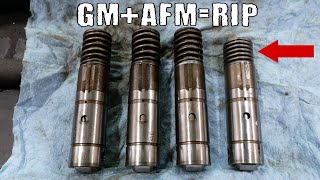
- Failed Deactivating Lifter(s) (Common) — The special hydraulic lifters that enable cylinder deactivation collapse or get stuck due to dirty oil or mechanical wear. This mechanical failure creates conditions the ECM interprets as a circuit fault, especially on GM and Dodge/Chrysler/Ram engines.
- Damaged Wiring or Corroded Connectors (Common) — Engine heat, vibration chafing, or rodent damage breaks the wires leading to the deactivation solenoid. A broken wire or corroded electrical plug severs the connection to the ECM.
- Restricted Oil Passages (Less Common) — Using incorrect oil or extending change intervals causes sludge buildup. This sludge blocks the small oil passages in the Valve Lifter Oil Manifold (VLOM) or spool valve, starving the solenoid and lifters of oil pressure.
- Faulty Oil Pressure Sensor/Switch (Less Common) — On Hondas with VCM, a dedicated oil pressure switch fails. The ECM interprets the incorrect sensor reading as a circuit problem, triggering the code even if the solenoid and wiring are intact. 🎬 Watch: How to fix a Honda VTEC spool valve issue.
- Software Glitch / Outdated PCM Calibration (Less Common) — The logic within the Powertrain Control Module (PCM) is sometimes too sensitive. Manufacturers release software updates (TSBs) to improve the diagnostic strategy and prevent false codes.
- Failed Powertrain Control Module (PCM/ECM) (Rare) — The internal driver circuit that sends the signal to the solenoid fails, which the computer's self-check interprets as an open circuit. Consider this only after ruling out all other possibilities.
Symptoms

- Reduced Engine Power and Misfires — The vehicle feels sluggish during acceleration. The ECM disables the fuel injector to the affected cylinder to protect the engine, causing a distinct and intentional misfire (code P0301).
- Reduced Fuel Economy — With the deactivation system offline, the engine runs on all cylinders constantly, causing a 10% to 20% drop in gas mileage.
- Engine Ticking Noise — A distinct ticking or tapping sound that increases with engine RPM indicates a failing lifter. This is a common symptom in HEMI engines known as the 'Hemi Tick'.
- Rough Idle or Engine Vibration — The engine runs unevenly, causing a noticeable shake or vibration when stopped or at low RPMs.
- Engine Operates in V8/V6 Mode Only — The vehicle's fuel-saving mode indicator (e.g., 'V4' or 'ECO' light) never illuminates. The engine locks into full-cylinder operation as a fail-safe.
- Check Engine Light On (also visible on scanner) — The ECM illuminates the Malfunction Indicator Lamp (MIL). The light flashes if a severe misfire is detected.
Diagnostic Flowchart
Tap your situation to follow the diagnostic path that matches what you're seeing on this code.
Common Fixes & Costs
- Topping Off or Changing Engine Oil and Filter — Parts: $30-$80, Labor: $0-$40, ~0.5 hr book time (DIY)
- Replacing the Cylinder Deactivation Solenoid
— Parts: $50-$300, Labor: $200-$800, ~4 hr book time
(Intermediate)
: OEM (Alt: {'dorman': '916-999', 'standard_motor_products': 'VVS269'})
: OEM (Alt: {'dorman': '916-558', 'standard_motor_products': 'VVT458'})
: OEM (Alt: {'dorman': '918-057', 'standard_motor_products': 'VVT257'}) - Repairing Damaged Wiring or Connector — Parts: $10-$30, Labor: $100-$250, ~1.5 hr book time (Intermediate)
- Replacing AFM/MDS Lifters and Camshaft
— Parts: $600-$1500, Labor: $1500-$4000, ~20 hr book time
(Professional)
: OEM (Alt: {'sealed_power': 'HT2303', 'enginetech': 'L2303'})
: OEM (Alt: {'sealed_power': 'HT2279', 'enginetech': 'L2279'}) - Updating Powertrain Control Module (PCM) Software — Parts: $0, Labor: $100-$200, ~1 hr book time (Professional)
- Replacing the Powertrain Control Module (PCM/ECM) — Parts: $500-$900, Labor: $150-$300, ~2 hr book time (Professional)
Used vs. New Parts: Buying Guide
When a used part is worth it: For the most common fix, a deactivation solenoid, buying used is not recommended. These are electronic parts in a high-heat environment, and the labor to replace them is significant. A used part carries a high risk of premature failure, forcing you to pay for the same labor twice.
Donor-vehicle mileage cap: roughly under 50000 miles for the part to have meaningful remaining life.
Donor quality checklist:
- Verify the exact OEM part number, as superseded numbers are incompatible.
- Visually inspect the plastic connector for cracks, brittleness, or signs of heat damage.
- Test the resistance of the used solenoid with a multimeter before installation to ensure it reads between 8 and 25 Ohms.
Decision logic:
- If The solenoid is located under the intake manifold (high labor cost) → Always buy a new OEM or high-quality aftermarket part with a warranty. The savings from a used part do not justify the risk of repeat labor costs.
- If The solenoid is easily accessible (e.g., Honda front spool valve) → A low-mileage used part works for a tight budget, but a new part is strongly preferred.
- If Aftermarket offers a redesigned part (e.g., metal housing instead of plastic) → Favor the new, improved aftermarket part over both used and OEM originals.
Warranty tradeoff: Used parts from a salvage yard typically have a 30-90 day warranty on the part only, not labor. New aftermarket parts carry a 1-year to limited lifetime warranty. New OEM parts usually have a 1-year warranty.
Worst-case if a used part fails: $500-900 if a used solenoid fails after installation, primarily due to the cost of repeating the labor to remove the intake manifold.
What Happens If You Wait — Timeline
- 0-1 month: Check Engine Light is on. Cylinder deactivation is disabled, locking the engine in V8/V6 mode. The 'ECO' light will not turn on. (MPG impact: 10-20% decrease% · Added cost: $20-$60 in wasted fuel)
- 1-3 months: In addition to poor fuel economy, the ECM disables the fuel injector to cylinder 1, causing a noticeable misfire (P0301), rough idle, and engine vibration. (MPG impact: 15-25% decrease% · Added cost: $50-$150 in wasted fuel)
- 3-6 months: Driving continuously with the misfire sends unburned fuel into the exhaust, which superheats the catalytic converter. The internal substrate begins to melt, creating a partial restriction and further reducing engine power. (MPG impact: 20-30% decrease% · Added cost: $1,200-$2,800 (catalytic converter replacement now likely needed))
- 6+ months: If the root cause was a failing lifter, it collapses completely, causing the camshaft lobe to be destroyed. This results in a loud engine knock and catastrophic engine damage requiring a major rebuild or replacement. (MPG impact: N/A (vehicle may be undrivable)% · Added cost: $3,500-$7,000+ (camshaft/lifter replacement or engine rebuild))
Cost of Not Fixing It
- Immediate (0-1 month): Guaranteed 10-20% drop in fuel economy as the cylinder deactivation system is disabled. The check engine light remains on, causing an automatic emissions test failure. (Added cost: $20-$60 per month in extra fuel costs, depending on mileage.)
- Short-Term (1-6 months): If the fault causes an associated engine misfire, unburned fuel enters the exhaust and overheats the catalytic converter. This leads to permanent damage and failure of the converter. (Added cost: $1,200-$2,800 for catalytic converter replacement.)
- Long-Term (6+ months): Continued operation with a misfire damages oxygen sensors, fouls spark plugs, and places severe stress on engine components. A collapsed lifter eventually destroys the camshaft, leading to a catastrophic engine repair. (Added cost: $3,500-$7,000+ for camshaft and lifter replacement or engine rebuild.)
Diagnosis Steps
- Check Engine Oil Level and Condition
Verify your engine oil is at the proper level on the dipstick. Low oil level or pressure is a primary reason for system malfunction. Change old, dirty, or incorrect viscosity oil before further diagnosis.
Tools: Rag or paper towel (Beginner) - Scan for Codes and Review Freeze Frame Data
Use an OBD-II scanner to confirm P3401 is active. Check for related codes like misfires (P0301). Review the freeze frame data to see engine conditions (RPM, speed, temp) when the code set. Do not clear codes yet.
Tools: OBD-II Scanner (Beginner) - Test the Solenoid Coil Resistance
Unplug the solenoid and set a digital multimeter to Ohms (Ω). Measure the resistance between the two pins on the solenoid. A healthy solenoid reads between 8 and 25 Ohms. A reading of 'OL' (Over Limit) indicates an open coil, meaning the solenoid requires replacement.
Tools: Digital Multimeter (Intermediate) - Visually Inspect the Wiring Harness and Connectors
Locate the cylinder 1 deactivation solenoid. Inspect the wires and connector for breaks, burns, chafing, rodent damage, or corrosion on the pins. Ensure the connector plugs in securely.
Tools: Flashlight, Inspection Mirror (Intermediate) - Check for Voltage at the Solenoid Connector
With the solenoid unplugged and the ignition key 'ON' (engine off), use a multimeter set to DC Volts to check for power at the connector. One pin must have battery voltage (~12V). The other is the control wire grounded by the ECM.
Tools: Digital Multimeter (Advanced) - Perform a Mechanical Oil Pressure Test
Verify engine oil pressure with a mechanical gauge. GM AFM systems require a minimum of 20-25 PSI at hot idle. Dodge HEMI MDS systems require 30-60 PSI. Low pressure prevents the hydraulic system from working and triggers circuit codes.
Tools: Mechanical Oil Pressure Gauge (Advanced) - Analyze Live Data for Deactivation Parameters
Using an advanced scan tool, monitor live data PIDs like 'AFM Status' or 'MDS Command'. Monitor Engine RPM, Vehicle Speed, and Coolant Temperature to confirm the ECM attempts to activate the system under correct conditions.
Tools: Advanced Bi-directional Scan Tool (Advanced) - Check for Relevant Technical Service Bulletins (TSBs)
Check for TSBs related to P3401 for your specific vehicle. Manufacturers frequently release software updates to fix overly sensitive diagnostic parameters.
Tools: Online Access (Intermediate)
When This Code Triggers (Freeze-Frame Conditions)
- Engine Coolant Temp: 180-220°F (82-104°C) (The engine must be at full operating temperature for the deactivation system to engage.)
- Engine RPM: 1200-3000 RPM (The code sets during steady-state cruising, not during high acceleration or deceleration.)
- Engine Load: 20-50% (Cylinder deactivation engages under light to moderate load conditions where full engine power is not required.)
- Vehicle Speed: 30-70 mph (48-112 kph) (The fault logs during steady highway or arterial road driving.)
Related Codes
- P0301 — This code means 'Cylinder 1 Misfire Detected'. It appears with P3401 because manufacturers intentionally shut off the fuel injector for cylinder 1 as a protective measure when the deactivation circuit fails. P3401 is almost always the root cause of P0301 in these scenarios.
- P3400 — This is a general code for 'Cylinder Deactivation System Bank 1'. It sets along with P3401 to indicate a broader problem with the deactivation system on the same engine bank. If you have both, start diagnosis with the more specific P3401 code.
- P3425, P3441, P3449 — These are the identical 'circuit open' fault codes for cylinders 4, 6, and 7. If you see multiple deactivation codes at once, the problem is a shared component, such as a common power or ground wire, a main fuse, or a major oil pressure problem.
- P3497 — This code means 'Cylinder Deactivation System Bank 2'. If you have P3401 (Bank 1) and P3497 (Bank 2) at the same time, it strongly suggests a systemic problem affecting the entire engine, such as engine oil level/pressure, a main fuse, or the PCM itself.
Climate & Environmental Factors
- Cold Weather: Cold temperatures exacerbate issues with P3401. Thicker, cold oil flows more slowly, delaying pressure buildup in the deactivation system. Long idling periods in the cold contribute to lifter problems in some engines.
- Moisture/Water Intrusion: On Dodge/Ram trucks, water leaks past the cowl or intake manifold seals and puddles in the engine valley where the MDS solenoids are located. This leads to corrosion of the solenoid connectors and wiring, causing an open circuit.
How to Talk to a Mechanic About This Code
Say this: "I have a P3401 code for the cylinder 1 deactivation circuit. I've already checked the oil level. I'd like a diagnostic that starts with testing the solenoid's resistance and checking the wiring harness for voltage and continuity before recommending any part replacement."
This signals you understand P3401 is an electrical circuit code and directs the mechanic to perform a logical, cost-effective diagnosis instead of immediately quoting an expensive part. It prevents them from just replacing the most common part (solenoid) without confirming the electrical fault.
Avoid saying:
- 'My truck is running rough, can you fix it?'
- 'My check engine light is on, I think it's the lifters.'
- 'Just replace the cylinder 1 deactivation solenoid.'
Questions to ask before authorizing the repair:
- What was the Ohm reading on the solenoid? Did it show an open circuit?
- Did you find 12-volt reference at the solenoid connector and check the control wire for continuity back to the ECM?
- If the electrical circuit tests good, what is the engine's oil pressure at hot idle?
- If you are recommending lifter replacement, how did you confirm the lifter has failed mechanically?
Where to Take It: Dealer vs Independent vs Chain
- Dealer:
Best for: Vehicles still under powertrain warranty., Cases where a manufacturer-specific software update (TSB) is a known fix., Complex electrical issues or suspected PCM failure.
Downsides: Highest labor rates, typically 1.5-2x an independent shop., Defaults to replacing an entire assembly (like the VLOM in GM trucks) rather than a single failed part. (Typical cost: +50% vs. baseline) - Independent Shop:
Best fit for most scenarios. An experienced independent mechanic, especially one specializing in your vehicle's brand, offers the best balance of expertise and cost for diagnosing and repairing P3401.
Best for: Out-of-warranty vehicles where cost is a major factor., Common P3401 repairs like a failed solenoid, wiring damage, or even lifter replacement., Shops specializing in domestic trucks (GM/Dodge) will have extensive experience with this specific code.
Downsides: Quality and diagnostic capability vary widely. Vet shops by reviews and ASE certifications., Lacks access to the very latest manufacturer TSBs or proprietary diagnostic tools. (Typical cost: +0% vs. baseline) - Chain Shop:
AVOID for diagnosis and repair. While suitable for a simple oil change, P3401 requires in-depth electrical or mechanical work that is beyond the scope of most chain shops.
Best for: Confirming the oil level and performing an oil change if needed.
Downsides: Technician skill varies dramatically; they lack the experience for complex electrical or mechanical diagnosis required for P3401., High pressure to sell parts leads to misdiagnosis (e.g., recommending a new PCM when it's just a broken wire). (Typical cost: -10% vs. baseline)
When to Walk Away From the Repair
If the estimated repair cost exceeds 40-50% of the car's private-party value, it's time to seriously consider selling or trading it in instead of repairing.
- Car worth $12000, fix is $900: Fix it. A solenoid replacement is well below the threshold and restores full function and value.
- Car worth $8000, fix is $3500: Borderline. A $3,500 lifter and camshaft job is ~44% of the vehicle's value. Get a second opinion and assess the vehicle's overall condition before proceeding.
- Car worth $4000, fix is $3500: Walk away. The repair cost is nearly 90% of the car's value. It is not economical to repair.
What Scan Tool You Need for This Code
Minimum: A scanner that can read engine codes, view live data (especially oil pressure), and show freeze-frame data.
A basic $20 code reader only gives you the P3401 code, which you already know from the check engine light. It cannot show you live data or perform the active tests needed to determine if the solenoid, wiring, or a mechanical issue is the cause. This leads to guessing and replacing the wrong parts.
Budget: BlueDriver Pro (~$100) — Connects to your smartphone and reads the code, views freeze-frame data, and graphs live data like oil pressure and engine RPM. This is the minimum for effective DIY diagnosis.
Mid-range: Innova 5610 / XTOOL D7 (~$300-350) — These are handheld or tablet scanners with bi-directional control. This is a crucial feature for P3401, as it allows you to command the deactivation solenoid on and off directly from the tool to confirm if the solenoid and wiring circuit are functional, saving significant diagnostic time.
Professional: Autel MaxiCOM MK808S / Launch X431 series (~$450-800) — Offers full bi-directional control for all vehicle systems, advanced manufacturer-specific data, and ECU coding functions. These tools provide dealer-level diagnostics for confirming the fault is not within the PCM itself.
Rent vs buy: Many auto parts stores read your codes for free, but their basic readers can't perform the needed diagnostics for P3401. If you plan to diagnose and repair the issue yourself, buying a mid-range scanner with bi-directional control is a worthwhile investment that costs less than a single diagnostic fee at a shop.
How to Clear the Code After You Fix It
- Use an OBD-II scan tool to clear the P3401 and any related fault codes.
- Reconnect the battery if it was disconnected for the repair.
- Perform a complete OBD-II drive cycle to allow the system's readiness monitors to run.
Drive cycle (~30 minutes): A generic drive cycle includes: 1) A cold start after the vehicle has sat for 8+ hours. 2) Idle for 2-3 minutes. 3) Drive for 15-20 minutes with mixed stop-and-go city driving. 4) Drive for 5-10 minutes at a steady highway speed (e.g., 55 mph). 5) Allow the vehicle to cool down.
Readiness monitors affected: Catalyst Monitor, Evaporative System Monitor, Oxygen (O2) Sensor Monitor
Before emissions retest: drive at least 100 miles to fully set monitors.
Watch out for:
- Clearing the code with a scanner without performing a drive cycle leaves readiness monitors 'Not Ready', causing an emissions test failure.
- The code returns immediately if the underlying electrical or mechanical fault remains unaddressed.
- Driving for 200 miles only on the highway fails to complete all necessary monitors; a mix of city and highway driving is required.
Will This Fail Emissions / State Inspection?
Yes — this code typically fails an OBD-II emissions inspection.
- California: An active P3401 code is an automatic smog check failure. After repair, a full OBD-II drive cycle must be completed to set all readiness monitors to 'Ready' before a re-test is possible.
- New York: Any illuminated Check Engine Light results in an automatic failure of the emissions portion of the NYS inspection. The vehicle cannot be inspected until the fault is repaired and the light is off.
- Texas: In counties requiring emissions testing, an active P3401 code causes the vehicle to fail the OBD-II test. Clearing the code just before the test results in a failure due to 'Not Ready' monitors.
Most Commonly Affected Vehicles
- Chevrolet / GMC Silverado, Sierra, Tahoe, Suburban, Avalanche (2007-2018) — Vehicles with the 5.3L or 6.2L V8 engine using Active Fuel Management (AFM). The solenoids are located in the Valve Lifter Oil Manifold (VLOM) under the intake manifold. For 2007-2013 models, lifter failure is particularly common.
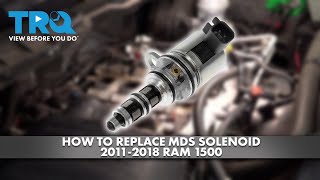
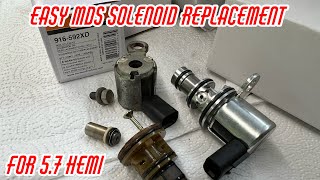
- Dodge / Ram / Chrysler Ram 1500, Durango, 300, Charger, Magnum (2006-2021) — Models with the 5.7L HEMI V8 featuring the Multi-Displacement System (MDS). The four MDS solenoids are under the intake manifold and are a very common failure point. Rodent damage to the exposed wiring harness near the firewall is also frequent.
- Jeep Grand Cherokee, Commander (2006-2021) — Equipped with the 5.7L HEMI V8 with MDS, these are susceptible to solenoid and lifter failure. The diagnostic and repair process is identical to the Dodge/Ram counterparts.
- Honda Odyssey, Pilot, Accord (2008-2017) — V6 models with Variable Cylinder Management (VCM). These systems have issues with oil pressure switches or the entire VCM spool valve assembly. The front spool valve (Bank 2) is easy to access, but the rear (Bank 1, where cylinder 1 is) is difficult.
- Cadillac Escalade, DTS (2007-2014) — Models with the 6.2L V8 use AFM and share the same potential failure points as their Chevrolet/GMC counterparts, including the VLOM and lifters. The Northstar V8 in models like the DTS also had a form of cylinder deactivation.
- Chrysler Aspen (2007-2009) — The Chrysler Aspen equipped with the 5.7L HEMI V8 uses the same MDS system as Dodge and Jeep models and is prone to the same solenoid and lifter failures.
- Ford F-150, Mustang (2018-2023) — Newer 5.0L Coyote V8 engines feature Variable Displacement Engine (VDE) technology. Issues in the control system, including the oil control solenoids, trigger deactivation-related codes.
- Audi / Volkswagen A-series, S-series, Atlas, Tiguan (2012-Present) — Engines with Cylinder on Demand (COD) or Active Cylinder Technology (ACT) experience similar codes. The faults are often related to the camshaft adjustment actuators or their control solenoids.
Manufacturer-Specific Notes
- General Motors (Chevrolet/GMC): When a P3401 code sets, the ECM commands the engine to stay in V8 mode and disables the fuel injector for cylinder 1. This intentionally creates a misfire (P0301) to prevent unburnt fuel from damaging the catalytic converter. TSB PIP5208D addresses diagnosis when collapsed lifters or bent pushrods cause these codes.
- Chrysler/Dodge/Ram: On 5.7L HEMI engines, the four MDS solenoids are located underneath the intake manifold. Replacing one requires removing the entire intake. Aftermarket solenoids with more durable metal housings prevent repeat failures from cracked plastic. TSB 18-067-24 addresses PCM software updates to improve MDS operation.
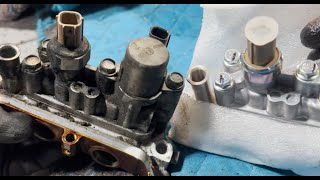
- Honda: Honda's VCM system uses oil pressure switches mounted on the spool valve assemblies. A common point of failure is the spool valve gasket, which leaks oil, leading to pressure loss and VCM-related codes. The entire spool valve assembly, which includes solenoids and switches, is often replaced as a unit.
- Audi/Volkswagen: Audi/VW's 'Cylinder on Demand' (COD) system uses electromechanical actuators on the camshafts to disengage cam lobes, a different mechanism from the hydraulic lifter systems in US brands. Diagnosis focuses on the 'Camshaft Adjustment Actuator' for that cylinder and its dedicated control module and wiring.
Real Owner Stories
2011 Ram 1500 5.7L HEMI at 115K miles
Check engine light came on with codes P3401, P3425, P3441, P3449 all at once. Truck seemed to run fine, but MDS 'ECO' light never came on.
What they tried:
- Checked oil level, which was full.
- Inspected wiring harness leading to the intake manifold, found no visible damage.
Outcome: A shop diagnosed a failed MDS solenoid pack. All four solenoids under the intake manifold were replaced. Total repair cost was ~$900. All codes cleared and MDS function was restored.
Lesson: Multiple deactivation codes appearing simultaneously strongly suggests a systemic issue, but is still caused by the failure of the entire solenoid assembly or its common power/ground connection.
2014 Chevy Silverado 5.3L at 85K miles
P3401 and P0301 (Cylinder 1 Misfire) appeared. Engine had a noticeable tick and a rough idle.
What they tried:
- Replaced the cylinder 1 deactivation solenoid, but the codes and symptoms returned immediately.
Outcome: Further diagnosis by a different mechanic revealed a collapsed AFM lifter on cylinder 1. The repair required removing the cylinder head and replacing all AFM lifters on that bank, plus the camshaft which had been damaged by the failed lifter. The final repair cost exceeded $3,500.
Lesson: Don't assume a circuit code is just an electrical part. A ticking noise accompanying P3401 is a major red flag for mechanical lifter failure. Replacing only the solenoid without diagnosing the lifter is a costly misstep.
2012 Honda Odyssey at 130K miles
Intermittent P3401 code, especially during long highway trips. No noticeable symptoms other than the check engine light.
What they tried:
- An oil change was performed, but the code returned.
Outcome: The owner found oil leaking from the rear VCM spool valve assembly (Bank 1). The gasket had failed, causing an oil pressure drop to the deactivation system. The entire spool valve assembly, including the integrated solenoid and pressure switch, was replaced as a unit for about $250 in parts. The code did not return.
Lesson: On Honda V6 engines, external oil leaks from the VCM spool valve gaskets are a common cause of deactivation codes. Visually inspect the area around the cylinder heads for oil residue before replacing expensive electronic parts.
2015 Ram 1500, mileage unspecified
P3401 code appeared after the truck was parked for an extended period. Owner noticed nesting material in the engine bay.
What they tried:
- Visual inspection of the engine bay.
Outcome: The owner discovered that rodents had chewed through the wiring harness for the MDS solenoids where it runs near the firewall. The repair involved splicing the damaged wires using a wiring repair kit. The cost was minimal ($20 for supplies) and fixed the issue.
Lesson: If the code appears suddenly, especially after the vehicle has been sitting, always perform a thorough visual inspection for rodent damage before beginning complex electrical diagnosis.
How to Prevent This Code From Triggering
- Shorten oil change intervals to 3,000-5,000 miles (Every 3-5k miles) — Do not rely on the vehicle's oil life monitor. The hydraulic lifters and solenoids in deactivation systems are extremely sensitive to oil contamination and sludge. Fresh oil maintains the correct pressure and cleanliness needed to prevent sticking and failure.
- Use high-quality full synthetic oil meeting manufacturer specs (Every oil change) — Full synthetic oil provides better resistance to breakdown under heat and maintains its viscosity, which is critical for the hydraulic pressure needed by the MDS/AFM system. For HEMI engines, ensure the oil is Chrysler MS-6395 certified.
- Install an AFM/MDS Disabler Device (One-time installation) — These plug-in devices connect to the OBD-II port and prevent the ECM from ever commanding cylinder deactivation. This significantly reduces wear and tear on the complex lifters and solenoids by stopping them from cycling thousands of times. It is a preventative measure, not a fix for an existing fault.
- Avoid excessive engine idling (Daily habit) — Long periods of idling lead to lower oil pressure and contribute to carbon buildup in the engine, both of which negatively affect the deactivation system's components over time.
- Perform a full AFM/MDS delete (for high-mileage or performance applications) (Once, during major engine work) — This is the only 100% permanent solution. It involves mechanically removing the failure-prone AFM/MDS lifters and camshaft and replacing them with standard components, then tuning the ECM to remove the system. This is an expensive, professional-level job but eliminates the root cause of failure entirely.
Frequently Asked Questions
What is the most common misdiagnosis for P3401?
A very common misdiagnosis is replacing the cylinder 1 deactivation solenoid when the actual problem is mechanical, such as a failed AFM/MDS lifter. Another frequent mistake is replacing the PCM prematurely. Perform a full circuit load test and verify oil pressure before condemning an expensive component.
Can I disable the cylinder deactivation system to 'fix' this code?
While aftermarket tuners or devices can disable AFM/MDS, this will not fix an existing P3401 circuit code. The electrical fault in the circuit remains present, keeping the Check Engine Light illuminated. A proper repair of the circuit is required to clear the code.
Will a tune-up or oil additive fix P3401?
No, a standard tune-up will not fix this code because P3401 indicates an electrical circuit fault, not a maintenance issue. While clean oil is critical for the system's operation, an oil additive cannot repair a broken wire or a failed electronic solenoid.
Is P3401 an electrical or mechanical problem?
P3401 is strictly an electrical circuit code triggered when the ECM sees an open electrical path. However, the root cause is sometimes mechanical, such as a collapsed lifter creating conditions the ECM interprets as a circuit fault. Always diagnose the electrical circuit first; if it tests perfectly, investigate mechanical causes.
What exactly is cylinder deactivation?
Cylinder deactivation is a fuel-saving technology that temporarily shuts down specific engine cylinders during light-load conditions, like highway cruising. It uses special hydraulic lifters to prevent the intake and exhaust valves from opening on select cylinders. This effectively turns a V8 engine into a V4 to reduce fuel consumption.
Will fixing code P3401 improve my gas mileage?
Yes, fixing this code restores your vehicle's normal fuel economy. Because P3401 disables the fuel-saving system, your engine runs on all cylinders constantly. Repairing the fault typically yields a 10% to 20% improvement in gas mileage.
Can I just ignore this code if I don't care about gas mileage?
Ignoring this code is strongly discouraged. It causes a constant engine misfire that overheats and destroys your catalytic converter, a repair costing upwards of $1,500. It also places severe stress on internal engine components and guarantees an emissions test failure.
How much does it cost to diagnose the P3401 code?
A professional shop typically charges a diagnostic fee ranging from $100 to $200 to pinpoint the exact cause of the code. This fee covers scanning for codes, reviewing freeze frame data, and performing initial circuit and oil pressure tests.
Is the solenoid for cylinder 1 different from the others?
Physically, the deactivation solenoids for each cylinder are identical and interchangeable. However, they are controlled by separate driver circuits from the ECM. This allows the computer to identify a problem with a specific cylinder's control circuit, triggering a targeted code like P3401.
Can a bad ground cause P3401?
Yes, a weak or corroded ground connection to the ECM or engine block causes intermittent voltage drops. The ECM interprets this intermittent loss of signal as an open circuit, triggering the code. Checking ground connections is a vital step in electrical diagnosis.
Key Takeaways
- Code P3401 triggers when the Engine Control Module detects a 100% electrical break in the cylinder 1 deactivation circuit, disabling your vehicle's fuel-saving mode.
- Check your engine oil dipstick immediately, as low oil pressure is the number one cause of hydraulic deactivation system failures.
- Test the deactivation solenoid with a multimeter; a healthy coil reads between 8 and 25 Ohms, while an 'OL' reading confirms internal failure requiring replacement.
- Driving more than 50 miles with an active P3401-induced misfire dumps unburned fuel into the exhaust, risking a $1,200 to $2,800 catalytic converter replacement.
Helpful Videos



The information in this article is provided for general reference and educational purposes only. Vehicle specifications, procedures, and part compatibility can vary by production date, trim level, and region. Always consult your vehicle's factory service manual and verify part numbers before purchasing or performing repairs. Safety-critical components such as airbags, seat belts, and braking systems should be installed by a qualified professional.
- 🎬 Helpful Videos
- What Does P3401 Mean?
- Can I Drive With P3401?
- Common Causes
- Symptoms
- Diagnostic Flowchart
- Common Fixes & Costs
- Used vs. New Parts: Buying Guide
- What Happens If You Wait — Timeline
- Cost of Not Fixing It
- Diagnosis Steps
- When This Code Triggers (Freeze-Frame Conditions)
- Related Codes
- Climate & Environmental Factors
- How to Talk to a Mechanic About This Code
- Where to Take It: Dealer vs Independent vs Chain
- When to Walk Away From the Repair
- What Scan Tool You Need for This Code
- How to Clear the Code After You Fix It
- Will This Fail Emissions / State Inspection?
- Most Commonly Affected Vehicles
- Manufacturer-Specific Notes
- Real Owner Stories
- 2011 Ram 1500 5.7L HEMI at 115K miles
- 2014 Chevy Silverado 5.3L at 85K miles
- 2012 Honda Odyssey at 130K miles
- 2015 Ram 1500, mileage unspecified
- How to Prevent This Code From Triggering
- Frequently Asked Questions
- What is the most common misdiagnosis for P3401?
- Can I disable the cylinder deactivation system to 'fix' this code?
- Will a tune-up or oil additive fix P3401?
- Is P3401 an electrical or mechanical problem?
- What exactly is cylinder deactivation?
- Will fixing code P3401 improve my gas mileage?
- Can I just ignore this code if I don't care about gas mileage?
- How much does it cost to diagnose the P3401 code?
- Is the solenoid for cylinder 1 different from the others?
- Can a bad ground cause P3401?
- Key Takeaways
- 🎟️ Get 5% Off