

P3400 on 2013-2017 Honda Odyssey: Causes and Fixes for the VCM System Fault
Code P3400 on a 2013-2017 Honda Odyssey almost always points to a problem with the Variable Cylinder Management (VCM) system, specifically on Bank 1 (the rear cylinder bank). The most common causes are low engine oil or a faulty Bank 1 rocker arm oil pressure switch. Replacing the switch is an inexpensive and straightforward DIY job that often resolves the issue.
- Always check your engine oil level and condition first. A low oil level is the most common and easiest-to-fix cause for P3400.
- The most likely failed part is the Bank 1 (rear) rocker arm oil pressure switch. It's an affordable part and relatively easy to replace.
- A great way to confirm a bad switch is to swap it with the identical switch on Bank 2 (front). If the code changes to P3497, you've found the culprit.
- This code is directly related to Honda's VCM (fuel-saving) system. Using the correct, high-quality oil and changing it on schedule is critical to preventing this issue.
- If misfire codes are also present, fix the P3400 code first, as the VCM fault is likely causing the misfires.
What's Unique About the 2013-2017 Honda ODYSSEY

The Honda J35 V6 engine used in this generation of Odyssey relies heavily on its VCM system for fuel efficiency. This system uses oil pressure to engage and disengage the rocker arms, effectively deactivating cylinders. Consequently, the system is highly sensitive to oil level, oil quality, and the condition of the oil pressure switches. These switches are a known failure point, and issues with oil consumption and sludge related to the VCM system can directly lead to codes like P3400 and P3497 (for the other bank).
Diagnostic Flowchart

Tap your situation to follow the diagnostic path that matches what you're seeing on this vehicle.
Symptoms You May Notice
- Check Engine Light (Malfunction Indicator Lamp) is on
- "Check Emission System" message on the dashboard.
- Engine hesitation, particularly between 40-55 mph at low RPM (~1500 RPM).
- Rough engine running or rough idle.
- ECO mode light does not turn on.
- Decreased fuel economy.
- Engine may stall when running in park.
- Engine shuttering under acceleration.
- Replacing spark plugs or ignition coils for related misfire codes (e.g., P0301-P0304) without addressing the root P3400/P3497 fault. The misfires are often a symptom of the VCM malfunction, not the cause.
- Immediately replacing the spool valve assembly when only the oil pressure switch or the gasket/screen is faulty, leading to unnecessary expense.
Most Likely Causes

- Faulty Bank 1 Rocker Arm Oil Pressure Switch 🔴 High Probability These switches are a common failure item on Honda J-series engines and are directly responsible for monitoring the VCM system's oil pressure. They can fail electrically or become clogged with sludge.
How to confirm: After confirming oil level is correct, the easiest diagnostic is to swap the Bank 1 (rear) and Bank 2 (front) oil pressure switches. If the code changes to P3497 (Bank 2), the switch is confirmed bad.
Typical fix: Replace the Bank 1 (rear) rocker arm oil pressure switch. This requires a 24mm deep socket. 🎬 See this walkthrough on replacing the rocker arm oil pressure switch. The torque spec is approximately 13-16 ft-lbs.
Est. part cost: $25-$60 - Low or Dirty Engine Oil 🔴 High Probability The VCM system is operated by hydraulic oil pressure. Low levels or oil that is dirty/sludgy prevents the system from building the pressure needed to operate correctly. Some of these engines are also known for oil consumption issues, making low oil a frequent cause.
How to confirm: Check the engine oil dipstick for proper level and inspect the oil's condition. If it is low, black, or sludgy, this is a likely cause.
Typical fix: Top off or perform a complete oil and filter change using the manufacturer-recommended oil viscosity (typically 0W-20 for these model years).
Est. part cost: $40-$80 - Clogged VCM Spool Valve Filter Screen 🟡 Medium Probability Oil sludge or debris can clog the small filter screens in the spool valve assembly, restricting oil flow to the VCM mechanism. This is especially common if oil changes have been neglected.
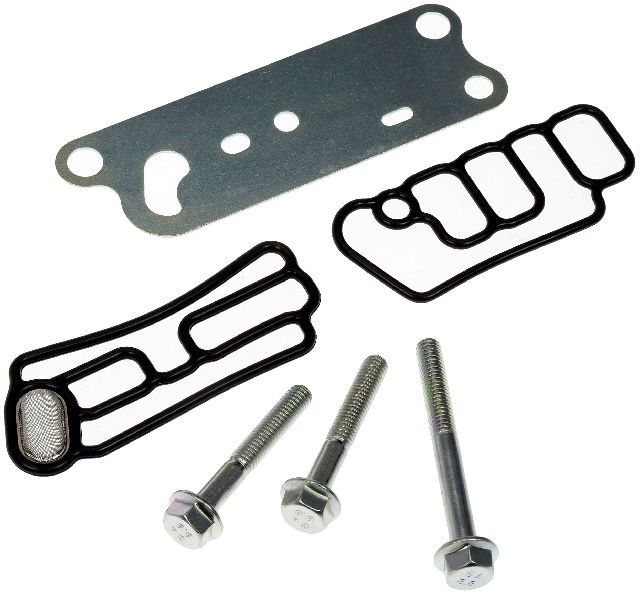
How to confirm: Remove the spool valve assembly (which contains the oil pressure switch) and inspect the integrated filter screen for sludge or blockage. The gasket containing the screen is part number 15826-RDV-J01.
Typical fix: Clean the filter screen thoroughly or replace the entire spool valve assembly if it is heavily contaminated or the solenoid is faulty. 🎬 Watch: How to clean or replace your VTEC spool valve. Honda often only sells the complete assembly, not just the gasket.
Est. part cost: $5-$15 (gasket only) or $150-$250 (full assembly)
Rare But Worth Checking
- Internal Oil Pump Pressure Issue: A specific TSB (#13-055) notes that on some 2013 models, excessively high oil pressure on a cold start could trigger P3400/P3497. The fix is to replace an internal relief valve spring (Part No. 15232-R70-A01) in the oil pump, which is a labor-intensive job requiring removal of the oil pan.
- Wiring Harness or Connector Issue: Damage to the wiring leading to the oil pressure switch, or a corroded/loose connector, can interrupt the signal and trigger the code. Check the harness for signs of oil contamination or physical damage.
Diagnosis Steps
- Check the engine oil level and condition. Top up or change the oil if necessary. This is the simplest and most crucial first step, as low or dirty oil is a primary cause.
- Scan for any other stored trouble codes to see if P3400 is accompanied by misfire codes or a P3497 code.
- Locate the Bank 1 (rear) and Bank 2 (front) rocker arm oil pressure switches. They are on the top of the engine, on the spool valve assemblies.
- Inspect the electrical connector and wiring for the Bank 1 switch for any visible damage, corrosion, or looseness.
- Swap the Bank 1 and Bank 2 oil pressure switches. They are identical parts. Clear the codes and drive the vehicle. 🎬 Watch this step-by-step diagnostic guide for P3400 and P3497 codes.
- If the code returns as P3497, the oil pressure switch is faulty and needs to be replaced.
- If the P3400 code returns after the swap, the issue is likely not the switch itself but rather a blockage in the oil passages of the Bank 1 spool valve, a wiring issue, or an internal engine pressure problem.
- Remove the Bank 1 spool valve assembly to inspect the integrated filter screen for sludge and clean or replace as needed.
Parts You'll Likely Need

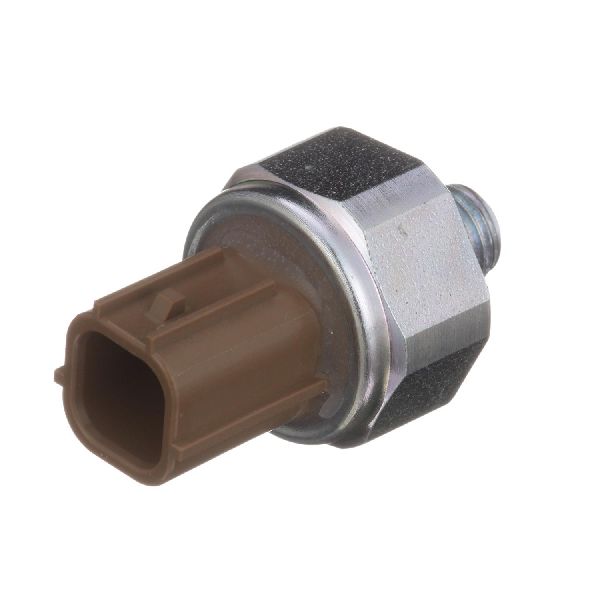
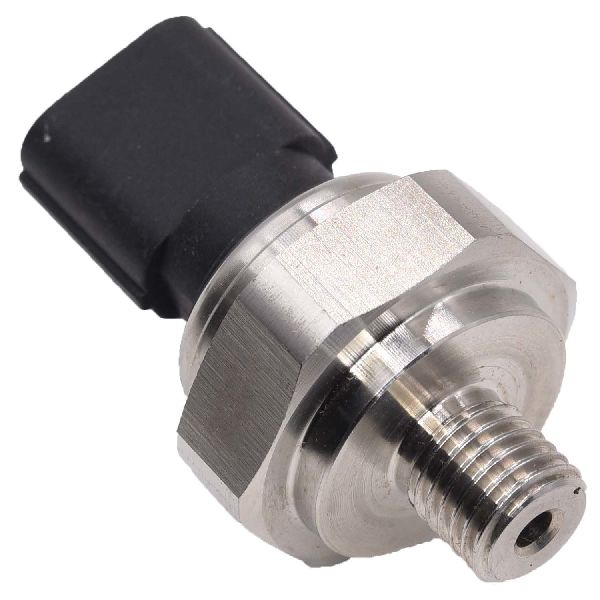
- Rocker Arm Oil Pressure Switch
(OEM #37240-R70-A04)— This sensor is the most common failure point that directly causes the P3400 code. It either fails electrically or gets clogged by oil sludge. This part number supersedes 37240-R70-A03 and 37240-R70-A02.
Trusted brands: Honda (Genuine), NTK, Standard Motor Products (SMP), Dorman
OEM price range: $45-$65
Aftermarket price range: $25-$45 - Rocker Arm Oil Control Valve Gasket (Spool Valve Gasket)
(OEM #15826-RDV-J01)— This gasket, which includes a filter screen, should be replaced if you remove the spool valve assembly for cleaning. It is a common source of oil leaks and can become clogged, restricting oil flow.
Trusted brands: Honda (Genuine), Fel-Pro
OEM price range: $10-$20
Aftermarket price range: $5-$15 - O-Ring (for Oil Pressure Switch)
(OEM #91319-PAA-A01)— This small O-ring seals the pressure switch against the spool valve. It is crucial to replace it to prevent oil leaks. Sometimes it does not come with the new switch and must be purchased separately.
Trusted brands: Honda (Genuine)
OEM price range: $2-$5
Aftermarket price range: $1-$3
Related Codes That Often Appear With This One
- P3497 — This is the identical code but for Bank 2 (front bank). It's common to see both, or for one to fail after the other, as they are identical parts subjected to the same conditions.
- P0301, P0302, P0303, P0304 — These are misfire codes for cylinders 1-4. A TSB (13-055) confirms that VCM system faults can cause misfires on these specific cylinders due to unintended cylinder deactivation.
- P2652 — This code for 'Rocker Arm Oil Pressure Switch B Stuck On' is mentioned in a TSB alongside P3400, indicating a related failure mode of the same switch.
Technical Service Bulletins (TSBs) & Recalls
- ATI&01192022901: Links DTC P3400 (VPS Stuck Off Bank 1) with P2652 and customer complaints of a rough running engine.
- Service Bulletin 13-055: Notes that P3400 and/or P3497 can appear with misfire codes (P0301-P0304) due to high oil pressure on cold starts in some 2013 models, including the Odyssey. The fix involves replacing the oil pump relief valve spring.
Platform-Specific Known Issues
- The 3.5L V6 engine's VCM system has been the subject of owner complaints and even a class-action lawsuit (though for earlier models) related to oil consumption, fouled spark plugs, and engine vibrations. These P3400/P3497 codes are often an early symptom of these underlying VCM issues.
- NHTSA TSB #13-055 specifically addresses an issue on some 2013 Odysseys where high oil pressure at startup can cause this code, requiring a fix deep within the engine's oil pump.
- Owner complaints frequently mention oil sludge buildup being found when diagnosing this code, pointing to the importance of regular, high-quality oil changes. Many forum users recommend checking oil level first before attempting any repairs.
- Some owners on forums like Odyclub and Reddit report that simply clearing the code can sometimes resolve the issue, especially if it was a one-time event, and it may not return for months, if at all.
Mechanic-Grade Diagnostic Values
- VCM Solenoid Coil Resistance — expected: 8 to 12 Ohms. Failure: A reading outside this range indicates a faulty solenoid coil.
- Rocker Arm Oil Pressure Switch Torque Specification — expected: 13-16 ft-lbs (18-22 Nm). Failure: Over-tightening can damage the switch or threads; under-tightening can cause oil leaks.
- Rocker Arm Oil Pressure Switch Test (Off-Vehicle) — expected: Should show continuity (closed circuit) with no pressure applied, and an open circuit when sufficient air pressure is applied to the port.. Failure: If the switch remains open or closed regardless of pressure, it is faulty.
Scan Tool Commands That Help
- Honda HDS (Honda Diagnostic System): System Selection Menu > IMMOBI > Replace ECM/PCM — While not a direct test for P3400, this function is critical if the PCM is suspected to be the root cause and requires replacement, as it synchronizes the new module with the vehicle's immobilizer system.
- Foxwell NT510/NT530, Autel MX808S, XTool D7: Varies by tool, but includes reading manufacturer-specific codes, viewing live data for VCM operation, and potentially bidirectional tests to command the VCM solenoids. — These professional-grade DIY tools can offer deeper diagnostics than a basic OBD-II reader, helping to determine if the fault is with the sensor, solenoid, or wiring without swapping parts.
Wiring & Ground Locations
- Main Engine Ground (Transmission to Chassis) — A ground strap typically runs from a bolt on the transmission case to a point on the vehicle's chassis/frame rail.. A poor main engine ground can cause a variety of floating or incorrect sensor readings across the engine, including the oil pressure switches. Ensuring this connection is clean and tight is a fundamental step in diagnosing any electronic fault.
- Sensor Ground (G101) — On many Honda V6 engines, a primary sensor ground point (often labeled G101 in diagrams) is located on or near the intake manifold.. The oil pressure switches, along with other sensors, rely on this common ground point. Corrosion or a loose connection here can directly cause erroneous signals and trigger codes like P3400.
Real Owner Repair Stories
- Reddit user in /r/HondaOdyssey (2013 Honda Odyssey) — Car stalled while running in park, battery and oil light came on. After restart, Check Engine Light was on with code P3400.
❌ Tried (didn't work) Initially, the owner was unsure of the cause and feared major damage.
✅ What actually fixed it The immediate cause was one quart of low engine oil. Topping off the oil and clearing the code resolved the symptom. The underlying cause was identified as oil consumption due to the VCM system, a known issue with these engines. - Reddit user in /r/HondaOdyssey (2017 Honda Odyssey with 50k miles) — Check Engine Light with code P3400.
❌ Tried (didn't work) A dealership quoted $1200 to replace the oil control valve and perform a valve adjustment.
✅ What actually fixed it The user swapped the front (Bank 2) and rear (Bank 1) oil pressure switches. The code changed from P3400 to P3497, confirming the switch was the faulty component. Replacing the bad switch provided a permanent fix for a fraction of the dealer's quoted cost.
OEM Part Supersession History
37240-R70-A01, 37240-R70-A02, 37240-R70-A03→37240-R70-A04— Standard part revision and improvement by the manufacturer over time.
Heads up: The newest part number, 37240-R70-A04, is the correct and backward-compatible replacement for all previous versions for this application. It is used for both Bank 1 and Bank 2.
Model Year Variations Within This Range
- 2013-2017: The J35Z8 engine used in the 2013-2017 Odyssey features a second-generation VCM that can operate in 3, 4, or 6-cylinder modes. This is a slight variation from the VCM system in some other Honda products (like the Accord J35Y1) which only used 3 or 6-cylinder modes. This multi-mode operation adds complexity but the P3400 fault remains tied to the same oil pressure switch components.
Helpful Videos

We Have This Part in Stock


The information in this article is provided for general reference and educational purposes only. Vehicle specifications, procedures, and part compatibility can vary by production date, trim level, and region. Always consult your vehicle's factory service manual and verify part numbers before purchasing or performing repairs. Safety-critical components such as airbags, seat belts, and braking systems should be installed by a qualified professional.
- Honda ODYSSEY:
- 🎬 Helpful Videos
- 🛍️ Shop This Part
- What's Unique About the 2013-2017 Honda ODYSSEY
- Diagnostic Flowchart
- Symptoms You May Notice
- Most Likely Causes
- Rare But Worth Checking
- Diagnosis Steps
- Parts You'll Likely Need
- Related Codes That Often Appear With This One
- Technical Service Bulletins (TSBs) & Recalls
- Platform-Specific Known Issues
- Mechanic-Grade Diagnostic Values
- Scan Tool Commands That Help
- Wiring & Ground Locations
- Real Owner Repair Stories
- OEM Part Supersession History
- Model Year Variations Within This Range
- 🎟️ Get 5% Off