

P3400 on 2017 Acura MDX: Valve Pause System (VPS) Causes and Fixes
On a 2017 Acura MDX, code P3400 almost always points to a faulty rocker arm oil pressure switch for Bank 1 (rear bank, near firewall). First, check your oil level and condition; if the oil is fine, replacing the switch (Part No. 37260-R70-A04 or 37260-RNA-A01) with a 24mm deep socket is the most common and effective fix.
- P3400 on your 2017 MDX means the cylinder deactivation system for the rear bank of cylinders (Bank 1) isn't working correctly.
- Before buying parts, always check your engine oil level and condition. An oil change or top-off can sometimes fix the issue.
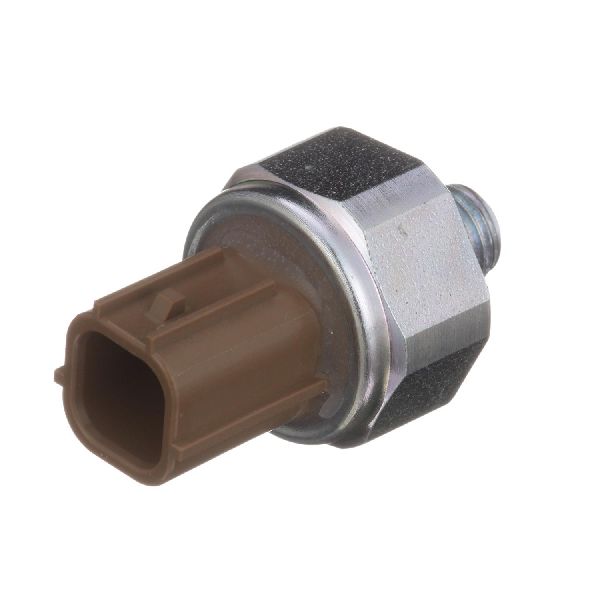
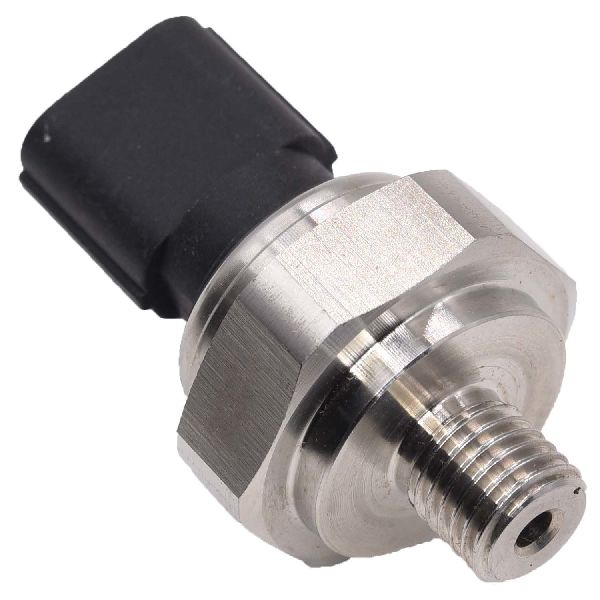
- The most likely part to have failed is the Bank 1 (rear) rocker arm oil pressure switch, part number 37260-R70-A04 or 37260-RNA-A01.
- This code is often paired with P2652, which reinforces the diagnosis of a faulty oil pressure switch.
- The repair is considered relatively easy for a DIYer with basic tools, including a 24mm deep-well socket, and should be torqued to 13 ft-lbs.
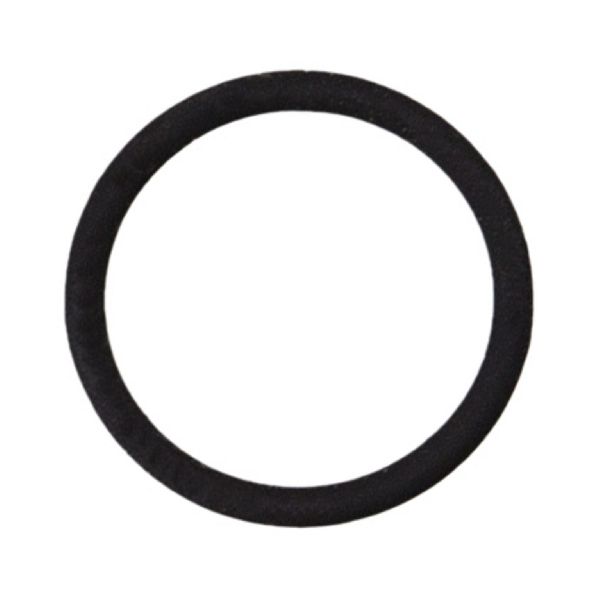
- Remember to purchase the small O-ring (91319-PAA-A01) separately, as it does not come with the OEM switch and is crucial for preventing leaks.
What's Unique About the 2017-2017 Acura MDX
The Acura/Honda J-series V6 engine has used this cylinder deactivation system for many years. The system is hydraulically operated and extremely sensitive to oil pressure and cleanliness. Over time, the oil pressure switches that monitor and enable this system are a well-known common failure point, as documented in Acura's own Technical Service Bulletins and countless owner forums. The VCM system is also known for causing increased oil consumption on these engines, which can lead to low oil levels that trigger this code.
Diagnostic Flowchart
Tap your situation to follow the diagnostic path that matches what you're seeing on this vehicle.
Symptoms You May Notice
- Check Engine Light (Malfunction Indicator Lamp) is on
- Message on the dash may read "Check Emission System"
- ECO light will not turn on
- Rough engine operation, hesitation, or shuttering, especially under acceleration [BTI&01192022901, 1]
- Reduced fuel economy
- Engine may feel low on power
- In rare cases with very low oil, the engine may stall or have trouble starting.
- Replacing spark plugs or ignition coils without confirming a misfire code.
- Replacing oxygen sensors, as the 'Check Emission System' message can be misleading.
- Replacing the VCM solenoid when the much cheaper and more common failure is the pressure switch.
Most Likely Causes
- Faulty Rocker Arm Oil Pressure Switch (Bank 1) 🔴 High Probability This is a well-documented, high-failure-rate part on Honda/Acura V6 engines. The switch is exposed to constant heat cycles and oil pressure changes, leading to internal failure.
How to confirm: The most definitive way is to test the switch's operation with a multimeter. However, given the high failure rate, low cost of the part, and the labor involved to access it, most technicians and DIYers replace it once low oil is ruled out. The Bank 1 switch is located on the rear cylinder head near the firewall.
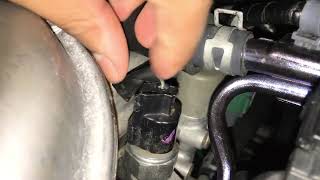
Typical fix: Replace the Bank 1 rocker arm oil pressure switch and its O-ring. This requires a 24mm deep-well socket and ratchet. 🎬 See this walkthrough for replacing the rear oil pressure switch. The switch should be torqued to 13 ft-lbs. It is often recommended to replace both the front (Bank 2) and rear (Bank 1) switches at the same time.
Est. part cost: $25-$60 - Low or Dirty Engine Oil 🟡 Medium Probability The entire Valve Pause System is hydraulic and relies on clean oil at the correct pressure. These J-series engines can consume oil between changes, so a low oil level is a very common trigger for this code. Old, sludgy oil can also clog passages and prevent the system from working.
How to confirm: Check the engine oil dipstick for level and inspect the oil's color and consistency. If it's below the minimum mark or very dark/gritty, this is the first thing to address.
Typical fix: Perform an oil and filter change using the manufacturer-specified 0W-20 synthetic oil. Clear the codes and drive to see if the light returns. If the level was low, top it off immediately.
Est. part cost: $50-$100 - Faulty VCM/VPS Solenoid ⚪ Low Probability While less common than the pressure switch, the solenoid assembly itself can fail. It contains small passages and screens that can become clogged by dirty oil.
How to confirm: Test the solenoid's resistance with a multimeter and check if it clicks when voltage is applied. A professional scan tool can also command the solenoid on/off to verify its function. Visually inspect the solenoid screens for debris.
Typical fix: Replace the VCM solenoid assembly for Bank 1 (rear spool valve).
Est. part cost: $100-$250
Rare But Worth Checking
- Wiring Harness Issue: Check for damaged wires or a loose/corroded connection at the oil pressure switch connector. This is especially important if recent work has been performed near the rear of the engine.
- Internal Engine Oil Pressure Issue: In rare cases, clogged oil passages or a failing oil pump can cause pressure-related codes. Honda has issued TSBs for other models (e.g., 13-055) related to an oil pump relief valve spring that could cause similar issues, though this is less common for the 2017 MDX. This would likely be accompanied by other serious symptoms.
Diagnosis Steps
- Check the engine oil level and condition FIRST. 🎬 Watch: Why checking your oil is the first step for P3400. This is the most common and cheapest fix. Top off or change the oil if necessary.
- Use an OBD-II scanner to check for any other codes, paying close attention to P2652 (confirms Bank 1 switch) or P3497 (indicates a problem with both banks).
- Inspect the wiring and connector for the Bank 1 (rear) rocker arm oil pressure switch for any visible damage, corrosion, or loose connection.
- If oil is good and no wiring damage is found, the next logical step is to replace the Bank 1 rocker arm oil pressure switch. This requires a 24mm deep-well socket.
- When replacing the switch, also replace the small O-ring (Part No. 91319-PAA-A01), which is typically sold separately.
- Torque the new switch to 13 ft-lbs.
- Clear the codes, start the engine, check for leaks, and perform a test drive to see if the code returns and if the ECO light now functions.
- If the code persists, perform more advanced diagnostics, such as testing the VCM solenoid and verifying engine oil pressure with a mechanical gauge.
Parts You'll Likely Need
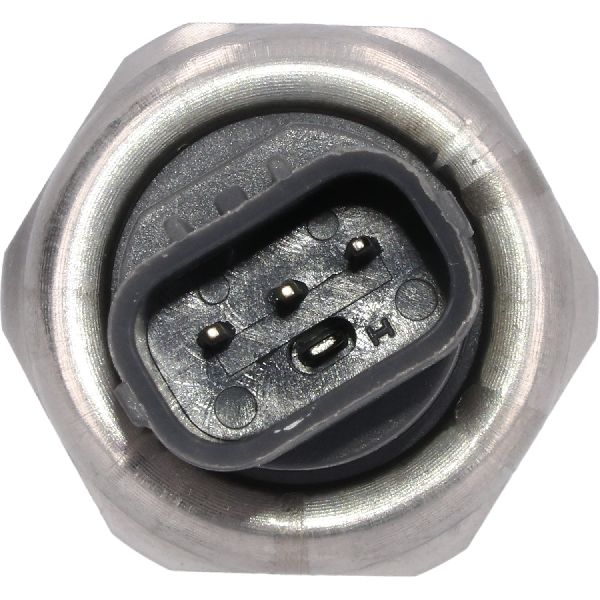
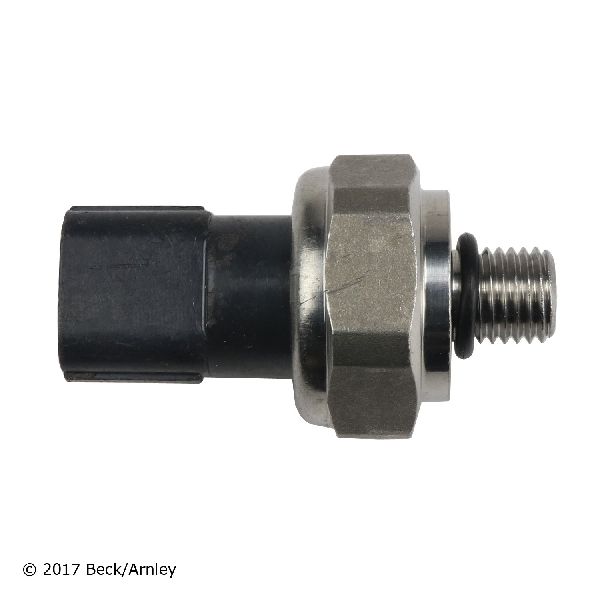
- Rocker Arm Oil Pressure Switch (Bank 1)
(OEM #37260-R70-A04 (may be superseded by 37260-RNA-A01))— This switch is the most common failure point that triggers code P3400 on the 2017 Acura MDX, as confirmed by owner experiences and TSBs.
Trusted brands: Acura/Honda (OEM - Denso), Standard Motor Products (PS499T), NTK, Beck/Arnley (201-2716)
OEM price range: $40-$60
Aftermarket price range: $25-$45 - Oil Pressure Switch O-Ring/Seal
(OEM #91319-PAA-A01 or 91319-R70-A01)— This seal is required for the pressure switch and is sold separately from the OEM part. It is critical to replace to prevent oil leaks.
Trusted brands: Acura/Honda (OEM)
OEM price range: $2-$5
Aftermarket price range: $1-$3
Related Codes That Often Appear With This One
- P2652 — This code, 'Rocker Arm Oil Pressure Switch B (Bank 1) Stuck On', is explicitly linked to P3400 in Acura's TSB #BTI&01192022901. They often appear together and point directly to a faulty Bank 1 oil pressure switch.
- P3497 — This is the equivalent code for Bank 2 ('Valve Pause System Stuck Off Bank 2'). If both P3400 and P3497 appear, it strongly suggests a systemic issue like low engine oil level or pressure affecting both banks.
Technical Service Bulletins (TSBs) & Recalls
- BTI&01192022901: Mentions MIL on with DTC P2652 and P3400, with a possible complaint of rough engine running.
- 13-031: An older but relevant TSB for Acura/Honda models that also points to replacing the oil pressure switches for P3400/P3497 codes.
Platform-Specific Known Issues
- Acura issued Technical Service Bulletin (TSB) #BTI&01192022901 for 2017 MDX and TLX models, which directly links P3400 and P2652 to a potential rough running condition, pointing towards the rocker arm oil pressure switch as the area of concern.
- A related TSB for earlier models (13-031) also addresses P3400 and P3497, recommending replacement of the rocker arm oil pressure switches, showing a history of this issue on the J-series V6.
- The VCM system in these engines has been subject to warranty extensions and class-action lawsuits in prior years for causing excessive oil consumption due to carbon buildup on piston rings, which is a root cause for the low oil levels that can trigger P3400.
Mechanic-Grade Diagnostic Values
- VCM/VPS Solenoid Coil Resistance — expected: 8 to 12 Ohms. Failure: A reading outside this range (e.g., infinite for an open coil, or zero for a short) indicates a faulty solenoid.
- VCM/VPS Solenoid Connector Voltage — expected: Approximately battery voltage (e.g., 8V - 12V) with key on, engine off.. Failure: No voltage suggests a wiring issue, blown fuse, or a problem with the PCM driver circuit.
Scan Tool Commands That Help
- Honda Diagnostic System (HDS): VCM System Test / Solenoid Actuation Test — After verifying oil level and pressure, this bidirectional command can be used to manually activate the Bank 1 VCM solenoid. The technician can then monitor live data (like engine speed and sensor status) to see if the system responds as commanded, helping to isolate a faulty solenoid from a wiring or PCM issue.
Wiring & Ground Locations
- Engine Ground Hanger — Under the main plastic engine cover, near the top of the engine. It is the official attachment point for a negative jumper cable.. This is a primary engine ground point. A poor connection here could cause various electrical issues, including erratic sensor readings. It should be checked for corrosion and tightness during electrical diagnosis.
- G101 (General Engine Ground) — Typically located on the vehicle's chassis near the battery or under the dashboard on many Honda/Acura models.. This is a common chassis ground point. While not specific to the VCM circuit, a faulty G101 can cause widespread electrical problems that might indirectly affect the PCM or sensor readings.
- Bank 1 Oil Pressure Switch Connector — On the rear cylinder head (closer to the firewall), connected to the top of the rocker arm oil pressure switch.. This is the direct electrical connection for the sensor that triggers P3400 and P2652. It must be inspected for corrosion, damage, or a loose connection ('soft set').
Real Owner Repair Stories
- Reddit user in r/HondaOdyssey (2013 Honda Odyssey (J35 Engine Family)) — Car stalled while parked, then threw code P3400. Oil was found to be one quart low.
❌ Tried (didn't work) Initially unsure of the cause, considering multiple possibilities.
✅ What actually fixed it The immediate advice was to top off the engine oil. For definitive diagnosis of a bad switch (if oil level isn't the cause), the user recommended swapping the Bank 1 (rear) and Bank 2 (front) oil pressure switches. If the code changes to P3497 (Bank 2), it confirms the original switch was faulty. This avoids unnecessary part replacement.
When the Usual Fixes Don't Work
- While the most common fix is to immediately replace the Bank 1 oil pressure switch, a more methodical approach can prevent unnecessary expense. A highly effective, no-cost diagnostic step shared by owners is to swap the Bank 1 (rear) and Bank 2 (front) oil pressure switches. They are identical parts. If the fault code migrates from P3400 (Bank 1) to P3497 (Bank 2) after the swap, you have 100% confirmation that the switch itself is the failed component and can proceed with replacing it confidently.
OEM Part Supersession History
91319-PAA-A01→N/A— This part number appears to be stable and widely used across many Honda/Acura models for many years.
Heads up: This is a 13x1.5mm O-Ring. While other O-rings might fit, using the specified OEM part is critical to prevent oil leaks under pressure.
Helpful Videos

We Have This Part in Stock


The information in this article is provided for general reference and educational purposes only. Vehicle specifications, procedures, and part compatibility can vary by production date, trim level, and region. Always consult your vehicle's factory service manual and verify part numbers before purchasing or performing repairs. Safety-critical components such as airbags, seat belts, and braking systems should be installed by a qualified professional.
- Acura MDX:
- 🎬 Helpful Videos
- 🛍️ Shop This Part
- What's Unique About the 2017-2017 Acura MDX
- Diagnostic Flowchart
- Symptoms You May Notice
- Most Likely Causes
- Rare But Worth Checking
- Diagnosis Steps
- Parts You'll Likely Need
- Related Codes That Often Appear With This One
- Technical Service Bulletins (TSBs) & Recalls
- Platform-Specific Known Issues
- Mechanic-Grade Diagnostic Values
- Scan Tool Commands That Help
- Wiring & Ground Locations
- Real Owner Repair Stories
- When the Usual Fixes Don't Work
- OEM Part Supersession History
- 🎟️ Get 5% Off