

P3191 on 2004-2011 Toyota Prius: Engine Not Starting Causes and Fixes
On a 2004-2011 Toyota Prius, code P3191 means the gasoline engine failed to start when commanded by the hybrid system. The most common causes are surprisingly simple: running out of fuel or a dirty Mass Air Flow (MAF) sensor. On 2010-2011 models, a detached vacuum hose is also a very common culprit. Other frequent causes include a dirty throttle body and, on early Gen 2 models, outdated ECU software.
- P3191 means the gasoline engine failed to start; it is not a hybrid battery problem.
- Before any complex diagnostics, confirm the car has an adequate amount of fuel.
- For 2010-2011 models, the first mechanical check should be the vacuum hose on the throttle body.
- For all models, cleaning the MAF sensor and throttle body is a cheap and highly effective diagnostic step.
- If you have a 2004-2005 model, be aware of the potential need for an ECU software update from a dealer.
What's Unique About the 2004-2011 Toyota PRIUS

The Prius's hybrid system manages when the gasoline engine runs, often shutting it off at stops or during low-speed driving. This constant start-stop cycling can mask underlying engine problems until they're severe enough to trigger a no-start condition. Unlike a conventional car where you hear the starter struggle, the Prius's motor-generator cranks the engine silently and at a higher RPM, making it difficult for a driver to audibly distinguish between the engine cranking and actually running. Drivers may not realize the engine is failing to start until the warning lights appear and the car enters limp mode or refuses to go into 'Ready'. This unique operation means that basic issues, like running out of gas, can cause a cascade of hybrid system warnings that can be confusing.
Diagnostic Flowchart
Tap your situation to follow the diagnostic path that matches what you're seeing on this vehicle.
Generation note: This range covers two Prius generations, and they have different common failure points for this code. The 2nd Generation (2004-2009) is prone to ECU software issues that require an update (TSB EG047-04) and issues with a dirty throttle body or MAF sensor. The 3rd Generation (2010-2011) is known for a specific issue where a vacuum hose for the Purge VSV separates from the throttle body, causing a massive vacuum leak (TSBs T-SB-0041-15 and T-SB-0205-11).
Symptoms You May Notice
- Engine will not start or immediately stalls after a brief run attempt.
- Check Engine Light and Master Warning Light (red triangle) are on.
- Vehicle may enter 'limp mode' with very low power, running only on the electric motor.
- Car will not go into 'Ready' mode, or goes 'Ready' but the engine never audibly starts.
- A delay in acceleration if the engine does manage to run intermittently.
- The car may drive a few blocks on battery power before the warnings appear and it stalls.
- Replacing the expensive high-voltage hybrid battery. P3191 is almost always related to the standard gasoline engine components (air, fuel, spark) or their control systems, not the hybrid battery pack itself.
Most Likely Causes

- Out of Fuel 🔴 High Probability The Prius's quiet operation and high MPG can lead drivers to lose track of the fuel level. The fuel bladder in the Gen 2 can also make the gauge less accurate over time. If the tank runs dry, the engine cannot start, triggering P3191.
How to confirm: Check the fuel gauge. If the gauge is low or the low fuel light is on, this is the most likely cause. Note that repeated start attempts can drain the hybrid battery, so do not crank excessively. You can sometimes hear the fuel pump prime when attempting to start.
Typical fix: Add at least 2-3 gallons of fresh gasoline to the tank. It may take several start cycles to re-prime the fuel system.
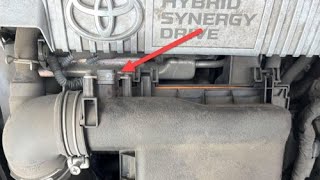
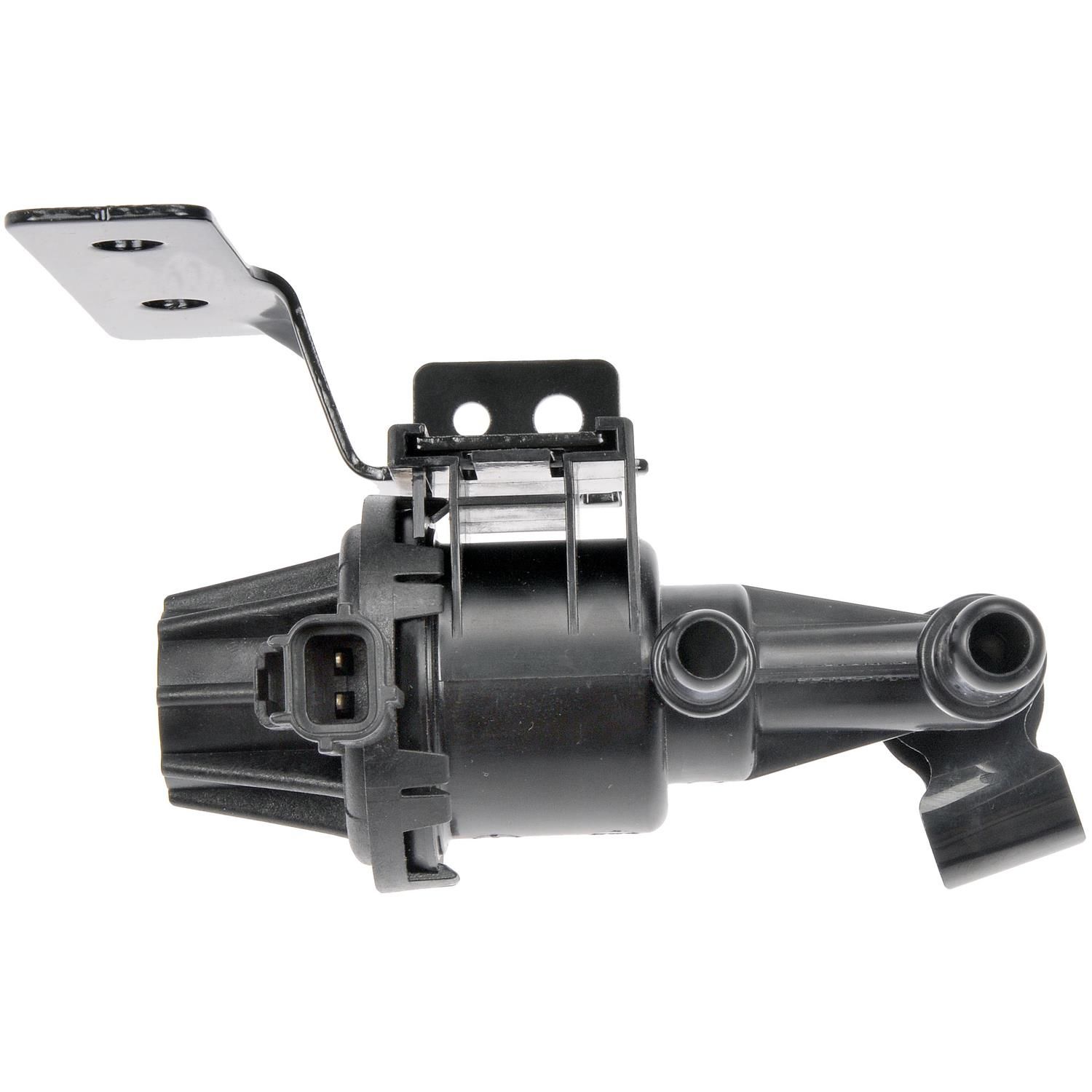
Est. part cost: $10-$20 - Purge VSV / PCV Vacuum Hose Separation 🔴 High Probability On 2010-2011 models, the vacuum hose connecting the Purge VSV (Vacuum Switching Valve) to the throttle body can become disconnected, creating a large vacuum leak that prevents the engine from starting by creating an extreme lean condition.
How to confirm: Visually inspect the vacuum lines connected to the throttle body housing. A disconnected black rubber hose is a clear sign. This is specifically called out in TSB T-SB-0041-15 and is often accompanied by code P0171 (System Too Lean).
Typical fix: Reconnect the hose securely. Per TSB T-SB-0041-15, the official fix also involves replacing the Purge VSV and reprogramming the ECU to prevent recurrence. The updated Purge VSV part number is often cited as 25860-37020.
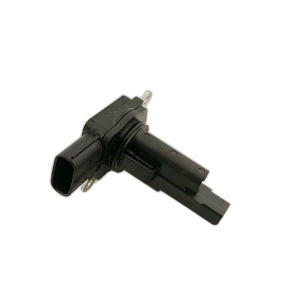
Est. part cost: $0 for re-connection, $70-$120 for a new Purge VSV (Part #25860-37020 or similar). - Dirty or Faulty Mass Air Flow (MAF) Sensor 🟡 Medium Probability The MAF sensor measures the amount of air entering the engine. If it's dirty (often from oil vapors or debris from a recent air filter change), it will send incorrect data to the ECU, leading to an improper air-fuel mixture and a no-start condition.
How to confirm: Unplug the MAF sensor electrical connector. If the engine starts and runs (though poorly), the MAF sensor is likely faulty. The sensor can also be removed and visually inspected for contamination like dust or a feather.
Typical fix: Clean the sensor's delicate wires with dedicated MAF sensor cleaner spray. Do not touch the wires. If cleaning doesn't work, replace the sensor. Denso is the OEM manufacturer. 🎬 See this DIY guide for cleaning your MAF sensor.
Est. part cost: $10 for cleaner, $60-$150 for a new Denso sensor. - ECU Software Calibration Issue 🟡 Medium Probability On 2004-2005 models, the original ECU software was too sensitive and could set P3191 incorrectly, especially in cold weather or after stopping. Toyota issued TSB EG011-03 and EG047-04 to address this by reprogramming the Engine and HV ECUs to allow more time for the engine to start before logging a fault.
How to confirm: A Toyota dealership or a properly equipped independent shop can check the current software calibration ID against the TSB to see if an update is available and has been performed.
Typical fix: Reprogram the Engine Control Module (ECM) and Hybrid Vehicle (HV) ECU with the updated software. This is covered under the Federal Emission Warranty (96 months/80,000 miles).
Est. part cost: $0 if under warranty, otherwise $100-$250 for dealer labor. - Dirty Throttle Body 🟡 Medium Probability Carbon and oil gunk can build up around the throttle plate, preventing it from opening correctly, especially after the 12V battery has been disconnected and the ECU loses its learned idle position. This restricts airflow at startup.
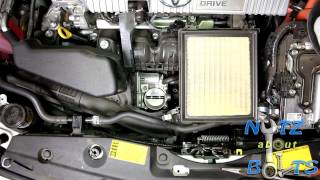
How to confirm: Remove the air intake hose from the throttle body and inspect for a black, sticky buildup around the throttle plate and bore. The plate should move freely.
Typical fix: Clean the throttle body thoroughly with throttle body cleaner and a soft cloth or brush. Be careful not to be too aggressive. This is often cited as the top maintenance-related fix on forums. 🎬 Watch: Step-by-step throttle body cleaning for 3rd Gen models.
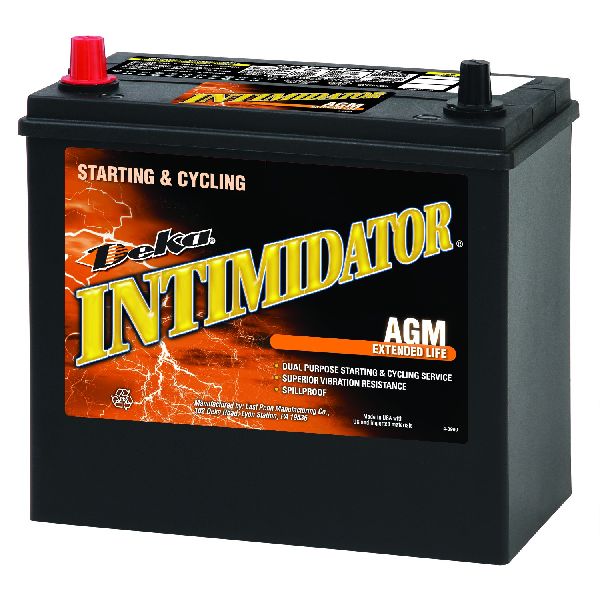
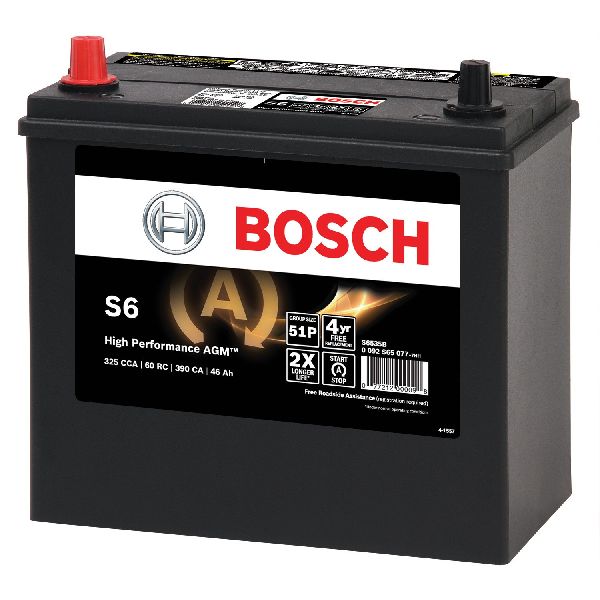
Est. part cost: $10-$15 - Weak 12V Auxiliary Battery ⚪ Low Probability While the high-voltage hybrid battery starts the engine, the 12V battery powers the car's computers (ECUs) and relays that initiate the startup sequence. A weak or failing 12V battery can cause erratic electronic behavior, including failing to properly command the engine to start, even if it has enough power for lights.
How to confirm: Test the 12V battery with a multimeter or a load tester. A healthy battery should read above 12.4V with the car off. Symptoms can include dim lights, slow power windows, or the car failing to enter 'Ready' mode.
Typical fix: Replace the 12V auxiliary battery, which is located in the trunk on most models.
Est. part cost: $150-$250
Rare But Worth Checking
- Failed Fuel Pump: Less common than other fuel-related issues, but a possibility if fuel pressure is low, especially on high-mileage Gen 2 models. An owner on PriusChat described a scenario where the pump would overheat and fail when the fuel level was low during highway driving. Testing fuel pressure is required for diagnosis; it should be 44-50 psi.
- Clogged Fuel Injectors: If the injectors are clogged, fuel cannot enter the cylinders. This can happen with poor quality or old fuel. Using a fuel injector cleaner is a potential first step if this is suspected.
- Failed Crankshaft Position Sensor: The ECU uses this sensor to know the engine's speed and position. If it fails, the ECU won't know the engine is turning and won't fire the spark plugs or injectors. This can sometimes be caused by oil leaking through the sensor into the connector on older models. The OEM part number for a Gen 2 Prius is 90919-05045.
- Incorrect Engine Oil Viscosity: Using an oil that is too thick, especially in a cold climate, can increase cranking resistance to the point where the hybrid system determines the engine has failed to start within its allotted time. Ensure 5W-30 oil is used as specified.
Diagnosis Steps

- Check the fuel gauge. Confirm there is fuel in the vehicle. This is the #1 cause and the easiest to check.
- Scan for all DTCs. Pay attention to codes like P3190, P0A0F, and especially P0171 on Gen 3 models, which strongly points to a vacuum leak.
- Inspect the engine bay for obvious issues. On 2010-2011 models, immediately check for the disconnected Purge VSV/PCV hose at the throttle body.
- Test the 12V auxiliary battery to ensure it has a proper charge (above 12.4V) and can hold a load. A weak battery can cause a host of electronic gremlins.
- Inspect and clean the Mass Air Flow (MAF) sensor. It is located in the air intake tube after the air filter box. Debris can get lodged here during an air filter change.
- Inspect the throttle body for heavy carbon buildup and clean if necessary. This is a very common fix discussed in owner forums.
- Check fuel pressure to rule out a weak fuel pump. It should be between 44-50 psi.
- If you have a 2004-2005 model, check with a dealer if TSB EG047-04 (ECU reprogram) has been performed.
Parts You'll Likely Need
- Mass Air Flow Sensor
(OEM #22204-22010)— A dirty or failed MAF sensor is a frequent cause of incorrect air/fuel mixture leading to a no-start condition. Cleaning is often sufficient, but replacement is sometimes necessary.
Trusted brands: Denso, Hitachi - Purge VSV (Vacuum Switching Valve)
(OEM #25860-37020)— On 2010-2011 models, the hose nipple on this valve is a common point of failure/disconnection. TSBs recommend replacing the valve and reprogramming the ECU when fixing the disconnected hose.
Trusted brands: Toyota (Genuine), Dorman - 12V Auxiliary Battery — A weak 12V battery can cause a variety of startup-related electronic faults, including P3191, before it's completely dead.
Trusted brands: Toyota TrueStart, Optima (YellowTop), Bosch
Related Codes That Often Appear With This One
- P3190 — P3190 means 'Poor Engine Power'. This code often precedes or accompanies P3191, as the underlying issue first causes poor performance before leading to a complete no-start condition.
- P0A0F — This code means 'Engine Failed to Start'. It is a more general hybrid system code that is often set alongside the more specific P3191, indicating the same event.
- P0171 — P0171 means 'System Too Lean'. This is often seen with P3191 on Gen 3 models when the Purge VSV hose detaches, causing a massive unmetered air leak (a lean condition).
- P3193 — P3193 means 'Fuel Run Out'. If the car is out of gas, both codes may be stored.
Technical Service Bulletins (TSBs) & Recalls
- T-SB-0041-15: Addresses MIL ON for P3191/P0171 etc. on 2010-2013 models due to Purge VSV hose separation. Fix is to replace the valve and reprogram the ECU.
- T-SB-0205-11: An earlier version of the TSB for the Purge VSV hose issue on 2010-2011 models.
- EG047-04: For 2004-2005 models, addresses erroneous P3191 codes by reprogramming the Engine and HV ECUs to allow a longer engine start time.
Platform-Specific Known Issues

- 2004-2005 Models: A known issue with the engine and hybrid ECU software being overly sensitive, requiring a dealer reprogram per TSB EG047-04.
- 2010-2011 Models: A high incidence of the Purge VSV vacuum line separating from the throttle body, causing a no-start. Addressed by TSBs T-SB-0041-15 and T-SB-0205-11.
Mechanic-Grade Diagnostic Values
- Fuel Pressure (at idle) — expected: 304 to 343 kPa (44 to 50 psi). Failure: Pressure below this range indicates a weak fuel pump or clogged filter. Pressure above may indicate a faulty regulator.
- Fuel Pressure (Static, 5 mins after engine stop) — expected: 147 kPa (21 psi) or more. Failure: Pressure dropping below this indicates a leak in the system, possibly from an injector or check valve.
- Fuel Injector Resistance (Gen 2, 1NZ-FXE) — expected: 13.45 to 14.15 Ω at 20°C (68°F). Failure: Resistance outside this range indicates a faulty injector coil.
- Fuel Injector Resistance (Gen 3, 2ZR-FXE) — expected: 11.6 to 12.4 Ω at 20°C (68°F). Failure: Resistance outside this range indicates a faulty injector coil.
- Crankshaft Position Sensor Resistance (Gen 2) — expected: 1630 to 2740 Ω (cold), 2065 to 3225 Ω (hot). Failure: Resistance outside these ranges indicates a faulty sensor.
Hidden / Shadow Codes Worth Checking
- Information Code (e.g., 204 for P0A0F): Techstream software can display more detailed 'information codes' or 'detail codes' alongside the main DTC. For example, P0A0F may be accompanied by info code 204. These codes don't change the diagnosis much for P3191 but can provide extra context within the Toyota-specific software. (see via Toyota Techstream diagnostic software.)
Scan Tool Commands That Help
- Techstream: Active Test: Control the Fuel Pump / Speed — This command allows a technician to manually turn on the fuel pump without trying to start the engine. It's used to verify the pump motor operates and to build pressure for a fuel pressure test.
- Techstream: Data List: Freeze Frame Data — When P3191 is set, the ECU stores a snapshot of sensor data (engine temp, RPM, etc.) at the moment of the fault. Reviewing this data is crucial to understand the conditions under which the no-start occurred (e.g., cold engine, low fuel level).
- Techstream: Utility: Throttle Fully Close Learn — After cleaning or replacing the throttle body, this function may be needed to reset the learned closed position. A failure to learn can indicate a mechanical or sensor issue with the throttle body itself.
Wiring & Ground Locations
- Engine Room R/B (Relay Block) — Located in the engine compartment, on the left side. It houses the fuel pump relay and horn relay.. A failing fuel pump relay in this block can cause an intermittent no-start condition. Some owners have temporarily swapped the identical horn relay into the fuel pump slot to diagnose a bad relay.
- Ground Point IH — On a Gen 2 Prius, this is a major ground point located on the cowl side panel in the driver's side footwell (left kick panel).. This is a critical grounding point for the instrument panel wire harness. A loose or corroded connection here can cause various electrical issues, including problems with the ECUs that control the starting sequence.
- Gen 3 Engine Ground Wires — On the 1.8L 2ZR-FXE engine, there are three key ground connections on the driver's side of the engine. One main strap connects to the chassis near the coolant reservoir, and two cluster points bolt directly to the engine block/transmission housing.. A poor engine ground can cause insufficient power to sensors and actuators, leading to a no-start condition. These connections should be checked for corrosion and tightness, especially after engine work.
Real Owner Repair Stories
- PriusChat Forum User (2002 Toyota Prius (Gen 1) with 165,000 miles) — P0300 (Random Misfire) and P3191 (Engine Did Not Start) codes, especially on cold mornings.
❌ Tried (didn't work) Cleaning the throttle body, Replacing the 12V battery, Replacing spark plugs, Using fuel injector cleaner
✅ What actually fixed it The owner had the dealer confirm low fuel pressure. The final repair was replacing the fuel pump assembly, which on this model is integrated with the fuel tank. - YouTube Video by 'The Car Doctor' (2001-2005 Toyota Prius (Gen 1)) — P3191, hard starting or no-start condition.
❌ Tried (didn't work) Not specified as a single story, but a collection of common issues.
✅ What actually fixed it The video describes a diagnostic trick for a failing fuel pump relay. The fuel pump relay and the horn relay are identical and located in the under-hood fuse box. Swapping the rarely-used horn relay into the fuel pump relay's position can restore function and confirm the original relay has failed. This is a no-cost diagnostic step. - PriusChat Forum User (2001 Toyota Prius (Gen 1)) — P3191 after an oil change at a gas station. Engine would not start.
❌ Tried (didn't work) Checking fuel level, Suspecting a failed fuel pump
✅ What actually fixed it The user was advised that technicians often check the air filter during an oil change. In the process, a small piece of dust or debris can fall into the MAF sensor, disrupting its reading and preventing the engine from starting. The fix was to remove and clean the MAF sensor with dedicated MAF sensor cleaner.
OEM Part Supersession History
Not specified→25860-37020— This is the part number for the Purge VSV (Vacuum Switching Valve) assembly commonly associated with TSB T-SB-0041-15 for 2010-2011 models. It is the recommended replacement part when the vacuum hose separation issue occurs.
Heads up: This part is specific to the Gen 3 (2010+) fuel vapor system and is not applicable to the Gen 2 models.23209-21020→N/A— This is the OEM part number for the fuel injector used in the Gen 2 Prius (2004-2009) with the 1NZ-FXE engine. It is a stable part number for this generation.
Heads up: These injectors have a different resistance value and flow rate than the injectors used in the Gen 3 Prius and are not interchangeable.
Model Year Variations Within This Range

- 2004-2009 (Gen 2): Uses the 1.5L 1NZ-FXE engine. Common P3191 causes are more related to maintenance items like a dirty throttle body, dirty MAF sensor, and outdated ECU software on early models. Spark plug changes are relatively simple.
- 2010-2011 (Gen 3): Uses the larger 1.8L 2ZR-FXE engine. A primary cause for P3191, often with P0171, is the Purge VSV vacuum hose detaching from the throttle body. This engine is also known for EGR circuit issues, though that's less directly tied to P3191. Spark plug changes are more labor-intensive, requiring removal of the wiper cowl assembly.
Helpful Videos
Used OEM Parts in Stock



New Aftermarket Parts Available


The information in this article is provided for general reference and educational purposes only. Vehicle specifications, procedures, and part compatibility can vary by production date, trim level, and region. Always consult your vehicle's factory service manual and verify part numbers before purchasing or performing repairs. Safety-critical components such as airbags, seat belts, and braking systems should be installed by a qualified professional.
- Toyota PRIUS:
- 🎬 Helpful Videos
- 🛍️ Shop This Part
- What's Unique About the 2004-2011 Toyota PRIUS
- Diagnostic Flowchart
- Symptoms You May Notice
- Most Likely Causes
- Rare But Worth Checking
- Diagnosis Steps
- Parts You'll Likely Need
- Related Codes That Often Appear With This One
- Technical Service Bulletins (TSBs) & Recalls
- Platform-Specific Known Issues
- Mechanic-Grade Diagnostic Values
- Hidden / Shadow Codes Worth Checking
- Scan Tool Commands That Help
- Wiring & Ground Locations
- Real Owner Repair Stories
- OEM Part Supersession History
- Model Year Variations Within This Range
- 🎟️ Get 5% Off