

P3004 on 2013-2018 Lexus ES 300h: High Voltage Malfunction Causes and Fixes
P3004 on a 2013-2018 ES 300h indicates a critical failure in the high-voltage hybrid system, most often a failed inverter (with info code P3004-800) or a bad high-voltage relay (with info code P3004-131). This is not a DIY fix due to lethal voltage. Expect a shop repair cost of $850 for a relay assembly to over $5,000 for a new OEM inverter. Reading the 3-digit info code is the most critical diagnostic step.
- P3004 is a critical fault. Stop driving immediately and have the vehicle towed to a qualified hybrid repair shop.
- Diagnosis MUST involve reading the specific 3-digit sub-code (e.g., -131, -800) with an advanced scan tool to determine the true cause.
- The most common cause is a failed inverter (sub-code -800), which is an expensive repair often costing over $4,000.
- A less common but much cheaper cause is a failed HV battery relay (sub-code -131).
- This is NOT a DIY repair due to the risk of fatal electric shock from the high-voltage system.
What's Unique About the 2013-2018 Lexus ES 300h
The 2013-2018 Lexus ES 300h shares its entire hybrid powertrain with the Toyota Camry Hybrid (2012-2017) and Avalon Hybrid (2013-2018). While other Toyota/Lexus models have had warranty extensions or customer support programs for inverter failures that cause P3004, the ES 300h and its Camry/Avalon twins are generally not included in these specific programs. Therefore, owners of this specific model are more likely to face the full, and often substantial, cost of repair for what is a known failure pattern on similar vehicles.
Symptoms You May Notice
- "Check Hybrid System" or "Hybrid System Malfunction" warning on the dash.
- Vehicle will not enter 'Ready' mode (won't start).
- Sudden loss of power or vehicle shutting down while driving.
- Multiple warning lights may appear simultaneously, including for the pre-collision system and a master warning light (red triangle).
- Intermittent failure to start, where the error appears but may clear after shutting the car off and restarting it a few minutes later.
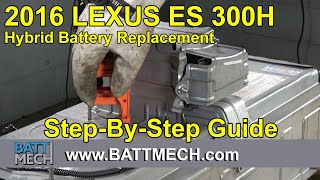
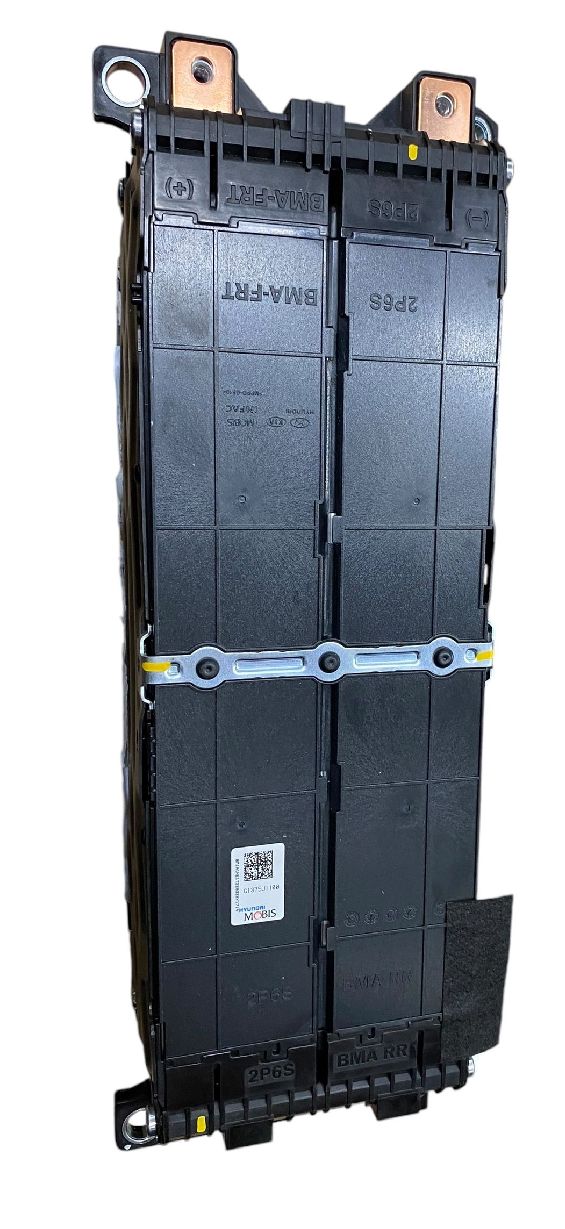
- Replacing the main High-Voltage (HV) hybrid battery. 🎬 Watch a step-by-step ES 300h battery pack repair guide P3004 almost always points to a problem with power delivery *from* the battery (inverter, relays), not the battery cells themselves.
- Replacing the 12V auxiliary battery. While a weak 12V battery can cause numerous electrical issues, it does not directly cause a P3004 high-voltage malfunction.
Most Likely Causes
- Failed Inverter with Converter Assembly 🔴 High Probability The Intelligent Power Module (IPM), a set of transistors inside the inverter, is a known failure point across many Toyota/Lexus hybrids due to thermal stress and cycling. Failure often results in a short circuit that prevents the high-voltage system from energizing.
How to confirm: A professional scan tool (like Toyota Techstream) will show a specific sub-code, typically P3004-800, indicating a short circuit or excessive overcurrent during the pre-charge sequence. This almost always confirms the inverter has failed internally and requires replacement.
Typical fix: Replacement of the entire 'Inverter with Converter Assembly'.
Est. part cost: $2000-$5000+ - Failed HV Battery Contactor (Relay) 🟡 Medium Probability The high-amperage relays (contactors), officially called System Main Relays (SMRs), that connect and disconnect the HV battery can wear out and fail to close, creating an open circuit.
How to confirm: A professional scan tool will show a specific sub-code, typically P3004-131, indicating an open circuit. This happens when the ECU commands the relays to close but inverter voltage does not rise. A technician may also use the scan tool's 'Active Test' to command the relays and listen for an audible click; silence indicates failure.
Typical fix: Replacement of the Hybrid Battery Junction Block Assembly, which houses the relays.
Est. part cost: $400-$800 - Failed Inverter Coolant Pump ⚪ Low Probability The inverter has its own dedicated cooling system. If its small electric water pump fails, the inverter will quickly overheat, destroying the IPM and triggering P3004 as a secondary fault. This is a common preventative maintenance item on high-mileage Toyota/Lexus hybrids.
How to confirm: A technician will check for coolant circulation (a small swirl or ripple) in the inverter's cooling system reservoir while the car is in 'Ready' mode (if possible). A lack of flow indicates a failed pump. This may also be accompanied by inverter over-temperature codes.
Typical fix: Replacement of the inverter coolant pump. 🎬 See how to flush and change hybrid inverter coolant If the inverter was damaged from overheating, it must be replaced as well.
Est. part cost: $150-$300
Rare But Worth Checking
- Damaged High-Voltage Wiring: The thick, orange high-voltage cables can be damaged by rodents, corrosion, or road debris, causing a short or open circuit. A ClubLexus owner reported a P3004-800 code was diagnosed by a dealer as rodent damage. A technician can perform insulation resistance tests with a megohmmeter to check for shorts to the chassis.
- Failed Pre-Charge Resistor: This resistor is used to safely pre-charge the inverter's capacitors at startup. Its failure can trigger code P3004-132 (pre-charge malfunction) or contribute to P3004-131 (open circuit). It is often integrated into the HV Battery Junction Block assembly, requiring replacement of that unit.
- Loose High-Voltage Cable Connections: Technicians have found that loose terminal bolts on the high-voltage cables, particularly at the inverter, can cause high resistance and trigger an open circuit code like P3004-131. Verifying that all HV cable bolts are torqued to specification is a key diagnostic step.
Diagnosis Steps
- SAFETY FIRST: This is a job for a qualified hybrid technician. Do not attempt to diagnose the high-voltage system yourself. Wear Class 0 insulated gloves and remove the service plug, then wait at least 10 minutes for capacitors to discharge.
- Connect a professional-grade scan tool (e.g., Toyota Techstream) to the OBD-II port.
- Read the Diagnostic Trouble Codes (DTCs) from the Hybrid Control ECU.
- Crucially, identify the 3-digit 'info code' or 'sub-code' associated with P3004. This is the most important step.
- If P3004-800 ('short circuit') is present, the diagnostic path points toward an internal inverter failure. The technician will check for related codes like P0A09 and inspect wiring for shorts before condemning the inverter.
- If P3004-131 ('open circuit') is present, the technician will test the HV battery relays (contactors), service plug, main fuses, and wiring harness for faults. This includes checking for audible clicks from the relays during startup and ensuring HV cable bolts are torqued to spec.
- If P3004-132 ('pre-charge malfunction') is present, the pre-charge resistor and its circuit will be inspected for increased resistance or an open.
- Inspect the inverter cooling system for proper coolant level and pump operation. Look for coolant flow in the reservoir.
- Visually inspect all high-voltage (orange) cables for physical damage, corrosion, or signs of rodents.
Parts You'll Likely Need
- Inverter with Converter Assembly
(OEM #G9200-33180)— This is the most common cause of P3004, specifically when accompanied by info code P3004-800, indicating an internal short circuit of the Intelligent Power Module (IPM).
Trusted brands: Lexus (OEM)
OEM price range: $4000-$6000
Aftermarket price range: $1500-$3000 (Used/Remanufactured) - Hybrid Battery Junction Block Assembly — This assembly contains the high-voltage relays (contactors). It is the likely culprit if info code P3004-131 (open circuit) is present.
Trusted brands: Lexus (OEM)
OEM price range: $400-$800
Aftermarket price range: $200-$400 (Used) - Inverter Coolant Pump
(OEM #G9040-33030)— Failure of this pump can cause the inverter to overheat and fail, leading to a P3004 code. It's a common preventative or secondary replacement part.
Trusted brands: Aisin, Lexus (OEM)
OEM price range: $150-$250
Aftermarket price range: $80-$150
Related Codes That Often Appear With This One
- P0A94 — Stands for 'DC/DC Converter Performance'. The DC/DC converter is housed within the same 'Inverter with Converter Assembly', so seeing both codes together strongly confirms the entire assembly has failed.
- P3000 — This is a general 'HV Battery Malfunction' code. It is often triggered alongside more specific codes like P3004 to indicate a general fault in the high-voltage system.
- P0A09 — DC/DC Converter Status Circuit Low Input. This code, along with P3004-800, points directly to a malfunction within the inverter assembly and should be diagnosed first.
Technical Service Bulletins (TSBs) & Recalls
- T-SB-0004-21: While not specific to the ES 300h, this Toyota TSB discusses diagnosing P3004 with related codes like P0A94, indicating a common inverter failure pattern on similar models.
Platform-Specific Known Issues
- Intermittent Startup Failure: A ClubLexus forum member with a 2016 ES 300h with 41,000 miles reported an intermittent 'Hybrid System Malfunction' and P3004 code upon startup. The error would sometimes clear after driving a short distance and restarting the car. This highlights that the fault can be intermittent initially before becoming a hard failure. URL: https://www.clublexus.com/forums/es-1st-to-6th-gen-1990-2018/1010731-2016-es-300h-hybrid-system-malfunction-at-start.html
Mechanic-Grade Diagnostic Values
- System Main Resistor (Pre-charge Resistor) Resistance — expected: 18 to 22 Ω. Failure: A reading outside this range, especially an open circuit (infinite resistance), points to a failed resistor. This is a key test for info code P3004-132.
- High-Voltage Cable Insulation Resistance to Chassis Ground — expected: Greater than 10 MΩ (Megaohms). Failure: A reading significantly below 10 MΩ indicates a short to ground in the HV cables or a connected component like the inverter or A/C compressor. This is a primary test for P3004-800. The test must be performed with a megohmmeter set to 500V.
- Techstream Live Data: Voltage Before/After Boosting — expected: During pre-charge, 'VH - Voltage after Boosting' (at inverter) should rise to meet 'VL - Voltage before Boosting' (at battery).. Failure: If VH fails to rise, it confirms an open circuit between the battery and inverter, consistent with code P3004-131.
Hidden / Shadow Codes Worth Checking
- P3004-131: Power Cable Malfunction (Open Circuit). The inverter did not receive the expected voltage from the HV battery. This points to failed relays (SMRs), a blown fuse, or a disconnected/damaged cable. (see via Toyota Techstream or a compatible professional scan tool with access to manufacturer-specific codes.)
- P3004-132: Power Cable Malfunction (Pre-charge Fault). The pre-charge sequence failed, often due to a faulty pre-charge resistor or an inverter voltage sensor malfunction. (see via Toyota Techstream or a compatible professional scan tool.)
- P3004-800 / P3004-801: High Voltage Power Resource (Short Circuit / Overcurrent). The system detected an excessive current draw when trying to energize the circuit, strongly indicating a shorted Intelligent Power Module (IPM) in the inverter. (see via Toyota Techstream or a compatible professional scan tool.)
Scan Tool Commands That Help
- Toyota Techstream: Active Test: 'Control the SMR' — When diagnosing P3004-131 (open circuit), this function allows a technician to command each System Main Relay (SMRB, SMRP, SMRG) individually. The technician listens for an audible 'click' from the relay inside the HV battery junction block. A silent relay confirms it has failed to close.
- Toyota Techstream: Data List: Monitor 'VL(Voltage before Boosting)' and 'VH(Voltage after Boosting)' — During a startup attempt, monitoring these two values in the Hybrid Control ECU data list provides a live view of the pre-charge sequence. It's used to confirm if the inverter voltage (VH) is failing to match the battery voltage (VL), which is the core condition that sets code P3004-131.
Wiring & Ground Locations
- Hybrid Vehicle (HV) Battery Pack — In the trunk area, mounted behind the rear seat.. The HV battery pack houses the System Main Relays (SMRs) within its junction block. A failure of these relays is a primary cause of P3004-131.
- Inverter with Converter Assembly — In the engine compartment, typically a large, finned aluminum box with orange high-voltage cables connected to it.. This is the component that most commonly fails, causing P3004-800. It's also where voltage is measured during the pre-charge sequence.
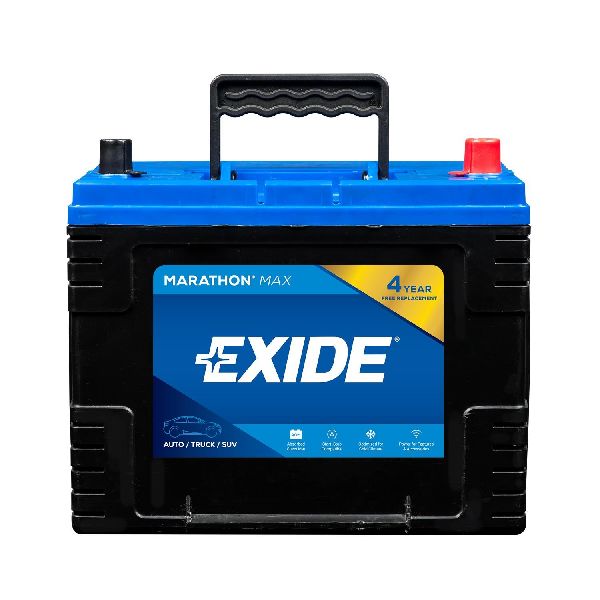
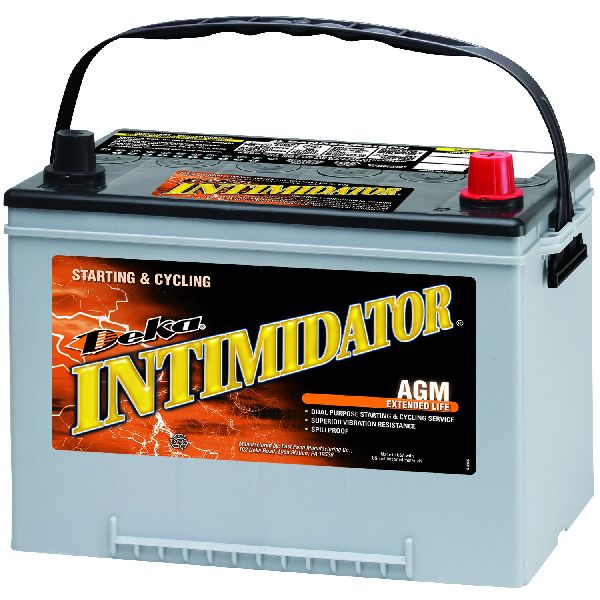
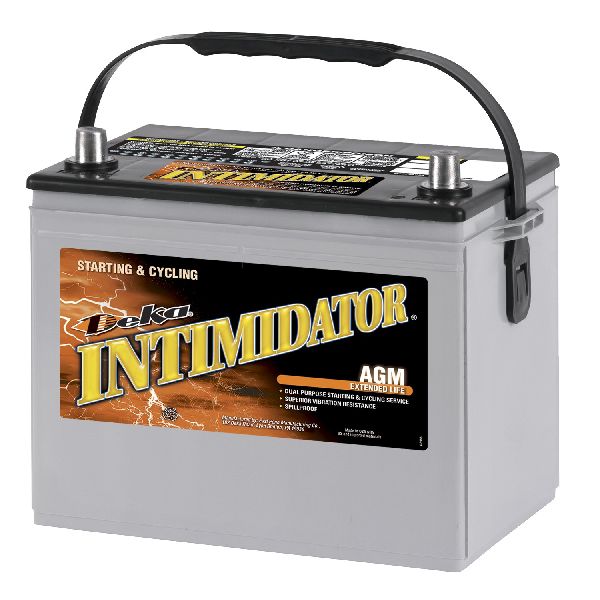
- 12V Auxiliary Battery — In the trunk, on the passenger side (for 2013-2015 models) or left side, concealed by a trim cover.. While a bad 12V battery doesn't directly cause P3004, it powers the ECUs that control and monitor the high-voltage system. A weak or failing 12V battery must be ruled out first as it can cause erroneous codes and control system malfunctions.
- Hybrid System Main Fuse — In the engine compartment fuse box. For the ES 300h, it is a 120A fuse labeled 'Hybrid System'.. This is the main fuse for the entire hybrid system. While unlikely to blow without a catastrophic event, it's a critical part of the power delivery circuit that must be checked when diagnosing an open circuit code like P3004-131.
Real Owner Repair Stories
- ClubLexus Forum User (2016 Lexus ES 300h, 41,000 miles) — Intermittent 'HYBRID SYSTEM MALFUNCTION' and 'PRE-COLLISION SYSTEM MALFUNCTION' warnings on startup. The vehicle drove normally, and the errors would clear after shutting the car off and restarting it a few minutes later. The stored code was P3004.
❌ Tried (didn't work) The owner took it to a hybrid-certified shop that could not find a fault because the code was not active at the time of inspection.
✅ What actually fixed it The forum thread did not have a final confirmed repair, but it serves as a valuable example of the intermittent nature of the P3004 fault in its early stages before becoming a hard, no-start failure. The user was advised to have the stored sub-codes read to guide diagnosis.
Model Year Variations Within This Range
- 2013-2018: The Lexus ES 300h received a facelift for the 2016 model year which included cosmetic changes like a new grille, LED headlights, and interior updates. However, the hybrid powertrain, including the 2AR-FXE engine and Hybrid Synergy Drive system, remained mechanically unchanged throughout the 2013-2018 production run. Therefore, the causes and fixes for P3004 are consistent across all years in this range.
Diagnostic Flowchart
Other Known Issues on This Vehicle
Issues unrelated to this code that are worth knowing about as an owner of this generation:
- Melting / Sticky Dashboard 🟠 Medium — Common in vehicles exposed to high heat and humidity over several years. A warranty enhancement program (ZLD) existed but has since expired for most owners. (Ref: Lexus Warranty Enhancement Program ZLD)
- Sunroof Rattle 🟡 Low — A noticeable rattle can develop from the sunroof assembly. Often fixed by replacing the sunroof seal.
- Prematurely Worn Engine Mounts 🟠 Medium — Some owners report engine vibration at idle or at highway speeds due to failed or softened engine mounts, particularly after 100k miles.
- A/C Evaporator Odor 🟡 Low — A musty or moldy smell can come from the vents, especially when the A/C is first turned on. This is due to mold growth on the evaporator core and often requires periodic cleaning/disinfecting.
- Radiator Leaks 🟠 Medium — Some high-mileage examples, especially those in the rust belt, have developed coolant leaks from the radiator.
Used vs. New Parts: Buying Guide for This Vehicle
When a used part is the smart pick: For the 'Inverter with Converter Assembly', a used part is a very common and financially sensible choice, as a new OEM unit can cost over $4,000. Given the high failure rate, a robust market for tested, used inverters from salvage yards exists. A used 'Hybrid Battery Junction Block Assembly' is also a good option if the relays have failed.
Donor-vehicle mileage cap: roughly under 120000 miles for the part to have meaningful remaining life.
What to inspect on the donor part:
- Verify the donor vehicle was not in a flood or major collision.
- Obtain the VIN of the donor car to check its history.
- Inspect the part for any signs of physical damage, corrosion on the housing, or arcing on the electrical connectors.
- Purchase from a reputable salvage yard that offers a warranty (e.g., 90 days) and has tested the component.
OEM-only on this vehicle (don't cheap out):
- There are no strictly 'OEM-only' parts for this repair, as high-quality used OEM components are the most common alternative. However, for the inverter coolant pump, the OEM supplier Aisin is widely available and recommended over obscure aftermarket brands.
Aftermarket brands forum-validated for this vehicle:
- Aisin (for the Inverter Coolant Pump, as they are an OEM supplier)
Brands owners have reported issues with on this vehicle:
- For the main inverter and junction block, avoid no-name, non-OEM used parts from sources like eBay without a clear warranty or return policy. The quality and history of these critical high-voltage components are paramount.
Real Owner Stories
Aggregated from forums and TSBs cited above. Mileages and costs reflect what owners reported in those sources.
2016 Lexus ES 300h 2AR-FXE 2.5L — 41000 miles
Symptoms: Intermittent 'Hybrid System Malfunction' warning on the dash at startup; the error would sometimes clear after driving a short distance and restarting the car.
What fixed it: Diagnosis required identifying the 3-digit info code/sub-code to determine if the fault was in the inverter or the battery relays.
Source hint: ClubLexus.com thread titled '2016 ES 300h hybrid system malfunction at start'
2013-2018 Lexus ES 300h 2AR-FXE 2.5L — ~120000 miles
Symptoms: Vehicle required replacement of both the transmission and the inverter.
What fixed it: Replacement of the transmission and the inverter assembly; the repair was noted as being covered by Lexus in this specific instance.
Source hint: YouTube.com video by a technician titled 'replacing both the transmission and the inverter on an ES 300h'
Related OBD-II Codes
Frequently Asked Questions
Does T-SB-0004-21 apply to my Lexus ES 300h if I have a P3004 code?
My 2016 ES 300h shows 'Hybrid System Malfunction' but it goes away after restarting. Is this still a P3004 issue?
Is the ES 300h inverter the same as the one in the Camry or Avalon Hybrid?
Can I just replace the internal transistors (IPM) instead of the whole $5,000 inverter assembly?
What does sub-code 800 mean when my technician scans for P3004?
If I hear a clicking sound when I start my ES 300h, does that mean the HV battery relays are good?
Helpful Videos
Used OEM Parts in Stock

New Aftermarket Parts Available


The information in this article is provided for general reference and educational purposes only. Vehicle specifications, procedures, and part compatibility can vary by production date, trim level, and region. Always consult your vehicle's factory service manual and verify part numbers before purchasing or performing repairs. Safety-critical components such as airbags, seat belts, and braking systems should be installed by a qualified professional.
- Lexus ES 300h:
- 🎬 Helpful Videos
- 🛍️ Shop This Part
- What's Unique About the 2013-2018 Lexus ES 300h
- Symptoms You May Notice
- Most Likely Causes
- Rare But Worth Checking
- Diagnosis Steps
- Parts You'll Likely Need
- Related Codes That Often Appear With This One
- Technical Service Bulletins (TSBs) & Recalls
- Platform-Specific Known Issues
- Mechanic-Grade Diagnostic Values
- Hidden / Shadow Codes Worth Checking
- Scan Tool Commands That Help
- Wiring & Ground Locations
- Real Owner Repair Stories
- Model Year Variations Within This Range
- Diagnostic Flowchart
- Other Known Issues on This Vehicle
- Used vs. New Parts: Buying Guide for This Vehicle
- Real Owner Stories
- 2016 Lexus ES 300h 2AR-FXE 2.5L — 41000 miles
- 2013-2018 Lexus ES 300h 2AR-FXE 2.5L — ~120000 miles
- Related OBD-II Codes
- Frequently Asked Questions
- 🎟️ Get 5% Off