

OBD-II Code P2782: Downshift Switch Circuit / Clutch Temperature High
The Ultimate Guide: What P2782 means, why it triggers, and how to fix it for good
- Code P2782 signals one of three distinct issues: a failing dual-clutch transmission (most common), a faulty BMW camshaft sensor, or a broken manual downshift switch.
- On 2012-2018 Ford Focus and 2011-2019 Fiesta models, P2782 guarantees a severe DPS6 PowerShift transmission failure requiring immediate diagnosis of the clutch, actuators, or TCM.
- Stop driving immediately; continuing with a slipping clutch generates extreme heat that escalates a $500 actuator repair into a $3,000+ complete transmission replacement.
- Always scan for companion codes like P2872 (Clutch A Stuck Engaged) or P0902 (Actuator Circuit Low) to pinpoint the exact mechanical or electrical failure before buying parts.
- The most frequent repair for P2782 is replacing the clutch pack, release forks, and actuators, costing between $1,600 and $3,300 at an independent transmission specialist.
What Does P2782 Mean?
P2782 is a generic OBD-II code with three distinct meanings. Officially, it indicates an erratic signal from the manual 'tap-shift' downshift switch circuit. However, on modern vehicles—particularly Fords with the DPS6 PowerShift transmission—this code serves as a critical alert for clutch overheating and severe mechanical failure. In a third scenario specific to BMW E46 models, the code points to an unrelated fault in the exhaust camshaft position sensor circuit.
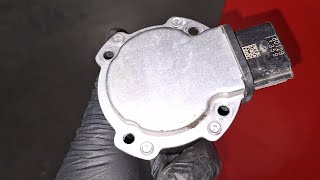
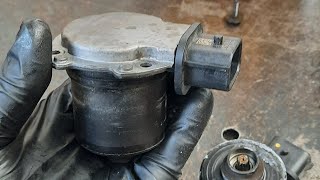
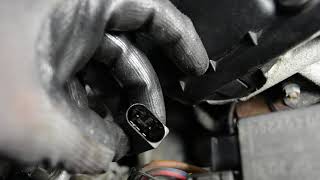
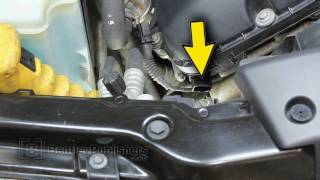
🎬 See this DIY repair for BMW E46 camshaft sensor faults.Technical definition: The formal SAE/OBD-II definition for P2782 is "Downshift Switch Circuit Intermittent/Erratic". This means the Powertrain Control Module (PCM) or Transmission Control Module (TCM) detects an irregular voltage or resistance reading from the circuit monitoring the driver's manual downshift request.
Can I Drive With P2782?
No — Do Not Drive. Do not drive. The transmission will suddenly fail to shift, get stuck in gear, or drop into neutral, creating a severe safety hazard in traffic. Continuing to drive with a slipping clutch generates extreme heat, destroying the clutch assembly, forks, and actuators, turning a $1,500 repair into a $4,000+ transmission replacement.
Common Causes
- Failing or sticking clutch actuator (Very Common) — This is the most frequent cause on dual-clutch transmissions (DCTs). The electric motor that engages and disengages 🎬 Watch: How to diagnose and replace Ford dual-clutch actuators. a clutch becomes slow, weak, or seizes. This prevents the clutch from fully engaging, causing it to slip, create immense friction, and overheat, triggering P2782 as a temperature warning.
- Worn clutch assembly or binding release forks (Common) — Clutch dust and debris from normal wear accumulate inside the transmission bell housing, causing the mechanical release forks to bind. This prevents the clutch from applying proper pressure, leading to slippage and overheating.
- Faulty Transmission Control Module (TCM) (Common) — The TCM is the transmission's brain. It fails by receiving incorrect temperature data, sending improper commands to the actuators, or suffering internal circuit board failures. These intermittent issues are a well-documented problem in Ford's PowerShift transmissions.
- Low, burnt, or incorrect transmission fluid (Common) — In wet-clutch DCTs and some dry-clutch systems, fluid is essential for cooling. If the fluid is low, degraded, or the wrong type, it cannot dissipate heat effectively from the clutch packs, leading to an overheat condition.
- Weak battery or poor electrical grounds (Less Common) — Modern electronically controlled transmissions are extremely sensitive to system voltage. A weak battery causes the TCM and its actuators to behave erratically, leading to poor shift commands, clutch slippage, and random transmission codes.
- Faulty exhaust camshaft position sensor (Specific BMWs) (Rare) — On BMW E46 models with N42 and N46 engines, the manufacturer repurposes P2782 to indicate a fault with the exhaust camshaft position sensor circuit. This is a notorious source of misdiagnosis if the technician follows the generic code definition.
- Damaged wiring or faulty downshift switch (Rare) — This fault aligns with the code's literal definition. The wiring to the manual shift button frays, or the switch contacts wear out, causing an erratic signal. On older GM trucks, a failed internal mode switch also triggers this code.
- Leaking clutch input shaft seals (Rare) — In Ford's dry-clutch DPS6 transmission, seals leak fluid onto the clutch surfaces. This contamination causes the clutch to slip and shudder, generating excessive heat and triggering the P2782 code.
Symptoms
- Shuddering or jerking on acceleration — The vehicle vibrates or shudders violently when accelerating from a complete stop, 🎬 Watch: Diagnosing severe transmission shudder and clutch slip issues. feeling like someone is learning to drive a manual transmission.
- Transmission overheating warning light — A message like 'Transmission Hot, Stop Safely' appears on the dashboard, confirming the clutch is slipping and generating extreme heat.
- Inability to shift or getting stuck in gear (Limp Mode) — The transmission refuses to shift, gets stuck in a single gear (like 3rd), or loses the ability to go into reverse to protect itself from further damage.
- Harsh, erratic, or delayed gear shifts — The transmission slams into gear, hesitates for a long time before shifting, or shifts at incorrect RPMs.
- Check Engine Light or Transmission Warning Light is on — The Malfunction Indicator Lamp (MIL) or a dedicated transmission warning light (often a gear symbol) illuminates.
- Vehicle stalls when coming to a stop — If a clutch fails to disengage correctly due to a stuck actuator or fork, the engine stalls as the car stops, similar to forgetting to press the clutch on a manual car.
- Manual 'tap-shift' function is inoperative — If the cause is the downshift switch itself, the manual shifting mode fails to work, but automatic shifting functions normally.
Diagnostic Flowchart
Tap your situation to follow the diagnostic path that matches what you're seeing on this code.
Common Fixes & Costs
- Replace clutch assembly, release forks, and input seals — ~9.5 hr book time (Professional)
- Replace one or both clutch actuators — ~2.5 hr book time (Intermediate)
- Replace and reprogram Transmission Control Module (TCM) — ~1.5 hr book time (Intermediate)
- Transmission fluid and filter change — ~1.2 hr book time (DIY)
- Battery and/or ground strap replacement — ~0.8 hr book time (DIY)
- Replace exhaust camshaft position sensor (BMW) — ~0.5 hr book time (DIY)
Used vs. New Parts: Buying Guide
When a used part is worth it: Never buy used clutch packs, actuators, or TCMs to fix P2782. The high labor costs and likelihood of premature failure make used electronics and wear items a massive financial risk. The only scenario where a used part makes sense is buying a complete low-mileage transmission assembly from a verified accident-damaged vehicle.
Donor-vehicle mileage cap: roughly under 50000 miles for the part to have meaningful remaining life.
Donor quality checklist:
- For a complete transmission, verify the donor vehicle's VIN to confirm mileage and that it was not scrapped due to transmission failure.
- Never buy a used DPS6 clutch pack. It is a wear item and the primary point of failure.
- For a TCM or actuator, match the part number exactly. Used electronics have intermittent faults that are not immediately apparent.
Decision logic:
- If The failed part is the clutch assembly or release forks. → Always buy new. The high labor cost of the job makes it illogical to risk using a worn part.
- If The failed part is the TCM or a clutch actuator. → Buy a new OEM part or a high-quality remanufactured unit with a strong warranty. Avoid used electronics from a junkyard.
- If The entire transmission is condemned and vehicle value is low. → A low-mileage used transmission assembly is a budget-conscious option, but the labor cost to install it remains high.
Warranty tradeoff: Used parts from a salvage yard typically offer a 30-90 day warranty on the part only, not labor. New aftermarket parts offer a 1-year to limited lifetime warranty. New OEM parts carry a 1-2 year warranty.
Worst-case if a used part fails: $1500-$2500. If a used clutch, TCM, or transmission fails after installation, you pay for the labor a second time, in addition to buying another replacement part.
What Happens If You Wait — Timeline
- 0-1 month: Code P2782 appears intermittently. A slight shudder is felt on takeoff from a stop, often dismissed as 'normal'. The Check Engine Light illuminates. (MPG impact: 0-2%% · Added cost: $0)
- 1-4 months: The shudder becomes consistent, especially in stop-and-go traffic. The transmission hesitates or shifts harshly. The clutch friction material glazes from overheating, reducing its grip. (MPG impact: 3-8%% · Added cost: $50-$150 in wasted fuel. An actuator-only or TCM fix becomes less likely.)
- 4-8 months: Severe shuddering makes city driving difficult. The 'Transmission Hot, Stop Safely' warning appears during low-speed driving. The clutch pack warps and release forks bind from debris. A full clutch replacement is unavoidable. (MPG impact: 8-15%% · Added cost: $2,000-$3,500. The repair escalates from a potential actuator fix to a mandatory clutch and fork replacement.)
- 8+ months: Catastrophic failure. The transmission gets stuck in gear, loses reverse, or fails to move. Extreme heat destroys the clutch actuators, TCM, and input shaft seals, contaminating the entire unit. (MPG impact: 15-25%% · Added cost: $4,000-$7,000+. A complete transmission replacement is required.)
Cost of Not Fixing It
- 0-1 month: Noticeable shudder and hesitation, especially in traffic. Decreased fuel economy due to clutch slippage. The 'Transmission Hot' warning appears during heavy use. (Added cost: Negligible, besides extra fuel costs.)
- 1-6 months: Severe damage to the clutch pack and release forks. The initial slipping superheats and glazes the clutch friction material, and warps the steel plates, making a full clutch replacement unavoidable. An actuator-only fix is no longer possible. (Added cost: $2000-$3500. The repair escalates from a potential actuator/TCM fix to a full clutch and fork replacement.)
- 6+ months: Catastrophic transmission failure. Extreme, prolonged heat damages the input shaft seals, clutch actuators, and the transmission case itself. The entire transmission assembly requires replacement. (Added cost: $4000-$7000+. The cost of a complete transmission replacement far exceeds the cost of a clutch job.)
Diagnosis Steps
- Scan for All Powertrain Codes
Use a professional-grade OBD-II scanner to read codes from the Engine (PCM) and Transmission (TCM) modules. The presence of codes like P2872 (Clutch A Stuck Engaged), P287A (Clutch B Stuck Engaged), or P0902 (Clutch Actuator Circuit Low) immediately confirms a mechanical/hydraulic failure, not the downshift switch.
Tools: OBD-II Scanner (Beginner) - Check Battery Health and System Voltage
Ensure the vehicle's electrical system is stable. Use a multimeter to check the battery voltage with the engine off (should be ~12.6V) and with the engine running (should be ~13.7-14.7V). A weak battery or failing alternator causes countless 'ghost' transmission codes.
Tools: Digital Multimeter (Beginner) - Monitor Live Data with a Scan Tool
Using a scan tool with live data capability, monitor Transmission Fluid Temperature. Normal temperature is 170-225°F (77-107°C). Temperatures exceeding 240°F (115°C) indicate severe slipping. Monitor 'Clutch Slip Speed'. When a clutch is commanded to lock, slip must be under 50 RPM. Spikes in slip RPM confirm a slipping clutch.
Tools: Professional OBD-II Scanner with Live Data (Advanced) - Inspect Transmission Fluid Level and Condition
On serviceable transmissions, check the fluid level and condition. Dark brown, black, or burnt-smelling fluid confirms internal overheating and friction material breakdown.
Tools: Gloves, Rag, Jack and Jack Stands (Beginner) - Check Clutch Actuator Motor Resistance and Activation
Disconnect the electrical connector for the suspected clutch actuator. Set a multimeter to Ohms (Ω) and measure the resistance across the two motor pins. For the Ford DPS6 transmission, a healthy motor reads between 1.5 and 2.2 Ohms. An open circuit (infinite resistance) or a direct short (0 Ohms) confirms a failed motor.
Tools: Digital Multimeter (Advanced) - Perform Clutch Actuator Swap (Ford Specific)
On Ford's DPS6 transmission, the top actuator (Clutch A) and bottom actuator (Clutch B) are interchangeable. If you have codes for one clutch (e.g., P2872 for Clutch A), swap the actuators. If the code changes to a Clutch B fault, you have definitively proven the actuator is the failed component.
Tools: E-Torx Socket Set, Ratchet (Advanced) - Test Downshift Switch Circuit with a Multimeter
To rule out the literal cause, test the switch circuit. Backprobe the signal wire at the TCM connector and set your multimeter to DC volts. The wire shows a specific voltage (typically 5V or 12V) when inactive. When you press the downshift button, this voltage drops to near 0V. If the voltage doesn't change, the switch or wiring is faulty.
Tools: Digital Multimeter, Wiring Diagram, T-pins (Advanced) - Test BMW Camshaft Position Sensor Signal (BMW Specific)
For BMW E46 models with N42/N46 engines, test the exhaust camshaft position sensor. Backprobe the signal wire with the ignition on. It reads a steady 5V. As you slowly rotate the engine by hand, the voltage rapidly switches between 5V and 0V. If the voltage is stuck, the sensor is faulty.
Tools: Digital Multimeter, T-pins, Socket for Crankshaft Pulley (Advanced) - Inspect Wiring Harness and Ground Connections
Visually inspect the entire wiring harness going to the transmission case, clutch actuators, and TCM. Look for chafing, melting, corrosion, or loose connections. Clean the main TCM ground strap to bare metal, as a poor ground causes erratic behavior.
Tools: Flashlight, Wire Brush (Intermediate) - Manually Test Clutch Fork Movement
Remove a clutch actuator to access the fork's splined shaft. Using a special tool, manually rotate the fork to feel for binding, popping, or excessive resistance. A smooth motion indicates the internal mechanics are okay; binding confirms internal contamination or damage to the forks or clutch pack.
Tools: Hand tools, Clutch reset tool (Professional)
When This Code Triggers (Freeze-Frame Conditions)
- Transmission Fluid Temp: 240-280°F (115-138°C) (The code sets when the TCM detects excessive clutch temperature, a direct result of clutch slippage.)
- Engine RPM: 1200-2500 RPM (Triggers during low-speed acceleration or stop-and-go driving where the clutch is frequently engaged and disengaged.)
- Vehicle Speed: 5-30 mph (The fault is most common at lower speeds associated with city driving and traffic, where clutch slip is more pronounced.)
- Calculated Engine Load: 25-50% (The code sets under moderate load, such as accelerating from a stop or climbing a slight incline, demanding more from the slipping clutch.)
Related Codes
- P2872 — Means "Clutch A Stuck Engaged." Having P2872 alongside P2782 is definitive confirmation that the problem is a mechanical failure within the clutch system, not an electrical switch issue.
- P287A — Means "Clutch B Stuck Engaged." Seeing this with P2782 points to a failure in the second clutch pack or its actuator, confirming the mechanical result of the overheating.
- P0902 — Indicates "Clutch Actuator Circuit Low." P0902 flags a low voltage condition in the clutch actuator's electrical circuit, pointing directly to a failing actuator motor. P2782 is the consequence of this electrical failure.
- P0700 — A generic code for "Transmission Control System Malfunction." It is an informational code set by the PCM to let you know the TCM has stored a fault. It provides no extra diagnostic information on its own.
Climate & Environmental Factors
- High Ambient Temperature: High outside temperatures reduce the efficiency of the transmission's cooling system. If a clutch is already slipping, hot weather causes the transmission to reach its critical temperature threshold much faster, triggering P2782 and a 'Transmission Hot' warning.
- Stop-and-Go Traffic: Frequent starting from a stop places high stress and generates significant heat in the clutches of a DCT. This driving condition, especially combined with hot weather, is a primary trigger for clutch overheating.
How to Talk to a Mechanic About This Code
Say this: "I have a [Your Car Year/Make/Model] with OBD-II code P2782. I'm experiencing [shuddering from a stop / harsh shifting / transmission overheating warnings]. I'd like to schedule a diagnostic appointment. Given the symptoms, I want to rule out a failing clutch pack or actuator before exploring other causes."
This signals to the shop that you are informed about the code's severe meanings beyond the simple 'downshift switch' definition. It focuses the technician's attention on the likely mechanical failure, preventing them from suggesting a cheap, incorrect fix.
Avoid saying:
- 'My check engine light is on, can you just fix it?'
- 'The internet said it's a downshift switch, can you replace that?'
- 'Just do whatever you think is best.'
Questions to ask before authorizing the repair:
- Based on the live data, what was the maximum transmission temperature reached and what was the clutch slip RPM?
- Did you test the resistance and function of the clutch actuators?
- For a Ford, have you confirmed if my vehicle is covered under the 14M02 TCM warranty extension?
- Can you provide a written, itemized estimate that separates parts and labor costs?
- What is the warranty on the proposed parts and your labor?
Where to Take It: Dealer vs Independent vs Chain
- Dealer:
Required for Ford warranty work. Recommended for the specific BMW issue. For out-of-warranty mechanical failures, consider a transmission specialist first.
Best for: Ford Focus/Fiesta potentially under the 10-year/150,000-mile TCM warranty (14M02)., BMW E46 models, where the code points to a specific engine sensor issue., Vehicles still under their original powertrain warranty.
Downsides: Highest labor rates, often 1.5-2x more than independent shops., Defaults to quoting a full transmission replacement when a targeted repair is possible. (Typical cost: +50% vs. baseline) - Independent Shop:
Best fit for out-of-warranty mechanical repairs, IF you choose a reputable transmission specialist. They perform targeted clutch/actuator repairs instead of full replacements.
Best for: Out-of-warranty vehicles where the cause is a known mechanical failure (e.g., Ford DPS6 clutch replacement)., Shops that specialize in transmission repair and rebuilding., Owners seeking a better price than the dealership for a major repair.
Downsides: Quality and expertise vary wildly. A general mechanic misdiagnoses P2782., Must vet the shop's reputation and ensure they are transmission specialists. (Typical cost: +0% vs. baseline) - Chain Shop:
AVOID. These shops are not equipped for the diagnostic complexity or labor-intensive nature of a P2782-related clutch or TCM failure. The risk of misdiagnosis is extremely high.
Best for: Simple jobs like oil changes and brakes, not complex diagnostics.
Downsides: Technicians lack the specialized training for complex dual-clutch transmission diagnostics., High pressure to upsell; quotes full replacements from outside suppliers without proper in-house diagnosis., Inconsistent quality of work from one location to another. (Typical cost: -10% vs. baseline)
When to Walk Away From the Repair
If the estimated repair cost for the transmission exceeds 50% of the car's current private-party value, seriously consider selling the car as-is or trading it in.
- Car worth $4500, fix is $3500: Walk away. The repair cost is ~78% of the car's value. It is not financially sound to invest this much into an aging vehicle with a known problematic transmission.
- Car worth $9000, fix is $3500: Fix it. The repair cost is ~39% of the car's value, which is below the threshold. If the rest of the car is in good condition, the repair provides several more years of service.
- Car worth $3000, fix is $1200: Borderline. The repair (likely for a TCM or actuators) is 40% of the car's value. This is a worthwhile fix, but consider the mileage and overall condition before proceeding.
What Scan Tool You Need for This Code
Minimum: A tool that reads manufacturer-specific codes from the Transmission Control Module (TCM) and streams live data PIDs like Transmission Fluid Temperature and Clutch Slip RPM.
A basic $20 code reader only shows the P-code and cannot access the specific TCM data needed to diagnose overheating, clutch slippage, or an actuator fault. For DIY repair, a bidirectional tool capable of performing a 'clutch adaptive learning' procedure is mandatory after replacing the clutch, actuators, or TCM.
Budget: FORScan software with OBDLink EX adapter (~$60) — This is the best budget option specifically for Ford owners. It provides dealer-level diagnostics, reads all Ford-specific TCM codes, monitors relevant PIDs, and performs the critical clutch and TCM adaptive learning procedures required after a repair.
Mid-range: Innova 5610 or Autel MaxiCOM MK808S (~$300-400) — These powerful handheld or tablet scanners offer bidirectional controls. They read live data, diagnose transmission systems, and perform service functions like transmission relearns on a wide variety of makes, not just Ford.
Professional: Autel MaxiSys Series (MS906BT+) or XTOOL D7 (~$500-1200) — These professional-grade tools offer full bidirectional control, comprehensive service functions including transmission adaptation for most brands, and advanced features like ECU coding and topology mapping for faster diagnosis.
How to Clear the Code After You Fix It
- Perform the physical repair (e.g., replace clutch, actuator, or TCM).
- Reconnect the battery if it was disconnected for the repair.
- Use a professional-grade OBD-II scan tool to clear all DTCs from the PCM and TCM.
- Perform a mandatory Transmission Adaptive Learning procedure with the scan tool. This is critical for Ford DPS6 transmissions.
Drive cycle (~30 minutes): After clearing the code and performing the relearn, a full drive cycle sets readiness monitors. This involves: a cold start (sit overnight), 2-3 minutes of idling, 10-15 minutes of mixed city driving (starts, stops, various speeds), followed by 5-10 minutes of steady highway speed (55-65 mph).
Readiness monitors affected: Comprehensive Component Monitor, Transmission Component Monitor
Before emissions retest: drive at least 50 miles to fully set monitors.
Watch out for:
- Clearing the code without fixing the mechanical or electrical fault results in the code returning almost immediately.
- Skipping the adaptive learning procedure after replacing a clutch or TCM causes erratic shifting and triggers new codes.
- Attempting an emissions test immediately after clearing codes results in a 'Not Ready' failure; the drive cycle must be completed first.
Will This Fail Emissions / State Inspection?
Yes — this code typically fails an OBD-II emissions inspection.
- California: An illuminated Check Engine Light is an automatic failure of the Smog Check. After repairs, a drive cycle must be completed to set all required readiness monitors before a retest is possible.
- New York: A vehicle automatically fails the emissions inspection if the Check Engine Light is on. Clearing the code just before the test leads to a failure due to readiness monitors being 'not ready'.
- Texas: In the 17 counties requiring emissions testing, an active P2782 code and illuminated MIL causes an automatic OBD-II test failure.
Most Commonly Affected Vehicles
- Ford Focus (2012-2018) — Equipped with the notoriously problematic DPS6 dry dual-clutch 'PowerShift' transmission. P2782 is almost always a sign of clutch/actuator/TCM failure.
- Ford Fiesta (2011-2019) — Uses the same DPS6 PowerShift transmission as the Focus and suffers from identical, widespread failures of the clutch packs, actuators, and TCM.
- Dodge Dart (2013-2016) — Models with the DDCT (C635) dual-clutch transmission experience similar failures of the clutch actuators and control module, leading to this code.
- Chrysler 200 (2015-2017) — The complex ZF 9-speed automatic transmission has various control module and sensor issues that trigger temperature or circuit-related codes.
- Smart Fortwo (2008-2015) — The automated-manual transmission's clutch actuator is a very common failure point, leading to shifting problems and related codes.
- BMW 3 Series (E46) (2000-2006) — Specifically on models with N42 and N46 four-cylinder engines, this code indicates a fault in the exhaust camshaft position sensor circuit, not a transmission issue.
- Chevrolet Silverado, K-Series Trucks (1994-2008) — On these models, the code often relates to the literal definition: a faulty Automatic Transmission Shift Mode Switch or its connector.
- GMC Sierra, Yukon (2009-2014) — On models with the 4L60-E/4L65-E family of transmissions, this code points to a failed internal mode switch located inside the transmission oil pan.
Manufacturer-Specific Notes
- Ford: On Focus and Fiesta models, P2782 almost never refers to the downshift switch. It is a hallmark code for the failing DPS6 PowerShift transmission. Customer Satisfaction Program 14M02 extends the TCM warranty to 10 years/150,000 miles.
- BMW: For E46 models equipped with the N42 or N46 engine, ignore the generic definition. P2782 specifically refers to a fault in the exhaust camshaft position sensor circuit. Diagnosing the transmission for this code on these cars is a costly misstep.
- Chevrolet/GMC: On 2009-2014 trucks with the 4L60-E family of transmissions, the traditional external Neutral Safety Switch was moved inside the transmission oil pan. A failure of this internal mode switch triggers P2782.
- Dodge/Chrysler: On the Dodge Dart with the DDCT, this code points to a failing clutch actuator or the entire transmission control unit. Major recalls for the shifter cable assembly do not cover the internal clutch failures that typically cause P2782.
Real Owner Stories
2015 Ford Focus at 111K miles with intermittent P2782
Owner experienced shuddering when accelerating from a stop and occasional delayed shifts. Eventually, a 'Transmission Hot' warning appeared, forcing them to pull over.
Outcome: The dealership diagnosed a failed clutch pack, actuators, and TCM—a common issue with the DPS6 transmission. The intermittent shuddering and overheating warnings were classic signs of mechanical failure.
Lesson: On a Ford Focus or Fiesta, intermittent shuddering and overheating warnings guarantee a DPS6 transmission failure. Even if the problem seems to disappear, it will return and requires professional diagnosis.
BMW E46 318i with N42 engine showing P2782 and poor performance
Car was sluggish below 3000 RPM, had a check engine light for code P2782, and was getting very poor fuel economy.
Outcome: A specialist diagnosed a failing timing chain tensioner. A weak tensioner allows the timing chain to jump, causing incorrect cam timing. The sensor sent a valid but incorrect signal, which the ECU flagged as a sensor fault (P2782). Replacing the tensioner fixed the issue.
Lesson: For specific BMWs, P2782 means a camshaft sensor circuit fault. However, a good sensor throws a code if the timing it measures is wrong. On N42/N46 engines, a failing timing chain tensioner is the true underlying cause.
Misdiagnosis: Believing P2782 is just a faulty downshift switch
A driver with a 'tap-shift' vehicle gets code P2782. The only symptom is that the manual downshift button no longer works.
Outcome: The code returned immediately, accompanied by new, severe symptoms like shuddering and harsh shifts. The real problem was a failing clutch pack inside the transmission.
Lesson: Unless the *only* symptom is an inoperative manual shift button, never assume P2782 is a simple switch issue. Shuddering, harsh shifting, or overheating warnings are definitive proof that the problem is mechanical.
2017 Ford Focus at 86K miles loses reverse gear with code P287A
After experiencing bucking and harsh shifting, the car suddenly refused to go into reverse. The codes stored were P2782 and P287A (Clutch B Stuck Engaged).
Outcome: The owner sought a second opinion from a transmission specialist. The specialist confirmed the root cause was a worn clutch and jammed actuator, not destroyed gears. Replacing the clutch pack and actuators saved the owner thousands of dollars.
Lesson: Codes like P287A accompanying P2782 point to a mechanical failure. While a general mechanic quotes a full transmission replacement, specialists perform targeted repairs on the clutch pack and actuators for significantly less money.
How to Prevent This Code From Triggering
- Change transmission fluid and filter(s) regularly (Every 30,000-40,000 miles for wet DCTs, or per manufacturer schedule) — Fluid is critical for cooling and lubrication. Old, contaminated fluid loses its ability to dissipate heat, accelerating wear. For dry-clutch DCTs, changing the gear-side fluid keeps synchronizers and bearings healthy.
- Avoid 'creeping' in stop-and-go traffic (Daily driving habit) — Creeping forces a dry dual-clutch transmission to constantly slip the clutch, generating immense heat and premature wear. Allow a gap to form, then accelerate gently to engage the clutch fully.
- Use Manual/Sport mode in low-speed situations (In parking lots or heavy traffic) — Selecting 1st gear manually prevents the transmission from hunting between 1st and 2nd gear at low speeds. This reduces the number of shifts and minimizes clutch slippage, keeping temperatures down.
- Ensure battery and grounds are in excellent condition (Annual check) — The TCM and clutch actuators require stable voltage to function correctly. A weak battery or corroded ground connection leads to incorrect actuator commands, causing clutch slip and triggering overheating codes.
- Do not hold the car on a hill using the throttle (Daily driving habit) — Using the engine to hold the car in place on an incline causes continuous clutch slip and massive heat buildup. Always use the brake pedal to hold the vehicle stationary on a slope.
Frequently Asked Questions
Can I just replace the downshift switch to fix P2782?
Highly unlikely. While that is the code's official definition, P2782 is most commonly triggered by a serious transmission clutch issue, especially in Ford Focus and Fiesta cars. Unless your diagnosis specifically confirms a faulty switch circuit with a multimeter, replacing the switch will not solve the problem.
Is it safe to keep driving with code P2782?
No. The transmission will suddenly get stuck in gear, shift to neutral unexpectedly, or fail to accelerate from a stop. Continued driving generates extreme heat that destroys internal components, drastically increasing repair costs.
Why did my car show a 'Transmission Hot' warning with this code?
The underlying cause is almost certainly a slipping clutch. When a clutch fails to engage fully, it slips against the flywheel, creating massive amounts of friction and heat. This overwhelms the transmission fluid and cooling systems, triggering the temperature warning.
Can a weak battery cause P2782?
Yes. Electronically controlled transmissions rely on steady voltage to operate solenoids and actuators precisely. A weak battery or poor ground causes erratic voltage, leading the TCM to issue incorrect commands that cause clutch slip and trigger P2782.
What is a transmission 'relearn' and will it fix P2782?
A transmission relearn resets the transmission's learned shift points and clutch engagement values using a scan tool. It is mandatory after replacing a clutch, actuator, or TCM. It will not fix a P2782 code caused by a failed mechanical or electrical part.
How do I know if the problem is the switch or the clutch?
If the only problem is an inoperative manual 'tap-shift' button, the issue is likely the switch. If you experience physical shifting problems like shuddering, harsh shifts, or overheating warnings, the problem is the clutch, actuators, or TCM.
My mechanic says P2782 means it's a camshaft sensor. Is that possible?
Yes, if you drive a BMW E46 3-Series with an N42 or N46 engine. BMW reused code P2782 to indicate a problem with the exhaust camshaft position sensor circuit on these specific cars. For these vehicles, this is the correct diagnosis and the transmission is fine.
Key Takeaways
- Code P2782 signals one of three distinct issues: a failing dual-clutch transmission (most common), a faulty BMW camshaft sensor, or a broken manual downshift switch.
- On 2012-2018 Ford Focus and 2011-2019 Fiesta models, P2782 guarantees a severe DPS6 PowerShift transmission failure requiring immediate diagnosis of the clutch, actuators, or TCM.
- Stop driving immediately; continuing with a slipping clutch generates extreme heat that escalates a $500 actuator repair into a $3,000+ complete transmission replacement.
- Always scan for companion codes like P2872 (Clutch A Stuck Engaged) or P0902 (Actuator Circuit Low) to pinpoint the exact mechanical or electrical failure before buying parts.
- The most frequent repair for P2782 is replacing the clutch pack, release forks, and actuators, costing between $1,600 and $3,300 at an independent transmission specialist.
Helpful Videos

The information in this article is provided for general reference and educational purposes only. Vehicle specifications, procedures, and part compatibility can vary by production date, trim level, and region. Always consult your vehicle's factory service manual and verify part numbers before purchasing or performing repairs. Safety-critical components such as airbags, seat belts, and braking systems should be installed by a qualified professional.
- 🎬 Helpful Videos
- What Does P2782 Mean?
- Can I Drive With P2782?
- Common Causes
- Symptoms
- Diagnostic Flowchart
- Common Fixes & Costs
- Used vs. New Parts: Buying Guide
- What Happens If You Wait — Timeline
- Cost of Not Fixing It
- Diagnosis Steps
- When This Code Triggers (Freeze-Frame Conditions)
- Related Codes
- Climate & Environmental Factors
- How to Talk to a Mechanic About This Code
- Where to Take It: Dealer vs Independent vs Chain
- When to Walk Away From the Repair
- What Scan Tool You Need for This Code
- How to Clear the Code After You Fix It
- Will This Fail Emissions / State Inspection?
- Most Commonly Affected Vehicles
- Manufacturer-Specific Notes
- Real Owner Stories
- 2015 Ford Focus at 111K miles with intermittent P2782
- BMW E46 318i with N42 engine showing P2782 and poor performance
- Misdiagnosis: Believing P2782 is just a faulty downshift switch
- 2017 Ford Focus at 86K miles loses reverse gear with code P287A
- How to Prevent This Code From Triggering
- Frequently Asked Questions
- Can I just replace the downshift switch to fix P2782?
- Is it safe to keep driving with code P2782?
- Why did my car show a 'Transmission Hot' warning with this code?
- Can a weak battery cause P2782?
- What is a transmission 'relearn' and will it fix P2782?
- How do I know if the problem is the switch or the clutch?
- My mechanic says P2782 means it's a camshaft sensor. Is that possible?
- Key Takeaways
- 🎟️ Get 5% Off