

P2764 on 2008-2014 Dodge Avenger: TCC Solenoid Circuit and Torque Converter Guide
On a 2008-2014 Dodge Avenger with the 6-speed (62TE) automatic transmission, code P2764 indicates a fault in the torque converter clutch (TCC) solenoid circuit. While this can be a faulty solenoid pack, a manufacturer TSB suggests it often points to a failed torque converter, which is a more complex and expensive repair. Owners often report engine stalling when coming to a stop as a primary symptom.
- P2764 on a Dodge Avenger with the 6-speed 62TE transmission indicates a low voltage problem in the torque converter clutch solenoid circuit.
- Do not automatically assume the solenoid is the only problem. A manufacturer TSB strongly suggests that a failed torque converter is a very common cause for this code on this specific transmission.
- Proper diagnosis is critical. Test the solenoid and wiring first. If they are good, the torque converter is the next likely suspect.
- This is a serious issue that can lead to being stranded or causing further expensive transmission damage. Professional repair is highly recommended.
- Always use the specified Mopar ATF+4 transmission fluid when performing any service on this transmission.
What's Unique About the 2008-2014 Dodge AVENGER

The Dodge Avenger from this period, when equipped with the V6 engine or the 2.4L after 2008, uses the 6-speed 62TE automatic transmission. This transmission is widely used across Chrysler, Dodge, and Jeep vehicles. For this specific platform, a critical piece of information comes from a Technical Service Bulletin (TSB). It advises that if code P2764 appears and the TCC solenoid itself tests okay, the root cause is likely a failed torque converter. This is a crucial distinction, as on many other vehicles, a simple solenoid replacement would be the primary fix. The 62TE was an evolution of the older 4-speed 41TE, with an added compounder section to create six speeds, which introduced new potential failure points.
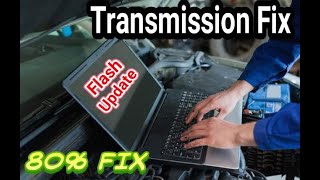
🎬 Watch: A breakdown of common 62TE transmission failure points.Diagnostic Flowchart
Tap your situation to follow the diagnostic path that matches what you're seeing on this vehicle.
Symptoms You May Notice
- Vehicle jerking or transmission slipping.
- Engine stalling when coming to a stop or putting the vehicle in Drive.
- Shuddering or vibrations during acceleration, especially when the TCC should be locking up.
- Engine RPMs are higher than usual at highway speeds (TCC not locking up).
- Harsh, clunky, or erratic shifting.
- Delayed engagement when shifting from Park to Drive.
- Decreased fuel economy.
- Transmission overheating warning light or a burning smell from the fluid.
- Check Engine Light is on.
- Replacing the TCC solenoid or solenoid pack without confirming if the torque converter is the actual point of failure, as suggested by the TSB. This can lead to the code returning and wasted expense.
- Replacing only the torque converter without also replacing the solenoid pack and thoroughly flushing the system. Debris from the old converter can quickly damage the new components.
Most Likely Causes

- Failed Torque Converter 🔴 High Probability A manufacturer TSB directly links this code to torque converter failure on the 62TE transmission after the solenoid circuit has been verified. The torque converter clutch lining can fail, contaminating the fluid with debris and causing a loss of hydraulic integrity.
How to confirm: After confirming the TCC solenoid and wiring are functioning correctly, a torque converter failure is the most likely cause per the TSB. A professional scan tool can monitor commanded TCC lockup versus actual slip RPM; a high slip rate when lockup is commanded points to the converter.
Typical fix: Replace the torque converter. This requires removing the transmission from the vehicle. It is highly recommended to also replace the solenoid pack and flush the transmission cooler lines at the same time.
Est. part cost: $250-$600 - Faulty TCC Solenoid / Solenoid Pack 🟡 Medium Probability The solenoid pack is a known weak point on the 62TE. The TCC solenoid can fail mechanically, getting stuck and causing the engine to lug or stall at a stop. It is an electronic component submerged in hot transmission fluid, making it a common failure point over time.
How to confirm: Test the solenoid's resistance at the transmission connector (Pin 10 to Pin 3 for the TCC solenoid) and check for proper command from the PCM with a capable scan tool. A resistance test showing an open circuit (infinite ohms) confirms failure.
Typical fix: Replace the transmission solenoid pack. On the 62TE, individual solenoids are not typically sold separately, so the entire pack is replaced. This requires removing the transmission pan and valve body.
Est. part cost: $150-$400 - Low or Contaminated Transmission Fluid ⚪ Low Probability While not specific to this vehicle, fluid is the lifeblood of the transmission. Debris from a failing torque converter is a common contaminant that can clog solenoid passages and cause this code.
How to confirm: Check the transmission fluid level and condition. The fluid should be at the correct level, red in color, and not smell burnt or contain visible metal particles.
Typical fix: Perform a transmission fluid and filter change using the correct fluid type (Mopar ATF+4). If the fluid is heavily contaminated, this is often a symptom of a larger internal failure (like the torque converter).
Est. part cost: $100-$200 - Damaged Wiring or Connectors ⚪ Low Probability
How to confirm: Visually inspect the wiring harness leading to the transmission for any signs of fraying, corrosion, or loose connections. Perform a continuity test on the TCC solenoid circuit (Pin 3 at the transmission connector back to the PCM).
Typical fix: Repair or replace the damaged section of the wiring harness.
Est. part cost: $20-$100
Rare But Worth Checking
- Faulty Powertrain Control Module (PCM) or Transmission Control Module (TCM): This is a rare cause. The PCM/TCM should only be considered after all other possibilities, including wiring, solenoids, and the torque converter itself, have been thoroughly ruled out.
Diagnosis Steps
- Scan the computer for any other trouble codes. Note if P0740 is also present.
- Check the transmission fluid level and condition. Ensure it is clean, full, and of the correct type (ATF+4). Look for excessive metal debris, a sign of converter failure.
- Inspect the transmission wiring harness and connectors for any visible damage, corrosion, or loose connections.
- Using a professional scan tool, command the TCC solenoid on and off to check for a response. Monitor TCC slip RPM to see if the converter is attempting to lock up.
- Test the electrical circuit of the TCC solenoid. Check for battery voltage at Pin 10 of the solenoid pack connector and test the resistance between Pin 10 and Pin 3 (TCC control). It should be around 5.2 ohms. An open or shorted circuit indicates a wiring or solenoid issue.
- If the solenoid and circuit test good, the issue is likely mechanical. Following the guidance of the TSB, the next step is to inspect and likely replace the torque converter.
- If the solenoid pack is deemed faulty, it must be replaced as an assembly. This involves draining the fluid, dropping the pan, and removing the valve body.
Parts You'll Likely Need

- Torque Converter — Manufacturer TSBs point to this as the likely culprit if the solenoid and its circuit are functioning correctly. It is the root cause of shuddering and stalling symptoms when its internal clutch fails.
Trusted brands: Mopar, Transtar, Whatever
OEM price range: $400-$700
Aftermarket price range: $250-$500 - Transmission Solenoid Pack
(OEM #68376696AA (supersedes older numbers like 5078709AB))— This is the primary electrical component that fails within the circuit, causing the code. It is often replaced as a complete assembly for the 62TE transmission.
Trusted brands: Mopar, Rostra, Sonnax
OEM price range: $200-$350
Aftermarket price range: $150-$300 - Mopar ATF+4 Transmission Fluid
(OEM #68218057AC)— This is the required fluid for any service on the 62TE transmission. A fluid and filter change is necessary for either a solenoid or torque converter replacement. Typically 5-6 quarts are needed for a pan drop, more for a full rebuild.
Trusted brands: Mopar, Valvoline ATF+4, Castrol ATF+4
OEM price range: $10-$15 per quart
Aftermarket price range: $8-$12 per quart - Transmission Filter Kit — Should always be replaced when the transmission pan is removed for service.
Trusted brands: Mopar, Wix, ATP
OEM price range: $30-$50
Aftermarket price range: $15-$30
Related Codes That Often Appear With This One
- P0740 — This code also relates to a 'Torque Converter Clutch Circuit Malfunction.' Both codes are mentioned together in TSBs as indicators of a potential torque converter failure on the 62TE transmission.
Technical Service Bulletins (TSBs) & Recalls
- Chrysler TSB (various numbers like 9004206, 9004009): States that if the vehicle jerks or slips and has code P2764 or P0740, and the TCC Solenoid operation is normal, the torque converter should be replaced.
- ATRA Technical Bulletin #1648: Describes a scenario where a vehicle with P2764 stalls every time it's put in Drive after a long trip, pointing to a stuck TCC.
Platform-Specific Known Issues
- A known issue documented in TSBs for vehicles with the 62TE transmission is that code P2764, often with P0740, indicates a torque converter failure rather than just a solenoid issue, especially if the solenoid tests okay.
- Another common symptom specific to the 62TE is the engine stalling or stumbling when coming to a stop, which is caused by the torque converter clutch failing to disengage.
Mechanic-Grade Diagnostic Values
- TCC (EMCC) VFS Solenoid Resistance — expected: ~5.2 Ohms. Failure: A reading that is significantly different, open (infinite ohms), or shorted (zero ohms).
- Other Shift Solenoids Resistance (e.g., 2-4, OD, Direct Clutch) — expected: ~1.8 - 2.0 Ohms. Failure: A reading that is significantly outside this range.
- TCC Solenoid Circuit Voltage (Key On) — expected: Approximately 12V (+/- 0.5V). Failure: Voltage below 9V indicates a low-voltage condition in the circuit.
Scan Tool Commands That Help
- Professional OBD-II Scanner (e.g., wiTECH): TCC Solenoid Actuation / Bidirectional Test — Use this to command the TCC solenoid on and off while monitoring circuit voltage and transmission behavior. This helps determine if the fault is with the control module's command, the wiring, or the solenoid itself.
Wiring & Ground Locations

- Transmission Ground Cable — A ground cable is bolted to the side of the transaxle case. On some models, this is near the valve body oil pan.. A poor or corroded ground can cause a voltage drop in electrical circuits, potentially triggering a 'Circuit Low' code like P2764. Ensuring this connection is clean and tight is a crucial early step in electrical diagnosis.
- TCC VFS Control Circuit (Pin 3) — Pin 3 on the 23-way main transmission connector (Solenoid/Pressure Switch Assembly).. This is the specific control wire from the PCM to the TCC solenoid. It must be tested for continuity, shorts to ground, and shorts to voltage between the PCM and this pin.
- Transmission Control Relay Power (Pin 10) — Pin 10 on the 23-way main transmission connector.. This pin supplies battery voltage to the solenoid pack. It is used as the positive lead when testing the resistance of the individual solenoids through the main connector.
Real Owner Repair Stories
- YouTube channel 'Car-Bons DIY Garage' (2015 Dodge Grand Caravan with 62TE transmission) — Vehicle would stall when coming to a stop, especially when warm. No trouble codes were present. Dropping the transmission into neutral would prevent the stall, indicating the torque converter was staying locked.
❌ Tried (didn't work) The owner diagnosed the issue as either dirty fluid/filter, a bad TCC solenoid, or a bad torque converter. He opted to try the cheapest fix first.
✅ What actually fixed it The owner replaced only the TCC solenoid (Mopar Part #5169313AA), which is accessible via a side cover on the transmission, along with a transmission fluid and filter change. This resolved the stalling issue.
When the Usual Fixes Don't Work
- While the manufacturer TSB points towards torque converter failure as the primary cause for P2764 when the solenoid circuit tests good, real-world evidence suggests this isn't always the case. A common symptom of stalling when stopping, even without a P2764 code, has been resolved by replacing only the TCC solenoid (Part #5169313AA), which is a much less expensive repair than a torque converter. Furthermore, transmission specialists like Sonnax highlight that wear within the valve body bores can cause hydraulic leaks that lead to TCC-related codes and symptoms. This indicates that even if the solenoid and torque converter are replaced, the root cause might be a worn valve body, leading to a repeat failure. This suggests a more nuanced diagnostic path: 1. Electrical Test, 2. Solenoid Replacement, 3. Valve Body Inspection, 4. Torque Converter Replacement.
OEM Part Supersession History
5078709AB→68376696AA— Part revision and update by the manufacturer. Later revisions often address known failure points.
Heads up: The parts are generally interchangeable, but it is always recommended to use the latest revision (68376696AA) for repairs.N/A (Part of Solenoid Pack)→5169313AA— This is the individual TCC solenoid, which can be purchased separately from the entire solenoid pack.
Heads up: This part allows for a more targeted and less expensive repair if only the TCC solenoid has failed, as seen in some repair stories.
Model Year Variations Within This Range
- 2007-2020: The 62TE transmission has undergone nine design changes over its production life. Four of these changes were specifically to address issues with erratic shifting on inclines. This means internal components and software calibration may differ on earlier vs. later models, though the P2764 fault remains a common issue.
Helpful Videos

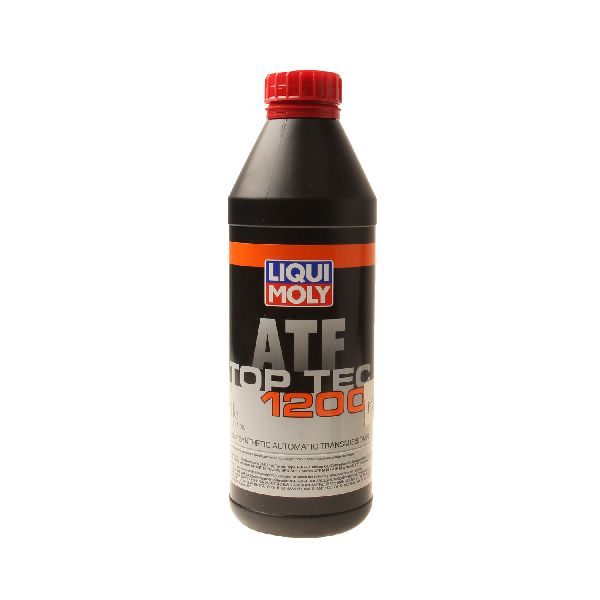
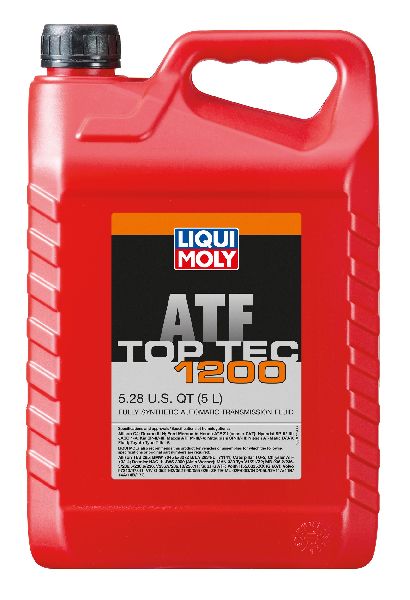
We Have This Part in Stock


The information in this article is provided for general reference and educational purposes only. Vehicle specifications, procedures, and part compatibility can vary by production date, trim level, and region. Always consult your vehicle's factory service manual and verify part numbers before purchasing or performing repairs. Safety-critical components such as airbags, seat belts, and braking systems should be installed by a qualified professional.
- Dodge AVENGER:
- 🎬 Helpful Videos
- 🛍️ Shop This Part
- What's Unique About the 2008-2014 Dodge AVENGER
- Diagnostic Flowchart
- Symptoms You May Notice
- Most Likely Causes
- Rare But Worth Checking
- Diagnosis Steps
- Parts You'll Likely Need
- Related Codes That Often Appear With This One
- Technical Service Bulletins (TSBs) & Recalls
- Platform-Specific Known Issues
- Mechanic-Grade Diagnostic Values
- Scan Tool Commands That Help
- Wiring & Ground Locations
- Real Owner Repair Stories
- When the Usual Fixes Don't Work
- OEM Part Supersession History
- Model Year Variations Within This Range
- 🎟️ Get 5% Off