

P2635 on 2013-2019 Chevrolet Silverado 3500: Fuel Pump Low Flow Causes and Fixes
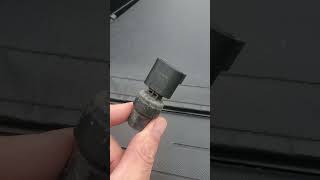
On 2013-2019 Silverado 3500 gas models, code P2635 typically points to a failing in-tank fuel pump or a faulty low-pressure fuel sensor located on the frame rail. Symptoms are worse in extreme hot or cold weather. Replacing the fuel pressure sensor (OEM Part #13516496) is a common, inexpensive first step before condemning the more expensive fuel pump.
- P2635 on a Silverado 3500 means the in-tank fuel pump isn't providing enough fuel flow.
- Symptoms like stalling and hesitation are much more likely to occur in very hot or very cold weather.
- Always test or replace the low-pressure fuel sensor on the frame rail first; it's a common, inexpensive part that often fails and causes this code.
- If the sensor is good, the next most likely cause is a weak in-tank fuel pump, which is a more involved and expensive repair.
- This code is almost always accompanied by P018B; they should be diagnosed together as they point to the same fault.
What's Unique About the 2013-2019 Chevrolet SILVERADO 3500

This generation of Silverado is known for fuel system issues that trigger P2635, particularly under extreme temperature conditions. Multiple Technical Service Bulletins (TSBs) from GM confirm that both very high (over 100°F) and very low (below 20°F) ambient temperatures can cause hesitation, stalling, and the setting of this code. The high-temperature issue is often traced to vapor buildup in the fuel line, which the original fuel pump design was susceptible to; GM released an updated pump with a revised breather to fix this. The second common failure is a faulty low-pressure fuel sensor giving incorrect readings, a problem detailed in TSB #PIP5286B.
🎬 Watch: Diagnosing and fixing the low-pressure fuel sensorDiagnostic Flowchart

Tap your situation to follow the diagnostic path that matches what you're seeing on this vehicle.
Generation note: This range covers the end of the 2nd generation (GMT900, 2013-2014) and the full 3rd generation (K2XX, 2015-2019) of the Silverado HD. The underlying fuel system design and the components prone to failure (fuel pump, FPCM, fuel pressure sensor) are similar enough that the causes and fixes for P2635 are consistent across both generations, as confirmed by TSBs that cover the entire year span.
Symptoms You May Notice
- Check Engine Light illuminated
- Engine hesitation or surging, especially under load or on acceleration
- Stalling, particularly in very hot weather (over 100°F) or very cold weather (below 20°F)
- Loss of power or entering 'limp mode'
- Extended engine cranking time before starting
- No-start condition
- Whining noise from the fuel tank area in cold weather
- Replacing the fuel pump when the actual problem is the much cheaper and easier-to-replace low-pressure fuel sensor.
- Replacing the Fuel Pump Control Module (FPCM) without first verifying the fuel pump and sensor are functioning correctly. TSBs and diagnostic procedures do not recommend replacing the FPCM for P2635 alone.
Most Likely Causes


- Faulty Low-Pressure Fuel Sensor 🔴 High Probability The sensor is exposed to the elements on the frame rail and is a known failure point. TSB #PIP5286B specifically provides a diagnostic procedure to test this sensor, as it can send incorrect pressure readings to the FPCM, falsely triggering a low-flow condition. Many owners in forums report fixing P2635 by only replacing this sensor.
How to confirm: With a scan tool, monitor the low-side fuel pressure reading. A healthy sensor should show fluctuating pressure between roughly 50-60 PSI while running. The definitive test is described in TSB #PIP5286B: on a cold engine, command the fuel system to depressurize. The pressure reading should drop to near zero as the engine stalls. A faulty sensor will often get stuck and continue to read pressure (e.g., 30-40 PSI) even after the engine has stalled from lack of fuel.
Typical fix: Replace the low-pressure fuel sensor located on the vehicle's frame rail, under the driver's side, near the body mount.
Est. part cost: $35-$70 - Failing In-Tank Fuel Pump Module 🔴 High Probability TSBs #17-NA-335 and #PIP5507B note that high ambient temperatures can cause vapor buildup or pump weakness, leading to low flow. GM has released updated fuel pump modules with a different breather design to address this condition. Cold weather can also cause pump issues.
How to confirm: After ruling out the fuel pressure sensor, the next step is to test the fuel pump's performance. This can be done by monitoring fuel pressure with a scan tool while driving under load. A significant drop in pressure during acceleration points to a weak pump. If symptoms only occur in extreme heat, it strongly suggests the pump is the issue per TSB #17-NA-335.
Typical fix: Replace the complete in-tank fuel pump module assembly. This requires dropping the fuel tank. Ensure the replacement is the updated GM design if the failure is heat-related.
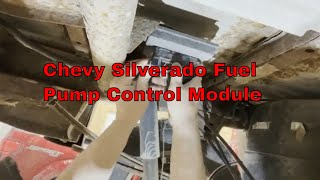
Est. part cost: $250-$500 - Faulty Fuel Pump Control Module (FPCM) 🟡 Medium Probability The FPCM regulates the voltage to the fuel pump to control its speed. Located on a frame cross-member near the spare tire, it is exposed to moisture and vibration. Corrosion on the module's connector is a common point of failure.
How to confirm: Diagnosis involves a visual inspection of the FPCM and its connector for corrosion or damage. Use a bi-directional scan tool to command the fuel pump on and off to see if the FPCM responds correctly. Check for proper power (approx. 12V) and ground at the module's connector pins (Pin 32 for battery power, Pin 1 for ground, Pin 13 for ECM signal).
Typical fix: Replace the Fuel Pump Control Module. On many GM trucks of this era, the new module does not require programming and is a plug-and-play replacement.
Est. part cost: $80-$150 - Clogged Fuel Filter ⚪ Low Probability The fuel filter is integrated into the fuel pump module assembly in the tank and is not a separate, serviceable part. While a clog from contaminated fuel is possible, it's less common than the pump motor or sensor failing.
How to confirm: This is typically diagnosed by exclusion. If the sensor and pump electronics test good but pressure is still low, a restriction is likely. Confirming requires measuring fuel pressure directly or inspecting the filter sock after removing the pump module.
Typical fix: The entire fuel pump module must be replaced, as the filter is not sold separately.
Est. part cost: $250-$500
Rare But Worth Checking
- Active Grille Shutter Fault: In some documented owner experiences, a binding or faulty active grille shutter assembly has inexplicably triggered a P2635 code. The theory is that when the BCM commands the shutters to move (often during acceleration onto a highway) and they fail, it can create a communication bus error that the ECM misinterprets as a fuel system fault. This is rare and should only be considered if fuel system diagnostics are exhausted and/or other communication or shutter-specific codes (like U1510 or P059F) are present.
Diagnosis Steps
- Check for other DTCs. Prioritize any communication (U-codes) or FPCM-specific (P069E) codes first. [Bulletin #PIP5427]
- Using a scan tool, observe the 'Fuel Tank Fuel Pressure Sensor' parameter with the key on, engine off. Note the value.
- Start the engine and monitor the pressure. A healthy system should show pressure fluctuating, typically between 50 and 60 PSI (345-414 kPa). A reading that is stuck and unchanging is a sign of a bad sensor.
- If possible, perform the fuel system depressurization test as described in TSB #PIP5286B on a cold engine. Command the system to depressurize while watching the sensor reading. The pressure should drop to near zero as the engine stalls.
- If the pressure reading remains high (e.g., 30+ PSI) after the engine stalls, the low-pressure fuel sensor is faulty and should be replaced.
- If the sensor tests good, inspect the wiring and connector for the Fuel Pump Control Module (FPCM), located on the frame cross-member near the spare tire. Check for green corrosion or loose pins.
- Verify power and ground at the FPCM connector. With the key on, check for ~12V at Pin 32 (Red/White) and Pin 15 (Pink). Check for a good ground at Pin 1 (Black). Check for the ECM command signal on Pin 13 (Dark Green/White).
- If wiring is intact, use a scan tool to command the fuel pump to various speeds and monitor the actual fuel pressure to see if it responds accordingly. A lack of response or pressure may indicate a failing FPCM or fuel pump.
- If the FPCM and sensor are confirmed good, and especially if symptoms are temperature-dependent, the in-tank fuel pump is the most likely remaining cause.
Parts You'll Likely Need
- Low-Pressure Fuel Sensor
(OEM #13516496 (supersedes 13579380))— This sensor is a very common failure point that mimics a bad fuel pump. It's relatively inexpensive and easy to access on the frame rail, making it the logical first part to replace.
Trusted brands: ACDelco (Genuine GM), Bosch, NTK
OEM price range: $40-$60
Aftermarket price range: $25-$45 - Fuel Pump Module Assembly
(OEM #84376555 (Example for 2015-2019 3500HD w/ 6.0L, dual tanks))— The in-tank pump is the second most common cause, especially if symptoms occur in high heat. GM has issued updated parts to address this. The entire module, which includes the pump, level sender, and filter, must be replaced. Part numbers vary significantly by year, tank configuration, and wheelbase, so always verify with a VIN.
Trusted brands: ACDelco (Genuine GM), Delphi
OEM price range: $350-$500
Aftermarket price range: $200-$400
Related Codes That Often Appear With This One
- P018B — This code for 'Fuel Pressure Sensor 'B' Circuit Range/Performance' is almost always seen with P2635. The TSBs from GM list them together, as they point to the same set of problems: a bad sensor or a failing pump causing an out-of-range signal.
- P0087 — 'Fuel Rail/System Pressure - Too Low' is a direct consequence of the low flow condition described by P2635. It indicates the pressure has dropped below the minimum threshold, often seen during the cold-weather stalling issue.
- U0074 — This code indicates a control module communication bus is off. TSB #PIP5427 suggests that if this network code is present, it should be diagnosed and fixed before troubleshooting P2635, as a communication problem can cause false fuel system codes.
- P069E — This code means 'Fuel Pump Control Module Requested MIL Illumination'. It is a general code set by the ECM when the FPCM detects an internal fault or a fault in the circuit it controls. Its presence strongly points the diagnosis towards the FPCM or its wiring.
Technical Service Bulletins (TSBs) & Recalls
- Addresses hesitation, surging, and stalling in high ambient temperatures (over 100°F), setting codes P2635 and/or P018B. It identifies the cause as vapor buildup in the fuel feed line and recommends replacing the fuel pump module with an updated version.
- Concerns a siren or whine from the fuel pump in very cold temperatures (below 20°F), leading to start/stall, no-start, or loss of power. Lists P2635 as one of the potential DTCs set during this condition.
- Provides a specific diagnostic test for when P2635 and P018B are present together. It instructs technicians to perform a fuel system depressurization test on a cold engine. If the sensor reading on a scan tool does not drop to zero after the engine stalls, the sensor is faulty.
- A preliminary bulletin, later superseded by #17-NA-335, that first identified the link between high ambient temperatures (100°F+) and the setting of P2635/P018B with stalling conditions.
Platform-Specific Known Issues
- High Temperature Stalling: Per TSB #17-NA-335 and #PIP5507B, these trucks are prone to setting P2635 and stalling in ambient temperatures over 100°F (37.7°C) due to vapor buildup or fuel pump weakness. The official fix is often an updated fuel pump module.
- Cold Temperature Stalling: Per TSB #18NA103, these trucks can also experience no-starts, stalling, and loss of power at temperatures below 20°F (-6°C), which may also set code P2635.
- Faulty Sensor Diagnosis: TSB #PIP5286B outlines a specific diagnostic procedure for the low-pressure fuel sensor, indicating it's a common point of failure that can be misdiagnosed as a bad fuel pump.
Mechanic-Grade Diagnostic Values
- Low-side fuel pressure (key on, engine off) — expected: 345-414 kPa (50-60 psi). Failure: Pressure is significantly below 50 psi, or does not hold (drops more than 5 psi in 1 minute).
- Low-pressure fuel sensor reading after commanded depressurization — expected: Should drop to near 0 PSI as the engine stalls.. Failure: Sensor reading remains high (e.g., 30-40 PSI) after the engine has stalled from fuel starvation.
- FPCM power supply voltage (Pin 32 to ground) — expected: 12.0 - 12.6 V with key on.. Failure: Voltage below 11.5 V suggests a wiring or fuse block issue.
- Fuel pump current draw (via low-amp probe) — expected: Approximately 9 amps for a 60 psi system (based on 1.5A per 10 psi rule of thumb).. Failure: Significantly lower current (e.g., under 6 amps) suggests a failing pump motor or high-resistance connection.
Scan Tool Commands That Help
- GDS2 / Professional Scan Tool: Fuel System Depressurize — This is the definitive test for a faulty low-pressure fuel sensor per TSB #PIP5286B. It commands the FPCM to stop the pump and checks if the sensor reading correctly drops to zero.
- GDS2 / Professional Scan Tool: Fuel Pump Output Control (On/Off) — Used to verify the integrity of the entire control circuit. If the pump can be commanded on and off, it confirms the ECM, FPCM, and wiring are capable of functioning, pointing the diagnosis towards intermittent issues or pump performance.
Wiring & Ground Locations
- FPCM (Fuel Pump Control Module) — Bolted to a frame cross-member, typically above the spare tire. The spare tire must be lowered for access.. This is the module that controls the fuel pump and reports the low flow condition. Its exposed location makes its connector susceptible to corrosion, which can cause this code.
- FPCM Connector Pin 32 (RD/WH wire) — At the main connector for the FPCM.. This is the main battery positive voltage feed to the module. No voltage here means the module cannot power the pump. Check fuse #21 in the underhood block.
- FPCM Connector Pin 1 (BLK wire) — At the main connector for the FPCM.. This is the main ground for the FPCM. A poor ground connection will cause erratic operation and can trigger a P2635.
- FPCM Connector Pin 13 (D-GN/WH wire) — At the main connector for the FPCM.. This is the command signal wire from the ECM. The ECM sends a signal on this wire to tell the FPCM to turn on. A break in this wire (which runs to Pin 50 of the ECM connector) will result in a no-start and P2635.
- Fuel Pump Connector (at tank) — Top of the fuel tank, part of the fuel pump module assembly.. The main power wires are the thickest gauge wires in this connector. Gray is typically the 12V+ supply from the FPCM, and Black is the pump ground. A melted or corroded connector here is a common failure point.
Real Owner Repair Stories
- CK5.com Forum User (2014 Silverado 5.3L) — Persistent P2635 code after rust repair and transfer case work. Also had P018B.
❌ Tried (didn't work) Replacing the in-tank fuel pump., Clearing codes multiple times.
✅ What actually fixed it The P018B code was resolved by replacing the fuel pressure sensor on the fuel line under the driver's seat. However, the P2635 code remained even after the sensor and a new fuel pump were installed, indicating a potential separate issue like a wiring fault or injector problem in that specific case. - Reddit user in r/ChevyTahoe (Year not specified, likely 2015+ Tahoe/Silverado platform) — Stalling on a road trip, multiple codes including P2635, P018B, P069E.
❌ Tried (didn't work) Clearing codes allowed temporary driving.
✅ What actually fixed it The dealership diagnosis recommended replacing the MAF sensor, the Fuel Pump Control Module (FPCM), and the fuel composition sensor. This highlights a potential multi-part failure scenario, with the P069E code pointing directly to an FPCM fault.
OEM Part Supersession History
13579380→13516496— Standard part revision and update by the manufacturer.
Heads up: The new part number (13516496) is the correct replacement for the original. No known incompatibility issues.
Model Year Variations Within This Range
- 2014-2017: TSB #17-NA-335, which addresses the high-temperature stalling issue by recommending an updated fuel pump, specifically lists model years 2014-2017. This may imply that 2018 and 2019 models were factory-equipped with the updated pump design.
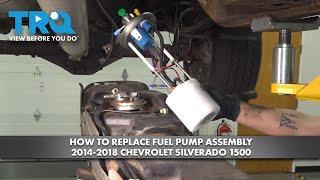
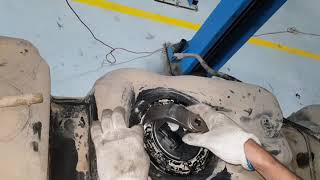
Helpful Videos


Used OEM Parts in Stock
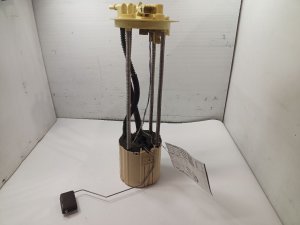

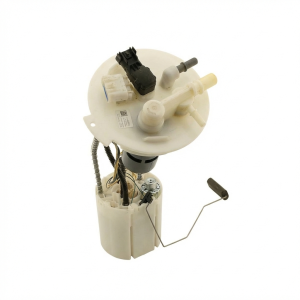
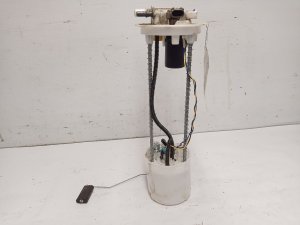
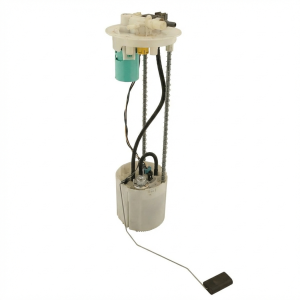

New Aftermarket Parts Available

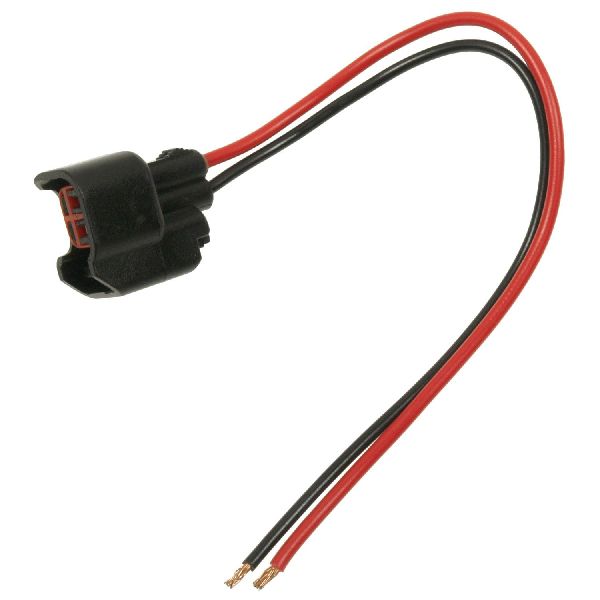

The information in this article is provided for general reference and educational purposes only. Vehicle specifications, procedures, and part compatibility can vary by production date, trim level, and region. Always consult your vehicle's factory service manual and verify part numbers before purchasing or performing repairs. Safety-critical components such as airbags, seat belts, and braking systems should be installed by a qualified professional.
- Chevrolet SILVERADO 3500:
- 🎬 Helpful Videos
- 🛍️ Shop This Part
- What's Unique About the 2013-2019 Chevrolet SILVERADO 3500
- Diagnostic Flowchart
- Symptoms You May Notice
- Most Likely Causes
- Rare But Worth Checking
- Diagnosis Steps
- Parts You'll Likely Need
- Related Codes That Often Appear With This One
- Technical Service Bulletins (TSBs) & Recalls
- Platform-Specific Known Issues
- Mechanic-Grade Diagnostic Values
- Scan Tool Commands That Help
- Wiring & Ground Locations
- Real Owner Repair Stories
- OEM Part Supersession History
- Model Year Variations Within This Range
- 🎟️ Get 5% Off