

P2635 on 2013-2017 Buick Enclave: Fuel Pump Performance, Causes, and Fixes
On a 2013-2017 Buick Enclave, code P2635 is most often caused by a failing in-tank fuel pump, especially in high ambient temperatures. A GM Technical Service Bulletin (TSB #17-NA-335) recommends replacing the fuel pump module with an updated design to resolve vapor lock issues that cause stalling and hesitation. Do not replace the Fuel Pump Control Module (FPCM) without first confirming the pump and fuel pressure sensor are good.
- P2635 on a 2013-2017 Enclave indicates a fuel flow problem, not just a sensor failure.
- If you experience stalling or hesitation in hot weather, the cause is almost certainly the known vapor lock issue, which requires an updated fuel pump module per TSB 17-NA-335.
- Always check for code P018B, as its presence strengthens the diagnosis related to the high-temperature TSB.
- Do not replace the FPCM or fuel pump without first ruling out simpler issues like a faulty fuel pressure sensor or damaged wiring.
What's Unique About the 2013-2017 Buick ENCLAVE

For this generation of Buick Enclave and its GM Lambda platform mates (Traverse, Acadia), P2635 is strongly linked to high ambient temperatures. A series of GM TSBs chronicle this issue. An early bulletin, #PIP5507B, noted that P2635 and P018B can set when temperatures exceed 100°F (37.7°C) due to vapor buildup, but confusingly stated replacing the pump would not fix it. However, a later, superseding TSB, #17-NA-335, provides the definitive solution: replace the original fuel pump module with an updated design engineered to prevent vapor lock.
Diagnostic Flowchart
Tap your situation to follow the diagnostic path that matches what you're seeing on this vehicle.
Symptoms You May Notice
- Hesitation or stumbling during acceleration.
- Engine stalling, especially when the vehicle is hot, after a long drive, or in high ambient temperatures.
- Reduced engine power or sluggish performance.
- Extended cranking time before the engine starts.
- Illuminated Check Engine Light.
- Slow to rev with throttle input.
- Replacing only the fuel pressure sensor without addressing the underlying fuel pump issue, especially when the high-temperature TSB applies.
- Replacing the Fuel Pump Control Module (FPCM) without first verifying that the fuel pump itself, the fuel pressure sensor, and the wiring are all functioning correctly.
Most Likely Causes

- Failing Fuel Pump Module 🔴 High Probability A definitive GM TSB (#17-NA-335) identifies a design issue with the original fuel pump module that makes it susceptible to causing vapor lock in high temperatures. An updated part was released to correct this.
How to confirm: Monitor fuel pressure with a scan tool, especially under load and in warm conditions. The actual pressure should stay within 6.5 PSI (45 kPa) of the desired pressure. If pressure drops erratically or doesn't meet specifications, the pump is the likely culprit. The issue is most likely to occur in ambient temperatures over 100°F (37.7°C).
Typical fix: Replace the in-tank fuel pump module assembly with the updated GM part. The specific part number must be verified against the vehicle's VIN in the GM electronic parts catalog.
Est. part cost: $250-$500 - Faulty Fuel Pump Control Module (FPCM) 🟡 Medium Probability The FPCM regulates the voltage and speed of the fuel pump. These modules can fail from age, heat, or moisture, causing them to send incorrect signals to the pump. On the Enclave, the FPCM is located behind the passenger-side rear fender well, where it can be exposed to road spray and corrosion.
How to confirm: Use a scan tool to check for communication with the FPCM and any FPCM-specific DTCs. Test for proper voltage at the FPCM connector and check the output signal to the fuel pump. A lack of proper power or signal points to a faulty module.
Typical fix: Replace the Fuel Pump Control Module. The new module MUST be programmed using the GM Service Programming System (SPS) to function correctly.
Est. part cost: $80-$200 - Wiring or Connector Issues ⚪ Low Probability Wiring to the FPCM or the fuel pump itself can become corroded or damaged, leading to intermittent power loss. The FPCM's location near the rear wheel makes its connector particularly vulnerable.
How to confirm: Visually inspect the wiring harness and connectors for the fuel pump (at the tank) and the FPCM (behind the rear passenger wheel well) for any signs of corrosion, chafing, or loose pins.
Typical fix: Repair the damaged section of the wiring harness or replace the affected connector.
Est. part cost: $20-$100
Rare But Worth Checking
- Faulty Fuel Pressure Sensor: A bad low-side fuel pressure sensor can send incorrect readings to the ECM, leading to a false P2635 code. TSB #PIP5286B provides diagnostics for this, especially when P018B is also present, suggesting the sensor may not be reading the low end of the pressure range correctly. This is a much cheaper fix than a fuel pump and should be considered.
- Clogged Fuel Filter: The fuel filter is integrated into the fuel pump module assembly and is not separately serviceable. A severely clogged filter will cause low flow, trigger P2635, and require the replacement of the entire module.
- Collapsed Fuel Tank / Clogged Vent: A less common but documented issue in TSB #19-NA-277 involves the fuel tank vent line becoming clogged with debris. This creates a vacuum that can cause the fuel tank to physically collapse, damaging the fuel pump module and triggering P2635. The fix involves replacing the tank and pump and rerouting the vent line.
Diagnosis Steps

- Scan the ECM for P2635 and any other stored codes, paying close attention to P018B. Note the freeze-frame data, especially ambient temperature.
- Check for relevant Technical Service Bulletins (TSBs), specifically #17-NA-335, if symptoms occur in high heat.
- Using a scan tool with live data, monitor the 'Desired Fuel Pressure' vs. the 'Fuel Pressure Sensor' reading. The values should be within 6.5 PSI (45 kPa) of each other under various loads. A significant drop in actual pressure during acceleration points to a weak pump.
- If P018B is also present, consider the diagnostic path in TSB #PIP5286B to rule out a faulty fuel pressure sensor before condemning the pump.
- Inspect the wiring and connectors for the Fuel Pump Control Module (FPCM), located behind the passenger-side rear fender well, for corrosion or damage.
- Test for power and ground at the FPCM connector. Ensure it is receiving the correct command signal from the ECM.
- If the FPCM and wiring are good but fuel pressure is low or erratic, the in-tank fuel pump module is the most likely cause, especially if symptoms are temperature-dependent.
- Before replacing the pump, confirm the fuel level is not extremely low, as this can sometimes cause fuel starvation and trigger the code.
Parts You'll Likely Need
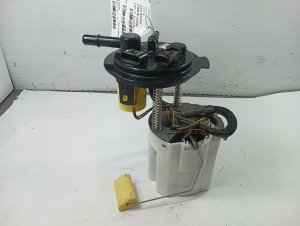
- Fuel Pump Module Assembly
(OEM #Varies by VIN, must check catalog (e.g., 19370465, 19368824))— This is the most common failure part for P2635 on this vehicle, especially in high-heat conditions, as identified by GM TSB #17-NA-335. The assembly includes the pump, sending unit, and integrated filter.
Trusted brands: ACDelco, Delphi
OEM price range: $350-$500
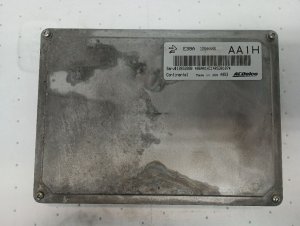
Aftermarket price range: $250-$400 - Fuel Pump Control Module (FPCM)
(OEM #20850927 (ACDelco GF867))— This module controls the fuel pump's operation and is a known failure point. If it malfunctions, it can't properly regulate the fuel pump, leading to low flow. Replacement requires programming.
Trusted brands: ACDelco, Dorman
OEM price range: $120-$200
Aftermarket price range: $80-$150
Related Codes That Often Appear With This One
- P018B — This code for 'Fuel Pressure Sensor 'B' Circuit Range/Performance' is frequently set alongside P2635 in high ambient temperatures, as noted in multiple GM TSBs (#PIP5507B, #17-NA-335). It is a strong indicator of the vapor lock issue.
- P069E — This code indicates a fault in the Fuel Pump Control Module itself, which can be the root cause of the low flow performance indicated by P2635.
- U0074 — TSB #PIP5427B notes that CAN bus communication codes like U0074 can sometimes appear with P2635, indicating a potential wiring or module communication problem that is affecting the fuel system readings.
Technical Service Bulletins (TSBs) & Recalls
- 17-NA-335: This is the key bulletin. It supersedes previous advice and confirms the fix for high-temp stalling with P2635/P018B is to replace the fuel pump module with an updated version to combat vapor buildup.
- PIP5507B: An earlier, now superseded bulletin that identified the high-temp vapor lock issue but advised against replacing the pump, recommending temporary fixes like using high-octane fuel. This created confusion but is now resolved by TSB 17-NA-335.
- PIP5286B: Provides specific diagnostic advice for when both P2635 and P018B are set, helping to determine if a faulty fuel pressure sensor is the root cause.
- 19-NA-277: Describes a rare condition where a clogged tank vent can cause the tank to collapse, damaging the pump and triggering P2635.
Platform-Specific Known Issues
- A known issue, documented in TSB #17-NA-335, causes hesitation, stalling, and codes P2635/P018B in ambient temperatures over 100°F (37.7°C) due to vapor buildup in the fuel line. The official fix is to replace the fuel pump module with an updated design.
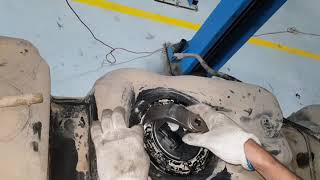
Helpful Videos

Used OEM Parts in Stock

New Aftermarket Parts Available


The information in this article is provided for general reference and educational purposes only. Vehicle specifications, procedures, and part compatibility can vary by production date, trim level, and region. Always consult your vehicle's factory service manual and verify part numbers before purchasing or performing repairs. Safety-critical components such as airbags, seat belts, and braking systems should be installed by a qualified professional.
- Buick ENCLAVE:
- 🎬 Helpful Videos
- 🛍️ Shop This Part
- What's Unique About the 2013-2017 Buick ENCLAVE
- Diagnostic Flowchart
- Symptoms You May Notice
- Most Likely Causes
- Rare But Worth Checking
- Diagnosis Steps
- Parts You'll Likely Need
- Related Codes That Often Appear With This One
- Technical Service Bulletins (TSBs) & Recalls
- Platform-Specific Known Issues
- 🎟️ Get 5% Off