

OBD-II Code P2627: O2 Sensor Pumping Current Trim Circuit Low (Bank 1, Sensor 1)
What P2627 means, why it triggers, and how to fix it
- P2627 indicates a low electrical current in the Bank 1 upstream oxygen sensor, causing an immediate 5-15% drop in fuel economy.
- A failed oxygen sensor causes 80% of P2627 codes, followed closely by melted wiring harnesses or exhaust manifold leaks.
- Test the sensor's heater circuit resistance with a multimeter before buying parts; a reading outside the 2-25 ohm range confirms the sensor is dead.
- Check your vehicle's emissions label for PZEV certification; residents in states like CA or NY often get this sensor replaced free under the 15-year/150,000-mile warranty.
- Fix this code within 30 days to prevent the rich fuel mixture from destroying your catalytic converter, which turns a $200 repair into a $2,000 nightmare.
What Does P2627 Mean?

The P2627 code means your car's Powertrain Control Module (PCM) detects a low electrical current in the upstream oxygen (O2) sensor on engine bank 1. This specific sensor, often called an Air/Fuel Ratio (A/F) Sensor, measures exhaust oxygen levels to help the computer maintain the perfect air-fuel mixture. When the pumping current trim circuit drops below the expected threshold, the PCM cannot accurately adjust fuel delivery.
🎬 Watch: How to test air/fuel ratio sensor signals.Technical definition: The SAE/OBD-II definition is "O2 Sensor Pumping Current Trim Circuit Low Bank 1 Sensor 1". This indicates the PCM detects the pumping current trim circuit for the upstream wideband oxygen sensor on Bank 1 has a low voltage condition. The fault registers when the pumping current deviates from the expected range by more than 10% for over 8 seconds, indicating a weak or biased signal.
Can I Drive With P2627?
Yes, But With Caution. You can drive the vehicle, but limit trips to essential travel. Ignoring this code causes poor fuel economy, increased emissions, and destroys the catalytic converter. Continued driving beyond a few hundred miles turns a $200 sensor replacement into a $2,500 catalytic converter repair.
Common Causes

- Faulty Bank 1, Sensor 1 Oxygen Sensor (Very Common) — The wideband oxygen sensor itself is the most frequent point of failure. Internal components like the pumping cell or heater circuit degrade over time, preventing the sensor from sending a correct electrical signal.
- Wiring or Connector Issues (Common) — Exhaust heat, road debris, or abrasion damages the wiring harness leading to the O2 sensor. Connectors also suffer from corrosion, moisture intrusion, or bent pins, creating a short or high resistance in the circuit.
- Blown O2 Sensor Heater Circuit Fuse (Common) — The oxygen sensor relies on a dedicated heater circuit to reach operating temperature quickly. If the fuse protecting this circuit blows, the sensor remains cold, fails to send a correct signal, and triggers a circuit code. 🎬 See how to diagnose and fix oxygen sensor heater faults.
- Exhaust Leaks (Common) — A leak in the exhaust manifold or pipes upstream of the sensor allows outside oxygen to enter the system. This skews the sensor's readings, tricking the computer into diagnosing a circuit problem when the real issue is unmetered air.
- Contaminated Sensor (Less Common) — Engine oil or coolant leaking into the exhaust fouls the oxygen sensor. This contamination coats the sensor element, blocks its ability to measure oxygen levels, and forces a low current signal.
- Faulty Powertrain Control Module (PCM) or Software (Less Common) — The internal driver circuit within the PCM that controls the O2 sensor signal occasionally fails. More frequently, the PCM's software calibration is overly sensitive and requires a manufacturer-issued update (reflash).
- Vacuum Leaks (Rare) — A vacuum leak in the intake system allows unmetered air into the engine, creating a lean running condition. If the deviation is extreme, the PCM misinterprets the constant lean reading as a sensor circuit fault.
- Low Fuel Pressure (Rare) — Inadequate fuel pressure from a weak fuel pump or clogged filter causes the engine to run lean. While this usually sets a lean code (P0171), severe cases contribute to a circuit fault code like P2627.
Symptoms

- Check Engine Light is On — The Malfunction Indicator Lamp (MIL) illuminates on your dashboard immediately after the PCM detects the fault.
- Decreased Fuel Economy — The vehicle consumes more fuel because the PCM defaults to a richer fuel mixture to protect the engine, causing a drop of 2-5 MPG.
- Rough Idle or Engine Hesitation — The engine runs rough, shakes at idle, or stumbles during acceleration due to the incorrect air-fuel mixture.
- Black Smoke or Rotten Egg Smell — A rich-running condition produces dark smoke from the exhaust. A sulfur or 'rotten egg' smell indicates the catalytic converter is overheating while struggling to process the unburnt fuel.
- Failed Emissions Test (scan-tool only — no driver-felt sign) — The vehicle automatically fails an emissions test because the incorrect air-fuel ratio generates high levels of hydrocarbons (HC) and carbon monoxide (CO).
Diagnostic Flowchart
Tap your situation to follow the diagnostic path that matches what you're seeing on this code.
Common Fixes & Costs
- Replace Bank 1, Sensor 1 Oxygen Sensor — Parts: $50-$200, Labor: $90-$150, ~1.2 hr book time (DIY)
- Repair or Replace Damaged Wiring/Connector — Parts: $10-$50, Labor: $120-$180, ~1.5 hr book time (Intermediate)
- Replace Blown O2 Sensor Heater Fuse — Parts: $2-$10, Labor: $0-$50, ~0.2 hr book time (Beginner)
- Repair Exhaust Leak — Parts: $30-$150, Labor: $100-$400, ~2.5 hr book time (Intermediate)
- Update or Reprogram Powertrain Control Module (PCM) — Parts: $0, Labor: $80-$150, ~1.0 hr book time (Professional)
- Replace Powertrain Control Module (PCM) — Parts: $800-$1200, Labor: $150-$300, ~2.0 hr book time (Professional)
Used vs. New Parts: Buying Guide
When a used part is worth it: Never buy a used oxygen sensor. It is a wear-and-tear component with a finite lifespan. The minimal cost savings do not justify the high risk of receiving a faulty part and paying for labor twice.
Donor-vehicle mileage cap: roughly under 20000 miles for the part to have meaningful remaining life.
Donor quality checklist:
- If forced to buy used, source only from a wrecked vehicle with under 20,000 miles.
- Never buy a used sensor from a vehicle scrapped for engine or emissions problems.
- Ensure the part number is an exact match, as visually identical sensors have different calibrations.
Decision logic:
- If The required part is an oxygen (A/F) sensor. → Buy a new OEM or high-quality aftermarket part (e.g., Denso, NTK, Bosch). The reliability and warranty are mandatory.
- If The vehicle is over 150K miles and the budget is extremely tight. → A used sensor remains a high-risk gamble. Expect a short lifespan and a high probability of immediate failure.
- If The required part is a PCM. → A used PCM from a reputable supplier offering a warranty and VIN programming service is a viable, cost-effective option.
Warranty tradeoff: Used sensors typically offer a 30-day parts-only warranty. New aftermarket sensors provide a 1-year to limited lifetime warranty. New OEM parts carry a 1-year/12,000-mile warranty.
Worst-case if a used part fails: $200-$400 if a used sensor fails after installation, covering repeat labor and the cost of the new sensor you should have bought initially.
What Happens If You Wait — Timeline
- 0-2 weeks: Check Engine Light (MIL) illuminates. The PCM logs code P2627. No other symptoms are noticeable to the driver. (MPG impact: 0-5%% · Added cost: $0)
- 2 weeks - 3 months: The vehicle runs in a default 'open-loop' mode, using a richer fuel mixture. A noticeable drop in fuel economy occurs. The vehicle automatically fails an emissions test. (MPG impact: 5-15%% · Added cost: $30-$80 in wasted fuel)
- 3-8 months: Sustained rich fuel mixture causes the catalytic converter to operate at excessively high temperatures. Its internal ceramic honeycomb structure begins to crack or get coated with soot. A 'rotten egg' smell becomes noticeable. (MPG impact: 10-20%% · Added cost: $500-$900 (Early-stage catalytic converter damage is likely))
- 8+ months: The catalytic converter substrate melts, leading to a complete exhaust blockage. This causes severe engine power loss, sluggish acceleration, and stalling. (MPG impact: 20-50%% · Added cost: $1,500-$3,000 (Catastrophic catalytic converter failure requiring mandatory replacement))
Cost of Not Fixing It
- 0-1 month: Noticeable decrease in fuel economy (5-15% drop), leading to higher fuel costs. Vehicle fails emissions testing. (Added cost: $20-$60 in wasted fuel per month.)
- 1-6 months: The rich fuel mixture stresses the catalytic converter, causing it to overheat and degrade. Spark plugs become fouled with carbon. (Added cost: $200-$500 for spark plug replacement and continued fuel waste.)
- 6+ months: Catastrophic failure of the catalytic converter occurs. The internal substrate melts, causing a major exhaust restriction, severe power loss, and requiring immediate replacement. (Added cost: $1200-$2800 for catalytic converter replacement.)
Diagnosis Steps

- Scan for Codes and Review Live Data
Use an OBD-II scanner to confirm P2627 and check for related codes. Observe the live data stream for Bank 1 Sensor 1. Watch the O2 sensor voltage or pumping current (in milliamps). A flat-lined, biased, or unresponsive reading confirms a hard fault.
Tools: OBD-II Scanner (Beginner) - Visually Inspect the Sensor and Wiring
Locate the Bank 1, Sensor 1 O2 sensor in the exhaust manifold before the catalytic converter. Inspect the sensor, connector, and wiring harness for physical damage, exhaust burns, chafing, or fluid contamination.
Tools: Flashlight, Safety Glasses (Beginner) - Test the Sensor's Heater Circuit Resistance
Disconnect the O2 sensor and use a multimeter set to Ohms (Ω). Measure the resistance between the two heater circuit wires (usually the same color, like two black or two white wires). A healthy sensor reads between 2 and 25 ohms when cold. An open circuit (infinite resistance) means the internal heater is dead and the sensor requires replacement.
Tools: Multimeter, Vehicle Service Manual (Intermediate) - Check for Exhaust Leaks
With the engine running, listen and feel for air leaks around the exhaust manifold gaskets and pipes leading to the O2 sensor. A hissing or ticking sound indicates a leak drawing in outside air, which causes a false lean reading and triggers the code.
Tools: Safety Glasses, Mechanic's Stethoscope (optional), Jack and Jack Stands (Intermediate) - Check for Power and Ground at the Connector
With the key on and engine off, use a multimeter to test the sensor's harness-side connector. Verify battery voltage (12V+) at the heater power wire and a solid ground (<0.1 Ω) on the ground wire. Check for the correct reference voltage from the PCM (typically 2.5V to 3.3V on signal wires).
Tools: Multimeter, Backprobe Kit, Vehicle Wiring Diagram (Advanced) - Perform a Pumping Current Live Data Test
Monitor the pumping current PID for Bank 1 Sensor 1 using an advanced scan tool. At idle with a warm engine, the current should sit near 0 milliamps (mA). Introduce propane into the intake to create a rich condition, then create a small vacuum leak for a lean condition. A healthy sensor shows a corresponding positive and negative current change (+/- 2.0 mA).
Tools: Advanced Scan Tool, Propane Torch (unlit) (Advanced) - Analyze Wiring Integrity
Check the resistance of the signal wire between the PCM connector and the sensor connector. With both ends disconnected, resistance must be less than 1.0 ohm. A higher reading indicates corrosion or a partial break. Verify infinite resistance (O.L.) to ground to rule out a short.
Tools: Multimeter, Vehicle Wiring Diagram (Advanced) - Check Fuel Pressure
Connect a fuel pressure gauge and check the pressure with the Key On, Engine Off (KOEO) and at idle. Most port-injected engines require 40-65 PSI. A reading significantly below specification causes a severe lean condition that the PCM misinterprets as a circuit fault.
Tools: Fuel Pressure Gauge, Vehicle Service Manual (Advanced) - Analyze the Sensor Signal with an Oscilloscope
Connect an oscilloscope to the sensor's signal and ground wires. A healthy wideband sensor produces a stable voltage that changes smoothly with the air-fuel ratio. A low or noisy signal pattern confirms a sensor or circuit integrity problem.
Tools: Oscilloscope, Backprobe Kit (Professional) - Test the PCM and Check for Software Updates
If the sensor and wiring pass all tests, check the PCM. Use a scan tool to run a PCM self-test. Check professional repair databases for Technical Service Bulletins (TSBs) related to P2627 for your specific VIN, as a PCM software update (reflash) is often the required fix.
Tools: Advanced Scan Tool, Access to TSB Database (Professional)
When This Code Triggers (Freeze-Frame Conditions)
- Engine Coolant Temp: 180-210°F (Engine at full operating temperature.)
- RPM: 1500-2500 RPM (Steady cruise or light acceleration.)
- Engine Load: 25-60% (Vehicle is under a consistent, moderate load.)
- Vehicle Speed: 40-65 mph (Highway or city cruising speed.)
Related Codes
- P2626 — This is the partner code for 'O2 Sensor Pumping Current Trim Circuit/Open'. P2627 (Low) suggests the circuit has low voltage but remains connected. P2626 indicates a complete loss of signal, like a broken wire or unplugged connector.
- P2A00 — This code means 'O2 Sensor Circuit Range/Performance'. P2627 is an electrical fault code, while P2A00 is a performance code. P2A00 sets when the sensor's signal changes too slowly, which is often a direct result of the low current issue from P2627.
- P0131 — This code is for 'O2 Sensor Circuit Low Voltage'. P2627 specifically refers to the 'pumping current trim' circuit of a modern wideband O2 sensor. P0131 is a more general low voltage code for older narrowband sensors. Both point to identical root causes.
- P0171 — This code indicates 'System Too Lean'. An exhaust or vacuum leak causes the sensor to correctly report a lean condition (P0171). If the leak is severe, the PCM misinterprets the constant low-oxygen signal as a sensor circuit fault, triggering P2627 simultaneously.
Climate & Environmental Factors
- Cold Climates / Road Salt: Regions using winter road salt experience higher rates of wiring and connector failures. Salt spray creates a corrosive environment that degrades O2 sensor wiring insulation and penetrates connectors, causing shorts that trigger P2627.
- High Humidity: Sustained high humidity promotes moisture intrusion into electrical connectors with compromised seals. This moisture corrodes connector pins, increasing circuit resistance and causing a low current fault.
- High Altitude: While high altitude affects air density, it does not directly cause a P2627 circuit fault. However, an existing marginal sensor problem becomes more apparent when the system operates at its adaptive limits due to altitude.
How to Talk to a Mechanic About This Code
Say this: "I have a P2627 code for the Bank 1, Sensor 1 oxygen sensor circuit. I'd like to schedule a diagnosis. Can you please ensure the technician checks the wiring harness for damage and for any exhaust leaks upstream of the sensor before recommending a part replacement?"
This signals you understand the code doesn't automatically mean the sensor is bad. It directs the shop to perform a thorough diagnosis of the most common causes (sensor, wiring, leaks) and prevents them from blindly replacing parts.
Avoid saying:
- 'My check engine light is on, can you just fix it?'
- 'I think I need a new oxygen sensor.'
- 'Just do whatever you think is best.'
Questions to ask before authorizing the repair:
- What were the results of the wiring and exhaust leak checks?
- Did you test the sensor's heater circuit resistance, and what was the reading?
- If the sensor needs replacement, what brand are you using (e.g., OEM, Denso, Bosch)?
- What is the warranty on the parts and labor for this repair?
Where to Take It: Dealer vs Independent vs Chain
- Dealer:
Best for: Vehicles still under a factory or PZEV emissions warranty., Repairs where a known Technical Service Bulletin (TSB) points to a PCM software update., Complex electrical issues on newer or high-end European vehicles.
Downsides: Highest labor rates, often 1.5x to 2x more than independent shops., Frequently recommends replacing an entire assembly when only a smaller component has failed. (Typical cost: +50% vs. baseline) - Independent Shop:
Best overall fit for most out-of-warranty vehicles. A reputable independent shop has the right tools and experience to accurately diagnose and repair the common causes of P2627 cost-effectively.
Best for: Out-of-warranty vehicles where cost is a factor., Standard diagnostic and repair work for common codes like P2627., Building a long-term relationship with a trusted mechanic.
Downsides: Quality and expertise vary widely; it is crucial to find a shop with ASE-certified technicians., May lack access to the very latest manufacturer-specific software for reflashing a PCM. (Typical cost: +0% vs. baseline) - Chain Shop:
Use with caution. Acceptable if you have already diagnosed a failed sensor and just need it replaced, but avoid them for the initial diagnosis of a P2627 code.
Best for: Simple, straightforward part replacements where the diagnosis is already certain.
Downsides: Technician skill level is highly inconsistent., Business model encourages upselling unnecessary services (e.g., fuel system cleanings) that won't fix this code., Lacks the in-depth diagnostic experience to differentiate between a bad sensor and an exhaust leak. (Typical cost: -10% vs. baseline)
When to Walk Away From the Repair
If the estimated repair cost exceeds 40% of the car's private-party value, sell or trade in the vehicle instead of repairing it.
- Car worth $5000, fix is $350: Fix it. The repair cost is low relative to the car's value.
- Car worth $4000, fix is $2200: Walk away. The repair cost is over 50% of the car's value, and it is likely not the last expensive repair needed.
- Car worth $2500, fix is $1500: Walk away. A $1,500 repair on a $2,500 car is a poor financial investment.
What Scan Tool You Need for This Code

Minimum: A scanner that reads and clears codes, displays Freeze Frame data, and shows live data streams with graphing for O2 sensors.
A basic $20 code reader only gives you the 'P2627' code, leading to guesswork. You must see the live sensor voltage or current to determine if the sensor is dead, lazy, or if the wiring is faulty. Without live data, you will replace a good sensor when the real problem is an exhaust leak.
Budget: BlueDriver Pro Scan Tool (~$100) — Connects to your smartphone via Bluetooth. The app provides excellent live data graphing for O2 sensors, reads Freeze Frame data, and accesses Mode $06 advanced test results. This is enough to diagnose a bad sensor versus a wiring issue.
Mid-range: Foxwell NT510 Elite / Topdon ArtiDiag500 (~$150) — These handheld units offer everything the budget pick does but add manufacturer-specific diagnostics and bidirectional controls to command components, which helps in complex diagnoses.
Professional: Autel MaxiCOM MK808S (~$450) — A professional-level tablet scanner providing full-system diagnostics, extensive live data graphing, and bidirectional controls. It is overkill for a single code but an excellent investment for a serious DIYer.
Rent vs buy: For a one-time diagnosis, use the Loan-A-Tool program at auto parts stores like AutoZone. You pay a deposit equal to the tool's cost, which is fully refunded upon return. Buy a scanner only if you plan to perform diagnostics regularly.
How to Clear the Code After You Fix It
- Use a quality OBD-II scan tool to erase the diagnostic trouble codes.
- Perform a complete drive cycle to allow the vehicle's readiness monitors to run.
- Rescan the vehicle to confirm P2627 has not returned.
Drive cycle (~20 minutes): Start the engine from a cold start and let it idle for 2-3 minutes. Drive in mixed city/highway conditions for 15-20 minutes, including several minutes of steady-speed cruising (e.g., 55 mph). Allow the vehicle to cool down completely and repeat if necessary.
Readiness monitors affected: Oxygen Sensor Monitor, Catalyst Monitor, Oxygen Sensor Heater Monitor
Before emissions retest: drive at least 50 miles to fully set monitors.
Watch out for:
- Disconnecting the battery does not clear the code from the PCM's permanent memory and resets all readiness monitors, guaranteeing an emissions test failure.
- The code returns immediately if the underlying electrical or mechanical fault remains unaddressed.
Will This Fail Emissions / State Inspection?
Yes — this code typically fails an OBD-II emissions inspection.
- California: An illuminated Check Engine Light is an automatic failure. After repair, a full drive cycle must be completed to set all readiness monitors before a STAR-certified station can re-test the vehicle.
- New York: The NYS DMV inspection includes an OBD-II scan. P2627 causes an immediate failure, blocking registration renewal until repaired and re-inspected.
- Texas: In the 17 counties requiring emissions testing, an active P2627 code results in a failed inspection. The Oxygen Sensor readiness monitor must also show 'Ready' to pass.
Most Commonly Affected Vehicles
- Honda Accord, Civic (2003-2012) — Commonly caused by a failed air/fuel ratio sensor. Some 2005-2006 models require a PCM software update to correct overly sensitive sensor diagnostics. Using an OEM-spec Denso sensor is mandatory.
- Hyundai Elantra, Kona, Sonata (2017-2023) — Related sensor circuit codes on these models frequently have PCM updates available, indicating the sensitivity of sensor circuit diagnostics on modern Hyundai vehicles.
- Toyota Camry, Corolla, RAV4 (2005-2015) — P2627 on these Toyotas is almost always a failed air/fuel ratio sensor. The 2007-2009 Camry has a known high failure rate for O2 sensors. Use a high-quality OEM-spec Denso sensor to prevent the code from returning.
- Chevrolet Silverado, Equinox, Cruze (2010-2018) — On V8 models like the Silverado, diagnosis must include a careful check for cracked exhaust manifolds, which are a common source of leaks that trigger this specific code.
- Ford F-150, Escape (2011-2014) — F-150s with the 3.5L EcoBoost engine experience O2 sensor codes due to moisture in the intercooler (TSB 13-8-1). The fix involves a PCM reprogram and a new deflector plate.
- BMW Various Models (E90, F10) (2010-2015) — Service bulletin SI B12 10 15 addresses related codes where a DME (engine computer) software update is the correct fix, rather than replacing the physical sensor.
- Subaru Impreza, Crosstrek, Forester (2017-2022) — Subaru service bulletins (e.g., 11-174-17R) address delayed sensor response fixed with a PCM reprogram. Many Subarus are PZEV-certified, making them eligible for the 15-year/150k-mile emissions warranty.
- Nissan Sentra, Maxima, Murano (2013-2017) — Nissan issued voluntary service campaigns (e.g., P1A25 for 2013-2016 Sentras) to reprogram the ECM, adjusting the diagnostic logic to prevent incorrect O2 sensor trouble codes.
Manufacturer-Specific Notes
- BMW: The engine computer (DME) features overly sensitive diagnostics for the oxygen sensors. Service bulletin SI B12 10 15 dictates a software update as the primary fix, not a new sensor.
- Honda: Some Honda sensors utilize a specific calibration resistor built directly into the connector harness. Replacing the sensor with a cheap aftermarket brand that lacks this exact resistor guarantees the code will return immediately.
- Ford: For 2011-2012 F-150s with 3.5L EcoBoost engines, TSB 13-8-1 addresses misfires and catalyst codes occurring alongside O2 sensor faults. The fix requires a PCM reprogram and installing a new air deflector for the charge air cooler.
- Nissan: Voluntary emission service campaigns (like P1A25 for 2013-2016 Sentras) require reprogramming the ECM to adjust the logic for monitoring O2 sensor voltage, preventing erroneous trouble codes.
Real Owner Stories
2008 Toyota Camry with 115K miles - The Simple Fix
Check engine light came on with code P2627. Owner noticed a slight drop in fuel economy but no other driving issues.
What they tried:
- Initially ignored the light, but it persisted after clearing.
- Performed a visual inspection and found no obvious wiring damage or exhaust leaks.
- Tested the original sensor's heater circuit resistance and found it was an open circuit (infinite resistance).
Outcome: Replaced the Bank 1, Sensor 1 Air/Fuel ratio sensor with a new Denso part (approx. $150). Cleared the code, and it did not return. Fuel economy returned to normal.
Lesson: For high-mileage Toyotas, the A/F sensor is a very common failure part. A simple resistance test with a multimeter confirms the failure before you buy the part, saving diagnostic fees.
2012 Chevy Cruze at 80K miles - The Misdiagnosis
P2627 appeared along with a rough idle. Owner was concerned about a major repair.
What they tried:
- A local quick-lube shop read the code and immediately recommended and replaced the upstream O2 sensor ($250 total).
- The code returned within 50 miles.
- Took the car to a second, more experienced mechanic for a full diagnosis.
Outcome: The second mechanic found a small crack in the exhaust manifold near the sensor flange. The leak allowed unmetered air into the exhaust, tricking the sensor into sending a low signal. The manifold was replaced ($450 repair), permanently fixing the P2627 code.
Lesson: Don't just replace the part named in the code. An O2 sensor code is often a symptom of an exhaust leak. Always perform a thorough visual and auditory inspection for leaks before spending money on parts.
2017 Hyundai Elantra at 65K miles - The Wiring Gremlin
Intermittent P2627 code that appeared for a few days and then disappeared. No noticeable performance issues.
What they tried:
- Owner replaced the O2 sensor as a preventative measure, but the code came back a month later.
- A technician performed a wiggle test on the wiring harness while monitoring live data.
- The live data for the sensor dropped out whenever the harness near the engine was moved.
Outcome: The wiring harness was routed too close to a hot engine bracket from the factory. Heat made the insulation brittle, causing an intermittent short in the signal wire. The technician repaired the damaged wire and rerouted the harness. Total diagnostic and repair time was 1.5 hours.
Lesson: Intermittent codes point to wiring issues rather than a complete component failure. A 'wiggle test' is a crucial diagnostic step that pinpoints hard-to-find electrical faults.
How to Prevent This Code From Triggering
- Use high-quality, top-tier gasoline (Every fill-up) — Top-tier fuels contain enhanced detergent packages that prevent carbon buildup on injectors and valves. This reduces contaminants and soot that foul the O2 sensor over time.
- Perform regular engine maintenance (Per manufacturer schedule) — Replacing air filters, spark plugs, and changing oil on schedule prevents misfires or rich mixtures that contaminate or overheat the O2 sensor.
- Take an extended highway drive (Once or twice a month) — Frequent short trips prevent the exhaust system from reaching full operating temperature, leading to moisture and carbon buildup. A 30-minute highway drive burns off these deposits.
- Consider proactive O2 sensor replacement (Every 80,000-100,000 miles) — O2 sensors are wear items. Their performance degrades with age, leading to slower response times that hurt fuel economy and strain the catalytic converter before a code ever sets.
Frequently Asked Questions
What is the most common misdiagnosis for a P2627 code?
The most common mistake is immediately replacing the oxygen sensor without checking for exhaust leaks or damaged wiring. Since unmetered air from a leak tricks the sensor into sending a low signal, a new sensor will not fix the problem. Always perform a visual inspection and listen for exhaust ticks before buying parts.
What does 'Bank 1, Sensor 1' mean?
Bank 1 is the side of the engine containing cylinder #1. Sensor 1 is the 'upstream' oxygen sensor, located in the exhaust manifold before the catalytic converter. This sensor directly measures the air-fuel mixture exiting the engine.
Can I replace the oxygen sensor myself?
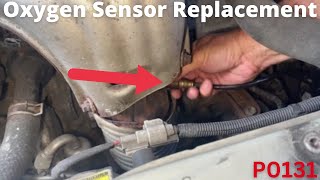
Yes, replacing an oxygen sensor is a manageable DIY job requiring a special O2 sensor socket. However, sensors frequently seize in the exhaust pipe and require a torch to remove safely. Always diagnose the electrical circuit first to ensure the sensor is actually dead.
Will a fuel additive or 'catalytic converter cleaner' fix this problem?
No. P2627 is an electrical circuit fault or a physical exhaust leak, and no chemical poured into your gas tank can repair a broken wire or a dead sensor.
How much does it cost to diagnose a P2627 code?
Most repair shops charge a diagnostic fee ranging from $120 to $180. This covers the technician's time to scan live data, test the wiring harness, and pinpoint the exact root cause.
What is the difference between an upstream and downstream O2 sensor?
The upstream sensor (Sensor 1) measures the air-fuel mixture for engine control, while the downstream sensor (Sensor 2) monitors the catalytic converter's efficiency. P2627 always refers to the upstream Sensor 1.
Can clearing the code make it go away?
Clearing the code turns off the check engine light temporarily, but it will return within a few drive cycles. P2627 indicates a hard electrical or mechanical fault that requires physical repair.
Key Takeaways
- P2627 indicates a low electrical current in the Bank 1 upstream oxygen sensor, causing an immediate 5-15% drop in fuel economy.
- A failed oxygen sensor causes 80% of P2627 codes, followed closely by melted wiring harnesses or exhaust manifold leaks.
- Test the sensor's heater circuit resistance with a multimeter before buying parts; a reading outside the 2-25 ohm range confirms the sensor is dead.
- Check your vehicle's emissions label for PZEV certification; residents in states like CA or NY often get this sensor replaced free under the 15-year/150,000-mile warranty.
- Fix this code within 30 days to prevent the rich fuel mixture from destroying your catalytic converter, which turns a $200 repair into a $2,000 nightmare.
Helpful Videos



The information in this article is provided for general reference and educational purposes only. Vehicle specifications, procedures, and part compatibility can vary by production date, trim level, and region. Always consult your vehicle's factory service manual and verify part numbers before purchasing or performing repairs. Safety-critical components such as airbags, seat belts, and braking systems should be installed by a qualified professional.
- 🎬 Helpful Videos
- What Does P2627 Mean?
- Can I Drive With P2627?
- Common Causes
- Symptoms
- Diagnostic Flowchart
- Common Fixes & Costs
- Used vs. New Parts: Buying Guide
- What Happens If You Wait — Timeline
- Cost of Not Fixing It
- Diagnosis Steps
- When This Code Triggers (Freeze-Frame Conditions)
- Related Codes
- Climate & Environmental Factors
- How to Talk to a Mechanic About This Code
- Where to Take It: Dealer vs Independent vs Chain
- When to Walk Away From the Repair
- What Scan Tool You Need for This Code
- How to Clear the Code After You Fix It
- Will This Fail Emissions / State Inspection?
- Most Commonly Affected Vehicles
- Manufacturer-Specific Notes
- Real Owner Stories
- 2008 Toyota Camry with 115K miles - The Simple Fix
- 2012 Chevy Cruze at 80K miles - The Misdiagnosis
- 2017 Hyundai Elantra at 65K miles - The Wiring Gremlin
- How to Prevent This Code From Triggering
- Frequently Asked Questions
- What is the most common misdiagnosis for a P2627 code?
- What does 'Bank 1, Sensor 1' mean?
- Can I replace the oxygen sensor myself?
- Will a fuel additive or 'catalytic converter cleaner' fix this problem?
- How much does it cost to diagnose a P2627 code?
- What is the difference between an upstream and downstream O2 sensor?
- Can clearing the code make it go away?
- Key Takeaways
- 🎟️ Get 5% Off