

P2610 on 2014-2016 Toyota Highlander: Engine Off Timer Performance Fixes
For a 2014-2016 Toyota Highlander, the P2610 code is most often caused by a software glitch in the Engine Control Module (ECM). The fix is typically a software update performed by a Toyota dealer, which may be covered under the Federal Emissions Warranty (96 months or 80,000 miles). Before seeking a software update, ensure the 12V battery is healthy and its terminals are clean and tight.
- P2610 on a 2014-2016 Highlander is almost always a software issue, not a broken part.
- The official fix from Toyota is an ECM software update, which is covered under the Federal Emissions Warranty (96 months/80,000 miles). Check your vehicle's in-service date before paying for a repair.
- Before paying for a diagnosis, ensure your 12V battery is healthy and the terminals are clean, as this is a known secondary cause.
- This code will not affect how the car drives but will cause it to fail an emissions inspection.
- The repair requires a trip to a dealer or a shop with Toyota-specific diagnostic tools like Techstream.
What's Unique About the 2014-2016 Toyota HIGHLANDER
For the 2014-2016 Toyota Highlander, this code is a well-documented issue that Toyota has addressed directly. The manufacturer issued Technical Service Bulletins (TSBs) T-SB-0074-16 and T-SB-0276-17, acknowledging that a software logic issue was the primary cause for this code appearing on 2014-2015 Highlanders and 2014-2016 Highlander Hybrids. This means the problem is often not a failing hardware component but a software bug that needs to be corrected with an update from the dealer. The TSBs explicitly state the repair is covered under the Toyota Federal Emission Warranty for 96 months or 80,000 miles.
Diagnostic Flowchart
Tap your situation to follow the diagnostic path that matches what you're seeing on this vehicle.
Symptoms You May Notice
- Check Engine Light is on
- Inability to pass an emissions test because readiness monitors cannot be set
- Rarely, a brief hesitation during engine startup 🎬 Watch: A detailed breakdown of P2610 symptoms and causes
- Replacing the ECM before verifying the software is up-to-date.
- Replacing other engine sensors, like the coolant temperature sensor, without first addressing the known TSB.
- Assuming it must be a bad battery without checking for the software update first, potentially wasting money if the vehicle is still under emissions warranty.
Most Likely Causes
- Outdated Engine Control Module (ECM) Software 🔴 High Probability Toyota issued Technical Service Bulletins (T-SB-0074-16 for 2014-2015 models and T-SB-0276-17 for 2014-2016 HV models) specifically to address this code with a software update. The TSBs confirm the ECM logic was modified to reduce the possibility of this condition.
How to confirm: A Toyota dealer can connect to the vehicle using Techstream software and check the current software calibration ID on the ECM. They compare this ID to the latest version listed in the TSB. An "Authorized Modifications Label" may also be present in the engine bay if the update has already been performed.
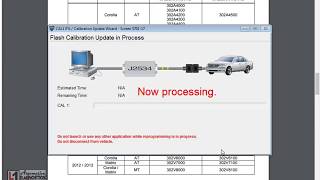
Typical fix: Reprogramming (reflashing) the ECM with the updated software version. This is typically a 0.4-hour procedure at the dealership. The fix is covered under the Federal Emissions Warranty (96 months/80,000 miles). If out of warranty, owners report dealer costs ranging from $100 to $250.
Est. part cost: $0 - Weak or Failing 12V Battery 🟡 Medium Probability Low battery voltage or voltage fluctuations during engine start/stop can disrupt the ECM's keep-alive memory and internal timer. This is a common cause across many vehicles, not just the Highlander.
How to confirm: Test the battery's voltage and cranking amps with a digital multimeter or a dedicated battery tester. A healthy battery should read approximately 12.6 volts at rest and maintain voltage above 9.6 volts during cranking. Many auto parts stores will test the battery for free. 🎬 See this step-by-step guide to replacing your Highlander battery
Typical fix: Replace the 12V battery. A forum user on ClubLexus with a similar Toyota system reported that replacing a bad battery and clearing the code resolved the issue.
Est. part cost: $150-$350 - Poor Battery Terminal Connections or Ground Straps ⚪ Low Probability Corroded or loose connections can cause intermittent power loss to the ECM, resetting its internal clock. This is a general vehicle issue, not specific to the platform.
How to confirm: Visually inspect the battery terminals for corrosion (white or blue powder). Check that the main engine and chassis ground straps are clean, tight, and free of corrosion. A user on a Tundra forum made sure terminals were tight as a first step.
Typical fix: Clean the battery terminals and cable ends with a wire brush. Ensure all connections are tight. Clean or replace corroded ground straps.
Est. part cost: $5-$50
Rare But Worth Checking
- Faulty Engine Control Module (ECM): This is very rare and should only be considered after the software has been updated and all power/ground circuits have been verified. The TSBs specifically note that the ECM should NOT be replaced as part of the standard repair procedure for this code.
Diagnosis Steps
- Scan the vehicle for codes to confirm P2610 is present.
- Check for applicable Technical Service Bulletins (TSBs). For this vehicle, T-SB-0074-16 and T-SB-0276-17 are highly relevant.
- Verify the health of the 12V battery and charging system. A simple voltage test can be performed with a multimeter. Ensure terminals are clean and tight.
- If the battery is healthy, contact a Toyota dealer to check the ECM's current software calibration ID to see if an update is available per the TSB. Inquire about coverage under the Federal Emissions Warranty (96 months/80,000 miles).
- If the software is old, have the dealer perform the ECM reflash procedure.
- If the software is already up-to-date and the battery is good, perform a detailed inspection of the ECM's power and ground circuits for any voltage drops or corrosion.
- If all other possibilities are exhausted, suspect an internal ECM fault, though this is highly unlikely.
Parts You'll Likely Need
- ECM Software Update
(OEM #N/A)— This is a service, not a physical part. It is the most common fix specified by Toyota's TSBs for this code on this vehicle.
Trusted brands: Toyota Official Service
OEM price range: $100-$250
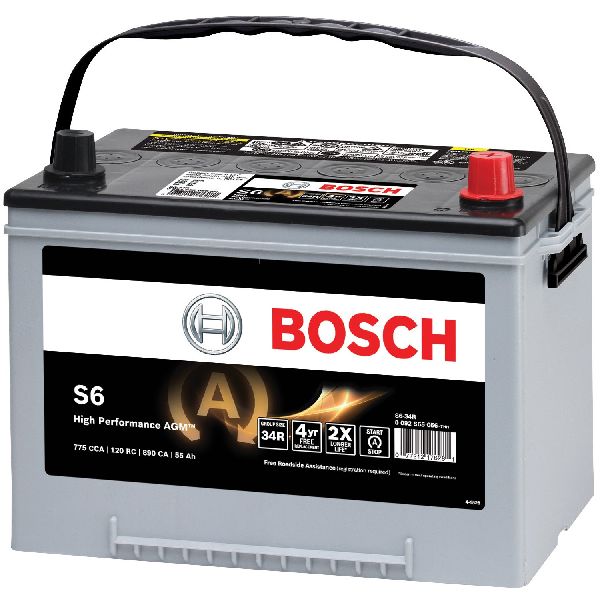
Aftermarket price range: N/A - 12V Automotive Battery
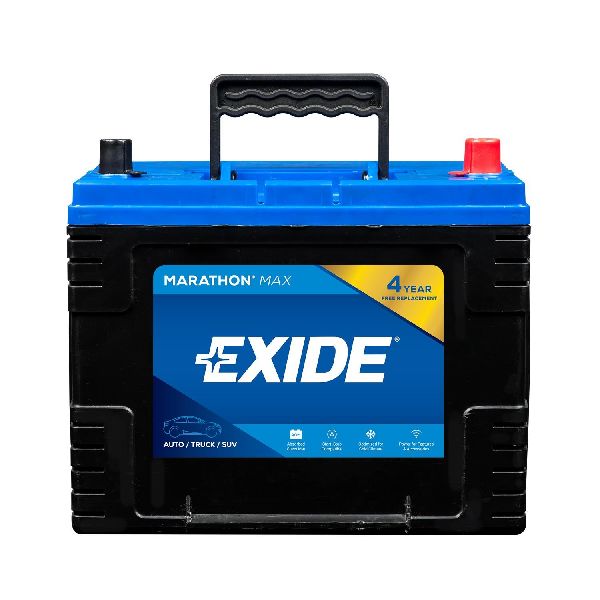
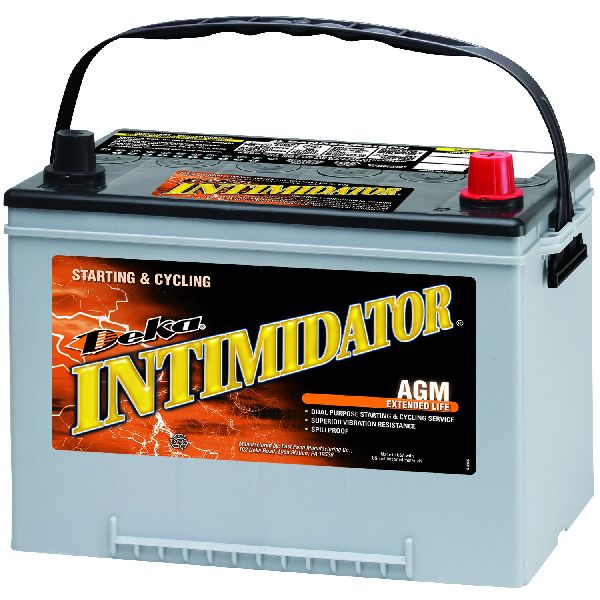
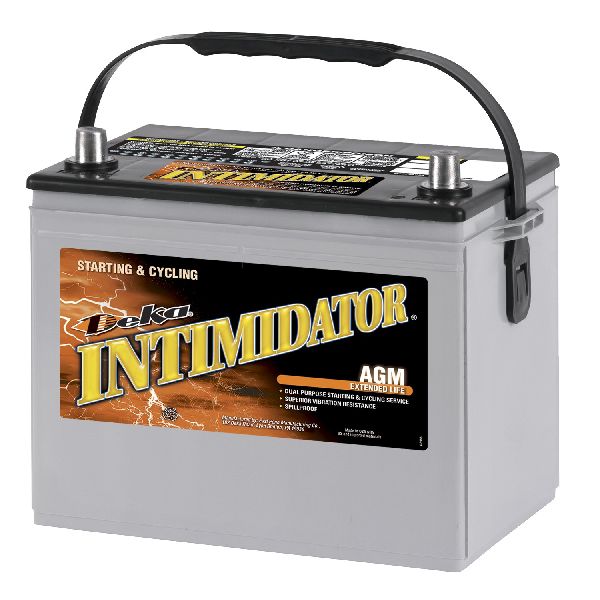
(OEM #28800-YZZJA)— A weak or failing battery is a common secondary cause, as unstable voltage can disrupt the ECM's internal timer. Part number is a common reference for this vehicle class.
Trusted brands: Toyota TrueStart, Interstate, DieHard, Duralast
OEM price range: $200-$350
Aftermarket price range: $150-$250
Technical Service Bulletins (TSBs) & Recalls
- T-SB-0074-16: Addresses P2610 on 2014–2015 Highlander vehicles. Recommends an ECM software update to modify the control logic.
- T-SB-0276-17: Addresses P2610 on 2014–2016 Highlander Hybrid models (among many other Toyotas). Recommends an ECM software update and confirms the repair is covered under the Federal Emission Warranty (96 months/80,000 miles).
Platform-Specific Known Issues
- A known software logic issue causes P2610 on 2014-2015 Highlanders, addressed by TSB T-SB-0074-16.
- A similar software issue affects 2014-2016 Highlander Hybrid models, addressed by TSB T-SB-0276-17.
Mechanic-Grade Diagnostic Values
- ECM Keep-Alive Memory Power (BATT terminal) — expected: 9 to 14 V at all times. Failure: Voltage below 9V indicates a power supply issue, which could be a bad battery, corroded terminal, or faulty wiring.
- ECM Switched Power (IGSW terminal) — expected: 11 to 14 V with ignition switch ON. Failure: No voltage when the key is on points to an issue in the ignition switch circuit or related fuses.
- ECM Ground (E1 terminal to Body Ground) — expected: Below 1 Ω. Failure: Resistance higher than 1 Ω indicates a poor ground connection, which can cause various electrical issues including timer faults.
- Live Data Scan of 'Engine Off Timer' PID — expected: The timer should count accurately after the engine is shut down.. Failure: A timer that does not count, counts erratically, or does not reset properly confirms the fault logic for P2610.
Scan Tool Commands That Help
- Toyota Techstream: Health Check / DTC Scan — To confirm the presence of P2610 and check for any other related trouble codes.
- Toyota Techstream: Calibration Update / ECU Flash Reprogramming — This is the primary repair procedure. It is used to load the new software logic from the TSB into the ECM to correct the timer performance issue.
- Toyota Techstream: Live Data List - 'Engine Off Timer' — To monitor the timer's behavior in real-time to see if it is functioning correctly after a repair or during advanced diagnosis if the TSB does not apply.
Wiring & Ground Locations
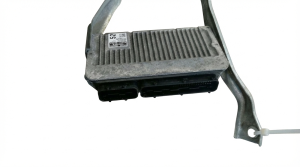
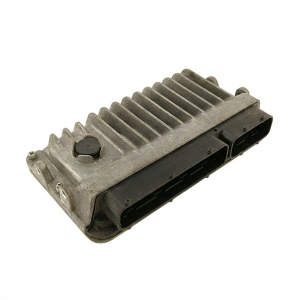
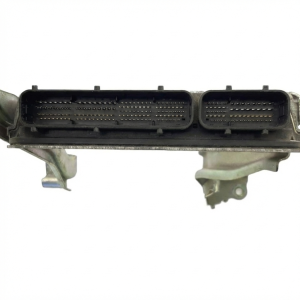
- ECM (Engine Control Module) — Located behind the glove box. The glove box assembly typically needs to be removed for access.. This is the computer that houses the faulty timer logic. All power, ground, and communication circuits related to this code terminate here.
- ECM Ground Point — A primary ground wire for the ECM is typically a black wire grounded behind the right side of the dashboard. Another critical engine harness ground bolts to the lower half of the intake manifold, near the firewall.. A poor ground connection can cause voltage fluctuations and disrupt the ECM's internal clock and keep-alive memory, mimicking the symptoms of the software flaw.
- EFI MAIN Fuse / Relay — Located in the engine bay fuse and relay box, typically on the driver's side.. This fuse and relay supply main power to the ECM. A fault here would cut power and cause a P2610, likely along with many other codes and a no-start condition.
Model Year Variations Within This Range
- 2014-2015 (Non-Hybrid): These models are specifically covered by TSB T-SB-0074-16 for the P2610 software update.
- 2014-2016 (Hybrid): These models are covered by a different bulletin, T-SB-0276-17, which also addresses the P2610 software logic but includes a wider range of Toyota hybrid and non-hybrid vehicles.
Helpful Videos

Used OEM Parts in Stock



New Aftermarket Parts Available


The information in this article is provided for general reference and educational purposes only. Vehicle specifications, procedures, and part compatibility can vary by production date, trim level, and region. Always consult your vehicle's factory service manual and verify part numbers before purchasing or performing repairs. Safety-critical components such as airbags, seat belts, and braking systems should be installed by a qualified professional.
- Toyota HIGHLANDER:
- 🎬 Helpful Videos
- 🛍️ Shop This Part
- What's Unique About the 2014-2016 Toyota HIGHLANDER
- Diagnostic Flowchart
- Symptoms You May Notice
- Most Likely Causes
- Rare But Worth Checking
- Diagnosis Steps
- Parts You'll Likely Need
- Technical Service Bulletins (TSBs) & Recalls
- Platform-Specific Known Issues
- Mechanic-Grade Diagnostic Values
- Scan Tool Commands That Help
- Wiring & Ground Locations
- Model Year Variations Within This Range
- 🎟️ Get 5% Off