

P2610 on 2016-2020 Ram 1500: PCM Internal Engine Off Timer Performance Explained
On 2016-2020 Ram 1500s, especially those with the 5.7L Hemi engine, code P2610 is most often caused by a software glitch in the Powertrain Control Module (PCM). The official fix is a PCM software update performed by a dealer, as outlined in multiple Technical Service Bulletins (TSBs), particularly for the 2016 model year. Before heading to the dealer, it's wise to first test the battery, as low or unstable voltage can also trigger this code.
- For a 2016-2020 Ram 1500 with the 5.7L engine, P2610 is very likely a software issue.
- Do not replace the PCM before checking for available software updates; a dealer reflash is the most common and cheapest fix.
- Always check the battery's health and connections as a basic first step, as low voltage can trigger this code.
- This code will cause an automatic failure of an emissions test, so it should be addressed before your next inspection.
What's Unique About the 2016-2020 Ram 1500
For this generation of Ram 1500, particularly with the 5.7L Hemi engine, P2610 is a well-documented issue that Ram has addressed directly. Unlike in many other vehicles where this code might point to a bad battery or faulty wiring first, on the Ram 1500 it's very frequently a software bug. Manufacturer-issued Technical Service Bulletins (TSBs), specifically TSB 18-006-16 REV. B, explicitly instruct technicians to reprogram the PCM with updated software as the primary solution for the 2016 model year 5.7L engine. This is strong evidence of a known flaw in the original factory programming.
Diagnostic Flowchart
Tap your situation to follow the diagnostic path that matches what you're seeing on this vehicle.
Generation note: The 2016-2020 year range covers the end of the fourth generation (2016-2018, known as 'DS') and the start of the fifth generation (2019-2020, known as 'DT'). Ram also sold the fourth-generation body style as the 'Ram 1500 Classic' in 2019 and 2020. The TSBs addressing this code, like 18-006-16 REV. B, are most specific to the 2016 model year but the underlying issue can affect the entire date range, indicating the software-based fix applies to both generations.
Symptoms You May Notice
- Check Engine Light is on.
- Inability to pass an emissions test because readiness monitors won't set.
- Issues with remote start functionality, where it may fail to work intermittently or completely.
- No noticeable difference in how the truck drives or performs in most cases.
- In rare, more advanced cases, it could lead to eventual drivability problems as other systems that rely on the timer are affected.
- Replacing the PCM without first checking for software updates. The TSBs clearly indicate a reflash is the primary fix, which is much cheaper than a new module.
- Replacing other components like the Engine Coolant Temperature (ECT) sensor. While a faulty ECT can theoretically cause this code on some vehicles, it is not a common cause for this specific Ram platform and would typically be accompanied by other sensor-specific codes.
Most Likely Causes
- Outdated or Corrupt PCM Software 🔴 High Probability Ram has issued multiple Technical Service Bulletins (TSBs) for the 2016 model year specifically to address this code with a software update. This indicates a known bug in the original PCM programming that prevents the timer from operating correctly.
How to confirm: A dealer or a qualified shop with a subscription to OEM data can check your vehicle's VIN against TSB #18-006-16 REV. B. This TSB specifically applies to 2016 Ram 1500 models with the 3.6L or 5.7L engine built on or before June 30, 2016.
Typical fix: Reprogramming the Powertrain Control Module (PCM) with the latest software version using a wiTECH scan tool. This procedure is often referred to as a 'flash'.
Est. part cost: $0 - Weak or Failing Battery 🟡 Medium Probability The PCM's internal timer relies on a steady source of voltage from the battery to keep time when the engine is off. Modern trucks have a high parasitic draw, and a weak battery can provide inconsistent voltage (e.g., dropping below 12.2V) that disrupts the timer and triggers the code.
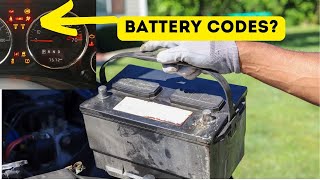
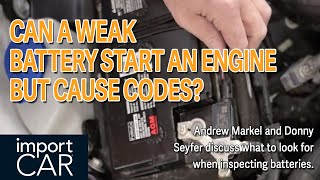
How to confirm: Perform a battery load test. A healthy, fully charged battery should read approximately 12.4-12.6 volts with the engine off and maintain voltage above 9.6 volts during a load test. 🎬 See how a weak battery can trigger codes even if it starts. Many auto parts stores will perform this test for free.
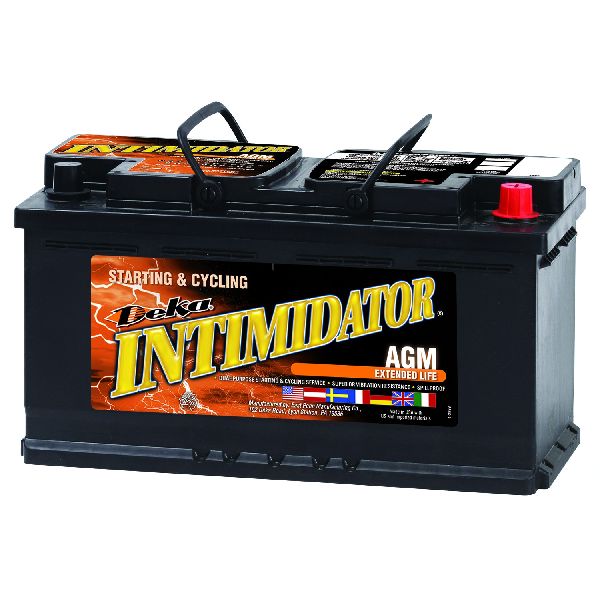
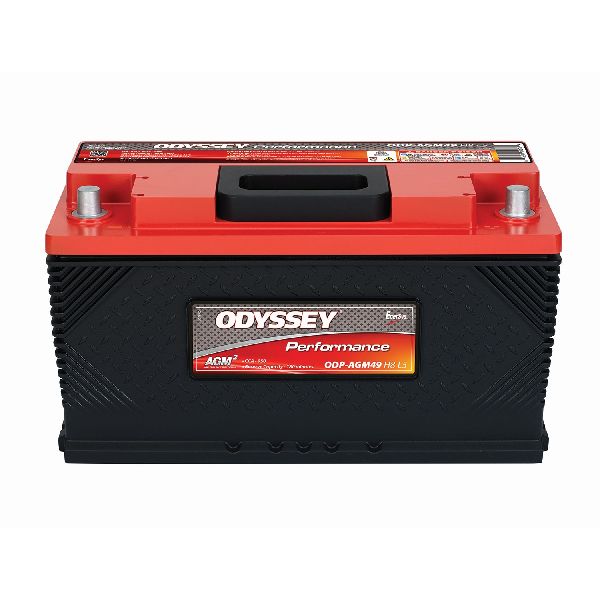
Typical fix: Replace the vehicle's battery. The common battery group size for these trucks is H7 or H8 (also called Group 94R or 49).
Est. part cost: $150-$350 - Poor Battery Connections or Ground Straps ⚪ Low Probability Corrosion on battery terminals or a loose/corroded engine or chassis ground can cause intermittent voltage drops to the PCM, mimicking a weak battery. This is a common issue on all vehicles, but worth checking before more expensive repairs.
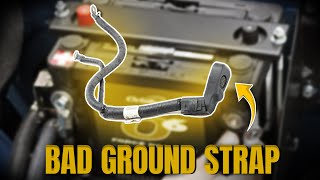
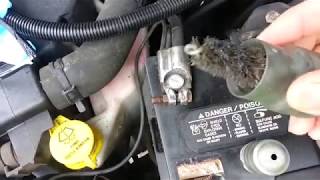
How to confirm: Visually inspect battery terminals for white or blue/green corrosion. Follow the main negative cable to its connection point on the chassis and ensure it is clean and tight. 🎬 Watch: How to properly check and clean your vehicle's ground connections. Inspect the ground strap from the engine block to the chassis for tightness and corrosion.
Typical fix: Clean battery terminals and cable ends with a wire brush and corrosion-protectant spray. Replace corroded cables or ground straps if cleaning is insufficient.
Est. part cost: $20-$100
Rare But Worth Checking
- Faulty Powertrain Control Module (PCM): This is a last resort after all other possibilities, especially the software update, have been exhausted. An internal hardware failure in the PCM's timer circuit can cause this code. This is rare, and replacement is costly, often exceeding $1,000.
Diagnosis Steps
- Scan for Codes: Read the trouble codes and check for any other codes that appear alongside P2610, such as P0335, P0456, or P1D73. The presence of these codes strongly suggests the TSB applies.
- Test the Battery and Charging System: BEFORE going to the dealer, get your battery professionally load-tested. A weak battery is a common cause and much cheaper to fix than paying for a diagnostic fee and reflash. Check that the alternator is charging correctly (typically 13.5-14.5 volts with the engine running).
- Inspect Power and Grounds: Check the battery terminals for corrosion and ensure they are tight. Visually inspect the main PCM power and ground wires, as well as the primary chassis and engine ground straps, for any signs of damage, looseness, or corrosion.
- Check for TSBs: If the battery and connections are good, have a dealer or qualified shop check your VIN for applicable Technical Service Bulletins, specifically #18-006-16 REV. B for 2016 models. If applicable, this is your most direct path to a fix.
- Perform PCM Reflash: If a TSB applies, have the dealer perform the software update. This is the most likely solution. The process involves connecting a battery charger to maintain stable voltage (between 13.2 and 13.5 volts) while the new software is installed via the wiTECH tool.
- Consider PCM Replacement: If the code persists after a software update and the battery/wiring are confirmed to be good, the PCM may have an internal hardware fault and require replacement. This is the final and most expensive step.
Parts You'll Likely Need
- PCM Software Update — This is not a physical part, but a service. It is the manufacturer's specified fix for a known software bug that causes this code on 5.7L models, especially the 2016 model year.
Trusted brands: Mopar (Dealer Service)
OEM price range: $150-$350
Aftermarket price range: N/A - Automotive Battery
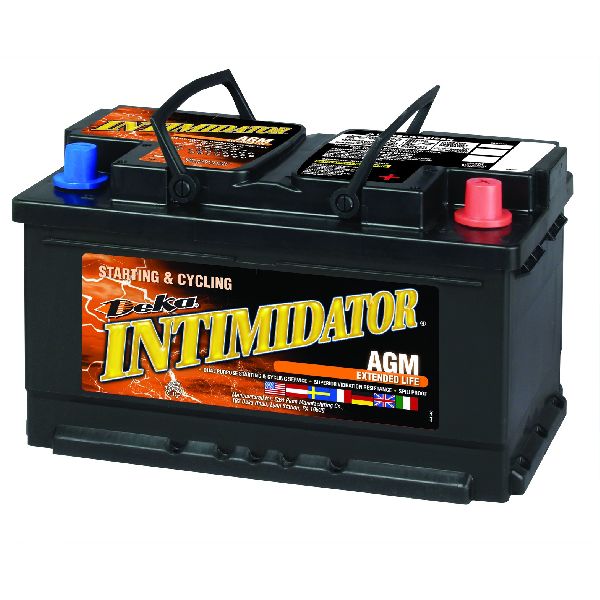
(OEM #BBH8F001AA (Mopar H8 AGM Battery, example))— A weak battery can cause voltage fluctuations that disrupt the PCM's internal clock, triggering the code. Common sizes are Group H8/L5/49 or H7/94R.
Trusted brands: Mopar, Interstate, DieHard, X2Power
OEM price range: $250-$400
Aftermarket price range: $150-$250
Related Codes That Often Appear With This One
- P0335 — Crankshaft Position Sensor Circuit. This code is listed alongside P2610 in TSB #18-006-16 REV. B, indicating the software update addresses both issues simultaneously.
- P0456 — EVAP System Small Leak. Also mentioned in TSBs #18-006-16 REV. B and REV. A as being resolved by the same PCM software update.
- P1D73 — Active Grill Shutter (AGS) Performance. This is another code that is often resolved by the same PCM reflash according to the TSBs for the 2016 model year.
- P2299 — Brake Pedal Position / Accelerator Pedal Position Incompatible. This code is also listed in TSBs related to PCM updates for the 5.7L engine, suggesting a software logic fix.
Technical Service Bulletins (TSBs) & Recalls
- 18-006-16 REV. B: Flash: 3.6L and 5.7L Powertrain Diagnostic And System Enhancements. The primary TSB for this issue. It applies to 2016 models built on or before June 30, 2016, and lists P2610 (for 5.7L only) as a code resolved by a PCM software update.
- 18-006-16 REV. A: An earlier revision of the same bulletin, also identifying P2610 on 5.7L models as being fixed by a reflash.
- 18-084-16: Flash: 5.7L Diagnostic And System Improvements. This TSB applies to older platform mates (2013-2015 Charger/300) but also lists P2610 as a code fixed by a PCM flash, showing the issue's history.
- 18-002-23: A much later TSB that lists P2610 among a very long list of general diagnostic codes, confirming its continued relevance in manufacturer diagnostics but offering no specific fix.
Platform-Specific Known Issues
- TSB 18-006-16 REV. B is the Key: This Technical Service Bulletin is the most critical piece of evidence for 2016 Ram 1500 owners. It explicitly states that for vehicles built on or before June 30, 2016, with the 5.7L engine, a PCM reflash is the designated repair for code P2610. This confirms the problem is a known factory software flaw.
- Owner Experience: The Reflash Fix: Multiple owners on forums like Reddit have reported being quoted between $175 and $350 for a dealer to perform a PCM reflash out of warranty. This typically resolves the code when it's not related to a weak battery.
- Remote Start Failure Correlation: A commonly reported secondary
Mechanic-Grade Diagnostic Values
- PCM Keep Alive Memory (KAM) / Fused B+ Circuit Voltage — expected: Should be stable and above 12.2V with the engine off.. Failure: Voltage dropping below 12.2V or being unstable indicates a weak battery or poor connection, which can corrupt the timer.
- Charging System Voltage at PCM — expected: Should be stable between 13.5V and 14.5V with the engine running.. Failure: Voltage outside this range indicates an alternator or charging system issue that can disrupt PCM operation.
- PCM Ground Circuit Integrity — expected: Less than 0.1V (100mV) voltage drop between the PCM ground pin and the negative battery terminal.. Failure: Higher voltage drop indicates high resistance in the ground circuit, which can cause erratic PCM behavior.
Scan Tool Commands That Help
- wiTECH or equivalent professional scan tool: Live Data Parameter: 'Engine Off Timer' — Use this to directly monitor the timer's value after shutting the engine off. The timer should count consistently. Deviations or failure to count confirms a fault with the timer logic, pointing towards a PCM software or hardware issue.
- wiTECH: Flash PCM/Reprogram ECU — This is the specific repair procedure called for by Ram's TSBs for P2610 on affected models. It should be used after confirming the battery and charging system are healthy.
Wiring & Ground Locations
- PCM Power Input (Fused B+) — On a 2014 model (similar to 2016), a key power input from the Power Distribution Center (fuse 22, 20A) goes to pin 96 of the C1 connector at the PCM.. This is a primary, constant power source for the PCM. Loss or fluctuation of voltage on this pin, especially when the engine is off, will disrupt the internal 'keep alive memory' and the engine-off timer, directly causing P2610.
- PCM Power Input (Fused Ignition) — On a 2014 model (similar to 2016), power from the ignition switch (Run/Start) comes from fuse 78 (10A) to pin 23 of the C1 connector at the PCM.. This circuit tells the PCM when the key is on. A fault here could confuse the PCM about the engine's state (on vs. off), impacting the timer's logic.
- PCM Ground Circuits — On older but similar wiring schematics, primary PCM grounds are located at pins 31 and 32. These wires typically lead to a chassis ground point near the PCM or on the engine block.. A poor ground connection is a common cause of intermittent and difficult-to-diagnose electronic issues. High resistance on a PCM ground can cause voltage differentials that mimic a power supply problem, leading to memory and timer corruption.
- Engine-to-Chassis Ground Strap — Typically located from the back of the passenger side cylinder head to the firewall or frame.. While not a direct PCM ground, a corroded or loose main ground strap can cause all vehicle electronics, including the PCM, to seek ground through other, smaller pathways, leading to voltage instability and unpredictable codes like P2610.
Real Owner Repair Stories
- RamForum.com user (2007 Ram 1500 5.7L Hemi (3rd Gen, but same code logic)) — Check Engine Light with code P2610.
❌ Tried (didn't work) N/A, user asked for advice first.
✅ What actually fixed it A suggested first step was to perform a hard reset of the PCM by disconnecting both battery cables and touching them together (or turning the headlight switch on) to drain any residual power. This simple procedure can sometimes clear memory glitches without requiring a dealer reflash.
OEM Part Supersession History
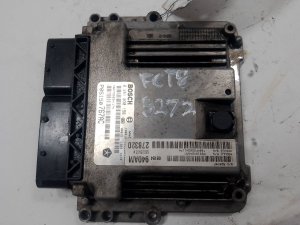
68243303AA, 68243303AB→Multiple part numbers including 68265842AF, 68298493, 68361535, and many others.— These are hardware codes for the GPEC2A PCM used in 2016-2019 Ram 1500s. The numerous subsequent part numbers represent software and potential minor hardware revisions released over the years to fix bugs and improve performance.
Heads up: While the physical module may be the same, it must be programmed with the correct software for the vehicle's specific VIN and options to function correctly. A used module from another truck will not be 'plug and play'.
Model Year Variations Within This Range
- 2016: The 2016 model year is specifically called out in TSB 18-006-16 REV. B for the P2610 software reflash. The PCM hardware for this year is often identified by codes 68243303AA or 68243303AB. While later years can experience the code, the 2016 model had a widely acknowledged software bug from the factory.
Helpful Videos


Used OEM Parts in Stock


New Aftermarket Parts Available


The information in this article is provided for general reference and educational purposes only. Vehicle specifications, procedures, and part compatibility can vary by production date, trim level, and region. Always consult your vehicle's factory service manual and verify part numbers before purchasing or performing repairs. Safety-critical components such as airbags, seat belts, and braking systems should be installed by a qualified professional.
- Ram 1500:
- 🎬 Helpful Videos
- 🛍️ Shop This Part
- What's Unique About the 2016-2020 Ram 1500
- Diagnostic Flowchart
- Symptoms You May Notice
- Most Likely Causes
- Rare But Worth Checking
- Diagnosis Steps
- Parts You'll Likely Need
- Related Codes That Often Appear With This One
- Technical Service Bulletins (TSBs) & Recalls
- Platform-Specific Known Issues
- Mechanic-Grade Diagnostic Values
- Scan Tool Commands That Help
- Wiring & Ground Locations
- Real Owner Repair Stories
- OEM Part Supersession History
- Model Year Variations Within This Range
- 🎟️ Get 5% Off