

P2610 on 2014-2020 Jeep Cherokee: PCM Internal Engine Off Timer Fixes
On a 2014-2020 Jeep Cherokee, code P2610 is most often caused by outdated Powertrain Control Module (PCM) software. The primary fix is a software update from a Jeep dealer, which may cost $150-$250 if not covered by warranty. A weak battery is the second most likely cause. This code frequently triggers a false P0456 EVAP leak code; do not replace EVAP parts until the P2610 is resolved.
- For a 2014-2020 Jeep Cherokee, P2610 is most likely a software problem, not a failed part.
- Before attempting any repairs, contact a Jeep dealer with your VIN to see if a PCM software update TSB applies to your vehicle.
- Thoroughly test the battery with a load tester, as low voltage is a common secondary cause for this code.
- Do not replace other parts (like EVAP components for a P0456 code) until P2610 is resolved, as it is often the root cause.
What's Unique About the 2014-2020 Jeep CHEROKEE
The 2014-2020 Jeep Cherokee (KL generation) is particularly susceptible to this code due to software logic issues, as evidenced by multiple Technical Service Bulletins (TSBs) issued by the manufacturer. Unlike many other vehicles where this code might point directly to a hardware failure, on the Cherokee, the most common cause is simply the need for a PCM software update to correct faulty timer logic. 🎬 See why the PCM timer performance causes this specific code. TSB 18-077-22 specifically calls this out for the 2019 model with the 3.2L V6 engine. This is why checking for TSBs is the most critical first step for this specific vehicle.
Diagnostic Flowchart
Tap your situation to follow the diagnostic path that matches what you're seeing on this vehicle.
Generation note: The 2014-2020 Jeep Cherokee is all part of the 'KL' generation. A significant facelift occurred for the 2019 model year, but the underlying powertrain electronics related to code P2610 remained largely the same. The cited TSBs cover vehicles from both before and after the 2019 facelift.
Symptoms You May Notice
- Check Engine Light (Malfunction Indicator Lamp) is on.
- An audible clunk may be heard after applying the throttle from a coasting condition, predominantly in fifth and sixth gear while driving 48 - 72 kph (30 - 45 mph).
- The auto start/stop system may hesitate or fail to work.
- Other trouble codes, especially for the EVAP system (P0456), may be present.
- Engine doesn't restart after an Engine Start/Stop (ESS) event.
- Replacing EVAP system components (like the gas cap, purge solenoid, or charcoal canister) for a P0456 code without first addressing the P2610. The P2610 can prevent the EVAP self-test from running correctly, falsely triggering the P0456 code. Forum users on sites like jeepcherokeeclub.com and Reddit frequently post about a P0456 code, and the solution is often a dealer software update that addresses the root P2610 fault.
Most Likely Causes
- PCM Software Requires Update 🔴 High Probability Multiple manufacturer TSBs (e.g., #1802121, #1807722) specifically call for a PCM reflash to correct the logic that triggers this code.
How to confirm: A Jeep dealer or a qualified shop with access to OEM service information can check your vehicle's VIN for open campaigns or applicable TSBs that involve a PCM software update. TSB 18-077-22 is a key bulletin for this issue.
Typical fix: Reprogramming (flashing) the PCM with the latest manufacturer software. The TSB also notes that the Transmission Control Module (TCM) must be updated to the latest software at the conclusion of the repair.
Est. part cost: $0 - Weak or Failing Battery 🟡 Medium Probability Modern vehicles with complex electronics are sensitive to voltage fluctuations. A weak battery can cause low voltage during shutdown, corrupting the PCM's memory or timer function. An improper jump start can also damage the PCM.
How to confirm: Perform a load test on the battery. A simple voltage check is not sufficient. The voltage should remain stable and above the manufacturer's specification during the test. Check that voltage is above 12.2V with the engine off and over 13.5V when running.
Typical fix: Replace the 12V battery.
Est. part cost: $150-$300 - Poor Electrical Connections ⚪ Low Probability
How to confirm: Visually inspect and test the battery terminals, main ground straps, and the PCM connectors for any signs of corrosion, looseness, or damage. Perform a voltage drop test on the PCM's power and ground circuits.
Typical fix: Clean, tighten, or repair the corroded or loose connections.
Est. part cost: $5-$50 - Faulty Powertrain Control Module (PCM) ⚪ Low Probability
How to confirm: This is a diagnosis of exclusion. If the software is up-to-date, the battery is healthy, and all connections are clean and tight, the internal timer hardware of the PCM itself may have failed.
Typical fix: Replace the PCM and program the new unit to the vehicle.
Est. part cost: $800-$1500
Diagnosis Steps
- Scan the PCM for all stored trouble codes and review freeze frame data.
- Check with a dealer or using a professional database for any applicable TSBs related to P2610 for your vehicle's VIN. This is the most important step. Specifically look for TSBs 18-077-22, 18-021-21, or similar.
- If a software update TSB is found, have the PCM reprogrammed by a qualified facility. Ensure the Transmission Control Module (TCM) is also updated as recommended by the TSB.
- If no TSB applies or the code returns, perform a comprehensive battery and charging system test, including a load test on the battery.
- Inspect all power and ground connections between the battery, chassis, and PCM. Clean and tighten as necessary.
- If a P0456 code is present, use the wiTECH Small Leak Verification Test (SLVT) to confirm if a physical leak actually exists *after* the PCM software has been updated.
- If all previous steps fail to resolve the issue, the PCM is the likely culprit and may require replacement.
Parts You'll Likely Need
- PCM Software Update — This is not a physical part, but a service. It is the most common fix specified by manufacturer TSBs for this exact issue on Jeep Cherokees.
OEM price range: $150-$250
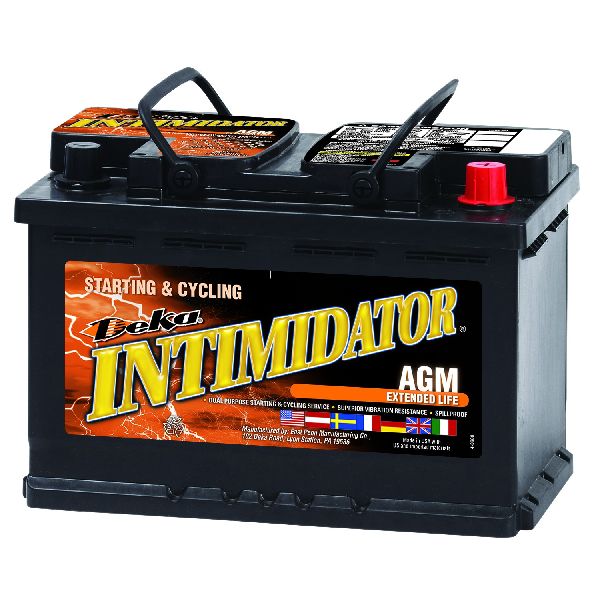
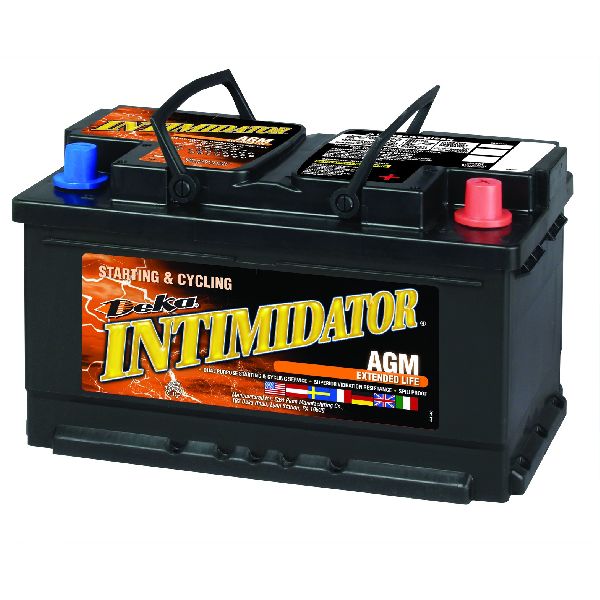
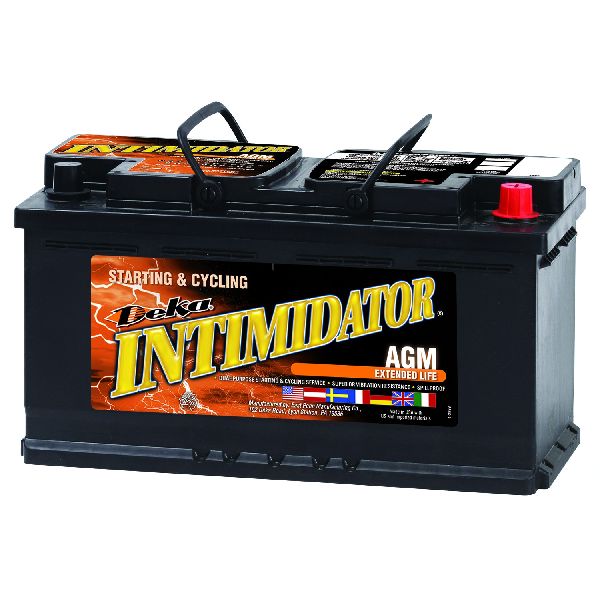
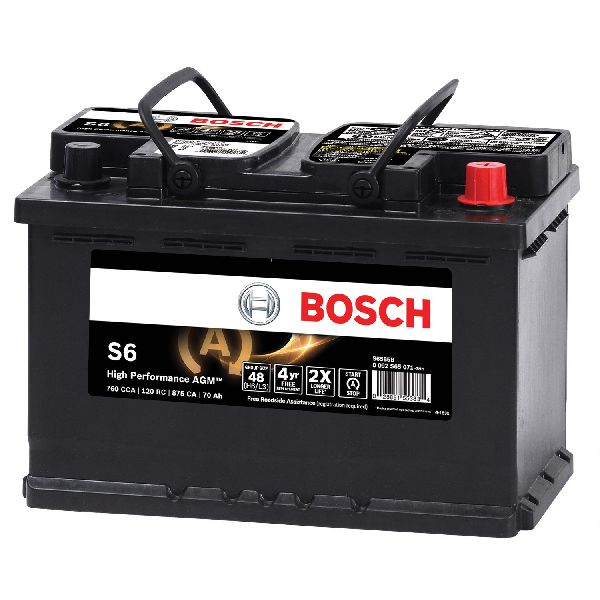
Aftermarket price range: N/A - Automotive Battery — A weak battery can cause erratic behavior in vehicle electronics, including the PCM's internal timer, leading to a P2610 code.
Trusted brands: Mopar, Interstate, DieHard
OEM price range: $200-$350
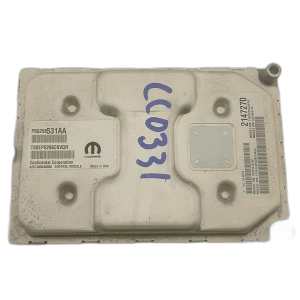
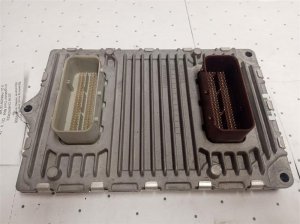
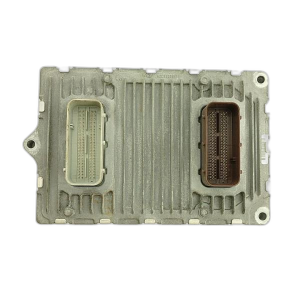
Aftermarket price range: $150-$300 - Powertrain Control Module (PCM) — If software, battery, and wiring issues are ruled out, the internal hardware of the PCM itself has likely failed and the module must be replaced.
Trusted brands: Mopar
OEM price range: $1000-$1500
Aftermarket price range: $600-$1200
Related Codes That Often Appear With This One
- P0456 - EVAP System Small Leak — As stated in TSBs #1807722 and #1802021, the faulty PCM timer performance can prevent the EVAP leak detection monitor from running properly, leading to a false small leak code.
- P06EF - Engine Restart Performance — This code relates to Engine Restart Performance, part of the start/stop system. TSBs #1807722 and #1802021 link it with P2610, as the PCM's timer is crucial for managing the conditions under which the engine restarts.
- P1D83 - Implausible Engine Oil Temperature Signal Received — TSBs #1807922 and #1807722 list this code alongside P2610, suggesting the PCM's internal logic flaws can affect how it interprets data from various sensors during its on/off cycles.
- P06DD - Engine Oil Pressure Control Circuit Stuck Off — TSB 18-077-22 lists this as another potential companion code, indicating the software glitch can have wide-ranging effects on engine monitoring circuits.
- C1252 - Vacuum Pump Control Circuit — Also listed in TSB 18-077-22, this shows the PCM software issue can extend to affect brake system-related modules that rely on PCM data.
Technical Service Bulletins (TSBs) & Recalls
- 1807922: Links P2610 with P1D83 and an audible clunk.
- 1807722: Supersedes 18-020-21. For 2019 3.2L engines, links P2610 with a long list of other DTCs including P1D83, P06EF, and P0456. Recommends a PCM and TCM software update.
- 1802121: Defines P2610 and notes the symptom of an audible clunk.
- 1802021: Links P2610 with P06EF and P0456, superseded by 18-077-22.
- 1808420REVA: Also links P2610 with P06EF and P0456.
Platform-Specific Known Issues
- A series of TSBs (including #1802121, #1807722, #1802021) confirm that a PCM software update is the primary intended fix for P2610 on this platform.
- The symptom of an 'audible clunk after applying throttle from a coast' is a unique issue tied to this code on the Cherokee, as mentioned in TSBs #1807922 and #1802121. TSB 18-077-22 specifies this occurs 'predominantly in fifth and sixth gear while driving 48 - 72 kph (30 - 45 mph)'.
Mechanic-Grade Diagnostic Values
- Battery Voltage, Engine Off — expected: Greater than 12.2 Volts. Failure: A reading below 12.2V may indicate a weak or discharged battery, which can cause erratic PCM behavior.
- Charging System Voltage, Engine Running — expected: Greater than 13.5 Volts. Failure: A reading below 13.5V suggests a problem with the alternator, which can lead to an unstable power supply for the PCM.
- PCM Set Condition - Minimum Battery Voltage — expected: Greater than 10 volts. Failure: The PCM will not run the self-test that can set P2610 if the battery voltage is below 10 volts, highlighting the importance of a healthy battery.
Scan Tool Commands That Help
- wiTECH: Small Leak Verification Test (SLVT) — As per TSB 1807722, this test should be used to confirm if a physical EVAP leak exists for a companion P0456 code *after* the P2610 software update has been performed. Running it before may yield false results.
Wiring & Ground Locations
- Power Distribution Center (Main Fuse Box) — In the engine compartment near the battery, on the driver's side.. This box contains fuses and relays critical for the PCM's operation, including the starter solenoid fuse (F19) and starter relays (K1, K3). A fault in these components can interrupt power and cause PCM-related codes.
- Interior Fuse Panel — In the passenger compartment, on the left side of the dash panel, behind a small storage compartment under the headlight switch.. This secondary fuse box powers various body and interior modules. While less likely to be the direct cause of P2610, a short in a related circuit could potentially cause electrical interference affecting the PCM.
- PCM Ground Circuits (e.g., G103) — Various points on the engine block and inner fenders. For example, on similar Jeep platforms, G103 is a key ground on the passenger side of the engine block that serves the PCM and data link connector.. The PCM requires a stable and clean ground connection to function. A corroded or loose ground is a common cause of intermittent and difficult-to-diagnose electronic issues, including memory and timer faults.
Real Owner Repair Stories
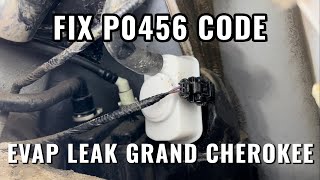
- YouTube Channel '713JT MECHANIC' (2015 Jeep Cherokee Latitude 2.4L) — Check engine light on, 'loose fuel cap' message on dash, and OBD codes P0457 (gross leak/loose cap) and P0456 (small leak).
❌ Tried (didn't work) The owner had already replaced the gas cap, which did not solve the problem.
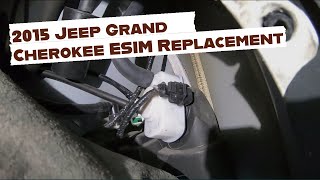
✅ What actually fixed it The problem was a faulty Evaporative System Integrity Module (ESIM) located in the driver's side rear wheel well, attached to the charcoal canister. The seal on the ESIM was the likely failure point. Replacing the ESIM and clearing the codes resolved the issue. This is a crucial counter-point to the 'always software first' rule, as a physical EVAP fault can occur concurrently.
When the Usual Fixes Don't Work
- While the vast majority of P2610 instances on the Jeep Cherokee KL are caused by software glitches that also trigger a false P0456 (EVAP small leak) code, it is critical to not automatically dismiss the P0456. As seen in a repair on a 2015 Cherokee, a physical failure of the Evaporative System Integrity Module (ESIM) was the true cause of the P0456 code. In such cases, even if a P2610 is present, the EVAP code may point to a real, concurrent hardware failure. The TSB-recommended procedure of performing a Small Leak Verification Test (SLVT) after the PCM software update is designed to catch this exact scenario, confirming whether the EVAP code was a ghost or a genuine fault.
Helpful Videos
Used OEM Parts in Stock


New Aftermarket Parts Available


The information in this article is provided for general reference and educational purposes only. Vehicle specifications, procedures, and part compatibility can vary by production date, trim level, and region. Always consult your vehicle's factory service manual and verify part numbers before purchasing or performing repairs. Safety-critical components such as airbags, seat belts, and braking systems should be installed by a qualified professional.
- Jeep CHEROKEE:
- 🎬 Helpful Videos
- 🛍️ Shop This Part
- What's Unique About the 2014-2020 Jeep CHEROKEE
- Diagnostic Flowchart
- Symptoms You May Notice
- Most Likely Causes
- Diagnosis Steps
- Parts You'll Likely Need
- Related Codes That Often Appear With This One
- Technical Service Bulletins (TSBs) & Recalls
- Platform-Specific Known Issues
- Mechanic-Grade Diagnostic Values
- Scan Tool Commands That Help
- Wiring & Ground Locations
- Real Owner Repair Stories
- When the Usual Fixes Don't Work
- 🎟️ Get 5% Off