

P2583 on 2016-2022 Lexus RX: Front Radar Sensor Fault Causes and Fixes
Code P2583 on a 2016-2022 Lexus RX means there is a fault with the front millimeter wave radar sensor, disabling the Pre-Collision System and Dynamic Radar Cruise Control. The most common cause is a dirty or obstructed sensor behind the front emblem; cleaning it may resolve the issue. If not, the sensor may be misaligned (P2583-76), requiring professional recalibration, or in rarer cases, the sensor itself has failed.
- P2583 disables your Lexus's automatic emergency braking and adaptive cruise control. The vehicle is drivable, but key safety features are offline.
- Always start by thoroughly cleaning the Lexus emblem on the front grille. Snow, ice, or dirt is the most common cause and a no-cost fix.
- If cleaning doesn't solve the problem, the vehicle needs professional diagnosis and likely a radar calibration, which costs several hundred dollars.
- Do not replace the sensor unless it has been confirmed to be faulty. Misalignment is a more frequent cause of this code than outright sensor failure.
- This repair is not DIY-friendly. Specialized equipment is mandatory for the calibration required to fix the root cause in most cases.
What's Unique About the 2016-2022 Lexus RX
For the 2016-2022 Lexus RX (AL20 generation), this code is almost always tied to the advanced driver-assistance systems (ADAS). The most frequent trigger isn't necessarily a failed part, but rather an issue with the sensor's environment or alignment. Owners often first encounter this problem after minor front-end impacts, driving in snow or ice, or even after a wheel alignment or windshield replacement, all of which can affect the precise calibration required for the system to function safely. A weak or recently replaced battery can also sometimes trigger a cascade of electronic warnings, including this one.
Symptoms You May Notice
- "Pre-Collision System Malfunction" message on the instrument cluster.
- "Radar Cruise Control Unavailable" message.
- Illuminated master warning light (yellow triangle).
- Dynamic Radar Cruise Control (DRCC) cannot be activated or deactivates unexpectedly.
- Inability to set a follow distance for cruise control.
- Multiple other safety system warnings may appear simultaneously (e.g., BSM, LTA).
- Replacing the radar sensor when only a calibration is needed. A P2583-76 code points to alignment, not necessarily failure.
- Ignoring a damaged or bent mounting bracket. If the bracket is faulty, a new or recalibrated sensor will not hold its alignment and the code will return. This is a common cause of repeat failures.
Most Likely Causes
- Obstructed Radar Sensor or Emblem (P2583-97) 🔴 High Probability The sensor is located directly behind the front emblem, making it susceptible to blockage from snow, ice, heavy dirt, or even thick bug splatter. This is the most common trigger.
How to confirm: Visually inspect the front Lexus emblem for any dirt or obstruction. The warning may appear in freezing rain or snowy conditions and disappear after the vehicle is cleaned or the weather improves. The specific suffix code P2583-97 indicates the sensor's surface is blocked.
Typical fix: Thoroughly clean the front emblem and the area around it with a soft cloth. If the code was caused by a temporary obstruction, it may clear on its own after driving a short distance.
Est. part cost: $0 - Radar Sensor Misalignment / Needs Calibration (P2583-76) 🟡 Medium Probability The sensor requires precise alignment. A minor front-end collision, hitting a parking block or curb, or even improper service procedures (like a wheel alignment) can knock it out of specification, triggering a P2583-76 (Misalignment) code.
How to confirm: This must be confirmed with a professional scan tool that can read manufacturer-specific codes. The code will persist after cleaning the sensor. This is a very common issue for vehicles repaired after a front-end collision.
Typical fix: The radar sensor must be recalibrated by a dealership or a qualified auto shop with ADAS calibration equipment. This involves placing targets at precise distances and using a scan tool to re-aim the sensor. Labor for calibration typically costs between $350-$600.
Est. part cost: $0 (Labor cost for calibration is high) - Damaged Sensor Mounting Bracket or Clips 🟡 Medium Probability Following a minor front-end impact, the plastic mounting bracket or clips holding the radar unit can be cracked or bent. This prevents the sensor from holding a proper alignment, even after calibration.
How to confirm: If the P2583-76 code returns immediately after a calibration, the technician should physically inspect the bracket for play, cracks, or deformation. Twisting the radar unit by hand can reveal play. This step is critical before replacing the expensive sensor itself.
Typical fix: Replace the damaged mounting bracket and/or clips, then perform a radar sensor calibration.
Est. part cost: $50-$150 - Failed Millimeter Wave Radar Sensor (P2583-49) ⚪ Low Probability Like any electronic component, the sensor can fail internally due to age, moisture intrusion, or an internal short circuit. Physical damage from an impact can also cause failure.
How to confirm: This is typically diagnosed after ruling out all other possibilities (obstruction, alignment, wiring). A scan tool may show a specific internal failure code like P2583-49.
Typical fix: Replace the millimeter wave radar sensor and perform the mandatory calibration procedure.
Est. part cost: $800-$1500
Rare But Worth Checking
- Low or Unstable Battery Voltage: A dying battery, or voltage fluctuations immediately after a battery replacement, can cause various electronic modules to report errors. Multiple forum users report a cascade of warning lights, including ADAS failures, that are sometimes resolved by a new, stable battery or by performing a system reset (disconnecting the battery for 10-15 minutes).
- Wiring Harness or Connector Damage: Damage to the wiring or corrosion in the connector for the radar sensor can cause a loss of communication, triggering the code. This is more likely if the vehicle has a history of front-end damage or lives in a rust-prone climate.
Diagnosis Steps
- Check for Warning Messages: Confirm the presence of "Pre-Collision System Malfunction" or "Radar Cruise Control Unavailable" on the dashboard.
- Clean the Front Emblem: Thoroughly wash and dry the large Lexus emblem on the front grille. This is the most common and easiest fix for a potential P2583-97 code.
- Check Battery Health: If the battery is old or was recently replaced, check its voltage and connections. Low voltage can cause spurious electronic faults.
- Inspect for Damage: Visually inspect the emblem, grille, and front bumper for any signs of physical damage, which could indicate a misaligned or broken sensor/bracket.
- Professional Scan: If cleaning does not work, take the vehicle to a qualified shop. Have them perform a full diagnostic scan to retrieve the P2583 code and any suffix codes (e.g., -76, -97, -49) which are critical for diagnosis.
- Inspect Mounting Bracket: If P2583-76 is present, and especially if it returns after calibration, the mounting bracket must be physically inspected for integrity. Check for cracks, play, or deformation before replacing the sensor.
- Perform Calibration: If the sensor is misaligned (P2583-76) or has been replaced, perform the static and/or dynamic calibration procedure using OEM-specified targets and software.
- Test Drive: After any repair or calibration, a test drive is necessary to confirm that the DRCC and PCS systems are functioning correctly and no warnings return.
Parts You'll Likely Need
- Millimeter Wave Radar Sensor
(OEM #88210-0E070 (Verify with VIN))— This part is replaced if it has failed internally (P2583-49) or is physically damaged from a collision. It is the core component of the system. Part number is highly VIN-specific.
Trusted brands: Denso (OEM)
OEM price range: $800-$1500
Aftermarket price range: $400-$800 (Used OEM recommended) - Radar Sensor Bracket / Clips
(OEM #Varies (Verify with VIN))— Often damaged in minor front-end impacts, a bent or cracked bracket will prevent the sensor from holding calibration, causing code P2583-76 to return. It should be inspected before replacing the sensor.
Trusted brands: Toyota/Lexus Genuine Parts
OEM price range: $50-$150
Aftermarket price range: N/A
Related Codes That Often Appear With This One
- P2583-76 — This is a common suffix code indicating the radar sensor is misaligned.
- P2583-97 — This suffix code specifically points to dust, dirt, or another obstruction on the face of the radar sensor.
- P2583-54 — This suffix code means the radar sensor calibration process was started but did not complete successfully.
- P2583-49 — This suffix code indicates an internal failure of the millimeter wave radar sensor itself, often requiring replacement.
- U023587 — This is a communication code indicating 'Lost Communication With Cruise Control Front Distance Range Sensor', which points to the same fundamental problem, often related to wiring or the module itself.
Technical Service Bulletins (TSBs) & Recalls
- source — Though for Honda models, this article is highly relevant. It advises that if DTC P2583-76 (Misalignment) will not clear after aiming, technicians must inspect the radar mounting clips and bracket for damage or play before replacing the radar unit. This is a critical diagnostic step.
Platform-Specific Known Issues
- Vehicles with a history of even minor front-end damage are highly susceptible to this code
Scan Tool Commands That Help
- Toyota Techstream: Front Beam Axis Adjustment (One-Time Recognition) — This is the primary service function used to perform the static calibration of the millimeter wave radar sensor after it has been replaced or disturbed. It requires special targets and precise measurements.
- Toyota Techstream: Health Check — Per Toyota/Lexus recommendations, a full system 'Health Check' should be performed after any collision. This scan can identify hidden DTCs, including the specific suffix codes for P2583, that may not illuminate a warning light.
- Toyota Techstream: Customize — Located under the 'Advance Parking Guidance/ICS/Intuitive P/A' menu, this allows a technician to view and record customized user settings before a calibration update or module replacement, so they can be restored afterward.
Wiring & Ground Locations
- Front Radar Sensor Connector — Located on the back of the millimeter wave radar sensor, which is mounted behind the large Lexus emblem on the front grille.. Damage to this connector or its wiring from a front-end impact is a common cause of communication loss codes (like U023587) or power-related faults for the sensor, triggering P2583.
- Z99A0 — This is a pigtail connector identifier for the front radar/sonar sensor on many Lexus models, including the RX.. Knowing this identifier helps in sourcing the correct replacement pigtail if the original connector is damaged, which is a common repair after a front-end collision.
Real Owner Repair Stories
- Honda ServiceNews Article (applies to Bosch radar used by Lexus) (Multiple Honda/Acura models, but the principle applies to the Lexus RX with the same Bosch radar system.) — DTC P2583-76 (Misalignment) is present and will not clear even after performing the radar aiming procedure.
❌ Tried (didn't work) Re-running the radar calibration/aiming procedure multiple times.
✅ What actually fixed it The root cause was a bent radar mounting bracket or damaged/broken plastic mounting clips. After replacing the damaged clips and/or bracket, the radar was able to hold its alignment and the calibration completed successfully. The bulletin stresses checking for physical play by twisting the radar unit by hand before replacing the sensor itself.
When the Usual Fixes Don't Work
- A common assumption is that if code P2583-76 (Misalignment) appears, a calibration will fix it. However, a significant number of professional repair stories, including a Honda service bulletin for the same type of radar, show that the code often returns immediately if the underlying cause is a bent or damaged mounting bracket. Technicians report that physically checking the bracket for play or cracks is a critical step that is often missed, leading to repeat visits and the unnecessary replacement of a good sensor. The true fix in these cases is replacing the inexpensive bracket, then performing the calibration.
Model Year Variations Within This Range
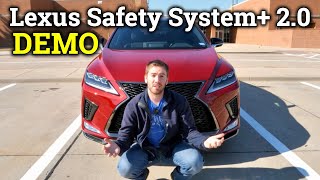
- 2020-2022: For the 2020 model year facelift, the RX received the updated Lexus Safety System+ 2.0 (LSS+ 2.0). This added new capabilities like daytime bicyclist detection, low-light pedestrian detection, and Lane Tracing Assist. While the fundamental P2583 code remains the same, the software and diagnostic parameters within the control module may differ from the 2016-2019 models.
- 2021-2022: For the 2021 model year, Blind Spot Monitor (BSM) with Rear Cross-Traffic Alert became standard equipment, further integrating more sensor inputs into the main ADAS computer.
Diagnostic Flowchart
Used vs. New Parts: Buying Guide for This Vehicle
When a used part is the smart pick: A used OEM radar sensor from a reputable salvage yard is a very sensible option, especially given the high cost of a new unit. The sensor itself is a durable electronic component that does not typically 'wear out'. The key is ensuring the donor vehicle did not suffer a front-end collision.
Donor-vehicle mileage cap: roughly under 100000 miles for the part to have meaningful remaining life.
What to inspect on the donor part:
- Verify the part number on the used sensor matches the original part number exactly. Different part numbers may not be compatible.
- Inspect the sensor for any physical damage, such as cracks in the housing or damage to the electrical connector pins.
- Ask for the VIN of the donor vehicle to confirm it did not have a reported front-end accident.
- Purchase from a seller with a good return policy in case the sensor is faulty.
OEM-only on this vehicle (don't cheap out):
- Millimeter Wave Radar Sensor (Used OEM is acceptable, but avoid new aftermarket units which are unproven and may have calibration issues).
- Radar Sensor Bracket and mounting clips.
Brands owners have reported issues with on this vehicle:
- Unknown/unbranded aftermarket front grilles, especially those that are styled as 'F-Sport' replicas, as they are a known cause of radar blockage and misalignment issues.
Real Owner Stories
Aggregated from forums and TSBs cited above. Mileages and costs reflect what owners reported in those sources.
2023 Lexus RX
Symptoms: A recurring 'System Malfunction of the BSM and ADCC' that the dealer has been unable to permanently fix.
What fixed it: The issue was ongoing and the dealer had not found a permanent fix at the time of the report.
Source hint: Reddit: r/Lexus - 'Lexus needs to fix this ASAP.'
Toyota Highlander
Symptoms: Numerous safety system warnings appeared simultaneously on the dashboard.
What fixed it: The issue was diagnosed as a faulty control module.
Source hint: Reddit: r/ToyotaHighlander - 'All safety sensors malfunction lights on'
Honda Accord
Symptoms: The vehicle displayed a P2583-76 (misalignment) code.
What fixed it: The owner was quoted for a full sensor replacement, which the source highlights as a common and expensive misdiagnosis when only an alignment or bracket fix may be needed.
Cost: $2200-$2200
Source hint: Reddit: r/10thgenaccords - 'Code P2583-76'
Frequently Asked Questions
My 'Pre-Collision System Malfunction' light came on during a snowstorm on my RX. What's the first thing I should check?
My 2018 Lexus RX was in a minor front-end collision and now shows a P2583 code. What's the likely issue?
What do the different numbers after the P2583 code mean, like -97 or -76?
The repair shop wants to charge me $500 for a 'radar calibration' on my Lexus. Is this a legitimate repair?
I was quoted over $1,500 to replace the radar sensor. Are there cheaper possibilities I should explore first?
Can a routine service like a wheel alignment trigger the P2583 code?
The article mentions a Honda TSB (A18080E). How is that relevant to my Lexus RX?
Helpful Videos

We Have This Part in Stock




The information in this article is provided for general reference and educational purposes only. Vehicle specifications, procedures, and part compatibility can vary by production date, trim level, and region. Always consult your vehicle's factory service manual and verify part numbers before purchasing or performing repairs. Safety-critical components such as airbags, seat belts, and braking systems should be installed by a qualified professional.
- Lexus RX:
- 🎬 Helpful Videos
- 🛍️ Shop This Part
- What's Unique About the 2016-2022 Lexus RX
- Symptoms You May Notice
- Most Likely Causes
- Rare But Worth Checking
- Diagnosis Steps
- Parts You'll Likely Need
- Related Codes That Often Appear With This One
- Technical Service Bulletins (TSBs) & Recalls
- Platform-Specific Known Issues
- Scan Tool Commands That Help
- Wiring & Ground Locations
- Real Owner Repair Stories
- When the Usual Fixes Don't Work
- Model Year Variations Within This Range
- Diagnostic Flowchart
- Used vs. New Parts: Buying Guide for This Vehicle
- Real Owner Stories
- 2023 Lexus RX
- Toyota Highlander
- Honda Accord
- Frequently Asked Questions
- 🎟️ Get 5% Off