

P2507 on 2021 Mazda MX-5: ECM/PCM Power Input Signal Low Causes and Fixes
On a 2021 Mazda MX-5, P2507 usually means the battery is weak or has corroded terminals. It can also be triggered by a known quirk where starting the engine with the 15A 'ROOM' fuse removed sets the code. Always test the battery and check fuses before replacing parts, as the PCM itself is rarely the problem.
- P2507 on a 2021 MX-5 is an electrical code indicating low voltage at the main computer (PCM).
- The most likely causes are simple: a weak battery or dirty/loose battery terminals.
- Always check for the companion code P2610. If both are present, the 15A 'ROOM' fuse in the engine bay is the primary suspect, per multiple Mazda TSBs.
- Do not replace the expensive PCM; it is almost never the actual problem.
- Diagnosis is straightforward and can usually be done with a basic multimeter.
What's Unique About the 2021-2021 Mazda MX-5
The Mazda MX-5 (ND generation) and other contemporary Mazda models have a well-documented electrical quirk. Mazda has issued multiple Technical Service Bulletins (TSBs) explaining that code P2507, often paired with P2610, will be stored if the engine is started 3 or more times with the 15A 'ROOM' fuse removed. This can happen during shipping from the factory ('transport mode'), which is sometimes indicated by "F0-002" on the odometer, or during certain service procedures. This leads technicians to believe there is a component fault when the code is simply the result of a specific, documented procedure.
Diagnostic Flowchart
Tap your situation to follow the diagnostic path that matches what you're seeing on this vehicle.
Symptoms You May Notice
- Check Engine Light is on
- Vehicle may intermittently stall
- Reduced engine power or hesitation
- No-start condition or slow/labored cranking
- Other electrical glitches, like flickering lights or malfunctioning accessories
- "Push Button Start System Malfunction" message on the dash
- Replacing the Powertrain Control Module (PCM). The PCM is rarely the cause of this fault code. The issue is almost always with the power being supplied to the PCM, not the module itself. Always exhaust all other possibilities (battery, fuses, grounds, wiring) before condemning the PCM.
Most Likely Causes
- Weak or Failing 12V Battery 🔴 High Probability Sports cars like the MX-5 are often not daily driven, leading to batteries that are frequently in a partial state of charge, which can shorten their lifespan. A battery nearing the end of its 3-5 year life is the most common cause of low voltage codes. Forum users frequently report that the original Mazda battery lasts only 3-4 years.
How to confirm: Use a multimeter to check the battery voltage with the engine off (should be ~12.4-12.6V). Then, have a helper crank the engine while you monitor the voltage; if it drops below 9.6V, the battery is weak. A professional load test at an auto parts store is the most definitive test. A user on r/mazda3 noted their 2021 model showed a "Push Button Start System Malfunction" message when the battery died.
Typical fix: Replace the battery. After replacement, the code may clear on its own after several drive cycles, or you can clear it with an OBD scanner.
Est. part cost: $150-$250 - Loose or Corroded Battery Terminals/Cables 🔴 High Probability Battery terminal corrosion is a universal issue that creates resistance, preventing full voltage from reaching the electrical system.
How to confirm: Visually inspect the battery terminals for white or greenish crust. Wiggle the terminal clamps by hand to check for any movement. Even if they look clean, it's worth cleaning them.
Typical fix: Disconnect the battery terminals (negative first). Clean the terminals and cable clamps thoroughly with a wire brush or terminal cleaning tool until they are shiny. Reconnect securely (positive first).
Est. part cost: $1-$10 - ROOM Fuse Removed or Blown 🟡 Medium Probability As documented in Mazda TSBs, removing the 15A ROOM fuse (e.g., for transport or service) and then starting the car will trigger this code along with P2610. Someone may have also installed the wrong amperage fuse (e.g., a 10A instead of a 15A), causing it to blow prematurely.
How to confirm: Locate the 15A ROOM fuse in the engine bay fuse box. Visually inspect it to see if it is blown or missing. If present, check for power with a test light or multimeter.
Typical fix: Install or replace the 15A ROOM fuse and clear the diagnostic trouble codes.
Est. part cost: $1-$5 - Faulty Alternator ⚪ Low Probability
How to confirm: With the engine running, use a multimeter to measure the voltage across the battery terminals. A healthy alternator should produce a voltage between 13.5V and 14.5V.
Typical fix: Replace the alternator.
Est. part cost: $300-$600
Rare But Worth Checking
- Poor PCM Ground Connection: A loose or corroded main ground strap can cause a variety of strange electrical issues, including this code. On SKYACTIV platforms, a key ground point to inspect is G10, located on the left rear of the cylinder head. Another primary ground strap is often found bolted to the transmission housing.
- Damaged Wiring Harness: An open circuit or a short to ground in the wiring between the battery, fuse box, and the PCM can cause this code. The specific circuit monitored is the backup voltage input at PCM terminal 2O. This circuit also involves the ENG+B 7.5A fuse.
Diagnosis Steps
- Check for other stored DTCs. If P2610 is present, immediately suspect the 15A ROOM fuse per Mazda TSBs.
- Ask the driver or check service history if the vehicle was recently serviced, stored, or transported, which might involve pulling fuses.
- Visually inspect the battery terminals for any signs of corrosion or looseness. Clean and tighten as necessary.
- Perform a battery test. Check static voltage (~12.6V), cranking voltage (should stay above 9.6V), and charging voltage with the engine running (~13.5-14.5V).
- Locate and inspect the fuses related to PCM power. Check the 15A ROOM fuse and the 7.5A ENG+B fuse in the engine compartment fuse box. Ensure they are present, not blown, and of the correct amperage.
- If the battery and fuses are good, inspect the main chassis ground straps for corrosion and tightness. A key location is on the cylinder head (G10) and another on the transmission housing.
- If the problem persists, perform a voltage drop test on the PCM power supply (at terminal 2O) and ground circuits to check for excessive resistance in the wiring.
Parts You'll Likely Need
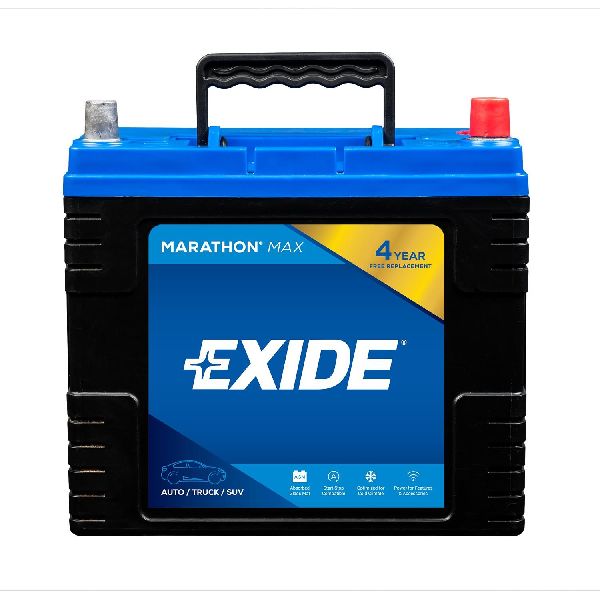
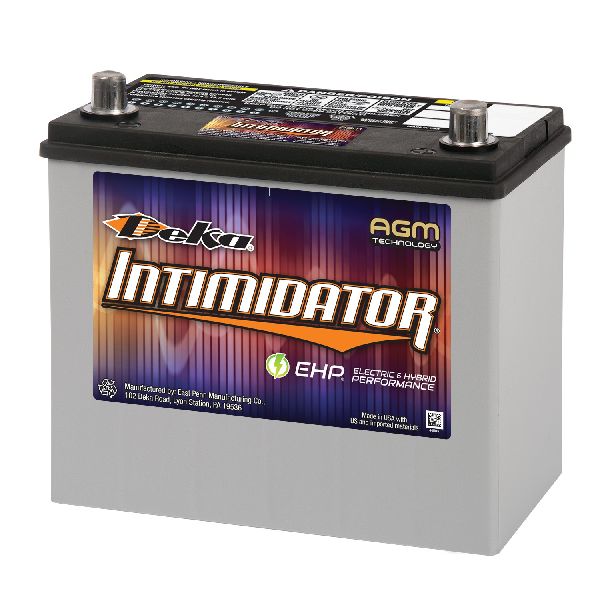
- 12V Battery
(OEM #0000-80-051R-WB)— This is the most frequent cause of low voltage codes, as batteries are a wear item with a finite lifespan of 3-5 years. The OEM battery is often cited as having a particularly short life.
Trusted brands: Mazda (OEM), Duralast Gold (Group Size 51R), DieHard, Interstate
OEM price range: $200-$300
Aftermarket price range: $150-$250 - 15A Mini Fuse — If the code was set due to the known TSB issue or a blown fuse, replacing the 15A ROOM fuse is the required fix.
Trusted brands: Bussmann, Littlefuse
OEM price range: $1-$5
Aftermarket price range: $1-$5
Related Codes That Often Appear With This One
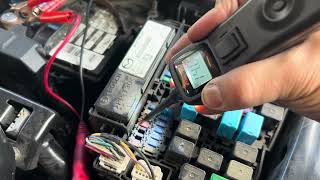
- P2610 — Stands for 'Instrument cluster internal engine off timer performance problem'. Mazda TSBs explicitly state that P2507 and P2610 are designed to appear together when the engine is started with the 15A ROOM fuse removed. Their appearance together is a very strong indicator of the fuse issue 🎬 Watch: How to check for these specific TSB codes rather than a component failure.
- U3003:16 — This is a general low power supply voltage code that can be stored in other modules. A known issue on some Mazda models is a parasitic drain caused by liquid spills in the cup holder corroding a nearby connector, which can lead to a weak battery and trigger P2507 as a secondary code.
Technical Service Bulletins (TSBs) & Recalls
- 01-003-21-3776: CHECK ENGINE LIGHT ON with DTC P2610 and P2507 stored in memory after engine start and room fuse 15A (A) removed. This is the most current bulletin covering 2016-2021 MX-5 models.
- 01-003-19-3557: Superseded bulletin with the same description for earlier models, confirming the issue exists across the platform.
- 01-001-17: Another superseded bulletin also documenting the P2610/P2507 issue related to the room fuse.
- 01-018/15: An even earlier TSB that first detailed the issue, noting it's caused by starting the engine 3+ times with the fuse out.
Platform-Specific Known Issues
- A Technical Service Bulletin (#01-003-21-3776) confirms that P2507 and P2610 can be stored if the engine is started 3 or more times with the 15A ROOM fuse removed. The fix is to reinstall the fuse, start the engine for 10+ seconds, shut it off, restart to confirm the light is off, and then clear the codes.
Mechanic-Grade Diagnostic Values
- PCM Backup Voltage Input — expected: Below 6V for 5 seconds. Failure: Triggers DTC P2507:00. This is the specific threshold Mazda defines for the fault.
- PCM Power Input (Live Data PID: VPWR) — expected: B+ (Battery Voltage, typically 12.4V+ engine off, 13.5-14.5V engine on). Failure: A reading significantly lower than battery voltage indicates high resistance in the power supply circuit.
- PCM Ground Strap Continuity — expected: < 0.1 Ω. Failure: Resistance higher than 0.1 Ω indicates a poor ground connection, which can cause a voltage differential and trigger the code.
Scan Tool Commands That Help
- Mazda MDARS (or FORScan): Battery Monitoring System (BMS) / i-stop Reset — Required after replacing the 12V battery. The PCM needs to learn the state of health of the new battery to ensure proper charging and i-stop (start-stop) functionality. Failure to do so can lead to incorrect charging strategies and premature battery wear.
- Mazda MDARS: Software Update (PCM Reprogramming) — Used as a last resort if a software glitch is suspected of causing an erroneous P2507 code. The procedure requires a stable internet connection and a battery charger to maintain voltage during the flash.
Wiring & Ground Locations
- PCM Terminal 2O — On the main PCM electrical connector.. This is the specific pin for the backup battery positive terminal voltage that the PCM monitors to set code P2507. Testing voltage directly at this pin can confirm if power is reaching the module.
- ENG+B 7.5A Fuse — In the engine compartment fuse box.. This fuse is part of the PCM's backup voltage circuit. A malfunction here will cut power to terminal 2O and trigger the code.
- Left Front Strut Tower Ground — In the engine bay, on the driver's side strut tower.. This is a primary chassis ground point in the engine bay. Corrosion or looseness here can affect multiple systems, including the PCM's ground reference.
- Trunk Latch Gang Ground — In the trunk, just below the latch assembly.. As the battery is in the trunk on the ND MX-5, this is a critical grounding point for the battery and related systems. A service update for Cup cars even adds an extra ground cable here.
- Driver's Kick Panel Ground Bolt — Inside the cabin, behind the driver's side kick panel, near the fuse box.. This is a common and accessible interior chassis ground point. While less likely to be the primary cause for a PCM power code, it's a known location for grounding accessories and can be checked for tightness.
Real Owner Repair Stories
- YouTube channel 'Fix it Angel' (2015 Mazda CX-5 2.5L (Same SKYACTIV platform and similar fuse box design)) — Check Engine Light with codes P2610 and P2507.
❌ Tried (didn't work) Initial visual inspection.
✅ What actually fixed it The 15A ROOM fuse was not only blown, but had been replaced with an incorrect 10A fuse by a previous owner, causing it to blow again. Replacing it with the correct 15A fuse and clearing the codes resolved the issue immediately. - YouTube channel 'Repairs and Stuff' (Mazda 3 with 200,000 miles (older model, but demonstrates a wiring failure mode)) — Check Engine Light with P2507, stumbling and rough idle.
❌ Tried (didn't work) Scanning the code.
✅ What actually fixed it A corroded red power wire on the underside of the engine bay fuse box had broken off its terminal. The mechanic bypassed the broken section with a new wire and an inline fuse to restore power to the PCM, which immediately fixed the idle and cleared the code. - Reddit user on r/MechanicAdvice (2015 Mazda 3 i Sport, 53k miles) — Check Engine Light with P2507, DRLs and one headlight out.
❌ Tried (didn't work) Replacing the battery (it was weak but didn't fix the code)., Checking all fuses with a tester (all tested good).
✅ What actually fixed it The user was advised by the community that the next step was to inspect the wiring on the back of the fuse block for a known issue where a red wire breaks or corrodes, or to perform a battery reset procedure. The thread did not have a final confirmation, but pointed strongly toward a wiring issue beyond just the fuse itself.
Helpful Videos
![What is P2507 Engine Code [Quick Guide]](https://img.youtube.com/vi/RqvHe4UdAGs/mqdefault.jpg)
Used OEM Parts in Stock

New Aftermarket Parts Available

The information in this article is provided for general reference and educational purposes only. Vehicle specifications, procedures, and part compatibility can vary by production date, trim level, and region. Always consult your vehicle's factory service manual and verify part numbers before purchasing or performing repairs. Safety-critical components such as airbags, seat belts, and braking systems should be installed by a qualified professional.
- Mazda MX-5:
- 🎬 Helpful Videos
- 🛍️ Shop This Part
- What's Unique About the 2021-2021 Mazda MX-5
- Diagnostic Flowchart
- Symptoms You May Notice
- Most Likely Causes
- Rare But Worth Checking
- Diagnosis Steps
- Parts You'll Likely Need
- Related Codes That Often Appear With This One
- Technical Service Bulletins (TSBs) & Recalls
- Platform-Specific Known Issues
- Mechanic-Grade Diagnostic Values
- Scan Tool Commands That Help
- Wiring & Ground Locations
- Real Owner Repair Stories
- 🎟️ Get 5% Off