

P2459 on 2022-2023 Ram 2500 6.7L Cummins: Frequent Regeneration Causes & Fixes
Code P2459 on a 2022-2023 Ram 2500 means the Diesel Particulate Filter (DPF) is self-cleaning too often. For these specific model years, Ram issued TSB 25-005-24 Rev. B for vehicles built between August 2022 and May 2023, which may require replacing the DPF due to a manufacturing issue. Before assuming a major repair, check for faulty DPF pressure sensors or incorrect/clogged air filters, which are also very common and less expensive causes.
- For a 2022-2023 Ram 2500, the first step for P2459 is to check with a dealer if your truck is covered by TSB 25-005-24 REV. B, which could mean a free DPF replacement.
- Do not assume the expensive DPF is faulty. The next most likely causes are a bad DPF pressure sensor or using a non-OEM engine air filter.
- Ignoring this code can lead to the truck entering a reduced power 'limp mode' and, over time, cause fuel to dilute the engine oil, risking engine damage.
- Driving habits matter. Ensure the truck gets regular highway time to allow the DPF to complete its cleaning cycles properly.
- If you replace the DPF pressure sensor, it is highly recommended to replace its two connecting hoses at the same time, as they can be clogged or cracked internally.
What's Unique About the 2022-2023 Ram 2500
For the 2022-2023 model years, Ram has specifically acknowledged issues causing P2459 through Technical Service Bulletins (TSBs). TSB 25-005-24 Rev. B points to a manufacturing issue in trucks built between August 1, 2022, and May 1, 2023, that requires a full DPF replacement. This is a significant departure from other model years where the cause is more often a faulty sensor, software glitch, or the wrong type of engine air filter. The 6.7L Cummins is also known for its sensitivity to airflow, and owners on forums like Reddit and Turbo Diesel Register frequently report that certain aftermarket air filters, especially those with glue straps on the fins, can create air turbulence and trigger this code.
Symptoms You May Notice
- Check Engine Light (Malfunction Indicator Lamp, MIL) is on.
- Vehicle enters a reduced power mode, also known as 'limp mode'.
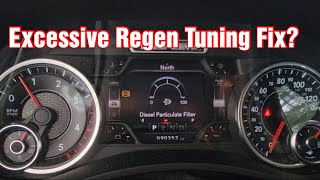
- Dashboard message indicating 'Exhaust System - Regeneration in Process' or similar.
- Noticeably more frequent regeneration cycles than normal (e.g., every 50-150 miles).
- Increased fuel consumption due to the demands of the regeneration process.
- Fuel smell in the engine oil, indicating oil dilution from excessive regeneration cycles.
- A whistling sound from the exhaust brake may indicate an exhaust leak, which can be a contributing factor.
- Immediately replacing the expensive DPF assembly without first checking for the applicable TSB or diagnosing faulty sensors, hoses, or the air filter.
- Replacing the DPF pressure sensor without first inspecting the connecting hoses for cracks, melting, or internal blockages.
Most Likely Causes
- Manufacturing Issue Requiring DPF Replacement (per TSB) 🔴 High Probability TSB 25-005-24 REV. B was issued specifically for 2022-2023 Ram 2500/3500s built between August 1, 2022, and May 1, 2023, identifying a 'manufacturing issue' as the cause.
How to confirm: A Ram dealer must check if your vehicle's VIN is covered by TSB 25-005-24 REV. B or the related Rapid Service Update (RSU) 24-138. The TSB applies only if the P2459 code is present.
Typical fix: If the TSB applies, the prescribed repair is to replace the Diesel Particulate Filter (DPF) / Catalytic Converter assembly. The labor time is estimated at 1.7 hours.
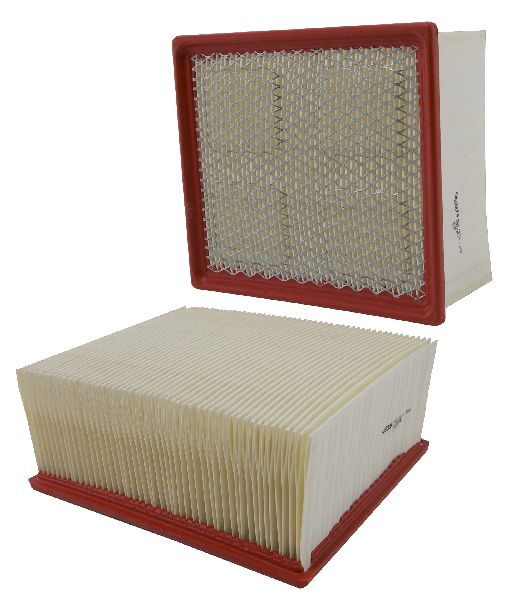
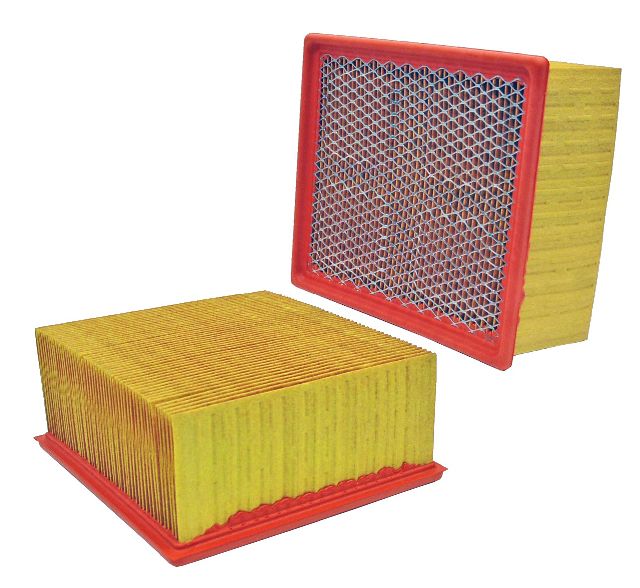
Est. part cost: $0 (if covered by warranty/TSB) - Incorrect or Clogged Engine Air Filter 🟡 Medium Probability The 6.7L Cummins engine's computer is highly sensitive to airflow. Using an incorrect aftermarket filter, especially certain types with glue straps on the fins, can create air turbulence, disrupt the air-fuel ratio, create excess soot, and trigger P2459. This is a widely discussed issue on owner forums.
How to confirm: Inspect the installed engine air filter. If it is not a genuine Mopar/Fleetguard filter or appears dirty/clogged, replace it. Specifically, look for filters with glue straps on the fins, which are known to cause issues.
Typical fix: Replace the air filter with a genuine Mopar or OEM-equivalent filter (like Fleetguard) known to work well with this engine. A Reddit user reported their P2459 code was resolved immediately after switching to the correct OEM-style filter.
Est. part cost: $40-$70 - Faulty DPF Differential Pressure Sensor or Hoses 🟡 Medium Probability The sensor and its rubber hoses are exposed to extreme exhaust heat and vibration, which can cause them to crack, melt, or become clogged with soot, leading to false pressure readings sent to the PCM.
How to confirm: Using a scan tool, monitor the sensor's live data. With the key on and engine off, it should read near zero. Inspect the hoses for visible damage, melting, or blockages. A technician can apply pressure with a hand pump to verify the sensor's response.
Typical fix: Replace the DPF differential pressure sensor and both connecting hoses. It's recommended to replace the hoses even if they appear undamaged, as they can be clogged internally.
Est. part cost: $85-$135 - Driving Habits (Short Trips/Excessive Idling) ⚪ Low Probability Frequent short trips or long idle times prevent the exhaust system from reaching and maintaining the high temperatures needed for a complete, passive regeneration cycle. This causes the DPF to fill with soot more quickly, forcing more frequent active regens.
How to confirm: Review recent driving patterns. If the truck is primarily used for short-distance, stop-and-go driving without regular highway runs, this is a likely contributing factor.
Typical fix: Ensure the truck is driven at highway speeds for at least 30-45 minutes regularly to allow the DPF to complete a full regeneration cycle. Using the exhaust brake can also help slow soot buildup and keep the turbo vanes clean.
Est. part cost: $0
Rare But Worth Checking
- Exhaust System Leaks: A leak in the exhaust system upstream of the DPF, such as at the manifold or turbo gaskets, can alter the pressure readings seen by the sensors, tricking the PCM into initiating unnecessary regens.
- Faulty Exhaust Gas Temperature (EGT) Sensor: The PCM relies on multiple EGT sensors to manage the regeneration process. An inaccurate sensor can disrupt the cycle's timing and effectiveness, contributing to the P2459 code.
- Leaking Fuel Injectors: A faulty injector can cause over-fueling, which creates excess soot and overloads the DPF, leading to more frequent regeneration demands. This may be accompanied by cylinder contribution codes or rough idle.
- Faulty Mass Air Flow (MAF) Sensor: A dirty or faulty MAF sensor can provide incorrect airflow readings, causing the engine to run rich and produce more soot, which in turn clogs the DPF faster.
Diagnosis Steps
- Check with a Ram dealer to see if your vehicle's VIN is affected by TSB 25-005-24 REV. B (for builds between Aug 2022 - May 2023). If it is, the dealer will follow the TSB's repair procedure, which involves replacing the DPF.
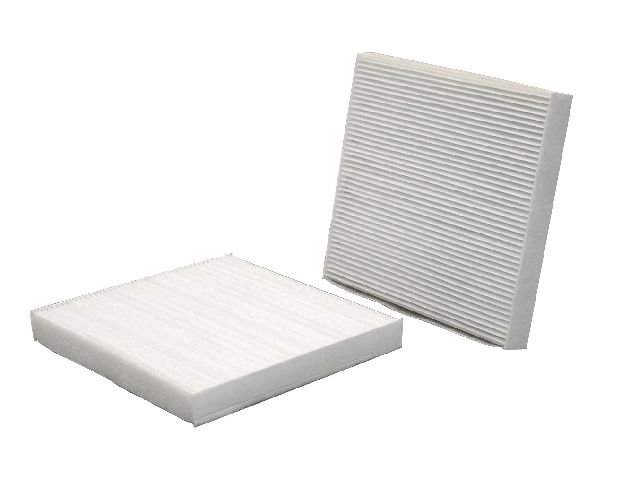
- If no TSB applies, inspect the engine air filter. Ensure it is a clean, OEM-spec filter (Mopar/Fleetguard) without features known to cause air turbulence (like certain glue strips). This is a common, inexpensive fix.
- Using a capable OBD-II scanner, check live data for the DPF differential pressure sensor. With the key on and engine off, the reading should be 0 PSI.
- Visually inspect the two hoses connected to the DPF pressure sensor. Look for any signs of melting, cracks, or kinks. Remove them and blow low-pressure air through them to check for internal blockages.
- Inspect the exhaust system from the turbocharger to the DPF for any black soot streaks that would indicate a leak, particularly at gasket flanges.
- Monitor Exhaust Gas Temperature (EGT) sensor readings on the scan tool to ensure they are plausible and respond correctly to engine temperature changes.
- If sensors, hoses, and the air filter are confirmed to be good, evaluate driving habits. If the truck is used for frequent short trips, perform an extended drive at highway speeds (45+ minutes) to initiate a full regen cycle.
Parts You'll Likely Need
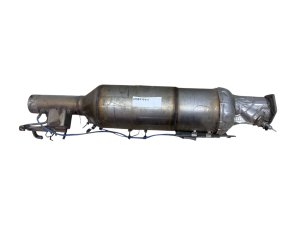
- Diesel Particulate Filter (DPF) / Catalytic Converter Assembly
(OEM #68296341AE)— This is the specific part called for by TSB 25-005-24 REV. B for affected vehicles with a 'manufacturing issue'.
Trusted brands: Mopar
OEM price range: $2000-$3000
Aftermarket price range: $1500-$2500 - DPF Differential Pressure Sensor
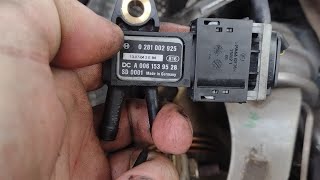
(OEM #68312096AB)— This sensor is a common failure point. It provides incorrect data to the PCM, causing it to believe the DPF is full when it is not. The part number 68312096AB supersedes 68312096AA.
Trusted brands: Mopar, Standard Motor Products
OEM price range: $85-$135
Aftermarket price range: $50-$90 - Engine Air Filter
(OEM #68175232AA)— The 6.7L Cummins is very sensitive to airflow. Using a non-OEM filter, especially one with glue straps on the fins, can cause air turbulence and trigger P2459.
Related Codes That Often Appear With This One
- P2463 — This code for 'DPF Restriction - Soot Accumulation' often appears when the condition causing frequent regens (P2459) eventually leads to the filter becoming genuinely clogged.
- P0401 — An 'EGR Flow Insufficient' code can appear alongside P2459. EGR system problems can increase soot production, causing the DPF to fill faster. This link is noted in TSB #08-350-25.
- P24A2 — This code for 'DPF Regeneration Incomplete' can be related, as an underlying issue may be causing both frequent and incomplete cleaning cycles. This is also mentioned in TSB #08-350-25.
- P0299 — A 'Turbocharger Underboost' code can be triggered by the same restrictive, incorrect aftermarket air filters that are known to cause P2459 on this platform.
Technical Service Bulletins (TSBs) & Recalls
- 25-005-24 REV. B
- RSU 24-138
- 08-350-25
Platform-Specific Known Issues
- A significant number of 2022-2023 models are subject to TSB 25-005-24 and its revisions, which state a 'manufacturing issue' is the cause and the fix is a complete DPF replacement. This is the most critical vehicle-specific issue for this code.
- Owner forums for Ram trucks are filled with reports of P2459 being caused by using non-OEM engine air filters, a problem that dealers are reportedly familiar with.
- The regeneration strategy on the 6.7L Cummins, which uses post-combustion injection of fuel, can lead to significant fuel dilution of the engine oil if regenerations are too frequent, potentially causing premature engine wear.
Mechanic-Grade Diagnostic Values
- DPF Differential Pressure Sensor Signal Voltage (Key-On-Engine-Off) — expected: 0.738 - 0.77 VDC. Failure: A reading outside this specific range with the key on and engine off indicates a likely faulty sensor.
- DPF Differential Pressure Sensor Operating Voltage (Engine Running) — expected: ~0.5V (low soot) to ~4.0V (high soot). Failure: Voltage that is static, unresponsive to engine RPM changes, or exceeds 4.5V suggests a failed sensor, clogged hose, or wiring issue.
- DPF Differential Pressure Sensor Reference Voltage — expected: 5.0V. Failure: A lack of 5.0V at the sensor's reference pin points to a problem with the wiring harness or the PCM, not the sensor itself.
Scan Tool Commands That Help
- wiTECH (or equivalent professional scanner): Forced Regeneration — Used to manually initiate a DPF cleaning cycle while stationary. This is often performed to clear out excessive soot after a repair (like replacing a faulty sensor) or when driving conditions have prevented a successful automatic regen.
- wiTECH (or equivalent professional scanner): Reset DPF Learned Values / Aftertreatment Maintenance Reset — This is a mandatory step after replacing the DPF assembly or the DPF differential pressure sensor. It clears the PCM's stored soot and ash load data, forcing it to re-learn the flow characteristics of the new component to ensure accurate regeneration cycles.
Real Owner Repair Stories
- Turbo Diesel Register Forum user 'wyosteve' (2023 Ram 2500, 28,000 miles) — Check engine light with code P2459.
❌ Tried (didn't work) The dealer first had to run a series of diagnostics before being authorized to replace the DPF under the TSB.
✅ What actually fixed it The dealer diagnosed and replaced a bad 'aftertreatment DPF differential sensor'. This resolved the code without needing to replace the entire DPF assembly. - RamForum.com user 'Diller' (2022 Ram 3500 HO) — Frequent regens and a P2459 code, with no change in power or drivability.
✅ What actually fixed it The dealer performed a PCM update and replaced the rocker arms. The mechanic stated the valves were not opening completely, causing a rich condition, which created excess soot and triggered the frequent regenerations. - Turbo Diesel Register Forum user 'Robert G Bradstreet' (2022 Ram 3500 DRW HO) — Recurring P2459 code every 600-800 miles after dealer service.
❌ Tried (didn't work) Replaced NOx sensors, Replaced the Diesel Particulate Filter (DPF)
✅ What actually fixed it The user's story was a chronicle of failed attempts. After replacing sensors and the DPF, the code continued to return, highlighting that even for dealers, this can be a difficult code to resolve and the root cause may not be the most obvious component. The final fix was not posted, making this a cautionary tale.
OEM Part Supersession History
68312096AA→68312096AB— Standard part revision by the manufacturer for improvements or supplier change.
Diagnostic Flowchart
Other Known Issues on This Vehicle
Issues unrelated to this code that are worth knowing about as an owner of this generation:
- Clogged Diesel Particulate Filter (DPF) 🔴 High — Common, especially on trucks with frequent short trips or incorrect air filters. Can also be caused by a manufacturing defect covered by TSB 25-005-24 Rev. B. (Ref: TSB 25-005-24 Rev. B)
- EGR Cooler / System Problems 🟠 Medium — The EGR system is a common failure point on modern diesels, leading to coolant leaks (white smoke) or flow issues that can increase soot and affect the DPF.
- Grid Heater Bolt Failure 🔴 High — While potentially less common on the newest models, the grid heater bolt can break off and fall into the engine, causing catastrophic damage.
- Uconnect Infotainment System Glitches 🟡 Low — Owners report various software issues like screen freezing, random reboots, and connectivity problems. Multiple software updates have been released to address these. (Ref: TSB 08-044-23)
- Transmission Fluid Leaks / Shifting Issues (68RFE) 🟠 Medium — Some owners report harsh shifting or fluid leaks, particularly from the transmission dipstick tube.
- High-Pressure Fuel Pump (CP4) Concerns 🔴 High — Though Ram used the more robust CP3 on many models, some configurations can have the CP4 pump, which is known for a higher failure rate that can contaminate the entire fuel system.
Used vs. New Parts: Buying Guide for This Vehicle
When a used part is the smart pick: For this specific repair, using a used part is generally only recommended for the DPF Differential Pressure Sensor. Given the high cost of a new DPF assembly ($2000+), a used OEM DPF from a low-mileage, verified-running donor vehicle can be a cost-effective alternative if the TSB for a free replacement does not apply.
Donor-vehicle mileage cap: roughly under 80000 miles for the part to have meaningful remaining life.
What to inspect on the donor part:
- For DPF Assembly: Inspect the filter honeycomb on both ends for any signs of melting, cracking, or visible blockages.
- Check for signs of oil or coolant residue, which would indicate the donor vehicle had severe engine problems that contaminated the filter.
- Verify the donor vehicle's mileage and ask for its VIN to check its history if possible.
- For Sensors: Ensure the plastic housing is not cracked and the connector pins are clean and straight.
OEM-only on this vehicle (don't cheap out):
- Diesel Particulate Filter (DPF) / Catalytic Converter Assembly: While aftermarket DPFs exist, their calibration and longevity can be inconsistent, sometimes leading to recurring codes. A used OEM unit is often a safer bet than a new, non-OEM part.
- DPF Differential Pressure Sensor: Given the relatively low cost of a new OEM sensor ($85-$135) and its criticality to the system, using a new OEM Mopar part is strongly recommended over a used one to avoid repeat failures.
Aftermarket brands forum-validated for this vehicle:
- Standard Motor Products (for DPF Pressure Sensor)
Brands owners have reported issues with on this vehicle:
- Unbranded or 'white box' sensors from online marketplaces should be avoided as their calibration and durability are often poor.
Real Owner Stories
Aggregated from forums and TSBs cited above. Mileages and costs reflect what owners reported in those sources.
2022 Ram 2500 6.7L Cummins
Symptoms: The owner experienced a P2459 code and found that the engine air filter currently installed had glue straps on the fins, which was suspected of causing air turbulence.
What fixed it: The P2459 code was resolved immediately after switching the air filter to a correct OEM-style filter.
Source hint: Reddit r/ram_trucks thread titled 'Resolved P2459 6.7L'
2022-2023 Ram 2500/3500 6.7L Cummins
Symptoms: Owners of trucks built between August 2022 and May 2023 reported persistent regeneration issues linked to a manufacturing defect in the emissions hardware.
What fixed it: Replacement of the Diesel Particulate Filter (DPF) / Catalytic Converter assembly as authorized by the dealer.
Source hint: TSB 25-005-24 REV. B
Related OBD-II Codes
Frequently Asked Questions
Does TSB 25-005-24 REV. B apply to my 2022 Ram 2500?
Can an aftermarket air filter really cause a P2459 code on my 6.7L Cummins?
What is the prescribed fix if my truck falls under TSB 25-005-24 REV. B?
Why is there a fuel smell in my engine oil when this code appears?
Will driving on the highway help clear the 'Exhaust System - Regeneration in Process' message?
Is the DPF differential pressure sensor a common failure point for this code?
Helpful Videos
Used OEM Parts in Stock
New Aftermarket Parts Available


The information in this article is provided for general reference and educational purposes only. Vehicle specifications, procedures, and part compatibility can vary by production date, trim level, and region. Always consult your vehicle's factory service manual and verify part numbers before purchasing or performing repairs. Safety-critical components such as airbags, seat belts, and braking systems should be installed by a qualified professional.
- Ram 2500:
- 🎬 Helpful Videos
- 🛍️ Shop This Part
- What's Unique About the 2022-2023 Ram 2500
- Symptoms You May Notice
- Most Likely Causes
- Rare But Worth Checking
- Diagnosis Steps
- Parts You'll Likely Need
- Related Codes That Often Appear With This One
- Technical Service Bulletins (TSBs) & Recalls
- Platform-Specific Known Issues
- Mechanic-Grade Diagnostic Values
- Scan Tool Commands That Help
- Real Owner Repair Stories
- OEM Part Supersession History
- Diagnostic Flowchart
- Other Known Issues on This Vehicle
- Used vs. New Parts: Buying Guide for This Vehicle
- Real Owner Stories
- 2022 Ram 2500 6.7L Cummins
- 2022-2023 Ram 2500/3500 6.7L Cummins
- Related OBD-II Codes
- Frequently Asked Questions
- 🎟️ Get 5% Off