

P2459 on 2014-2020 Ram 2500 6.7L Cummins: Frequent DPF Regeneration Causes & Fixes
This code means the Diesel Particulate Filter (DPF) is self-cleaning (regenerating) too often. The most common cause is a faulty DPF differential pressure sensor or its hoses, which is a relatively inexpensive part (around $50-$100) and a straightforward DIY replacement. Other frequent culprits include incorrect aftermarket air filters and exhaust leaks.
- P2459 means your truck's DPF is cleaning itself too often, usually due to a faulty sensor, not a failed DPF.
- Before attempting expensive repairs, inspect the DPF differential pressure sensor and its hoses for damage; this is the most common fix.
- Check your engine air filter. If it's not an OEM-spec filter, replacing it with one may solve the problem.
- Ensure your driving habits include regular highway trips to allow the DPF to regenerate properly.
- Do not ignore this code, as it can lead to a loss of power and a much more expensive, fully clogged DPF down the road.
What's Unique About the 2014-2020 Ram 2500

On the Ram 2500 with the 6.7L Cummins engine, the P2459 code is a well-documented issue, as evidenced by multiple Technical Service Bulletins (TSBs) issued by the manufacturer. [Bulletin #18-018-13 REV. A, Bulletin #25-005-24, Bulletin #08-350-25, Bulletin #18-013-26, Bulletin #25-005-24 REV. B] The emissions system is complex, but this code often points to a pattern failure of the DPF differential pressure sensor and its associated hoses rather than a catastrophic failure of the expensive DPF itself. Owner forums like CumminsForum.com and HDRAMS.com frequently discuss this code, with many owners resolving it by addressing faulty sensors or, surprisingly often, by replacing incorrect or overly restrictive aftermarket air filters that disrupt airflow calculations and increase soot production.
Diagnostic Flowchart

Tap your situation to follow the diagnostic path that matches what you're seeing on this vehicle.
Generation note: This range covers two Ram generations: the fourth generation (2010-2018, though the prompt specifies 2014+) and the fifth generation (2019-present). While the 6.7L Cummins engine is used in both, sensor locations, wiring, and specific part numbers may differ. For example, TSB 25-005-24 REV. B specifically addresses 2022-2023 models for a manufacturing issue causing this code. [Bulletin #25-005-24 REV. B] However, the root causes and diagnostic principles for P2459 are largely the same across these years.
Symptoms You May Notice

- Check Engine Light (Malfunction Indicator Lamp) is on.
- Reduced engine power or vehicle entering 'limp mode'.
- Noticeably worse fuel economy.
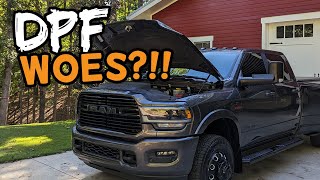
- Message on the dashboard indicating frequent regeneration or DPF status 🎬 Watch: One owner's experience with frequent DPF regeneration cycles. (e.g., "Automatic Exhaust System Regeneration in Progress").
- Excessive black smoke from the exhaust if the DPF becomes overwhelmed or cracked.
- Engine running hotter than usual.
- Immediately replacing the expensive Diesel Particulate Filter (DPF) without first testing the much cheaper differential pressure sensor and inspecting its hoses.
- Performing a forced regeneration with a scan tool without fixing the underlying cause (like an air filter or exhaust leak), leading to the code returning quickly.
- Replacing NOx sensors, which are part of the SCR (DEF) system, when the issue is with the DPF system. A forum user noted this was done to their truck incorrectly by a dealer.
Most Likely Causes

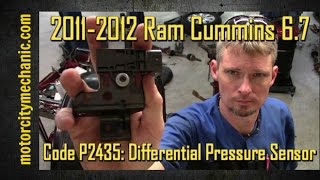
- Faulty DPF Differential Pressure Sensor or Hoses 🔴 High Probability The sensor and its rubber hoses are exposed to intense exhaust heat and engine vibration, leading to cracks, melting, or blockages from soot. This is a widely reported failure point on Cummins forums, as the sensor provides the primary data for calculating soot load. 🎬 See how to locate and replace the differential pressure sensor.
How to confirm: Visually inspect the hoses for cracks, melting, or kinks. With a capable scan tool, monitor the DPF pressure sensor readings at idle and while revving the engine; the voltage/pressure should change smoothly. If the readings are erratic, stuck at one value (e.g., 0 or 5 volts), or don't change with RPM, the sensor is likely bad.
Typical fix: Replace the DPF differential pressure sensor and both of its connecting hoses. It is highly recommended to replace the hoses even if they look okay, as they can be internally blocked or degraded.
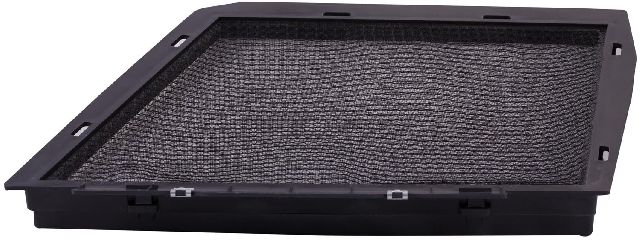
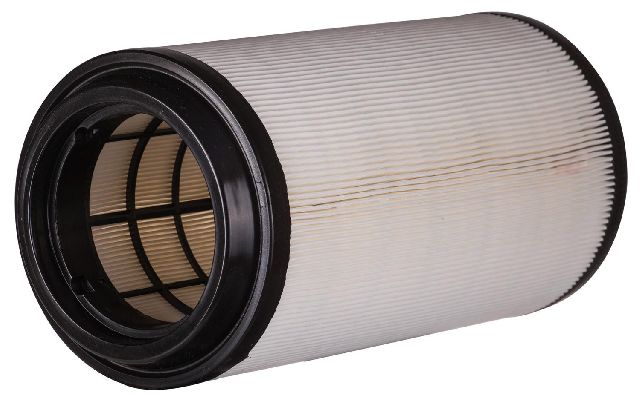
Est. part cost: $50-$150 - Incorrect or Clogged Engine Air Filter 🔴 High Probability The 6.7L Cummins is sensitive to airflow. Using an incorrect (e.g., older style) or some aftermarket oiled-gauze filters can alter the air-to-fuel ratio, create more soot, and trigger a P2459 code. This is a surprisingly common issue discussed by Ram owners, with some dealers even installing the wrong filter during service.
How to confirm: Check if the installed air filter is a non-OEM equivalent or an older Mopar design. A user on HDRams.com reported their dealer installed the wrong filter, and correcting it solved the P2459 code. If the code appeared after a recent air filter change, this is a strong possibility.
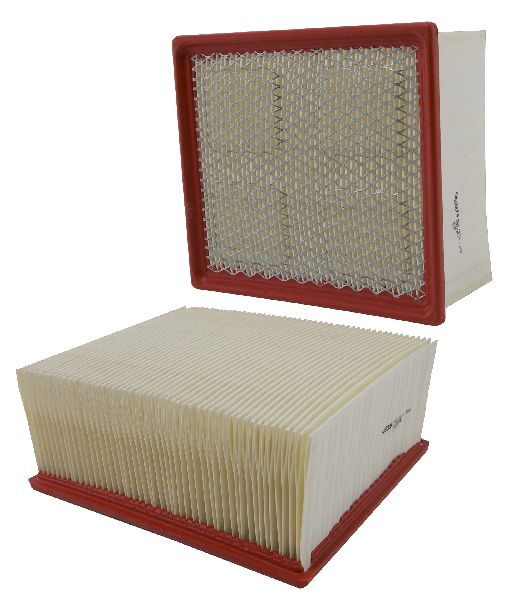
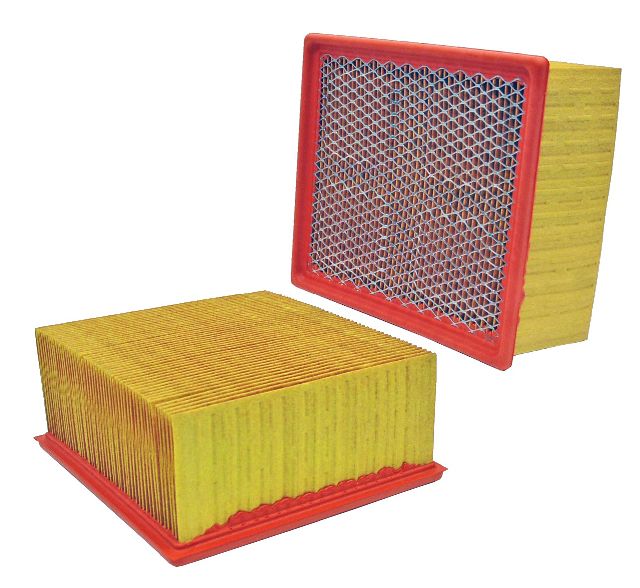
Typical fix: Replace the aftermarket or incorrect air filter with a genuine Mopar/Fleetguard OEM-spec filter. Blowing out a modern diesel filter with compressed air is not recommended as it can damage the filter media.
Est. part cost: $30-$80 - Exhaust Leaks Upstream of the DPF 🟡 Medium Probability Cracked exhaust manifolds or failed gaskets at the turbocharger are known issues. These leaks introduce unmetered air into the exhaust, which can cool exhaust gases and skew oxygen sensor and DPF pressure readings, causing the PCM to miscalculate soot load and trigger unnecessary regens.
How to confirm: Visually inspect the exhaust manifold (especially for broken bolts) and all connections between the engine and the DPF for black soot trails, which are a clear sign of a leak.
Typical fix: Replace the leaking gasket or cracked exhaust component. This can range from a simple gasket swap to replacing a cracked exhaust manifold.
Est. part cost: $20-$500 - Driving Habits (Frequent Short Trips) 🟡 Medium Probability If the truck is used primarily for short trips without reaching full operating temperature, the DPF may not get hot enough to complete a passive regeneration cycle. This leads to an accumulation of soot and forces the system to attempt more frequent active regenerations. Excessive idling also contributes to soot buildup.
How to confirm: Review driving patterns. If the truck rarely sees highway speeds for 20-30 minutes at a time, this is a likely contributing factor.
Typical fix: Take the vehicle for an extended drive (30+ minutes) at sustained highway speeds to allow a full regeneration cycle to complete. Reduce engine idle time when possible.
Est. part cost: $0 - Leaking or Malfunctioning Fuel Injectors ⚪ Low Probability A faulty injector that is dripping fuel or over-fueling a cylinder will cause incomplete combustion, leading to the production of excessive black smoke (soot) that clogs the DPF much faster than normal. TSB #18-013-26 directly links P2459 with cylinder contribution fault codes. [Bulletin #18-013-26]
How to confirm: Use a high-end scan tool to perform a cylinder contribution test to identify a weak or over-fueling cylinder. The presence of codes like P0263 or P0266 alongside P2459 is a strong indicator of an injector issue. [Bulletin #18-013-26]
Typical fix: Replace the faulty fuel injector(s).
Est. part cost: $300-$700 per injector
Rare But Worth Checking
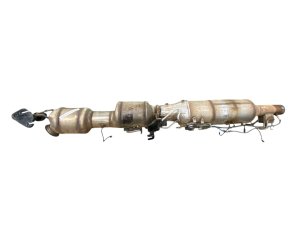
- Cracked or Failing DPF: While not the most common cause, the DPF itself can become internally cracked from thermal stress or clogged with unburnable ash over its service life (typically over 100,000 miles). A quick check is to wipe the inside of the tailpipe; if it's covered in black soot, the DPF is likely compromised and not filtering properly. TSB 25-005-24 REV. B, for some 2022-2023 models, advises replacing the DPF due to a manufacturing issue if P2459 is present. [Bulletin #25-005-24 REV. B]
- Intake/Boost Leaks: A leak in the charge air system (e.g., a cracked intercooler boot) can cause an improper air/fuel ratio, leading to extra soot. This will usually set other codes like P2281 (as noted in TSB 18-018-13 REV. A) or P0299 (Turbo Underboost), but can be a contributor to P2459. [Bulletin #18-018-13 REV. A]
- Clogged EGR System: A clogged EGR valve or cooler can restrict exhaust gas recirculation, leading to higher combustion temperatures and altered emissions, which can contribute to excessive soot and trigger P2459.
Diagnosis Steps
- Check for other Diagnostic Trouble Codes (DTCs) that could point to the root cause (e.g., injector, turbo, or other DPF codes).
- Inspect the engine air filter. If it is a non-OEM brand or appears to be an older style, replace it with a genuine Mopar/Fleetguard filter as a first, inexpensive step.
- Visually inspect the DPF differential pressure sensor hoses for any signs of melting, cracking, kinks, or blockages. The hoses are a very common failure point.
- Inspect the wiring and connector for the DPF pressure sensor for damage or corrosion. The harness is in a high-heat area.
- Using a scan tool with live data, monitor the DPF differential pressure sensor voltage/pressure with the engine at idle and then at
Parts You'll Likely Need
- DPF Differential Pressure Sensor
- Engine Air Filter
- DPF Pressure Sensor Hoses
Related Codes That Often Appear With This One
- P2463 — This code means 'Diesel Particulate Filter Restriction - Soot Accumulation'. It often appears with P2459 because the underlying issue causing frequent regenerations is also causing the DPF to become genuinely restricted. [Bulletin #18-013-26]
- P0263 / P0266 — These codes indicate a cylinder contribution/balance fault. Seeing these with P2459 is a strong indicator that a faulty fuel injector is the root cause of the excessive soot. [Bulletin #18-013-26]
- P2281 — This code indicates an air leak between the Mass Airflow (MAF) sensor and the throttle body. An air leak in the intake system can cause excessive soot, leading to the P2459 code. [Bulletin #18-018-13 REV. A]
- P0299 — This code indicates a Turbo/Supercharger Underboost condition. An intake leak or a failing turbo can cause incomplete combustion, creating extra soot that overloads the DPF and triggers P2459.
Technical Service Bulletins (TSBs) & Recalls
- 18-013-26
- 08-350-25
- 25-005-24 REV. B
- 18-018-13 REV. A
Platform-Specific Known Issues
- Incorrect Air Filter Installation: A surprisingly common issue for the 2019+ trucks is the installation of an older-style or incorrect aftermarket air filter, which can cause turbulence and incorrect MAF sensor readings, directly leading to code P2459.
- TSB for 2022-2023 Models: TSB 25-005-24 REV. B specifically targets 2022-2023 Ram 2500/3500s for a potential manufacturing issue where the prescribed fix for a persistent P2459 code is to replace the entire DPF assembly.
Mechanic-Grade Diagnostic Values
- DPF Differential Pressure Sensor Signal Voltage (KOEO) — expected: ~0.5V - 0.77V DC. Some sources cite specific ranges based on ambient temperature, e.g., 0.61 - 0.77 VDC below 77°F.. Failure: A reading near 0V or significantly higher (e.g., 4.5V or more) indicates a faulty sensor or circuit issue.
- DPF Differential Pressure Sensor Live Data (KOEO) — expected: ~0.0 PSI / ~0 kPa.. Failure: Any significant pressure reading with the engine off points to a biased or failed sensor.
- DPF Differential Pressure Sensor 5V Reference — expected: A steady 5.0V DC at the sensor connector.. Failure: Low or no voltage points to a problem with the wiring or the PCM, not the sensor itself.
- DPF Differential Pressure Sensor Ground Circuit — expected: Less than 50 mV when back-probed, or good continuity to ground (low resistance).. Failure: High resistance or significant voltage on the ground wire indicates a bad ground connection.
- DPF Sensor Wiring Harness Resistance — expected: Resistance should be greater than 100 ohms between the signal pin and all other pins in the ECM connector.. Failure: Resistance less than 100 ohms indicates a short in the OEM wiring harness.
Scan Tool Commands That Help

- wiTECH (Dealer Tool) or equivalent: Stationary Desoot / Manual Regeneration — This command forces the DPF to perform a regeneration cycle while parked. It is used to clear out a moderately clogged filter after a repair has been made, or to test the system's ability to regenerate. It is not a fix by itself; the root cause of the frequent regenerations must be addressed first.
Wiring & Ground Locations
- DPF Differential Pressure Sensor — Typically mounted on a bracket on the passenger side of the transmission, connected by two hoses to the DPF inlet and outlet pipes.. This is the primary sensor for this code. Its location makes its wiring susceptible to heat damage and the hoses prone to clogging with soot, both of which are common failure points leading to incorrect readings and triggering P2459.
- DPF Differential Pressure Sensor Connector — A 4-pin rectangular male connector that plugs into the sensor.. The connector and its wiring are in a high-heat, high-vibration area under the truck. Corrosion or damage to the pins or wires can cause erratic signals, mimicking a sensor failure.
- Main Body/Engine Grounds — Multiple key ground points exist. On the passenger side, a ground cable goes from the battery to the engine block. On the driver's side, cables go to the body and down to the block. Another ground is located on the frame in the driver's side wheel well area.. A poor ground connection for the PCM or sensor circuits can cause incorrect voltage readings from any sensor, including the DPF pressure sensor, leading to false codes.
Real Owner Repair Stories
- Ram Heavy Duty Forum user 'boyyathink' (2022 Ram 2500) — Check engine light with code P2459.
❌ Tried (didn't work) Dealer initially blamed short trip driving habits.
✅ What actually fixed it The dealership service department had installed the wrong (older style) engine air filter during a recent service. Replacing the incorrect air filter with the correct OEM part resolved the code. - Ram Heavy Duty Forum user (2022 Ram 2500) — P2459 code, frequent regens.
❌ Tried (didn't work) Replacing EGR valve, Replacing sensors, Replacing the turbocharger
✅ What actually fixed it The issue was only resolved after the dealer replaced the entire DPF assembly under warranty. The owner had to involve Ram Cares to get the filter replaced.
OEM Part Supersession History
68085750AA→68085750AB— Standard part revision and update by the manufacturer.68312096AA→68312096AB— Standard part revision and update by the manufacturer.
Model Year Variations Within This Range
- 2014-2018: These models use DPF Differential Pressure Sensor part number 68085750AB.
- 2019-2020: These models, part of the 5th generation, use a different DPF Differential Pressure Sensor, part number 68312096AB, indicating a design change. Additionally, these trucks feature a Security Gateway Module (SGW) which may require a bypass cable for aftermarket scan tools to perform certain diagnostic functions like resets or forced regenerations.
Helpful Videos
Used OEM Parts in Stock
New Aftermarket Parts Available


The information in this article is provided for general reference and educational purposes only. Vehicle specifications, procedures, and part compatibility can vary by production date, trim level, and region. Always consult your vehicle's factory service manual and verify part numbers before purchasing or performing repairs. Safety-critical components such as airbags, seat belts, and braking systems should be installed by a qualified professional.
- Ram 2500:
- 🎬 Helpful Videos
- 🛍️ Shop This Part
- What's Unique About the 2014-2020 Ram 2500
- Diagnostic Flowchart
- Symptoms You May Notice
- Most Likely Causes
- Rare But Worth Checking
- Diagnosis Steps
- Parts You'll Likely Need
- Related Codes That Often Appear With This One
- Technical Service Bulletins (TSBs) & Recalls
- Platform-Specific Known Issues
- Mechanic-Grade Diagnostic Values
- Scan Tool Commands That Help
- Wiring & Ground Locations
- Real Owner Repair Stories
- OEM Part Supersession History
- Model Year Variations Within This Range
- 🎟️ Get 5% Off