

P2459 on 2017-2021 GMC Sierra 3500: DPF Regeneration Frequency Causes and Fixes
On a 2017-2021 GMC Sierra 3500 with the 6.6L Duramax engine, code P2459 means the Diesel Particulate Filter (DPF) is trying to clean (regenerate) itself too often. This is commonly caused by driving habits (frequent short trips), a clogged DPF, exhaust system leaks (especially from the charge air cooler), or faulty sensors. Ignoring it can lead to reduced power, fuel in the engine oil, and costly DPF replacement.
- P2459 means your truck's DPF is trying to clean itself too often, usually because it's getting too full of soot, too quickly.
- Before suspecting expensive parts, consider your driving habits. The truck needs regular highway driving to keep the DPF healthy.
- This code is often accompanied by P2463 (DPF Soot Accumulation). Seeing them together strongly points to a clogged filter.
- Check for exhaust and charge air cooler leaks, as this is a known issue on these trucks per GM service bulletins.
- Do not ignore this code. It can lead to the truck entering a low-power limp mode and potentially require a DPF replacement costing thousands of dollars.
What's Unique About the 2017-2021 Gmc SIERRA 3500
The 6.6L L5P Duramax engine in this generation of Sierra is known for its complex emissions control system. General Motors has issued multiple Technical Service Bulletins (TSBs) that include code P2459, acknowledging that it can appear alongside a variety of other engine and transmission codes. TSB #21-NA-214 specifically addresses software anomalies on 2020 models that can cause P2459 along with transmission shifting issues, recommending an ECM and TCM reprogram. TSB #PIP5468F and its successor #22-NA-013 point to a common L5P issue: leaks in the charge air cooler ductwork causing a host of codes, including P2459. This indicates that on the Sierra 3500, P2459 is often part of a broader diagnostic puzzle rather than an isolated fault.
🎬 Watch: A complete guide to fixing DPF regeneration frequency codes.Diagnostic Flowchart
Tap your situation to follow the diagnostic path that matches what you're seeing on this vehicle.
Generation note: The 2017-2021 year range covers two generations of the GMC Sierra 3500: the end of the third generation (K2XX platform, 2017-2019) and the beginning of the fourth generation (T1XX platform, 2020-2021). Both generations use the 6.6L L5P Duramax engine, and the DPF system and its related issues, including code P2459, are largely consistent across these years. TSBs specifically call out these model years for related issues.
Symptoms You May Notice
- Check Engine Light illuminated
- "Exhaust Filter Full, Keep Driving" or similar message on the driver information center
- Reduced engine power or "limp mode"
- Poor fuel economy
- Excessive black smoke from the exhaust
- Engine running hotter than normal, especially noticeable on EGT gauges during non-regen driving
- Whine, growl, shake, and/or vibration from the vehicle [Bulletin #21-NA-214]
- Exhaust brake not working or feeling ineffective [Bulletin #21-NA-214]
- Noticeably more frequent regeneration cycles (e.g., every 50-80 miles instead of every 200-300)
- Engine oil level is overfull and smells of diesel fuel
- Replacing the DPF assembly when the root cause is a much cheaper faulty sensor, an exhaust leak, or simply driving habits that prevent proper regeneration.
- Clearing the code without addressing the source of the excessive soot, leading to the code returning quickly.
- Overlooking a boost leak from the charge air cooler system, which is a known issue on these trucks per GM TSBs.
Most Likely Causes
- Driving Habits 🔴 High Probability These heavy-duty trucks require sustained highway speeds for the DPF to passively regenerate. Frequent short trips, city driving, or extended idling prevent the exhaust from getting hot enough to complete a cleaning cycle. This is a common issue for work trucks used in stop-and-go environments or that idle extensively.
How to confirm: Review recent driving patterns. If the truck is rarely driven at highway speeds for 30+ minutes, this is a likely contributor. A scan tool can show the 'distance since last successful regeneration' PID, which may be very low.
Typical fix: Drive the vehicle at highway speeds (over 50 mph) for at least 30-45 minutes to allow a full regeneration cycle to complete. Some owners on forums recommend using a monitoring app to watch EGTs and confirm the cycle finishes.
Est. part cost: $0 - Exhaust System Leaks (Charge Air Cooler) 🔴 High Probability GM TSB #22-NA-013 (superseding #PIP5468F) specifically identifies loose charge air cooler (CAC) ductwork as a primary cause for P2459 on 2017-2019 L5P engines. A leak in the pressurized air intake system after the turbo causes a rich air/fuel mixture, creating excessive soot that overwhelms the DPF. The bulletin notes a visual inspection may not be enough, as leaks can occur under engine torque.
How to confirm: Perform a boost leak test on the charge air cooler system as per GM's diagnostic procedures. Inspect all connections from the turbo to the throttle body, especially the rubber boots and clamps. A misaligned bracket at the throttle body is a common culprit.
Typical fix: Tighten clamps, replace faulty boots, or realign the CAC pipe bracket at the throttle body. After repair, a forced DPF regeneration may be required.
Est. part cost: $20-$300 depending on the location of the leak. - Clogged or Restricted Diesel Particulate Filter (DPF) 🔴 High Probability If regenerations are interrupted or underlying issues cause excess soot, the DPF can become overloaded with soot or ash. At a certain point, it becomes too clogged for a normal regeneration to work, triggering frequent attempts. This is often the case on high-mileage or high-idle-hour trucks.
How to confirm: A professional scan tool is needed to view the 'Soot Mass' or 'DPF % Full' data PID. High values (often over 100%, with one case showing 231%) confirm a clogged filter. This is often seen with code P2463.
Typical fix: Perform a 'forced regeneration' or 'service regeneration' with a diagnostic scan tool. If this fails, the DPF will require professional off-vehicle cleaning or complete replacement.
Est. part cost: $2,000-$4,000 for a new DPF assembly. - Faulty DPF Pressure Sensor 🟡 Medium Probability This sensor measures the backpressure before and after the DPF to determine how full it is. If the sensor provides inaccurate readings (e.g., reading pressure when there is none), the ECM may think the filter is full and initiate regenerations unnecessarily. Hoses can also get clogged with soot.
How to confirm: Use a scan tool to monitor the DPF pressure sensor readings at idle (should be near 0 PSI) and under load. Compare the readings to manufacturer specifications. Check the sensor's hoses for cracks, melting, or blockages. A forum user noted testing the 5V reference circuit and finding voltage drops when the sensor was plugged in, indicating a sensor or wiring issue.
Typical fix: Replace the DPF pressure sensor and its associated hoses. The sensor is a common replacement part.
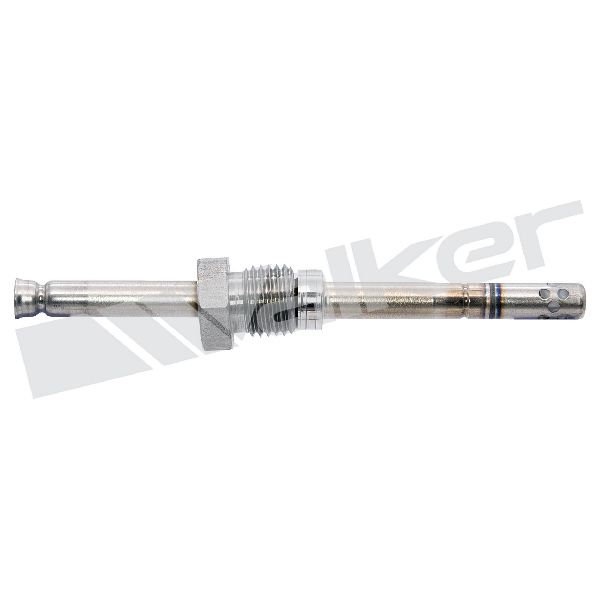
Est. part cost: $50-$150 - Faulty Exhaust Gas Temperature (EGT) Sensors ⚪ Low Probability The DPF system uses multiple EGT sensors to monitor temperatures. If a sensor fails or provides inaccurate readings, the ECM cannot confirm if the DPF has reached the required temperature to burn off soot, which can lead to failed or frequent regeneration attempts. Contamination from coolant or oil leaks can cause premature failure.
How to confirm: Use a scan tool to monitor all EGT sensor readings. They should read ambient temperature when the engine is cold and rise plausibly as the engine warms up. A sensor that is stuck, reads illogically, or doesn't match the others is likely faulty.
Typical fix: Replace the faulty EGT sensor. There are multiple sensors in the exhaust stream; diagnosis is key to replacing the correct one.
Est. part cost: $80-$200 per sensor.
Rare But Worth Checking
- Dirty or Collapsed Air Filter: A severely restricted or collapsed air filter can cause a rich fuel condition, leading to excessive soot production that overwhelms the DPF. This was noted in a diagnostic video on a 2019 Duramax work truck that idled frequently in a dusty environment. A forum thread also mentioned that using non-OEM air filters has been linked to this issue.
- Faulty Fuel Injectors: A leaking or poorly spraying fuel injector can lead to incomplete combustion, creating extra soot that clogs the DPF faster than normal. This can also lead to fuel dilution of the engine oil, a condition reported by a technician on a 2020 L5P with a recurring P2459 code.
- ECM Software Anomaly: For 2020 models, TSB #21-NA-214 points to a software issue that can cause P2459 and other DTCs, along with transmission performance complaints. The fix is to reprogram both the Engine Control Module (ECM) and Transmission Control Module (TCM).
- Cracked Cylinder Head: In a severe and rare case on a 2020 L5P with repeat emissions component failures (DPF, EGR, NOx sensors), the root cause was found to be a cracked cylinder head on cylinder #7 leaking coolant into the exhaust. This coolant contamination poisons emissions components and can cause a variety of codes, including those related to the DPF. The primary symptom was unexplained coolant loss.
Diagnosis Steps
- Read all stored DTCs with a capable OBD-II scanner. Note all codes, especially P2463, P2002, or P0101, as they provide critical diagnostic direction.
- Using a scan tool, check key DPF parameters: 'Soot Mass' or 'DPF % Full', 'Distance Since Last Regeneration', and the readings from all EGT sensors and the DPF pressure sensor. A soot level over 100% or a very short distance since the last regen confirms the issue.
- Analyze driving habits. If the truck primarily drives short distances, attempt a 30-45 minute drive at sustained highway speeds (55+ mph) to initiate a full regeneration cycle. Monitor EGTs with a scan tool to confirm regen starts and completes.
- Perform a thorough visual inspection of the entire air intake and exhaust system. Per TSB #22-NA-013, pay extremely close attention to the charge air cooler pipes, boots, and clamps for signs of leaks (soot, oil residue) or misalignment.
- Inspect the DPF differential pressure sensor hoses for any cracks, melting, soot blockages, or moisture.
- With the engine off and cool, compare all EGT sensor readings on the scan tool. They should all read close to the ambient air temperature. Start the engine and monitor them for plausible, even heating. A sensor that is slow to respond or stuck is faulty.
- Check engine oil level and smell. An overfull dipstick that smells strongly of diesel fuel indicates significant fuel dilution from incomplete regenerations, pointing towards a possible injector or other serious issue.
- If a charge air cooler leak is suspected, perform a pressurized smoke test on the system to pinpoint the leak, as visual inspection alone can be insufficient.
- If soot levels are high and a highway drive does not clear the code, a forced or 'service' regeneration using a professional scan tool is the next step.
- If the code persists, check for applicable TSBs like #21-NA-214 that may require an ECM/TCM software update at a dealership.
Parts You'll Likely Need
- Diesel Particulate Filter (DPF) — If the filter is beyond its service life or cannot be cleared by a forced regeneration, it must be replaced. This is the most expensive potential repair.
Trusted brands: ACDelco, GM Genuine Parts
OEM price range: $2500-$4000
Aftermarket price range: $1500-$2500 - DPF Pressure Sensor — This sensor is a common failure point and can send incorrect data to the ECM, causing unnecessary regenerations.
Trusted brands: ACDelco, Bosch
OEM price range: $100-$180
Aftermarket price range: $50-$100 - Exhaust Gas Temperature (EGT) Sensor — A failed EGT sensor can prevent the system from entering or completing a regeneration cycle, leading to soot buildup.
Trusted brands: ACDelco, Denso
OEM price range: $120-$200
Aftermarket price range: $70-$130
Related Codes That Often Appear With This One
- P2463 — This code means 'DPF Restriction - Soot Accumulation.' It is very common to see P2459 and P2463 together, as the frequent regeneration attempts (P2459) are a direct result of the filter being excessively clogged with soot (P2463).
- P2002 — This code indicates 'DPF Efficiency Below Threshold.' It often appears with P2459 when the filter is either clogged, contaminated (e.g., by coolant), or damaged internally, preventing it from working effectively.
- P0101 — This is a Mass Airflow (MAF) sensor
Technical Service Bulletins (TSBs) & Recalls
- Bulletin #21-NA-214: Addresses a software anomaly on 2020 models causing P2459 and other DTCs along with transmission issues. The fix is to reprogram the ECM and TCM.
- Bulletin #PIP5468F / #22-NA-013: Specifically for 2017-2019 models, these bulletins point to leaks in the charge air cooler system as a cause for P2459 and a long list of other codes. It advises a pressure test as visual inspection may not be sufficient.
- Bulletin #24-NA-197: Mentions a procedure to correct conditions causing P2459 and other DPF codes.
- Bulletin #PIP5468D / #PIP5468C: Earlier versions of the TSB regarding charge air cooler leaks.
Platform-Specific Known Issues
- Charge Air Cooler (CAC) Pipe Leaks: A very common issue highlighted in TSB #22-NA-013 is for the charge air cooler ductwork to become loose, particularly at the throttle body connection. This introduces unmetered air, causing the engine to run rich and produce excess soot, directly leading to frequent regenerations and code P2459. The fix involves inspecting, re-seating, and properly tightening the clamps on the entire intake tract post-turbo.
- Fuel Dilution in Engine Oil: An owner on the Diesel Training Group forum reported a 2020 L5P that kept throwing a P2459 code. The only symptom found was that the engine oil was overfull by nearly an inch on the dipstick and smelled of diesel. This indicates that the numerous failed/frequent regeneration attempts were dumping raw fuel into the cylinders, which then seeped past the piston rings into the crankcase. This is a severe condition that can lead to catastrophic engine failure due to poor lubrication.
- Collapsed/Dirty Aftermarket Air Filters: In a detailed YouTube repair video, a 2019 Duramax used as a logging truck had codes P2459 and P2463. The technician found a completely collapsed and dirt-saturated air filter. This restricted airflow, creating excess soot and clogging the DPF. A separate forum post noted a technician repeatedly warning a customer to use only OEM air filters to avoid similar issues.
Mechanic-Grade Diagnostic Values
- DPF Differential Pressure Sensor Voltage (KOEO) — expected: ~0.16V - 0.5V. Failure: A reading of 5V (indicates sensor unplugged) or any pressure reading above 0 PSI with the engine off points to a faulty sensor or circuit issue.
- DPF Soot Accumulation Percentage (L5P Engine) — expected: Regeneration initiates at ~100%. Should drop well below 66% after a successful service regeneration.. Failure: A "Continue Driving" message appears at 115%. Code P2463 sets at 140%. A value of over 200% may be seen in severe cases, often requiring DPF replacement.
- Injector Balance Rates (at operating temp, in Park) — expected: Within +/- 4.0 mm³ of the average fuel rate.. Failure: Values exceeding +/- 4.0 mm³. A positive (+) value means the ECM is adding fuel (compensating for a weak injector or low compression), while a negative (-) value means the ECM is removing fuel (compensating for a leaking injector).
- Calculated Fuel Rate (CFR) at idle — expected: 7-9 mm³ for a stock engine at operating temperature.. Failure: A very low CFR (e.g., 2-3 mm³) can indicate that one or more injectors are leaking fuel, causing the ECM to pull back the base fuel amount for all cylinders.
Scan Tool Commands That Help
- GM GDS2: Service Regeneration — Used to perform a stationary, controlled regeneration of the DPF when the soot load is too high (typically >140%) for a normal driving regen to occur, or when P2463 is set.
- GM GDS2: Small Quantity Data Reset — Recommended by TSB 24-NA-197 after certain repairs, such as injector replacement, to clear learned fuel trim values and allow the ECM to relearn.
Wiring & Ground Locations
- G101 — Located at the left front of the engine, on the lower block.. This is a primary ground location for the Engine Control Module (ECM) and Transmission Control Module (TCM). A poor ground here can cause erratic behavior and false codes from any system controlled by the ECM, including the DPF system.
- Cab-to-Engine Ground Strap — Connects from the vehicle cab to a mounting point on the driver's side rear of the cylinder head.. Ensures all electronic modules have a common ground reference with the engine block. A loose or corroded strap can cause unpredictable electrical issues.
- A38 Reductant Pump/Sender Assembly Connector (2020-2022) — On the Diesel Exhaust Fluid (DEF) tank.. A TSB (PIP5838B) notes a pinout change for this connector on 2020-2022 models. Pin 5 is the 'Diesel Exhaust Fluid Pressure Sensor 5 Volt Reference'. Diagnosing DEF system issues, which can be related to DPF codes, requires the correct wiring diagram for the specific vehicle build date.
- ECM Location (2017-2019 K2XX) — Behind the driver-side headlight, below the upper radiator hose, between the battery and power steering reservoir.. Knowing the physical location is essential for inspecting the ECM connectors and harness for damage or corrosion, which could cause sensor data errors.
- ECM Location (2020-2021 T1XX) — Behind the driver-side headlight, accessible after removing the inner fender liner.. The location changed with the T1XX platform, requiring a different procedure to access for inspection or replacement.
Real Owner Repair Stories
- DadsGarage Diagnostic Specialist YouTube Channel (2019 Duramax work truck (logging truck)) — Reduced engine power message, 'cleaning exhaust filter' message, codes P2463 and P2459.
✅ What actually fixed it The technician found a soot load of 231% and a completely collapsed, dirt-saturated engine air filter. The root cause was a combination of the blocked air filter causing a rich condition and excessive idle time from its use as a work truck. The fix was replacing the air filter and performing a forced 'Service Regeneration' with a scan tool. - Diesel Training Group Forum (2020 L5P Duramax, 128k+ miles) — Recurring P2459 code after DPF replacement. No other DTCs stored.
❌ Tried (didn't work) DPF assembly replaced at 128k miles., MAF, MAP, and other exhaust sensors inspected/cleaned., Air filter replaced with OEM part., Fuel trim and small quantity resets performed., ECM/TCM software verified to be latest version.
✅ What actually fixed it The primary symptom found upon the vehicle's return was an engine oil level that was overfull by 3/4" and smelled of diesel. This strongly indicates fuel dilution in the oil, likely caused by frequent, incomplete regeneration cycles dumping excess fuel into the cylinders, which then seeps past the piston rings into the crankcase.
"I Checked Everything" — The Actual Cause
- According to GM TSB #22-NA-013 (which supersedes #PIP5468F), a common cause for P2459 is a leak in the charge air cooler (CAC) ductwork. The bulletin specifically notes that a simple visual inspection or even a static smoke test may not reveal the leak, as it can open up only under the twisting force (torque) of the engine during operation. The actual cause is a boost leak, but it's missed because it's not present when the engine is off.
OEM Part Supersession History
55599156→12677718— Standard part evolution/update by the manufacturer.
Model Year Variations Within This Range
- 2017-2019 (K2XX Platform) vs 2020-2021 (T1XX Platform): The physical location of the Engine Control Module (ECM) is different. On 2017-2019 models, it is located between the battery and power steering reservoir. On 2020+ models, it is behind the driver-side inner fender liner.
- 2020-2021: These models use a 10-speed GM transmission, whereas the 2017-2019 models used a 6-speed Allison transmission. Additionally, TSB PIP5838B notes a change in the wiring pinout for the DEF tank assembly connector starting in 2020.
- 2020-2021: A procedure to disable the 'Air Filter Life System' via the instrument cluster is required before swapping the ECM. Failure to do so results in a warning light that can only be reset by a GM dealer. This procedure does not apply to 2017-2019 models.
Helpful Videos
![[EN] How to replace a DPF sensor | Masters of Motion](https://img.youtube.com/vi/rX9WGUP7p7c/mqdefault.jpg)

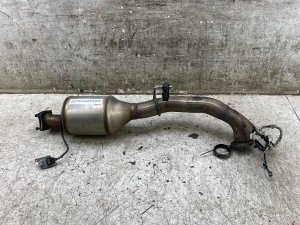
Used OEM Parts in Stock
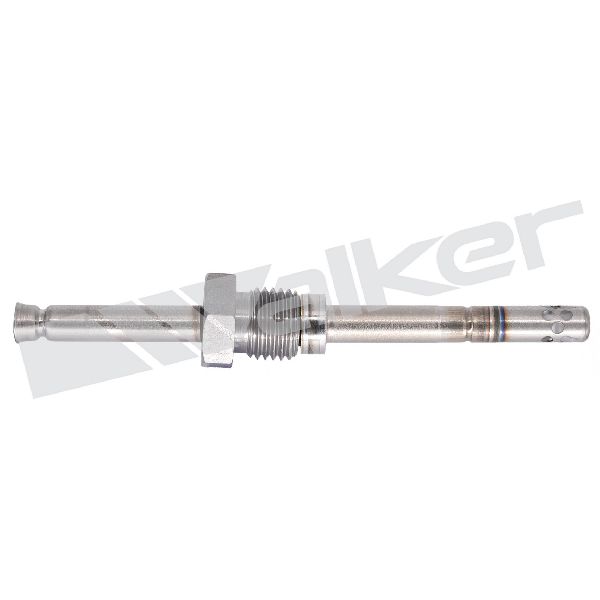
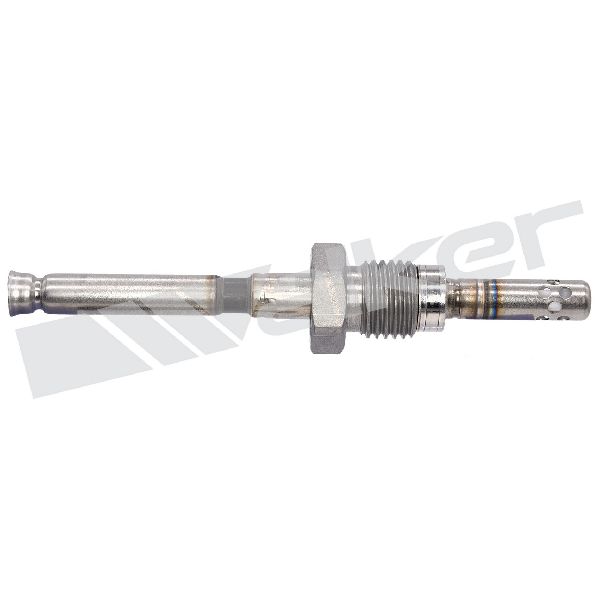
New Aftermarket Parts Available


The information in this article is provided for general reference and educational purposes only. Vehicle specifications, procedures, and part compatibility can vary by production date, trim level, and region. Always consult your vehicle's factory service manual and verify part numbers before purchasing or performing repairs. Safety-critical components such as airbags, seat belts, and braking systems should be installed by a qualified professional.
- Gmc SIERRA 3500:
- 🎬 Helpful Videos
- 🛍️ Shop This Part
- What's Unique About the 2017-2021 Gmc SIERRA 3500
- Diagnostic Flowchart
- Symptoms You May Notice
- Most Likely Causes
- Rare But Worth Checking
- Diagnosis Steps
- Parts You'll Likely Need
- Related Codes That Often Appear With This One
- Technical Service Bulletins (TSBs) & Recalls
- Platform-Specific Known Issues
- Mechanic-Grade Diagnostic Values
- Scan Tool Commands That Help
- Wiring & Ground Locations
- Real Owner Repair Stories
- "I Checked Everything" — The Actual Cause
- OEM Part Supersession History
- Model Year Variations Within This Range
- 🎟️ Get 5% Off