

P2451 on 2013-2017 Ford C-MAX ENERGI: EVAP Switching Valve Causes and Fixes
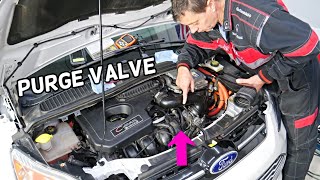
On a 2013-2017 Ford C-MAX ENERGI, code P2451 is almost always caused by a failed canister purge valve assembly located on top of the engine. This valve gets stuck, triggering a 'stuck on' or 'stuck closed' fault. Replacing this part is a common, DIY-friendly fix with the OEM assembly costing around $100-$150. This issue is also common on the Ford Fusion Hybrid and Lincoln MKZ Hybrid which share the same powertrain.
- P2451 on your C-MAX ENERGI points directly to a problem with the canister purge valve on top of the engine.
- The most likely fix is replacing the purge valve assembly (Part No. CV6Z-9D289-S), a simple DIY job.
- This is a very common failure on the Ford 2.0L Hybrid powertrain, also affecting the Ford Fusion and Lincoln MKZ.
- Look for companion codes like P1450 and P2450, which further confirm the purge valve as the culprit.
- Be aware of TSB SSM 48301 if performing advanced, by-the-book diagnostics to avoid misdiagnosis.
What's Unique About the 2013-2017 Ford C-MAX ENERGI
The Ford C-MAX ENERGI, as a plug-in hybrid, has specific software for managing its complex systems. A Ford Technical Service Bulletin (TSB) highlights a potential PCM software conflict that can lead to incorrect diagnostic results when troubleshooting this and other EVAP codes. This means that standard diagnostic procedures may be misleading without following the manufacturer's specific instructions for this platform. While the root cause is often a common mechanical part, the electronic diagnosis has a unique quirk. The issue is so common on this powertrain that it also affects its platform mates, the Ford Fusion Hybrid and Lincoln MKZ Hybrid.
🎬 Watch: Locate and replace the valve on these specific models.Diagnostic Flowchart
Tap your situation to follow the diagnostic path that matches what you're seeing on this vehicle.
Symptoms You May Notice
- Check Engine Light (Malfunction Indicator Lamp) is illuminated.
- Possible faint fuel odor, especially after shutting the vehicle off.
- Potential for rough idle or slight hesitation when starting immediately after refueling.
- Failure to pass a state emissions inspection.
- Slight decrease in fuel economy.
- A 'whoosh' sound of rushing air when opening the fuel cap, indicating excess vacuum in the tank (often associated with companion code P1450).
- Replacing the charcoal canister. While part of the EVAP system, the canister is expensive and rarely the cause for a P2451 code, which points to a circuit/valve fault, not a clogged canister.
- Replacing the fuel cap. A loose or faulty fuel cap typically causes a small leak code (like P0456), not a valve circuit code.
- Confusing the Canister Purge Valve (under the hood) with the EVAP Vent Valve/Solenoid (near the fuel tank). P2451 on this Ford platform specifically relates to the purge valve in the engine bay.
Most Likely Causes
- Failed Canister Purge Valve Assembly 🔴 High Probability This valve is a known common failure item on many Ford vehicles from this era that use the same 2.0L engine platform, including the Fusion and Escape. The internal solenoid or mechanical plunger can seize or stick due to wear or contamination. Overfilling the fuel tank is cited as a common cause of premature failure.
How to confirm: Use a bi-directional scan tool to command the valve to open and close; listen for an audible click from the valve located on top of the engine. You can also remove the valve and try to blow through it; if air passes freely, it is stuck open. With the engine running and the valve's electrical connector unplugged, disconnect the hose leading to the fuel tank and check the valve's port for vacuum with your finger. If vacuum is present, the valve is stuck open and faulty.
Typical fix: Replace the entire canister purge valve and tube assembly. It is sold as a single unit and is located on top of the engine for easy access.
Est. part cost: $100-$150 - Wiring or Connector Issue 🟡 Medium Probability The wiring harness in the engine bay is exposed to heat and vibration, which can lead to chafed insulation, broken wires, or corrosion over time. The connector pins can also become bent or corroded, leading to a poor connection.
How to confirm: Visually inspect the wiring and electrical connector going to the canister purge valve for any signs of damage, corrosion, or loose pins. Use a multimeter to check for 12V power with the key on and check for continuity on the ground wire back to the PCM.
Typical fix: Repair the damaged section of the wiring harness or clean/replace the electrical connector.
Est. part cost: $5-$50
Rare But Worth Checking
- Powertrain Control Module (PCM) Fault: This is rare, but possible. The TSB regarding a software conflict suggests the PCM's control over this circuit is complex. This should only be considered after the valve and wiring have been proven to be good. A damaged PCM driver circuit could fail to send the correct signal to the valve.
Diagnosis Steps
- Read the trouble codes with an OBD-II scanner and note any other codes present, especially P1450 or P2450.
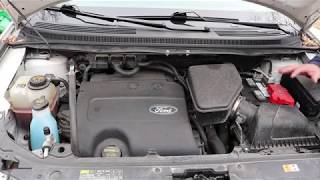
- Remove the plastic engine cover to access the canister purge valve assembly on top of the engine.
- Visually inspect the valve, its hoses, and the electrical connector for any obvious damage, cracks, or loose connections.
- With the engine off, disconnect the electrical connector from the purge valve. Check the resistance of the valve's two pins with a multimeter. Compare the reading to the manufacturer's specification (typically 10-60 ohms). An open or shorted reading indicates a bad valve.
- If you have a bi-directional scan tool, command the purge valve on and off. You should hear an audible click from the valve.
- A definitive manual test: Disconnect the electrical connector. Start the engine. Disconnect the EVAP hose (the one going towards the back of the car) from the purge valve. Place your finger over the open port on the valve itself. If you feel any vacuum suction, the valve is stuck open and must be replaced. 🎬 See a simple diagnosis and repair for this EVAP code.
- Check the wiring harness connector for 12V power with the key on.
- IMPORTANT: If performing advanced diagnostics using the official Ford service manual (Pinpoint Test HX), be aware of TSB #SSM 48301. It states you must open the fuel door immediately before performing step HX22 to avoid incorrect results due to a PCM software conflict.
- If the valve and wiring check out, the issue may be with the PCM, but this is highly unlikely.
Parts You'll Likely Need
- Vapor Canister Purge Valve / Tube Assembly
(OEM #CV6Z-9D289-S)— This is the component that the P2451 code directly monitors. It is the most common point of failure for this code on the C-MAX ENERGI and its platform mates.
Trusted brands: Motorcraft
OEM price range: $100-$155
Aftermarket price range: $60-$120
Related Codes That Often Appear With This One
- P2450 — P2450 is for 'EVAP System Switching Valve Performance/Stuck Open'. Seeing both P2450 and P2451 can indicate an intermittent electrical fault or a valve that is mechanically sticking, confusing the PCM's diagnostic tests.
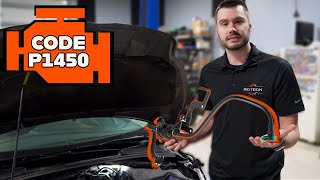
- P1450 — P1450 means 'Unable To Bleed Up Fuel Tank Vacuum'. This code is frequently caused by a purge valve that is stuck open, which directly relates to the failure condition indicated by P2451. This is a very common companion code on Ford Fusion Hybrids with the same issue.
- P0496 — This is a generic code for 'EVAP Flow During a Non-Purge Condition', which is another way of saying the purge valve is passing vapor when it should be closed. It is listed in the same TSB as P2451.
Technical Service Bulletins (TSBs) & Recalls
- SSM 48301: Notes that when diagnosing DTCs P0496, P1450, P04ED, P04EF, P04EE, P2450, or P2451, incorrect results may be obtained from the standard pinpoint test due to a PCM software conflict, and provides a specific diagnostic workaround.
Platform-Specific Known Issues
- TSB for Diagnostic Errors: Technical Service Bulletin SSM 48301 was issued for this vehicle regarding a group of EVAP codes, including P2451. It warns that a PCM software conflict can cause incorrect results during the pinpoint diagnostic test (PPT) HX. The bulletin provides a workaround: open the fuel door before step HX22 of the test to ensure accurate results.
- Real-World Owner Experience: A 2013 Ford Fusion Hybrid owner on Reddit with ~78,000 miles reported getting codes P2450 and P2451 simultaneously. A repair shop quoted $250 to replace the EVAP purge control valve, confirming it as the primary suspect in a real-world scenario on a platform mate.
Mechanic-Grade Diagnostic Values
- EVAP System Pressure (Purge Phase) — expected: -2.0 to -4.0 in-H2O. Failure: A reading of 0 or positive pressure indicates a blockage or non-functioning purge valve. A significantly higher negative pressure could indicate a vent-side restriction.
- EVAP System Pressure (Leak Test Phase) — expected: -7.0 to -10.0 in-H2O. Failure: Failure to reach this level of vacuum indicates a large leak (P0455). Exceeding this vacuum level can trigger a P1450 code, indicating a restriction in the vent path.
- EVAP Canister Vent Valve Solenoid Resistance — expected: 12 - 80 Ohms. Failure: A reading outside this range indicates a faulty solenoid coil. Note: This is for the vent valve near the tank, not the purge valve (P2451), but provides a useful reference for a similar EVAP component on this platform.
Scan Tool Commands That Help
- Ford IDS (or equivalent): EVAP System Test — This is the official, guided test routine that the PCM uses to check for leaks and proper valve function. It will command the purge and vent valves and monitor the fuel tank pressure sensor to report a pass or fail.
- Advanced Bidirectional Scan Tool (e.g., Thinkdiag, Autel): Evaporative Emission Canister Purge Valve Duty Cycle — This command allows a technician to manually control the purge valve opening percentage (duty cycle) while the engine is running. You can command it from 0% to 100% and listen for audible clicks or feel for vacuum changes to confirm the valve is responding electrically and mechanically.
Wiring & Ground Locations
- G105 — Left side of the engine compartment.. A corroded or loose main engine compartment ground can cause intermittent and unpredictable electrical issues for various sensors and solenoids controlled by the PCM, including the canister purge valve. A poor ground can lead to incorrect voltage readings and trigger circuit codes like P2451.
- G104 — Rear of the transmission.. This ground is another critical connection point for powertrain components. While less likely to be the primary cause than G105 for an engine-bay component, ensuring all major grounds are clean and tight is a key step in diagnosing any electrical fault.
Real Owner Repair Stories
- Reddit user on r/fordfusion (2013 Ford Fusion Titanium 2.0L (platform mate)) — Check Engine Light with code P1450. The car would refuse to start immediately after getting gas unless the accelerator pedal was held down to clear a flooded condition.
❌ Tried (didn't work) Initial diagnosis pointed directly to the purge valve.
✅ What actually fixed it Replacing the canister purge valve assembly. A user in the thread noted that a cheap aftermarket part failed after a month, and they resorted to using a part with a lifetime warranty from a major auto parts store for free replacements when it inevitably fails again.
OEM Part Supersession History
AU5Z-9C915-D→AU5Z-9C915-E— Ford identified that the sealing capability of the original canister purge valve could degrade over time, leading to codes like P1450. The new part is a revised design to improve durability.CV6Z-9D289-S (and its revisions)→N/A— This part number is often used interchangeably with AU5Z-9C915-E and its equivalents. Other equivalent part numbers seen in the market include AU5A9G866EB, 5247392, AU5Z9C915B, and CX2470. Always verify fitment with the vehicle's VIN.
Helpful Videos
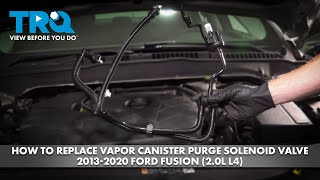


Used OEM Parts in Stock
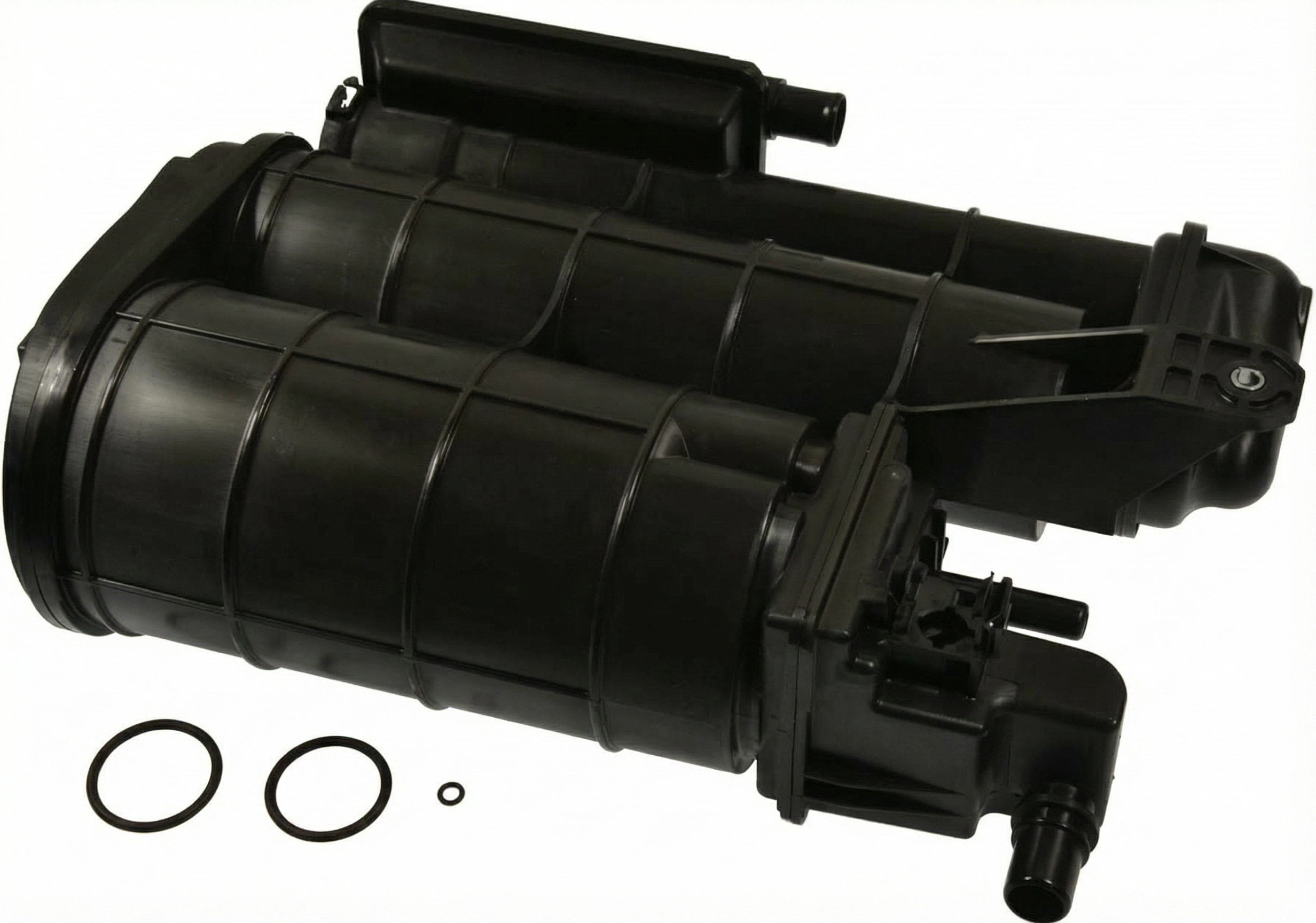
New Aftermarket Parts Available

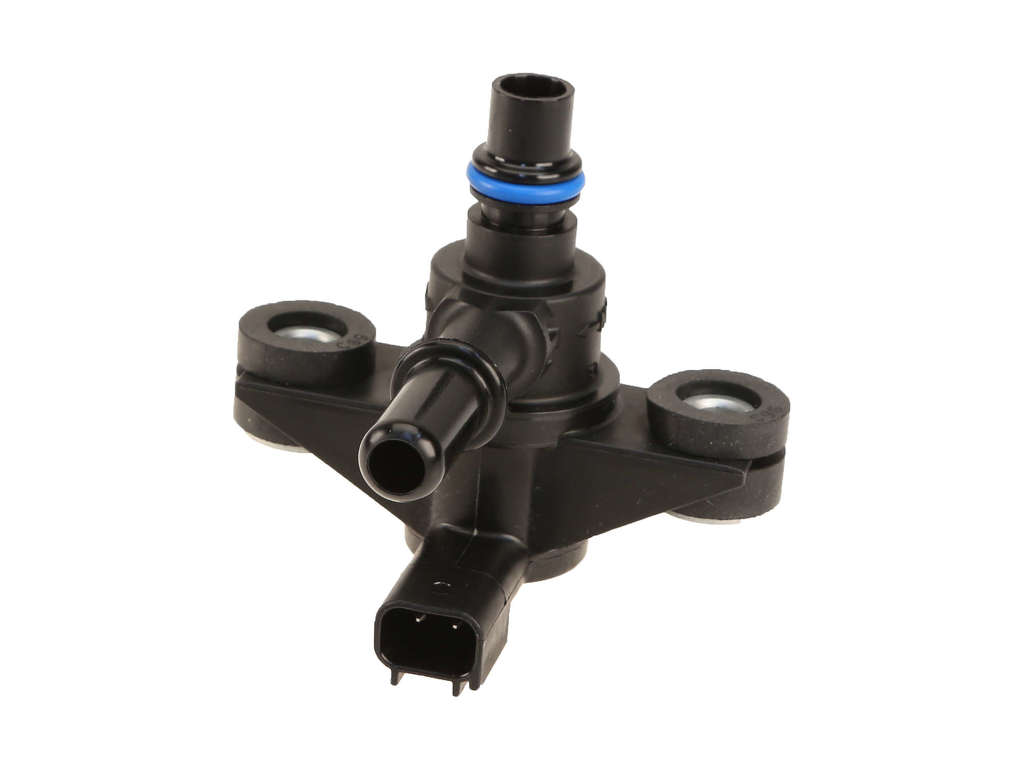
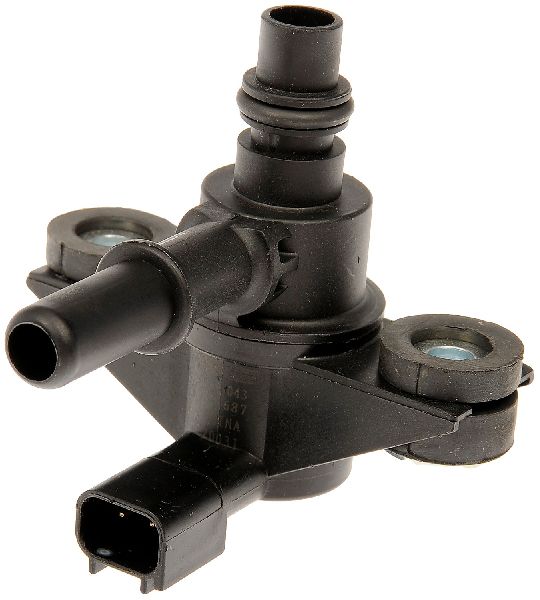

The information in this article is provided for general reference and educational purposes only. Vehicle specifications, procedures, and part compatibility can vary by production date, trim level, and region. Always consult your vehicle's factory service manual and verify part numbers before purchasing or performing repairs. Safety-critical components such as airbags, seat belts, and braking systems should be installed by a qualified professional.
- Ford C-MAX ENERGI:
- 🎬 Helpful Videos
- 🛍️ Shop This Part
- What's Unique About the 2013-2017 Ford C-MAX ENERGI
- Diagnostic Flowchart
- Symptoms You May Notice
- Most Likely Causes
- Rare But Worth Checking
- Diagnosis Steps
- Parts You'll Likely Need
- Related Codes That Often Appear With This One
- Technical Service Bulletins (TSBs) & Recalls
- Platform-Specific Known Issues
- Mechanic-Grade Diagnostic Values
- Scan Tool Commands That Help
- Wiring & Ground Locations
- Real Owner Repair Stories
- OEM Part Supersession History
- 🎟️ Get 5% Off