

P2450 on 2017-2019 Ford Fusion Hybrid: Fixing the Common EVAP Purge Valve Fault (AU5Z-9C915-E)
On a 2017-2019 Ford Fusion Hybrid, code P2450 is most often caused by a failed vapor canister purge valve located in the engine bay, not the switching valve mentioned in the code's generic definition. This is a very common failure across many Ford models, often appearing with code P1450. It is a relatively simple DIY fix, with the genuine Motorcraft part (AU5Z-9C915-E) costing between $40 and $70.
- P2450 on your Fusion Hybrid is most likely caused by a bad vapor canister purge valve in the engine bay, not the part mentioned in the code's name.
- This is a very common problem on Fords and is often seen with code P1450.
- You can easily test the purge valve in minutes with no special tools: if you feel engine vacuum on its port at idle, it needs to be replaced.
- Replacing the purge valve (OEM Part # AU5Z-9C915-E) is a beginner-friendly DIY job that can be done in under an hour.
What's Unique About the 2017-2019 Ford FUSION HYBRID

The 2017-2019 Ford Fusion Hybrid often sets the P2450 code when the actual problem is a stuck-open canister purge valve, the same part that typically causes the well-known Ford code P1450 ("Unable to Bleed Up Fuel Tank Vacuum"). A Ford Technical Service Bulletin (SSM 48301) acknowledges that P2450 can appear with a group of other EVAP codes (including P1450), all pointing to a single component failure. This bulletin also notes that the official diagnostic procedure in the service manual may be incorrect, leading to misdiagnosis. Another TSB (19-2207) for 2013-2017 models also links P1450 and other EVAP codes directly to a faulty canister purge valve, recommending its replacement and a PCM software update. This makes it crucial for owners to suspect the purge valve first, rather than the less-common switching valve near the fuel tank.
Diagnostic Flowchart

Tap your situation to follow the diagnostic path that matches what you're seeing on this vehicle.
Symptoms You May Notice

- Illuminated Check Engine Light
- Difficulty starting the engine right after filling the fuel tank.
- Rough, unstable, or dipping idle, especially when stopping or shifting into gear.
- A slight fuel odor near the vehicle.
- Failing a state emissions inspection.
- Hesitation or stumbling on acceleration from a stop.
- Replacing the fuel cap. While a bad fuel cap can cause other EVAP codes (like P0457), it is not a typical cause for P2450 or the related P1450 on this vehicle.
- Replacing the EVAP switching/blocking valve near the tank when the actual fault is the much more common and easier-to-access purge valve in the engine bay. This is a direct warning in TSB SSM 48301.
Most Likely Causes

- Faulty Vapor Canister Purge Valve 🔴 High Probability This component is a very common failure point across many Ford models, including the Fusion, C-Max, and Escape. The internal diaphragm can fail or debris can cause it to stick open, allowing un-commanded engine vacuum to constantly pull on the EVAP system, which the computer interprets as a fault.
How to confirm: With the engine running at idle, disconnect the EVAP hose from the purge valve itself. Place your finger over the port on the valve; if you feel suction, the valve is stuck open and has failed. There should be no vacuum at idle until the PCM commands it open.
Typical fix: Replace the vapor canister purge valve assembly located in the engine bay. This is a straightforward DIY repair involving disconnecting two or three hoses with quick-connect fittings and one electrical connector.
Est. part cost: $40 - $70 - Faulty EVAP Switching/Blocking Valve ⚪ Low Probability
How to confirm: This valve is located near the fuel tank and charcoal canister. Diagnosis requires a bi-directional scan tool to command the valve open and closed while monitoring system pressure or listening for a click. This is rarely the cause when P2450 is present, especially if P1450 is also stored.
Typical fix: Replace the switching valve. This repair is more involved as it may require lowering the fuel tank or removing the charcoal canister for access.
Est. part cost: $100 - $300 - Damaged or Blocked EVAP Hoses ⚪ Low Probability
How to confirm: Visually inspect all accessible EVAP lines between the engine, charcoal canister, and fuel tank for cracks, kinks, or blockages. A smoke test is the most effective way to find small leaks.
Typical fix: Repair or replace the damaged section of the hose.
Est. part cost: $10 - $50
Rare But Worth Checking
- Faulty Fuel Tank Pressure (FTP) Sensor: An inaccurate FTP sensor can send incorrect data to the PCM, tricking it into setting a P2450 code. A scan tool showing live data can help diagnose this by checking if the pressure readings are logical.
- Wiring or Connector Issue: Corrosion or damage to the wiring for the purge valve or switching valve can prevent them from operating correctly. Inspect the connectors and harnesses for any visible damage, especially near the components themselves.
- Faulty Powertrain Control Module (PCM): In very rare cases, the fault may lie within the PCM itself, where the driver circuit for the valve fails. This should only be considered after all other possibilities have been exhausted.
Diagnosis Steps
- Scan the vehicle for all DTCs. Note if P2450 is present with P1450 or other EVAP codes mentioned in TSB SSM 48301 or TSB 19-2207.
- Locate the vapor canister purge valve in the engine compartment. It's a small solenoid with an electrical connector and a set of hoses attached.
- Start the engine and let it idle. The engine must be running, not in EV mode.
- Carefully disconnect the EVAP hose that runs from the purge valve towards the back of the car (to the charcoal canister). This often has a grey or green quick-connect tab.
- Place your fingertip over the open port on the purge valve itself. If you feel a steady vacuum, the valve is stuck open and must be replaced. There should be no vacuum at idle.
- If no vacuum is felt, the issue may be intermittent. You can try tapping the valve to see if it sticks. If the test is still negative, the problem could lie with the switching valve, wiring, or FTP sensor, which requires more advanced diagnostics with a scan tool and multimeter.
Parts You'll Likely Need
- Vapor Canister Purge Valve
(OEM #AU5Z-9C915-E)— This is the most common cause for code P2450 on this vehicle, often failing by sticking open. This part number supersedes previous versions like AU5Z-9C915-A, -B, -C, and -D.
Trusted brands: Motorcraft (OEM), Dorman, Standard Motor Products
OEM price range: $50-$70
Aftermarket price range: $35-$60
Related Codes That Often Appear With This One
- P1450 — P1450 (Unable to Bleed Up Fuel Tank Vacuum) is the most common code seen with P2450 on Fords. Both are frequently caused by the same failed canister purge valve.
- P0496 — This is another EVAP flow/purge code that can be triggered by a stuck-open purge valve, as noted in TSB SSM 48301.
- P0443 — This code specifically points to a malfunction in the purge valve's electrical circuit, which can accompany the mechanical failure that causes P2450.
- P04EF — This code, related to EVAP system leak detection, is also mentioned in TSB 19-2207 as being potentially caused by the faulty canister purge valve.
Technical Service Bulletins (TSBs) & Recalls
- SSM 48301: Addresses multiple EVAP codes, including P2450, and warns of incorrect diagnostic procedures in the service manual.
- TSB 19-2207: Links codes like P1450 directly to a faulty canister purge valve on 2013-2017 Fusion Hybrids, recommending replacement and a PCM update.
Platform-Specific Known Issues
- TSB SSM 48301: Ford issued this bulletin for 2017-2019 Fusion models where an illuminated Malfunction Indicator Lamp (MIL) is present with DTCs P2450, P1450, P0496, P04ED, P04EF, P04EE, or P2451. The bulletin notes that the pinpoint test 'HX' in the official service manual may be incorrect, potentially leading technicians to an improper diagnosis of the switching valve instead of the purge valve.
- TSB 19-2207: While covering up to 2017 models, this TSB is highly relevant. It addresses codes P1450, P0456, P0457, P04EE, and/or P04EF on Fusion Hybrids. It explicitly states the cause may be the sealing capability of the canister purge valve and instructs technicians to replace the valve and update the PCM software.
- Owner Complaint Pattern: A very common complaint in online forums is a car that is hard to start or runs rough immediately after refueling, which almost always points to a stuck-open purge valve allowing raw fuel vapor to flood the intake manifold.
Mechanic-Grade Diagnostic Values
- Fuel Tank Pressure (FTP) Sensor Voltage (Key On, Engine Off) — expected: 2.6 to 2.65 Volts. Failure: A value that drops immediately upon starting the engine (before the purge valve is commanded on) indicates a stuck-open purge valve pulling the system into a vacuum.
- Vapor Canister Purge Valve Solenoid Resistance — expected: Approximately 15 to 30 Ohms. Failure: A reading of OL (Open Loop) or significantly outside the expected range indicates a failed internal coil.
- Vapor Canister Purge Valve Power Wire Voltage — expected: Battery Voltage (approx. 12V) with Key On. Failure: No voltage indicates a problem with the power supply from the fuse box (e.g., blown fuse F9, F11, or F12 in the engine bay).
Scan Tool Commands That Help
- Ford IDS (Integrated Diagnostic System): Manual EVAP Test via Data Logger — This allows a technician to manually command the 'EVAP Vapor Management Valve' (purge valve) open by a specific amount (measured in milliamps) and watch the 'Fuel Tank Pressure' PID in real-time. Commanding the valve open should cause the FTP voltage to drop, confirming the valve is opening and pulling a vacuum.
- FORScan or other professional bidirectional scanner: EVAP Purge Solenoid/Valve - Duty Cycle Command — Used to command the purge valve open by a percentage. While monitoring vacuum at the valve's port, a technician can verify if it opens and closes on command, separating a mechanical failure (stuck) from an electrical one (no command).
Wiring & Ground Locations
- Engine Bay Ground Point — The unpainted nut on top of the driver's side strut tower in the engine compartment.. This is a known, accessible, and solid chassis ground point. When performing electrical tests on the purge valve connector with a multimeter or test light, using this as the ground reference ensures an accurate reading.
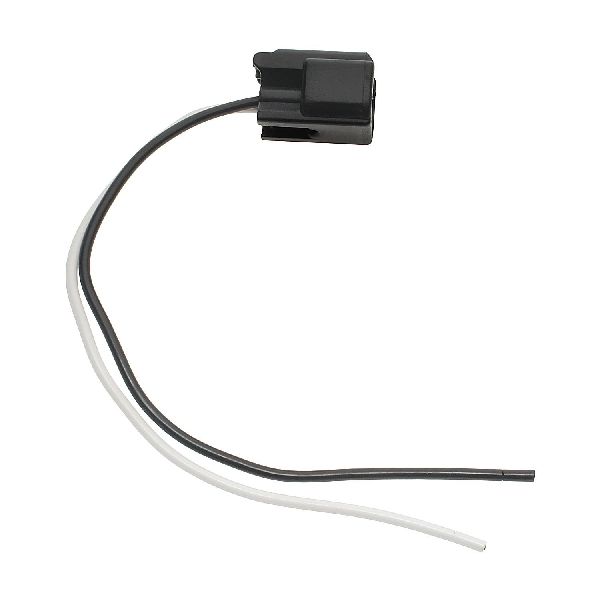
- Vapor Canister Purge Valve Connector — On the purge valve itself, located on the top/front of the engine.. This 2-wire rectangular connector provides power and control. One pin should have battery voltage with the key on, while the other is the ground signal pulsed by the PCM. Checking for voltage and signal here is a critical step in diagnosing a wiring or PCM driver issue.
- Engine Compartment Fuse Box (Power Distribution Box) — Located in the engine compartment, near the battery.. This box contains the fuses that supply power to the PCM and emissions components, such as fuses F9, F11, and F12. A loss of power to the purge valve circuit could be caused by a blown fuse in this location.
Real Owner Repair Stories
- Reddit user /u/Careless_Pool_4079 (2013 Ford Fusion Hybrid Titanium with ~78,000 miles) — Check engine light with codes P2450 and P2451. No noticeable performance issues.
❌ Tried (didn't work) The user was advised by a repair shop to replace the EVAP purge control valve but was skeptical of the quote.
✅ What actually fixed it Another user confirmed that P2450 is a classic symptom of a failing purge valve, often causing hesitation to start after refueling. The consensus was that replacing the purge valve is the correct fix, and that driving with the code is generally safe but will cause emissions test failure and potential hard starts after fill-ups. The original poster was quoted $250 for the repair.
"I Checked Everything" — The Actual Cause
- In cases on other Ford platforms with similar EVAP systems, a P2450 code has persisted even after replacing the suspect valve and passing a smoke test. The root cause was found to be a faulty electrical connector on the Fuel Tank Pressure (FTP) sensor, which sent incorrect (but still plausible) pressure data to the PCM, causing it to fail the EVAP monitor test and wrongly blame the valve.
OEM Part Supersession History
AU5Z-9C915-A, AU5Z-9C915-B, AU5Z-9C915-C, AU5Z-9C915-D→AU5Z-9C915-E— Ford periodically updates parts to improve reliability and address common failure modes. The -E revision is the latest and most robust version available.
Heads up: All previous versions are superseded by AU5Z-9C915-E. Other related part numbers that this part replaces include CX-2409 and CX-2470.
Model Year Variations Within This Range
- 2017-2019: No significant variations related to the cause or fix for code P2450 have been identified within this specific model year range for the Fusion Hybrid. The primary cause (canister purge valve) and the corrective part (AU5Z-9C915-E) are consistent.
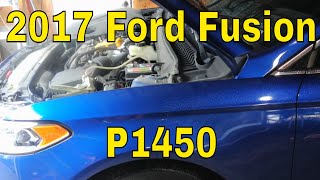
Helpful Videos




Used OEM Parts in Stock
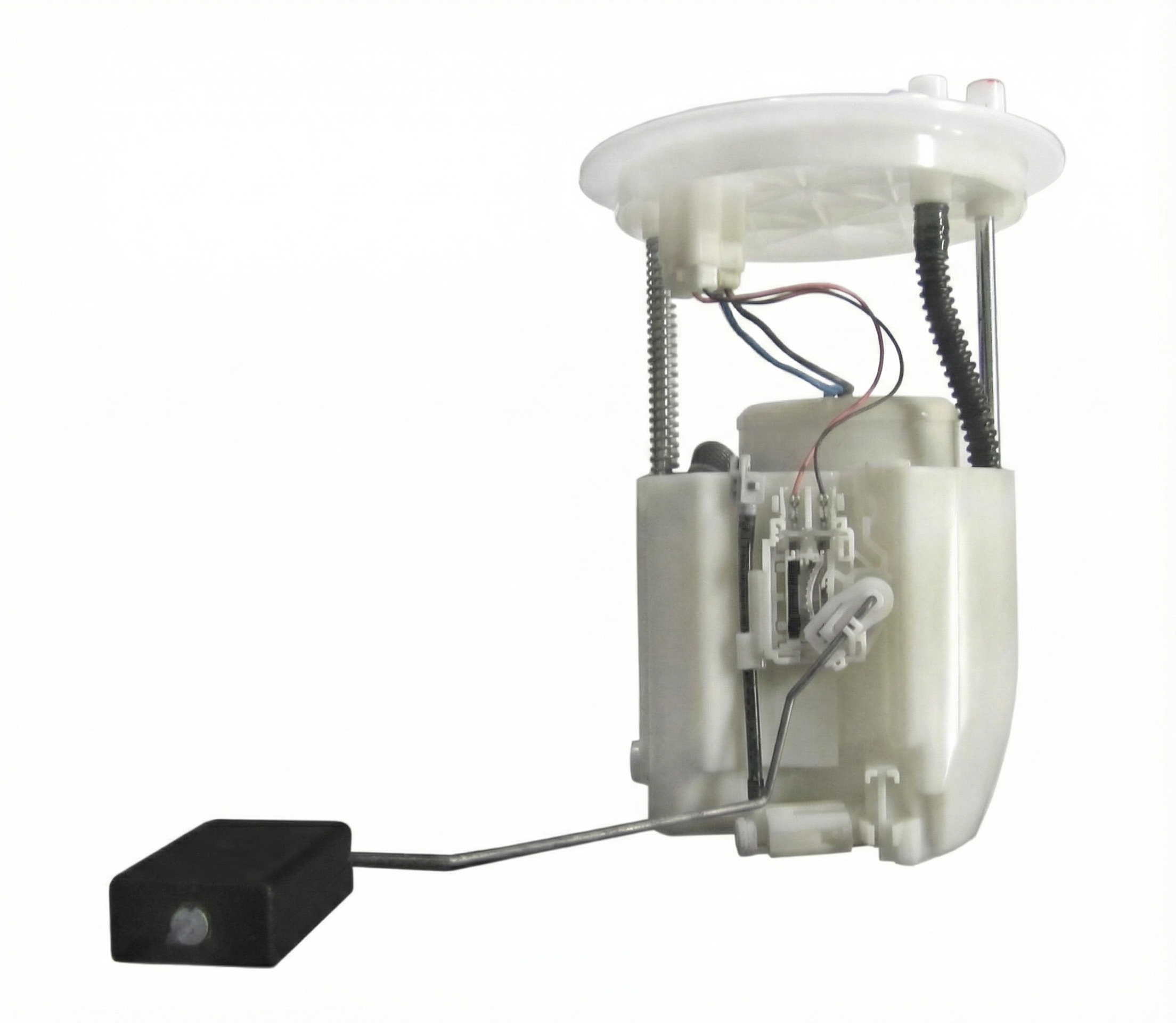
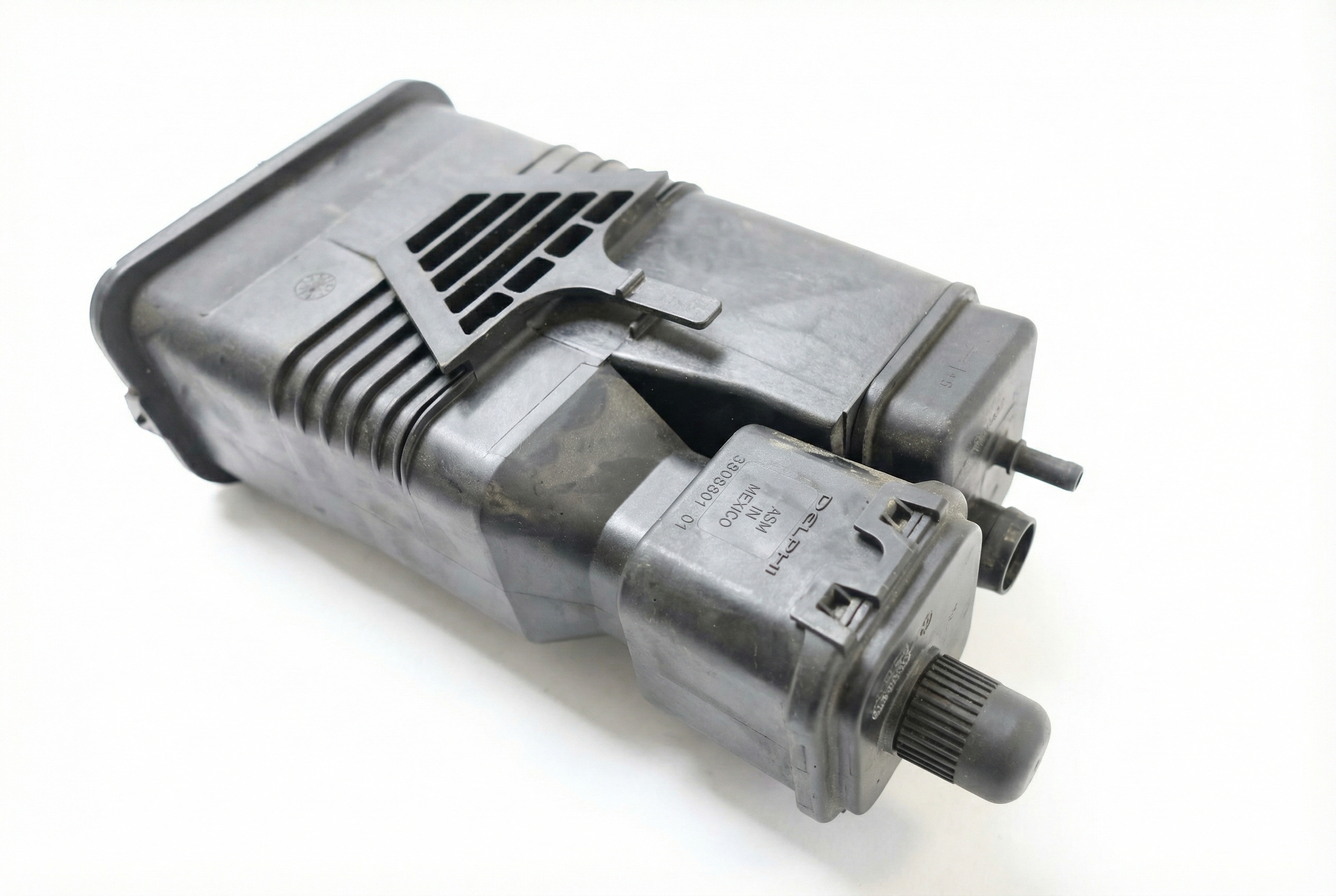

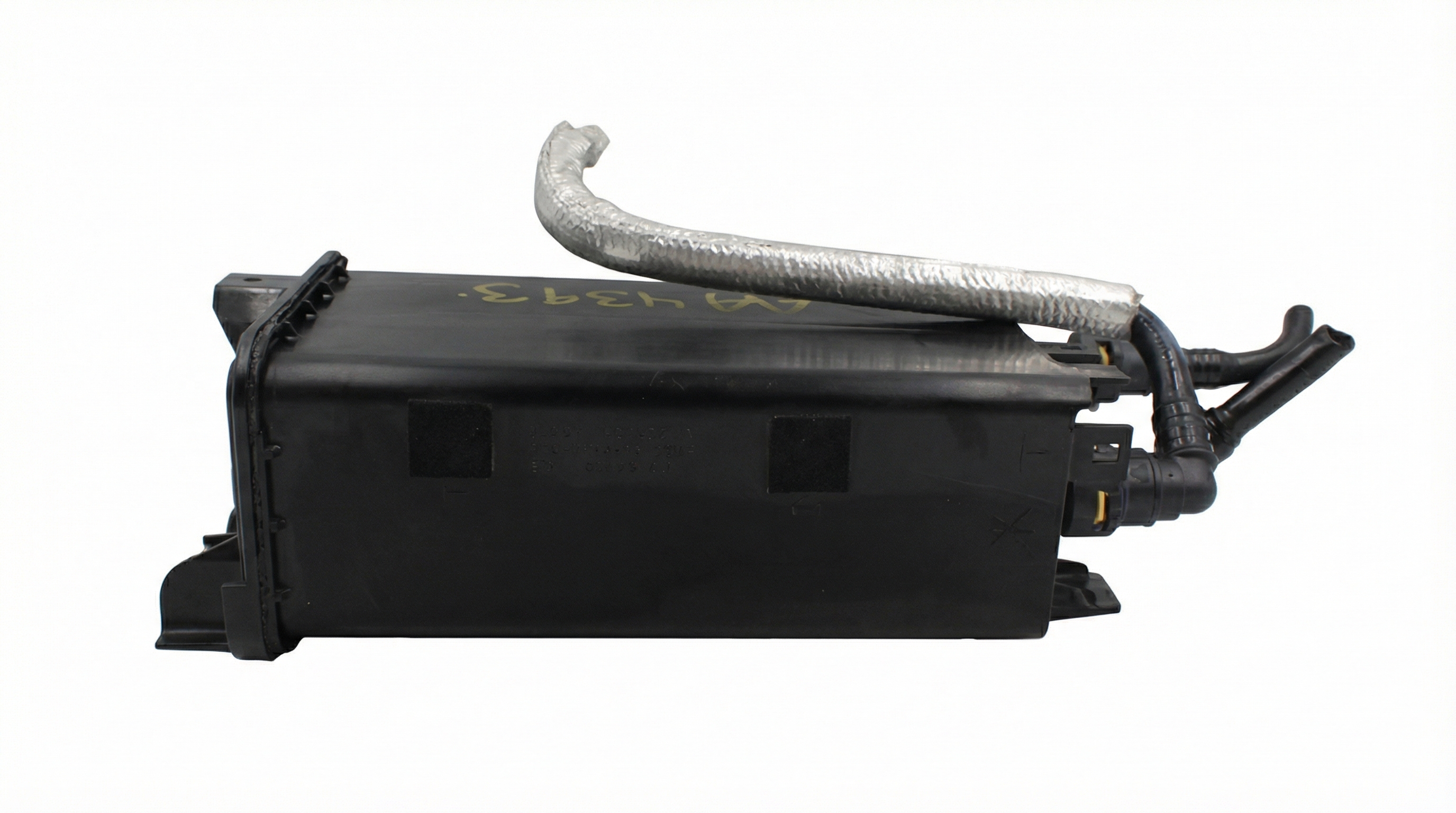

New Aftermarket Parts Available


The information in this article is provided for general reference and educational purposes only. Vehicle specifications, procedures, and part compatibility can vary by production date, trim level, and region. Always consult your vehicle's factory service manual and verify part numbers before purchasing or performing repairs. Safety-critical components such as airbags, seat belts, and braking systems should be installed by a qualified professional.
- Ford FUSION HYBRID:
- 🎬 Helpful Videos
- 🛍️ Shop This Part
- What's Unique About the 2017-2019 Ford FUSION HYBRID
- Diagnostic Flowchart
- Symptoms You May Notice
- Most Likely Causes
- Rare But Worth Checking
- Diagnosis Steps
- Parts You'll Likely Need
- Related Codes That Often Appear With This One
- Technical Service Bulletins (TSBs) & Recalls
- Platform-Specific Known Issues
- Mechanic-Grade Diagnostic Values
- Scan Tool Commands That Help
- Wiring & Ground Locations
- Real Owner Repair Stories
- "I Checked Everything" — The Actual Cause
- OEM Part Supersession History
- Model Year Variations Within This Range
- 🎟️ Get 5% Off