

P2442 on 2012-2015 Toyota Sequoia: Air Injection Valve Stuck Open Causes and Fixes
P2442 on a 2012-2015 Sequoia almost always means the Secondary Air Injection Switching Valve for Bank 2 is stuck open, often due to moisture or debris from failing air pumps. This will trigger a check engine light and can put the vehicle in 'limp mode' with severely reduced power. The fix is to replace the valve assembly, which can cost $2,000-$3,000 at a dealership, or install a popular aftermarket bypass kit for a few hundred dollars as a permanent solution.
- P2442 on a 2012-2015 Sequoia indicates the driver's side air injection valve is stuck open.
- This is a very common and well-documented problem, usually caused by moisture getting into the system and corroding the valve.
- The most serious symptom is the vehicle entering a 'limp mode' with severely reduced power.
- The standard fix is to replace the air switching valve assembly, which is expensive but can be done by a skilled DIYer.
- Before paying for repairs, check with a Toyota dealer for any applicable warranty extensions or TSBs related to the ECM software.
What's Unique About the 2012-2015 Toyota SEQUOIA
The 5.7L V8 (3UR-FE) engine used in the Sequoia, Tundra, Land Cruiser, and Lexus LX 570 is notorious for this specific problem. As documented in Toyota's own Technical Service Bulletins (TSBs), the system's air pumps, located in the passenger-side fender well, are prone to ingesting moisture. This water causes the pumps to corrode and fail, sending rust and plastic debris from a disintegrating internal foam filter into the air lines, which then jam the air switching valves open. The failure is so common that it's a frequent topic in owner forums, with many owners opting for a permanent electronic bypass module instead of a costly OEM parts replacement.
Diagnostic Flowchart
Tap your situation to follow the diagnostic path that matches what you're seeing on this vehicle.
Symptoms You May Notice
- Check Engine Light is on
- Vehicle enters 'limp mode' (reduced engine power and speed, often limited to ~35-50 mph)
- Flashing '4LO' and 'VSC OFF' lights on the dashboard, along with the Check Engine Light
- Replacing only the air pumps without replacing the switching valves. Debris from the old pumps will cause the new valves to fail quickly.
- Replacing only the stuck valve assembly without inspecting/replacing the failing air pumps. The new valves will soon fail from debris sent by the old pumps.
- Replacing an oxygen sensor, as the altered exhaust composition from the stuck valve could theoretically affect sensor readings, though this is not the root cause.
Most Likely Causes
- Failed Secondary Air Injection Switching Valve (Bank 2) 🔴 High Probability The valves are susceptible to failure from moisture and debris that gets into the system from the air pumps, causing the internal mechanism to corrode, melt, and stick open. This is a well-documented design flaw for this engine.
How to confirm: Inspect the valve assembly, located under the intake manifold at the rear of the engine. Disassembly of the valve will often reveal obvious rust, corrosion, or a melted plastic valve head, which is definitive proof of failure. A capable scan tool can also be used to command the valve and check its response.
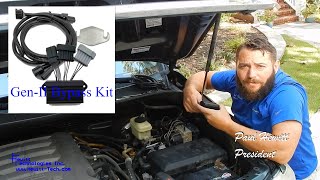
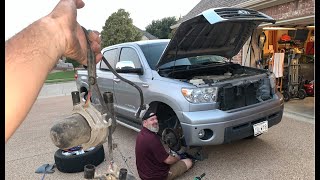
Typical fix: Replace the entire air switching valve assembly. 🎬 Watch this step-by-step walkthrough for replacing the Bank 2 switching valve. Since the valves for both banks are sold as one unit and are difficult to access, it's recommended to replace the whole assembly. A popular and more permanent alternative is installing an SAIS bypass kit from a company like Hewitt Technologies, which electronically bypasses the system to prevent future failures.
Est. part cost: $400-$650 for OEM valve assembly, $200-$400 for aftermarket. Bypass kits are around $150-$300. - Failed Air Injection Pump(s) 🔴 High Probability The pumps themselves are the typical root cause. Located in the passenger-side wheel well, they can draw in water, causing them to seize or break apart internally. When they fail, they send plastic or metal debris into the air lines which then jams the switching valves open.
How to confirm: Listen for the pumps running during a cold start; they should sound like a vacuum cleaner for about 30-60 seconds. If they are excessively loud, grinding, or silent, they have likely failed. Inspecting the air lines for debris during valve replacement will also confirm pump failure.
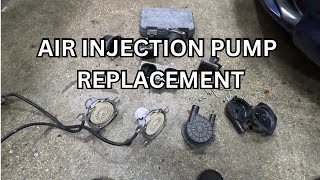
Typical fix: Replace the failed air pump(s). 🎬 See how to access and replace the secondary air injection pumps. It is critical to also replace the switching valves at the same time, as debris from the old pumps has likely contaminated them. Some TSBs mention a redesigned snorkel/inlet cover to help prevent future water intrusion.
Est. part cost: $150-$300 per pump - Moisture Intrusion into the SAI System 🔴 High Probability As noted in TSBs T-SB-0143-14 and T-SB-0033-12 Rev, the system is vulnerable to moisture and ice, especially in freezing conditions. The air pumps can draw in water, which then gets sent to the switching valves, causing them to fail.
How to confirm: When replacing the failed valve, inspect the air lines and the old valve for any signs of water, rust, or moisture.
Typical fix: After replacing the failed components, ensure the air pump assembly and its inlets are properly sealed. Toyota released a redesigned air pump inlet pipe with a cover to better shield it from water.
Est. part cost: $0-$50 for new inlet cover
Rare But Worth Checking
- Faulty ECM Logic: Toyota issued TSBs (T-SB-0143-14, T-SB-0033-12 Rev) to update the Engine Control Module (ECM) logic. The update makes the system less sensitive to setting this code, especially in freezing weather. It's possible the vehicle needs this software update, which was covered under the federal emissions warranty. However, this update does not fix the underlying mechanical issue.
- Damaged Pressure Sensor: Each air switching valve contains an integrated pressure sensor. If the sensor itself is damaged (often by the same debris/moisture that causes the valve to stick), it can send incorrect readings to the ECM, triggering the code even if the valve itself is not stuck. In these cases, replacing the valve assembly is still the required fix.
Diagnosis Steps
- Confirm the presence of code P2442 with an OBD-II scanner.
- Note if the vehicle is in 'limp mode' and if the '4LO' and 'VSC OFF' lights are flashing.
- On a cold start, listen for the air injection pumps in the front passenger wheel well. They should run for 30-60 seconds. Note any grinding, high-pitched whines, or abnormal noises, which indicate pump failure.
- Access the air switching valve assembly, located at the back of the engine against the firewall, underneath the intake manifold. This requires removing the intake manifold for access.
- Inspect the valve and its electrical connector for corrosion or damage.
- The most definitive confirmation is to remove and disassemble the valve assembly. Look for internal corrosion, heavy rust, or a physically melted/deformed valve head inside.
- While the system is apart, inspect the air lines leading from the pumps to the switching valves for moisture or plastic/metal debris.
Parts You'll Likely Need
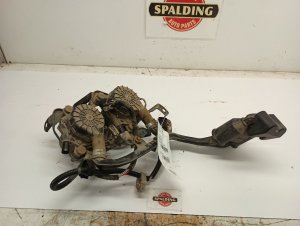
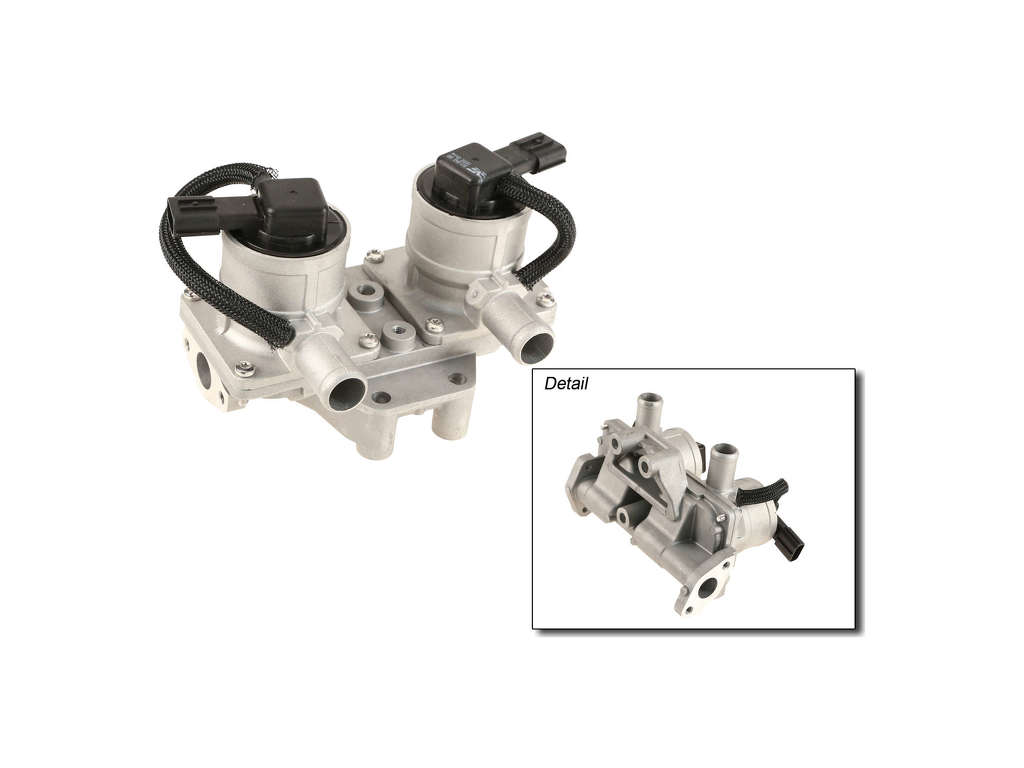
- Air Switching Valve Assembly
(OEM #25701-38064)— This is the component that gets stuck open due to moisture and debris, directly causing code P2442. It contains the valves for both banks. The part has been superseded multiple times; previous numbers include 25701-38060, 25701-38061, 25701-38062, 25701-38063, 25701-38120, and 25701-38121.
Trusted brands: Toyota (OEM), Denso
OEM price range: $500-$650
Aftermarket price range: $200-$400 - Air Tube Gasket
(OEM #17376-38020)— Two of these gaskets are required when replacing the valve assembly to ensure a proper seal with the air tubes.
Trusted brands: Toyota (OEM)
OEM price range: $10-$20
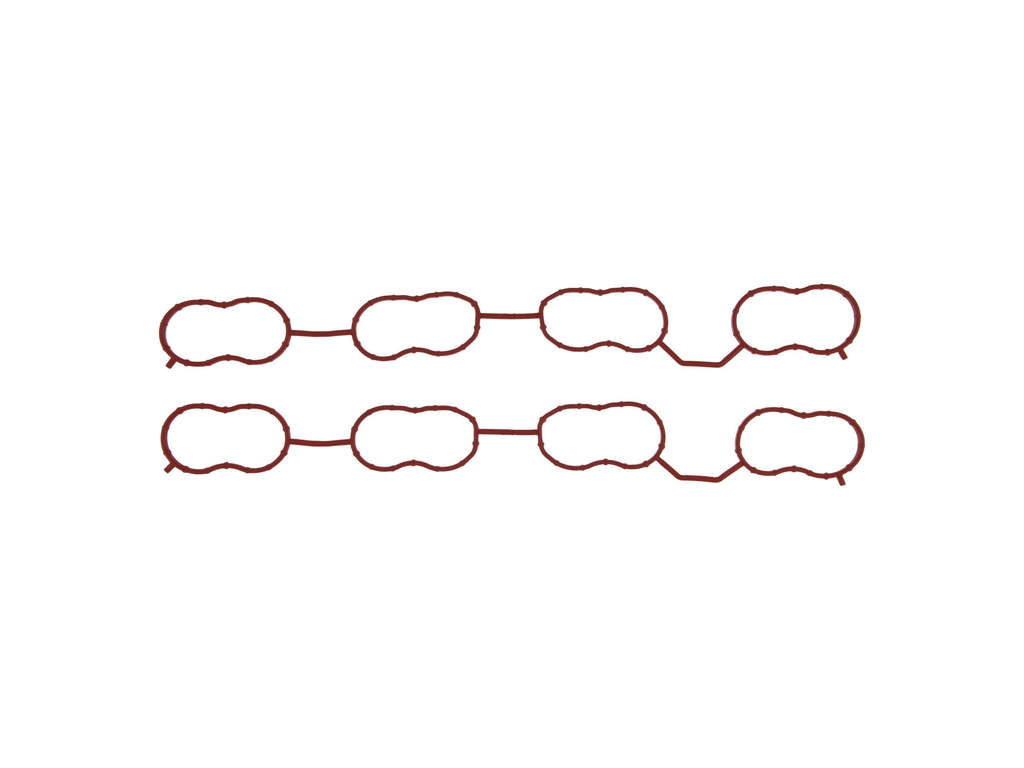
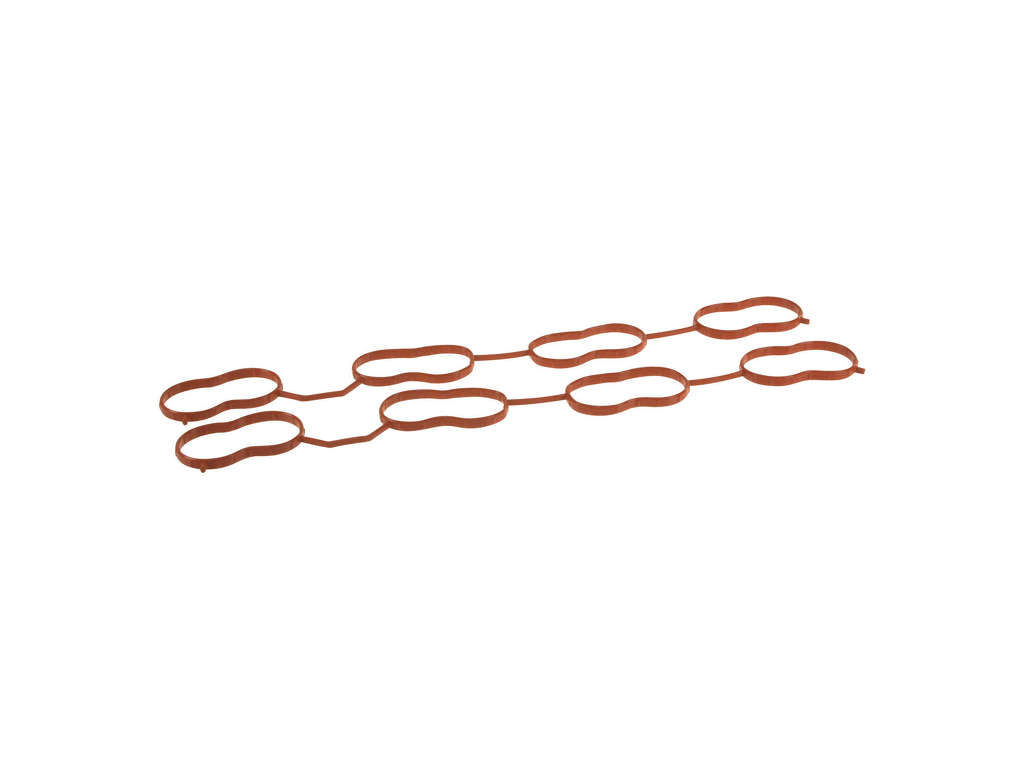
Aftermarket price range: $5-$10 - Intake Manifold Gaskets
(OEM #17171-0S030)— Since the intake manifold must be removed to access the switching valves, these gaskets should be replaced to prevent vacuum leaks. Two are required.
Trusted brands: Toyota (OEM)
OEM price range: $20-$30
Aftermarket price range: $10-$20 - SAIS Bypass Kit
(OEM #N/A)— A popular, cost-effective, and permanent alternative to replacing the failure-prone OEM components. These kits electronically trick the ECU into thinking the system is working perfectly, allowing the owner to clear the codes and prevent limp mode without a costly mechanical repair. Hewitt Technologies is the most frequently cited manufacturer. 🎬 Learn how to install a bypass module to permanently fix the system.
Trusted brands: Hewitt Technologies
OEM price range: N/A
Aftermarket price range: $150-$300
Related Codes That Often Appear With This One
- P2440 — This is the identical code for the Bank 1 (passenger side) switching valve. Since both valves are part of the same assembly and exposed to the same conditions, it's common for them to fail around the same time or for both codes to appear together.
- P0418 / P0419 — These codes relate to the secondary air injection pump relay circuits. A problem with the pumps (often the root cause of the valve issue) can trigger these codes as well.
- P2441 / P2443 — These are codes for the valves being 'Stuck Closed' for Bank 1 and Bank 2, respectively. It's possible to see these codes in conjunction with stuck open codes if the system is malfunctioning intermittently.
Technical Service Bulletins (TSBs) & Recalls
- T-SB-0143-14: Notes that P2442 may be caused by debris/ice in the air switching valve and that an ECM update is available for 2012-2013 models.
- T-SB-0033-12 Rev: Links P2442 to freezing conditions on 2012-2013 models with the 5.7L engine and recommends an ECM reprogram to make the system less sensitive.
Platform-Specific Known Issues
- Toyota issued Technical Service Bulletin T-SB-0143-14 for 2012-2013 Sequoias, noting that P2440/P2442 can be caused by debris or ice in the valve and that an ECM logic update is available to reduce the chance of it happening.
- TSB T-SB-0033-12 Rev also addresses this code on 2012-2013 models, specifically linking it to freezing ambient conditions and recommending an ECM reprogram.
- This issue is so prevalent that a significant aftermarket has developed for 'SAIS Bypass Kits'. These electronic modules bypass the system entirely, preventing the codes and limp mode from ever occurring again. They are a very common fix discussed in owner forums.
Scan Tool Commands That Help
- Toyota Techstream: Air Injection Active Test — Use this to manually command the air pumps and switching valves ON and OFF to verify functionality. This helps determine if a component is not responding to ECM commands. For example, you can command the pump on and check for voltage at the pump connector or command a valve open and listen for airflow.
- Toyota Techstream: Utility / Air Injection Check / Automatic Operation — After a repair, this utility can be run to check pending codes and verify the entire system is functioning correctly without waiting for a natural cold start cycle.
Wiring & Ground Locations
- Air Injection Control Drivers — On the inner driver-side fender in the engine bay, mounted on a common bracket.. These drivers control the air pumps. The bypass kits often replace or interface with these modules and their connectors. A poor connection here can cause communication issues.
- Air Switching Valve Connectors — At the rear of the engine, under the intake manifold, on the valve assembly itself.. These connectors must be disconnected to replace the valve or install a bypass kit harness. Access is extremely tight, and they are a common point of frustration during the repair. The bypass kit harness plugs in-line with these connectors and the factory harness.
- Shared Ground — Pin 1 on each of the two air switching valve connectors is a shared ground wire.. A fault in this shared ground could cause issues with both valves. When diagnosing, one should check the resistance of this wire between the two valve connectors and also check for good continuity to chassis ground.
Real Owner Repair Stories
- Hewitt-Tech Customer Review (2012 Tundra 4.0L (Similar SAIS architecture)) — Check engine light with codes P2440 and P2442.
❌ Tried (didn't work) Initial hesitation to perform the work due to complexity.
✅ What actually fixed it Installed the Gen 2 bypass kit from Hewitt Technologies, which successfully resolved the codes. - YouTube video by Technician Red (2010 Toyota Sequoia 5.7L) — P2442 code. One air pump was noisy and gritty, the other was smooth.
❌ Tried (didn't work) Attempted to remove the valve assembly without removing the intake manifold, but could not disconnect the rear hose.
✅ What actually fixed it The foam filter inside the air pump assembly had completely disintegrated and been sucked into the air lines, jamming the switching valve open. The fix involved replacing the switching valve assembly (as the original was damaged by hot exhaust gases) and modifying the pump inlets with K&N filters (Part # RC-2550) to prevent future debris ingestion.
OEM Part Supersession History
25701-38060, 25701-38061, 25701-38062, 25701-38063, 25701-38120, 25701-38121→25701-38064— Part revisions by the manufacturer to address design flaws or improve reliability.
Heads up: The latest part number, 25701-38064, is the correct and most current replacement for all previous versions for this vehicle application.N/A→17621-0S012— An updated air pump inlet pipe was released by Toyota to better shield the air pumps from water and debris intrusion, which is the root cause of the pump and subsequent valve failure.
Model Year Variations Within This Range
- 2012-2013: Toyota issued TSB T-SB-0143-14 specifically for 2012-2013 Sequoia and Tundra models. This bulletin involved an ECM software update to make the system less sensitive to setting P2440/P2442, particularly in freezing conditions where ice could cause a temporary issue. This suggests vehicles in this range may benefit from a software check, though it doesn't fix the underlying mechanical vulnerability.
Helpful Videos

Used OEM Parts in Stock



New Aftermarket Parts Available



The information in this article is provided for general reference and educational purposes only. Vehicle specifications, procedures, and part compatibility can vary by production date, trim level, and region. Always consult your vehicle's factory service manual and verify part numbers before purchasing or performing repairs. Safety-critical components such as airbags, seat belts, and braking systems should be installed by a qualified professional.
- Toyota SEQUOIA:
- 🎬 Helpful Videos
- 🛍️ Shop This Part
- What's Unique About the 2012-2015 Toyota SEQUOIA
- Diagnostic Flowchart
- Symptoms You May Notice
- Most Likely Causes
- Rare But Worth Checking
- Diagnosis Steps
- Parts You'll Likely Need
- Related Codes That Often Appear With This One
- Technical Service Bulletins (TSBs) & Recalls
- Platform-Specific Known Issues
- Scan Tool Commands That Help
- Wiring & Ground Locations
- Real Owner Repair Stories
- OEM Part Supersession History
- Model Year Variations Within This Range
- 🎟️ Get 5% Off