

P2442 on 2011-2014 Audi A6: Secondary Air Injection Valve Stuck Open (Bank 2) Causes and Fixes
This code on a 2011-2014 Audi A6 with the 3.0T engine is most often caused by a failed secondary air injection (combi) valve on Bank 2 or the vacuum solenoid that controls it. Expect to pay $150-$250 for a new valve and $50-$120 for a new solenoid. A TSB from Audi confirms these as the primary culprits.
- P2442 on a C7 Audi A6 almost always points to a problem with the Secondary Air Injection (SAI) system on the passenger side (Bank 2).
- Do not immediately assume the expensive air pump is bad. The most likely culprits are the much cheaper combi valve, the vacuum solenoid, or a cracked vacuum line.
- An official Audi TSB confirms that a bad combi valve or vacuum solenoid are the most common causes.
- If you see both P2442 (Bank 2) and P2440 (Bank 1) at the same time, the vacuum solenoid (N112) is almost certainly the part that has failed.
- A handheld vacuum pump is an essential tool for correctly diagnosing whether the combi valve itself has failed.
What's Unique About the 2011-2014 Audi A6
On the Audi 3.0T engine, the secondary air injection system uses vacuum-operated 'combi' valves located at the rear of each cylinder head. An official Technical Service Bulletin (TSB #A011519 2040403) from Audi 🎬 Watch: A quick overview of this common 3.0T system fault. acknowledges that this code is commonly caused by either a defective combi valve or a faulty vacuum solenoid (N112) that controls the valves. The plastic vacuum lines that operate these valves are also known to become brittle and crack over time due to engine heat, leading to vacuum leaks that can trigger this code. This issue is not unique to the A6; the same 3.0T engine and SAI system are used across many other Audi models of the same era, which all share this potential failure point.
Diagnostic Flowchart
Tap your situation to follow the diagnostic path that matches what you're seeing on this vehicle.
Symptoms You May Notice
- Check Engine Light is on
- Vehicle may fail an emissions test
- Slightly rough idle on cold starts
- Potential for unusual noise from the air pump area during cold starts (sounds like a small vacuum cleaner)
- Audible vacuum leak (hissing sound) from the engine bay, particularly at the rear of the engine
- Replacing the expensive secondary air injection pump when the actual fault is a much cheaper combi valve, solenoid, or vacuum line.
- Replacing the wrong combi valve (Bank 1 instead of Bank 2). Bank 2 is the passenger side in North America.
- Replacing O2 sensors, as the code is related to an unexpected air reading, but the root cause is the air injection system itself.
Most Likely Causes
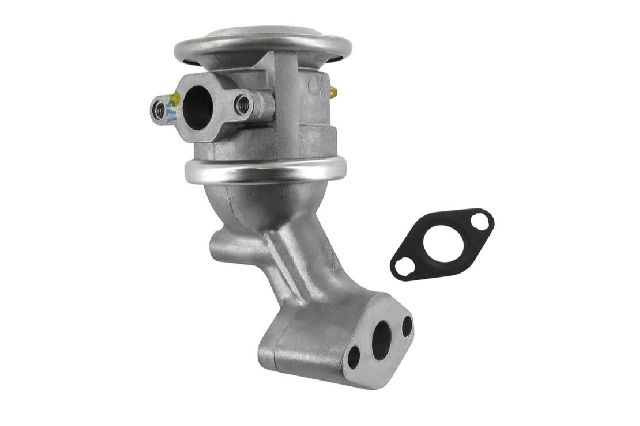
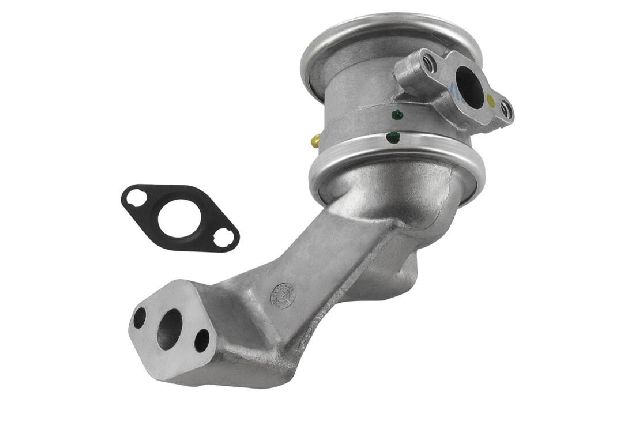
- Failed Secondary Air Injection (Combi) Valve - Bank 2 🔴 High Probability Audi issued a TSB (A011519 2040403) directly pointing to this as a primary cause. The valve can get stuck due to carbon buildup or, more commonly, a tear in the internal rubber diaphragm that holds the vacuum.
How to confirm: Locate the Bank 2 (passenger side) combi valve at the rear of the cylinder head. Disconnect the vacuum line and attach a handheld vacuum pump. If the valve does not hold vacuum, the diaphragm is torn and it has failed. If it holds vacuum but does not actuate (you won't hear a click or change), it is seized. This is the definitive test.
Typical fix: Replace the Bank 2 combi valve and the associated gasket. It is recommended to use an OEM or high-quality aftermarket part like Pierburg.
Est. part cost: $140-$275 - Failed Vacuum Control Solenoid (N112) 🟡 Medium Probability The TSB also identifies the vacuum solenoid as a potential point of failure. This single solenoid, located at the back of the engine, controls both combi valves. If it fails internally, it can't properly direct vacuum to open or close them.
How to confirm: The TSB suggests that if both P2440 (Bank 1) and P2442 (Bank 2) are stored simultaneously, the solenoid is the likely culprit. You can also test the solenoid's resistance with a multimeter; it should be between 25 and 35 ohms. A scan tool like VCDS can also be used to activate the solenoid to see if it clicks.
Typical fix: Replace the N112 solenoid valve. It is a relatively simple replacement with one electrical connector and two vacuum lines.
Est. part cost: $50-$120 - Cracked or Leaking Vacuum Lines 🟡 Medium Probability The plastic vacuum lines in the engine bay are exposed to constant heat cycles, causing them to become brittle and crack over time, a common issue on many German vehicles. A break in the line to the Bank 2 valve will prevent it from closing.
How to confirm: Visually inspect all vacuum lines running from the N112 solenoid to the combi valves for obvious cracks or breaks, especially at the rubber fittings. A smoke test is the most effective way to find small, hard-to-see leaks.
Typical fix: Replace the damaged section of vacuum hose or the entire hose assembly. Some owners successfully repair small breaks with a piece of larger vacuum hose as a sleeve.
Est. part cost: $20-$60
Rare But Worth Checking
- Failed Secondary Air Injection Pump: This is less common for a 'stuck open' code. A failed pump usually triggers flow-related codes like P0491 or P0492. However, if the pump fails due to moisture ingestion from a stuck-open valve, it may need replacement as well.
- Wiring or Connector Issue: A short or open in the wiring to the N112 solenoid can prevent it from operating correctly, leading to the valve staying open. This can be checked by verifying voltage at the connector when the system is commanded on during a cold start.
- Clogged Secondary Air Ports: While this typically causes 'insufficient flow' codes (P0491/P0492), severe carbon buildup in the cylinder head ports can affect system pressure and potentially contribute to other SAI codes. Audi has a separate TSB for cleaning these ports. 🎬 See how carbon buildup is professionally cleaned from the ports.
- Failed Secondary Air Pressure Sensor (G609): For US market vehicles, the SAI system includes a pressure sensor (G609). If this sensor fails or provides an inaccurate reading, it can cause the ECM to incorrectly determine that a valve is stuck open. This is an edge case, as a sensor failure would typically set a specific sensor-related fault code.
Diagnosis Steps
- Read the fault codes with an OBD-II scanner to confirm P2442 is present. Check if P2440 is also present.
- If both P2440 and P2442 are stored at the same time, the TSB indicates the vacuum solenoid (N112) is the most likely cause. Proceed with testing or replacing it.
- If only P2442 is present, begin by visually inspecting the vacuum lines running to the Bank 2 (passenger side) combi valve for cracks or disconnection. Pay close attention to the rubber elbows.
- Locate the Bank 2 combi valve at the rear of the passenger-side cylinder head.
- Disconnect the vacuum line from the combi valve and attach a handheld vacuum pump. Apply vacuum. The valve should hold the vacuum. If it doesn't, the valve's diaphragm is torn, and the valve must be replaced.
- If the valve holds vacuum, check if the valve stem moves when vacuum is applied. If it doesn't move, it's seized internally and needs replacement.
- If the combi valve tests good, the problem is likely the N112 solenoid or the vacuum line supplying it. Use a scan tool (like VCDS) to perform an output test on the solenoid and listen for a click. Test the solenoid for function (resistance check, activation with scan tool) and the line for leaks (smoke test).
- If all components test good, check for wiring issues at the N112 solenoid connector.
Parts You'll Likely Need
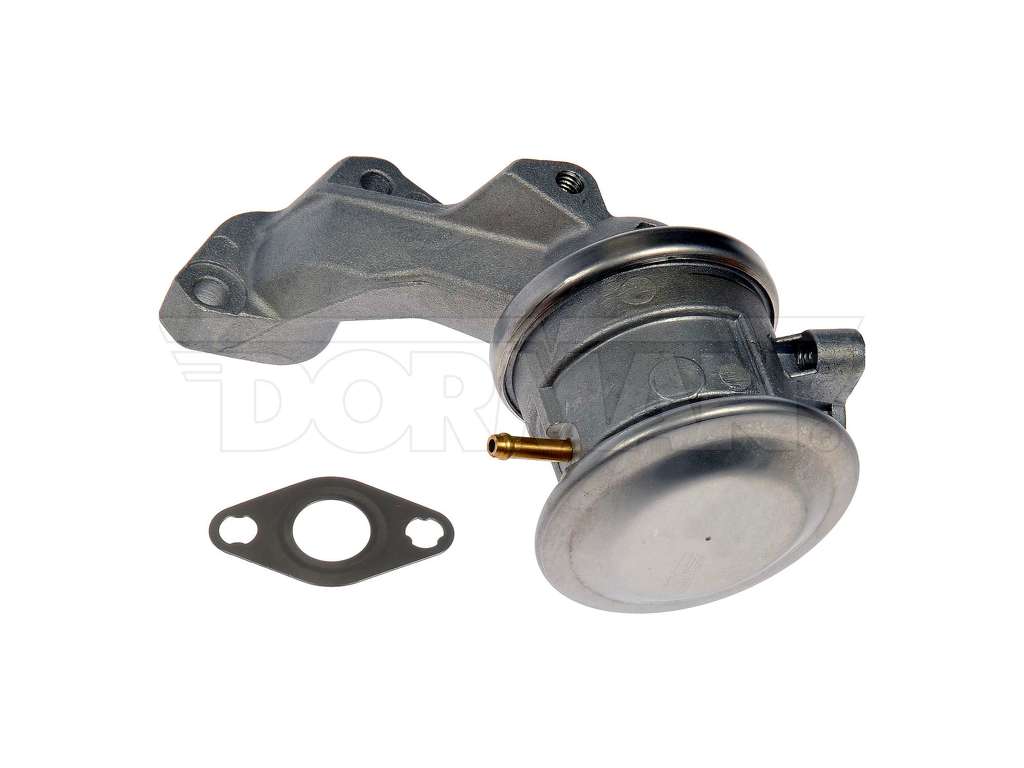
- Secondary Air Injection (Combi) Valve - Bank 2
(OEM #06E131102K)— This valve is a primary failure point identified by Audi's own TSB. It gets stuck open due to carbon buildup or internal diaphragm failure.
Trusted brands: Pierburg, Genuine Audi
OEM price range: $200-$275
Aftermarket price range: $140-$180 - Secondary Air Injection Solenoid Valve
(OEM #079906283D)— This solenoid controls the vacuum signal to both combi valves and is the second primary failure point listed in the TSB. It is often the cause when both bank 1 and bank 2 codes are present.
Trusted brands: Pierburg, Bosch, Genuine Audi
OEM price range: $80-$120
Aftermarket price range: $45-$70 - Combi Valve Vacuum Hose Assembly
(OEM #06E133773BE)— The plastic hoses become brittle with age and heat, causing vacuum leaks that prevent the combi valves from closing properly.
Trusted brands: Genuine Audi
OEM price range: $40-$60
Aftermarket price range: $20-$40
Related Codes That Often Appear With This One
- P2440 — This is the identical code for Bank 1 (driver's side). If both P2440 and P2442 appear together, it strongly points to a failure of the common vacuum solenoid (N112) that controls both valves, as stated in Audi's TSB.
- P0491 / P0492 — These codes indicate 'Insufficient Flow' in the SAI system. They can sometimes appear if the system is compromised by a stuck valve or other failures, though they are more commonly associated with a weak air pump or clogged ports.
Technical Service Bulletins (TSBs) & Recalls
- A011519 2040403 / 01 16 73 / 01 17 48: MIL on (DTC P2440(00) and/or P2442(00)). This TSB, which has been revised multiple times, directly addresses the code and points to either a bad combi valve or a bad vacuum solenoid as the cause. It covers a wide range of Audi models with the 3.0T engine.
Platform-Specific Known Issues
- Audi Technical Service Bulletin (TSB) #A011519 2040403 (also listed as 01 16 73) states that for DTC P2442, the cause is likely either a defective combi valve on Bank 2 or a defective vacuum solenoid. The TSB provides a clear diagnostic path: if both P2440 and P2442 are present, suspect the solenoid; if only one code is present, suspect the corresponding combi valve.
Mechanic-Grade Diagnostic Values
- N112 Solenoid (079906283D) Coil Resistance — expected: 25 - 35 Ohms. Failure: A reading outside this range (e.g., open circuit or short) indicates a failed solenoid coil.
- N112 Solenoid Connector Voltage — expected: Approximately 12V (battery voltage) on the power pin with key on, engine off.. Failure: No voltage suggests a wiring or fuse issue upstream.
Scan Tool Commands That Help
- VCDS (VAG-COM): Engine -> Basic Settings -> Group 077 — This function runs the Secondary Air Injection system test. It will activate the SAI pump and solenoids, allowing a technician to check the system's response, listen for pump operation, and see if the test passes or fails, which helps isolate the fault.
- VCDS (VAG-COM): Engine -> Output Tests -> Secondary Air Injection (SAI) Solenoid (N112) — This allows for direct, individual activation of the N112 solenoid. A technician can command it on and off while listening for an audible 'click' from the solenoid, confirming the electrical part of the solenoid is functioning.
- VCDS (VAG-COM): Engine -> Measuring Blocks -> Groups 070-079 — These groups display live data related to emissions systems, including the Secondary Air Injection system. This can be used to monitor the SAI pressure sensor (G609) readings and system status during a cold start or during the Basic Settings test.
Wiring & Ground Locations
- Engine Ground Strap — On the C7 platform, a key ground point is located in the right side of the engine compartment, near the alternator, connecting the engine harness to the frame.. A poor or corroded ground connection at this point can cause a variety of electrical issues, including intermittent or incorrect operation of solenoids and sensors like the N112 solenoid, potentially leading to fault codes.
- N112 Solenoid Connector — At the rear of the 3.0T engine, typically mounted near the firewall, controlling vacuum lines that run to both combi valves.. This is the direct electrical connection for the solenoid that controls the combi valves. Checking for voltage and a clean, secure connection here is a critical step if the solenoid is suspected to be faulty.
Real Owner Repair Stories
- Ross-Tech Forums user (2012 Audi A6) — Yellow Check Engine Light with code P2442 stored, among other faults.
❌ Tried (didn't work) The user had recently completed a major service including carbon cleaning, PCV valve, thermostat, and water pump replacement, but the P2442 code appeared after this work.
✅ What actually fixed it The issue was resolved by replacing the Secondary Air Inlet Solenoid (N112). The final cost was reported as $216 for the part and $50 for labor.
OEM Part Supersession History
079906283B→079906283D— Part revision by the manufacturer for improved reliability or a change in supplier.
Heads up: The new part number 079906283D is the correct replacement for the older version and should be used for all repairs.N/A→06E131102K— This is the current part number for the Bank 2 combi valve.
Heads up: Pierburg is a known OEM supplier for this part, and their aftermarket version (Pierburg PN 7.22286.52.0) is a common alternative to the Genuine Audi part.
Helpful Videos



Used OEM Parts in Stock

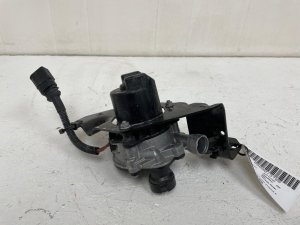
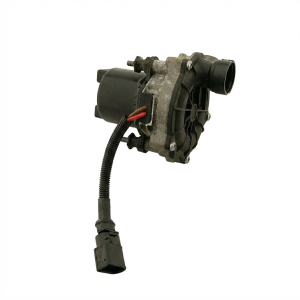
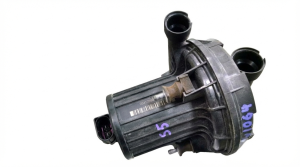
New Aftermarket Parts Available
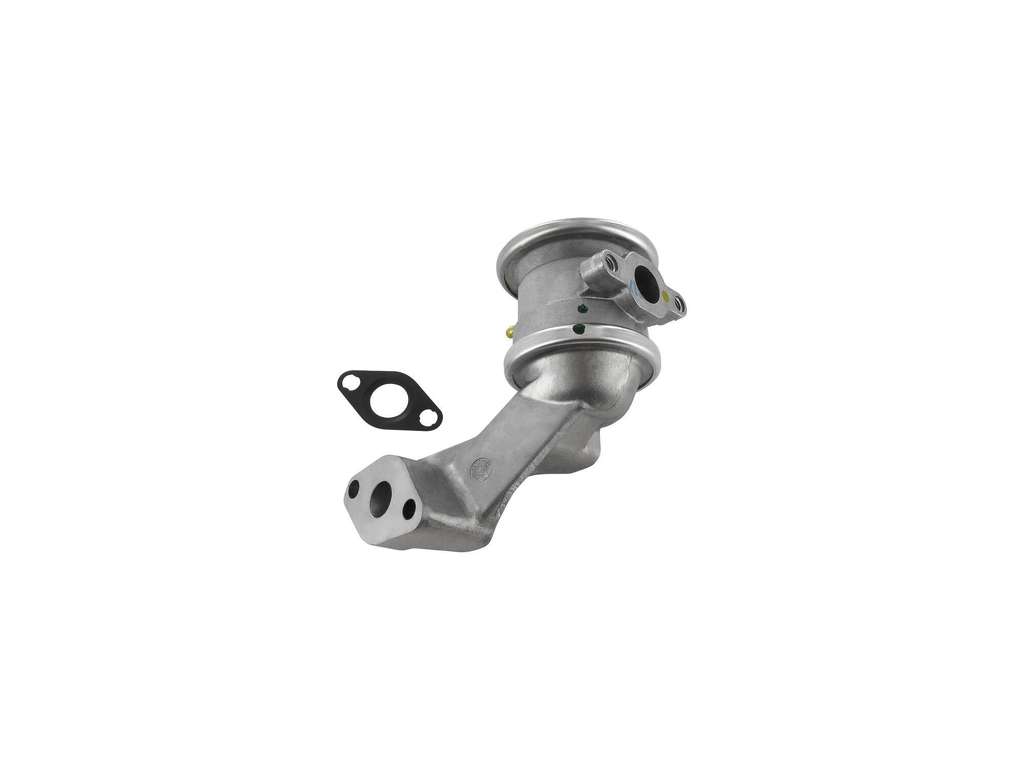
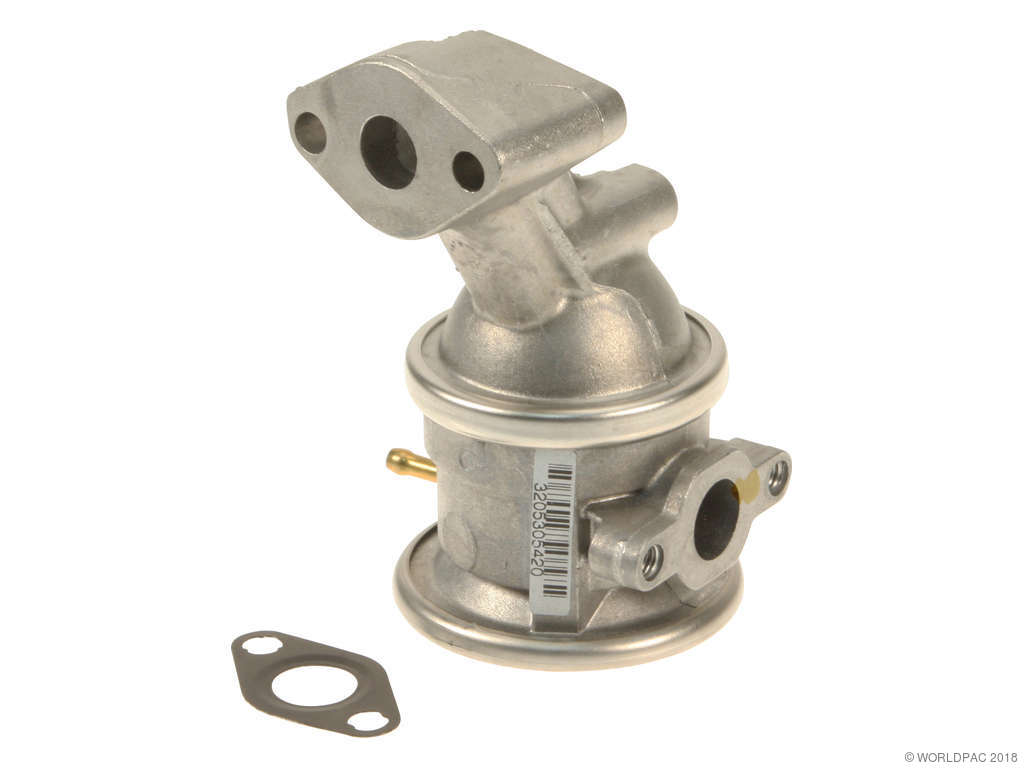


The information in this article is provided for general reference and educational purposes only. Vehicle specifications, procedures, and part compatibility can vary by production date, trim level, and region. Always consult your vehicle's factory service manual and verify part numbers before purchasing or performing repairs. Safety-critical components such as airbags, seat belts, and braking systems should be installed by a qualified professional.
- Audi A6:
- 🎬 Helpful Videos
- 🛍️ Shop This Part
- What's Unique About the 2011-2014 Audi A6
- Diagnostic Flowchart
- Symptoms You May Notice
- Most Likely Causes
- Rare But Worth Checking
- Diagnosis Steps
- Parts You'll Likely Need
- Related Codes That Often Appear With This One
- Technical Service Bulletins (TSBs) & Recalls
- Platform-Specific Known Issues
- Mechanic-Grade Diagnostic Values
- Scan Tool Commands That Help
- Wiring & Ground Locations
- Real Owner Repair Stories
- OEM Part Supersession History
- 🎟️ Get 5% Off