

P2440 on 2011-2014 Audi S4: Secondary Air Valve Stuck Open Causes and Fixes
For a 2011-2014 Audi S4, code P2440 almost always points to a failed secondary air injection (SAI) combination valve or the vacuum solenoid that controls it. This is a common issue addressed by an Audi Technical Service Bulletin (TSB 2040403). Expect to pay $70-$150 for the valve and tackle it as a straightforward DIY job. Ignoring it can lead to moisture destroying the expensive SAI pump.
- P2440 on your S4 means the passenger-side secondary air (combi) valve is stuck open.
- The most likely cause is a failed combi valve itself, followed by the vacuum solenoid that controls it. This is confirmed by an Audi TSB.
- If you also have a P2442 code, the vacuum solenoid is the prime suspect.
- Diagnosis is straightforward and involves testing the valve with a handheld vacuum pump and inspecting vacuum lines.
- This is a very manageable DIY repair for most home mechanics, with parts being relatively inexpensive.
What's Unique About the 2011-2014 Audi S4
On the Audi 3.0T supercharged engine, the secondary air system is vacuum-operated, making it prone to specific failures. Audi has issued a Technical Service Bulletin (TSB 01-16-73, also known as 2040403/3) that directly addresses this code, identifying the most common culprits as either a defective 'combi' valve or the N75 vacuum solenoid that controls it. Unlike systems where the pump itself is the most common failure, on the S4, diagnosis typically starts with these two specific components as outlined by the manufacturer. The system's operation is monitored by a pressure sensor (G609) located in the air line after the pump; the 'stuck open' fault is triggered when the sensor detects an unexpected pressure drop after the pump has turned off, indicating a leak back through a combi valve.
Diagnostic Flowchart
Tap your situation to follow the diagnostic path that matches what you're seeing on this vehicle.
Generation note: This guide covers the B8 (2010-2012) and B8.5 (2013-2016) generations of the Audi S4. The 3.0T engine and its secondary air injection system are fundamentally the same across these years, so the causes and fixes are identical. The issue is also common on other Audi models with the 3.0T engine, such as the A6, Q5, and S5.
Symptoms You May Notice
- Check Engine Light (MIL) is on.
- Vehicle will not pass an emissions inspection.
- Slightly rough running or hesitation on cold starts.
- Audible noise from the SAI system, like a vacuum cleaner, may run longer than the typical 30-90 seconds on a cold start.
- Some owners report a slightly rumbly feel during low-speed acceleration or deceleration when the code is active.
- Replacing the oxygen sensor. An O2 sensor may report the effects of the stuck valve (excess oxygen), but it is not the cause of the P2440 code.
- Replacing the SAI pump first. While the pump can fail, the TSB for this vehicle specifically points to the combi valve or solenoid as the most likely culprits for a 'stuck open' code, not an 'insufficient flow' code.
Most Likely Causes
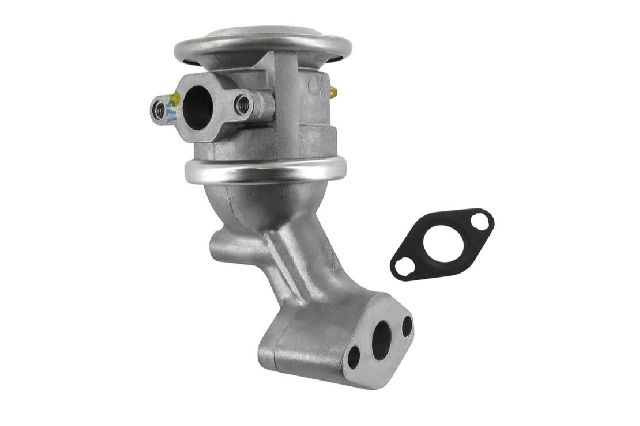
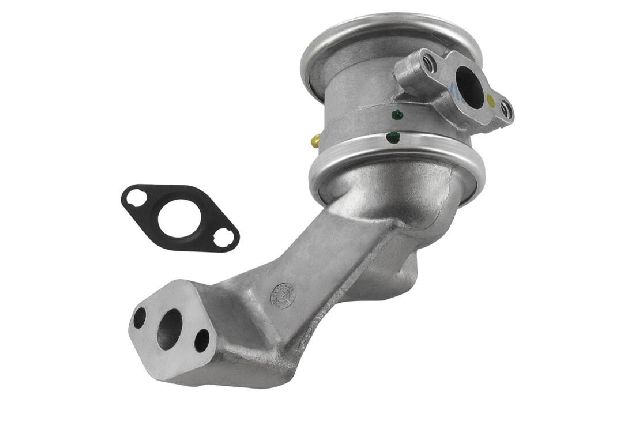
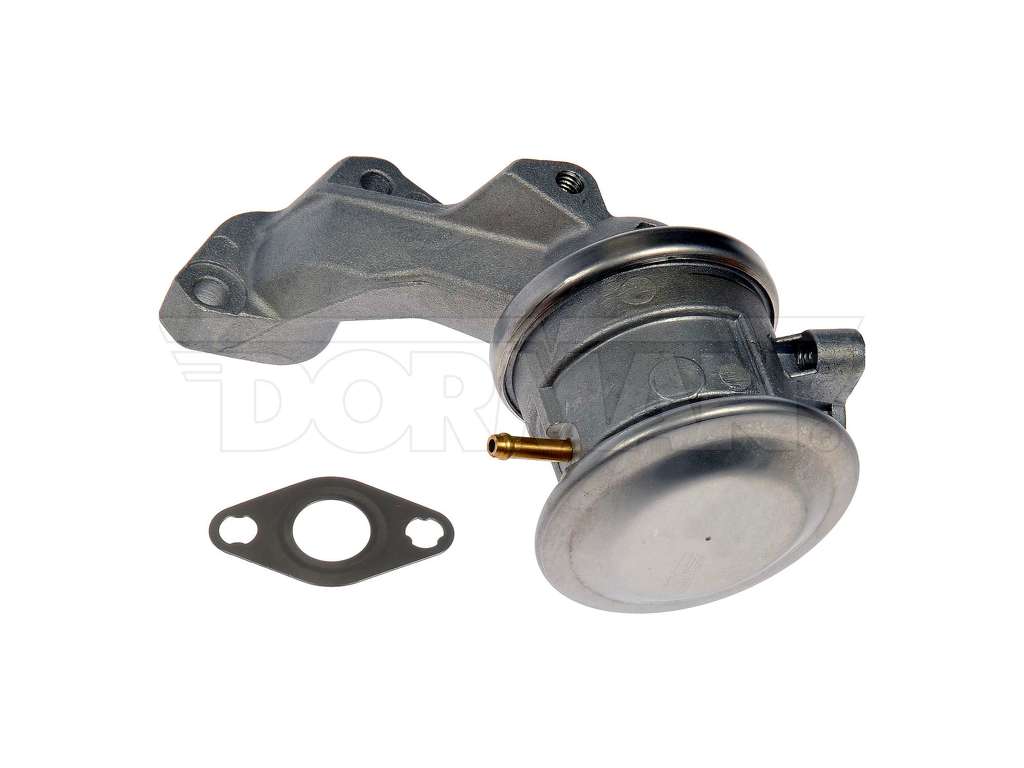
- Defective Secondary Air Injection (Combi) Valve 🔴 High Probability This is the primary cause identified in Audi's own Technical Service Bulletin (TSB 2040403). The valve's internal diaphragm can fail or tear, or it can become stuck with carbon deposits, preventing it from closing. This is Scenario 'A' in the TSB.
How to confirm: With the engine off, disconnect the vacuum line to the Bank 1 (passenger side) combi valve and apply vacuum with a handheld pump. It should hold vacuum. If it doesn't, the diaphragm is torn. You can also remove the large air hose and visually inspect the valve for carbon buildup or physical damage. A user on the Ross-Tech forums noted that after clearing out some 'gunk' with compressed air, his valve began functioning again temporarily.
Typical fix: Replace the Bank 1 combi valve and the associated gasket. It is located on the passenger side of the engine, near the back.
Est. part cost: $70-$150 - Defective Vacuum Solenoid Valve (N75) 🟡 Medium Probability This is the second scenario ('Scenario B') outlined in the Audi TSB. This single solenoid, located on top of the engine, controls the vacuum signal to both combi valves. If it fails internally, it can send a constant vacuum signal, causing both valves to remain open and triggering P2440 and often P2442 (Bank 2) simultaneously.
How to confirm: The TSB provides a clear diagnostic path: if both P2440 and P2442 are stored at the same time, the vacuum solenoid is the likely cause. You can also test the solenoid for function by applying 12V to its pins and listening for a click. The coil resistance should be between 25-35 Ohms.
Typical fix: Replace the vacuum solenoid valve. It is a simple, accessible part on top of the engine.
Est. part cost: $30-$60 - Cracked or Leaking Vacuum Hoses ⚪ Low Probability The plastic and rubber vacuum lines in the engine bay become brittle over time due to constant heat cycles. A crack or leak, especially on the line leading to the Bank 1 combi valve, can disrupt the vacuum signal needed to operate the valve properly.
How to confirm: Visually inspect all vacuum lines connected to the combi valves and the vacuum solenoid. Pay close attention to the connection points and any areas where the lines are bent or exposed to rubbing. Listen for a hissing sound with the engine running. A smoke test is the most effective way to find small, hard-to-see leaks.
Typical fix: Replace the cracked section of vacuum hose.
Est. part cost: $5-$20
Rare But Worth Checking
- Clogged Secondary Air Ports in Cylinder Head: While this issue typically causes 'Insufficient Flow' codes (P0491/P0492), severe carbon blockages could theoretically affect system pressure and contribute to other SAI codes. Audi has a TSB and special tools for cleaning these ports, which is an intensive job. This is a known issue on direct-injection engines.
- Failed Secondary Air Injection Pump: A failed pump usually causes 'Insufficient Flow' codes. However, if the pump fails as a result of moisture getting past a stuck-open combi valve, you may find both issues at once. The pump is located in the front passenger side wheel well area and sounds like a vacuum cleaner when running.
Diagnosis Steps
- Read the fault codes with an OBD-II scanner (like VCDS) and confirm P2440 is present. Check if P2442 is also stored and if they occurred at the same time.
- If P2440 and P2442 are both stored from the same time, suspect the N75 vacuum solenoid valve per the TSB.
- If only P2440 is present, focus on the Bank 1 (passenger side) combi valve.
- Visually inspect all vacuum lines running to the combi valves and solenoid for cracks, brittleness, or disconnection.
- On a cold start, listen for the SAI pump (sounds like a vacuum cleaner) to confirm it is running for 30-90 seconds. It is located in the front passenger side wheel well area. 🎬 Watch: Learn more about symptoms and replacing the SAI pump
- Test the Bank 1 combi valve directly. It is located on the passenger side of the engine. Disconnect its vacuum line and attach a handheld vacuum pump. Apply vacuum; if it fails to hold, the valve's diaphragm is bad and the valve must be replaced.
- If the valve holds vacuum, remove the large air supply hose and inspect the valve and connecting hoses for carbon buildup or blockage.
- Test the N75 solenoid by unplugging its electrical connector and applying 12V to the two pins. You should hear an audible click as it actuates. Check the resistance between the two pins; it should be between 25-35 Ohms.
Parts You'll Likely Need
- Secondary Air Injection (Combi) Valve
(OEM #079131102M)— This is the most common failure point for a solitary P2440 code on this engine, as identified by Audi's TSB.
Trusted brands: Audi (OEM), Pierburg, VEMO
OEM price range: $120-$160
Aftermarket price range: $70-$110 - Secondary Air Injection Solenoid Valve (N75)
(OEM #06E906283E)— This is the likely cause if both P2440 and P2442 codes are present. It controls the vacuum to both combi valves.
Trusted brands: Audi (OEM), Pierburg, Bosch
OEM price range: $40-$60
Aftermarket price range: $25-$45 - Combi Valve Gasket
(OEM #079131120C)— This metal gasket should always be replaced when replacing the combi valve to ensure a proper seal against the cylinder head.
Trusted brands: Audi (OEM), Victor Reinz
OEM price range: $10-$15
Aftermarket price range: $5-$10
Related Codes That Often Appear With This One
- P2442 — This is the code for 'Secondary Air Injection System Switching Valve Stuck Open Bank 2'. If both P2440 and P2442 appear together from the same event, it strongly suggests the single vacuum solenoid that controls both valves has failed, as noted in the TSB.
- P0491 / P0492 — These codes indicate 'Insufficient Flow' for Bank 1 and Bank 2. They can appear if there are major leaks in the system, a weak or failed pump, or clogged ports in the cylinder heads.
Technical Service Bulletins (TSBs) & Recalls
- A011519 2040403 / 01 16 73: MIL on with DTC P2440 and/or P2442 stored. Points to either a defective combi valve or a defective vacuum solenoid as the cause.
Platform-Specific Known Issues
- Audi Technical Service Bulletin 01 16 73 (also listed as 2040403/3) specifically addresses DTCs P2440 and P2442 on the 3.0T engine. It provides a simple diagnostic tree: if only one code is present, replace that bank's combi valve. If both codes are present and occurred at the same time, replace the shared vacuum solenoid.
Mechanic-Grade Diagnostic Values
- N75 Solenoid (06E906283E) Coil Resistance — expected: 25 - 35 Ohms. Failure: A reading of infinite resistance (open circuit) or zero resistance (short circuit) indicates a failed solenoid.
- SAI Pressure Sensor (G609) Voltage — expected: ~2.9 VDC at rest (pump off), rising to 3.0-3.5 VDC with pump running.. Failure: A very small change in voltage (e.g., only 0.1-0.2V) may indicate a weak pump or a blockage, even if the valve itself is functional. A reading that doesn't return to the baseline rest voltage after the pump shuts off can indicate a valve stuck open.
- VCDS Advanced Measuring Values - Camshaft Phase Position — expected: Values should be stable and within specification at idle. While not directly for P2440, checking groups 91, 92, and 93 can help rule out timing issues that might indirectly affect engine vacuum and related systems.. Failure: Excessive deviation or erratic readings could point to timing chain stretch, a separate but serious issue on higher mileage 3.0T engines.
Scan Tool Commands That Help
- VCDS (VAG-COM): Engine -> Output Tests (03) — This allows a technician to individually cycle the Secondary Air Injection Pump Relay (J299) and the Secondary Air Injection Solenoid Valve (N112/N75). This is a critical step to confirm if the ECU can command the components and if the wiring is intact. You should hear the pump run and the solenoid click.
- VCDS (VAG-COM): Engine -> Basic Settings -> Group 077 (or "Check Secondary Air Injection System") — This initiates a full system self-test. The ECU runs the pump and monitors the pressure sensor (G609) to verify flow and pressure thresholds. A 'Test Aborted' or 'Failed' result points to a problem in the system, while 'System OK' can help confirm a repair.
- VCDS (VAG-COM): Engine -> Adv. Meas. Values — For ECUs using the UDS protocol (common in this era), 'Measuring Blocks - 08' may be grayed out. Use Advanced Measuring Values to search for items like 'phase' to check cam timing or specific SAI-related parameters to monitor system behavior in real-time.
Wiring & Ground Locations
- Engine Ground Strap — Typically a braided strap connecting the engine block to the chassis frame rail in the engine compartment.. A poor engine ground can cause a host of intermittent electrical issues and incorrect sensor readings. While not a primary cause, it should be checked for corrosion and tightness during diagnosis.
- Ground Connection Point 12 — In the engine compartment, on the left side (driver's side for LHD).. This is a major grounding point for various engine components. Ensuring it is clean and secure is fundamental for proper electrical function of sensors and solenoids.
- Positive Terminal for Jump-Starting — Under a plastic cover near the firewall/plenum chamber at the back of the engine bay.. This area also houses the E-box, which contains relays and fuses, including the Secondary Air Injection Pump Relay (J299) and its fuse. Any water intrusion or corrosion in this area can directly affect the SAI system's power supply.
- Negative Terminal for Jump-Starting — A dedicated metal post located near the A/C piping on the passenger side of the engine bay.. This serves as a known-good grounding point for testing circuits with a multimeter.
Real Owner Repair Stories
- Ross-Tech Forums user (2013 Audi A8L 3.0T) — Overheating issues and coolant pump malfunction codes, not P2440 directly.
❌ Tried (didn't work) Replaced water pump and thermostat twice, pressure tested the system.
✅ What actually fixed it The user discovered that the vacuum line to the water pump was controlled by the same solenoid system as the secondary air injection. A faulty solenoid was causing the water pump control issue. Disconnecting the vacuum line to the water pump temporarily solved the overheating, proving the fault was in the vacuum control system (solenoid). This highlights how a faulty SAI solenoid can have unexpected side effects on other vacuum-actuated components. - Ross-Tech Forums user (2013 Audi S4 B8.5, 67k miles) — P2440 code appeared immediately after the engine was pulled for major service (gaskets, timing chain, carbon cleaning).
❌ Tried (didn't work) Replaced the N75 switching solenoid valve on top of the engine. Ran VCDS Basic Settings test which passed and failed intermittently.
✅ What actually fixed it The owner inspected the combi valve and found 'gunk' inside. After cleaning it out with compressed air, the valve began clicking again when tested with a vacuum pump. Although the final resolution isn't posted, this strongly implies that debris, possibly dislodged during the carbon cleaning service, had physically jammed the valve, causing the P2440 code.
OEM Part Supersession History
06E906283C→06E906283E— Component revision by the manufacturer, likely for improved reliability or material changes.
Heads up: The newer 'E' revision is a direct replacement for the older 'C' part and should be used for all repairs.
Model Year Variations Within This Range
- 2010-2016 (B8/B8.5): The ECU protocol may differ. Earlier models may use non-UDS protocols where VCDS 'Measuring Blocks - 08' is available. Later B8.5 models (approx. 2013+) are more likely to use UDS protocols, requiring the use of 'Advanced Measuring Values' to find the same data.
Helpful Videos
Used OEM Parts in Stock
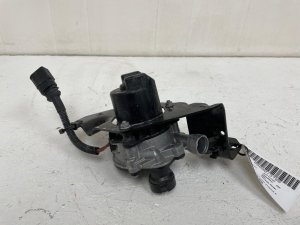
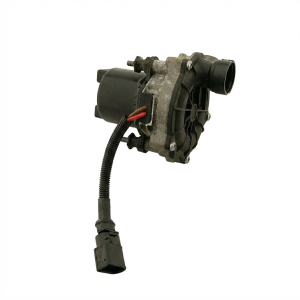
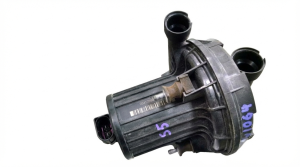
New Aftermarket Parts Available
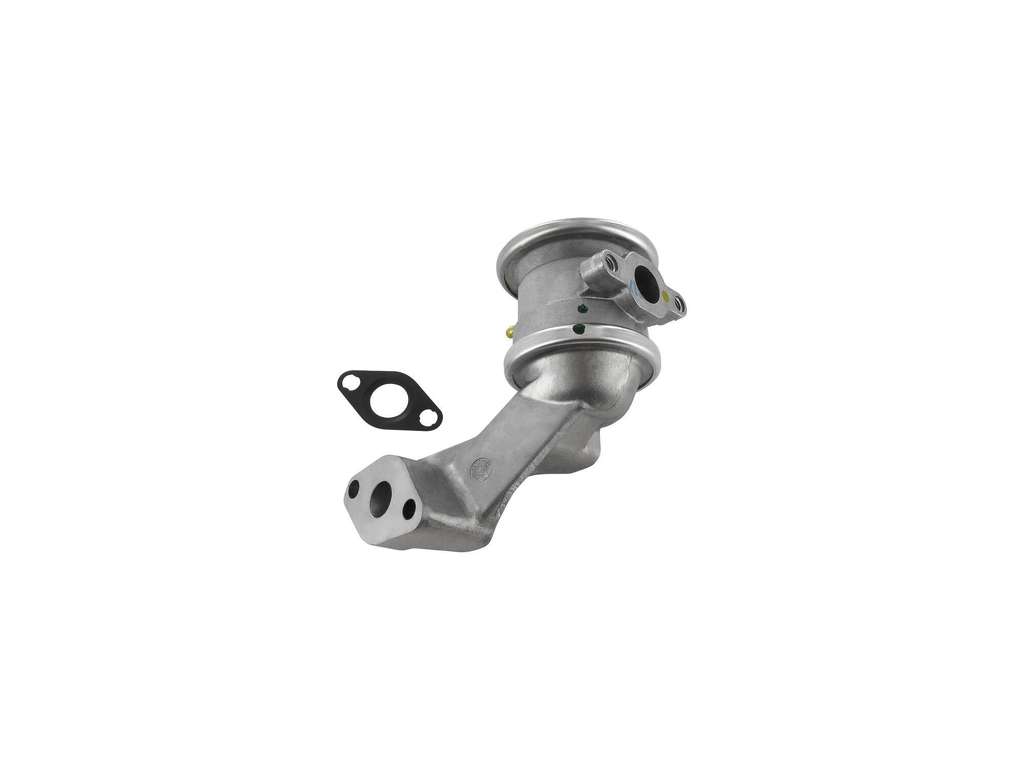
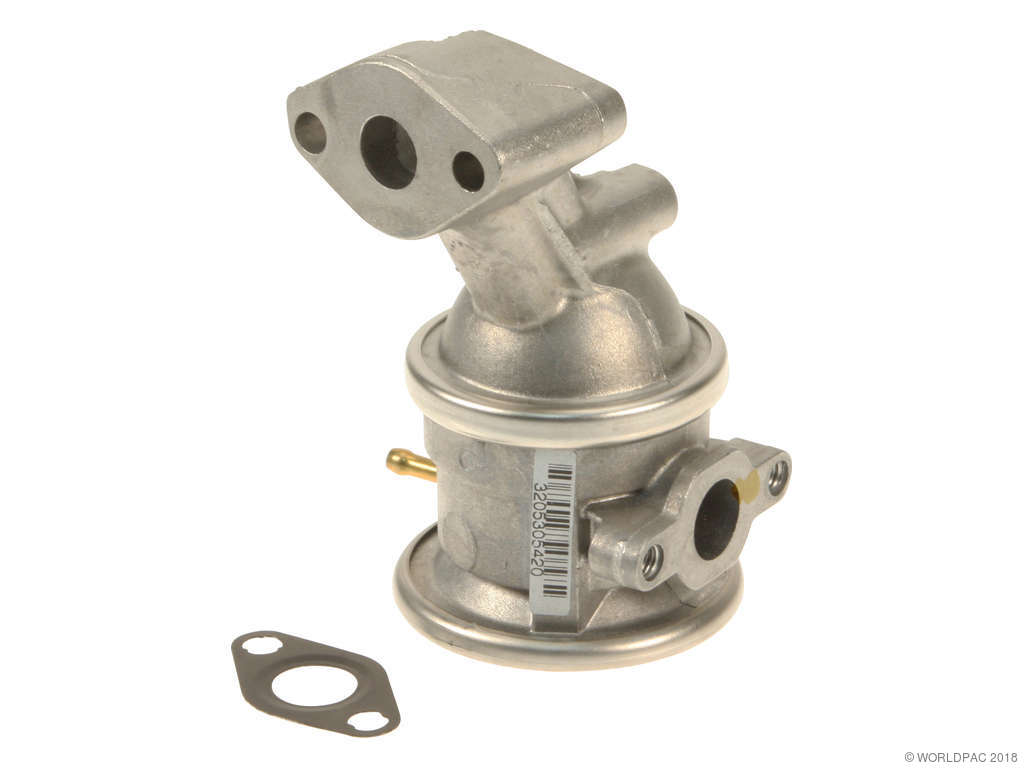

The information in this article is provided for general reference and educational purposes only. Vehicle specifications, procedures, and part compatibility can vary by production date, trim level, and region. Always consult your vehicle's factory service manual and verify part numbers before purchasing or performing repairs. Safety-critical components such as airbags, seat belts, and braking systems should be installed by a qualified professional.
- Audi S4:
- 🎬 Helpful Videos
- 🛍️ Shop This Part
- What's Unique About the 2011-2014 Audi S4
- Diagnostic Flowchart
- Symptoms You May Notice
- Most Likely Causes
- Rare But Worth Checking
- Diagnosis Steps
- Parts You'll Likely Need
- Related Codes That Often Appear With This One
- Technical Service Bulletins (TSBs) & Recalls
- Platform-Specific Known Issues
- Mechanic-Grade Diagnostic Values
- Scan Tool Commands That Help
- Wiring & Ground Locations
- Real Owner Repair Stories
- OEM Part Supersession History
- Model Year Variations Within This Range
- 🎟️ Get 5% Off