

P2440 on 2011-2014 Audi Q7 3.0T: Secondary Air Valve Stuck Open Causes & Fixes
On a 2011-2014 Audi Q7 with the 3.0T engine, code P2440 almost always points to a failed Secondary Air Injection (SAI) Combination Valve on Bank 1. The vacuum solenoid that controls it is the second most likely cause, especially if P2442 for Bank 2 is also present. Replacing the valve is a common, well-documented repair for this specific issue, confirmed by an Audi TSB.
- P2440 on a 2011-2014 Q7 3.0T is a very specific code, almost always caused by a failed Bank 1 combination valve or the solenoid that controls it.
- Audi has issued a Technical Service Bulletin (A011519 / 2040403) that confirms these two components are the known points of failure and provides a clear diagnostic flowchart.
- If you also have a P2442 code for Bank 2 that set at the same time, the problem is most likely the shared vacuum solenoid.
- If you only have the P2440 code, the Bank 1 combination valve itself is the most likely culprit.
- Driving with this code can lead to damage to the SAI pump from hot exhaust backflow and will cause an emissions test failure.
What's Unique About the 2011-2014 Audi Q7
The 2011-2014 Audi Q7 falls within the first generation (Typ 4L). On the 3.0T supercharged V6 engine, this issue is common enough that Audi released a Technical Service Bulletin (TSB 01-16-73 / 2040403) acknowledging the problem across many vehicles using this engine. The TSB identifies the two primary culprits as either a defective combination (combi) valve or a faulty vacuum solenoid that controls the valve, confirming this is a known issue on this platform. The combi valves are located on the back of the cylinder heads.
Diagnostic Flowchart
Tap your situation to follow the diagnostic path that matches what you're seeing on this vehicle.
Symptoms You May Notice
- Check Engine Light (MIL) is on
- Vehicle may enter a reduced power "limp mode" in some cases.
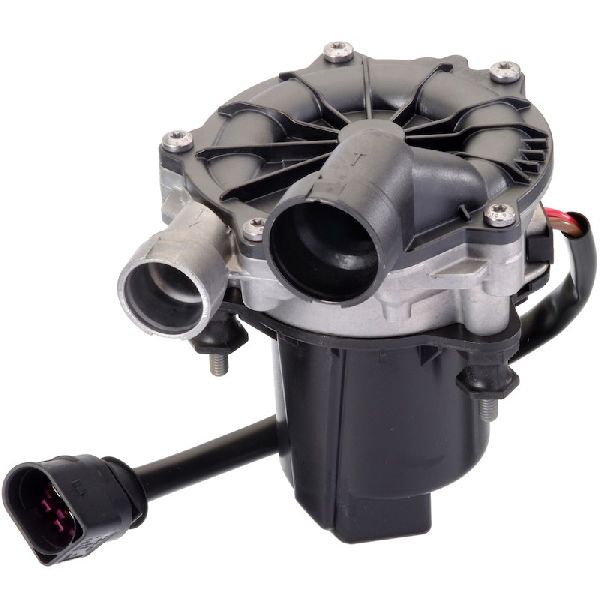
- Potential for unusual noises from the SAI pump on cold starts, sometimes described as a vacuum cleaner sound.
- Failure to pass an emissions inspection.
- Rough running or poor acceleration in some instances.
- Replacing the Secondary Air Injection (SAI) pump. A faulty pump typically causes 'insufficient flow' codes (P0491/P0492) or noise, not a 'stuck open' valve code.
Most Likely Causes
- Defective Bank 1 Combination Valve 🔴 High Probability As identified in Audi's TSB A011519 (2040403), the valve itself is a primary point of failure. Carbon buildup can cause the valve to stick, or the internal diaphragm can fail, preventing it from closing and holding vacuum.
How to confirm: With the engine off and cool, locate the valve on the rear of the Bank 1 cylinder head. Apply vacuum to the small port on the valve with a hand pump. It should hold vacuum and you should hear it actuate. 🎬 Watch: How to test the combi valve for vacuum leaks. If it doesn't hold vacuum or is audibly stuck, it's faulty. This is the most likely cause if P2440 is stored alone.
Typical fix: Replace the Bank 1 combination valve and the associated gasket. It is also recommended to replace the nuts that hold it in place.
Est. part cost: $100-$250 - Defective Vacuum Solenoid Valve (N112) 🟡 Medium Probability This is the second scenario listed in Audi's TSB. This single solenoid controls the vacuum supply to both combination valves. If it fails in a way that constantly supplies vacuum, one or both valves will stay open.
How to confirm: Test the solenoid's function using a scan tool to command it on and off while checking for vacuum at the output port. The TSB provides a specific diagnostic path: if both P2440 (Bank 1) and P2442 (Bank 2) are stored simultaneously and were triggered at the same time, the solenoid is the likely cause. The solenoid's resistance can also be tested with a multimeter; it should be between 25 and 35 ohms. 🎬 Watch: A mechanic's guide to testing the SAI solenoid and pump.
Typical fix: Replace the vacuum solenoid valve. It's wise to also inspect the connected vacuum lines for brittleness.
Est. part cost: $40-$80 - Cracked or Leaking Vacuum Hoses ⚪ Low Probability The plastic and rubber vacuum lines in the engine bay become brittle over time with exposure to heat cycles and can crack or break. A leak can affect the system's ability to properly actuate the combi valves.
How to confirm: Visually inspect all vacuum lines running from the solenoid to the combination valves for cracks, breaks, or loose connections. A smoke test can also reveal hard-to-see leaks. This is less likely for a 'stuck open' code, as a leak would typically cause a failure to open.
Typical fix: Replace the damaged section of vacuum hose.
Est. part cost: $10-$30
Rare But Worth Checking
- Clogged Secondary Air Injection Ports: While this typically causes 'Insufficient Flow' codes (P0491/P0492), severe carbon buildup in the cylinder head passages can affect system pressure and potentially contribute to valve issues. This is a well-known and significant issue on Audi 3.0T engines requiring a difficult cleaning procedure. 🎬 See how to diagnose and clean clogged secondary air ports.
- Engine Control Module (ECM) Software Issue: In some cases, an ECM software update may be required to correct the logic for monitoring the SAI system. An older TSB for other models mentions this as a fix for P2440, though it is not the primary fix for this platform.
Diagnosis Steps
- Read the fault codes with an OBD-II scanner to confirm P2440 is present.
- Check if P2442 (Bank 2) is also stored. According to TSB 2040403, if both codes were stored at the same time, the primary suspect is the vacuum solenoid valve (N112) that controls both combi valves.
- If only P2440 is present, the TSB points to the Bank 1 combination valve as the likely culprit.
- Begin by visually inspecting the vacuum lines running to the Bank 1 combination valve for any obvious cracks or disconnections.
- Locate the Bank 1 combination valve on the rear of the cylinder head. Access can be tight.
- Disconnect the vacuum line from the valve and connect a hand-held vacuum pump.
- Apply vacuum. The valve should hold the vacuum without leaking down. If it fails to hold vacuum, the valve's diaphragm is ruptured and the valve must be replaced.
- If the valve holds vacuum, test the vacuum solenoid. Use a scan tool to activate the SAI system and verify that the solenoid sends vacuum to the combi valve. Alternatively, test the solenoid's resistance, which should be between 25-35 ohms.
- If the solenoid and valve test good, the issue may be an intermittent wiring problem or a rare ECM fault.
Parts You'll Likely Need
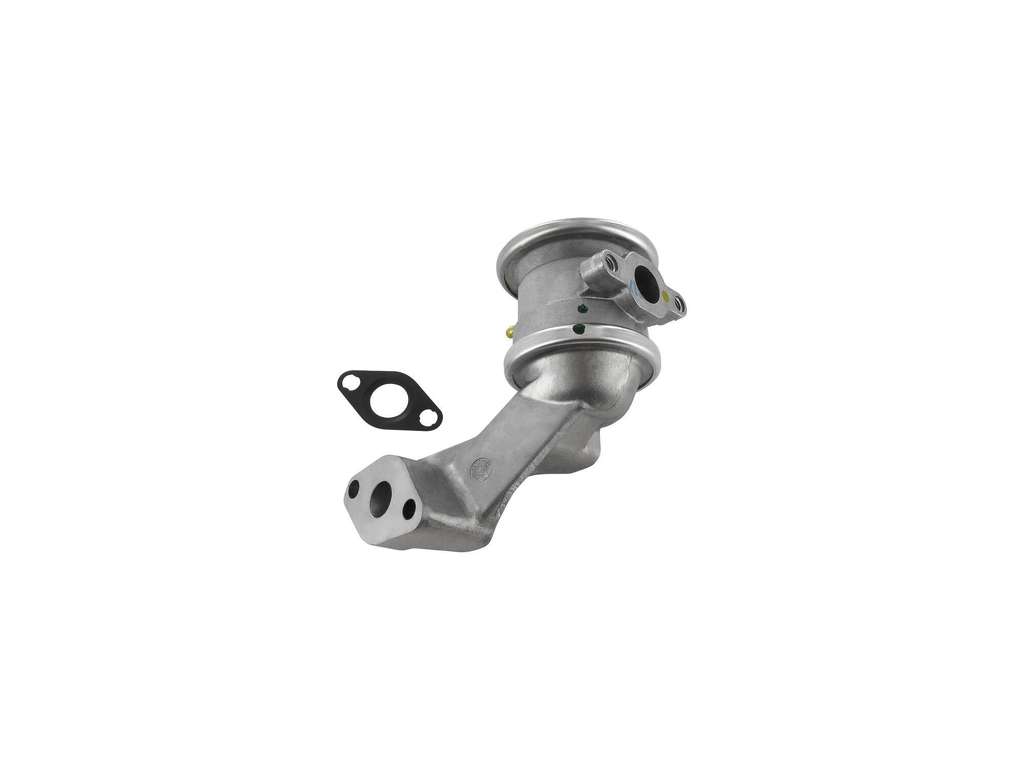
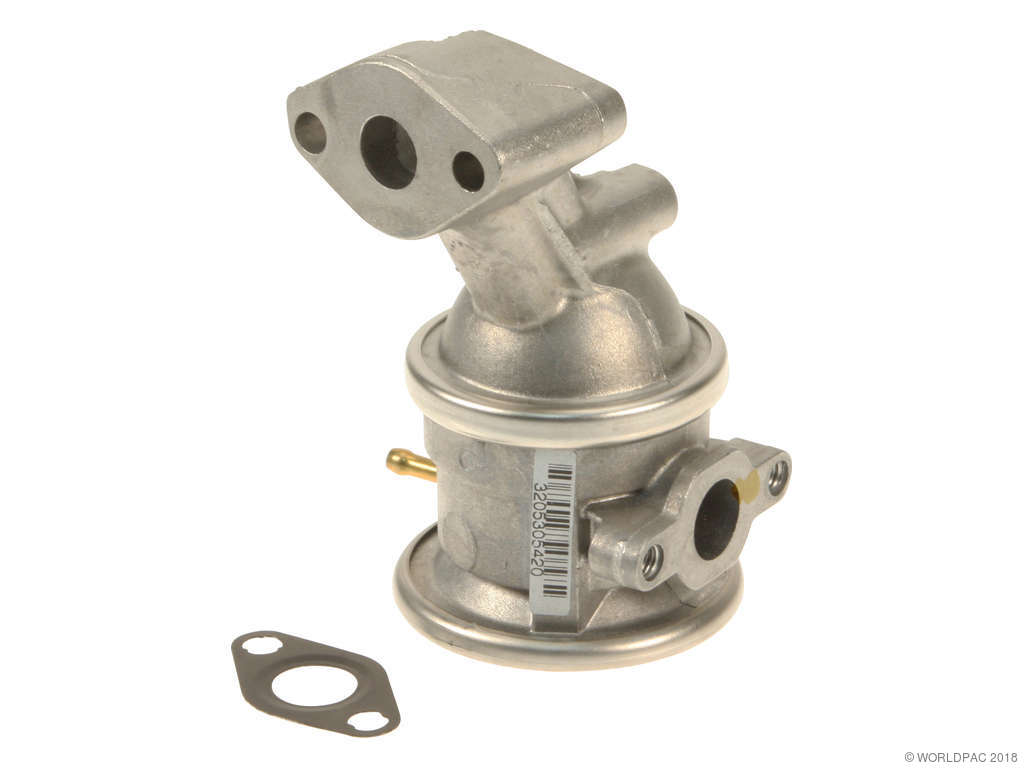
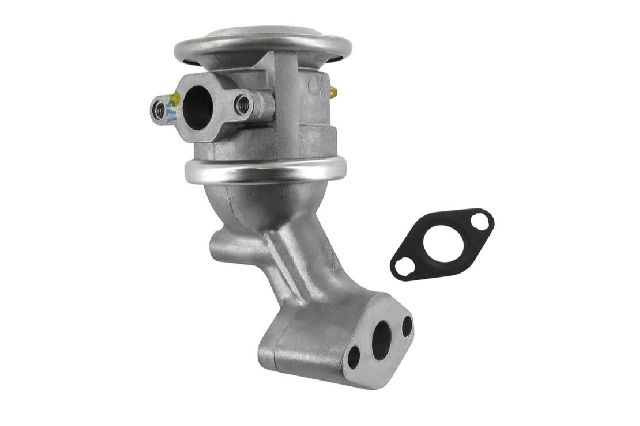
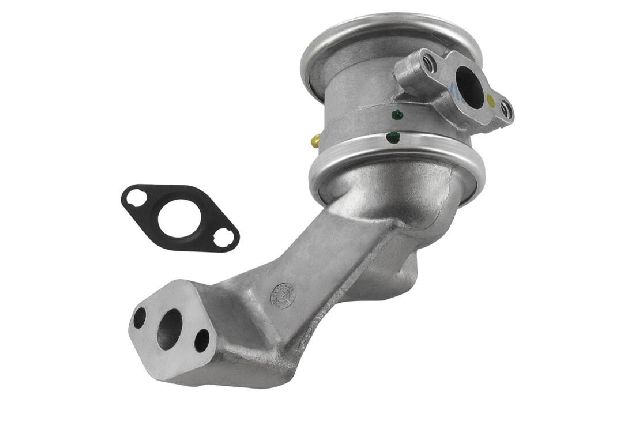
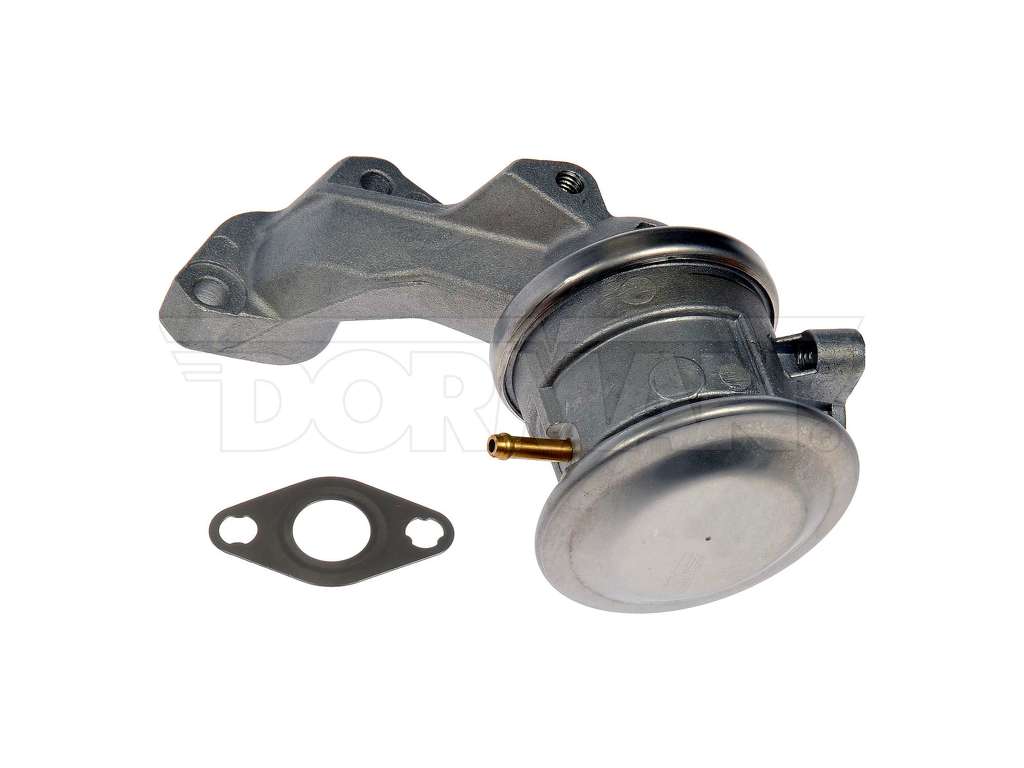
- Secondary Air Injection Combination Valve (Bank 1)
(OEM #06E131101M)— This is the most common cause of a solitary P2440 code, as identified by Audi's own service bulletin. It fails due to carbon buildup or internal diaphragm rupture.
Trusted brands: Audi (OEM), Pierburg
OEM price range: $200-$250
Aftermarket price range: $100-$150 - Secondary Air Injection Solenoid Valve
(OEM #06E906283E)— This solenoid controls both combination valves. It is the most likely culprit if both P2440 and P2442 codes are present simultaneously. Older part numbers may include 077906283C.
Trusted brands: Audi (OEM), Pierburg, Bosch
OEM price range: $60-$80
Aftermarket price range: $40-$60 - Combi Valve Gasket
(OEM #06E131120C)— Required when replacing the combination valve to ensure a proper seal against the cylinder head.
Trusted brands: Audi (OEM), Victor Reinz
OEM price range: $10-$15
Aftermarket price range: $5-$10
Related Codes That Often Appear With This One
- P2442 — This is the code for 'Secondary Air Injection System Switching Valve Stuck Open Bank 2'. Audi's TSB explicitly states that P2440 and P2442 often appear together. If both are present and set at the same time, the fault is very likely the shared vacuum solenoid.
Technical Service Bulletins (TSBs) & Recalls
- A011519 2040403 / 01 16 73 2040403/3: MIL on (DTC P2440(00) and/or P2442(00)). States one of the combi valves or the vacuum solenoid is defective. Provides a clear diagnostic path: if both codes set at the same time, replace the solenoid; if only one code sets, replace the corresponding combi valve.
Platform-Specific Known Issues
- Audi Technical Service Bulletin A011519 2040403 (also listed as 01 16 73 2040403/3) directly addresses DTC P2440 and P2442 on the 2011-2014 Q7 3.0T, identifying either a defective combi valve or a defective vacuum solenoid as the cause.
- The combination valves are located at the rear of the cylinder heads, making access somewhat difficult, especially for the Bank 1 (passenger side in LHD vehicles) valve which is tighter against the firewall.
Mechanic-Grade Diagnostic Values
- SAI Vacuum Solenoid (N112) Resistance — expected: 25 - 35 Ohms. Failure: A reading significantly outside this range, or an open/short circuit, indicates a faulty solenoid.
- SAI Pressure Sensor (G609) Voltage - Engine Off — expected: Approximately 2.9 VDC. Failure: Voltage that is stuck, does not change when the pump activates, or is at 0V or 5V suggests a failed sensor or wiring issue.
- SAI Pressure Sensor (G609) Voltage - Pump Running — expected: Rises to ~3.3V - 3.5V. Failure: If the voltage does not rise when the SAI pump is active, it indicates a lack of air pressure, which could be from a failed pump, a blockage, or a major leak.
Scan Tool Commands That Help
- VCDS (VAG-COM): Engine (01) -> Basic Settings -> Group 077 — This initiates a full self-test of the secondary air injection system. The ECU runs the pump and monitors sensors, reporting 'System OK' or 'System NOT OK'. It is the primary way to verify a repair is successful.
- VCDS (VAG-COM): Engine (01) -> Output Tests -> Select 'Secondary Air Injection (AIR) Pump Relay' — This command manually activates the SAI pump. It is used to quickly verify if the pump motor, its relay, and wiring are functional. If the pump runs during this test, the fault lies with the valves, solenoid, or passages, not the pump itself.
- ODIS (Official Dealer Software): Test plan >> Secondary air injection system - checking secondary air mass — This is the dealer-level procedure used to verify the effectiveness of a repair, particularly after performing the carbon cleaning procedure for the SAI ports in the cylinder head.
Wiring & Ground Locations
- Engine to Chassis Ground — A primary engine ground cable is located to the left of the alternator and connects to the underside of the chassis frame rail.. A poor engine ground can cause a variety of electrical issues and fault codes. While not a direct cause for a 'stuck open' valve, verifying the main ground connection is a good practice during any electrical diagnosis.
- Ground Connection (in plenum chamber, right) — In the plenum chamber (the area below the windshield wipers), on the right side of the vehicle.. The N112 solenoid and other engine sensors are located at the rear of the engine. This ground point is in the vicinity and could be part of the sensor and actuator circuits. Corrosion in this area is common due to water drainage.
- N112 Solenoid Connector — At the rear of the engine, typically mounted centrally. It has one electrical connector and two vacuum line connections.. This is the direct connection point for testing the solenoid. One pin should have battery voltage with the key on, and the other is the ground signal from the ECM. Checking for power here is a key diagnostic step.
Real Owner Repair Stories
- Reddit user on r/Audi (2013 Audi S5 3.0T (same engine), ~100,000 miles) — Check Engine Light with code P2440 appeared two days after a dealer visit.
✅ What actually fixed it The user was informed by others that a Technical Service Bulletin (TSB) exists for this specific code, confirming it's a known issue and pointing towards the standard fixes (combi valve or solenoid). The resolution implies following the TSB guidance.
OEM Part Supersession History
077906283C→06E906283E— Part revision and update by the manufacturer. The newer part is the correct service replacement.
Heads up: The older part number may still be found but using the latest revision (06E906283E) is recommended for reliability.
Helpful Videos

We Have This Part in Stock

The information in this article is provided for general reference and educational purposes only. Vehicle specifications, procedures, and part compatibility can vary by production date, trim level, and region. Always consult your vehicle's factory service manual and verify part numbers before purchasing or performing repairs. Safety-critical components such as airbags, seat belts, and braking systems should be installed by a qualified professional.
- Audi Q7:
- 🎬 Helpful Videos
- 🛍️ Shop This Part
- What's Unique About the 2011-2014 Audi Q7
- Diagnostic Flowchart
- Symptoms You May Notice
- Most Likely Causes
- Rare But Worth Checking
- Diagnosis Steps
- Parts You'll Likely Need
- Related Codes That Often Appear With This One
- Technical Service Bulletins (TSBs) & Recalls
- Platform-Specific Known Issues
- Mechanic-Grade Diagnostic Values
- Scan Tool Commands That Help
- Wiring & Ground Locations
- Real Owner Repair Stories
- OEM Part Supersession History
- 🎟️ Get 5% Off