

P2422 on 2009-2014 Volkswagen Jetta: EVAP Vent Valve Stuck Closed Causes and Fixes
On a 2009-2014 VW Jetta, code P2422 almost always means the EVAP vent valve is stuck closed. This often causes difficulty when refueling. The most common fix is replacing the entire charcoal canister assembly (which includes the valve), as the valve itself is often not sold separately. Before replacing parts, inspect the vent hoses for blockages from spider webs or dirt, a surprisingly common cause.
- P2422 on a VW Jetta means the EVAP vent valve is stuck closed.
- The most obvious symptom you'll experience is the gas pump repeatedly shutting off when you try to refuel.
- The most likely fix is replacing the entire charcoal canister assembly (P/N 1K0201801E), located in the rear passenger wheel well.
- Before buying parts, always inspect the vent hoses for blockages from dirt or spider webs, as this is a common and cheap fix.
- Verify your Jetta's specific model (Sedan vs. SportWagen) and year, but know that many models in this range share the same canister part.
What's Unique About the 2009-2014 Volkswagen JETTA
For the 2009-2014 Jetta, this code is a straightforward emissions issue, officially noted by Volkswagen in technical service bulletins. [VIN4APIN20220329] The main complication for this year range is identifying the correct parts, as it spans two different vehicle generations. A Jetta sedan from 2009-2010 is a Mk5, while the 2011-2014 sedan is a Mk6. To add to the confusion, the Jetta SportWagen from 2009-2014 is based on the Golf (Mk5/Mk6), not the Jetta sedan platform. However, for this specific issue, many of these models share the same charcoal canister assembly, Part Number 1K0201801E. Always verify parts using your vehicle's specific VIN before purchasing.
Diagnostic Flowchart
Tap your situation to follow the diagnostic path that matches what you're seeing on this vehicle.
Generation note: The 2009-2014 range covers two Jetta sedan generations: the Mk5 (2009-2010) and the Mk6 (2011-2014). The Jetta SportWagen of this era is based on the Golf platform. For this P2422 issue, the charcoal canister (which contains the vent valve) is often the same part number (1K0201801E) across these models, but confirming with a VIN is the safest approach. The physical location is consistently in the rear passenger-side wheel well area.
Symptoms You May Notice
- Check Engine Light is on
- Difficulty filling the fuel tank (gas pump nozzle shuts off repeatedly).
- A noticeable fuel smell, especially around the rear of the car or after parking.
- Failing an emissions inspection.
- A whooshing sound from the gas tank when opening the cap, indicating pressure release.
- Replacing the gas cap. A bad gas cap typically causes a leak code (like P0442 or P0455), not a 'stuck closed' code for the vent valve.
- Replacing the purge valve (N80 valve). The purge valve is located in the engine bay and typically causes different codes related to incorrect purge flow (like P0441), not a vent valve fault.
Most Likely Causes
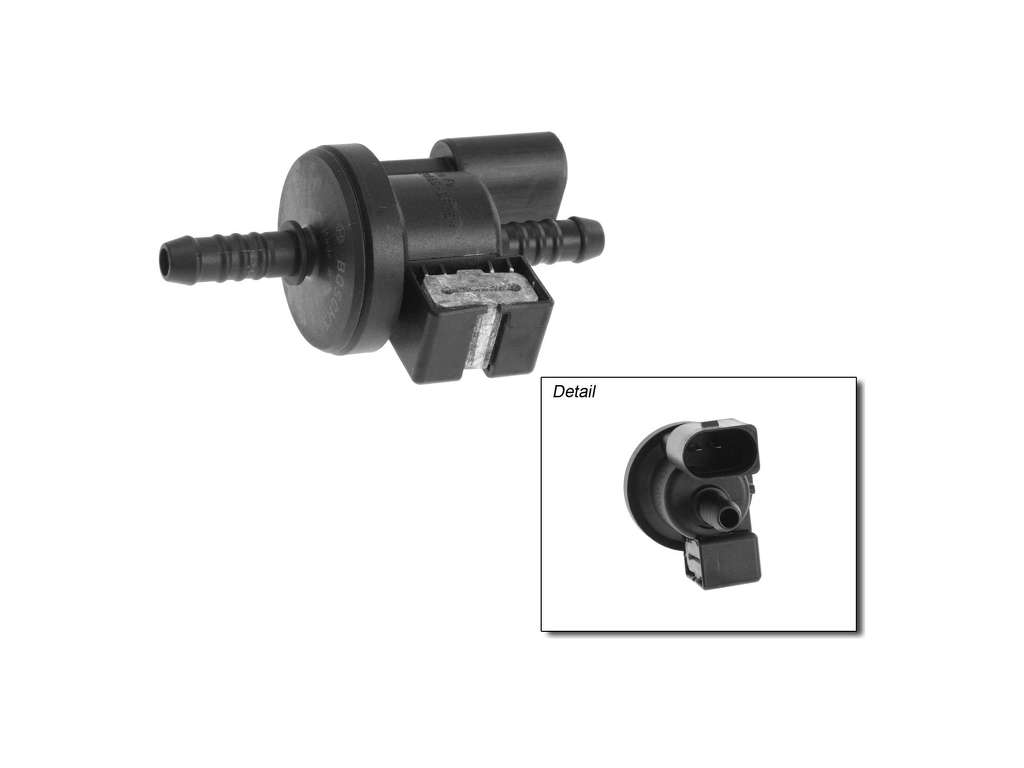
- Faulty EVAP Vent Valve / Solenoid (Often part of the Charcoal Canister) 🔴 High Probability The valve is an electromechanical part exposed to fuel vapors and the elements, making it susceptible to failure. On this platform, the valve is typically integrated into the charcoal canister and not sold separately, requiring the replacement of the entire unit. 🎬 See this walkthrough on replacing the charcoal canister assembly.
How to confirm: Locate the canister in the rear passenger-side wheel well. Use a scan tool with bidirectional controls to command the valve to open and close; a healthy valve will make an audible click. If it doesn't click but has power and ground at its connector, the valve/canister assembly is faulty.
Typical fix: Replace the entire EVAP charcoal canister assembly.
Est. part cost: $90-$250 - Blocked or Clogged Vent Hose 🟡 Medium Probability The fresh air intake hose for the EVAP system is located in an area susceptible to debris. It can become clogged with dirt, road grime, or famously, spider webs. Multiple Technical Service Bulletins from other manufacturers exist for this exact code, pointing to spider webs clogging the vent hose as the root cause, confirming this is a common vulnerability in EVAP system design.
How to confirm: Disconnect the hose from the charcoal canister. Visually inspect it for blockages. Try to blow low-pressure compressed air through it. If air cannot pass freely, the hose is clogged. 🎬 Watch: How to clear a clogged vent hose for cheap. The clog is often near the end of the hose where it vents to the atmosphere.
Typical fix: Clear the blockage from the hose. Some TSBs for other vehicles recommend installing a spring or filter at the hose inlet to prevent future intrusion.
Est. part cost: $0-$20 - Wiring or Connector Issue ⚪ Low Probability Wiring located under the vehicle, specifically in the wheel well area, is exposed to moisture, salt, and road debris. This can lead to corrosion on the connector pins or breaks in the wires going to the vent solenoid on the canister.
How to confirm: Visually inspect the wiring harness and connector for the vent valve on the canister. Look for green/white corrosion or physical damage. Use a multimeter to check for 12V power and ground at the connector when the valve is commanded open by a scan tool.
Typical fix: Repair the broken wire or clean/replace the corroded connector.
Est. part cost: $5-$25
Rare But Worth Checking
- Failed Charcoal Canister: The charcoal canister itself can become saturated with fuel or develop internal blockages. This can happen from habitually overfilling the fuel tank ('topping off'). The activated charcoal pellets can also break down and fuse together over time, creating a blockage that prevents venting and triggers the P2422 code.
- Faulty Powertrain Control Module (PCM) or Software: This is extremely rare, but the internal driver circuit in the PCM that controls the vent valve can fail. Additionally, a software glitch can cause the PCM to misinterpret sensor data and falsely set a P2422 code. Other manufacturers have issued TSBs to update ECM software to fix this exact issue, so it is a known possibility. This should only be considered after all other possibilities have been exhaustively ruled out.
Diagnosis Steps
- Confirm the P2422 code is present using an OBD-II scanner.
- Attempt to fill the fuel tank. If the pump clicks off repeatedly, it strongly suggests a blocked vent path.
- Locate the EVAP charcoal canister. On most 2009-2014 Jettas and SportWagens, this is located behind the rear passenger-side wheel and is accessible after removing the plastic fender liner.
- Inspect the vent valve connector and wiring on the canister for any signs of corrosion, damage, or loose connections.
- Disconnect the main vent hose from the canister and inspect it for blockages. Pay close attention to the end of the hose for dirt, debris, or spider webs.
- If you have a capable scan tool like VCDS, use the Output Test or Basic Settings Group 070 to command the vent valve (N115) open. Listen for a distinct 'click' from the canister.
- If the valve does not click, test for power and ground at the connector. One pin should have constant 12V with the key on, and the other is a ground controlled by the ECU. If power is present but the valve doesn't click, the vent valve/canister assembly is bad.
- If the valve does click but the refueling issue persists, the canister is likely internally blocked with saturated or fused charcoal pellets.
- If all hardware tests pass, consider the rare possibility of a PCM software issue, and check for any available TSBs related to ECM updates for EVAP logic.
Parts You'll Likely Need
- Charcoal Canister Assembly
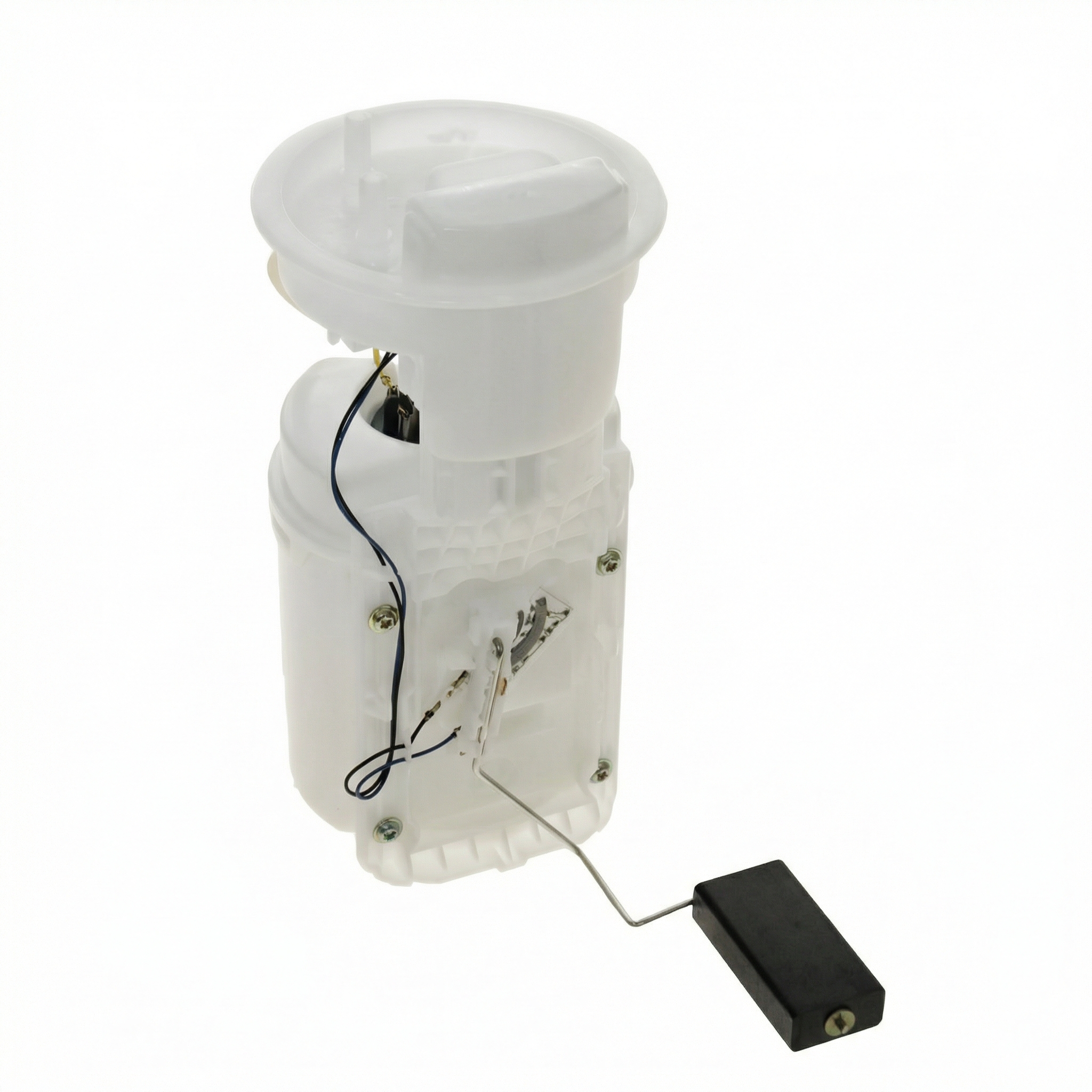
(OEM #1K0201801E)— This is the most common fix. For this VW platform, the vent valve (solenoid) is typically integrated into the charcoal canister and not sold as a separate component. This single assembly (P/N 1K0201801E) fits a wide range of Mk5 and Mk6 Jettas, SportWagens, Golfs, and Audi A3/TTs.
Trusted brands: Genuine VW, Bosch
OEM price range: $150-$250
Aftermarket price range: $90-$180
Related Codes That Often Appear With This One
- P0446 — This code indicates a general fault in the EVAP vent control circuit, which can be triggered alongside P2422 if there's an electrical problem affecting the valve's operation.
Technical Service Bulletins (TSBs) & Recalls
- VIN4APIN20220329: Mentions "MIL-on, fault P2422 stored in ECM" as a possible customer complaint for 2012 models.
- Honda TSB 08-087B: While for a different manufacturer, it provides critical insight by identifying spider webs clogging the EVAP canister vent hose as a primary cause for the P2422 code, a relevant parallel failure.
- Hyundai TSB 21-01-009H: Demonstrates that a P2422 code can sometimes be caused by a software logic error, which is resolved by an ECM update. This is a valuable data point for rare cases where hardware is not at fault.
Platform-Specific Known Issues
- Susceptibility to Vent Hose Blockage: A well-documented failure point for EVAP systems, in general, is the fresh air vent hose becoming clogged with debris. TSBs for other brands like Honda (TSB 08-087B) specifically call out spider webs as the cause for code P2422. Given the location of the vent hose on the Jetta, it is equally susceptible to blockage from dirt and insects, which should be checked before replacing expensive components.
- TSB for P2422 on 2012 Jetta: A Technical Service Bulletin summary (VIN4APIN20220329) lists "MIL-on, fault P2422 stored in ECM" as a possible customer complaint for 2012 models, confirming it's a known issue to the manufacturer. [VIN4APIN20220329]
Mechanic-Grade Diagnostic Values
- EVAP Vent Valve (N115) Solenoid Resistance — expected: 20-50 Ohms. Failure: A reading outside this range (e.g., open circuit/infinite resistance or a dead short/zero resistance) indicates a faulty solenoid coil.
- Voltage at Vent Valve Connector (Key On, Engine Off) — expected: One pin should show ~12V (battery voltage), the other is a computer-controlled ground.. Failure: Absence of 12V power points to a fuse or wiring issue upstream. If 12V is present but the valve doesn't activate when commanded, the fault is likely the valve itself or the ground-side control from the ECU.
- EVAP System Pressure (Live Data, Key On, Engine Off) — expected: Near 0 psi. Failure: A constant high reading, such as 10+ psi, confirms that pressure is trapped and the vent valve is stuck closed.
Scan Tool Commands That Help
- VCDS (VAG-COM): Basic Settings - Group 070 — This function initiates the EVAP system leakage test, which cycles the vent valve (N115) and purge valve (N80), allowing a technician to audibly and functionally check the vent valve's operation.
- VCDS (VAG-COM) or equivalent professional scanner: Output Tests for EVAP System — This allows direct, on-demand actuation of the EVAP vent valve. A technician can command the valve to open and close while listening for the audible 'click' of the solenoid, confirming if it is mechanically responding to electrical commands.
Wiring & Ground Locations
- EVAP Vent Valve (N115) Connector — On the charcoal canister, located behind the fender liner in the rear passenger-side wheel well.. This 2-pin connector is the primary point for electrical testing. One pin receives 12V power with the key on, and the other is the ground signal from the ECU. Corrosion or damage here is a common cause of electrical failure for the valve.
- Ground Point 50 / 682 (Platform Specific) — General ground points for the rear of the vehicle are located inside the luggage compartment on the left side (50) or in the right rear side panel (682) on the related Golf Mk6 platform.. A poor ground connection for the EVAP system can cause intermittent or failed operation of the vent valve. While the valve has a dedicated control wire, its circuit ultimately relies on a solid chassis ground, and these are the main ground points in that area of the car.
Real Owner Repair Stories
- YouTube channel 'Low Budget Benny' (Vehicle exhibiting a P2422 code (model not specified, but procedure is universal for this type of valve).) — Check Engine Light with code P2422, indicating the vent valve was stuck closed.
❌ Tried (didn't work) The owner did not report trying other fixes first; went straight to addressing the valve.
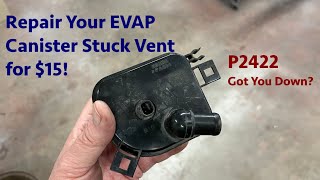
✅ What actually fixed it Instead of replacing the canister assembly, the owner removed the valve unit, found it was mechanically stuck, and cleaned it thoroughly with Mass Air Flow (MAF) sensor cleaner. By filling the unit with cleaner and manually actuating the valve, the internal blockage was cleared, restoring function for a fraction of the cost of a new part.
"I Checked Everything" — The Actual Cause
- A smoke test is designed to find leaks in the EVAP system (which would trigger codes like P0442 or P0455). For a P2422 'Stuck Closed' code, a smoke test is expected to come back clean. The system is, by definition, sealed too well and cannot vent. The problem is a blockage, not a leak, which is why a smoke test will not help diagnose this specific code and may mislead a technician.
OEM Part Supersession History
1K0201801D→1K0201801E— Standard part revision and update by the manufacturer.
Heads up: These parts are generally cross-compatible. Part number 1K0201801E is the most common service replacement. Other interchangeable numbers include 1K0201797R, 1K0201797AB, and 1K0201797AE.
Helpful Videos
Used OEM Parts in Stock
New Aftermarket Parts Available


The information in this article is provided for general reference and educational purposes only. Vehicle specifications, procedures, and part compatibility can vary by production date, trim level, and region. Always consult your vehicle's factory service manual and verify part numbers before purchasing or performing repairs. Safety-critical components such as airbags, seat belts, and braking systems should be installed by a qualified professional.
- Volkswagen JETTA:
- 🎬 Helpful Videos
- 🛍️ Shop This Part
- What's Unique About the 2009-2014 Volkswagen JETTA
- Diagnostic Flowchart
- Symptoms You May Notice
- Most Likely Causes
- Rare But Worth Checking
- Diagnosis Steps
- Parts You'll Likely Need
- Related Codes That Often Appear With This One
- Technical Service Bulletins (TSBs) & Recalls
- Platform-Specific Known Issues
- Mechanic-Grade Diagnostic Values
- Scan Tool Commands That Help
- Wiring & Ground Locations
- Real Owner Repair Stories
- "I Checked Everything" — The Actual Cause
- OEM Part Supersession History
- 🎟️ Get 5% Off