

P2422 on 2010-2014 Volkswagen Golf: EVAP Vent Valve Stuck Closed Causes and Fixes
On a 2010-2014 VW Golf (Mk6), code P2422 almost always points to a faulty EVAP vent valve, which is integrated into the charcoal canister. The most common symptom is the fuel pump nozzle clicking off repeatedly when you try to refuel. The fix is typically replacing the entire charcoal canister assembly after first checking for simple blockages in the vent hose, such as from spider webs.
- P2422 on a Mk6 Golf means the EVAP vent valve is stuck closed.
- The most obvious symptom is the gas pump repeatedly shutting off during refueling.
- Before buying parts, check the vent hoses for simple blockages like dirt or spider webs.
- The fix is almost always replacing the entire charcoal canister assembly, as the valve is not sold separately.
- The charcoal canister is located in the rear passenger-side wheel well.
What's Unique About the 2010-2014 Volkswagen GOLF
On the Mk6 Golf, like many other Volkswagens from this era built on the PQ35 platform, the EVAP vent valve (solenoid) is not sold as a separate component. Instead, it is integrated directly into the charcoal canister assembly. This design means that a failure of this relatively small valve often requires the replacement of the entire canister unit, which is located in the rear passenger-side wheel well, behind the fender liner.
Diagnostic Flowchart
Tap your situation to follow the diagnostic path that matches what you're seeing on this vehicle.
Symptoms You May Notice
- Check Engine Light is on
- Fuel pump nozzle shuts off repeatedly when trying to refuel
- A 'whoosh' sound of escaping pressure when opening the gas cap
- A faint fuel odor may be noticeable near the rear of the car
- Vehicle will fail an emissions inspection
- Replacing the gas cap. A loose or faulty gas cap typically causes a small leak code (like P0442 or P0456), not a vent valve stuck closed code.
- Replacing the N80 Purge Valve. The purge valve is located in the engine bay and typically causes different codes related to incorrect purge flow (like P0441), not a P2422 vent valve fault.
Most Likely Causes
- Faulty EVAP Vent Valve / Charcoal Canister Assembly 🔴 High Probability The vent valve is an electromechanical part constantly exposed to fuel vapors and the elements, making it prone to failure. On this platform, it is integrated into the charcoal canister and not sold separately, requiring replacement of the whole unit.
How to confirm: Use a scan tool with bidirectional controls (like VCDS) to command the valve open and closed. A healthy valve will make an audible click. If it has power and ground at its connector but doesn't click, the assembly is faulty. The valve is sometimes referred to as the N115 valve in diagnostic software.
Typical fix: Replace the entire EVAP charcoal canister assembly. Some owners have had temporary success cleaning the stuck valve with mass air flow sensor cleaner, but replacement is the reliable fix.
Est. part cost: $150-$250 - Blocked or Clogged Vent Hose 🟡 Medium Probability The fresh air intake hose for the EVAP system is often located in an area susceptible to debris, dirt, and famously, spider webs, which can create a blockage that mimics a stuck valve. This is a well-documented issue across many manufacturers for this specific code.
How to confirm: Disconnect the vent hose from the canister and visually inspect it. Try blowing low-pressure compressed air through it. If air cannot pass freely, the hose is clogged. The clog is often found at the very end of the hose where it vents to the atmosphere.
Typical fix: Clear the blockage from the hose. This is often a no-cost fix if you can access the hose.
Est. part cost: $0-$20 - Wiring or Connector Issue ⚪ Low Probability The wiring to the canister is located in the wheel well, exposing it to moisture, road salt, and debris, which can lead to corrosion on the connector pins or breaks in the wires.
How to confirm: Visually inspect the wiring harness and connector for the vent valve. Look for green/white corrosion or physical damage. Use a multimeter to check for 12V power and ground at the connector when the valve is commanded on.
Typical fix: Repair the broken wire or clean/replace the corroded connector.
Est. part cost: $5-$50
Rare But Worth Checking
- Saturated Charcoal Canister: Habitually 'topping off' the fuel tank can force liquid gasoline into the charcoal canister, saturating the charcoal pellets and causing a blockage that prevents the system from venting. This can trigger a P2422 code.
- Faulty Powertrain Control Module (PCM): This is extremely rare. The internal driver circuit in the PCM that controls the vent valve can fail. This should only be considered after all other possibilities (valve, wiring, hoses) have been exhaustively ruled out.
Diagnosis Steps
- Confirm the P2422 code is present using an OBD-II scanner.
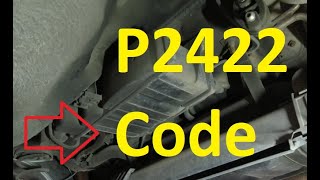
- Attempt to fill the fuel tank. If the pump clicks off immediately and repeatedly, it strongly suggests the EVAP system cannot vent pressure, consistent with a stuck-closed vent valve. 🎬 Watch: Understanding the causes and fixes for the P2422 code
- Visually inspect the gas cap to ensure it is tight and the seal is intact, ruling out a simple error (though it's not the primary cause of this specific code).
- Locate the EVAP charcoal canister in the rear passenger-side wheel well. You will need to remove the wheel and wheel well liner for access.
- Inspect the vent valve connector and wiring on the canister for any signs of corrosion, damage, or loose connections.
- Disconnect the main vent hose from the canister and inspect it for blockages from dirt, debris, or spider webs. Blow compressed air through it to ensure it's clear.
- If you have a capable scan tool (like VCDS), use the output test function (often in Basic Settings, Group 070 for some models) to command the vent valve (N115) to cycle open and closed. Listen for an audible click from the valve.
- If the valve does not click, use a multimeter to test for 12V power and a good ground at the connector while the valve is commanded on.
- If power is not present, trace the wiring back to the source (fuse box, PCM) to find the break or short.
- If the canister has been replaced and the code returns, ensure the vent hose is completely clear all the way to its filter box, which can be hidden.
- If all wiring and the valve itself test good, the issue could be a very rare internal PCM fault.
Parts You'll Likely Need
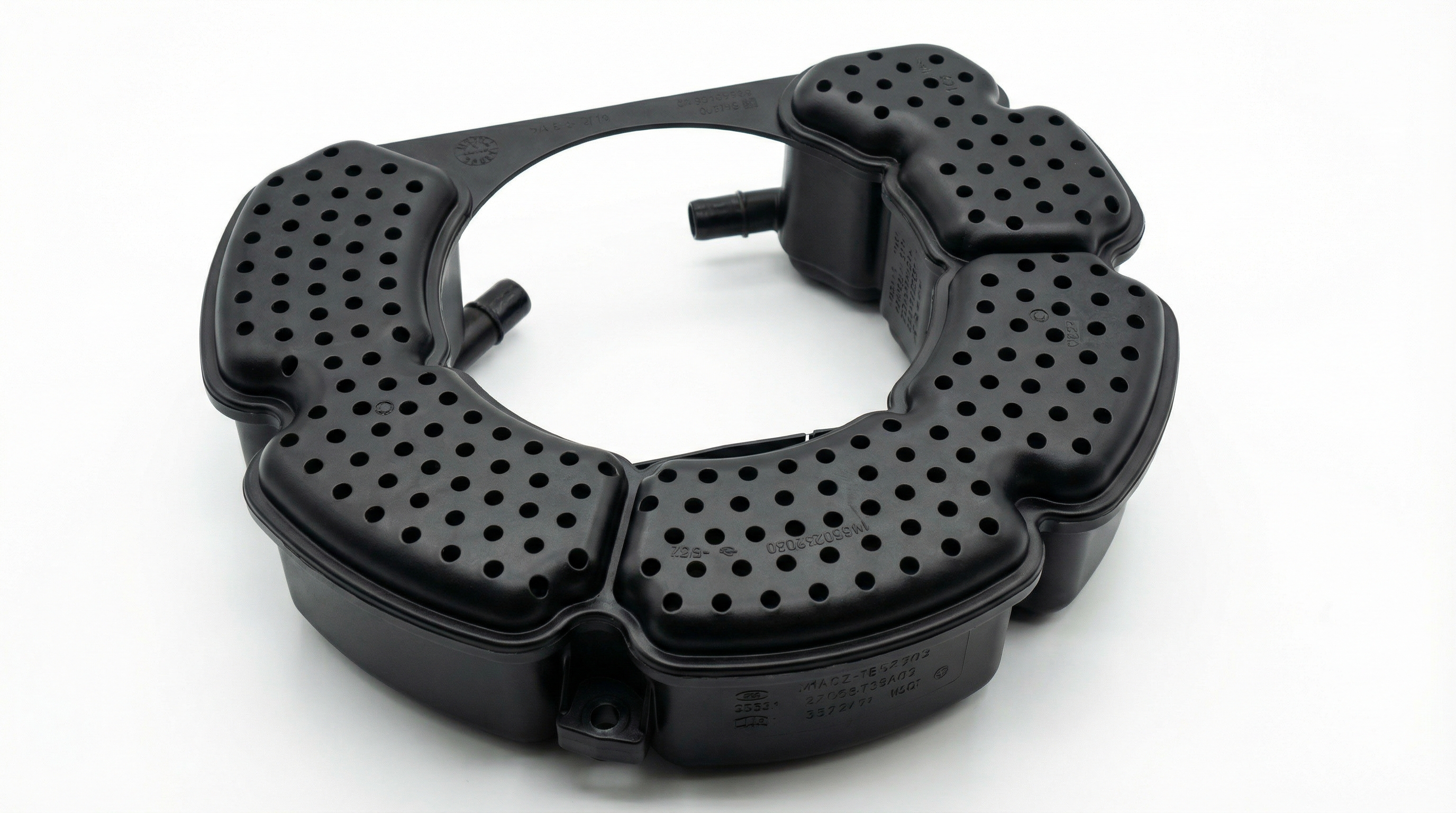
- EVAP Charcoal Canister Assembly
(OEM #1K0201801E)— This is the most common failure. The vent valve solenoid is integrated into this assembly and is not sold separately for the Mk6 Golf. Part number 1K0201801E is widely cited for this application.
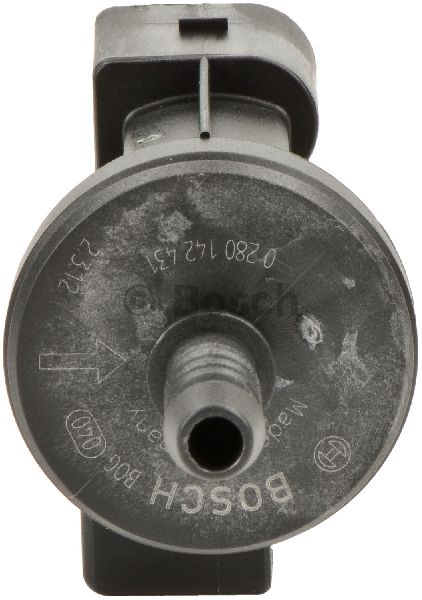
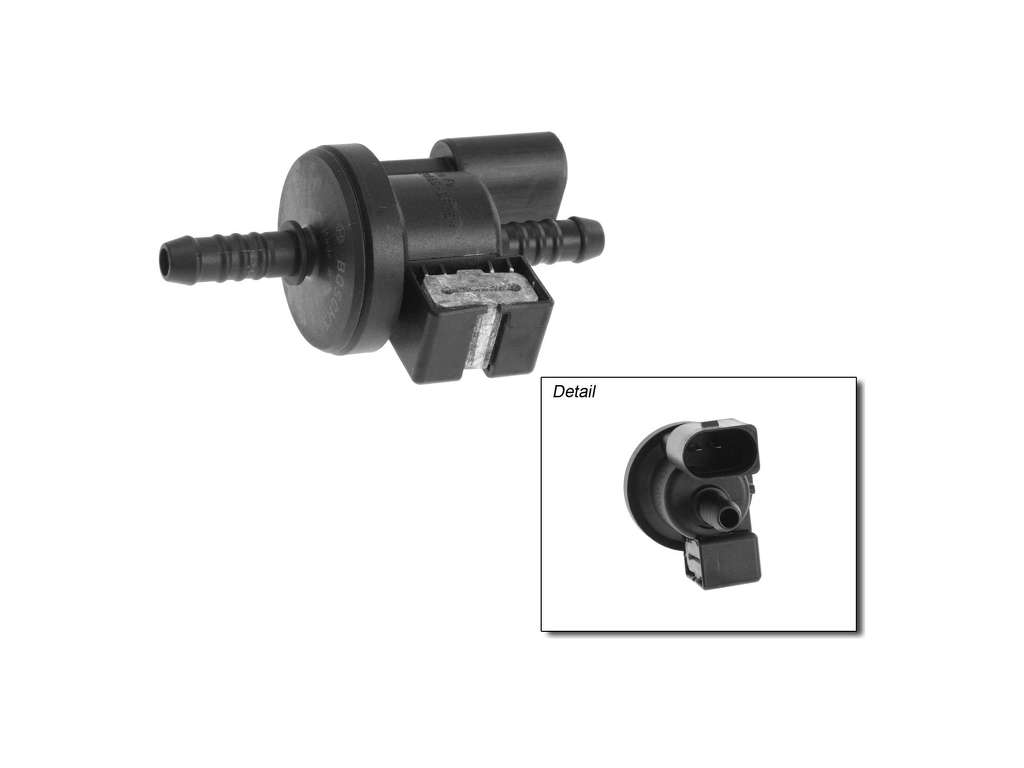
Trusted brands: Bosch, Dorman, Genuine Volkswagen
OEM price range: $200-$250
Aftermarket price range: $150-$200
Technical Service Bulletins (TSBs) & Recalls
- VIN4APIN20220329: Mentions "MIL-on, fault P2422 stored in ECM" as a possible customer complaint for 2012 VW models, confirming it's a known issue to the manufacturer.
Platform-Specific Known Issues
- Real Owner Repair Story: On the VWVortex forums, a user with a Mk6 GTI described the classic P2422 symptoms: Check Engine Light and the gas pump clicking off. After verifying the code, they accessed the charcoal canister in the passenger rear wheel well. They found that testing the valve with VCDS produced no clicking sound. Replacement of the entire canister assembly (Part No. 1K0201801E) resolved the issue permanently.
- DIY Cleaning Attempt: A YouTube video demonstrated a temporary fix where the owner removed the canister, found the valve was physically stuck, and used mass air flow sensor cleaner to free it up. After several rinses and actuating the valve manually, it began to work again when tested with a power source, clearing the code. However, this is not guaranteed to be a long-term solution.
Mechanic-Grade Diagnostic Values
- EVAP Vent Valve (N115) Solenoid Resistance — expected: ~15 to 35 Ohms. Failure: An open circuit (infinite resistance) or a direct short (near zero Ohms) indicates a failed solenoid coil.
- Voltage at N115 Connector (Key On, Engine Off) — expected: One pin should have 12V (battery voltage) and the other is the ground control from the ECM.. Failure: No voltage on the power pin indicates a wiring or fuse issue upstream. Voltage present on both pins (with the connector unplugged) can indicate an open in the ground wire back to the ECM.
Scan Tool Commands That Help
- VCDS (VAG-COM): [01-Engine] -> [Basic Settings - 04] -> Group 070 -> [Go!] — This command initiates the EVAP system function test, which includes cycling the N115 vent valve. It is the primary way to test the entire system's ability to seal and vent. The fourth display field will show the test status, such as 'Test ON' and should conclude with 'Fuel tank ventilation OK' if the system passes.
Wiring & Ground Locations
- N115 Connector — On the EVAP charcoal canister, located in the rear passenger-side wheel well behind the liner.. This is the 2-pin electrical connector for the vent valve solenoid. It must be inspected for corrosion or damage. Voltage and resistance tests are performed at this connector's pins.
- Ground Point 682 (G682) — Inside the vehicle, in the right rear side panel area.. This is a primary chassis ground point for components in the rear right of the vehicle. While not exclusively for the EVAP system, a corroded or loose connection at this point could cause an intermittent or failed ground for the N115 vent valve circuit, leading to a P2422 code even if the valve and wiring appear intact.
"I Checked Everything" — The Actual Cause
- A smoke test is designed to find leaks in a sealed system, which typically cause codes like P0442 (small leak) or P0455 (large leak). The P2422 code, however, indicates the system is 'stuck closed'—the opposite of a leak. Therefore, a smoke test on a vehicle with a P2422 code is *expected* to come back clean, showing no leaks. This result is correct but can be misleading. It confirms the system is sealed but does not help identify the blockage. The root cause is not a leak the smoke can escape from, but rather a blockage (stuck valve or clogged hose) preventing the system from venting.
OEM Part Supersession History
1K0201801D→1K0201801E— Standard part revision, likely for improvements in materials or internal valve design.
Heads up: The parts are considered interchangeable. If sourcing a used part, 'E' is the more recent revision, but 'D' will also fit and function.
Helpful Videos
Used OEM Parts in Stock
New Aftermarket Parts Available


The information in this article is provided for general reference and educational purposes only. Vehicle specifications, procedures, and part compatibility can vary by production date, trim level, and region. Always consult your vehicle's factory service manual and verify part numbers before purchasing or performing repairs. Safety-critical components such as airbags, seat belts, and braking systems should be installed by a qualified professional.
- Volkswagen GOLF:
- 🎬 Helpful Videos
- 🛍️ Shop This Part
- What's Unique About the 2010-2014 Volkswagen GOLF
- Diagnostic Flowchart
- Symptoms You May Notice
- Most Likely Causes
- Rare But Worth Checking
- Diagnosis Steps
- Parts You'll Likely Need
- Technical Service Bulletins (TSBs) & Recalls
- Platform-Specific Known Issues
- Mechanic-Grade Diagnostic Values
- Scan Tool Commands That Help
- Wiring & Ground Locations
- "I Checked Everything" — The Actual Cause
- OEM Part Supersession History
- 🎟️ Get 5% Off