

P2422 on 2012-2014 Volkswagen Beetle: EVAP Vent Valve Stuck Closed Causes and Fixes
P2422 on a 2012-2014 VW Beetle means the EVAP system's vent valve is stuck closed. This will cause a check engine light and often makes it difficult to refuel the car. The most common fix is replacing the charcoal canister assembly, as the valve is often integrated into it. Before replacement, always check the vent lines for blockages from spider webs or debris, a common and inexpensive issue to resolve.
- P2422 means the EVAP vent valve is stuck closed, which will cause a Check Engine Light and likely make it hard to fill your gas tank.
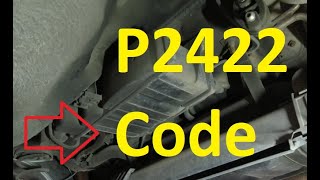
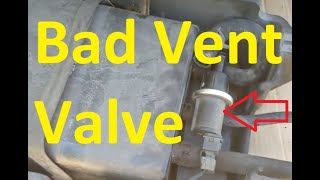
- The most probable cause is a failed vent valve, which on the 2012-2014 Beetle is typically part of the charcoal canister assembly located near the rear passenger wheel.
- Before replacing parts, always check the vent hoses for simple blockages from dirt or spider webs, as this is a common and cheap-to-fix issue on VWs.
- Do not confuse the vent valve (near the tank) with the purge valve (in the engine bay).
What's Unique About the 2012-2014 Volkswagen BEETLE
On this generation of Volkswagen Beetle (A5 platform), the P2422 code is a straightforward emissions issue. The most common point of failure is the vent valve itself, which is frequently sold as part of the complete charcoal canister assembly rather than a separate part. A surprisingly common cause on VWs is also simple blockages in the vent lines from road debris or even spider webs, making a visual inspection a critical first step before ordering expensive parts. This issue is shared with platform mates like the VW Jetta and Golf from the same era, which often use the identical charcoal canister part number.
Diagnostic Flowchart
Tap your situation to follow the diagnostic path that matches what you're seeing on this vehicle.
Symptoms You May Notice
- Check Engine Light is on
- Difficulty filling the fuel tank (gas pump nozzle clicks off repeatedly)
- A distinct gasoline smell near the fuel tank area or inside the cabin
- Failing a vehicle emissions test
- Audible 'whoosh' of pressure releasing when opening the gas cap
- Replacing the gas cap. A loose or faulty gas cap typically causes a small leak code (like P0442 or P0456), not a vent valve stuck closed code.
- Replacing the EVAP Purge Valve (N80). The purge valve is located in the engine bay and controls vapor flow to the engine, while the vent valve (sometimes called N115) is near the tank and controls fresh air intake to the canister. P2422 specifically points to the vent valve.
Most Likely Causes
- Faulty EVAP Vent Valve / Solenoid 🔴 High Probability The valve is an electromechanical part that can fail from corrosion, internal wear, or getting physically stuck from debris or inactivity. On many VW models of this era, it is integrated with the charcoal canister. A vehicle sitting unused for a long period can contribute to the valve seizing.
How to confirm: Use a capable OBD-II scanner to command the vent valve to open and close; listen for an audible click. If there is no click, test for power and ground at the valve's connector. If power is present but the valve doesn't actuate, it has failed. The valve can also be removed and bench-tested by applying power and checking if it opens/closes. 🎬 See how to test if your vent valve has failed.
Typical fix: Replace the EVAP vent valve. This often requires replacing the entire charcoal canister assembly which houses the valve. In some cases, owners have successfully removed the valve and cleaned it with MAF or electronics cleaner to free it up.
Est. part cost: $150-$350 - Blocked or Clogged EVAP Vent Hose 🟡 Medium Probability The vent hose runs to an open-air filter, often located in the wheel well, making it highly susceptible to blockage from dirt, road debris, or insects (especially spiders) building nests. This is a well-documented issue on VW platforms.
How to confirm: Disconnect the vent hose from the charcoal canister and attempt to blow compressed air through it. If air does not pass freely, the hose is blocked. Visually inspect the hose outlet for spider webs or debris.
Typical fix: Clear the blockage from the hose or replace the hose if it is damaged.
Est. part cost: $20-$50 - Wiring or Connector Issues ⚪ Low Probability The wiring for the vent valve is located under the vehicle, exposing it to potential damage from road debris, moisture, and corrosion at the connector.
How to confirm: Visually inspect the wiring harness and connector leading to the vent valve for any signs of damage, fraying, or corrosion. Use a multimeter to check for continuity and proper voltage at the connector when the valve is commanded on. Lack of voltage points to a wiring fault or blown fuse.
Typical fix: Repair the damaged section of wire or replace the corroded connector.
Est. part cost: $10-$30
Rare But Worth Checking
- Fuel-Saturated Charcoal Canister: Habitually 'topping off' the fuel tank after the pump clicks off can force liquid gasoline into the EVAP system, saturating the charcoal pellets. Over time, this can cause the pellets to break down and create an internal blockage that mimics a stuck valve and triggers P2422.
- Faulty Powertrain Control Module (PCM): This is very rare. Before condemning the PCM, all other possibilities, including the valve, wiring, and hoses, must be exhaustively tested. A faulty PCM might not send the signal to open the valve, or a software glitch could cause a false code.
Diagnosis Steps
- Read the fault codes with an OBD-II scanner to confirm P2422 is the primary code.
- Attempt to refuel the vehicle. If the gas pump clicks off repeatedly, it strongly suggests the EVAP system cannot vent pressure, consistent with a stuck-closed vent valve.
- When safe, remove the gas cap. Listen for a loud 'whoosh' of escaping pressure, which further indicates a blocked vent path.
- Locate the charcoal canister and EVAP vent valve. On the Beetle, this is typically in the rear passenger-side wheel well area.
- Inspect the vent valve's electrical connector and wiring for any visible damage, corrosion, or loose connections.
- Disconnect the main vent line from the canister and inspect both the hose and the canister port for blockages like dirt, debris, or spider webs.
- Use a bi-directional scanner to command the vent valve solenoid to open and close. Listen for a distinct clicking sound from the valve. No sound suggests a faulty valve or a wiring issue.
- If the valve does not click, use a multimeter to check for battery voltage and ground at the connector when commanded by the scanner. If voltage and ground are present, the vent valve is faulty and needs replacement.
- If voltage is not present, there is a wiring issue between the PCM and the valve, or a blown fuse that needs to be traced and repaired.
- As a final resort if all else checks out, the charcoal canister itself may be internally blocked and require replacement.
Parts You'll Likely Need
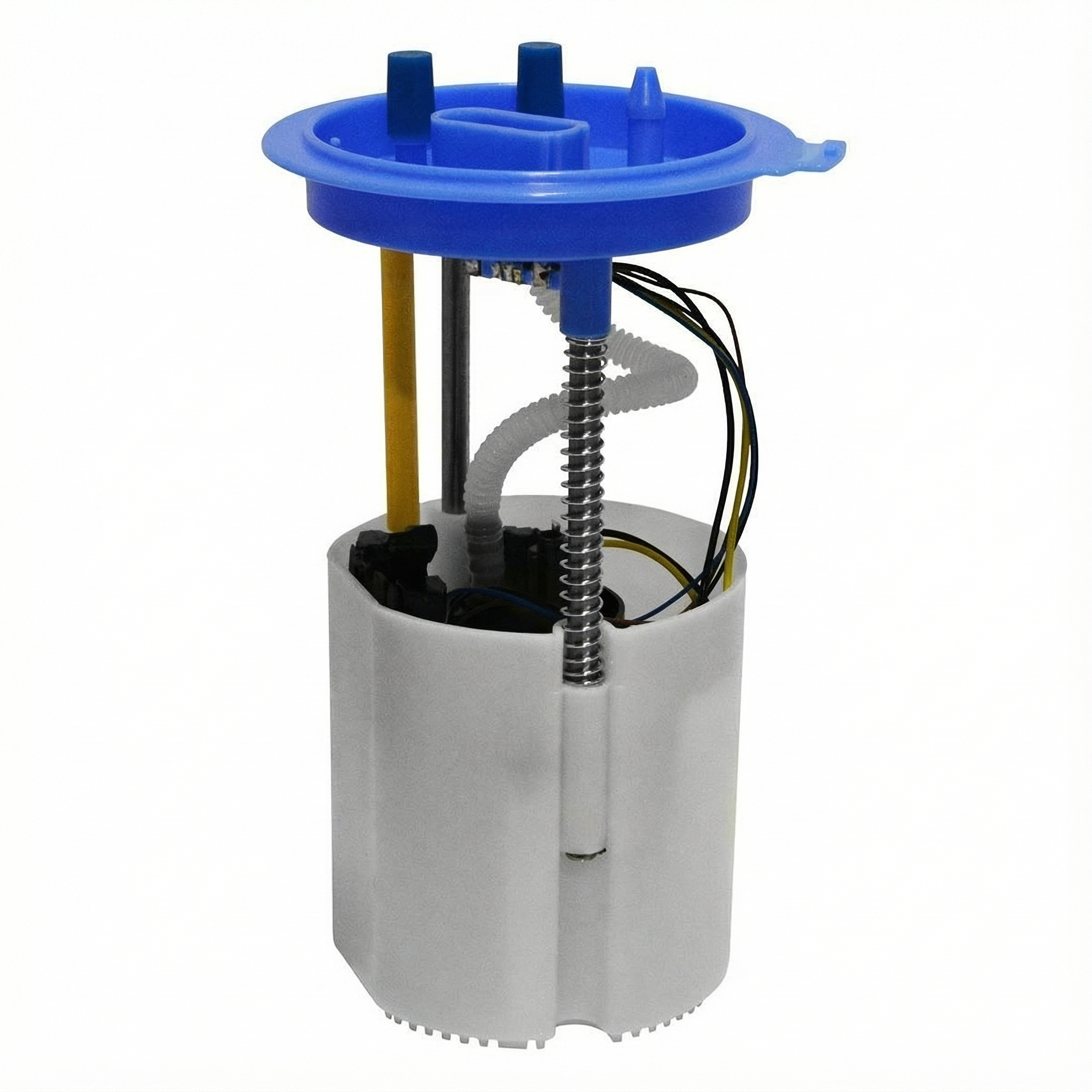
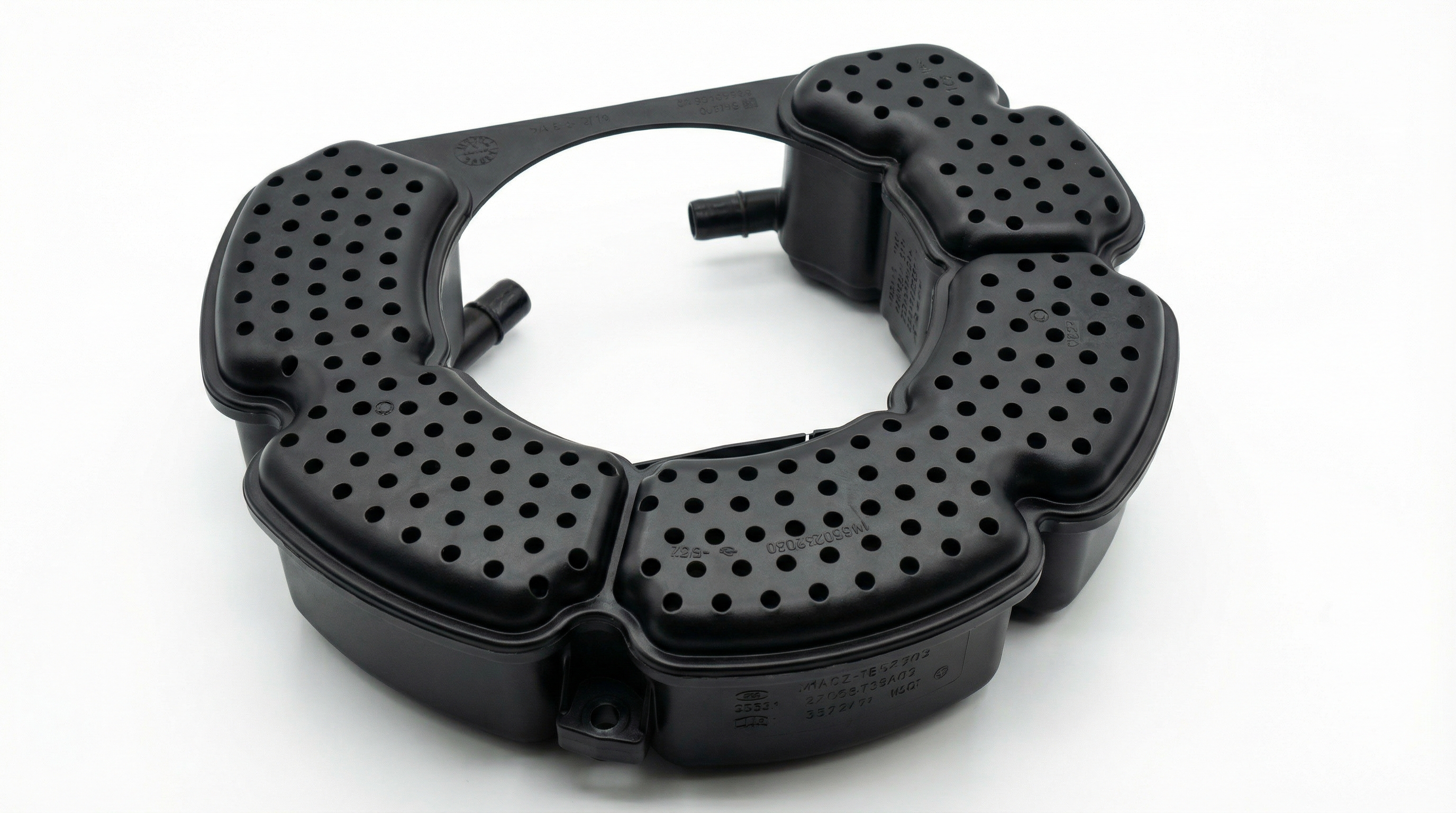
- Charcoal Canister Assembly
(OEM #1K0201801E (interchanges with 1K0201801D, 1K0201797AE, 1K0201797AF, 1K0201797AB))— This is the most common fix because the vent valve solenoid is often integrated into the canister assembly and not sold separately for this vehicle.
Trusted brands: Bosch, Volkswagen Genuine
OEM price range: $250-$400
Aftermarket price range: $150-$250
Related Codes That Often Appear With This One
- P0440 (Evaporative Emission System Malfunction)
- P0446 (Evaporative Emission System Vent Control Circuit Malfunction)
Technical Service Bulletins (TSBs) & Recalls
- VIN4APIN20220329: A general Technical Service Bulletin for the 2012 Beetle that lists 'MIL-on, fault P2422 stored in ECM' among a variety of other unrelated customer complaints, confirming the code's relevance to the vehicle.
Mechanic-Grade Diagnostic Values
- EVAP Vent Valve (N115) Solenoid Resistance — expected: 15 - 35 Ohms. Failure: A reading of infinite resistance (open circuit) or near zero Ohms (short circuit) indicates a failed solenoid coil.
- Voltage at EVAP Vent Valve Connector (Pin 1 to Chassis Ground) — expected: 12V+ with key on, engine off.. Failure: No voltage indicates a break in the power supply wire or a blown fuse.
- Voltage at EVAP Vent Valve Connector (Pin 2, ECM control wire) — expected: Should show ~12V when inactive (not commanded open) and drop to near 0V when the ECM commands the valve open via a scan tool.. Failure: Voltage that does not change when the valve is commanded open points to a wiring issue between the valve and the ECM, or a faulty ECM driver.
Scan Tool Commands That Help
- VCDS (VAG-COM) by Ross-Tech: Engine -> Output Tests — This allows the technician to manually cycle the EVAP Vent Valve (often labeled N115 or mentioned in the sequence for the EVAP system). You should hear an audible click from the valve in the rear wheel well area each time it's actuated. No click confirms a non-responsive valve or wiring issue.
- VCDS (VAG-COM) by Ross-Tech: Engine -> Basic Settings -> Group 071 — This initiates the EVAP system's leak detection test. For a P2422, the test will likely fail because the system cannot vent as required. Running this test can confirm the ECM's diagnosis and is a necessary step to verify the repair is successful, as it will run the test and report 'System OK' when fixed.
Wiring & Ground Locations
- EVAP Vent Valve Connector — On the charcoal canister assembly, typically located in the rear passenger-side wheel well area.. This 2-pin connector is the direct electrical interface for the valve. It is exposed to road spray and debris, making it a common point for corrosion or damage that can interrupt the signal from the ECM.
- Engine Control Module (ECM) Ground — Typically bolted to the chassis in the engine bay plenum chamber, near the ECM itself.. The ECM controls the vent valve by providing the ground path. While a bad main ground is unlikely to cause only this code, a poor ground connection can cause erratic behavior in various components controlled by the ECM, including the vent valve driver.
- Chassis Ground Points — Multiple points exist. Key locations include bolts in the A-pillars (Ground 43, 44), under the center console (Ground 610), and in the luggage compartment (Ground 50).. While the valve is controlled via an ECM ground, the entire system relies on a clean chassis ground. A corroded ground point in the rear of the vehicle could potentially affect the reference ground for the EVAP system components.
Real Owner Repair Stories
- Reddit r/MechanicAdvice user (Volkswagen GTI (shared A5 platform)) — P2422 code, difficulty refueling.
❌ Tried (didn't work) Visual inspection of vent lines for blockages (none found).
✅ What actually fixed it The owner bench-tested the valve on the charcoal canister by applying 12V and confirmed it did not click. Replacing the entire charcoal canister assembly resolved the P2422 code and the refueling issue. - VWvortex forum user (2012 Volkswagen Jetta (shared A5 platform)) — Check Engine Light with code P2422, gas pump nozzle clicking off.
✅ What actually fixed it The owner replaced the charcoal canister assembly (part number 1K0201801E), which includes the integrated vent valve. This was the direct fix for the problem. - YouTube video by 'CDK Automotive' (Vehicle had been sitting for a year.) — Check Engine Light with code P2422.
❌ Tried (didn't work) Clearing the code (it returned quickly).
✅ What actually fixed it The mechanic removed the vent valve and found it was physically stuck. Instead of replacing it, he filled it with MAF sensor cleaner, agitated it for several minutes, and bench-tested it until it began clicking again. After reinstallation, the code was cleared and did not return.
"I Checked Everything" — The Actual Cause
- A smoke test is designed to find leaks (where vapors escape), which are associated with codes like P0442 (small leak) or P0455 (large leak). The P2422 code indicates the vent valve is stuck *closed*, meaning the system is sealed when it should be open to fresh air. Therefore, a smoke test will show no leaks and come back 'clean' or 'pass', which is the expected result for a P2422 fault. This can mislead a technician who defaults to using a smoke machine for all EVAP codes. The correct test is to command the valve open with a scan tool and verify that system pressure can be released, or to test the valve's electrical and mechanical function directly.
OEM Part Supersession History
1K0201801D→1K0201801E— Standard manufacturer revision and update for the charcoal canister assembly.
Heads up: Ensure the replacement part is the complete assembly that includes the vent valve and leak detection pump. Some aftermarket suppliers may sell just the canister body without the integrated valves, which will not solve a P2422 code.
Model Year Variations Within This Range
- 2012-2014: For the gasoline engines within this model year range, the EVAP system design and the primary part number for the charcoal canister assembly (1K0201801E) are consistent. No significant variations affecting the diagnosis or repair of P2422 have been noted.
Helpful Videos
Used OEM Parts in Stock
New Aftermarket Parts Available


The information in this article is provided for general reference and educational purposes only. Vehicle specifications, procedures, and part compatibility can vary by production date, trim level, and region. Always consult your vehicle's factory service manual and verify part numbers before purchasing or performing repairs. Safety-critical components such as airbags, seat belts, and braking systems should be installed by a qualified professional.
- Volkswagen BEETLE:
- 🎬 Helpful Videos
- 🛍️ Shop This Part
- What's Unique About the 2012-2014 Volkswagen BEETLE
- Diagnostic Flowchart
- Symptoms You May Notice
- Most Likely Causes
- Rare But Worth Checking
- Diagnosis Steps
- Parts You'll Likely Need
- Related Codes That Often Appear With This One
- Technical Service Bulletins (TSBs) & Recalls
- Mechanic-Grade Diagnostic Values
- Scan Tool Commands That Help
- Wiring & Ground Locations
- Real Owner Repair Stories
- "I Checked Everything" — The Actual Cause
- OEM Part Supersession History
- Model Year Variations Within This Range
- 🎟️ Get 5% Off