

P2422 on 2016-2022 Honda Pilot: EVAP Vent Valve Stuck Closed Causes and Fixes
For a 2016-2022 Honda Pilot, code P2422 almost always points to a clogged EVAP canister vent tube, often due to dirt or spider webs, as noted in Honda TSB A20-056. The fix is usually cleaning the vent tube and drain box. If that doesn't work, the vent valve solenoid may need replacement. This is a simple, low-cost DIY repair.
- Start with the easiest and most likely fix: inspect and clean the EVAP vent tube and drain box for dirt or spider webs, as per TSB A20-056.
- If cleaning the tube doesn't work, the vent valve solenoid is the next likely culprit. Using an OEM replacement part is highly recommended.
- If you've recently driven through deep water, suspect that the charcoal canister itself may be saturated and require replacement along with the valve.
- This is a very common, well-documented issue across the Honda/Acura light truck platform, and is a highly manageable DIY repair for most owners.
What's Unique About the 2016-2022 Honda PILOT

The 2016-2022 Honda Pilot is specifically known to trigger the P2422 code due to a design susceptibility outlined in Technical Service Bulletin (TSB) A20-056. Unlike a simple random part failure, these vehicles are prone to dirt, debris, and even spider webs clogging the EVAP canister vent tube and its associated drain box. This means the problem is often not the valve itself, but a simple blockage in the system's airway. The TSB was later expanded to include platform-mates like the Honda Passport.
Diagnostic Flowchart

Tap your situation to follow the diagnostic path that matches what you're seeing on this vehicle.
Symptoms You May Notice
- Check Engine Light (MIL) is on
- Difficulty filling the fuel tank (gas pump nozzle clicks off repeatedly)
- Slight decrease in fuel economy
- Possible faint fuel odor
- "Emissions System Problem" message on the dashboard information display
- Replacing the EVAP Purge Valve. The purge valve (e.g., P/N 36162-5G0-A02) is located in the engine bay, while the vent valve for P2422 is located under the vehicle near the gas tank. A bad purge valve will set different codes, like P0497 or P0441.
Most Likely Causes

- Clogged EVAP Canister Vent Tube or Drain Box 🔴 High Probability Honda issued TSB #A20-056 specifically for this issue on 2016-2022 Pilots, noting that dirt and spider webs are common culprits for clogging the vent tube and drain box. This has been a known issue on various Honda models for years.
How to confirm: Locate the EVAP canister under the vehicle, near the driver's side rear wheel. Disconnect the vent hose and inspect it and the drain box for dirt, debris, or spider webs. Tapping the hose may dislodge fine dust. Use compressed air to check for airflow.
Typical fix: Clean the vent hose and drain box thoroughly with compressed air or a small brush. Reinstall and clear the code. Honda's official procedure may also involve installing a 'Canister Drain Kit' (P/N 06171-TG7-305) to prevent recurrence.
Est. part cost: $0 - Failed EVAP Canister Vent Shut Valve Solenoid 🟡 Medium Probability While the clog is more common, the valve can fail electrically or mechanically. Some owners report premature failure of aftermarket replacement valves, recommending the use of OEM parts.
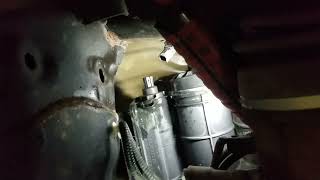
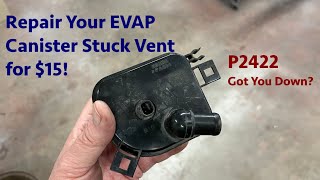
How to confirm: If the vent tube is clear, test the valve. Use a capable OBD-II scanner to command the valve to open and close; listen for a click. Alternatively, remove the valve, apply 12V directly to its terminals, and listen for it to actuate. 🎬 Watch: A simple walkthrough for diagnosing the P2422 code. If it doesn't click, it has failed.
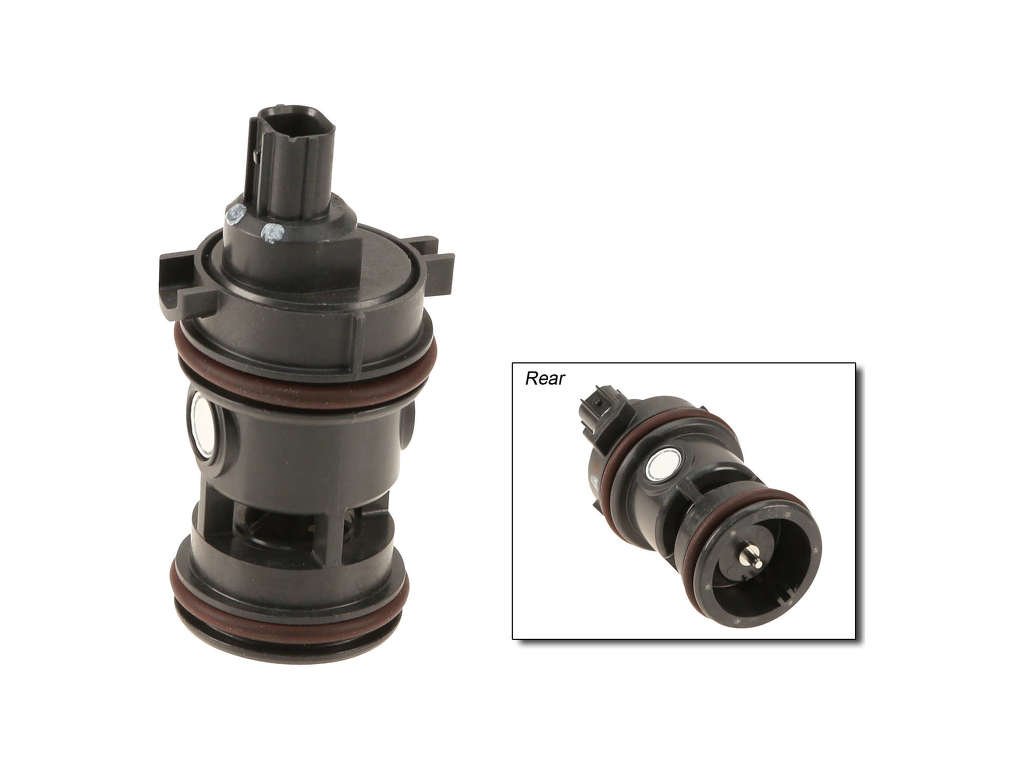
Typical fix: Replace the EVAP canister vent shut valve. It is typically mounted directly on the charcoal canister and can be removed by twisting it. 🎬 Watch: See the easy way to remove the vent valve solenoid.
Est. part cost: $35-$110 - Damaged Wiring or Connector ⚪ Low Probability
How to confirm: Visually inspect the wiring harness and connector leading to the vent valve for any signs of corrosion, breaks, or loose pins. Use a multimeter to check for proper voltage and ground at the connector when the valve is commanded on by a scanner.
Typical fix: Repair or replace the damaged section of wiring or the connector.
Est. part cost: $5-$25
Rare But Worth Checking
- Failed Charcoal Canister: If the canister's internal charcoal media breaks down, it can create a blockage that mimics a stuck vent valve. This can sometimes happen if the fuel tank is habitually overfilled or if water enters the system.
- Water Intrusion in EVAP System: Driving through deep water can force moisture into the EVAP canister or vent lines. One owner on Reddit reported that after driving through a deep puddle, the P2422 code appeared and was only resolved by replacing both the vent valve and the entire charcoal canister.
- Faulty Powertrain Control Module (PCM): This is extremely rare. The PCM is the last item to suspect after all other possibilities, including wiring, have been exhaustively checked.
Diagnosis Steps
- Read the code with an OBD-II scanner to confirm P2422 is present.
- Put the vehicle on a lift or jack stands for access. The EVAP canister is located under the vehicle, near the driver's side, sometimes protected by a plastic cover or metal cage held on by 10mm or 11mm bolts.
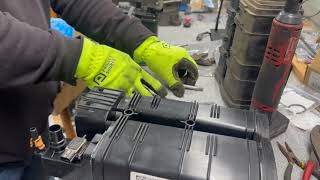
- Following Honda TSB A20-056, the first step is to inspect the EVAP vent hose and drain box for blockages. Disconnect the hose from the canister. Tap it to see if fine dust falls out. 🎬 See how to clear a clogged vent tube for a cheap fix. Use compressed air to blow it out. Check the drain box for spider webs or dirt.
- If the hose is clear, inspect the wiring and connector for the vent valve solenoid for any damage or corrosion.
- Test the vent valve. With a bi-directional scanner, command the vent valve to open and close. You should hear an audible click. If no scanner is available, remove the valve and apply a 12V power source to its pins to check for actuation.
- If the valve does not click when tested, it is faulty and needs to be replaced.
- If the valve tests good and the hose is clear, the issue may be a blockage within the charcoal canister itself (often from water/fuel saturation) or a wiring problem between the PCM and the valve.
- After any repairs, clear the code with the scanner and drive the vehicle, or run the EVAP system function test with a capable scanner, to ensure the Check Engine Light does not return.
Parts You'll Likely Need
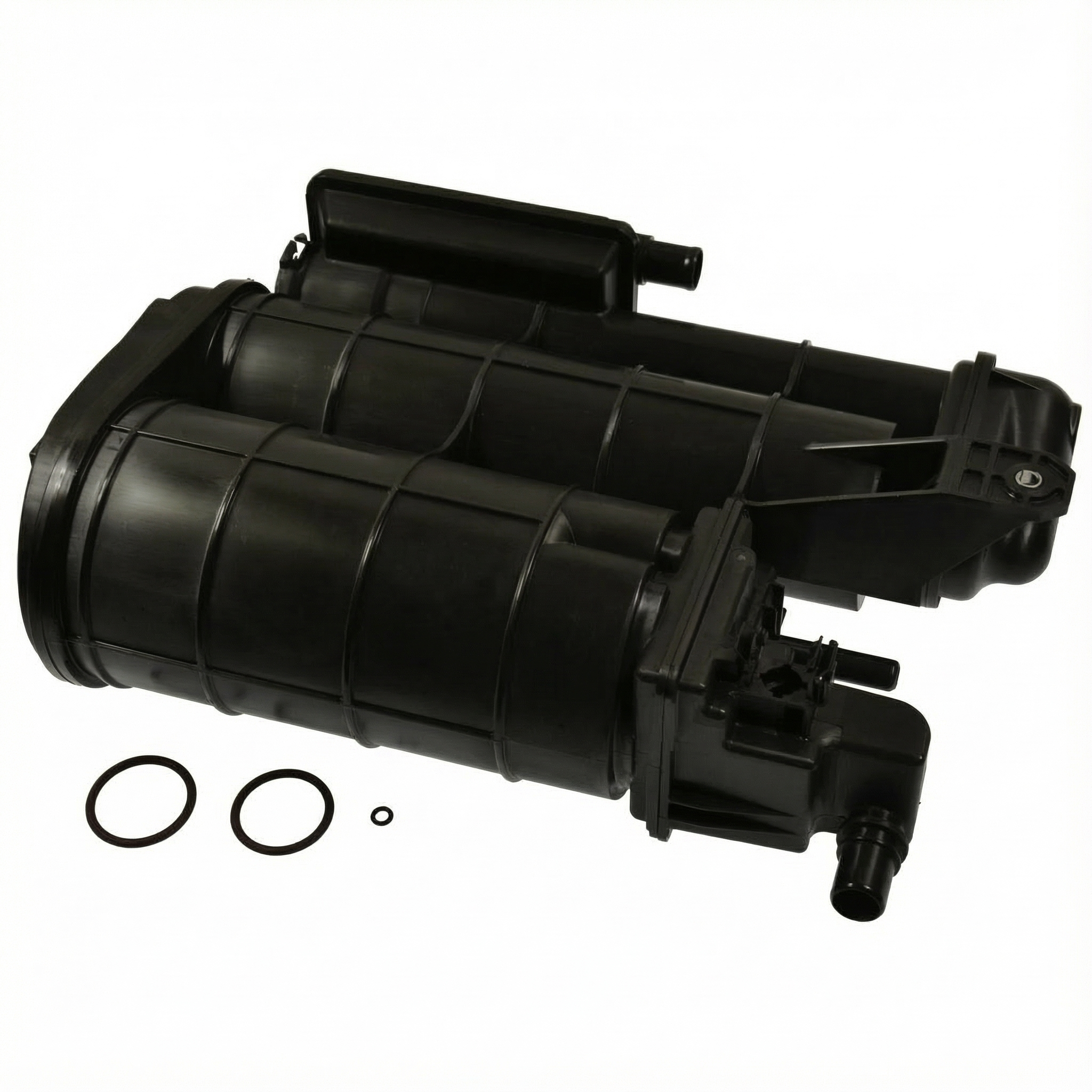
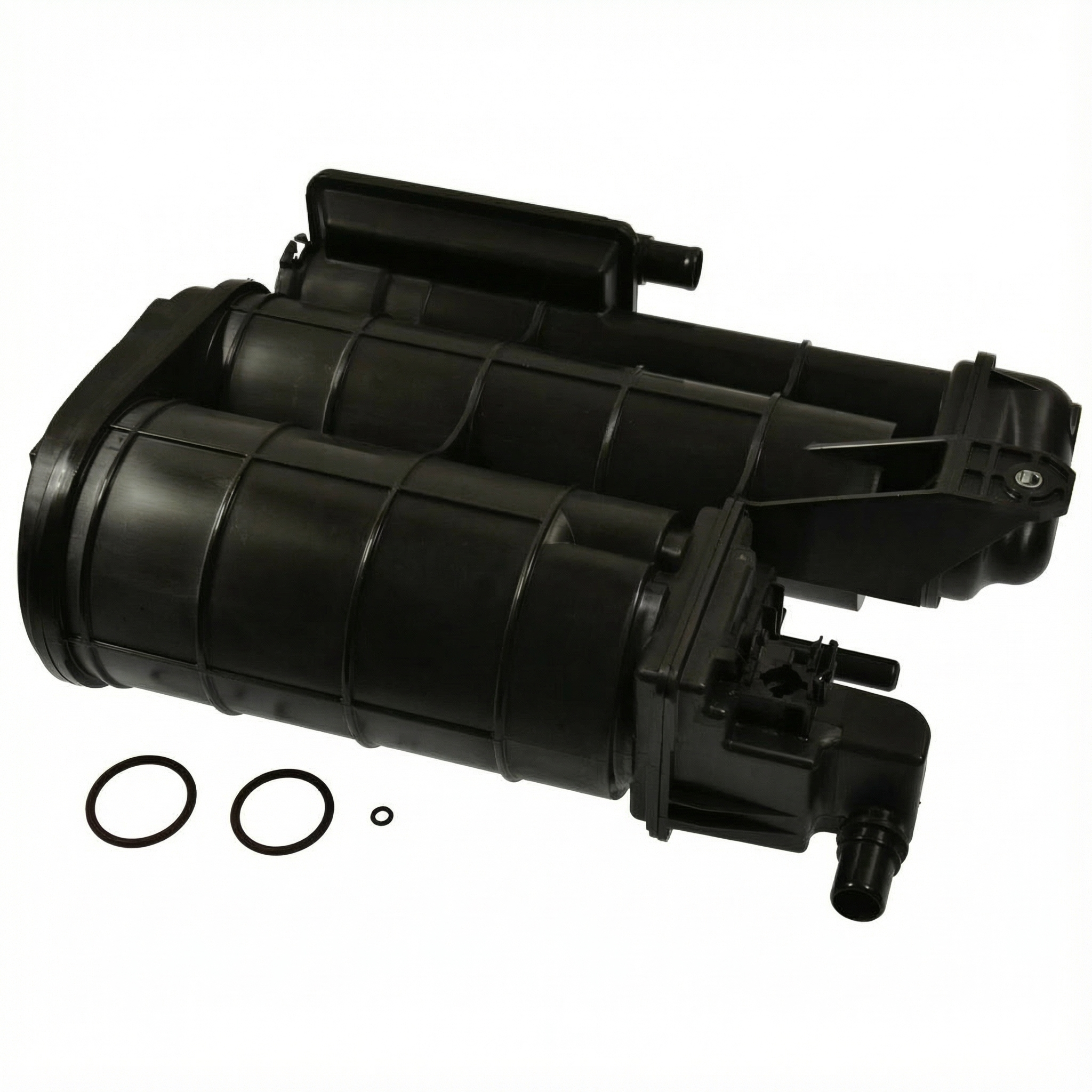
- EVAP Canister Vent Shut Valve
(OEM #17011-T6Z-A00)— This is the solenoid that the code directly points to. If it fails the internal test or is mechanically stuck, it must be replaced. It is often sold as part of the complete canister assembly.
Trusted brands: Honda (Genuine), Dorman, Standard Motor Products, Wells
OEM price range: $70-$110
Aftermarket price range: $35-$70 - EVAP Canister Set
(OEM #17011-TZ5-A01 (2016-2019) or 17011-TG7-A11 (2020-2022))— Per TSB A20-056, if the vent tube is clogged, Honda's official repair is to replace the entire canister assembly and add a drain kit. This is also necessary if the canister itself is saturated with fuel or water.
Trusted brands: Honda (Genuine)
OEM price range: $180-$260 - EVAP Canister Vent Hose (Fuel Drain Tube)
(OEM #17743-T6Z-A30)— As per TSB A20-056, this hose is the most likely place for a blockage to occur. While it can often be cleaned, it may need replacement if it is brittle, cracked, or permanently blocked.
Trusted brands: Honda (Genuine)
OEM price range: $15-$25
Technical Service Bulletins (TSBs) & Recalls
- A20-056 (Version 4, June 30, 2022): The MIL comes on with DTC P2422 (EVAP canister vent shut valve stuck closed malfunction). Dirt may be clogging the EVAP canister vent tube. Applies to 2016-22 Pilot and 2019-22 Passport.
Platform-Specific Known Issues
- Honda Technical Service Bulletin A20-056 explicitly states that for the P2422 code, the primary cause is often dirt clogging the EVAP canister vent tube. The bulletin was updated multiple times, eventually covering 2016-2022 Pilot and 2019-2022 Passport models.
- The official corrective action in TSB A20-056 involves inspecting the tube and, if clogged, replacing the entire canister set and installing a 'Canister Drain Kit' (P/N 06171-TG7-305) to prevent future issues.
Mechanic-Grade Diagnostic Values
- Fuel Tank Pressure (FTP) Sensor Voltage/Pressure — expected: 0.67 to 1.33 kilopascals with ignition ON, before the purge cycle starts.. Failure: If the FTP sensor values are outside this range, it may indicate a faulty sensor or an internal canister blockage. If excessive vacuum is detected at engine start, the PCM may set both P2422 and P1454.
- EVAP Vent Valve Connector Voltage — expected: With the ignition ON and the connector unplugged, the power feed pin should have battery voltage (approx. 12V).. Failure: If there is no voltage on the power feed pin, there is an open circuit in the wire leading to the fuse box.
Hidden / Shadow Codes Worth Checking
- P1454: FTP Sensor Range/Performance Problem. Under conditions of excessive vacuum at startup, the PCM may have difficulty distinguishing between a stuck vent valve (P2422) and a faulty FTP sensor (P1454). (see via A standard OBD-II scanner will show this code. The PCM may store both P2422 and P1454 as Pending or Confirmed DTCs when this specific fault condition occurs.)
Scan Tool Commands That Help
- Honda HDS (or capable bidirectional scanner): EVAP System Test / CVS Test — Use this active test to command the EVAP Canister Vent Shut Valve (CVS) ON and OFF. You should hear an audible click from the valve as it actuates. A lack of a click indicates the valve is mechanically stuck or has failed electrically, confirming the need for replacement.
Wiring & Ground Locations
- EVAP Canister Vent Shut Valve Connector — Under the vehicle on the driver's side, attached to the EVAP charcoal canister. The canister is typically behind a plastic or metal protective cover.. This is the electrical connection for the component flagged by the P2422 code. It is a 2-pin connector. A common failure is for a wire to break inside the insulation right at the connector, which is not visible but creates an open circuit.
Real Owner Repair Stories
- Reddit r/Honda user (2020 Honda Accord (similar EVAP design)) — P2422 code appeared after driving through a deep puddle.
❌ Tried (didn't work) Replacing only the vapor canister vent valve., Draining and blowing out the original canister.
✅ What actually fixed it Replacing both the charcoal canister and the vent valve together solved the issue, suggesting water intrusion damaged the canister's internal media. - Classic Automotive NC YouTube Channel (2008 Honda Element (similar EVAP design and failure mode)) — P2422 code returned after initial repairs.
❌ Tried (didn't work) Replacing the faulty vent solenoid alone. The code returned a day later despite the new part passing a functional test.
✅ What actually fixed it Replacing the entire charcoal canister in addition to the new vent valve. A smoke test revealed the canister itself was clogged and severely restricting flow, which caused the new valve to still trigger a code. - CDK Automotive YouTube Channel (Honda Ridgeline (similar EVAP system)) — P2422 code after the vehicle sat unused for a year. The vent valve was confirmed to be stuck and not actuating with 12V applied.
✅ What actually fixed it The mechanic successfully repaired the original valve instead of replacing it. The valve was removed, filled repeatedly with MAF sensor cleaner, shaken, and manually actuated until it began to click freely again when 12V was applied. This cleared the code.
"I Checked Everything" — The Actual Cause
- In one documented repair, a smoke test did not reveal any leaks, which would normally suggest the system is sealed. However, the mechanic correctly used the smoke machine to diagnose a flow restriction. Before repairs, only a minimal amount of smoke could pass through the system and out the vent. After replacing a clogged charcoal canister, the smoke flow was exponentially greater. This shows that for P2422, a smoke test can be more valuable for confirming a blockage than for finding a leak.
When the Usual Fixes Don't Work
- While the official TSB focuses on cleaning a clogged vent tube, multiple owner and mechanic reports show this is often not enough. In cases involving water intrusion or when the code returns after cleaning the tube and replacing the valve, the root cause is frequently a saturated or internally blocked charcoal canister. The final, successful repair in these cases required replacing the entire canister assembly along with the vent valve.
Model Year Variations Within This Range
- 2016-2019 vs 2020-2022: The entire EVAP Canister Assembly has a different part number depending on the model year. 2016-2019 models typically use P/N 17011-TZ5-A01, while 2020-2022 models use P/N 17011-TG7-A11. This is critical to know if replacing the entire canister is necessary.
Helpful Videos
Used OEM Parts in Stock
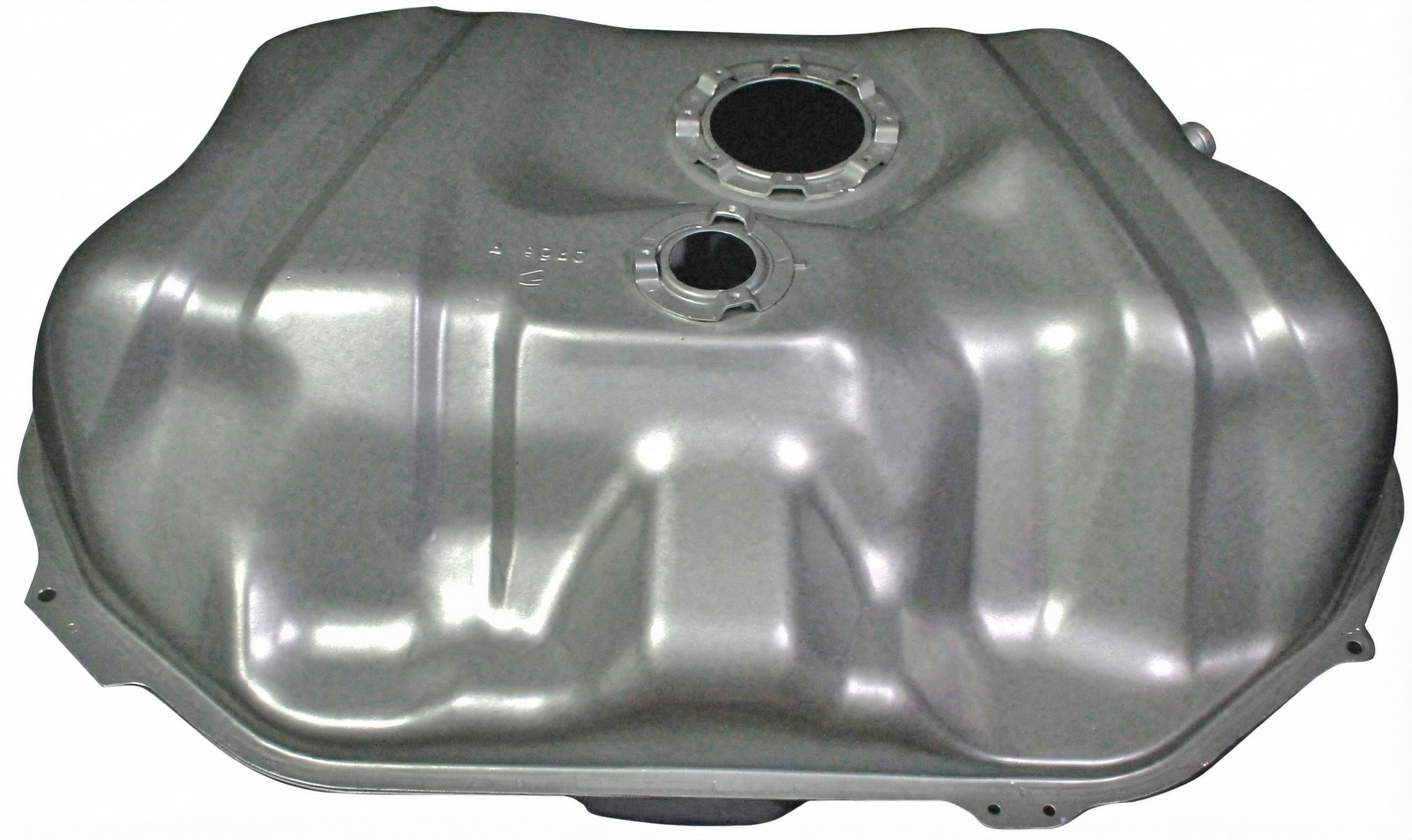
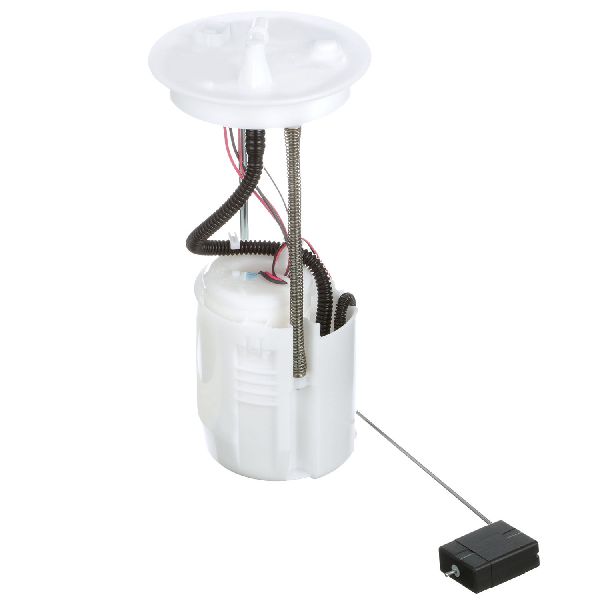
New Aftermarket Parts Available


The information in this article is provided for general reference and educational purposes only. Vehicle specifications, procedures, and part compatibility can vary by production date, trim level, and region. Always consult your vehicle's factory service manual and verify part numbers before purchasing or performing repairs. Safety-critical components such as airbags, seat belts, and braking systems should be installed by a qualified professional.
- Honda PILOT:
- 🎬 Helpful Videos
- 🛍️ Shop This Part
- What's Unique About the 2016-2022 Honda PILOT
- Diagnostic Flowchart
- Symptoms You May Notice
- Most Likely Causes
- Rare But Worth Checking
- Diagnosis Steps
- Parts You'll Likely Need
- Technical Service Bulletins (TSBs) & Recalls
- Platform-Specific Known Issues
- Mechanic-Grade Diagnostic Values
- Hidden / Shadow Codes Worth Checking
- Scan Tool Commands That Help
- Wiring & Ground Locations
- Real Owner Repair Stories
- "I Checked Everything" — The Actual Cause
- When the Usual Fixes Don't Work
- Model Year Variations Within This Range
- 🎟️ Get 5% Off