

P2420 on 2014-2017 Toyota Corolla: EVAP Pressure Switching Valve Stuck Off Causes and Fixes
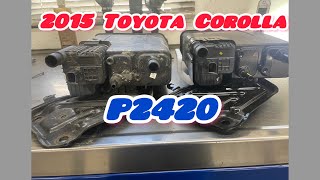
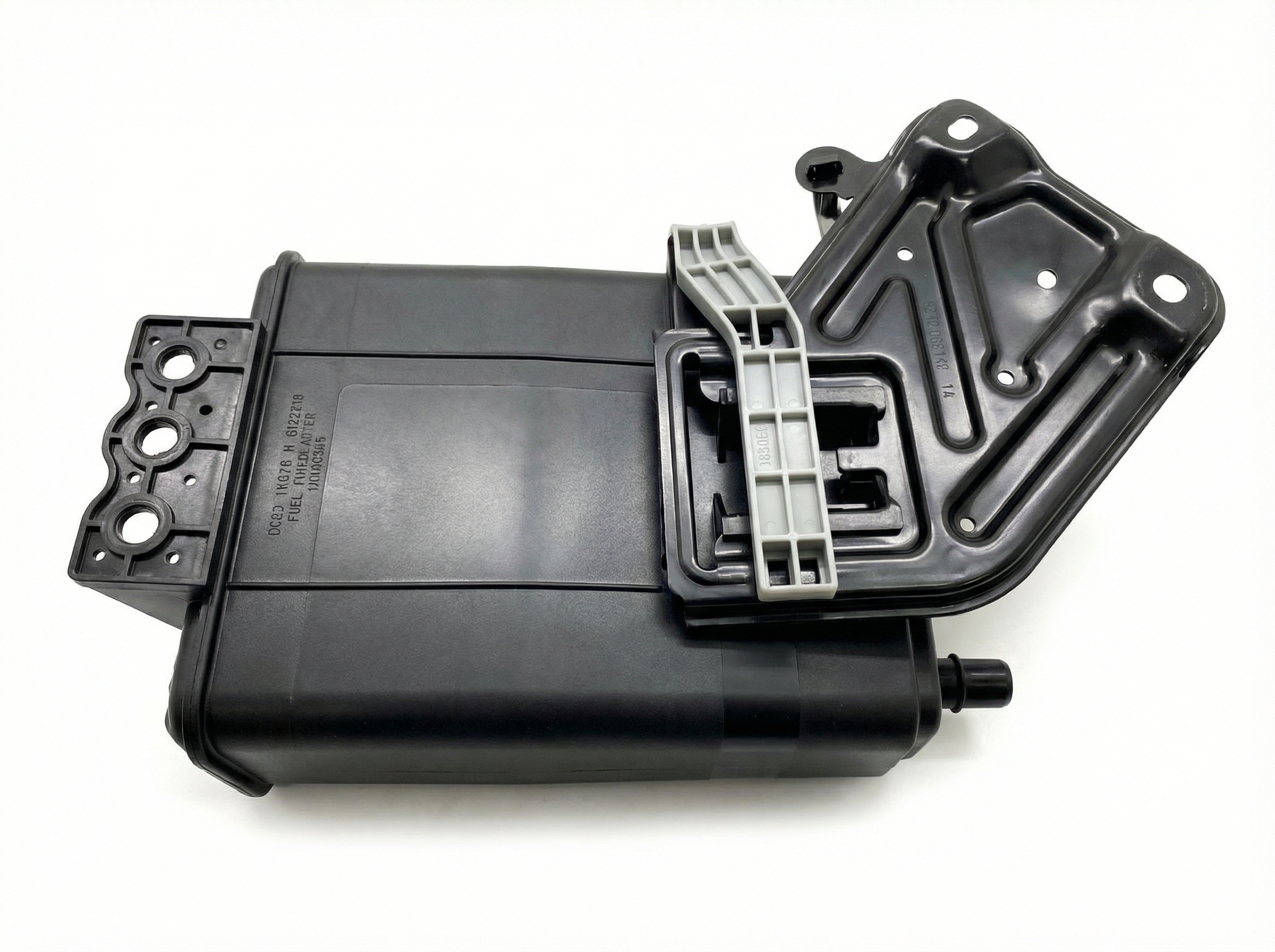
On a 2014-2017 Corolla, P2420 almost always points to a failed component within the charcoal canister assembly. This is a well-documented issue addressed by Toyota Technical Service Bulletin T-SB-0024-15 Rev1. The official fix involves replacing the charcoal canister and adding a protective filter to prevent dust and water intrusion, which is the root cause of the failure.
- P2420 on a 2014-2017 Corolla is a very specific, known issue.
- The problem is almost certainly a failed pressure switching valve located inside the charcoal canister assembly at the rear of the car, often due to moisture/salt corrosion.
- Do not misdiagnose this as a problem with the purge valve under the hood or a loose gas cap.
- The correct, long-term fix is to replace the charcoal canister (P/N 77740-02220) and add the protective filter (P/N 77706-12020) as per Toyota's TSB T-SB-0024-15_Rev.
- This is a manageable DIY repair for those with basic tools, mainly involving access to the rear driver's side of the vehicle.
What's Unique About the 2014-2017 Toyota COROLLA

This isn't a random or generic failure on the 11th generation Corolla. Toyota explicitly acknowledged this problem in Technical Service Bulletins (TSBs). The original design was prone to failure from moisture and salt corrosion getting into the valve assembly. This led Toyota to issue a revised repair procedure that includes not only replacing the faulty part but also adding an extra filter to prevent recurrence. This makes diagnosis more straightforward than on other vehicles where P2420 might have numerous possible causes.
Diagnostic Flowchart

Tap your situation to follow the diagnostic path that matches what you're seeing on this vehicle.
Symptoms You May Notice
- Check Engine Light (MIL) is on.
- Possible failure to pass a vehicle emissions test.
- In some related cases, difficulty refueling (the gas pump nozzle clicks off prematurely).
- Slightly rough idle or drop in RPMs when stopped in traffic.
- In rare cases, if the failure leads to other EVAP system issues, a fuel smell may be noticeable.
- Replacing only the purge valve under the hood. The P2420 code on this Corolla refers to the pressure switching valve located at the rear of the vehicle as part of the charcoal canister, not the purge valve in the engine bay.
- Replacing the gas cap. While a common fix for general EVAP codes, owners report that for P2420 on this vehicle, replacing the gas cap does not solve the issue.
Most Likely Causes

- Failed Charcoal Canister / Pressure Switching Valve Assembly 🔴 High Probability This is a known design flaw acknowledged by Toyota in TSB T-SB-0024-15 and its revision. The valve is integrated into the charcoal canister assembly, which is susceptible to internal corrosion from moisture and road salt, causing it to fail. The TSB is the manufacturer's admission of this common problem.
How to confirm: Confirm the presence of DTC P2420 using an OBD-II scanner. Given the high probability, following the diagnostic procedure outlined in TSB T-SB-0024-15 Rev1 is the most reliable path. A visual inspection may reveal a crack in the canister housing itself. A simple bench test involves applying 12V to the solenoid pins; a lack of an audible 'click' indicates a mechanically jammed solenoid.
Typical fix: Replace the entire charcoal canister assembly and install a new, additional filter sub-assembly per Toyota TSB T-SB-0024-15_Rev. This is the definitive, long-term solution.
Est. part cost: $400-$600 - Wiring Harness or Connector Damage ⚪ Low Probability The wiring harness leading to the canister is located in the trunk area on some models and can be damaged by items shifting or by corrosion.
How to confirm: Visually inspect the wiring harness and connector leading to the charcoal canister assembly (located at the rear driver's side) for any signs of corrosion, breaks, or rodent damage. Test for proper voltage (9-14V) and ground at the connector pins with a multimeter, as detailed in some diagnostic procedures.
Typical fix: Repair or replace the damaged section of the wiring harness or the connector.
Est. part cost: $10-$50
Rare But Worth Checking
- Powertrain Control Module (PCM) Fault: This is extremely rare. Before suspecting the PCM, all other possibilities, especially the charcoal canister assembly and wiring, must be exhaustively ruled out.
- Loose or Faulty Gas Cap: While a loose gas cap can cause other EVAP codes, it is an unlikely cause for the specific P2420 code, which points to a valve circuit failure. However, it is a simple and free check to perform first.
Diagnosis Steps
- Connect an OBD-II scanner to confirm that P2420 is the active code. Note any other accompanying codes like P0441.
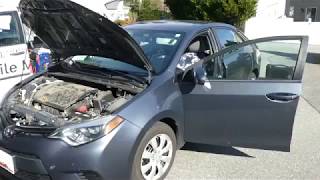
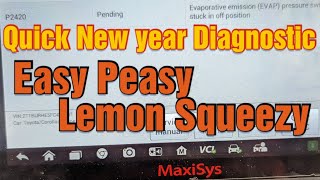
- Check that the gas cap is tight and the seal 🎬 Watch: Diagnostic tips for troubleshooting the P2420 code. is not cracked. Clear the code and drive to see if it returns. If it does, proceed.
- Verify the applicability of Toyota TSB T-SB-0024-15_Rev, which covers 2014-2018 Corollas with the 2ZR-FE or 2ZR-FAE engine.
- If the TSB applies, the official and most direct procedure is to replace the charcoal canister assembly and install the new filter sub-assembly.
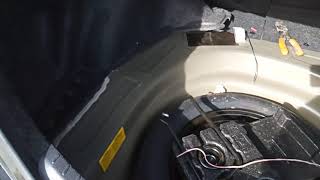
- For further verification, locate the charcoal canister at the rear of the vehicle, behind the driver's side rear wheel.
- Visually inspect the canister, its hoses, and the electrical connector for any obvious damage, cracks, or corrosion. Overfilling the fuel tank can flood the canister with liquid fuel, causing damage.
- Inspect the wiring harness in the trunk area for any breaks or damage, as this has been reported as a failure point.
- If the visual inspection passes, use a multimeter to check for correct voltage (9-14V) and ground at the component's electrical connector. You can also check the resistance across the solenoid pins; one owner measured ~27 ohms on a failed unit.
- If wiring is confirmed to be good, the failure is internal to the canister assembly, requiring replacement as per the TSB. 🎬 Watch: Step-by-step walkthrough for replacing the charcoal canister.
Parts You'll Likely Need
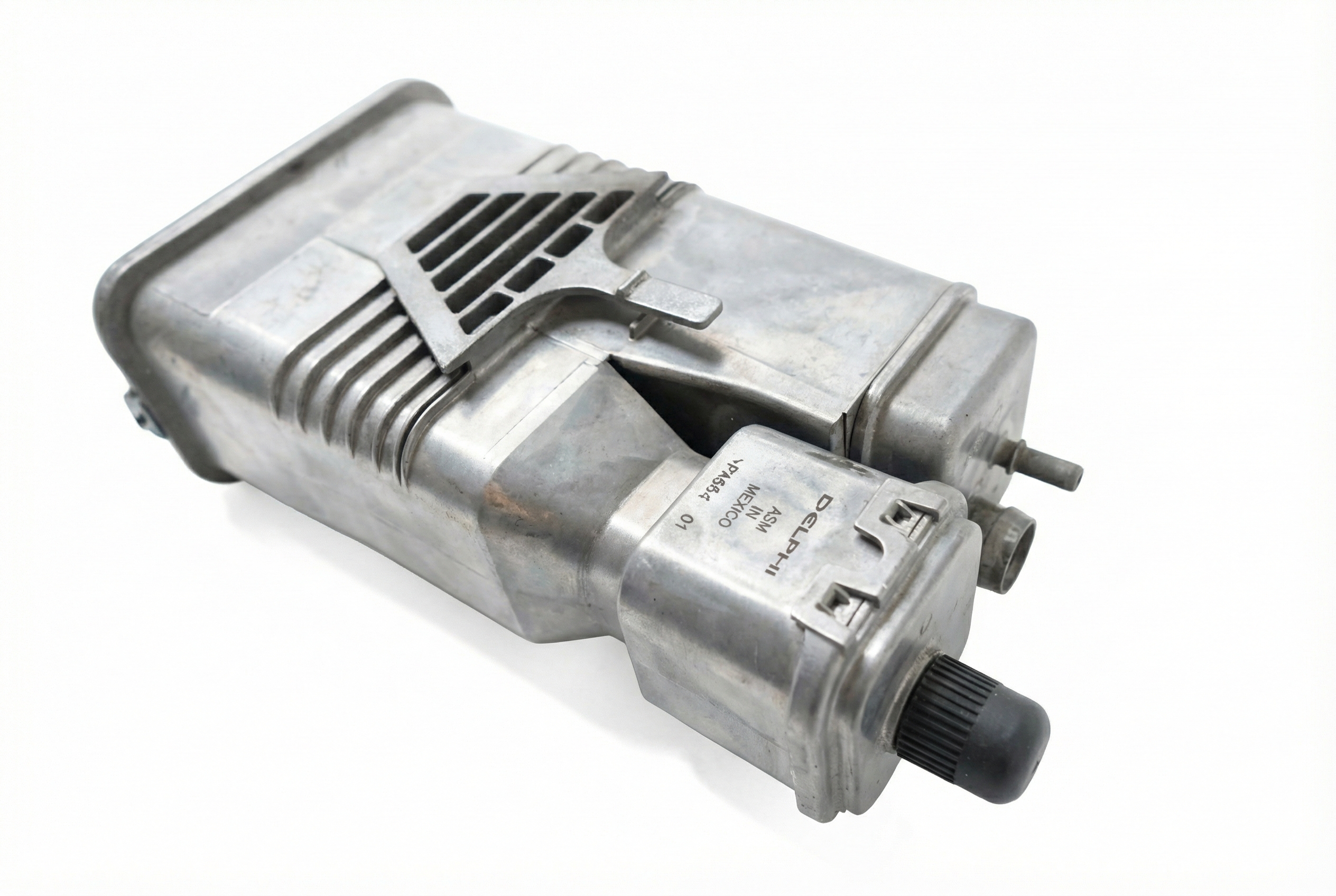
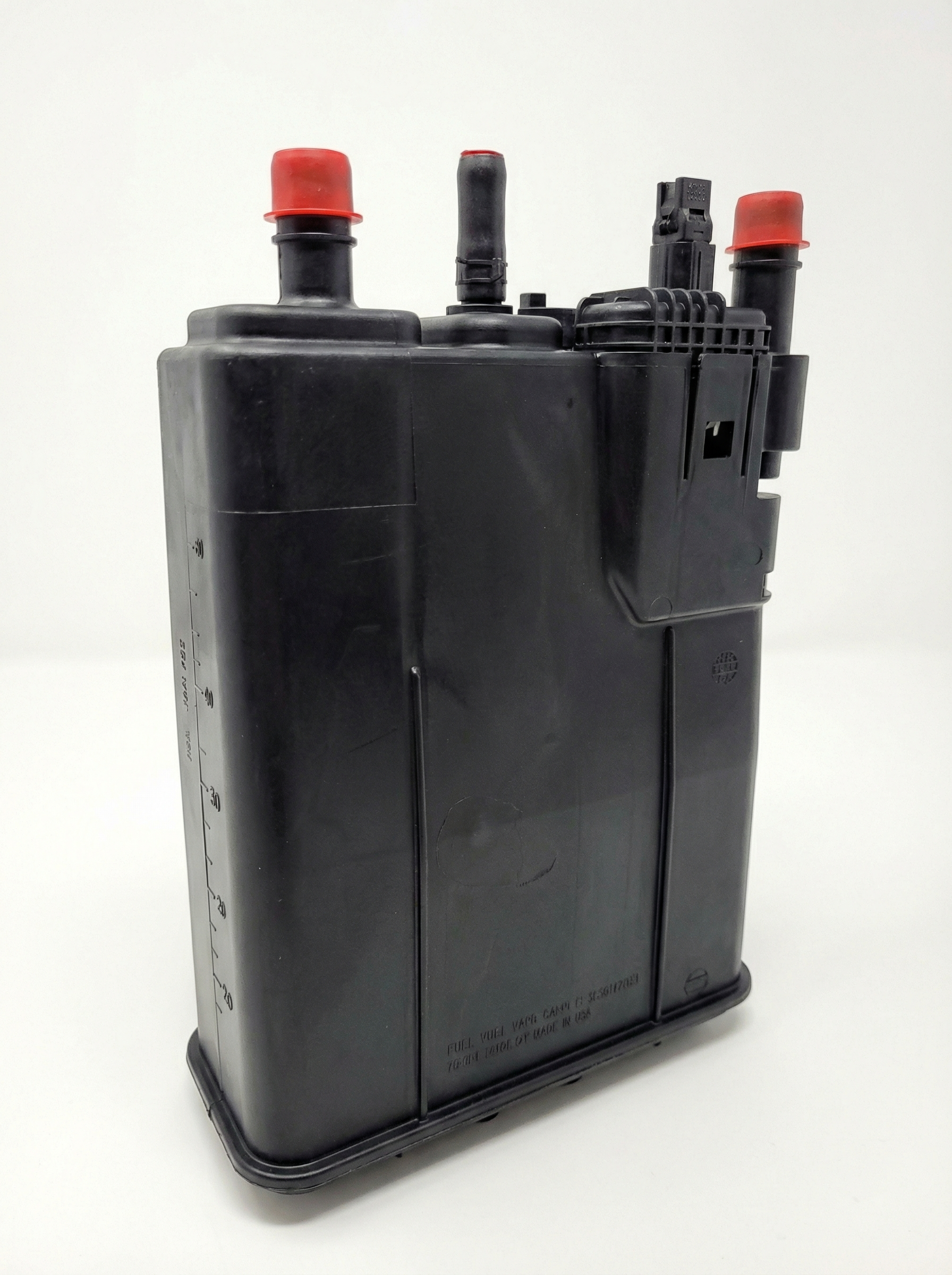
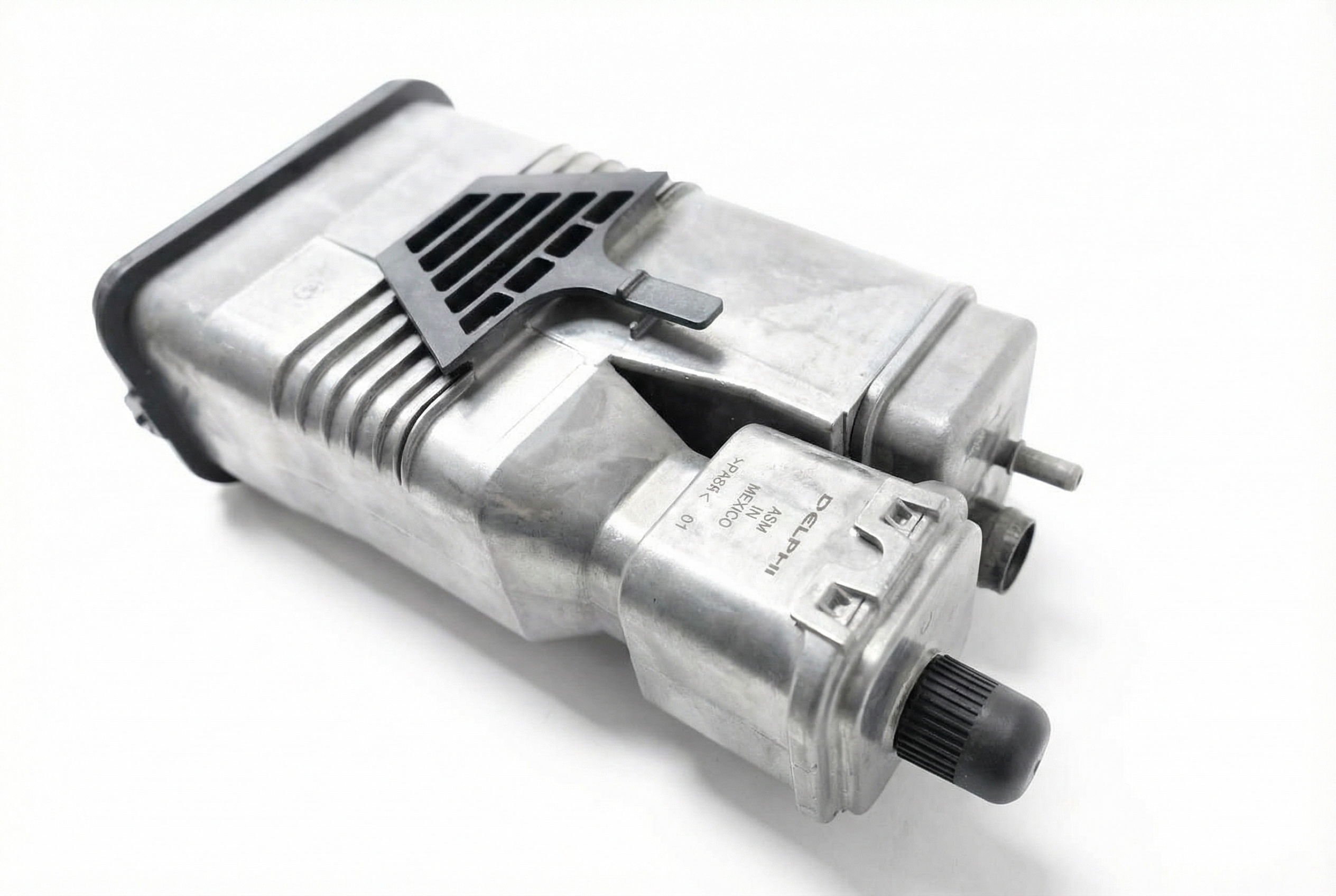
- Charcoal Canister Assembly
(OEM #77740-02220)— This assembly contains the pressure switching valve that fails and triggers the P2420 code. It is the official fix recommended by Toyota's TSB.
Trusted brands: Toyota (Genuine OEM)
OEM price range: $330-$600
Aftermarket price range: $250-$450 - Filter Sub-Assembly
(OEM #77706-12020)— This is an additional filter Toyota specified in TSB T-SB-0024-15_Rev to be installed with the new canister to prevent future failures from moisture and dust.
Trusted brands: Toyota (Genuine OEM)
OEM price range: $30-$50
Aftermarket price range: $20-$40 - Clamp or Cable Tie
(OEM #90463-13003)— The TSB calls for a new clamp or an equivalent 7.5-inch nylon cable tie to secure the new filter assembly's lines.
Trusted brands: Toyota (Genuine OEM), Generic Nylon Cable Tie
OEM price range: $5-$10
Aftermarket price range: <$1
Related Codes That Often Appear With This One
- P0441 (Evaporative Emission Control System Incorrect Purge Flow) may occasionally appear alongside P2420.
Technical Service Bulletins (TSBs) & Recalls
- T-SB-0024-15_Rev: 'MIL 'ON' DTC P2420' - Updated bulletin extending the model years to 2018 and providing the definitive repair procedure involving canister and filter replacement.
- T-SB-0024-15: The original bulletin for 2014-2015 models identifying the P2420 issue and repair.
Platform-Specific Known Issues
- Toyota issued Technical Service Bulletin T-SB-0024-15_Rev, which states that 2014-2018 Corolla models may exhibit a MIL 'ON' condition with DTC P2420 (Evaporative Emission Pressure Switching Valve Stuck Off). The bulletin provides a specific repair procedure to address this known condition.
- The root cause identified in DIY communities and implied by the TSB is moisture and salt intrusion into the valve assembly on the canister, causing corrosion and failure.
Mechanic-Grade Diagnostic Values
- Pressure Switching Valve Solenoid Resistance — expected: Service manual specification is not available, but a known-bad (mechanically stuck) valve measured approximately 27 ohms.. Failure: An open circuit (infinite resistance) or a direct short (near-zero resistance). A mechanically failed valve may still show resistance but will not 'click' when 12V is applied.
- Vapor Pressure Sensor Signal Voltage (at sensor) — expected: Approximately 3.33 Volts at normal atmospheric pressure (e.g., when the gas cap is removed).. Failure: Voltage that does not change when the system is supposed to be switching between the tank and canister, or a reading that is significantly different from the expected value at atmospheric pressure.
- Switching Valve Control Circuit Voltage (at connector) — expected: Less than 0.5V when the valve is commanded OFF by the PCM.. Failure: A reading significantly above 0.5V (e.g., 5V or battery voltage) when the valve should be off, indicating a short to power or a faulty PCM driver.
Scan Tool Commands That Help
- Toyota Techstream (or equivalent professional scan tool): Evaporative System Check (Automatic Test) — This is a critical diagnostic step to verify a repair without waiting. The EVAP monitor normally only runs 5+ hours after the vehicle is turned off. This function forces the leak detection pump and valves to operate, simulating the system's self-test to confirm if the fault is still present or has been fixed.
- Toyota Techstream (or equivalent professional scan tool): Active Test: Activate the VSV for Evap Control — This allows a technician to manually command the pressure switching valve ON and OFF to check for an audible 'click' from the valve and to monitor voltage or pressure changes in real-time, confirming if the valve is responding to commands from the ECM.
Wiring & Ground Locations
- Charcoal Canister Harness (in trunk) — In the trunk, near the driver's side, where the wiring routes towards the canister assembly.. This harness is susceptible to damage from items shifting in the trunk, which can cause a wire to break. A broken wire in this harness has been documented as the root cause of P2420, even when the canister itself is functional.
Real Owner Repair Stories
- YouTube user 'showtime' (2016 Toyota Corolla) — Check Engine Light with codes P2420 and P0441.
❌ Tried (didn't work) Replacing the purge valve under the hood.
✅ What actually fixed it Found a broken black wire in the wiring harness located in the trunk. The wire was spliced back together, which resolved the codes without needing to replace the expensive charcoal canister. - Toyota Yaris Forums user (2014 Toyota Yaris (183k miles) - similar EVAP system design) — Check Engine Light with P2420, EVAP monitor not completing.
❌ Tried (didn't work) Clearing codes (they would return as pending).
✅ What actually fixed it The owner bench-tested the valve on the canister by applying 12V; it did not 'click', indicating it was mechanically jammed. Replacing the entire charcoal canister assembly with an OEM part fixed the problem and allowed the EVAP monitor to complete. - Reddit user 'Evap-System-Help' (2017 Toyota Corolla LE) — Check Engine Light with codes P2420 and P0441.
❌ Tried (didn't work) Replacing the gas cap., Replacing the purge valve., Replacing the charcoal canister.
✅ What actually fixed it The issue remained unresolved after replacing both the purge valve and the charcoal canister, strongly suggesting the actual cause is a wiring issue or a PCM fault, which the previous mechanics missed. This serves as a counter-example to the canister being the only fix.
"I Checked Everything" — The Actual Cause
- In cases where the fault is electrical, such as a broken wire in the trunk harness, a standard EVAP smoke test will show no leaks. The system is physically sealed, but the P2420 code is triggered because the Engine Control Module cannot electrically operate the pressure switching valve. Technicians relying solely on a smoke test for an EVAP code may miss this electrical failure.
When the Usual Fixes Don't Work
- While the TSB and high failure rate make the charcoal canister the primary suspect, it is not the only possible cause. There are documented cases where replacing the canister did not solve the P2420 code. In one instance, a 2016 Corolla's issue was ultimately traced to a broken wire in the trunk harness after a new purge valve failed to fix the problem. In another case, a 2017 Corolla had both the purge valve and charcoal canister replaced, yet the code persisted, pointing towards a more elusive wiring or PCM issue. This highlights the importance of performing a full circuit diagnosis rather than immediately replacing the canister based on the TSB alone.
OEM Part Supersession History
77740-02220→No supersession found. This appears to be the current part number.— N/A77706-12020→No supersession found. This appears to be the current part number for the add-on filter kit.— N/A
Model Year Variations Within This Range
- 2014-2018: The TSB (T-SB-0024-15) was initially released for 2014-2015 models. It was later revised (T-SB-0024-15_Rev) to include 2016-2018 model years, indicating the problem is common across the entire range covered by the bulletin. No significant part changes related to this specific issue have been noted within this range, including after the 2017 model year facelift.
Helpful Videos
Used OEM Parts in Stock


New Aftermarket Parts Available


The information in this article is provided for general reference and educational purposes only. Vehicle specifications, procedures, and part compatibility can vary by production date, trim level, and region. Always consult your vehicle's factory service manual and verify part numbers before purchasing or performing repairs. Safety-critical components such as airbags, seat belts, and braking systems should be installed by a qualified professional.
- Toyota COROLLA:
- 🎬 Helpful Videos
- 🛍️ Shop This Part
- What's Unique About the 2014-2017 Toyota COROLLA
- Diagnostic Flowchart
- Symptoms You May Notice
- Most Likely Causes
- Rare But Worth Checking
- Diagnosis Steps
- Parts You'll Likely Need
- Related Codes That Often Appear With This One
- Technical Service Bulletins (TSBs) & Recalls
- Platform-Specific Known Issues
- Mechanic-Grade Diagnostic Values
- Scan Tool Commands That Help
- Wiring & Ground Locations
- Real Owner Repair Stories
- "I Checked Everything" — The Actual Cause
- When the Usual Fixes Don't Work
- OEM Part Supersession History
- Model Year Variations Within This Range
- 🎟️ Get 5% Off