

P2407 on 2017-2020 Volkswagen Jetta: EVAP Leak Detection Pump Circuit Fixes
This code points to an electrical issue with the EVAP Leak Detection Pump (LDP), not a physical leak. The most common cause is a corroded electrical connector or a failed LDP assembly located near the fuel tank. Expect to pay $150-$300 for a replacement pump.
- P2407 is an electrical fault code related to the Leak Detection Pump's (LDP) sensor, not a physical leak in the EVAP system.
- Before buying parts, inspect the LDP's electrical connector in the rear passenger wheel well for corrosion, which is a very common cause.
- The most likely part to fail is the Leak Detection Pump itself.
- This issue will cause an automatic failure of an emissions test, so it must be repaired to stay compliant.
- Do not waste time or money on a smoke test or replacing the gas cap for this specific code.
What's Unique About the 2017-2020 Volkswagen JETTA

On many modern Volkswagen models built on the MQB platform, including the Jetta, Golf, and Tiguan, the Leak Detection Pump (LDP) is mounted underneath the vehicle near the rear passenger-side wheel well. This location exposes the pump and its electrical connector to significant road grime, water, and salt, leading to a high rate of corrosion-related failures for the P2407 code. While the pump itself can fail internally, the primary point of failure is often the external wiring and connector pins turning into 'green crusties'. Some VW/Audi models have also had TSBs issued for overly sensitive OBD diagnostics that can erroneously trigger a P2407, requiring a software update to fix.
Diagnostic Flowchart

Tap your situation to follow the diagnostic path that matches what you're seeing on this vehicle.
Generation note: The 2017-2020 range covers the end of the Jetta A6 (2017-2018) and the beginning of the A7 (2019-2020) generations. The function and location of the Leak Detection Pump are similar across these generations, and the common causes for P2407 apply to both. The provided TSBs confirm the code's relevance for 2018, 2019, and 2020 models. The LDP itself may have different part numbers between these generations.
Symptoms You May Notice
- Check Engine Light is on.
- Inability to pass an emissions inspection because the EVAP monitor will not set to 'Ready'.
- A faint fuel odor may be noticeable near the rear of the vehicle.
- Replacing the gas cap. While a bad gas cap can cause other EVAP codes (like for a small or large leak), P2407 is an electrical circuit code and is not caused by a physical leak.
- Replacing the EVAP Purge Valve (N80 valve). This is another common EVAP component but is located in the engine bay and will typically set different trouble codes.
- Performing a smoke test. A smoke test is used to find physical leaks in the EVAP system. P2407 points to an electrical fault, so a smoke test is not a useful diagnostic step for this specific code.
Most Likely Causes

- Corroded or Damaged Leak Detection Pump (LDP) Electrical Connector 🔴 High Probability The LDP is located under the car near the rear wheel, where it is exposed to water, road salt, and debris, causing the connector pins to corrode and lose their connection. This is the most common cause of an intermittent or erratic signal.
How to confirm: Visually inspect the electrical connector for the LDP, located near the charcoal canister in the passenger-side rear wheel well. Look for green or white crusty deposits, bent pins, or moisture inside the connector. Wiggling the connector while monitoring live data on a scan tool may show the signal cutting in and out.
Typical fix: Clean the connector terminals with an electrical contact cleaner and a small brush. If corrosion is severe, the connector pigtail may need to be cut out and a new one spliced in. Apply dielectric grease before reconnecting to prevent future moisture intrusion.
Est. part cost: $0-$40 - Failed Leak Detection Pump (LDP) 🔴 High Probability The internal reed switch or pump mechanism can fail from age and millions of cycles, causing it to send an erratic signal. This is a common replacement part for this code on VWs.
How to confirm: After confirming the wiring and connector are good, the pump itself is the likely culprit. A scan tool capable of performing an EVAP system test can command the pump to run, but if the sense circuit is the issue, the pump may not respond or report correctly. Swapping the part is the most common confirmation method for DIYers.
Typical fix: Replace the entire Leak Detection Pump assembly. It is typically mounted to the charcoal canister with three screws or bolts. 🎬 Watch: A quick guide to accessing and swapping the LDP
Est. part cost: $150-$300 - Damaged Wiring Harness 🟡 Medium Probability The wiring leading to the LDP can be damaged by road debris, improper jacking, or rodents. The harness runs along the underbody and can be susceptible to chafing or breaks.
How to confirm: Perform a continuity and voltage drop test on the wires running from the PCM to the LDP connector. Check for any visible signs of chafing, breaks, or pinch points along the harness.
Typical fix: Repair or splice the damaged section of wire. Ensure the repair is sealed with heat-shrink tubing to prevent moisture from wicking into the wire.
Est. part cost: $5-$25 - Engine Control Module (ECM) Software Glitch ⚪ Low Probability VW and Audi have issued TSBs for certain models where the ECM's diagnostic parameters are too sensitive, causing a false P2407 code to be set, sometimes during refueling.
How to confirm: A dealership or a shop with access to VW's technical service bulletins can check if your vehicle's VIN and software version are affected by a relevant TSB, such as 2063514/1 for the Atlas or 01 24 16 for some Audi models.
Typical fix: The ECM software must be updated by a dealership or a qualified independent shop using specialized equipment. This is not a DIY repair.
Est. part cost: $0-$200
Rare But Worth Checking
- Powertrain Control Module (PCM) Fault: This is extremely rare. The PCM's internal driver circuit for the LDP can fail, but every other possibility, especially wiring and the pump itself, should be exhaustively ruled out before considering PCM replacement.
Diagnosis Steps
- Confirm the code P2407 is present using an OBD-II scanner.
- Raise and safely support the rear of the vehicle. Remove the passenger-side rear wheel.
- Remove the felt fender liner to gain access to the EVAP charcoal canister and Leak Detection Pump (LDP). This usually involves removing several T-25 Torx screws.
- Locate the electrical connector on the LDP. Disconnect it and carefully inspect both the harness side and the pump side for any signs of corrosion (green/white powder), moisture, or bent/damaged pins.
- If corrosion is found, clean the terminals thoroughly with electrical contact cleaner. Apply dielectric grease upon reassembly and clear the codes. If this fixes the issue, the diagnosis is complete.
- If the connector is clean, inspect the wiring harness leading to the pump for any visible damage, chafing, or breaks.
- If no visual faults are found, check for any applicable TSBs related to software updates for P2407 before replacing parts.
- If no TSBs apply, the most likely cause is a failed Leak Detection Pump. Replacing the pump is the next logical step.
- If a new pump does not resolve the issue, a more advanced diagnosis is needed to test the wiring continuity back to the PCM and check for a potential (but rare) PCM fault.
Parts You'll Likely Need
- EVAP Leak Detection Pump
(OEM #7L0-906-243-A (verify by VIN, may vary by year/model))— This component contains the sense circuit that fails, causing the P2407 code. The internal switch wears out or the entire unit fails due to its exposed location.
Trusted brands: Bosch, Dorman, Genuine VW
OEM price range: $200-$300
Aftermarket price range: $80-$220
Related Codes That Often Appear With This One
- P0442 — A small EVAP leak code may be stored alongside P2407 if the computer is able to run a partial test before the LDP signal becomes erratic. The provided TSBs show these codes can appear together. [Bulletin #VIN4APIN20200728, Bulletin #VIN4APIN20200720] 🎬 Watch: How to diagnose and fix related EVAP leak codes
- P2450 — This code for 'EVAP System Switching Valve Performance/Stuck Open' can appear with P2407 as they are both related to the LDP and its associated valving. A user on Reddit reported having these two codes appear together before fixing the issue by replacing the LDP.
Technical Service Bulletins (TSBs) & Recalls

- VIN4APIN20200812: Notes customer complaints of MIL-on with P2407 for 2020 models.
- VIN4APIN20200728: Notes customer complaints of MIL-on with P2407 for 2019 models.
- VIN4APIN20200720: Notes customer complaints of MIL-on with P2407 for 2018 models.
- TSB 2063514 / 01-21-09: Details a software update for VW Atlas models to correct erroneous P2407 faults caused by overly sensitive diagnostics.
- Audi TSB 01 24 16 / 2071770: Describes a similar software update for Audi Q3 and Q5 models to fix 'Leak Detection Pump Current Fluctuating' (P2407) due to sensitive OBD diagnostics.
Platform-Specific Known Issues
- Volkswagen issued several Technical Service Bulletins that list P2407 as a potential trouble code customers may report for 2018-2020 Jetta models, confirming its prevalence on the platform. [Bulletin #VIN4APIN20200812, Bulletin #VIN4APIN20200728, Bulletin #VIN4APIN20200720]
- A more detailed TSB (2063514 / 01-21-09) for the related VW Atlas notes that overly sensitive software can trigger P2407 during refueling and requires an ECM software update to fix, which may also apply to other MQB platform vehicles.
Mechanic-Grade Diagnostic Values
- LDP harness connector voltage — expected: Battery Voltage. Failure: Voltage is not present at terminal 3 of the LDP harness connector with the ignition on.
- LDP internal resistance (older models) — expected: Terminals 1 to 3: 640-720 Ω; Terminals 2 to 3: 12.5-19.5 Ω. Failure: Readings are outside of these ranges. Note: these values are from a 2006 Jetta manual and may differ on newer models.
- LDP wiring harness continuity — expected: Max 1.5 Ω. Failure: Resistance is higher than 1.5 Ω, indicating a break or high resistance in the wire between the LDP connector and the ECM or fuse panel.
Scan Tool Commands That Help
- VCDS (VAG-COM): Engine -> Basic Settings -> Group 070 — This function initiates the EVAP system leak test. The scan tool will display the test status (e.g., 'EVAP Test ON', 'Sys. not OK', 'Sys. OK'). It is used to functionally check the entire LDP system after a repair or to confirm if the system can detect a leak (or correctly identify a sealed system).
- Professional Scan Tool (e.g., iCarsoft, Autel): EVAP System Test / LDP Actuation — Used to command the LDP solenoid on and off to check for an audible/tactile click. This confirms the solenoid coil is not open-circuited. When combined with monitoring the reed switch signal PID, you can confirm if the pump's mechanical action is being correctly reported to the ECM.
Wiring & Ground Locations
- LDP Connector (V144) — On the Leak Detection Pump, located in the passenger-side rear wheel well area, typically attached to the charcoal canister.. This 3-pin connector is the primary failure point for P2407 due to its exposure to road salt and water, leading to corrosion and an erratic signal.
- LDP Connector Pinout (Example from 2012 Jetta) — Terminal 1: Signal to ECM (T94, Pin 64). Terminal 2: Signal to ECM (T94, Pin 28). Terminal 3: Power from fuse.. Knowing the pinout is essential for testing for power, ground, and signal continuity back to the ECM. Note: Pin locations at the ECM can vary significantly by model year and engine; always verify with the correct wiring diagram.
- Ground Connection (Example: 655) — A wiring diagram for an older Jetta shows a ground connection point on the left headlamp. Other common chassis ground points are located under the battery tray or in the A-pillars.. While not directly tied to the LDP in all diagrams, a poor chassis or ECM ground can cause a variety of erratic electrical faults, including sensor circuit codes like P2407.
Real Owner Repair Stories
- Reddit user 'OurAfricanChild' in r/JettaGLI (2014 Jetta GLI) — Check Engine Light on with codes P2407 and P2450. Needed to pass a smog test.
❌ Tried (didn't work) The user was contemplating whether to replace the LDP or an EVAP pressure sensor.
✅ What actually fixed it The user replaced the leak detection pump themselves. After clearing the code, the car passed its smog test and the codes did not return.
"I Checked Everything" — The Actual Cause
- Because P2407 is an electrical circuit code, not a physical leak code, the EVAP system will almost always pass a smoke test. A technician may perform a smoke test out of habit for an EVAP-related code, find no leaks, and be unable to diagnose the issue. The root cause is not a leak the smoke can find, but rather the erratic electrical signal from the LDP's internal sensor or its wiring, which a smoke machine cannot detect.
When the Usual Fixes Don't Work
- In some cases, the most common fixes do not resolve the issue. A user on a Reddit forum with a 2012 VW Passat reported that after they replaced both the leak detection pump (OEM) and the purge valve (OEM), the P2450 code (often seen with P2407) returned. This indicates that even after replacing the most likely components, the fault can persist, pointing to a more difficult-to-diagnose issue in the wiring harness or the Engine Control Module itself.
OEM Part Supersession History
7L0906243→7L0-906-243-A— Standard part revision by the manufacturer.
Model Year Variations Within This Range
- 2017-2020: This range spans the Jetta A6 (MK6) and A7 (MK7) generations. While the LDP's function and location are consistent, the specific OEM part number, wiring colors, and ECM pinout locations may differ. Technicians must verify the correct parts and wiring diagrams using the vehicle's VIN before ordering parts or performing electrical tests.
Helpful Videos
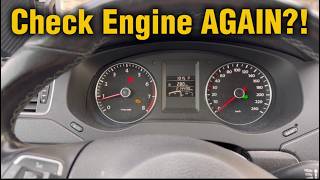
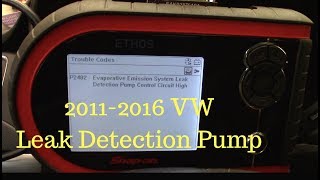

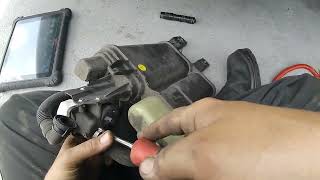
Used OEM Parts in Stock
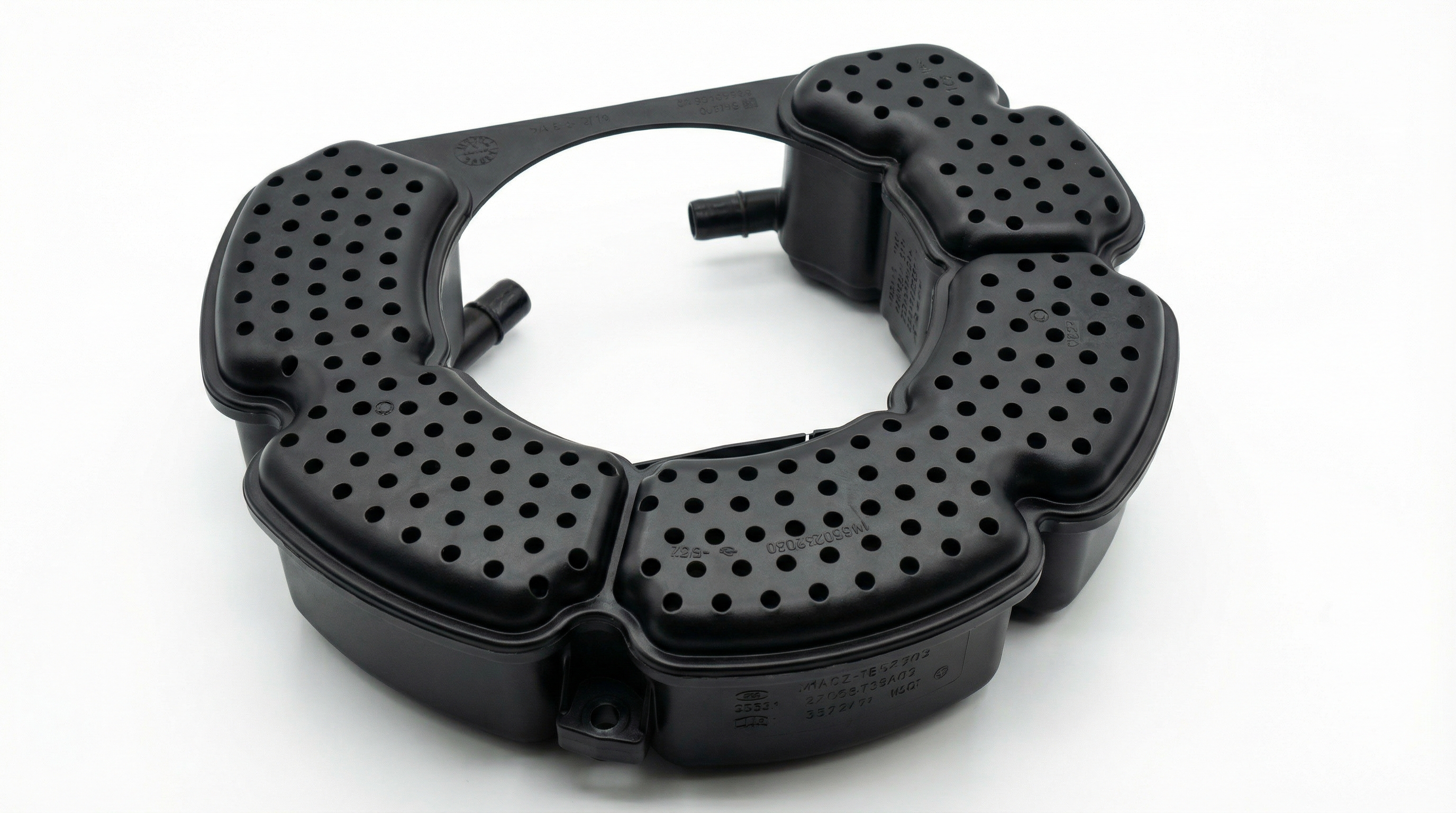
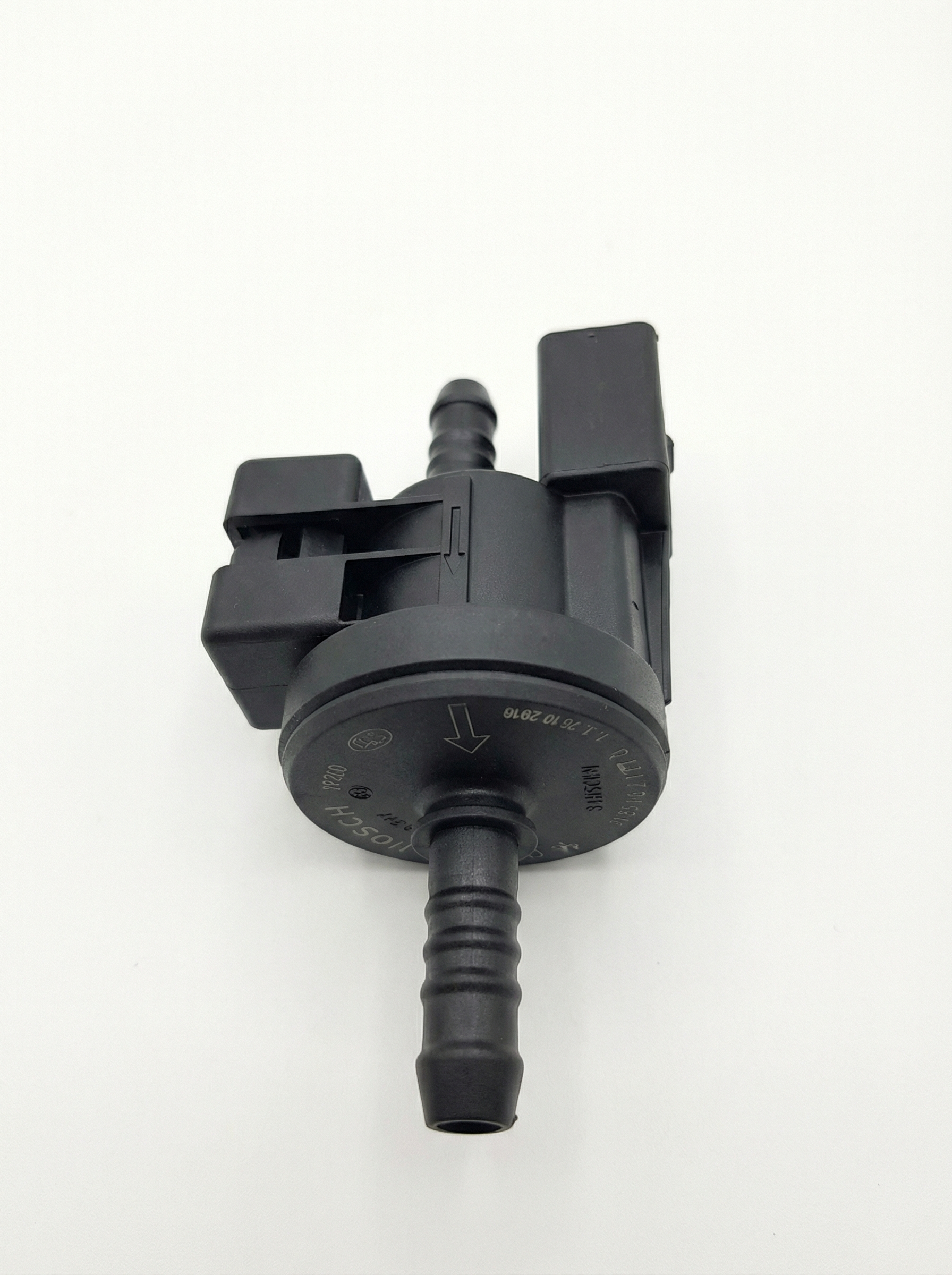
New Aftermarket Parts Available


The information in this article is provided for general reference and educational purposes only. Vehicle specifications, procedures, and part compatibility can vary by production date, trim level, and region. Always consult your vehicle's factory service manual and verify part numbers before purchasing or performing repairs. Safety-critical components such as airbags, seat belts, and braking systems should be installed by a qualified professional.
- Volkswagen JETTA:
- 🎬 Helpful Videos
- 🛍️ Shop This Part
- What's Unique About the 2017-2020 Volkswagen JETTA
- Diagnostic Flowchart
- Symptoms You May Notice
- Most Likely Causes
- Rare But Worth Checking
- Diagnosis Steps
- Parts You'll Likely Need
- Related Codes That Often Appear With This One
- Technical Service Bulletins (TSBs) & Recalls
- Platform-Specific Known Issues
- Mechanic-Grade Diagnostic Values
- Scan Tool Commands That Help
- Wiring & Ground Locations
- Real Owner Repair Stories
- "I Checked Everything" — The Actual Cause
- When the Usual Fixes Don't Work
- OEM Part Supersession History
- Model Year Variations Within This Range
- 🎟️ Get 5% Off