

P2407 on 2009-2016 Volkswagen Jetta: EVAP Pump Circuit Fault Causes and Fixes
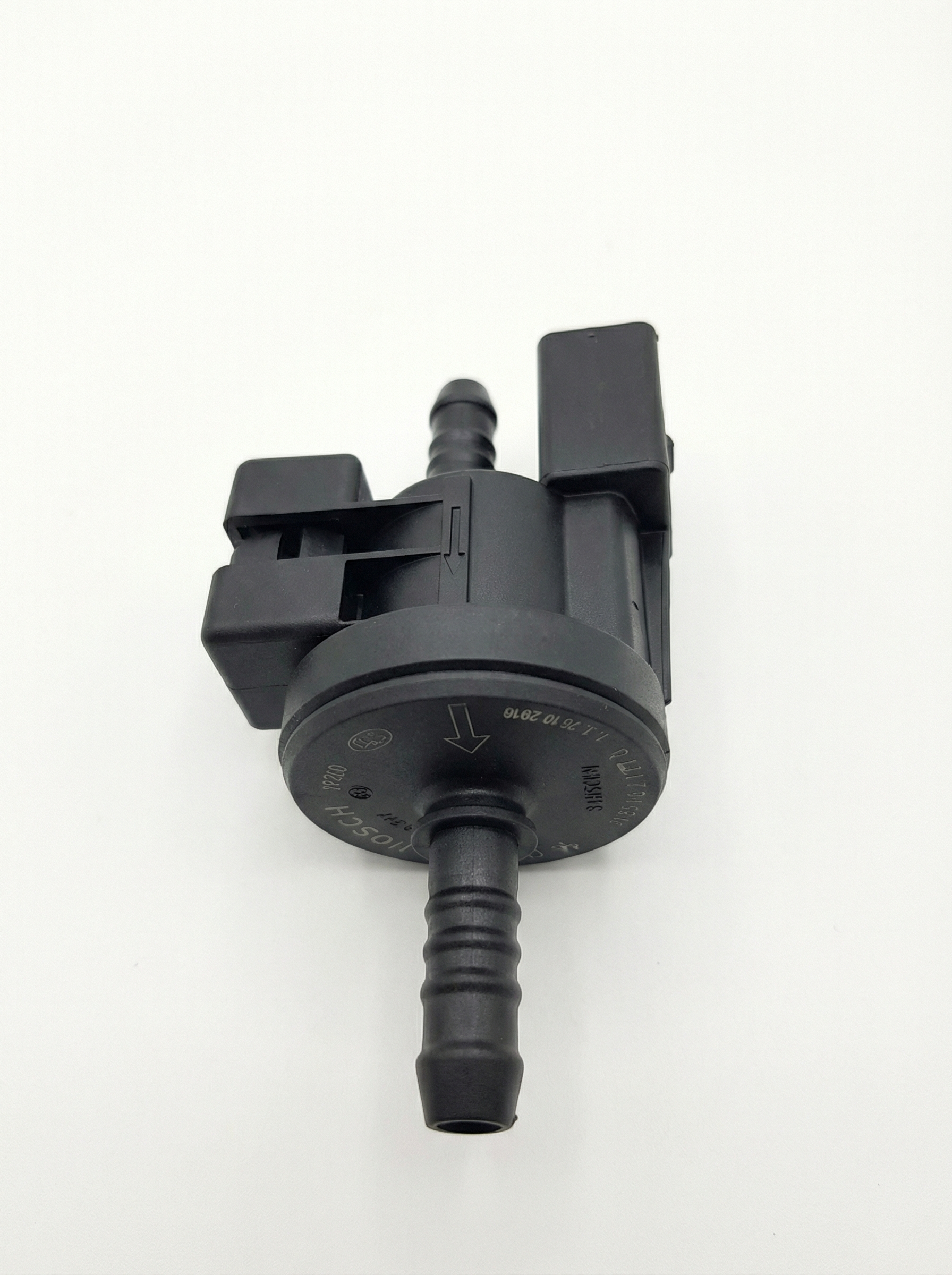
On a 2009-2016 VW Jetta, code P2407 almost always points to a failing EVAP Leak Detection Pump (LDP). This part is responsible for pressurizing the fuel system to check for leaks. The code specifically indicates an intermittent or erratic signal from the pump's internal sensor. Replacing the LDP is the most common fix, with the genuine VW/Bosch part costing around $150-$250.
- P2407 on a VW Jetta is an electrical fault code for the Leak Detection Pump (LDP), not a physical leak code.
- The most common cause by a wide margin is the failure of the LDP itself.
- The correct OEM part number is likely 1K0-906-201-D, which replaces several older versions.
- Replacement is a manageable DIY job, located behind the passenger rear wheel well liner.
- While checking the gas cap and wiring is good practice, prepare to replace the pump.
- The issue is shared across many VW and Audi vehicles from the same era using the same part.
What's Unique About the 2009-2016 Volkswagen JETTA

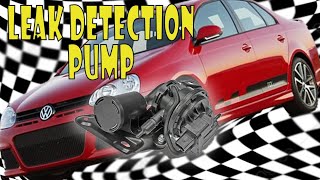
On this generation of Volkswagen Jetta (and its platform mates like the Golf, GTI, and Passat), the Bosch-made Leak Detection Pump (LDP) is a known common failure item. While any EVAP system can have leaks from hoses or gas caps, the LDP itself is frequently the source of electrical faults like P2407. Owners often find that replacing the pump is a direct fix 🎬 Watch: Step-by-step guide to replacing the leak detection pump, as opposed to spending extensive time searching for a physical leak in the lines. 🎬 See how to diagnose common EVAP leak codes on this Jetta The provided NHTSA technical service bulletins also list P2407 as a common customer complaint for this vehicle range, confirming it's a recognized issue. [VIN4APIN20200803, VIN4APIN20200728, VIN4APIN20200720]
Diagnostic Flowchart
Tap your situation to follow the diagnostic path that matches what you're seeing on this vehicle.
Generation note: This guide covers the end of the Volkswagen Jetta A5 (Mk5, 2009-2010) and the A6 (Mk6, 2011-2016). The function and failure of the EVAP Leak Detection Pump are similar across these generations, making the diagnosis and repair process nearly identical. The same LDP is used across many VW/Audi models of this era.
Symptoms You May Notice
- Check Engine Light is on.
- Inability to pass an emissions test because the EVAP monitor will not become 'ready'.
- A faint fuel or gasoline smell, particularly near the rear of the car by the passenger side wheel well.
- No noticeable change in engine performance or fuel economy.
- Replacing the gas cap. While a loose or faulty gas cap can cause other EVAP codes (like for a large or small leak), it is not a direct cause of the P2407 electrical circuit code. An owner on an Audi forum with a new S3 got a P2407, tightened the cap, but the code remained, pointing to a different issue.
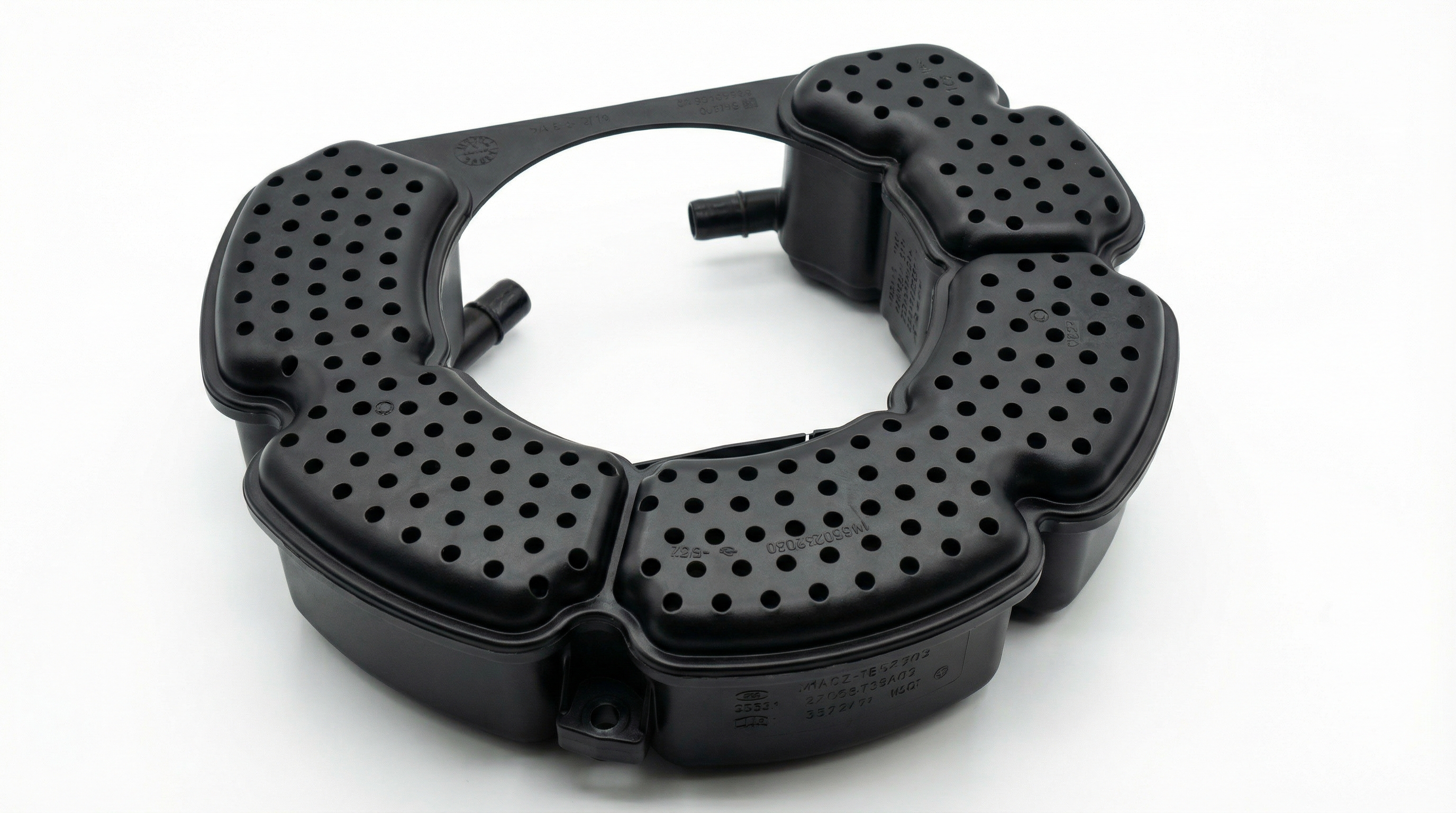
- Replacing the charcoal canister. The canister itself is a passive component. It can become clogged or saturated, but this typically causes different codes related to flow or large leaks, not a sensor circuit fault.
Most Likely Causes

- Faulty EVAP Leak Detection Pump (LDP) 🔴 High Probability The LDP on VWs from this era is a frequent failure point due to internal wear of the pump motor or, more specifically for P2407, the integrated electrical sense circuit failing over time. The internal diaphragm can also fail, preventing it from sealing or pumping correctly.
How to confirm: Use a capable OBD-II scanner like VCDS (VAG-COM) to run the EVAP Output Test (Function 03). While the test runs, monitor the LDP sense circuit voltage. If the voltage is erratic, spiking, or dropping out while the pump is commanded on, the LDP is likely faulty. A user on Reddit with a 2014 GLI confirmed that replacing the LDP resolved their P2407 code. A YouTube video for a 2010 Jetta shows the exact replacement process.
Typical fix: Replace the Leak Detection Pump. It is located behind the passenger side rear wheel well liner. The OEM part is made by Bosch and the most common part number is 1K0-906-201-D (which supersedes several previous versions).
Est. part cost: $100 - $250 - Damaged Wiring or Corroded Connector 🟡 Medium Probability The wiring and connector for the LDP are located underneath the vehicle, exposed to moisture, road salt, and debris, which can lead to corrosion or physical damage over time. The harness runs near the wheel well, making it susceptible to chafing or impact damage.
How to confirm: Visually inspect the wiring harness and electrical connector going to the Leak Detection Pump. Look for green or white corrosion on the pins, frayed wires, or broken insulation. Unplug the connector and check for moisture inside. Test for continuity from the connector back to the PCM if a visual inspection is inconclusive.
Typical fix: Clean the connector pins with electrical contact cleaner and apply dielectric grease. If the wiring is damaged, it will need to be repaired or the connector pigtail replaced.
Est. part cost: $5 - $30 - Faulty EVAP Purge Valve (N80 Valve) ⚪ Low Probability While more commonly associated with small leak codes like P0442, a faulty N80 valve that is stuck can sometimes contribute to erratic system behavior that the LDP interprets incorrectly. However, it is less likely to be the direct cause of a circuit-specific code like P2407.
How to confirm: Remove the valve (located in the engine bay) and try to blow through it. When de-energized, it should be completely sealed. If you can blow through it, it has failed. You can also use a scanner to command it open and closed to check for an audible click.
Typical fix: Replace the EVAP Purge Valve.
Est. part cost: $25 - $70
Rare But Worth Checking
- Powertrain Control Module (PCM) Fault: This is extremely rare. Before considering PCM replacement, all other possibilities, including the LDP, wiring, and other EVAP components, must be exhaustively tested and ruled out. Some older VW TSBs mention that outdated PCM software could erroneously flag a P2407, requiring a software update at the dealer.
Diagnosis Steps

- Read the code with an OBD-II scanner to confirm P2407 is present. Note any other codes, like P2450 or P0442.
- Check the gas cap to ensure it is tight and the seal is not cracked. While unlikely to be the cause, it's a simple first step.
- Visually inspect the wiring and electrical connector at the Leak Detection Pump (LDP), located behind the passenger-side rear wheel well liner. Look for any signs of corrosion, moisture, or damage.
- If you have a VW-specific scanner (like VCDS), connect to the Engine Control Module (01-Engine) and go to 'Output Tests' (03). Cycle through the tests until you get to the EVAP Leak Detection Pump test. Listen for the pump to click or run.
- While the output test is running, monitor the live data for the LDP sense circuit voltage. Unstable or intermittent readings (spikes or drops to 0V) strongly point towards a faulty pump or wiring issue. A stable voltage should be between 4.5-5.0V.
- If the wiring appears intact, the most probable cause is a faulty Leak Detection Pump. Replacing the pump is the next logical step. A YouTube guide for a 2013 Jetta shows the process involves removing the wheel and liner for access.
- If the code persists after replacing the LDP, perform a continuity test on the LDP wiring harness between the pump connector and the PCM.
- As a final, less common step, test the EVAP purge valve (N80) in the engine bay to ensure it is sealing correctly when not energized.
Parts You'll Likely Need

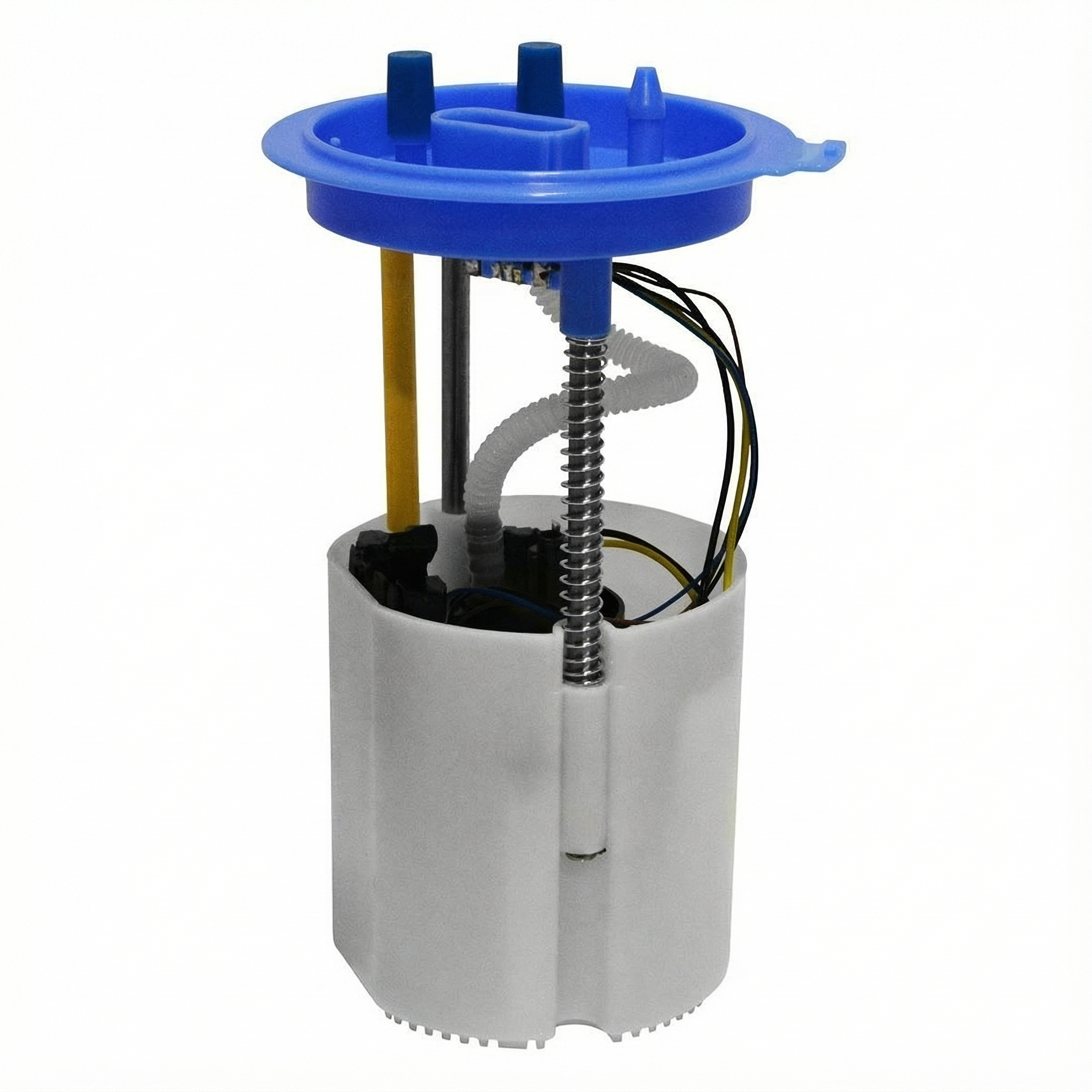
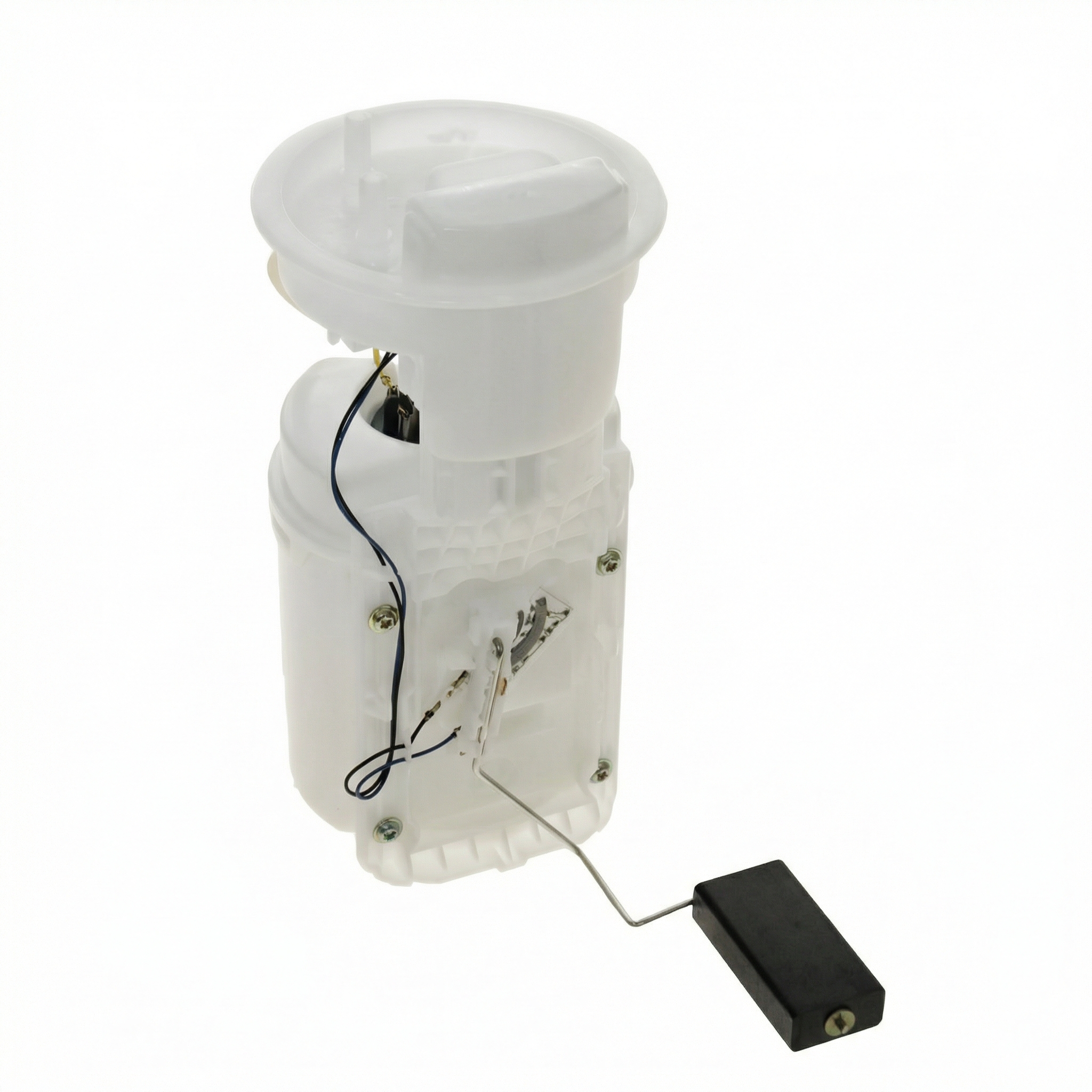
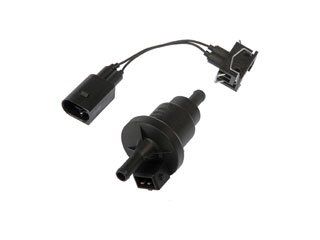
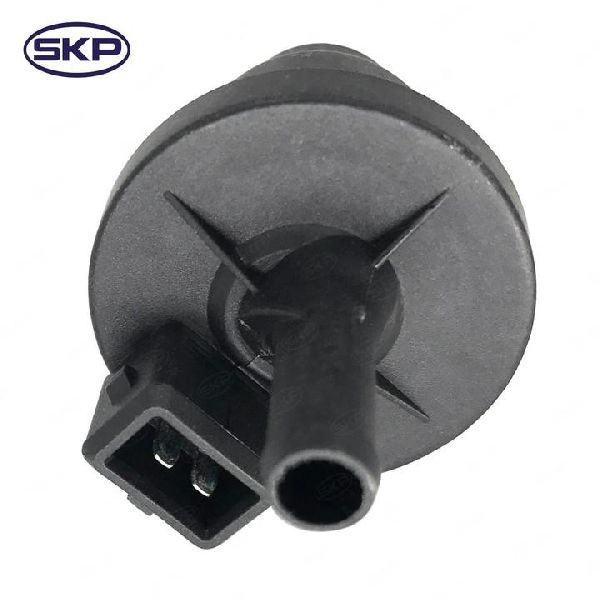
- EVAP Leak Detection Pump (LDP)
(OEM #1K0-906-201-D)— This is the most common failure point for code P2407 on this vehicle, as the internal sensor or pump motor fails electrically.
Trusted brands: Genuine VW/Audi (Bosch), Bosch (OEM), URO Parts, Dorman (310-601)
OEM price range: $150-$250
Aftermarket price range: $90-$180
Related Codes That Often Appear With This One
- P0442 — A small EVAP leak code (P0442) can appear alongside P2407 if the system has both an electrical fault with the pump and a separate physical leak, such as from a faulty purge valve or cracked hose.
- P2450 — This code for 'EVAP System Switching Valve Performance/Stuck Open' can be seen with P2407, indicating a wider issue within the EVAP system. A user on r/JettaGLI reported having both codes and fixed it by replacing the LDP.
Technical Service Bulletins (TSBs) & Recalls
- VIN4APIN20200803, VIN4APIN20200728, VIN4APIN20200720: These are NHTSA complaint logs for the 2009 model year, not official VW TSBs. They document 'Customer states MIL-on with P2407' but provide no diagnostic information.
- Audi TSB 01-24-16 (2071770/5): While for newer Audi Q3/Q5 models (2022-2023), this TSB is relevant as it shows the manufacturer has addressed P2407 by releasing new engine control module software because the original diagnostics were 'too sensitive'. This suggests a software issue is a possible, though rare, cause on older models too.
- VW TS
Platform-Specific Known Issues
- Common Failure of Bosch LDP: The OEM Leak Detection Pump, manufactured by Bosch, is a very common failure item across the entire VW/Audi lineup from this era that uses it. The P2407 code specifically points to the electrical sense circuit inside the pump failing, which is more common than a physical leak in a hose.
- Forum Confirmation of Fix: A user on the r/JettaGLI subreddit with a 2014 model reported having both P2407 and P2450 codes. They confirmed that replacing the leak detection pump resolved the issue and allowed them to pass their smog inspection.
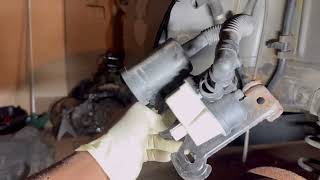
- DIY Repair Accessibility: The replacement is considered straightforward for a DIY mechanic. A video on YouTube titled 'Evap Code? Volkswagon Jetta Leak Detection Pump Replacement' shows the process on a 2010 Jetta, which involves removing the passenger rear wheel and fender liner to access the pump, its three mounting bolts, two hoses, and one electrical connector.
Mechanic-Grade Diagnostic Values
- LDP Sense Circuit Voltage (Live Data) — expected: 4.5 - 5.0 V (stable). Failure: Rapid spikes, drops to 0V, or erratic fluctuations while the pump is commanded on.
- LDP Internal Resistance (Pump disconnected) — expected: 640 to 720 Ohms between terminals 1 and 3; 12.5 to 19.5 Ohms between terminals 2 and 3.. Failure: Readings outside of these specified ranges indicate an internal failure of the pump.
- Voltage Supply at LDP Connector — expected: Battery Voltage at terminal 3 with ignition ON.. Failure: No voltage indicates a problem with the fuse (Fuse 23 in Fuse Panel B for 2009-2010 models) or the wiring from the fuse panel.
- Wiring Continuity from LDP to ECM — expected: 1.5 ohms maximum. Failure: Higher resistance or an open circuit (OL) indicates a break or corrosion in the wire.
Scan Tool Commands That Help
- VCDS (VAG-COM): Engine -> Basic Settings -> Group 070 (EVAP System Test) — This command actively runs the EVAP system test, including the LDP, allowing a technician to monitor live data from the pump's sense circuit to observe for the erratic signal that triggers P2407.
- VCDS (VAG-COM) / ODIS: Engine -> Output Tests -> Leak Detection Pump (V144) — This allows for direct, on-demand activation of the LDP. A technician can listen for the pump to click and run, confirming the ECM can command it. It's a primary step before running the full basic settings test.
Wiring & Ground Locations
- LDP Connector (T4d) — Behind the passenger side rear wheel well liner, connected to the Leak Detection Pump.. This 4-pin connector is the primary point of failure for wiring issues due to its exposure to road spray and debris, leading to corrosion and causing the intermittent/erratic signal of P2407.
- Fuse 23, Fuse Panel B (SC23) — In the fuse panel located at the driver's side of the dashboard (for 2009-2010 models).. This fuse provides battery voltage to the LDP. If this fuse is blown, the pump will have no power, though this typically causes a 'no signal' code rather than 'intermittent'. It's a critical check for any electrical diagnosis.
- ECM Connector (T94) — At the Engine Control Module (ECM/ECU), typically located in the engine bay plenum under the windshield.. The sense circuit and control wires from the LDP terminate here (specifically pins T94/28 and T94/64 on some models). A continuity check from the LDP connector to these pins is the definitive way to rule out a wiring break.
Real Owner Repair Stories
- Reddit user OurAfricanChild on r/JettaGLI (2014 Jetta GLI) — Check Engine Light with codes P2407 and P2450 appearing intermittently, one at a time.
❌ Tried (didn't work) Neglecting the issue until smog test was due.
✅ What actually fixed it Replaced the Leak Detection Pump. The user cleared the code before the smog test, it passed, and the codes did not return afterward. - Ross-Tech Forums user 'TFSI' (2015 VW Beetle 1.8T (platform relative)) — Check Engine Light with P2407 (Current Erratic) and P0442 (Small Leak).
❌ Tried (didn't work) Replacing the gas cap., Replacing the EVAP purge solenoid (N80 valve).
✅ What actually fixed it Found a crack on the rear charcoal canister unit, which was only visible after removing the tail lamp and bumper cover. The damage was attributed to a previous accident. Replacing the canister resolved all EVAP codes.
"I Checked Everything" — The Actual Cause
- Code P2407 is an electrical circuit code, not a leak code. A smoke test, which is used to find physical leaks in the EVAP system, will almost always come back clean (pass) when P2407 is the only code present. The fault lies within the pump's internal sensor or the wiring to it, not in the physical sealing of the hoses or canister. Technicians who immediately perform a smoke test for P2407 are often chasing a non-existent leak, when the focus should be on electrical diagnosis of the LDP circuit.
OEM Part Supersession History
1K0906201, 1K0906201A, 1K0906201B, 1K0906201C→1K0-906-201-D— Standard part evolution for improved reliability and performance.
Heads up: All previous versions are superseded by 1K0-906-201-D. When replacing, use the 'D' or a later revision if available. There are no known incompatibilities when using the newest part on an older vehicle.
Model Year Variations Within This Range
- 2006-2010 (Mk5 platform): On some earlier models (like the 2006 BGP engine), the LDP voltage was supplied via the Secondary Air Injection (AIR) Pump Relay (J299), not directly from a dedicated fuse in the panel.
- 2009-2010 vs 2011-2016: While the LDP part and function are nearly identical, specific fuse locations and wiring harness connection points in the main harness may differ slightly between the Mk5 and Mk6 generations. Always refer to a wiring diagram specific to the vehicle's exact year.
Helpful Videos
Used OEM Parts in Stock
New Aftermarket Parts Available



The information in this article is provided for general reference and educational purposes only. Vehicle specifications, procedures, and part compatibility can vary by production date, trim level, and region. Always consult your vehicle's factory service manual and verify part numbers before purchasing or performing repairs. Safety-critical components such as airbags, seat belts, and braking systems should be installed by a qualified professional.
- Volkswagen JETTA:
- 🎬 Helpful Videos
- 🛍️ Shop This Part
- What's Unique About the 2009-2016 Volkswagen JETTA
- Diagnostic Flowchart
- Symptoms You May Notice
- Most Likely Causes
- Rare But Worth Checking
- Diagnosis Steps
- Parts You'll Likely Need
- Related Codes That Often Appear With This One
- Technical Service Bulletins (TSBs) & Recalls
- Platform-Specific Known Issues
- Mechanic-Grade Diagnostic Values
- Scan Tool Commands That Help
- Wiring & Ground Locations
- Real Owner Repair Stories
- "I Checked Everything" — The Actual Cause
- OEM Part Supersession History
- Model Year Variations Within This Range
- 🎟️ Get 5% Off