

P2407 on 2013-2015 Volkswagen Eos: EVAP Pump Circuit Fault Causes and Fixes
P2407 on a VW Eos indicates an intermittent or erratic electrical signal from the EVAP Leak Detection Pump (LDP). The most common causes are a faulty LDP (internal reed switch failure), corroded wiring/connectors near the pump, or a damaged wiring harness. In some cases, a simple ECM software update may resolve the issue. Expect to pay $70-$150 for a new pump.
- P2407 is an electrical circuit code, not a system leak code. Focus diagnosis on the Leak Detection Pump (LDP) and its wiring.
- The most likely cause is a faulty LDP due to a failing internal reed switch, followed by corroded wiring to the pump.
- Before replacing parts, check for any available ECM software updates, as overly sensitive diagnostics can be a cause.
- The vehicle is safe to drive, but it will not pass an emissions test until the issue is resolved.
- Diagnosis is most effective with a VW-specific scanner that can read live data from the LDP sense circuit.
- Don't replace the gas cap or charcoal canister for this code unless they are obviously damaged.
What's Unique About the 2013-2015 Volkswagen EOS
For this generation of Volkswagen (and its platform mates like the Jetta and Golf), the P2407 code is a known issue. It is often related to the electrical integrity of the Bosch-made Leak Detection Pump (LDP) or its wiring. The pump is located under the car near the charcoal canister, exposing it to road debris and moisture. While many EVAP codes point to leaks (like a bad gas cap), P2407 on the Eos is more frequently an electrical fault with the pump's feedback circuit. Volkswagen has also issued TSBs for other models suggesting an ECM software update can fix overly sensitive diagnostics that erroneously trigger this code. More recently, Audi/VW have issued limited warranty extensions for the LDP on some models, acknowledging a high failure rate.
Diagnostic Flowchart
Tap your situation to follow the diagnostic path that matches what you're seeing on this vehicle.
Symptoms You May Notice
- Check Engine Light is on.
- Vehicle will fail an emissions inspection.
- Possible faint fuel odor near the rear of the vehicle, though less common for this specific code.
- EVAP system readiness monitor may show as "incomplete" or "not ready" on an OBD-II scan tool.
- Replacing the gas cap. While a loose or faulty gas cap can cause other EVAP codes (like P0455 for a large leak), it does not cause a P2407 circuit code.
- Replacing the charcoal canister. The canister itself is a passive component and is unlikely to cause an electrical circuit fault code like P2407 unless it has been physically shattered, which would also likely damage the attached pump or wiring.
Most Likely Causes
- Faulty EVAP Leak Detection Pump (LDP) 🔴 High Probability The internal sense circuit, a reed switch, is the most common point of failure. It can wear out or become contaminated, causing it to send erratic open/closed signals. Its location under the vehicle makes it susceptible to weather, road salt, and physical damage from debris. VW/Audi has acknowledged high failure rates by extending the warranty on this part for up to 15 years/150,000 miles on some models.
How to confirm: Use a capable OBD-II scanner (like VCDS) to monitor the LDP sense circuit in live data (Basic Settings, Group 071). If the status jumps erratically between 'Reed Open' and 'Reed Closed' or the voltage is unstable, the pump is likely faulty. You can also bench test the pump. A known-good pump should have a resistance of 640-720 Ohms between pins 1 and 3, and 12.5-19.5 Ohms between pins 2 and 3.
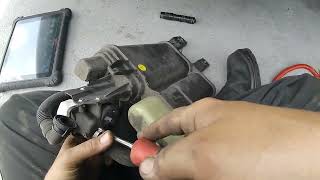
Typical fix: Replace the Leak Detection Pump. 🎬 Watch: Step-by-step guide to replacing the leak detection pump. This part is typically mounted to the charcoal canister, located behind the rear passenger-side wheel well liner. 🎬 See this walkthrough for accessing and swapping the pump.
Est. part cost: $70-$150 - Damaged or Corroded Wiring/Connectors 🟡 Medium Probability The wiring harness to the LDP is located under the car and is exposed to moisture, road salt, and debris, which can lead to corrosion in the connector pins or breaks in the wires.
How to confirm: Visually inspect the wiring harness and 3-pin electrical connector going to the Leak Detection Pump. Look for green/white corrosion, frayed wires, or loose pins. Perform a continuity test on the sense circuit wire between the pump connector and the ECM if a visual inspection is inconclusive. The wire resistance should be a maximum of 1.5 ohms.
Typical fix: Clean the connector terminals with an electrical contact cleaner or repair/replace the damaged section of the wiring harness. In some cases, a new connector pigtail is required.
Est. part cost: $10-$60 - ECM Software Calibration Issue ⚪ Low Probability Volkswagen/Audi have released TSBs for various models indicating that the original ECM software can be too sensitive, incorrectly flagging a P2407 fault. This may apply to the Eos as well.
How to confirm: A VW dealer or a specialized shop with the correct tools (like ODIS) can check if the vehicle's ECM software part number has an available software update related to EVAP diagnostics.
Typical fix: Update the Engine Control Module (ECM) software to the latest version. This must be done by a dealer or qualified independent shop.
Est. part cost: $0-$200
Rare But Worth Checking
- Faulty Powertrain Control Module (PCM): This is very rare. The PCM's internal circuit for reading the LDP sensor can fail, but all other possibilities, especially wiring and the pump itself, should be exhaustively ruled out first.
- Poor Ground Connection: The EVAP pump may share a ground point with other components near the fuel tank. A loose or corroded ground strap can create a floating reference voltage, causing the PCM to see an erratic signal. This should be inspected during wiring checks. A common ground point for rear components is located in the trunk or on the chassis frame nearby.
Diagnosis Steps
- Read the code: Use an OBD-II scanner to confirm P2407 is present. Note any other codes, like P2450.
- Check for TSBs: Check for any applicable Technical Service Bulletins (TSBs) related to P2407 for your specific VIN, as an ECM software update might be the prescribed fix. Also check for warranty extensions on the LDP.
- Visual Inspection: Raise the vehicle and locate the Leak Detection Pump (LDP) and charcoal canister, usually behind the rear passenger-side wheel well liner. Visually inspect the LDP, its 3-pin connector, and the associated wiring for any signs of physical damage, corrosion, chafing, or loose connections.
- Check Live Data: With a VW-capable scanner (like VCDS), go to Engine -> Basic Settings -> Group 071. Attempt to run the LDP test. Observe the 'Reed Switch' status. If it flickers or shows 'Erratic', the pump or wiring is faulty.
- Test the Circuit: Disconnect the LDP connector. Use a multimeter to check for battery voltage at pin 3 with the key on. Check for continuity to ground. Check the signal wire for continuity back to the ECM (max resistance 1.5 ohms).
- Test the Pump: With the pump disconnected, test the internal resistance. Using a multimeter, check between terminals 1 and 3 (expect 640-720 Ω) and between terminals 2 and 3 (expect 12.5-19.5 Ω). If readings are out of spec, the pump is bad.
- Replace the Faulty Component: Based on the tests, replace the LDP or repair the wiring. 🎬 Watch: A quick demonstration of the LDP replacement process. The LDP is the most common culprit.
- Clear Codes and Verify: After the repair, clear the DTCs and perform a drive cycle, then re-run the EVAP readiness monitor to confirm the fix was successful.
Parts You'll Likely Need
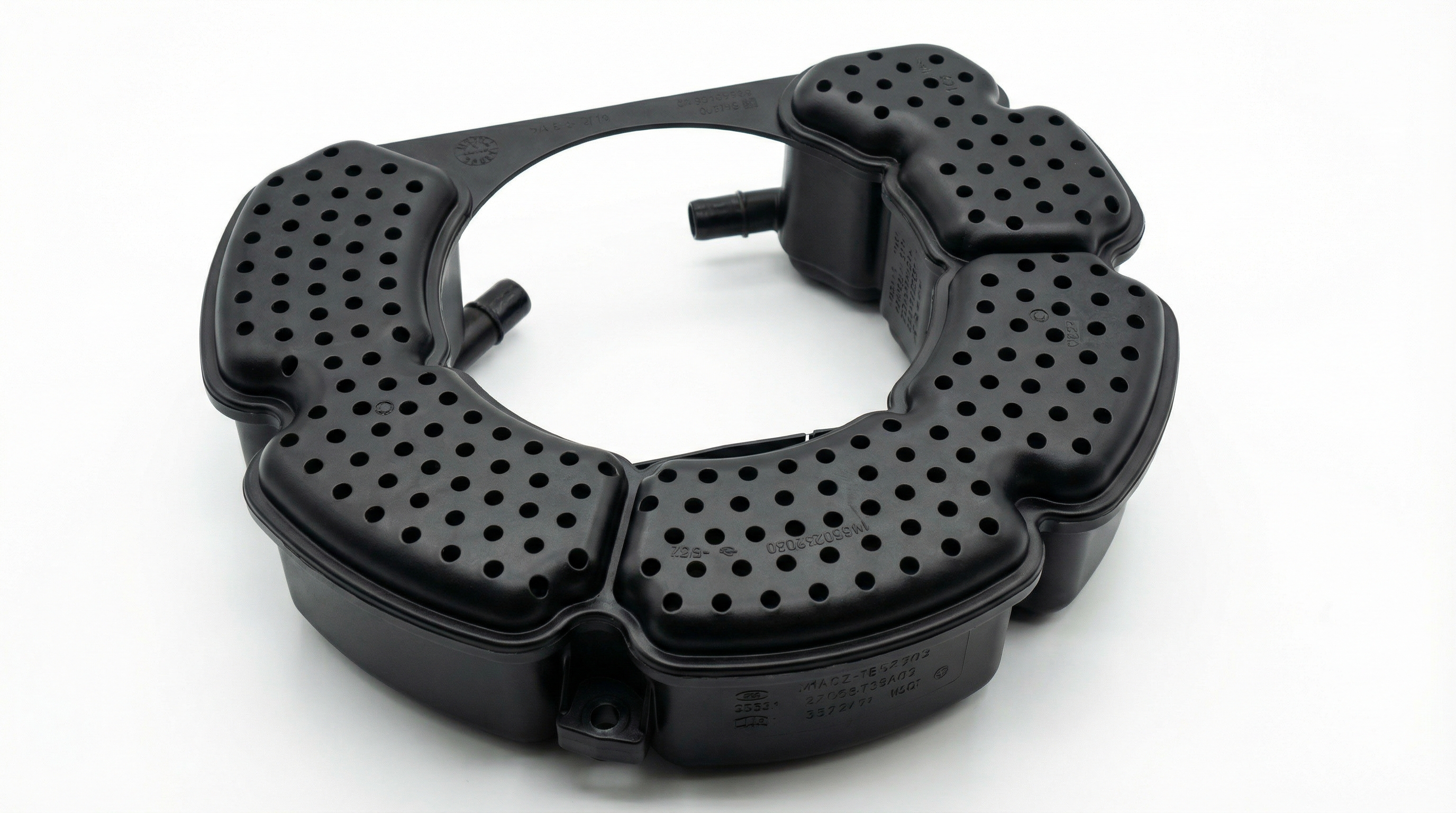
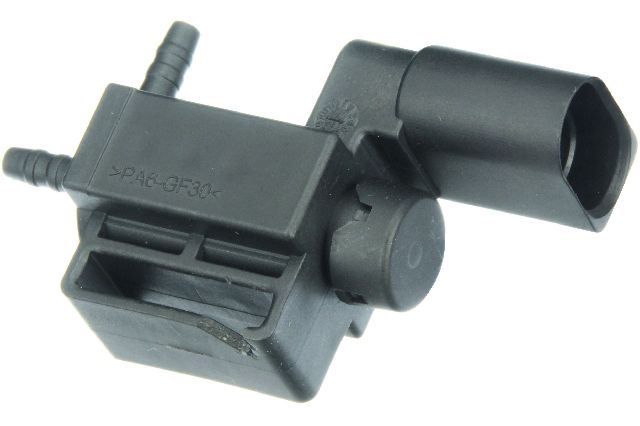
- EVAP Leak Detection Pump
(OEM #1K0201801E (often superseded by newer revisions))— This is the most common failure point for code P2407, as the internal reed switch fails and sends an erratic signal to the ECM.
Trusted brands: Bosch (OEM supplier), Dorman, Standard Motor Products
OEM price range: $120-$200
Aftermarket price range: $70-$150
Related Codes That Often Appear With This One
- P2450: EVAP System Switching Valve Performance/Stuck Open. This code can sometimes appear alongside P2407, as they are related components in the EVAP system.
Technical Service Bulletins (TSBs) & Recalls
- VIN-4-A-PIN APRI (2015 ENGINE, dated 2016-04-21): An index entry that confirms P2407 is a known fault that can cause a MIL-on condition in the ECM for this platform.
- VIN-4-A-PIN APRI (2014 VISIBILITY, dated 2016-04-13): Another index entry listing P2407 as a known fault.
- TSB 01-23-03 (dated 2023-03-07): For some VW models, this TSB advises that an ECM software update can fix issues where P2407 is stored erroneously due to overly sensitive diagnostics. It warns technicians not to replace components before checking for an available software update.
- Audi TSB 01-24-16 (dated 2024-03-29): For newer Audi Q3 and Q5 models, this TSB also points to a software update to fix overly sensitive OBD diagnostics that trigger P2407. This demonstrates a pattern of this code being triggered by software calibration in the VAG family.
Platform-Specific Known Issues
- Real Owner Repair Story: On a Reddit thread for a 2014 Jetta GLI (a platform mate), the owner had both P2407 and P2450 codes. After getting opinions, they replaced the leak detection pump themselves. After clearing the codes, the Check Engine Light stayed off and the car successfully passed a smog check, confirming the faulty LDP was the root cause.
Mechanic-Grade Diagnostic Values
- LDP Internal Resistance (Pump Side) — expected: 640 to 720 Ohms between terminals 1 and 3.. Failure: A reading outside this range indicates an internal fault in the pump's solenoid.
- LDP Internal Resistance (Sense Switch Side) — expected: 12.5 to 19.5 Ohms between terminals 2 and 3.. Failure: A reading outside this range, or an open/short circuit, indicates a faulty reed switch or internal wiring.
- LDP Harness Voltage Supply — expected: Battery voltage at terminal 3 of the harness connector (with key on).. Failure: No voltage indicates a blown fuse or a break in the power supply wire.
- LDP Harness Wire Resistance — expected: Max 1.5 Ohms on the signal and power wires between the pump connector and the ECM/fuse panel.. Failure: Higher resistance indicates corrosion or a damaged wire, which can cause intermittent signals.
Scan Tool Commands That Help
- VCDS (VAG-COM): Engine -> Basic Settings -> Group 071 — This function actively runs the EVAP leak test. While the test is running, the technician can monitor the 'Condition reed contact' field. For a P2407, this field will likely flicker between 'Reed Open' and 'Reed Closed' or show an error, confirming the intermittent signal from the pump's sensor.
Wiring & Ground Locations
- Ground Point 640 — On the left side of the engine compartment, often on the chassis rail near the strut tower or battery tray.. While not the direct ground for the LDP (which is typically grounded near the rear of the car), a poor main engine-to-chassis ground can cause floating voltages and unpredictable electrical behavior in various sensors, including the EVAP system. It should be checked for corrosion and tightness if multiple, seemingly unrelated electrical faults are present.
- LDP Connector (3-Pin) — Connected directly to the Leak Detection Pump, which is mounted on the charcoal canister behind the rear passenger-side wheel well liner.. This is the primary point of failure for wiring issues. Pin 3 is power (battery voltage), and pins 1 and 2 are for the solenoid control and reed switch signal back to the ECM. Corrosion here is a direct cause of P2407.
Real Owner Repair Stories
- Ross-Tech Forums User (VW with 2.0T engine (platform-mate)) — Check engine light with EVAP pump circuit code (P2402, a related code). Light would appear instantly on a cold start after sitting overnight.
❌ Tried (didn't work) Replacing the Leak Detection Pump (tried two different pumps)., Bench testing the pumps (both passed)., Confirming power and ground at the LDP connector.
✅ What actually fixed it The user found a faulty vacuum check valve located at the top of the engine's main vacuum pump. This small, bad valve was preventing sufficient vacuum from reaching and operating the LDP correctly, even though the LDP itself was functional. Replacing the check valve resolved the code.
OEM Part Supersession History
1K0201801D→1K0201801E— Standard part revision and improvement by the manufacturer.
Heads up: 1K0201801E is the correct and most current part number for the LDP/canister assembly for this vehicle range and is backward compatible with 'D' revisions.
Helpful Videos
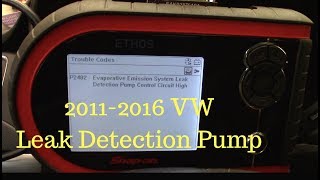
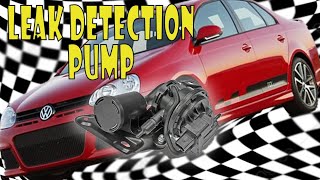
Used OEM Parts in Stock
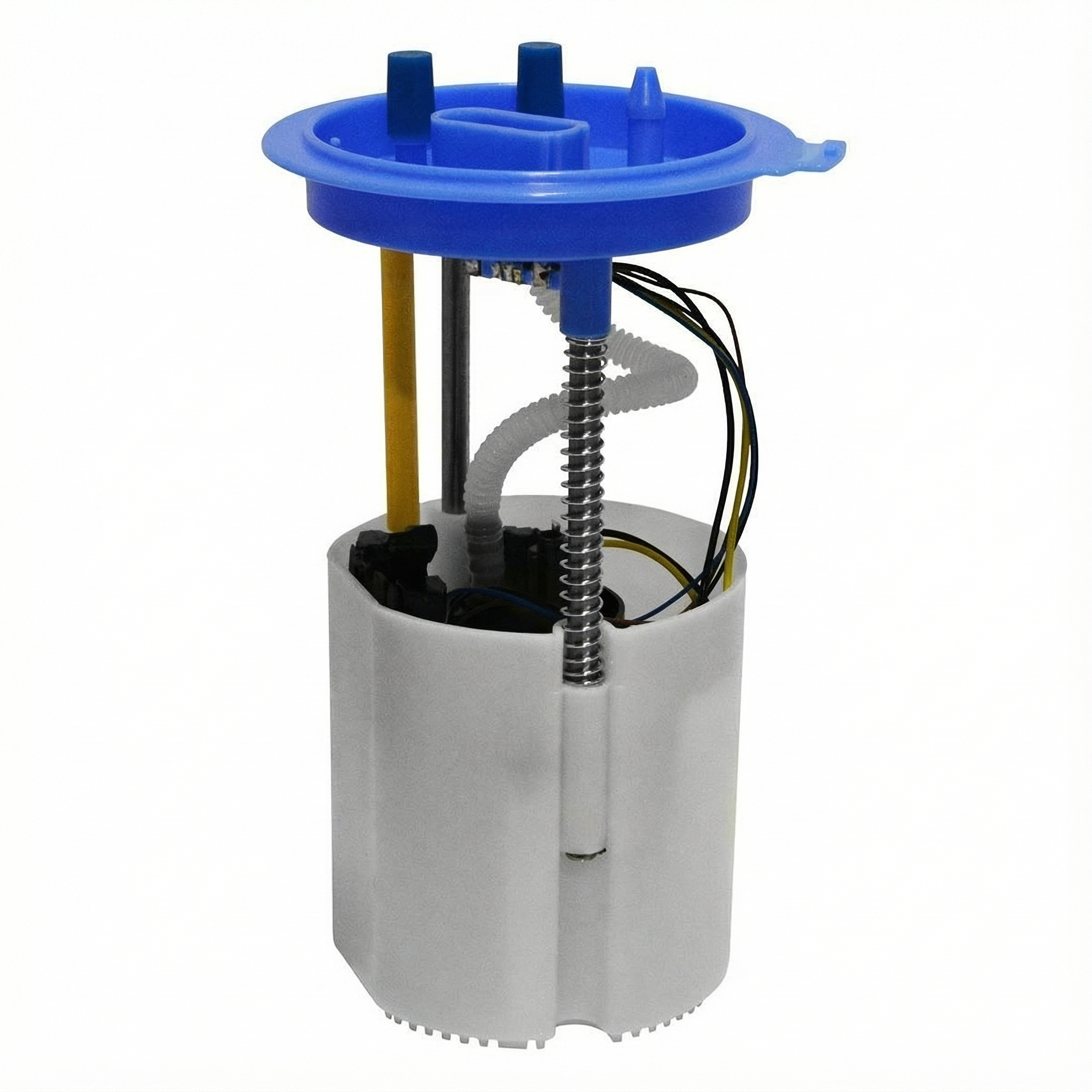
New Aftermarket Parts Available



The information in this article is provided for general reference and educational purposes only. Vehicle specifications, procedures, and part compatibility can vary by production date, trim level, and region. Always consult your vehicle's factory service manual and verify part numbers before purchasing or performing repairs. Safety-critical components such as airbags, seat belts, and braking systems should be installed by a qualified professional.
- Volkswagen EOS:
- 🎬 Helpful Videos
- 🛍️ Shop This Part
- What's Unique About the 2013-2015 Volkswagen EOS
- Diagnostic Flowchart
- Symptoms You May Notice
- Most Likely Causes
- Rare But Worth Checking
- Diagnosis Steps
- Parts You'll Likely Need
- Related Codes That Often Appear With This One
- Technical Service Bulletins (TSBs) & Recalls
- Platform-Specific Known Issues
- Mechanic-Grade Diagnostic Values
- Scan Tool Commands That Help
- Wiring & Ground Locations
- Real Owner Repair Stories
- OEM Part Supersession History
- 🎟️ Get 5% Off