

P2407 on 2015 Volkswagen Beetle TDI: EVAP Pump Circuit Causes and Fixes
On a 2015 VW Beetle TDI, code P2407 is almost always caused by a faulty EVAP Leak Detection Pump (LDP) or its electrical connector. Inspect the connector for corrosion before replacing the pump, which is located behind the rear passenger-side wheel well liner. This is a common issue on the VW A5/PQ35 platform.
- P2407 points to an electrical problem with the EVAP Leak Detection Pump (LDP) circuit, not a physical fuel vapor leak.
- Before buying any parts, first inspect the LDP's 3-pin electrical connector for corrosion, as it's a very common failure point and a much cheaper fix.
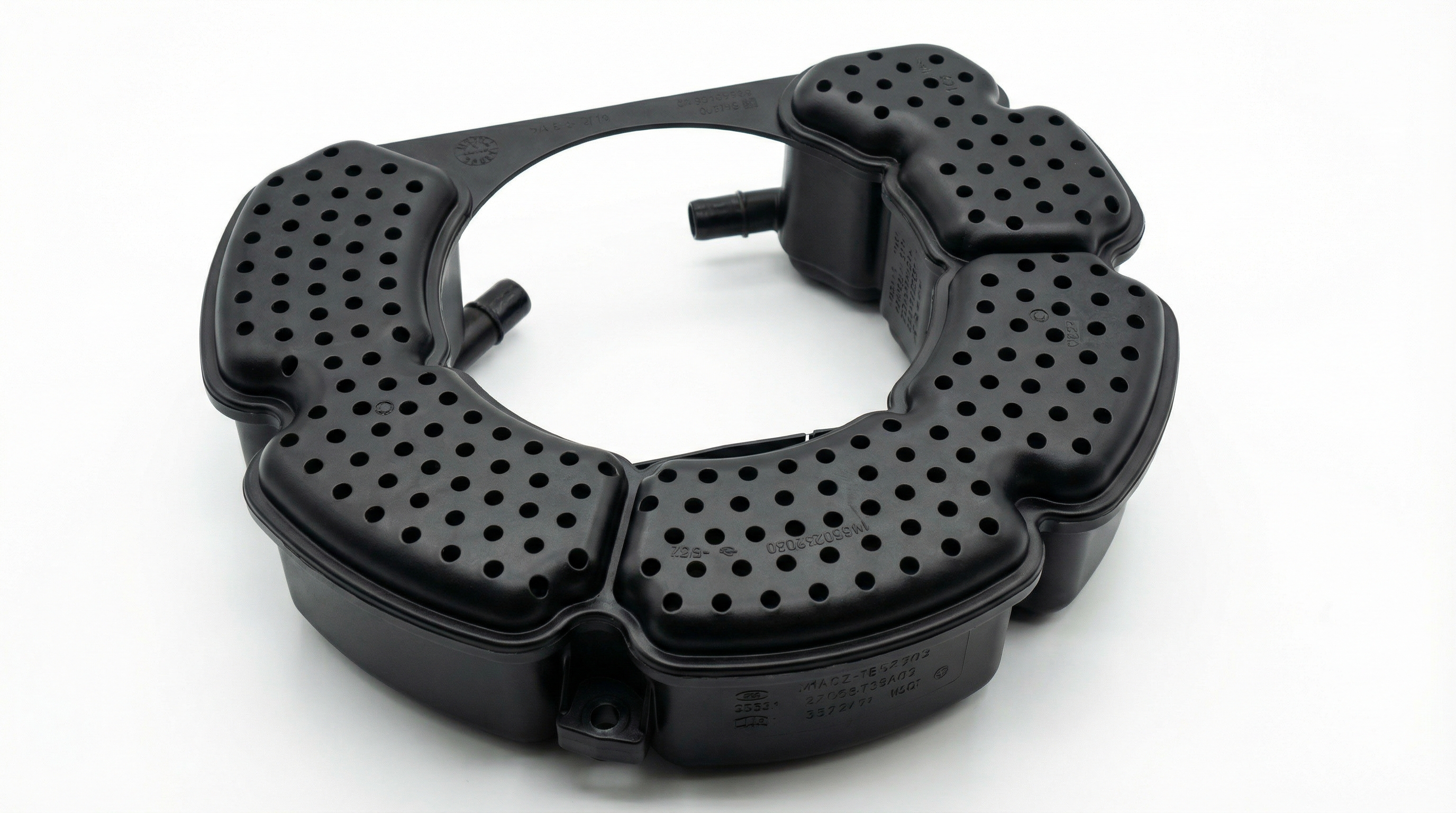
- The LDP is located behind the rear passenger-side wheel well liner, mounted to the charcoal canister.
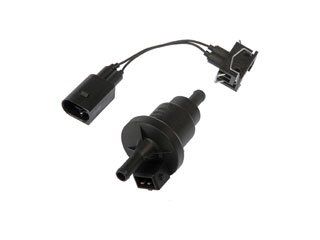
- If the wiring is good, replacing the Leak Detection Pump (Part No. 1K0906253A) is the next step and typically resolves the issue.
- This fault will not leave you stranded but will cause an automatic failure on an emissions test.
What's Unique About the 2015-2015 Volkswagen BEETLE TDI
For this generation of Volkswagen (A5/PQ35 platform), including the 2015 Beetle TDI, the P2407 code is a very common pointer to one of two issues: the Leak Detection Pump (LDP) itself has failed internally, or the electrical connector leading to it has become corroded. The pump's location behind the rear passenger-side wheel well liner exposes it to moisture and road debris, making the connector a frequent point of failure. Owners should always inspect the wiring before assuming the more expensive pump is bad. This issue is also prevalent on platform mates like the Jetta and Golf.
Diagnostic Flowchart
Tap your situation to follow the diagnostic path that matches what you're seeing on this vehicle.
Symptoms You May Notice
- Check Engine Light is on.
- Inability to pass an emissions test.
- A faint fuel odor may be noticeable in some rare cases, potentially if the pump fails in an open state.
- Replacing the gas cap. A faulty gas cap typically causes large leak codes like P0455 or small leak codes like P0456, not a circuit-specific code like P2407.
- Performing a smoke test first. P2407 indicates an electrical fault, not a physical leak, so a smoke test is not the correct initial diagnostic step and will not find the root cause.
Most Likely Causes
- Faulty EVAP Leak Detection Pump (LDP) 🔴 High Probability The internal sense circuit, often a magnetic reed switch, can fail over time or from moisture intrusion, leading to the erratic signals that trigger this specific code.
How to confirm: After confirming the wiring and connector are intact, test the pump's circuit with a multimeter or a capable scan tool. With a scan tool, command the LDP to run and monitor the sense circuit voltage; it should be stable (typically 4.5-5.0V). If the voltage readings are erratic, drop to zero, or are out of specification, the pump is faulty.
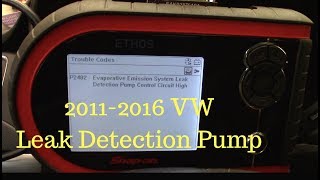
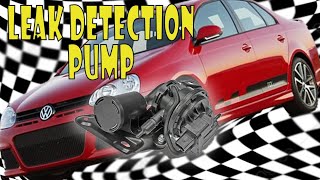
Typical fix: Replace the Leak Detection Pump assembly. 🎬 Watch this step-by-step guide on replacing the leak detection pump.
Est. part cost: $70-$250 - Corroded or Damaged LDP Electrical Connector/Wiring 🟡 Medium Probability The LDP is located behind the rear passenger-side wheel well liner, where its 3-pin electrical connector is highly exposed to road salt, water, and debris, leading to corrosion (green or white powder) and poor signal quality.
How to confirm: Visually inspect the 3-pin connector at the LDP for any signs of corrosion, bent pins, or damaged wires. Tug gently on the wires at the back of the connector to ensure they are not broken internally. Test for continuity and voltage drop across the harness if visual inspection is inconclusive.
Typical fix: Clean the connector terminals with electrical contact cleaner and a small brush. If corrosion is severe, replace the connector pigtail. Apply dielectric grease before reconnecting to prevent future moisture intrusion.
Est. part cost: $15-$40
Rare But Worth Checking
- Poor Ground Connection: The EVAP pump's ground point may be shared with other components near the fuel tank. A loose or corroded ground can cause erratic voltage readings and trigger P2407. This should be checked before condemning the PCM.
- Powertrain Control Module (PCM) Fault: This is extremely rare. A fault within the PCM's internal circuitry can mimic a bad pump or wiring. This should only be considered after the pump and its entire circuit have been confirmed to be in good working order by a professional.
Diagnosis Steps
- Scan the vehicle for any other stored trouble codes.
- Safely raise the vehicle and remove the rear passenger-side wheel.
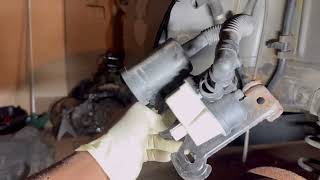
- Remove the T25 Torx screws holding the felt wheel well liner and pull it back to access the Leak Detection Pump (LDP) mounted to the charcoal canister. 🎬 Watch a mechanic access and swap the pump on this platform.
- Visually inspect the LDP and its 3-pin electrical connector. Look for obvious signs of corrosion, damage, or loose connections.
- If corrosion is found, disconnect the battery, clean the connector and pump pins thoroughly with electrical contact cleaner, apply dielectric grease, and reconnect. Clear the code and drive to see if it returns.
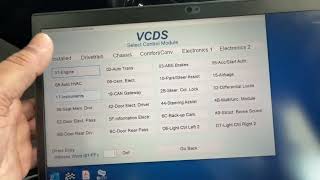
- If the connector is clean, use a capable scan tool (like VCDS) to command the LDP to run while monitoring the sense circuit voltage in live data. 🎬 See how to use VCDS to view live sensor data. Look for erratic or out-of-spec readings. A stable voltage is expected.
- If a scan tool is unavailable, use a multimeter to check for proper reference voltage (often ~5V) and a solid ground at the LDP connector with the key on.
- If wiring and power/ground are confirmed good but the signal is erratic, the Leak Detection Pump is the likely culprit and should be replaced.
Parts You'll Likely Need
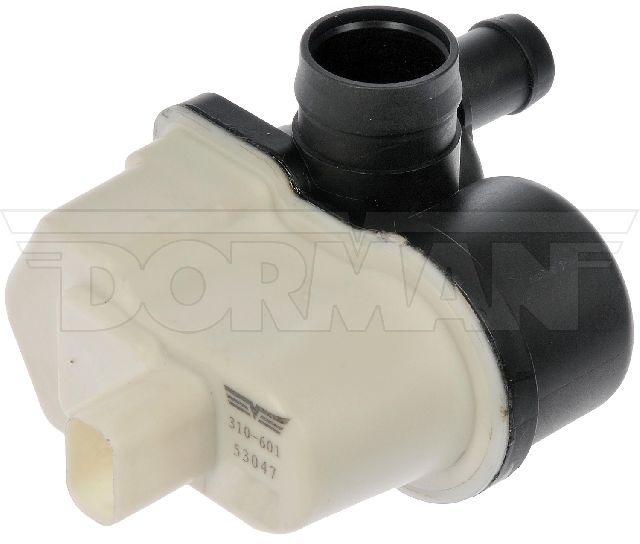
- EVAP Leak Detection Pump (LDP)
(OEM #1K0906253A)— This is the most common cause of failure for P2407, typically due to an internal failure of the pump's sense circuit (reed switch).
Trusted brands: Bosch, Dorman (p/n 310-601), Standard Motor Products, Genuine VW
OEM price range: $160-$250
Aftermarket price range: $70-$150 - LDP Connector Pigtail
(OEM #1J0973703)— If the connector is heavily corroded or the locking tab breaks, simply cleaning it may not be enough. Replacing the pigtail ensures a solid electrical connection.
Trusted brands: Genuine VW, URO Parts, Muzzys, Kufatec
OEM price range: $25-$40
Aftermarket price range: $15-$30
Technical Service Bulletins (TSBs) & Recalls
- VIN-4-A-PIN APRI: Mentions that a P2407 fault code can be a reason for the MIL (Check Engine Light) being on. [Bulletin #VIN-4-A-PIN APRI]
- Audi TSB 2071770/5: While for newer Audi models (Q3/Q5), this TSB is relevant as it shows a history of P2407 being triggered by overly sensitive OBD diagnostics, requiring a software update. This highlights that on VAG vehicles, software can sometimes be a factor, though for the 2015 Beetle, hardware (pump/wiring) is the primary suspect.
Platform-Specific Known Issues
- A Technical Service Bulletin (TSB), #VIN-4-A-PIN APRI, was issued by Volkswagen for the 2015 Beetle, noting that a P2407 fault can cause the Malfunction Indicator Lamp (MIL) to illuminate. This TSB is a general list of potential faults and does not provide specific diagnostics for P2407. [Bulletin #VIN-4-A-PIN APRI]
- Owner experiences on forums confirm that the LDP and its connector are the primary culprits. In one thread, a user with a platform-mate Jetta noted the code appeared and later cleared on its own after a long drive, which can sometimes happen with intermittent electrical faults, though the underlying issue likely remains.
Mechanic-Grade Diagnostic Values
- Leak Detection Pump (V144) Internal Resistance — expected: Between terminal 1 (Ground) and terminal 3 (Power): 640-720 Ω. Failure: A reading significantly outside this range indicates an internal pump fault.
- Leak Detection Pump (V144) Internal Resistance — expected: Between terminal 2 (Signal) and terminal 3 (Power): 15-17 Ω. Failure: Readings outside this specified range point to an internal failure of the sense circuit.
- LDP Sense Circuit Voltage (Live Data) — expected: A stable voltage of approximately 4.5-5.0 V when the pump is commanded on.. Failure: Voltage that fluctuates rapidly, spikes, or drops to 0V indicates an intermittent signal, which is the direct trigger for code P2407.
- LDP Connector Power Pin Voltage (Key On, Engine Off) — expected: Pin 3 should have battery voltage (approx. 12V).. Failure: No voltage at Pin 3 indicates a power supply issue, such as a blown fuse or a break in the wiring from the central electrics module.
Scan Tool Commands That Help
- VCDS (VAG-COM): Engine -> Basic Settings -> Group 071 — This initiates the EVAP system leak test. For diagnosing P2407, a technician should monitor the 'Condition reed contact' field in live data. An erratic flickering between 'Reed Open' and 'Reed Closed' confirms the intermittent nature of the sensor's signal, pointing directly to the fault.
- VCDS (VAG-COM): Engine -> Output Tests -> Leak Detection Pump (V144) — This allows for manual activation of the LDP. It should be used while simultaneously monitoring the sense circuit voltage in live data. If the voltage signal drops out or becomes unstable only when the pump is commanded on, it helps isolate the fault to the pump assembly or its immediate wiring.
Wiring & Ground Locations
- GND 75 — Located at the right C-pillar, above the passenger side wheel housing.. This is a primary ground point in the rear of the vehicle near the LDP. A loose or corroded connection at this point could create a floating ground, causing the erratic voltage and intermittent signals that trigger P2407.
- T3as — The 3-pin electrical connector on the Leak Detection Pump (LDP) itself.. This is the primary point of failure due to corrosion from its exposed location in the wheel well. It is also the main test point for checking power (Pin 3), ground (Pin 1), and the signal (Pin 2) to the ECM.
"I Checked Everything" — The Actual Cause
- Because P2407 is an electrical circuit fault code, not a leak code, a smoke test will almost always come back clean. The test is designed to find physical leaks in hoses and seals, but it cannot detect the actual cause of P2407, which is an intermittent electrical signal from the pump's internal reed switch or its wiring. Technicians should skip the smoke test as an initial step and proceed directly to electrical testing of the LDP circuit.
OEM Part Supersession History
1K0906253A→1K0906243D (or other revisions)— Part revisions and updates over the model's production.
Heads up: While multiple part numbers exist for the greater VW platform (e.g., 5Q0- and 7L0- prefixes for other models), the 1K0- prefix is correct for the A5/PQ35 platform. However, several revisions like '253A' and '243D' have been cited for the Beetle. It is critical to verify the exact part number required for your vehicle's specific VIN before purchasing.
Helpful Videos

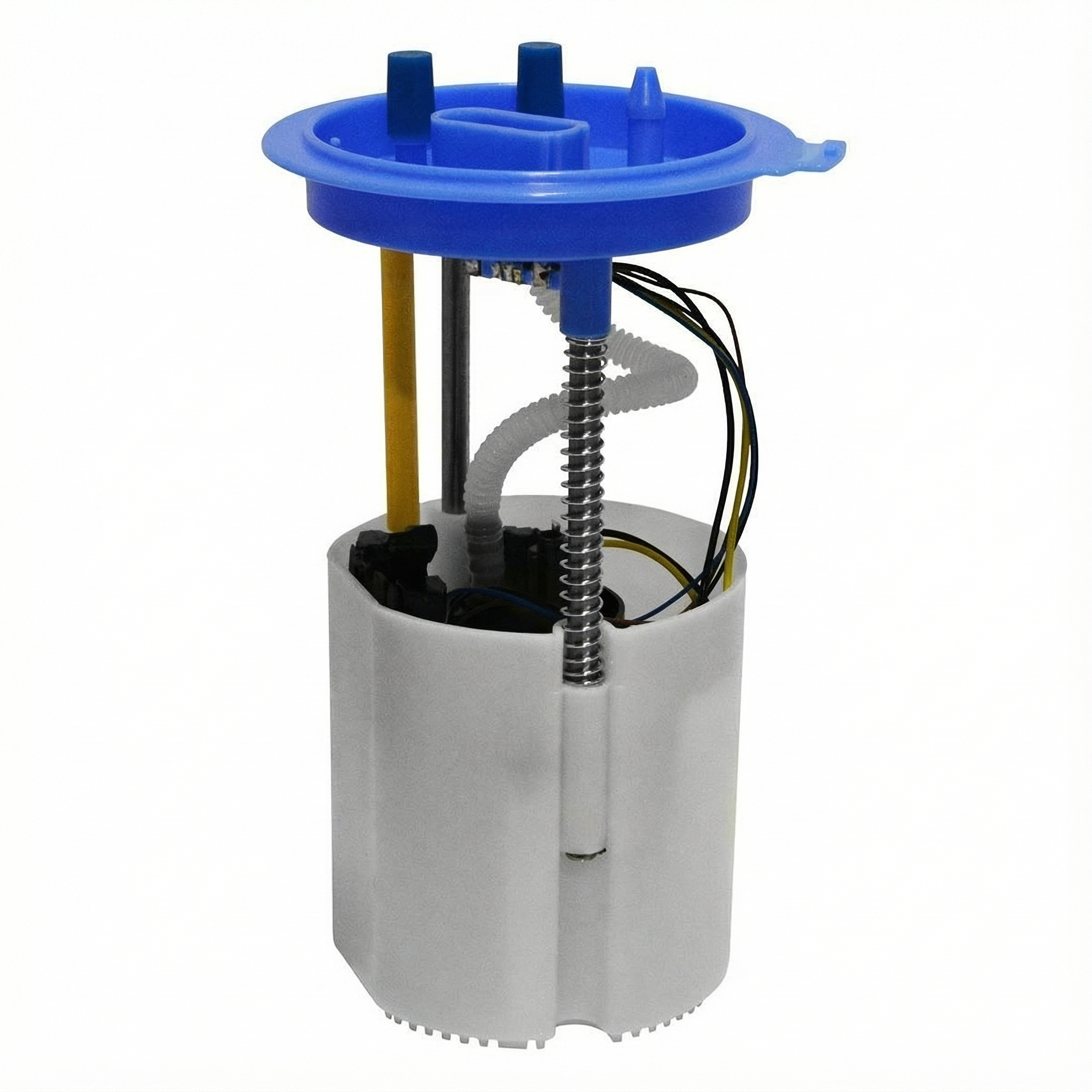
Used OEM Parts in Stock
New Aftermarket Parts Available


The information in this article is provided for general reference and educational purposes only. Vehicle specifications, procedures, and part compatibility can vary by production date, trim level, and region. Always consult your vehicle's factory service manual and verify part numbers before purchasing or performing repairs. Safety-critical components such as airbags, seat belts, and braking systems should be installed by a qualified professional.
- Volkswagen BEETLE TDI:
- 🎬 Helpful Videos
- 🛍️ Shop This Part
- What's Unique About the 2015-2015 Volkswagen BEETLE TDI
- Diagnostic Flowchart
- Symptoms You May Notice
- Most Likely Causes
- Rare But Worth Checking
- Diagnosis Steps
- Parts You'll Likely Need
- Technical Service Bulletins (TSBs) & Recalls
- Platform-Specific Known Issues
- Mechanic-Grade Diagnostic Values
- Scan Tool Commands That Help
- Wiring & Ground Locations
- "I Checked Everything" — The Actual Cause
- OEM Part Supersession History
- 🎟️ Get 5% Off