

P2407 on 2013-2016 Volkswagen Beetle Convertible: EVAP Pump Circuit Fixes
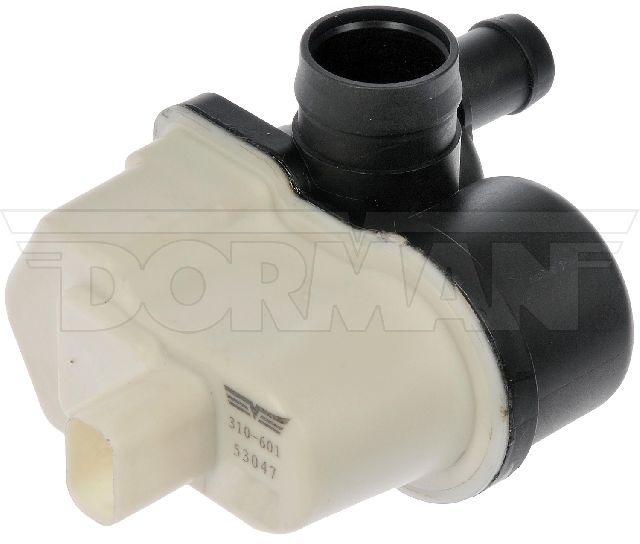
This code usually points to an electrical issue with the EVAP system's Leak Detection Pump (LDP), not a physical leak. The most common fix is replacing the LDP assembly itself due to internal failure of its sense circuit. Before replacing, thoroughly inspect the pump's electrical connector for corrosion, as cleaning it is a much cheaper fix. Expect to pay between $150 and $300 for a quality replacement part.
- P2407 is an electrical fault with the Leak Detection Pump's sensor, not a physical leak in the EVAP system.
- The most likely cause on your Beetle is a failed Leak Detection Pump (LDP) assembly, followed closely by a corroded electrical connector for the pump.
- Before replacing the pump, always inspect the wiring and connector for corrosion or damage, as this is a common and cheaper fix.
- You can continue to drive the vehicle, but you will not be able to pass an emissions test until the issue is resolved.
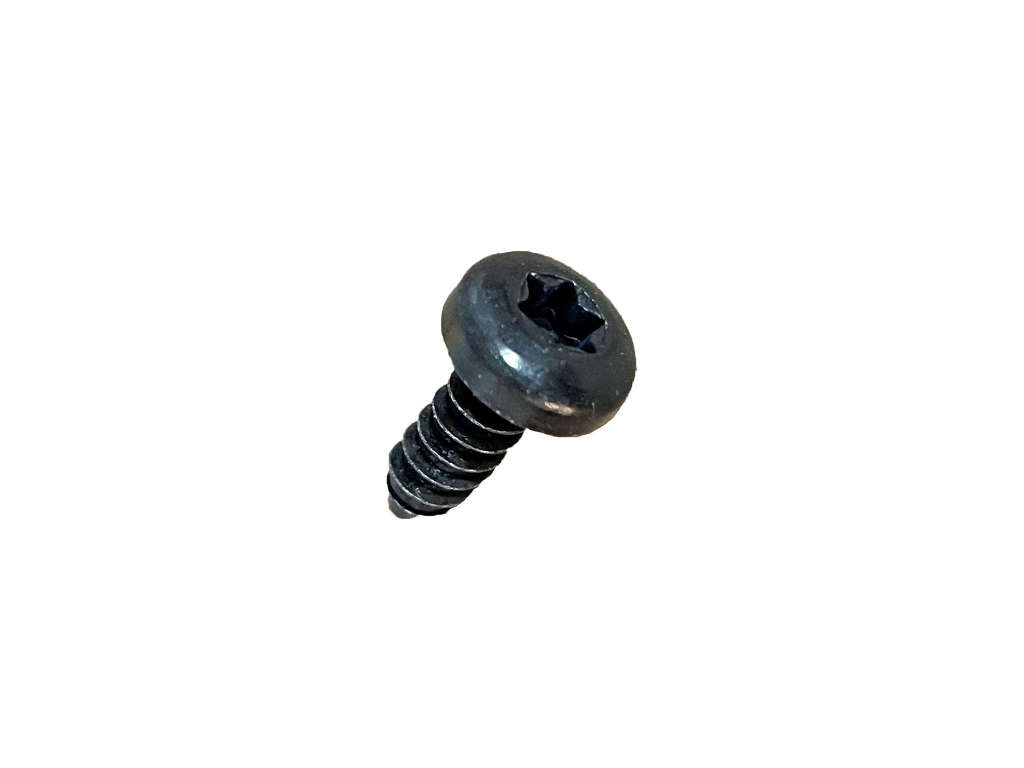
- This is a DIY-friendly repair for those comfortable working in the wheel well; the pump is typically held by a few T25 Torx screws and has one electrical connector and a few hose connections.
What's Unique About the 2013-2016 Volkswagen BEETLE CONVERTIBLE
For this generation of Volkswagen, which is based on the PQ35 platform shared with the Golf and Jetta, the P2407 code is a well-documented issue. The Leak Detection Pump (LDP) is the primary failure point. These pumps are located in the rear passenger-side wheel well, where they are exposed to road salt, water, and debris. This constant exposure leads to corrosion of the electrical connector's pins or internal failure of the pump's sense circuit. Volkswagen Group has also issued Technical Service Bulletins (TSBs) for other models that suggest a software update can fix overly sensitive diagnostics that may trigger this code erroneously, though part failure remains the most common cause.
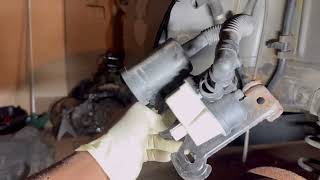
🎬 Watch: A quick breakdown of what causes the P2407 code.Diagnostic Flowchart
Tap your situation to follow the diagnostic path that matches what you're seeing on this vehicle.
Symptoms You May Notice
- Check Engine Light is on
- Inability to pass an emissions inspection due to the EVAP monitor not being 'ready'.
- A faint smell of fuel near the rear of the vehicle, especially after the pump cycles.
- No noticeable change in engine performance, idle quality, or fuel economy.
- Replacing the gas cap. While a loose or faulty gas cap can cause other EVAP codes (like P0455 or P0442), it does not cause the specific electrical circuit code P2407.
- Searching for a physical EVAP leak with a smoke machine. P2407 points to an electrical circuit fault, not a system leak. The diagnostic focus should be on wiring and components first.
Most Likely Causes
- Faulty Leak Detection Pump (LDP) 🔴 High Probability The LDP is a common failure item on many VW models of this era. The internal sensor circuit, often a magnetic reed switch, fails from wear or moisture intrusion, leading to an erratic signal.
How to confirm: Using a capable OBD-II scanner, monitor the voltage from the LDP sense circuit in live data. If the voltage is erratic, jumping, or dropping to zero as the pump activates, the pump is likely faulty. A stable voltage is typically around 4.5-5.0V. A visual inspection may reveal cracks in the pump housing.
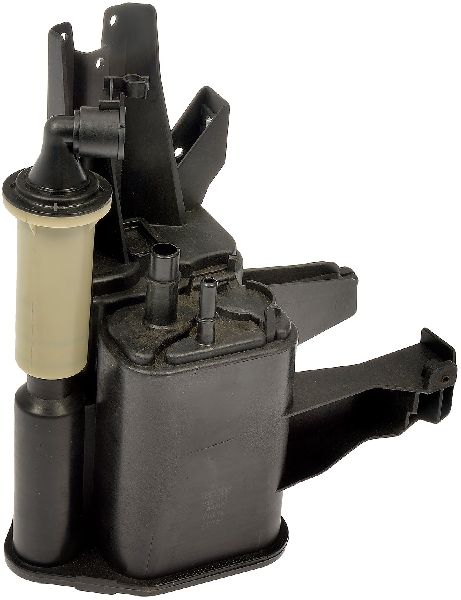
Typical fix: Replace the entire Leak Detection Pump assembly. This is often sold as a unit with the filter.
Est. part cost: $150-$300 - Damaged Wiring or Corroded Connector 🟡 Medium Probability The LDP is located in the rear passenger-side wheel well area, making its wiring and connector highly susceptible to damage from road debris, salt, and moisture. Corrosion (often appearing as green or white powder) on the connector pins is a very common cause for the 'intermittent' signal.
How to confirm: Unplug the LDP connector and visually inspect the pins on both the pump and the harness side for any signs of green or white corrosion ('green crusties'). Check the wiring harness leading to the pump for any chafing, breaks, or rodent damage. Perform a continuity test on the wires between the LDP and the PCM if the connector looks clean.
Typical fix: Clean the connector terminals thoroughly with electrical contact cleaner and a small brush. If the corrosion is severe, the connector pigtail may need to be replaced. Repair any damaged sections of the wiring harness.
Est. part cost: $5-$50
Rare But Worth Checking
- Faulty Powertrain Control Module (PCM): This is extremely rare. The PCM should only be considered after definitively ruling out the pump and its wiring. Replacing the PCM is expensive and requires programming to the vehicle's VIN.
- Sensitive ECM Software: For some VW and Audi models, a TSB was issued stating the original engine software was too sensitive and could erroneously log a P2407 fault. The fix is a software update performed by a dealer. While less common than part failure, it's a possibility.
Diagnosis Steps
- Verify the P2407 code is present using an OBD-II scanner.
- Gain access to the Leak Detection Pump (LDP), located in the rear passenger-side wheel well area. This may require removing the wheel and wheel well liner.
- Disconnect the LDP's electrical connector. Thoroughly inspect the pins on both the pump and the harness side for corrosion (green/white powder), moisture, or damage.
- If corrosion is found, clean it meticulously with electrical contact cleaner and a small wire brush. Apply dielectric grease before reconnecting to prevent future moisture intrusion.
- Inspect the wiring harness leading to the pump for any visible signs of chafing, pinching, or breaks.
- If the connector and wiring appear perfect, the LDP itself is the most likely culprit. Using a multimeter or advanced scanner, check for proper voltage (reference and signal) and ground at the LDP connector according to your vehicle's repair manual. A fluctuating or absent signal voltage during pump activation points to a bad pump.
- If the pump and wiring are confirmed to be good, the issue could be a rare software glitch or a PCM fault.
- After any repair or replacement, clear the code and perform a complete EVAP drive cycle to ensure the fault does not return.
Parts You'll Likely Need
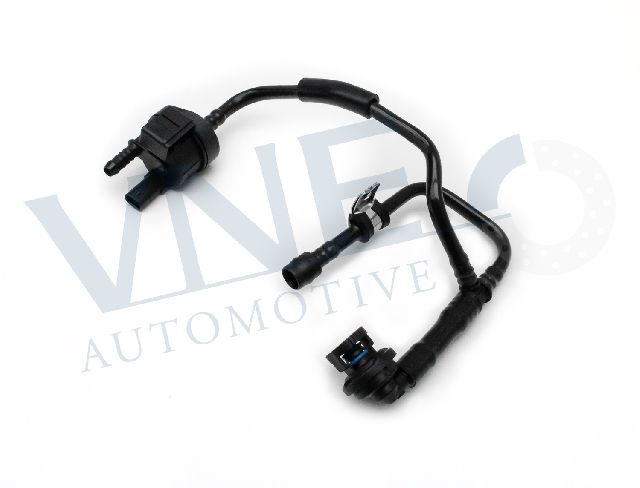
- Evaporative System Leak Detection Pump
(OEM #1K0906253L (and other variants like 8K0906253 series or 5Q0906253 series, verify by VIN))— This is the most common failure point for code P2407, as the internal sensor circuit fails or the unit is compromised by its exposed location.
Trusted brands: Bosch (OEM supplier), Genuine VW, Uro Parts
OEM price range: $250-$350
Aftermarket price range: $150-$250
Related Codes That Often Appear With This One
- P2450 — This code for "EVAP System Switching Valve Performance/Stuck Open" can sometimes appear alongside P2407. A user on a Jetta GLI forum (a platform mate) reported having both codes and resolved them by replacing the Leak Detection Pump.
Technical Service Bulletins (TSBs) & Recalls
- VIN-4-A-PIN APRI (2016 STEERING, dated 2016-04-21): Notes customer complaints of MIL-on with fault P2407.
- VIN4APIN20200803 (2014 EQUIPMENT, dated 2020-08-03): Notes customer states MIL-on with P2407.
- VIN4APIN20200720 (2013 EQUIPMENT, dated 2020-07-20): Notes customer states MIL-on with P2407.
- VW TSB 01-23-03 (dated 2023-03-07): For other models, notes that current engine software may allow erroneous P2407 faults to be stored and advises a software update before replacing parts.
- Audi TSB 01 24 16 / 2071770/5 (dated 2024-03-29): For Audi Q3/Q5, identifies overly sensitive OBD diagnostics as the cause for P2407 and prescribes a software update for the engine control module.
Platform-Specific Known Issues
- Volkswagen has issued multiple Technical Service Bulletins (TSBs) that mention the P2407 code for this vehicle, including VIN-4-A-PIN APRI, VIN4APIN20200803, and VIN4APIN20200720, indicating it is a recognized issue. However, these are generic data-gathering bulletins and do not provide a specific fix.
- A more relevant TSB for other VW/Audi vehicles (01-23-03) addresses P2407 by recommending an engine software update because the original calibration was too sensitive. This could potentially apply if no physical fault is found.
Mechanic-Grade Diagnostic Values
- LDP Sense Circuit Voltage — expected: Approx. 4.5-5.0V (stable). Failure: Voltage is erratic, jumping, or dropping to zero during pump activation.
- LDP Solenoid Coil Resistance — expected: Typically 20-50 ohms (check repair manual for exact spec). Failure: Reading is infinite (open circuit) or near zero (short circuit).
Scan Tool Commands That Help
- VCDS (Ross-Tech): Engine -> Basic Settings -> Group 070 or 071 — To initiate the EVAP system leak test. The scan tool will display the test status and results, such as 'Reed Open' or 'Test Off', which can help determine if the LDP is cycling correctly.
- VCDS (Ross-Tech): Engine -> Output Tests -> EVAP Leak Detection Pump (Noid) — To manually activate the LDP solenoid. This allows a technician to listen for the pump's clicking/thumping sound from the rear passenger wheel well to confirm it is receiving the command to operate.
- ODIS (VW/Audi Factory Tool): Guided Fault Finding -> Select Symptom/DTC -> Run Test Plan — This is the dealer-level procedure. ODIS will walk the technician through a step-by-step diagnostic plan, including checking software versions, running pump tests, and verifying sensor signals, often providing more detail than generic tools.
Wiring & Ground Locations
- Ground Point 12 — In the engine compartment, left side, below the headlight.. While not the primary ground for the LDP (which is typically grounded near the rear of the vehicle), a poor main engine compartment ground can cause floating voltages and erratic electrical behavior in various systems controlled by the ECM, potentially contributing to intermittent circuit codes.
Real Owner Repair Stories
- Reddit r/JettaGLI (2014 Jetta GLI (platform mate)) — Check Engine Light with codes P2407 and P2450 appearing intermittently.
❌ Tried (didn't work) Neglecting the issue until smog test was due.
✅ What actually fixed it The owner replaced the Leak Detection Pump (LDP) themselves. After clearing the codes, the car passed its smog inspection and the codes did not return.
Helpful Videos
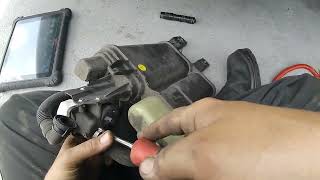
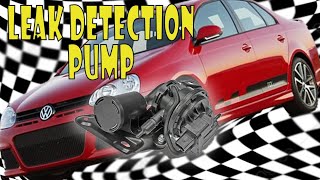
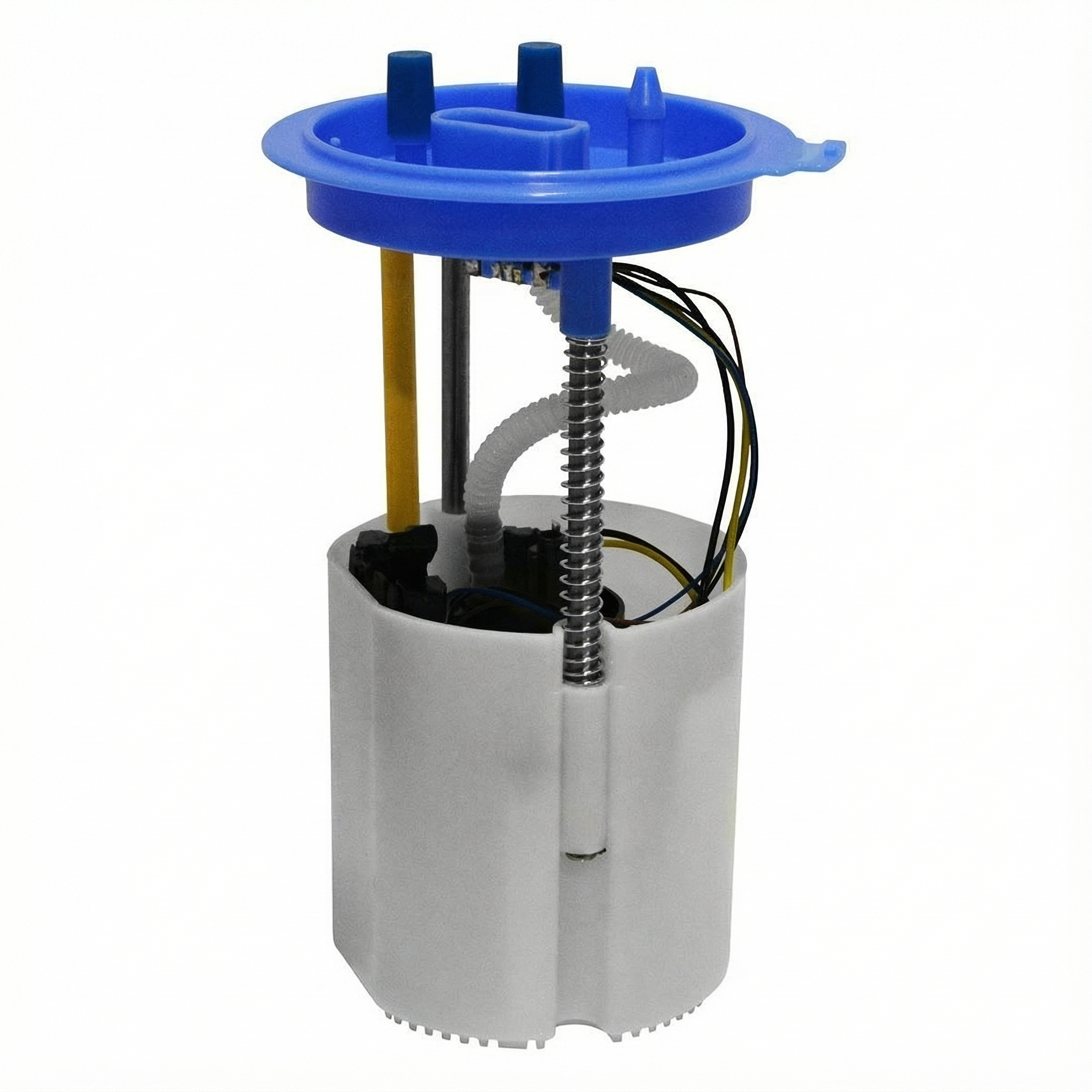
Used OEM Parts in Stock
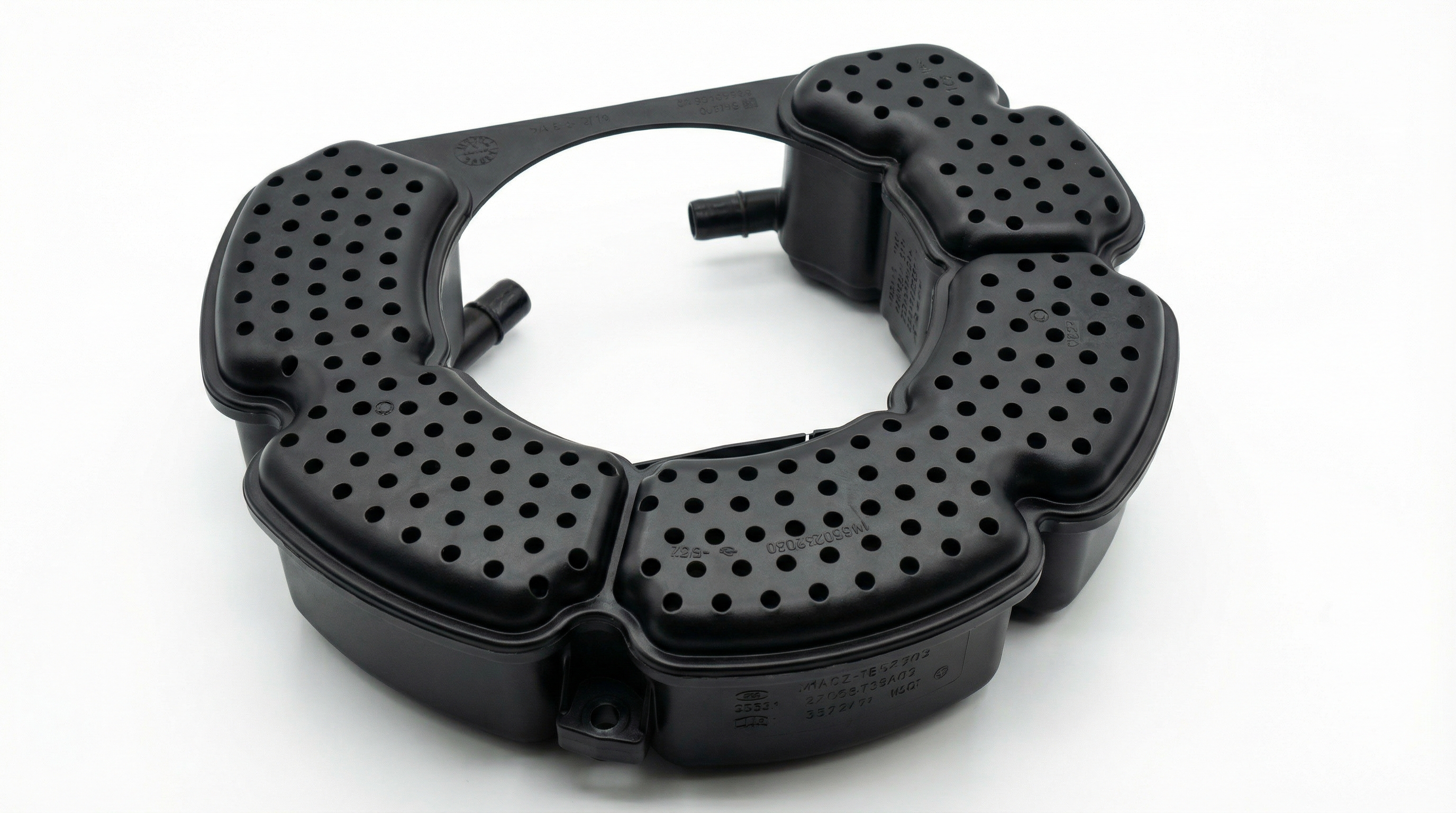
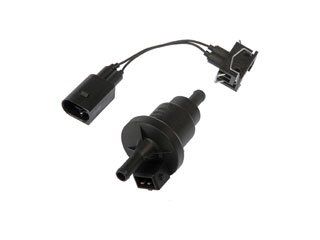
New Aftermarket Parts Available


The information in this article is provided for general reference and educational purposes only. Vehicle specifications, procedures, and part compatibility can vary by production date, trim level, and region. Always consult your vehicle's factory service manual and verify part numbers before purchasing or performing repairs. Safety-critical components such as airbags, seat belts, and braking systems should be installed by a qualified professional.
- Volkswagen BEETLE CONVERTIBLE:
- 🎬 Helpful Videos
- 🛍️ Shop This Part
- What's Unique About the 2013-2016 Volkswagen BEETLE CONVERTIBLE
- Diagnostic Flowchart
- Symptoms You May Notice
- Most Likely Causes
- Rare But Worth Checking
- Diagnosis Steps
- Parts You'll Likely Need
- Related Codes That Often Appear With This One
- Technical Service Bulletins (TSBs) & Recalls
- Platform-Specific Known Issues
- Mechanic-Grade Diagnostic Values
- Scan Tool Commands That Help
- Wiring & Ground Locations
- Real Owner Repair Stories
- 🎟️ Get 5% Off